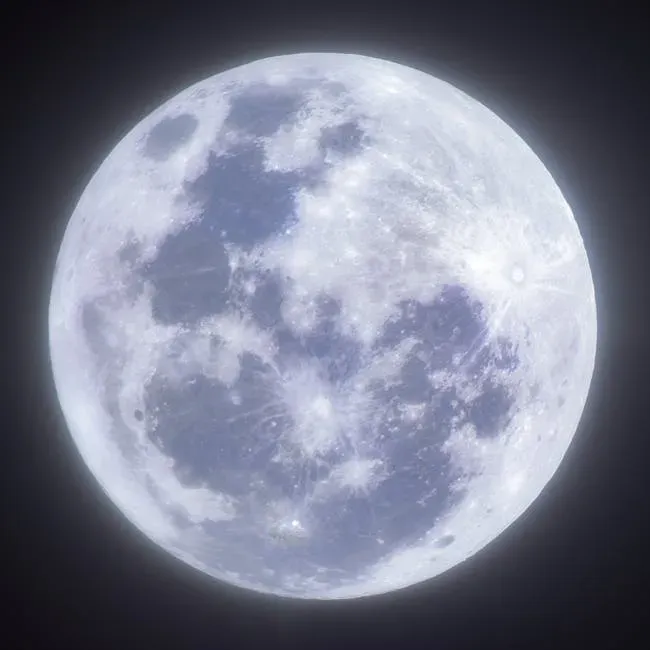
If you grew up thinking of the Moon as a cold, dead rock just hanging in space, you’re not alone. For a long time, that was the simple story you were told: lifeless, airless, geologically frozen. But in the last couple of decades, new missions and better data have quietly torn that picture apart, piece by surprising piece.
You still would not call the Moon “alive” in the way you describe Earth’s forests or oceans. There are no cities glowing on the dark side, no alien gardens in lava tubes, no buzzing atmosphere full of clouds and thunderstorms. Yet, when you look closely, the Moon turns out to be far more active, dynamic, and, in a strange way, “lively” than you were ever taught in school.
The Moon Is Not As Geologically Dead As You Think
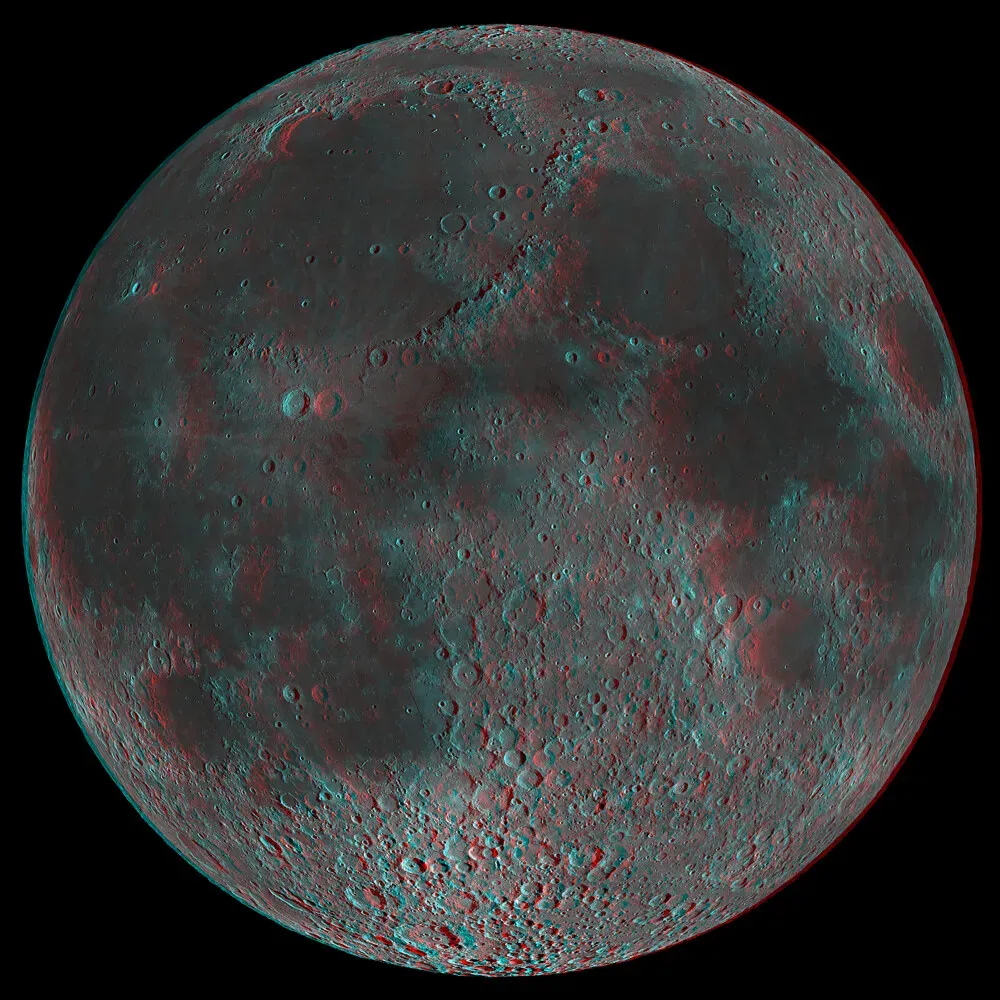
You might have heard that the Moon “died” geologically billions of years ago, its volcanoes shut off and its insides frozen solid. That story is now being rewritten. When you examine high‑resolution images and data from modern lunar orbiters, you find fresh-looking cliffs, cracks, and wrinkles on the surface that simply should not exist if everything had been frozen for eons.
These features, called lobate scarps, look like the skin of a dried apple that shrank and wrinkled. They are small, sharp, and relatively unweathered, which tells you they formed recently on geological timescales. In plain language, the Moon is still slowly contracting and reshaping itself, as if it’s still cooling and settling down. That is not the behavior of something completely dead inside.
The Moon Still Quakes Under Your Feet
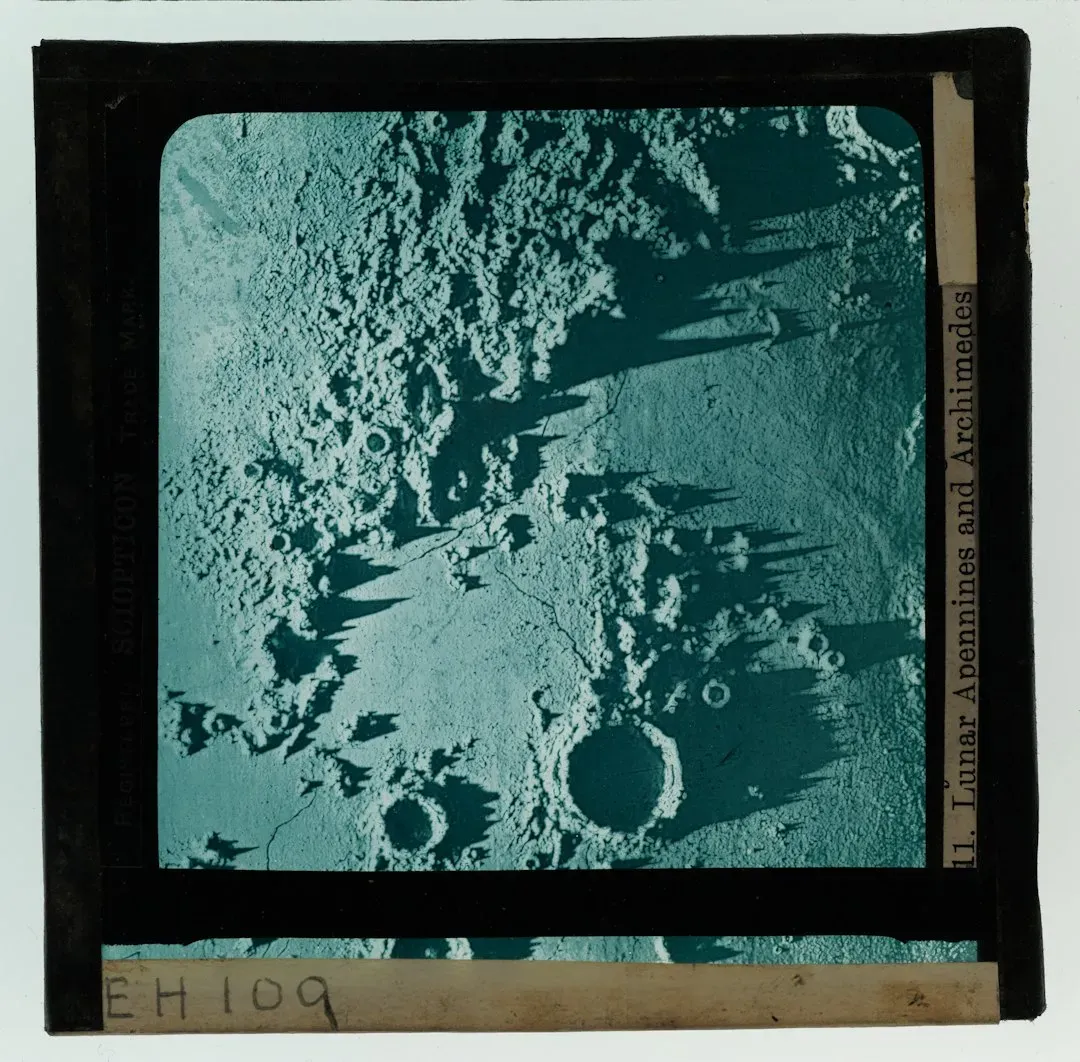
If you could stand on the lunar surface long enough, you would feel it: the ground subtly shuddering under your boots. During the Apollo missions, astronauts placed seismometers on the Moon, and those instruments picked up moonquakes that continued for years. With modern reanalysis of that old data, along with new modeling, you now understand that the Moon still trembles in several different ways.
Some quakes are triggered by Earth’s tidal pull, flexing the Moon’s interior like you might bend a rubber ball. Others are linked to thermal stresses, as the surface bakes in sunlight and then freezes in darkness, causing cracks and pops. A few deep moonquakes originate far below the surface and can last for long periods. When you hear that a supposedly “dead” world can still shake itself awake, the line between lifeless rock and something more dynamic starts to blur just a bit.
A Ghostly, Shifting “Atmosphere” You Never See
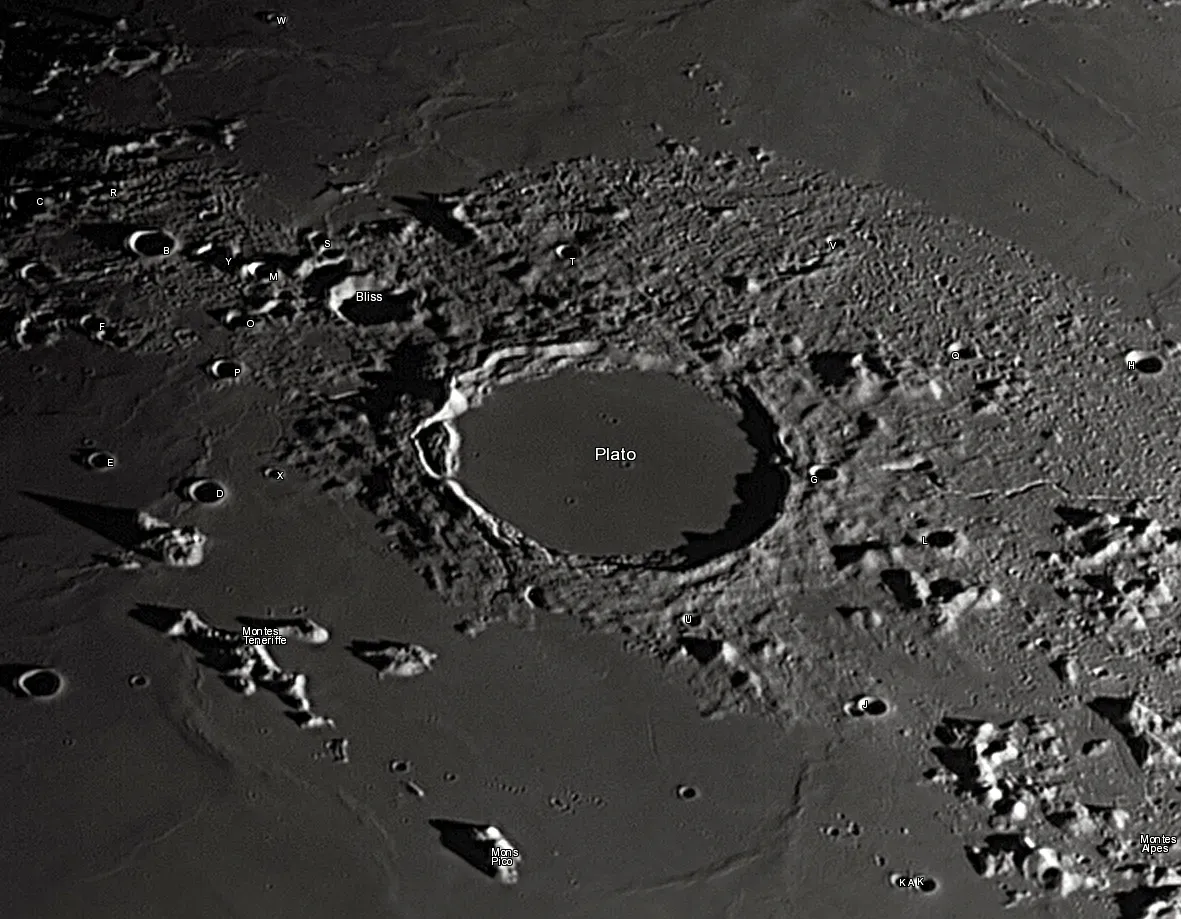
You probably think of the Moon as having no atmosphere at all, but that is not quite true. What it has is an extremely thin, fragile envelope of particles called an exosphere, so tenuous that you would not feel it on your skin even if you stood right in it. Still, this ghostly veil is constantly changing, driven by sunlight, radiation, and even the solar wind.
Atoms like sodium, potassium, helium, and argon can be kicked off the surface by micrometeorite impacts or energized by ultraviolet light, then drift around the Moon before falling back down. You can think of it like a barely-there breath that the Moon is slowly exhaling and inhaling as it orbits Earth and moves through the Sun’s charged particle stream. It is not weather in any familiar sense, but it is motion, exchange, and flux – another quiet sign that the Moon is not as static as it looks.
Hidden Water and Ice: The Moon’s Surprising Reservoirs
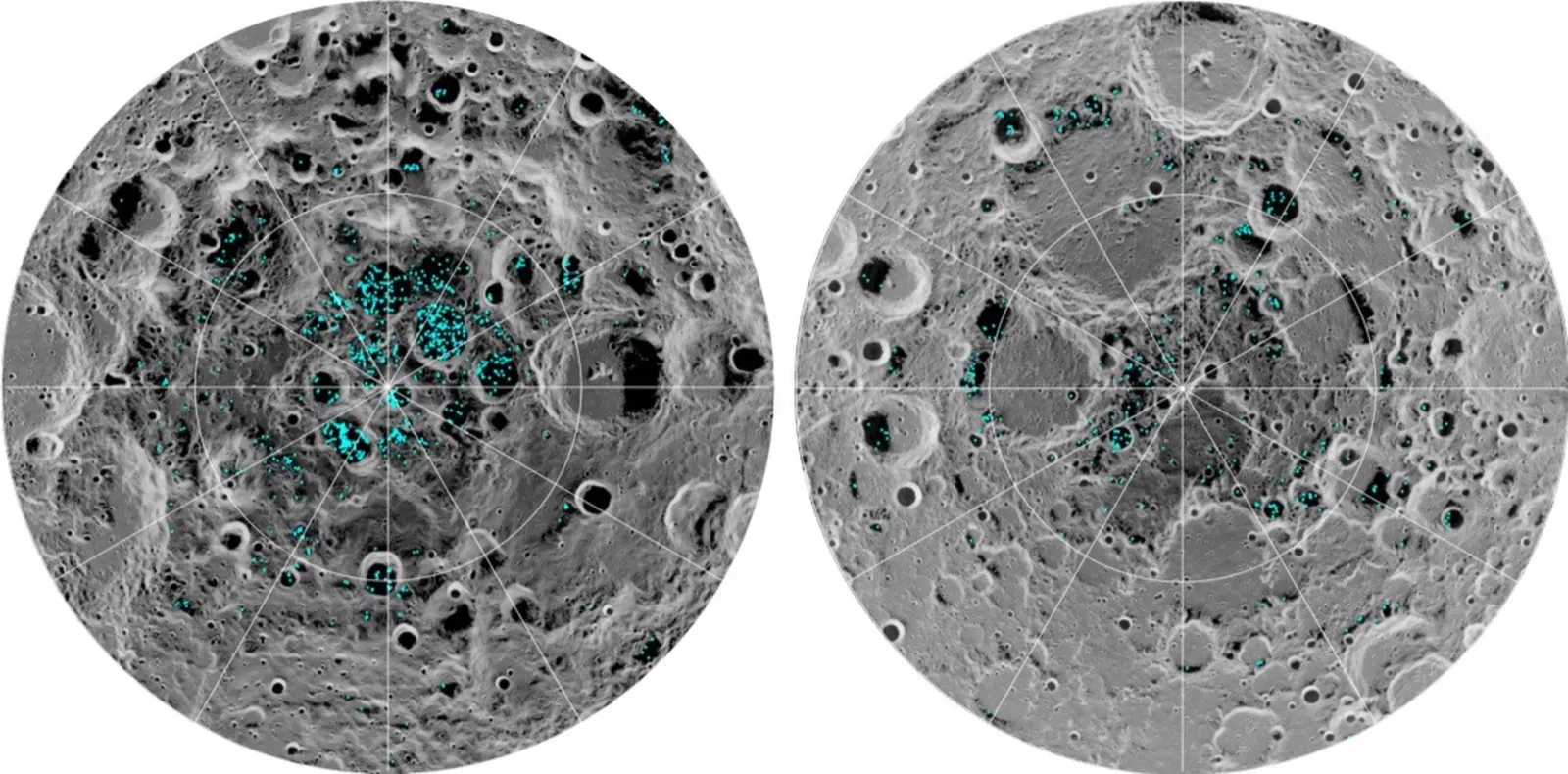
If you were told the Moon is bone-dry, you now know that is outdated. Modern missions have found clear evidence that water exists on the Moon, mainly as ice tucked away in permanently shadowed craters near the poles and as trace amounts of molecules bound in the lunar soil. Some of those shadowed regions have not seen sunlight for billions of years, turning them into cold traps where volatile substances can accumulate and persist.
This water does not make the Moon “alive,” but it changes how you see it. Instead of an inert dustball, you are now dealing with a world that stores essential ingredients for future explorers: water to drink, oxygen to breathe, and hydrogen and oxygen for rocket fuel. It also forces you to ask how that water got there – delivered by comets and asteroids, created by solar wind interactions, or released from the interior. All of those possibilities hint at a long, active history of interactions between the Moon, the Sun, and space itself.
Strange Glows, Dust Movements, and Lunar “Weather”
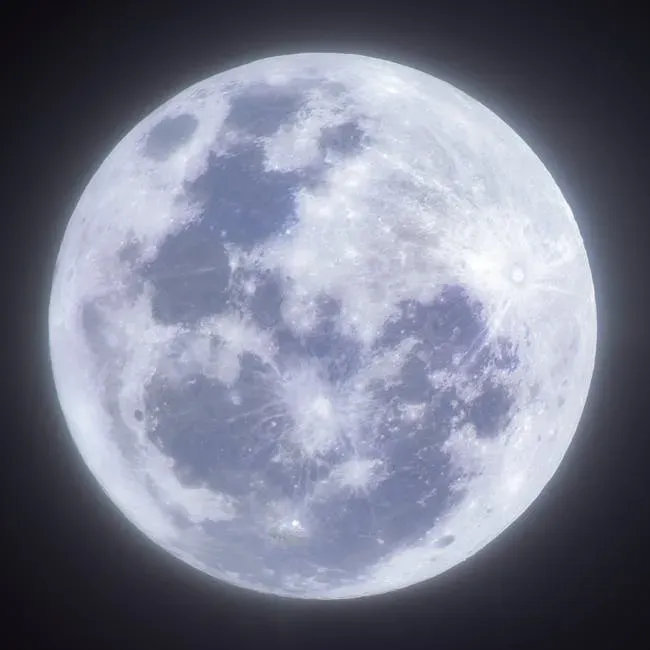
For decades, astronauts and telescopic observers have reported odd glows and hazes near the Moon’s horizon, especially around sunrise and sunset. You might dismiss that as imagination, but there is a physical explanation that makes the Moon feel eerily more alive. Charged particles from the Sun can electrify the lunar surface, causing fine dust grains to levitate and drift in low arcs above the ground.
Imagine walking across a field where the dust lifts and dances around your boots, not because of wind, but because of static electricity on a planetary scale. This electrostatically lofted dust could create faint glows and hazes that your eyes or instruments might pick up. It is not weather like you know it – no clouds, no rain – but it is a kind of “dust weather” that gives the Moon a changing, reactive character rather than a frozen one.
Could Anything Actually Live There? What the Evidence Really Says
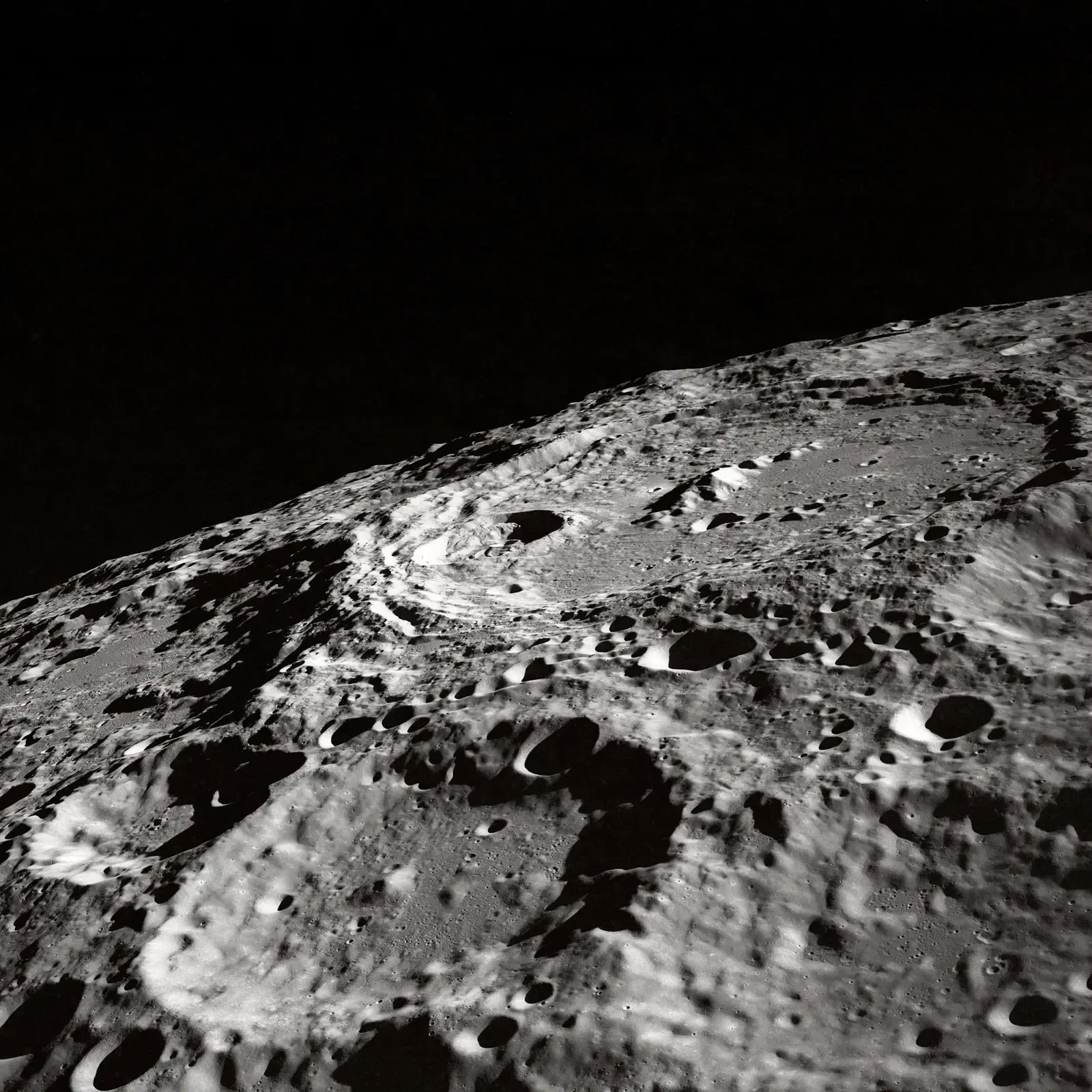
This is where you need to be brutally honest with yourself: based on what you know right now, the Moon does not host any known life. The surface environment is brutally hostile – vacuum, intense radiation, extreme temperature swings, and no protection from micrometeorites. When you put microbes through similar conditions in laboratories, only a tiny, highly specialized subset can survive, and even then usually only in a dormant or shielded state.
So far, every lunar sample you have examined points to a sterile environment by Earth standards. That said, the Moon is still scientifically alive with potential: it preserves a record of early solar system impacts, it might have sheltered organics delivered by comets, and it provides test beds for how simple molecules behave in harsh space conditions. You are not justified in calling it biologically alive, but you are justified in treating it as a critical laboratory for understanding where life can and cannot take hold.
Why the Moon’s “Aliveness” Matters For Your Future in Space
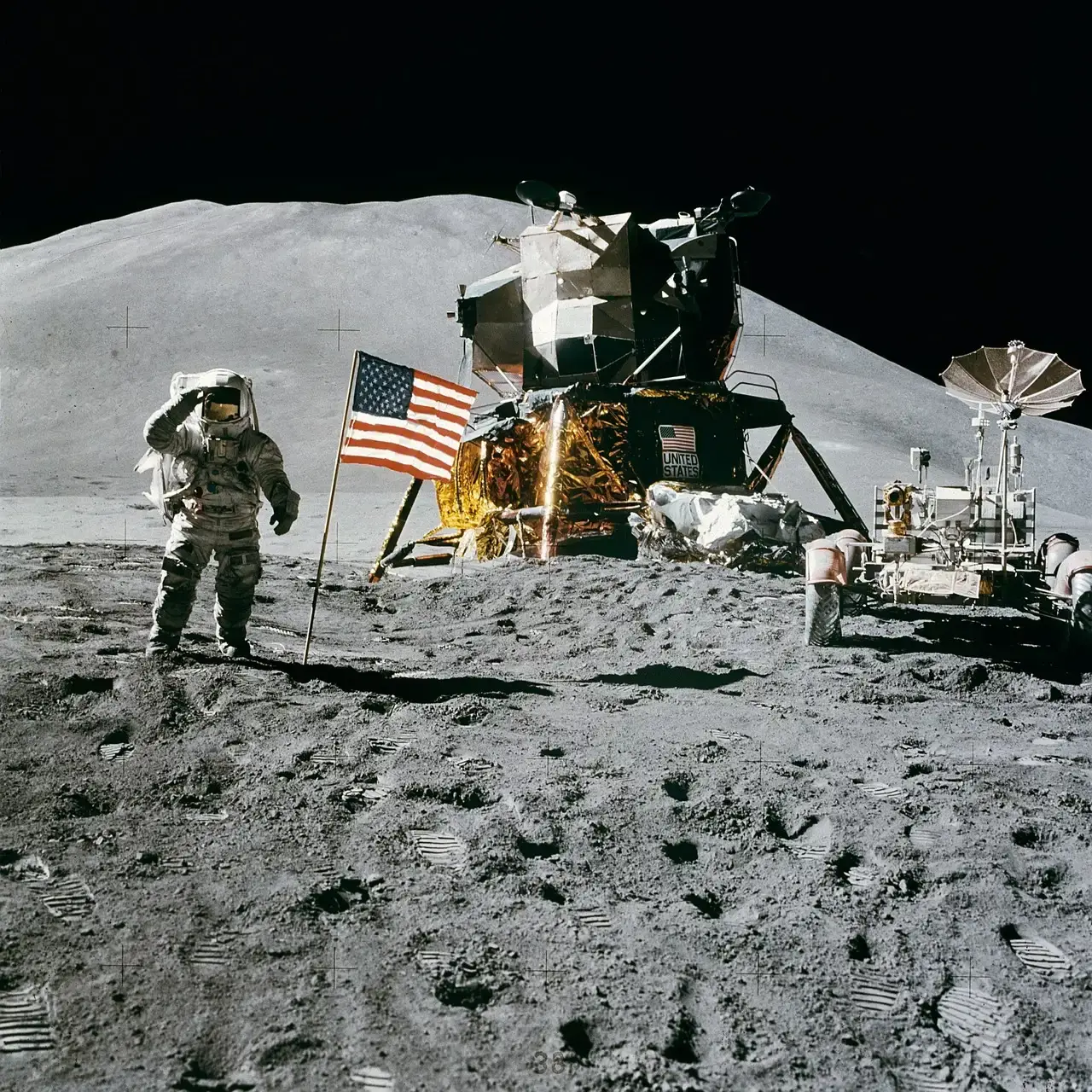
Even if the Moon is not teeming with life, its subtle activity has big consequences for you as a species stepping off Earth. The fact that it still quakes, shrinks, moves dust, and holds water directly affects how you design habitats, landing pads, and long-term bases. You cannot treat it as a perfectly stable rock; you have to plan for shifting ground, abrasive dust, radiation, and evolving resources.
At the same time, the Moon’s semi-active nature is what makes it such a compelling partner. You can tap its ice for water, mine its regolith for oxygen and metals, and use its steady vantage point to observe deep space. In a sense, you are being invited to collaborate with a world that is quiet but not inert. When you think of the Moon this way, not as a dead ornament in the sky but as a changing, usable, and scientifically rich neighbor, it suddenly feels a lot more relevant to your future.
A Living Story, Even If Not a Living World
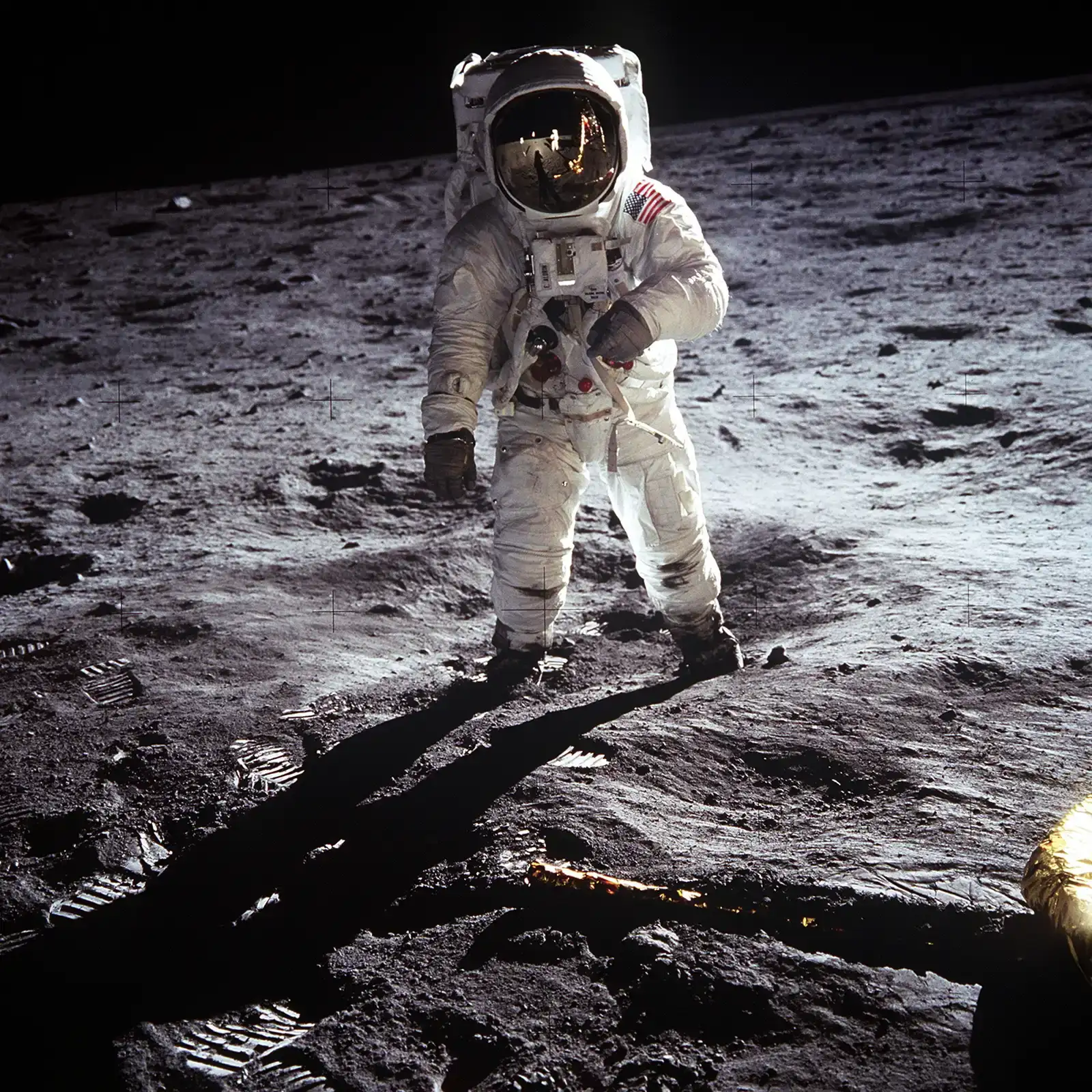
So, is the Moon alive? In the strict biological sense, your best answer right now is no. You do not see ecosystems, metabolism, or reproduction – the hallmarks you usually associate with life. But if you relax the word just a bit and think in terms of motion, change, and interaction, the Moon checks more boxes than you ever imagined.
You are looking at a world that still quakes, shrinks, exchanges particles with space, hides useful water, and stirs up dust under the touch of the Sun. It may not be a living organism, but it is definitely not a dead prop either. In the end, the Moon is alive as a story you are still uncovering, layer by layer, mission by mission. When you look up tonight, will you see just a pale disk, or will you see a neighbor that is quietly, persistently, still doing things?