If you grew up hearing that Mars was the best place to find aliens, it can be a bit of a shock to realize that the real action has quietly moved elsewhere. Mars is still important, but the search for life has expanded into a wild cosmic treasure hunt that stretches from dark oceans under ice to planets circling distant stars, and even to worlds that drift through space with no sun at all. You are living at a moment when this hunt is finally moving from science fiction into testable reality.
As you read this, telescopes are dissecting the atmospheres of far‑off planets, orbiters are mapping icy moons that hide global oceans, and mission planners are sketching tools meant to literally taste alien plumes. You are not just asking whether life exists, but what kinds of worlds can host it, and how weird it might be compared with Earth. Let’s walk through the main places scientists are betting on now – beyond Mars – and what you should watch next.
Europa: The Hidden Ocean Under Jupiter’s Ice
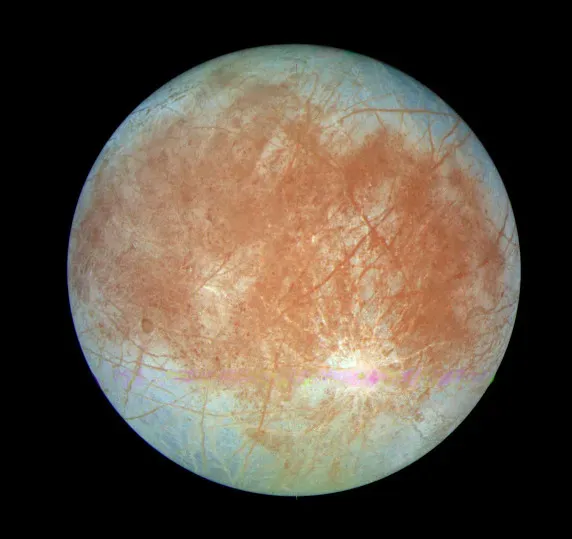
Imagine an entire global ocean, deeper than any trench on Earth, sealed beneath an ice shell and stirred by the gravity of a giant planet. That is what you are dealing with on Europa, one of Jupiter’s moons, and it has become one of the top places scientists are seriously hunting for alien life. Evidence from past missions shows that Europa has a salty, liquid ocean under its crust, likely in contact with a rocky seafloor – exactly the kind of setup that feeds hydrothermal vents on Earth, where rich ecosystems thrive without any sunlight at all. ([frontiersin.org](https://www.frontiersin.org/research-topics/10673/astrobiology-of-mars-europa-titan-and-enceladus—most-likely-places-for-alien-life/magazine?utm_source=openai))
You are about to see Europa jump from “interesting theory” to “hard data.” NASA’s Europa Clipper mission, scheduled to conduct dozens of flybys, is designed to map the ice shell, sample surface chemistry, and sniff out hints of ocean material that might leak through cracks. The big question you are trying to answer there is not just “Is it wet?” but “Is it habitable?” That means measuring things like salts, organics, and energy sources that microbes could actually use. If Europa’s ocean turns out to be chemically active and long‑lived, you may find that one of the best places to look for life in the universe has been hiding in Jupiter’s shadow the whole time. ([nasa.gov](https://www.nasa.gov/missions/nasas-search-for-life-astrobiology-in-the-solar-system-and-beyond/?utm_source=openai))
Enceladus: Sampling an Alien Ocean from Space
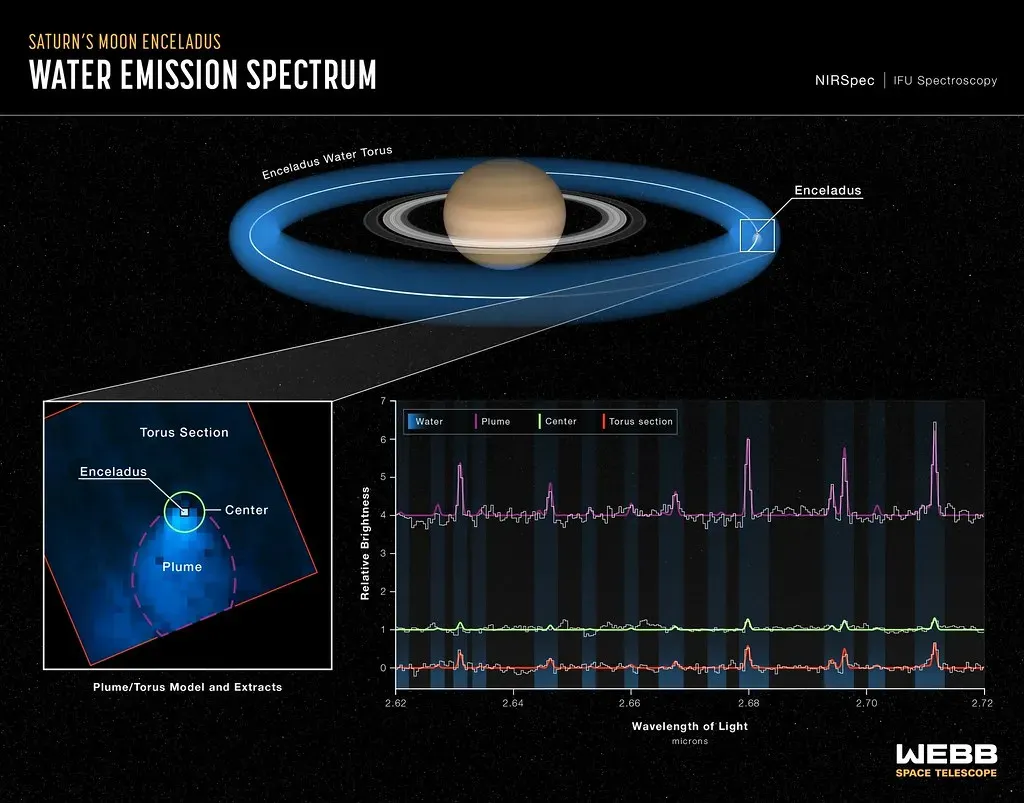
If Europa is a locked ocean, Enceladus is a leaking one. This tiny moon of Saturn shocked you when the Cassini spacecraft saw geyser‑like plumes of water vapor and ice blasting from cracks near its south pole. Those plumes turned out to be loaded with salts, organic molecules, and tiny grains that point to warm water interacting with rock on the seafloor, a combination that screams potential habitability. What makes Enceladus so compelling for you is that the moon is basically spraying samples of its subsurface ocean straight into space, inviting you to fly through and taste it. ([en.wikipedia.org](https://en.wikipedia.org/wiki/Journey_to_Enceladus_and_Titan?utm_source=openai))
Astrobiologists now rank Enceladus as one of the highest‑priority targets for an actual life‑detection mission, not just a habitability check. Concepts like an “orbilander” would orbit Enceladus, repeatedly pass through the plumes, and eventually land on the surface to study fresh fallout. Instead of drilling kilometers through ice, you could use mass spectrometers to look for complex organics, specific patterns in amino acids, or even cell‑like structures in plume particles. It is one of the few places where you might realistically answer, within your lifetime, whether an alien ocean hosts living chemistry today. ([en.wikipedia.org](https://en.wikipedia.org/wiki/Enceladus_Orbilander?utm_source=openai))
Titan: Methane Lakes and a Secret Inner Sea
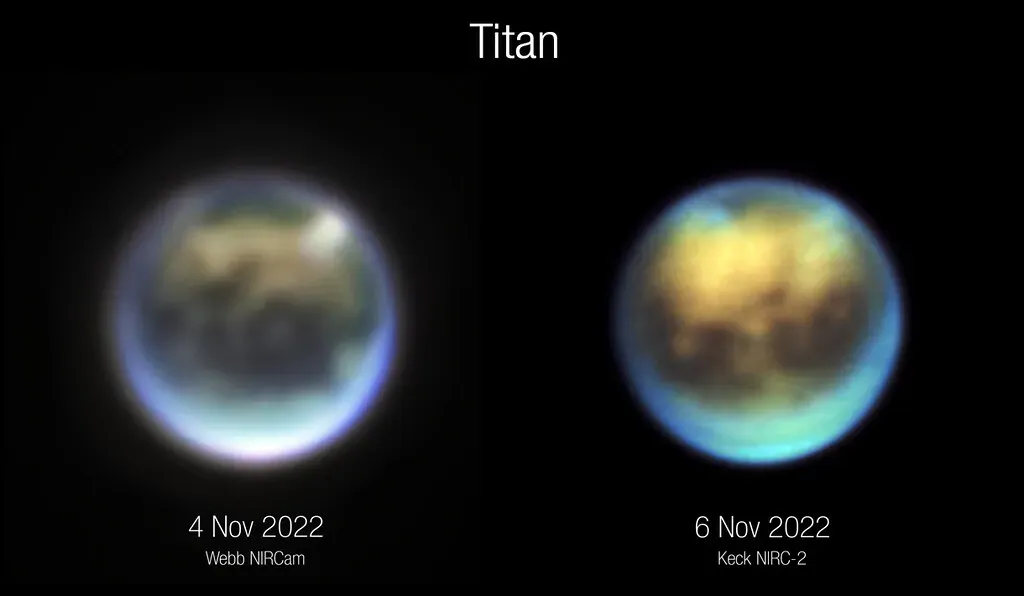
NASA’s Dragonfly mission, a nuclear‑powered rotorcraft scheduled to fly across Titan’s surface, is aimed squarely at astrobiology. You will be able to sample organic‑rich dunes, probe past impact sites that may have briefly melted water and organics together, and read the chemical history written into Titan’s crust. Even if life never got started there, Titan lets you explore complex prebiotic chemistry in both a water ocean and a hydrocarbon world, giving you clues about the many ways a planet – or moon – can get close to being alive. In a sense, Titan lets you rehearse for the kinds of exotic environments you expect to find around other stars. ([nationalgeographic.com](https://www.nationalgeographic.com/premium/article/europa-enceladus-titan-search-for-alien-life?utm_source=openai))
Venus’s Clouds: A Surprising Second Chance
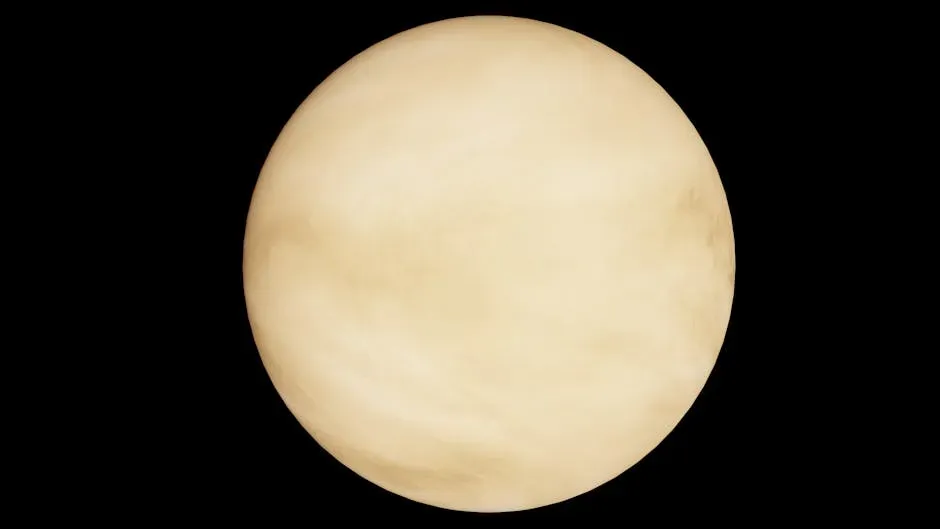
For you, Venus is a reminder that the search for life is not always about finding new places; sometimes it is about re‑examining old ones with fresh eyes. New mission concepts, including small atmospheric probes and balloon platforms, are being designed specifically to sample droplets in the cloud layer, measure acidity, look for organics, and track those odd chemical signatures in more detail. The debate is far from settled, and it may turn out that strange chemistry is all you are seeing. But if even simple microbes can persist in the clouds of a planet once written off as dead, your notion of where life can hang on will need a serious upgrade. ([journals.sagepub.com](https://journals.sagepub.com/doi/pdf/10.1089/ast.2021.0097?cf-mal-redirected=true&utm_source=openai))
Ocean Worlds Beyond the Big Three: Ganymede, Triton, and More
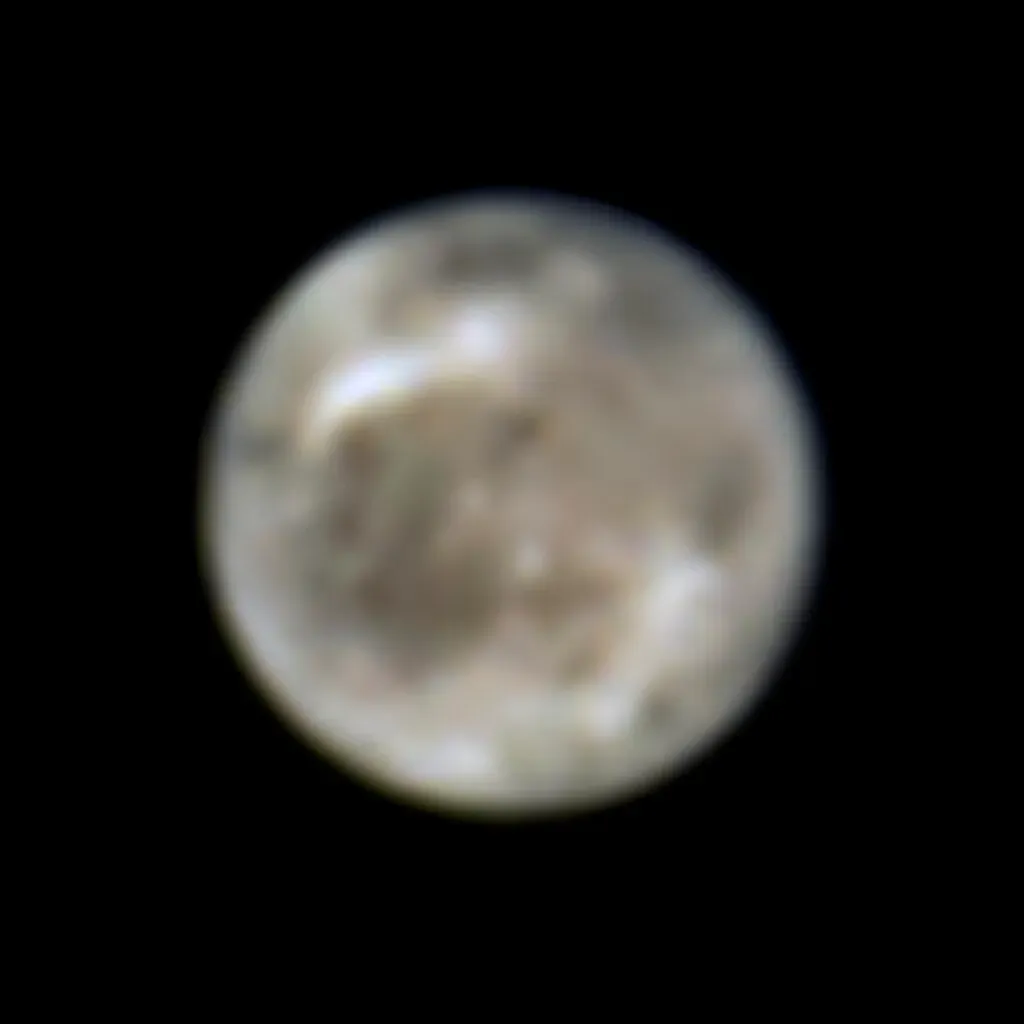
You are not sending dedicated life‑finding missions to all of these worlds yet, but they are shaping how you design future surveys. Missions that tour outer‑planet systems can use gravity assists to sample multiple moons, map their interiors with magnetometers and radar, and look for faint plumes or surface features that hint at exchange between the ocean and the exterior. The point for you is that “follow the water” no longer means focusing on one or two places – it means treating the entire outer solar system as a network of experiment sites, each testing a different flavor of habitability.
Exoplanets: Reading Alien Atmospheres for Biosignatures
The James Webb Space Telescope has already started to probe the atmospheres of small, rocky planets and water‑rich so‑called “hycean” worlds, while future observatories are being planned specifically to zoom in on a few dozen Earth‑like targets. Your bet here is different from the one you place on icy moons. Instead of hoping to scoop up literal samples, you are trying to catch life in the act of reshaping a whole planet’s air. It is slower, more statistical, and packed with uncertainty, but it has one huge advantage: you can survey many worlds at once, giving you a shot at seeing just how common habitable – and actually inhabited – planets really are. ([sciencetimes.com](https://www.sciencetimes.com/articles/61104/20260109/searching-life-beyond-earth-latest-discoveries-exoplanets-ocean-worlds.htm?utm_source=openai))
Rogue Worlds and Exomoons: Life Without a Sun?
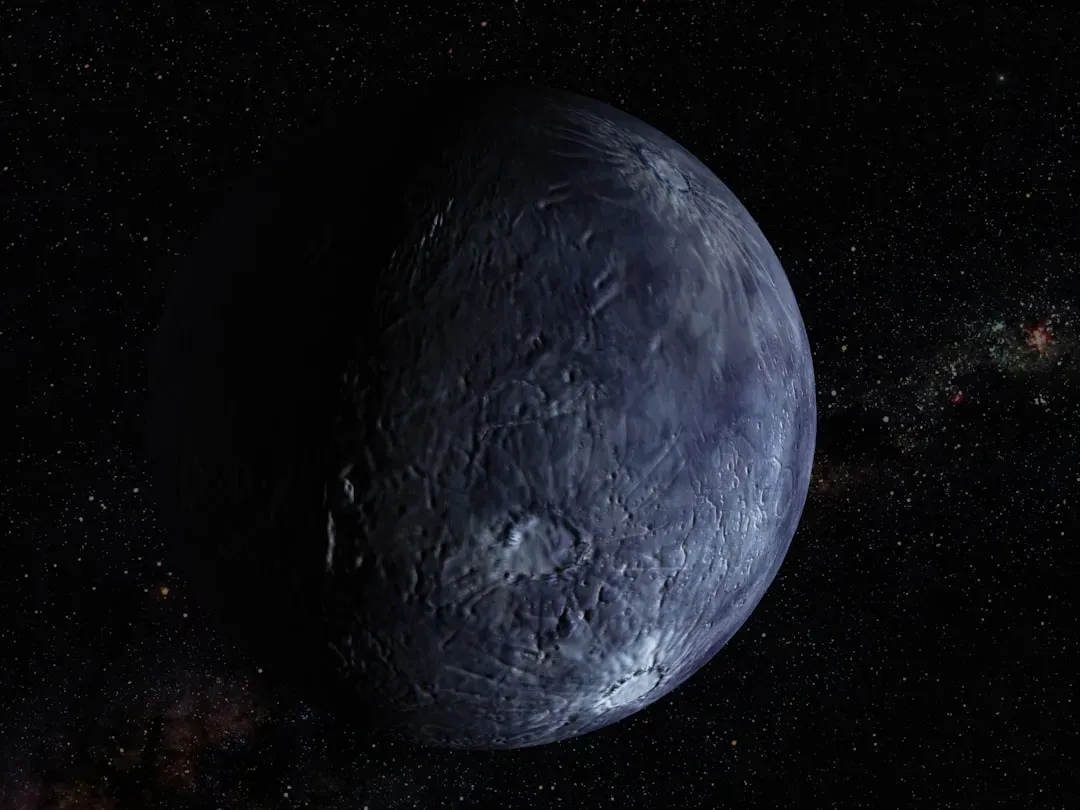
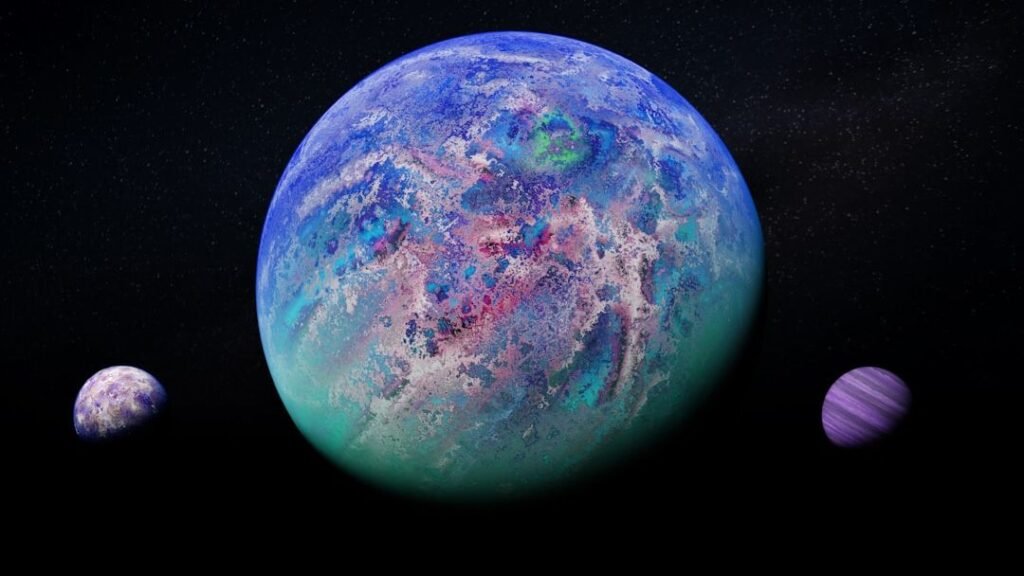
The strangest frontier might be the one where you let go of the idea that life needs a star at all. Recent work suggests that moons orbiting “rogue” planets – giant worlds that drift through space unbound to any star – could stay warm for billions of years. Tidal heating from the planet, plus internal radioactive heat, could keep an Earth‑sized moon’s surface warm enough for liquid water even in the deep, starless dark. You have not confirmed any exomoons like this yet, but the physics says they could exist in huge numbers, quietly hosting their own ecosystems completely hidden from traditional, star‑based surveys. ([space.com](https://www.space.com/space-exploration/search-for-life/no-sun-no-problem-how-life-could-thrive-on-moons-of-starless-rogue-planets?utm_source=openai))
This line of thinking forces you to widen your definition of “habitable real estate” in the universe. Instead of just counting planets around Sun‑like stars, you start to consider free‑floating planets, massive moons, and oddball configurations as serious options. Future instruments and sky surveys are being tuned to pick up more of these faint, wandering worlds and to search for signs of exomoons around known giant exoplanets. For you, the idea that life might arise on a warm moon circling a lonely planet, with no sunrise ever, is both eerie and liberating – it means the universe could be teeming with life in places you were never looking before.
What All These Places Have in Common
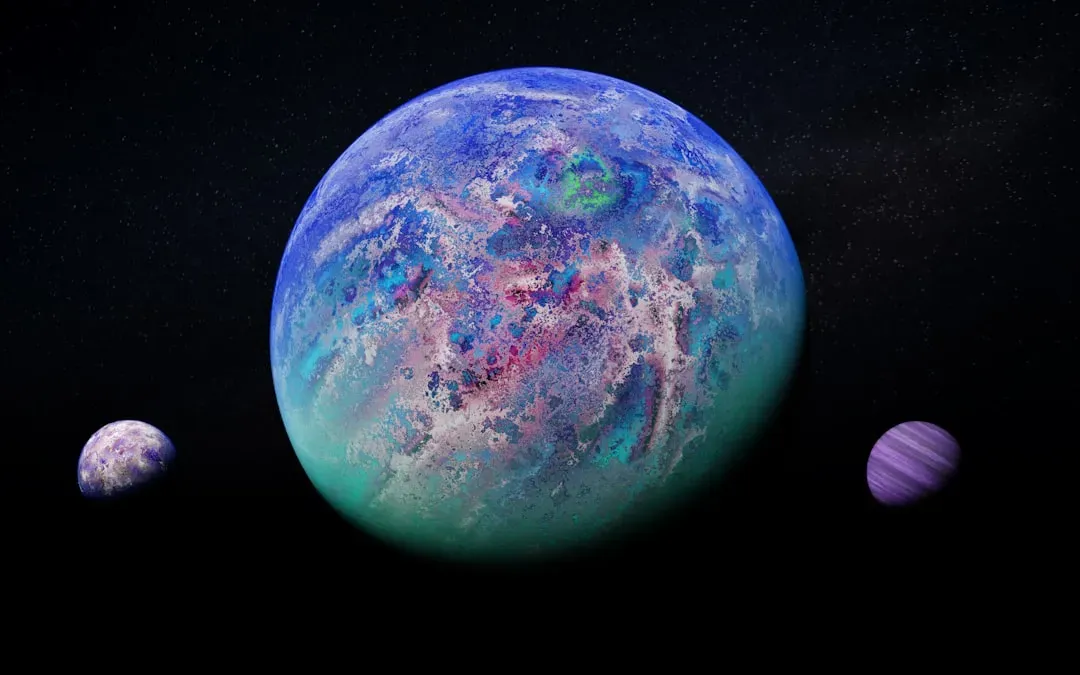
When you step back from the details, a pattern jumps out: scientists are no longer obsessed with finding another Earth clone. Instead, you are mapping out a menu of environments where basic ingredients – liquid, energy, and rich chemistry – come together in very different ways. Subsurface oceans shielded by ice, cloud layers floating above a furnace, methane lakes under a hazy sky, temperate exoplanet atmospheres, and maybe even warm moons in interstellar space all test the same core idea: life is a process that feeds on gradients and complexity, not on one specific temperature or composition.
For you, that shift in focus is powerful because it makes the search for life less about wishful thinking and more about testable physics and chemistry. Each mission, whether it is flying through Enceladus’s plumes, hovering in Venus’s clouds, or reading the light from a far‑off exoplanet, is really asking a brutally simple question: given the right conditions, does life start easily, or is it rare and fragile? You may not like the answer when it comes, but watching humanity finally get close to it is one of the most extraordinary scientific journeys you will ever be part of.
In the end, looking beyond Mars does not mean forgetting it; it means recognizing that your cosmic neighborhood is far richer and stranger than anyone guessed a generation ago. You are now searching for life in hidden seas, alien skies, and worlds without suns, using tools that can finally see subtle fingerprints of biology across unimaginable distances. The real suspense is not whether the universe can make life – that part seems surprisingly easy – but whether any of it will look back. If you had to place your bet today, which of these worlds would you choose as the first to surprise you?