If you want to glimpse how life might have started on a young, hostile Earth, you don’t have to look to distant galaxies. You can start with places on our own planet that look like they’re trying to kill you. Boiling acid pools, pitch-black ocean trenches, toxic salt flats, and underground caves full of suffocating gas are not just scenes from a disaster movie; they’re active laboratories where scientists are quietly rewriting the story of how life begins.
What’s wild is that many of these environments would instantly destroy most familiar forms of life, yet they’re absolutely teeming with tiny, stubborn organisms that shrug off heat, acid, radiation, and crushing pressure. The more we find, the more one unsettling idea takes hold: maybe life isn’t fragile and rare at all. Maybe, given the right chemistry and a bit of time, it’s almost inevitable. And that changes how we think not just about our own origins, but about where else in the universe life could be hiding.
Hydrothermal Vents: Smokestacks at the Bottom of the World
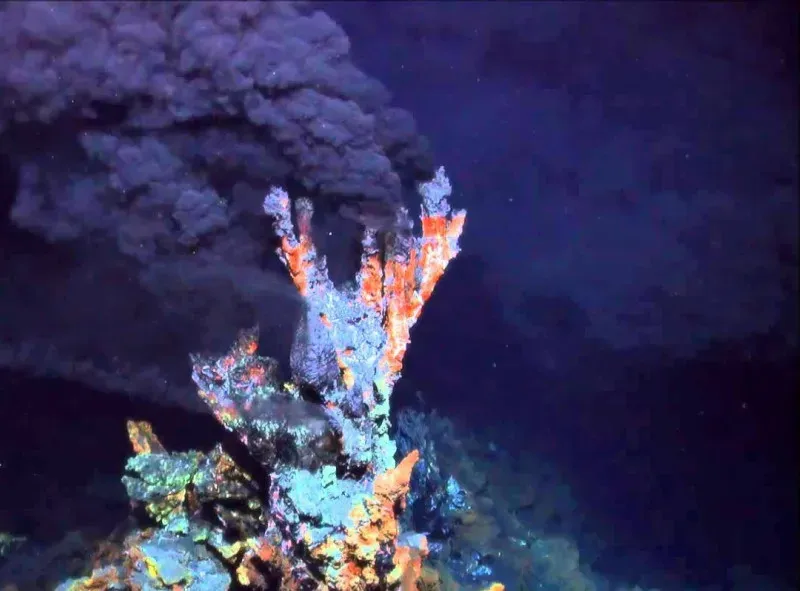
Imagine an underwater mountain range in total darkness, where water hotter than boiling bursts from the seafloor like black smoke. That’s a hydrothermal vent field, and instead of sunlight, the entire ecosystem runs on chemistry: microbes harvest energy from hydrogen, sulfur, and metals in the vent fluids. When scientists first stumbled onto these vents in the late 1970s, it flipped a table in biology; life didn’t need sunlight after all, only a chemical energy source and a few key ingredients.
For origin-of-life researchers, vents are irresistible because they offer natural gradients: hot to cold, acidic to alkaline, mineral-rich fluids meeting ancient seawater. Those gradients act like tiny batteries, pushing electrons around and driving reactions that can build simple organic molecules from scratch. Some vent minerals even form thin compartments and surfaces that can trap these molecules, a bit like microscopic test tubes. It’s not hard to imagine early Earth covered in such systems, with countless vents quietly running chemistry experiments for millions of years until something finally started to copy itself.
Alkaline Vents and the “Chemical Battery” Hypothesis
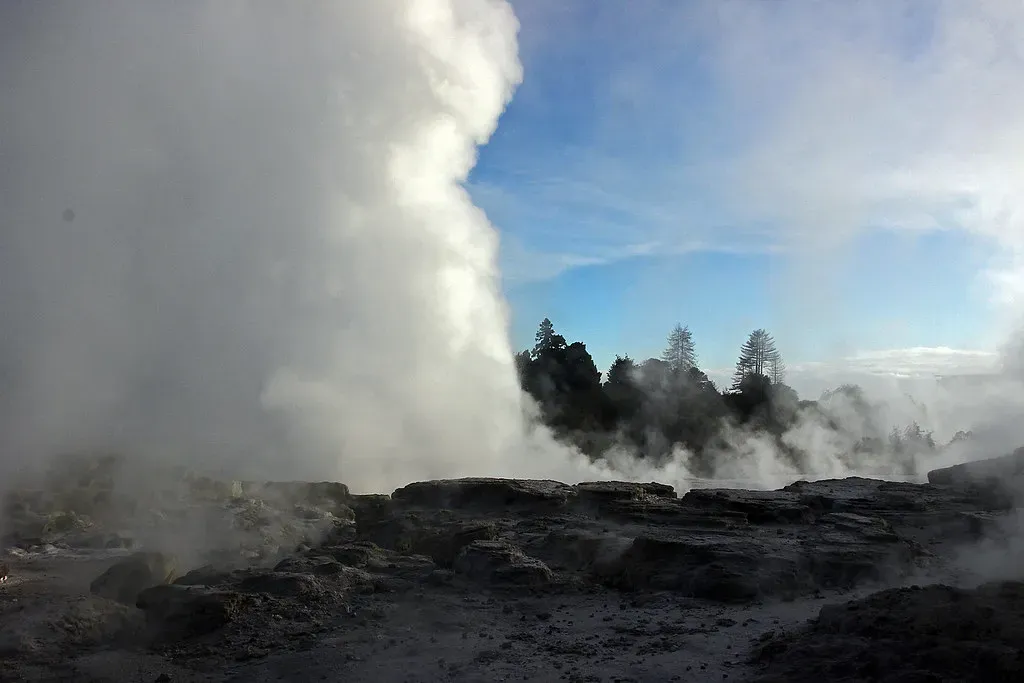
Not all vents are violent and boiling; some are cooler, gentler, and strongly alkaline, like the famous Lost City vent field in the Atlantic. These vents spew warm, mineral-rich fluids full of hydrogen into slightly acidic seawater, building tall, white chimneys of carbonate rock. Inside these chimneys are tiny pores lined with iron and nickel minerals, creating a maze of microscopic chambers. Researchers see these pores as natural proton pumps, where differences in acidity across thin mineral walls can power chemical reactions.
Modern cells still rely on proton gradients across membranes to generate energy, so alkaline vents offer a strikingly familiar template. In this view, early life might have started as simple chemistry happening in those mineral pores, long before cells built their own membranes. Over time, chemistry became more organized, more self-sustaining, eventually “stealing” the vent’s energy system and carrying it off in independent, free-living cells. It’s a bold idea, and not everyone agrees, but it explains something profound: why every living thing today still runs on tiny electrical imbalances across thin barriers.
Boiling Acid Pools and Hot Springs: Life on the Edge of Destruction
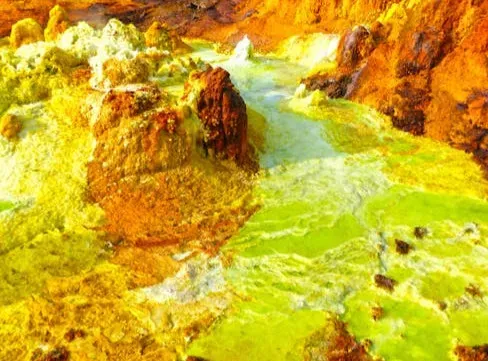
Walk through places like Yellowstone, Iceland, or volcanic fields in Italy, and you’ll find colored pools that look beautiful and deeply untrustworthy. Some of them are so acidic they can dissolve metal, others so hot that a misplaced step could cook you in seconds. Yet microbial mats grow along the edges, painting the rocks in oranges, greens, and deep reds. These microbes deal with intense heat, low pH, and heavy metals that would shred the proteins and DNA of most life in an instant.
What makes these pools so interesting for origin-of-life work is the chemistry they force on living systems. High temperatures speed up reactions, while acidity and dissolved metals can both destroy and create complex organic compounds. Some organisms in these pools use sulfur or iron instead of oxygen, hinting at how early life might have survived before Earth’s atmosphere filled with breathable air. These “extremophiles” show that the line between hostile environment and habitable niche is not a brick wall; it’s more like a sliding door that life keeps pushing open.
Deep Subsurface Biosphere: A Hidden World Beneath Our Feet
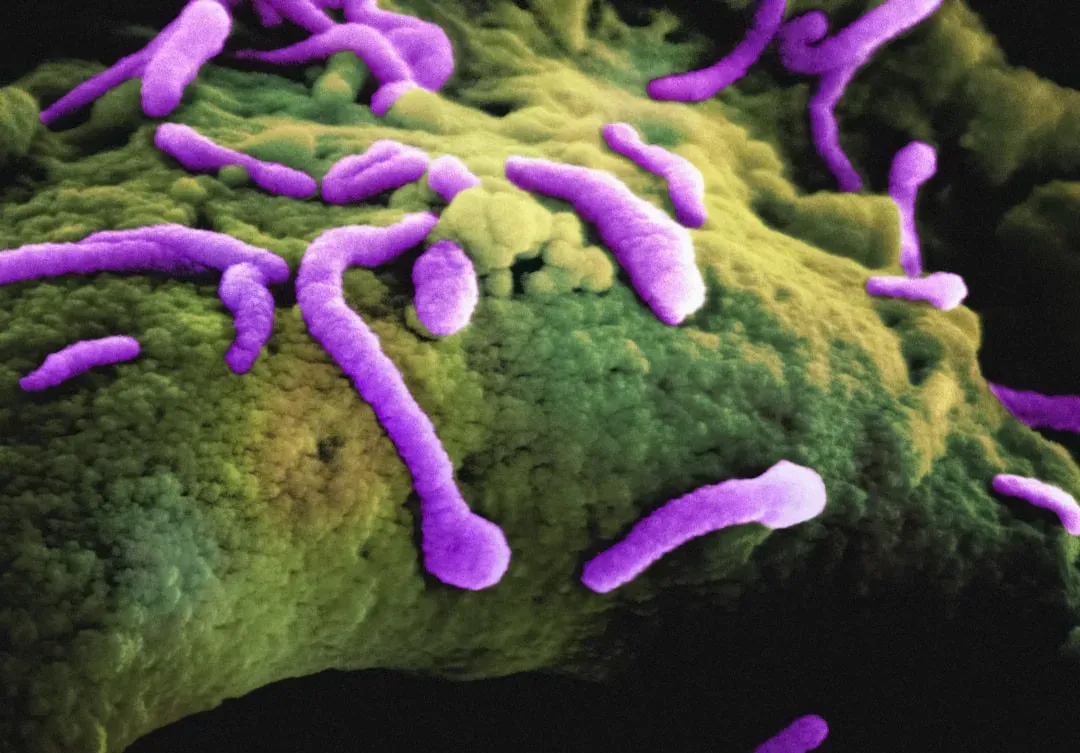
We tend to think of life as something that happens on the surface, but a surprising amount of it is buried deep underground. In rocks kilometers below our feet and beneath the seafloor, tiny communities of microbes slowly chew on chemical energy from the crust itself. They live in pores and fractures in the rock, often without any sunlight, organic food from above, or even much water. Some of them divide so slowly that an entire generation might take decades or longer, existing in a kind of semi-frozen persistence.
This deep biosphere matters for origins because it proves life doesn’t need a pleasant, stable surface to survive. If early Earth was bombarded by impacts and fried by radiation, safe pockets in the crust could have sheltered primitive organisms or even hosted their birth. The rocks themselves can provide hydrogen, methane, and other reduced chemicals when water seeps through, creating an internal energy economy. For anyone wondering about life on Mars, Europa, or Enceladus, this is a crucial lesson: a planet can look dead on the outside and still be very alive inside.
Super-Salty Lakes and Salt Flats: Survival by Drying Out
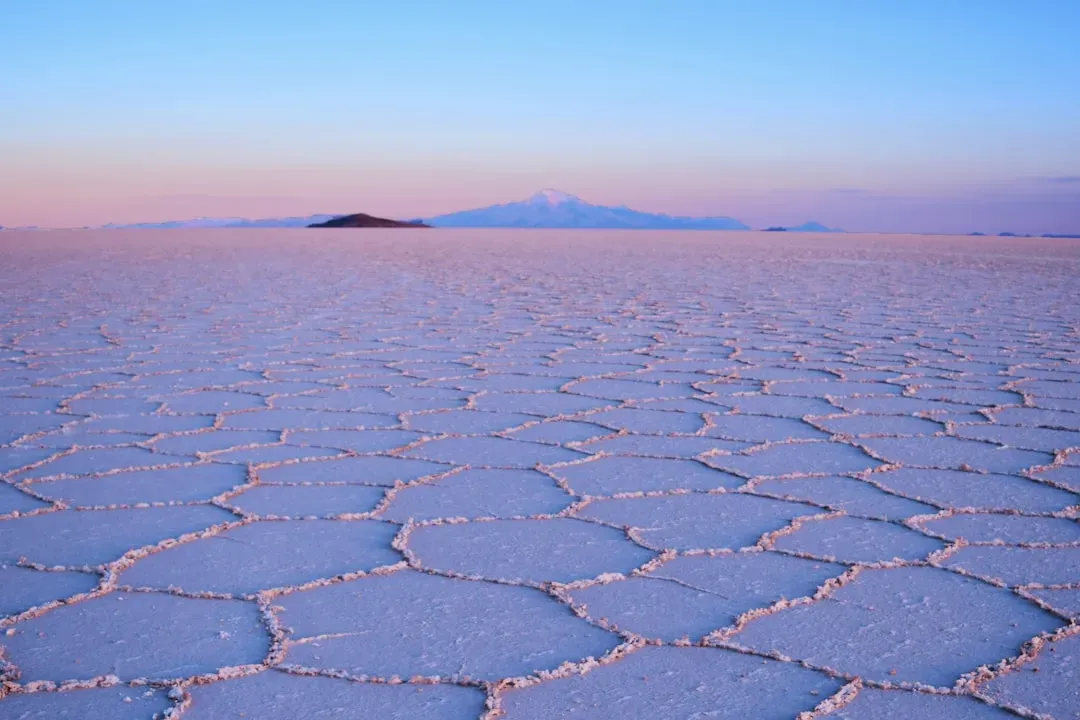
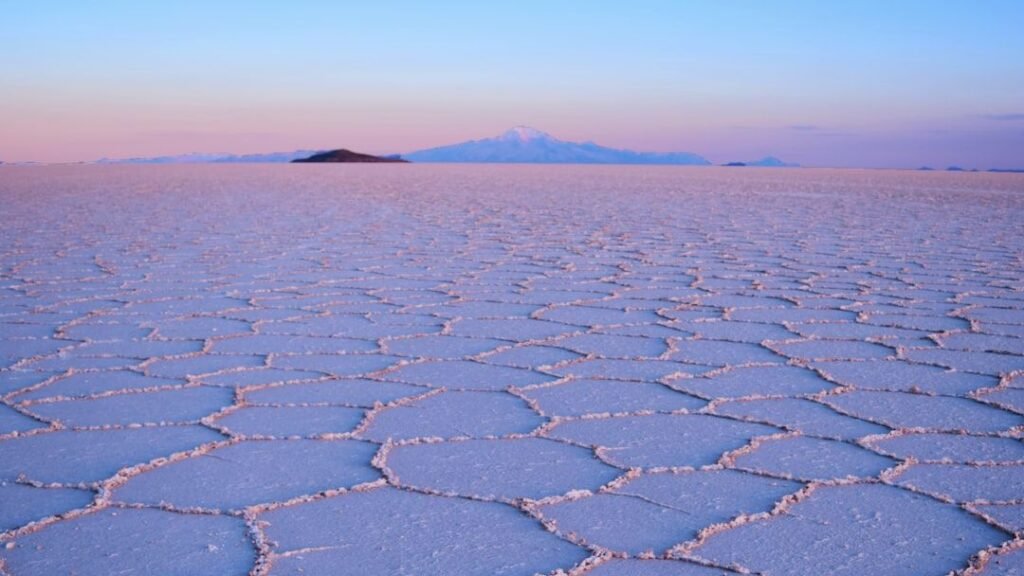
On the surface, salt flats and hypersaline lakes look like the end of the road for life. Crusted with blinding white minerals, sometimes stained blood-red or neon pink, they often have salt concentrations many times higher than the ocean. Most cells placed in such brines collapse like a punctured balloon as water rushes out. Yet certain microbes and even some tiny multicellular creatures manage to hold on, using clever chemistry to balance the crushing pressure of all that salt outside.
Some of these organisms survive brutal cycles of flooding and total desiccation by forming spores or resting stages that can sit dormant in salt crystals for years. From an origin-of-life perspective, these environments highlight the power of drying and rehydrating. When water evaporates, simple molecules get forced together; when it returns, some of those new structures can dissolve, interact, and rearrange again. Repeated wet-dry cycles can help build more complex compounds like short chains of nucleotides or peptides, offering a simple, messy path from scattered molecules to something more organized.
Polar Ice, Subglacial Lakes, and the Power of Cold
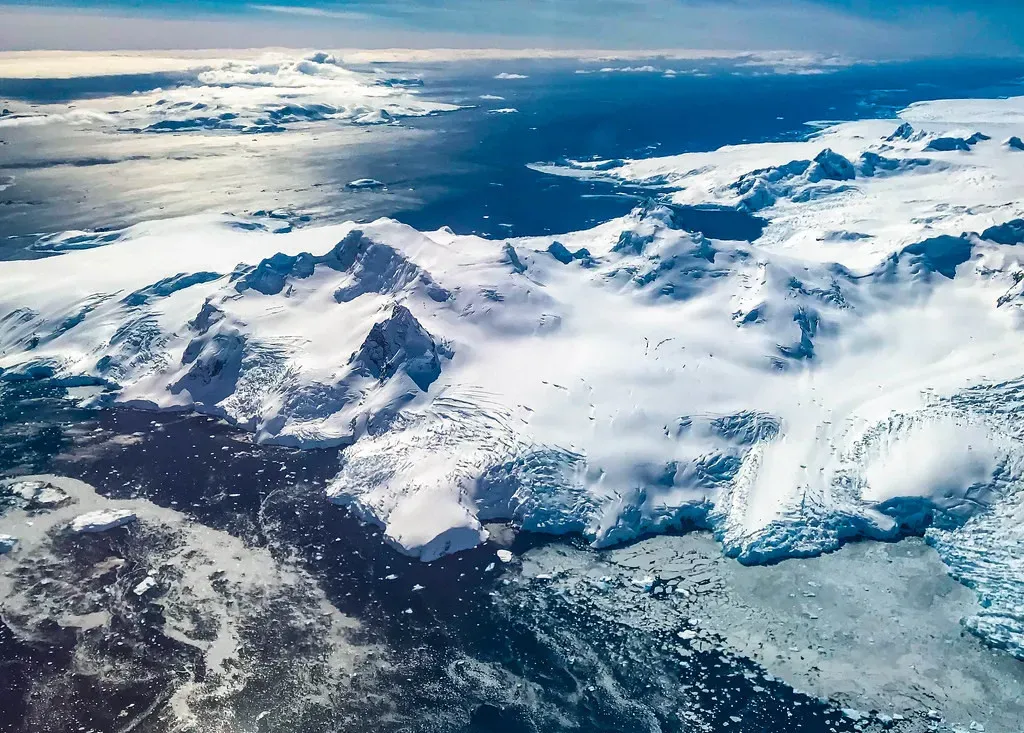
It’s easy to imagine early life starting in something hot and bubbling, but cold environments might have played a role too. Under Antarctic ice, there are lakes sealed off from the surface for hundreds of thousands of years, where microbes scrape by in frigid, dark water. Even within sea ice, narrow brine channels hold dense communities of microscopic life that endure constant freezing and thawing. These organisms have to keep their cellular machinery flexible and functional at temperatures that turn most biochemistry into sludge.
Cold can actually help, not hurt, some of the reactions relevant to life’s beginnings. Lower temperatures can stabilize fragile molecules and slow destructive reactions, acting like a natural refrigerator for early chemistry. Ice can concentrate dissolved compounds into tiny pockets as it forms, making them more likely to bump into each other and react. When we think about icy moons like Europa or Enceladus, these lessons from Earth’s frozen corners become incredibly important: maybe warmth isn’t the only path to life, just one of several options.
Radiation-Soaked and Chemically Toxic Sites: Life in the Aftermath
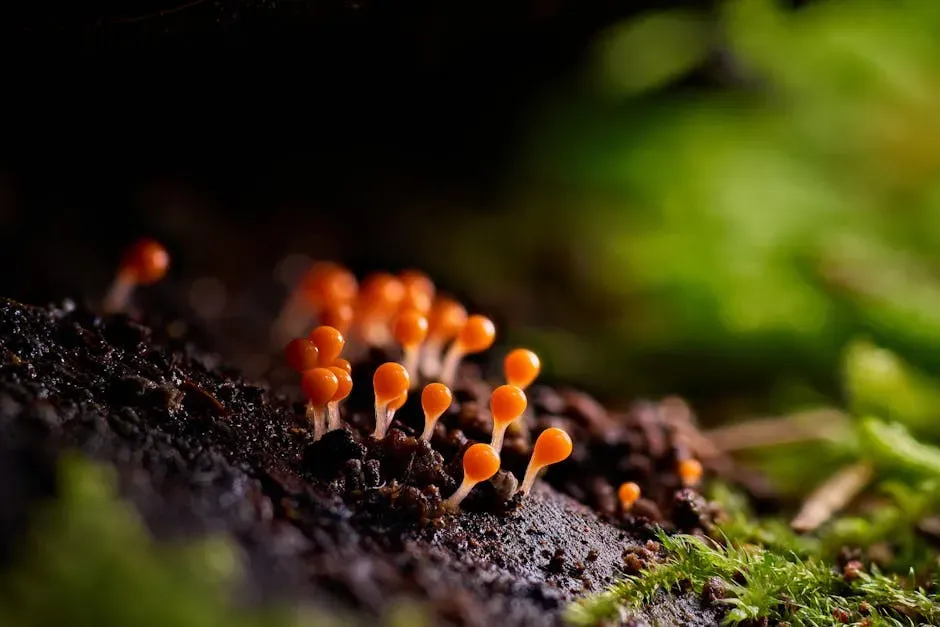
Some of the most unsettling examples of resilience come from places humans have accidentally ruined. Around nuclear accident sites and radioactive waste areas, researchers have found fungi and bacteria that tolerate levels of radiation that would be lethal to people in short order. In heavily polluted soils and mine drainage contaminated with metals and acids, other microbes thrive by using these very toxins as part of their metabolism. Instead of avoiding danger, they fold it into how they live.
These organisms are not models of early life so much as extreme examples of what evolution can engineer, but they still teach us something important. Life can evolve robust systems to repair DNA damage, scrub reactive chemicals, and rebuild broken molecules again and again. That suggests that even if early Earth was bombarded by intense ultraviolet light and cosmic radiation, it might not have been an impossible environment for life to emerge and adapt in. The picture that emerges is not of a delicate spark that has to be perfectly protected, but of chemistry that can learn to roll with the punches.
Desert Crusts, Microclimates, and the Art of Living with Almost Nothing
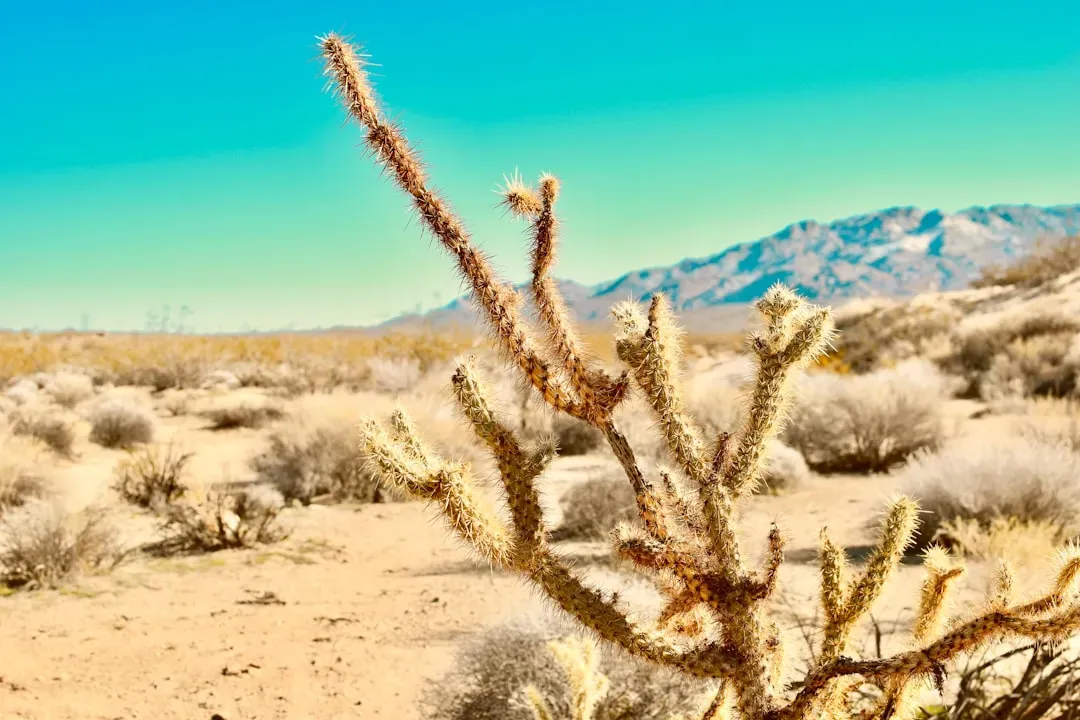
Hyper-arid deserts like the Atacama in Chile are often compared to Mars for a reason: some areas go years without any real rain, and ultraviolet radiation is brutal. Yet if you look closely at the surface rocks, you’ll find dark biological crusts and microbes tucked into thin layers just beneath the surface. They exploit microscopic oases, grabbing morning dew, sucking in vapor from fog, or catching the tiniest trickle of water inside porous stones. They essentially live between grains of dust and sand, where conditions are a hair less murderous.
Desert microbiology underscores a subtle but powerful idea about the origin of life: it may not have needed a perfect pond or a stable ocean. It might have emerged in patchy microhabitats, places where conditions were only briefly “good enough” but repeated often over time. Think of tiny rock cracks that collect moisture for a few hours after each storm, or shaded spots where temperature swings are just a little softer. Those fleeting windows could still drive the cycles of concentration, reaction, drying, and mixing that early chemistry needed to climb a rung higher toward life.
Why Extremophiles Reshape Our Search for Alien Life
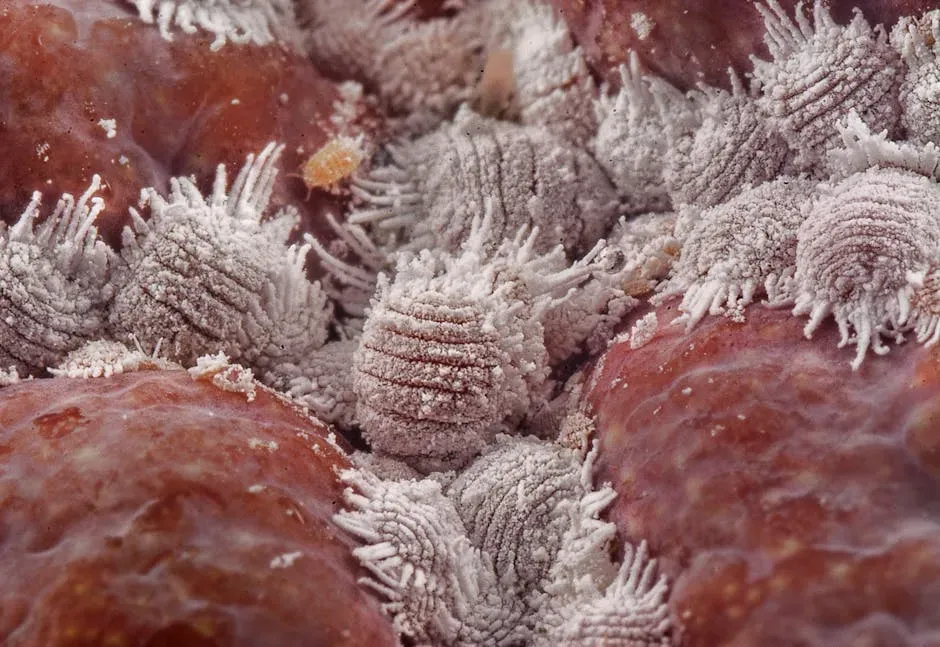
Every time we discover another organism thriving in conditions we used to call impossible, it nudges our expectations for life beyond Earth. Once, the search for aliens focused on Earth-like planets with mild climates and liquid water on the surface. Now, thanks to extremophiles, the list of promising targets includes icy moons with buried oceans, planets with thick hydrogen atmospheres, and even worlds where acid clouds or methane seas dominate. If microbes on Earth can handle boiling acid or saturated salt, it suddenly seems less far-fetched that something strange could be living under the ice on Europa or in the seas of Titan.
For origin-of-life science, this broader view cuts both ways: it’s exciting, but it forces us to stay humble. The particular path life took on Earth – from vents, ponds, rocks, or ice – might be just one of many viable routes matter can take toward metabolism and heredity. Instead of asking where life can survive, we’re slowly shifting to a tougher question: where can interesting chemistry persist long enough to organize itself? That question ties together everything from deep-sea vents to Martian craters, and it means that every weird niche on Earth is a potential telescope into someone else’s beginning.
From Hostile Earth to a Living Planet: What These Extremes Really Tell Us
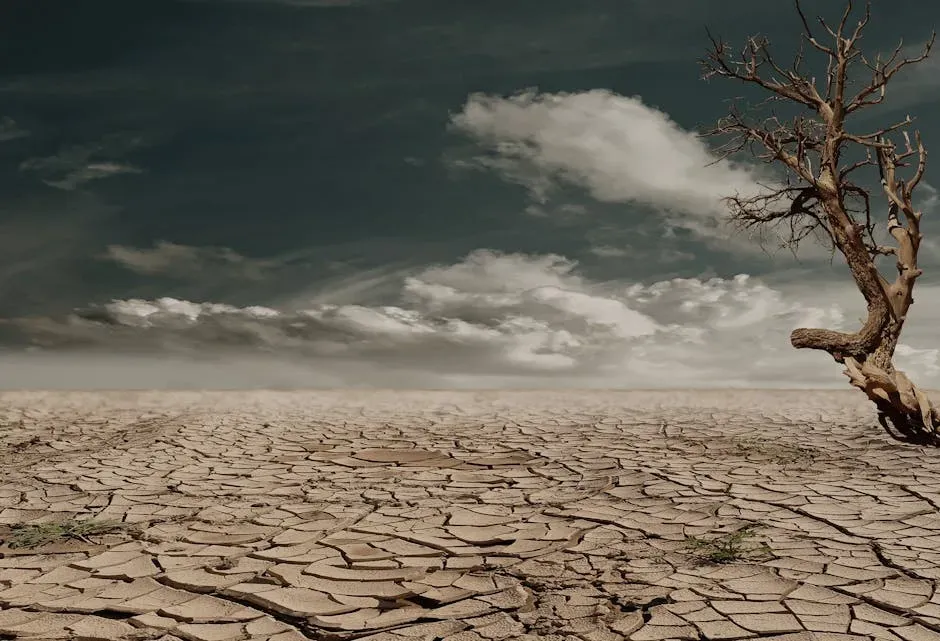
Put all these environments together – vents, acid pools, underground rocks, frozen lakes, deserts, and disaster sites – and a surprising picture forms. Early Earth was not a uniform soup gently simmering under a calm sky; it was a patchwork of violent, shifting extremes. Yet precisely in those extremes, we see today the kinds of gradients, cycles, and confined spaces that can coax simple molecules into more complex behavior. The lesson is uncomfortable but powerful: maybe life did not emerge in spite of a hostile world, but because of it.
On a personal level, I find that idea oddly reassuring. Life’s story stops looking like a miraculous one-time accident and starts to feel more like a consequence of physics playing with chemistry for long enough. We still don’t know exactly where or how that first self-sustaining system arose, and we might never pin it down to a single place. But every new microbe discovered in some hellish corner of Earth chips away at the notion that we’re improbable. If this planet could turn boiling rocks, frozen oceans, and toxic brines into a biosphere, what other worlds might be quietly doing the same right now?
Conclusion: A Restless Planet, An Inevitable Question
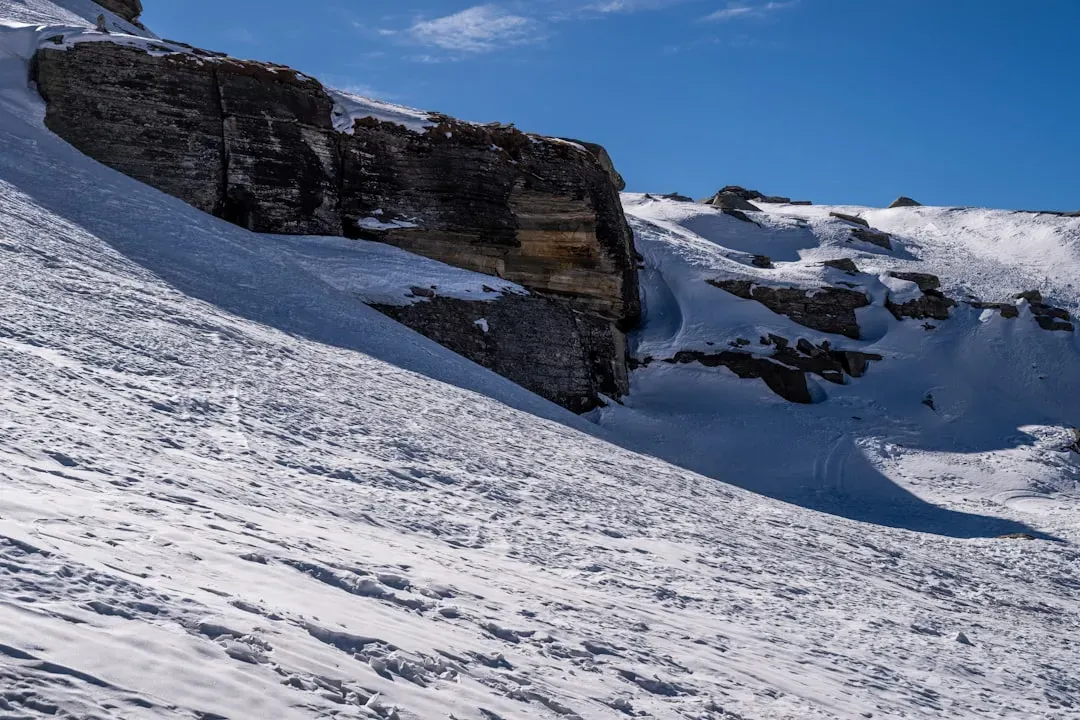
Earth’s most extreme environments are more than scientific curiosities or travel destinations for thrill-seekers; they are living archives of what is chemically and biologically possible. Hydrothermal chimneys, salt pans, underground fractures, and polar ice all show that life can extract order from chaos in ways that would have sounded absurd a few generations ago. Each new discovery tightens the link between environment and possibility, revealing that gradients of heat, chemistry, and water are not obstacles but opportunities for complex chemistry to take root.
As we probe these harsh corners of our own planet, we’re quietly training ourselves to recognize the subtle fingerprints of life elsewhere. We may never reconstruct the exact first moment when non-living chemistry tipped over into biology, but these extreme habitats suggest that the line between the two is thinner and more flexible than we once believed. In a universe filled with rocky worlds, active geology, and strange oceans, it’s hard to shake the feeling that Earth cannot be the only place where that line has been crossed. If our own planet turned its most hostile niches into cradles of resilience and invention, what hidden beginnings might be unfolding right now, light-years away, in someone else’s “impossible” environment?