You probably think of Earth as mostly mapped, measured, and understood. Plate tectonics, volcanoes, earthquakes – all neatly tucked into school diagrams. But once you look closer, the planet suddenly feels a lot stranger. Beneath your feet, there are places where the ground moves in ways that do not quite make sense, rocks behave like liquid, and landscapes form far faster than current theories can comfortably explain.
In this article, you are going to walk through six real geological mysteries that researchers still argue about today. For each one, you will see what scientists know, what they only suspect, and where the big gaps still sit. You are not going to get neat, tidy answers – and that is exactly what makes these phenomena so fascinating. By the end, you may never look at a mountain, desert, or patch of ice the same way again.
The Tunguska Explosion: A Blast Without a Crater
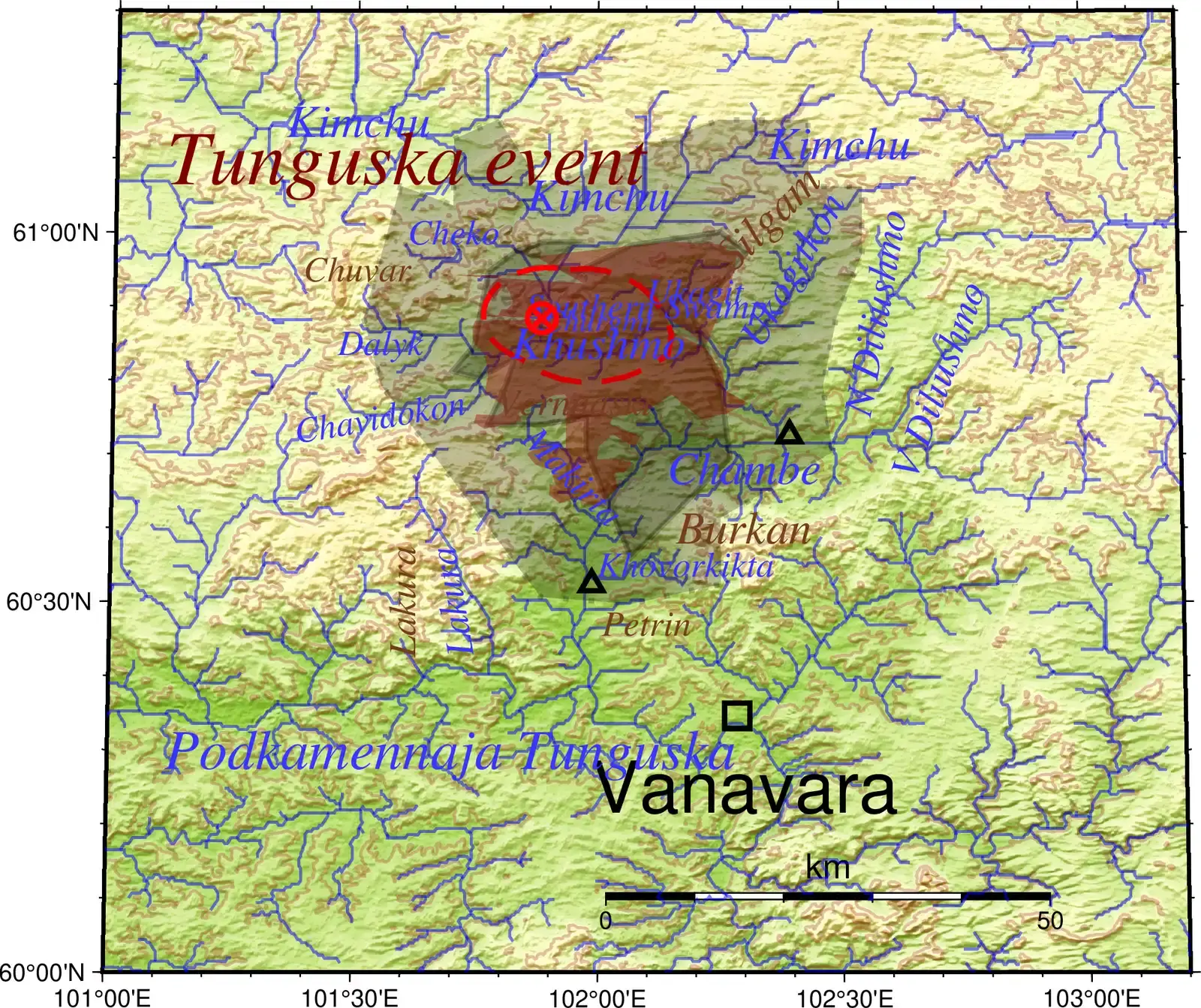
Imagine waking up one summer morning and seeing a flash brighter than the sun, followed by a shockwave that flattens trees over an area larger than many big cities. That is roughly what happened over the Tunguska region of Siberia in June of 1908, when an enormous explosion leveled tens of millions of trees across a remote forested area. When you picture an event that powerful, you probably imagine a huge crater and piles of meteorite fragments, but when scientific expeditions finally reached the site decades later, they found scorched trees, oddly twisted trunks, and no obvious impact crater at all.
You are left with a puzzle: what releases energy comparable to a large nuclear bomb but leaves no classic impact mark? The leading explanation is an incoming space rock – an asteroid or comet – that exploded in the atmosphere before ever hitting the ground, a so‑called airburst. That fits the blast pattern and eyewitness reports of a fiery object in the sky, but you still have scattered doubts: researchers have struggled to find convincing fragments, and models do not fully agree on what type of object could disintegrate so completely. When you look at Tunguska today, you see a case study in how even a single event can stretch your understanding of impact physics, atmospheric entry, and the way fragile bodies from space break apart above the Earth.
Earth’s Mysterious Hum: A Planet That Never Truly Falls Silent
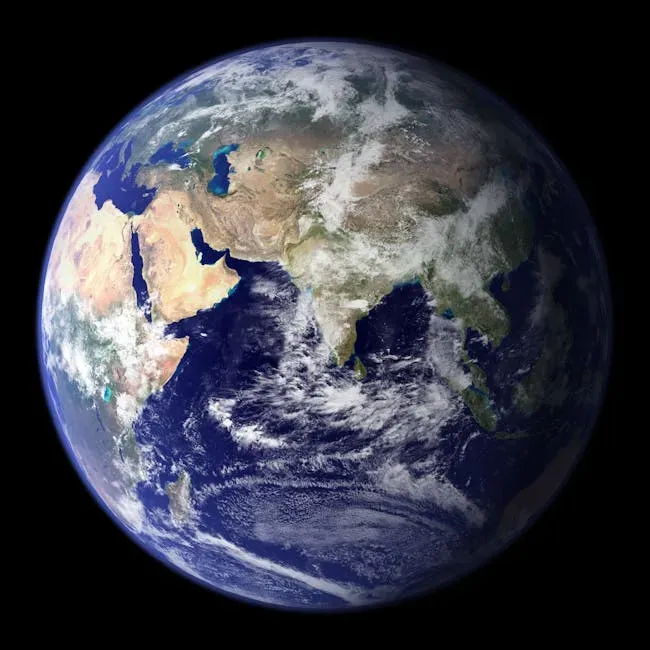
If you could plug headphones into the planet itself, you would hear something surprising: even when there are no big earthquakes, Earth never completely quiets down. Sensitive instruments pick up a constant, low‑level vibration known as the Earth hum, a kind of background trembling that you never feel but that seismometers record all the time. It pulses at very low frequencies, like an impossibly deep musical note that your ears cannot detect but your instruments can trace across the globe.
Scientists can tell you some of the likely contributors – ocean waves slamming into coastlines, large storms transferring energy into the seafloor, and maybe even subtle interactions between atmosphere and ground. But when you look at the fine details, the picture gets muddy: the exact strength, patterns, and variations of this hum are not fully explained, and different models only partly match the data. For you, that means the planet behaves a little like a living drum, always resonating, but with beats you cannot quite decode. The hum reminds you that even basic questions – why is the ground vibrating when “nothing” is happening? – still do not have completely satisfying answers.
Ball Lightning: Glowing Orbs That Defy Simple Physics
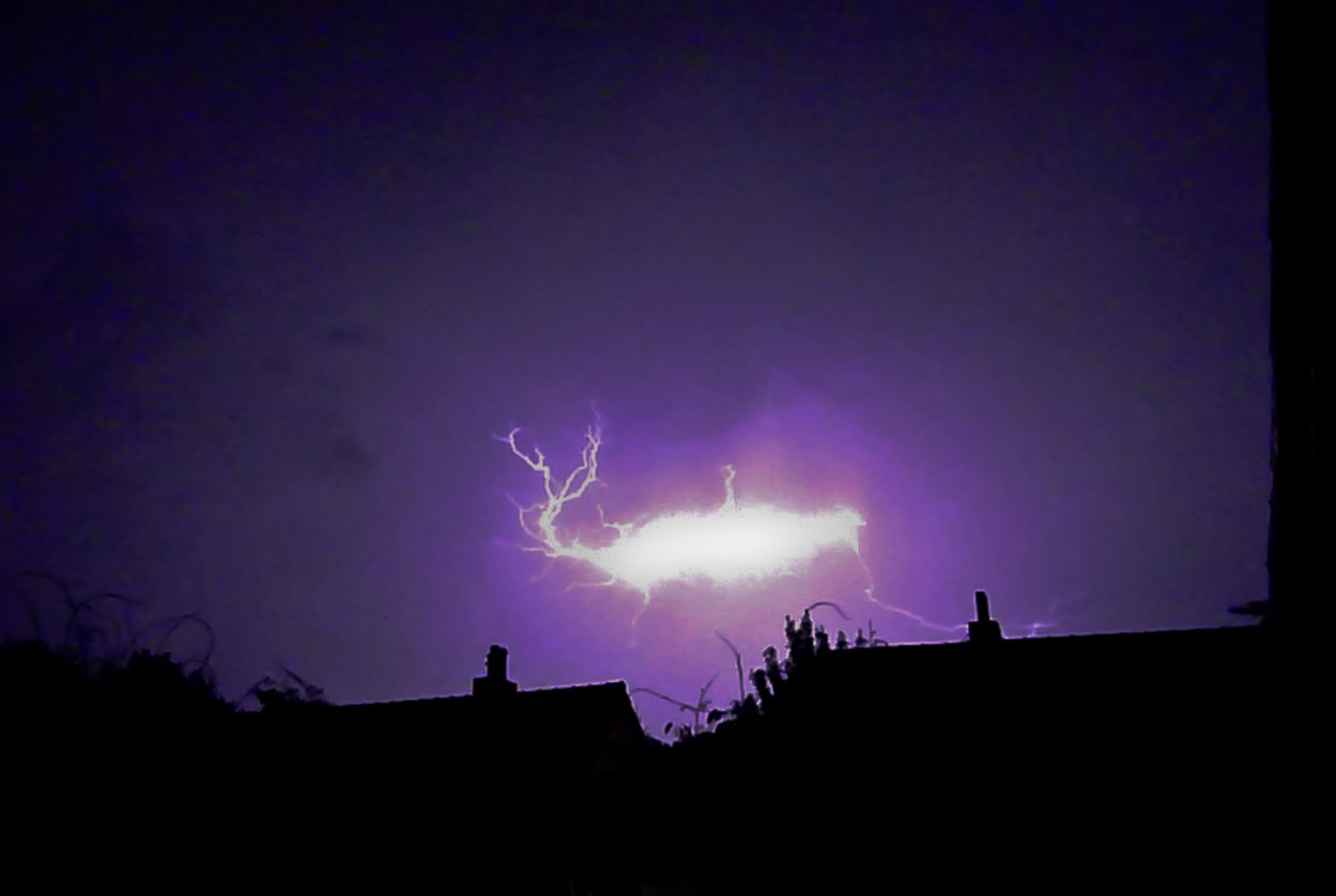
You have probably heard stories from storms that sound almost supernatural: people describe glowing spheres drifting through the air, sometimes floating through windows, hovering above the ground, or even passing through airplane cabins during thunderstorms. This phenomenon, called ball lightning, sits right on the edge between hard data and eyewitness accounts. You are dealing with something that many people swear they have seen, and that a few cameras might have caught, yet scientists still cannot pin down how it forms or why it behaves so strangely.
Several theories try to help you make sense of it: some researchers think ball lightning could be a kind of plasma held together by electromagnetic fields, others propose that certain soil or air chemistry might briefly trap electrical energy in a stable form, and some models even suggest microwaves generated by lightning strikes could create glowing blobs of ionized air. Each idea explains a piece of what people report, but not the whole picture. When you imagine a bright sphere calmly gliding across a darkened room during a thunderstorm, you are looking at a challenge to your usual understanding of lightning as quick, straight, and over in a fraction of a second. Instead, you are pushed to accept that the atmosphere still hides exotic electrical behavior that textbooks barely touch.
Fairy Circles: Polka Dots in the Desert
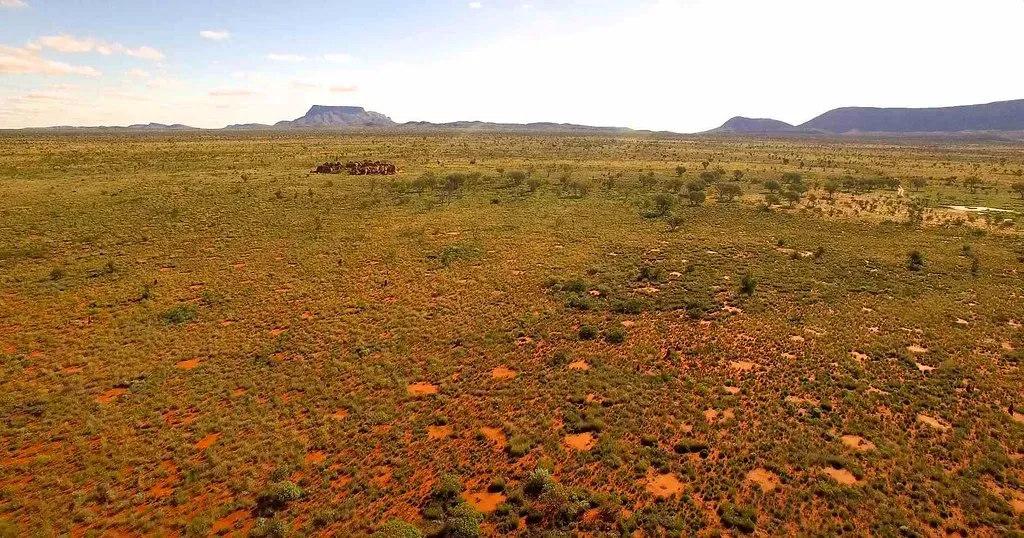
In parts of Namibia and Western Australia, if you fly overhead, the desert floor looks as if it has been carefully decorated: you see round, bare patches of ground, each surrounded by rings of grass, arranged in surprisingly regular patterns that stretch for miles. These are the so‑called fairy circles, and when you first look at them, it is hard to believe they are not human‑made. Yet they form without any obvious builder, leaving you to wonder how a harsh, dry landscape manages to organize itself into such neat polka dots.
Two main explanations compete for your attention. One line of research says termites quietly engineer these circles from below, clearing vegetation to manage moisture and create stable colonies. Another approach suggests that you can get the same patterns from plants alone: in ultra‑dry conditions, grasses compete for water in ways that naturally form repeating gaps and rings, similar to how patterns appear in chemical reactions or on animal coats. When you dig into the data, you see that sometimes termite activity is present, sometimes not, and in some places both processes may interact. For you, fairy circles become a reminder that ecosystems can act like self‑organizing systems, creating unexpectedly tidy designs without any central planner.
The Origin of Ultra‑Low Velocity Zones Deep in the Mantle
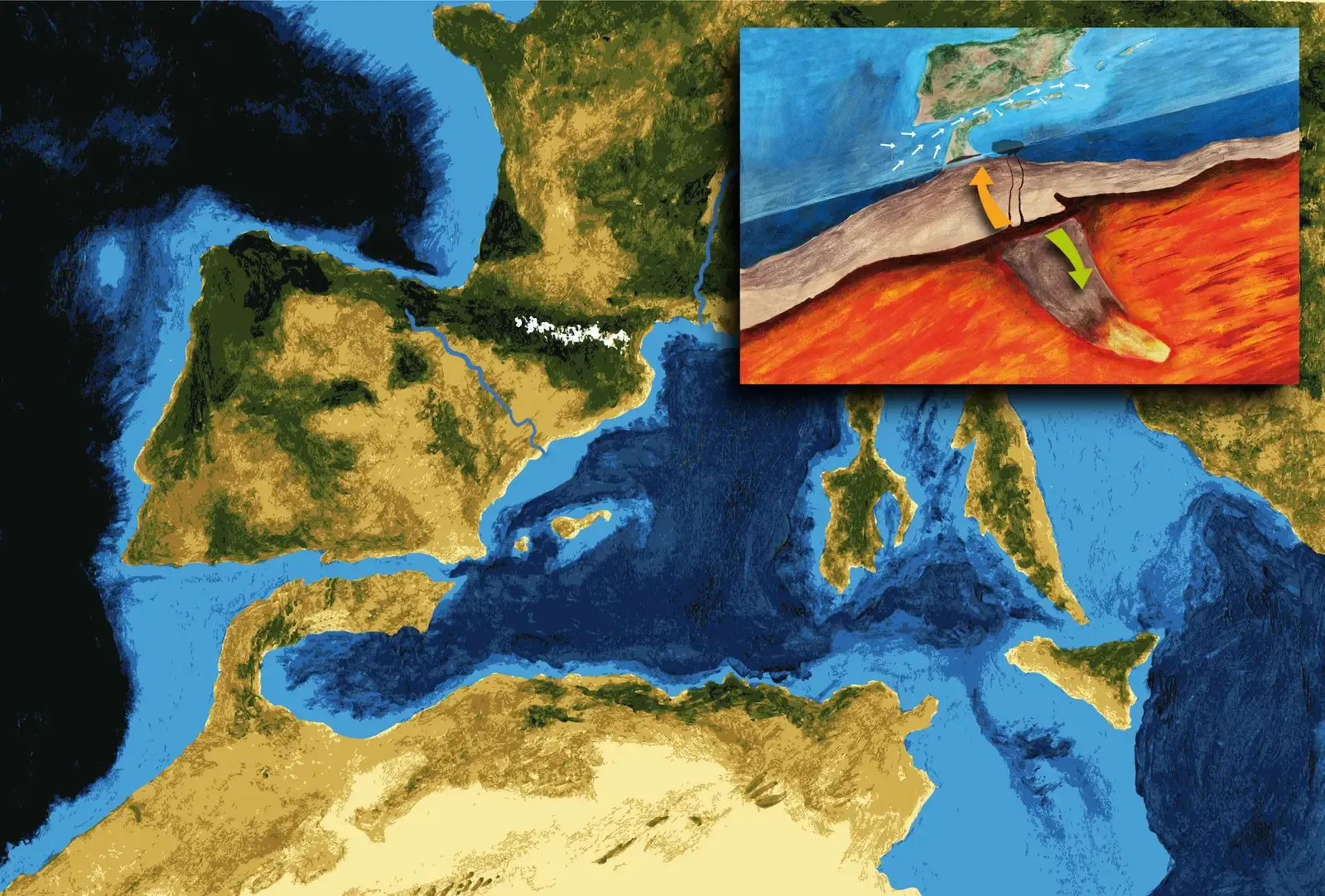
Deep beneath your feet, near the boundary between Earth’s mantle and outer core, seismologists have found strange patches called ultra‑low velocity zones. In these regions, seismic waves suddenly slow down far more than expected, as if they are passing through something much softer, partially molten, or chemically unusual. You cannot see these areas directly, but by watching how earthquake waves travel through the planet, you can infer that these odd pockets exist, often below major volcanic regions and subduction zones.
What exactly they are, though, remains unsettled. Some scientists think you are looking at patches of nearly molten rock, maybe fed by remnants of ancient ocean crust that sank into the deep mantle and then partially melted. Others argue that they could be chemically distinct blobs, perhaps leftovers from very early in Earth’s history, when the planet was still separating into layers. A few models tie them to hot plumes that may feed large volcanic hotspots at the surface. From your perspective, these ultra‑low velocity zones act like ghost structures in the deep interior: they clearly influence how heat moves through the planet and how plumes might rise, but you still do not have a clear story for how they formed, how long they last, or how many generations of Earth’s history they record.
Fast‑Moving Landslides and “Flowing” Rock
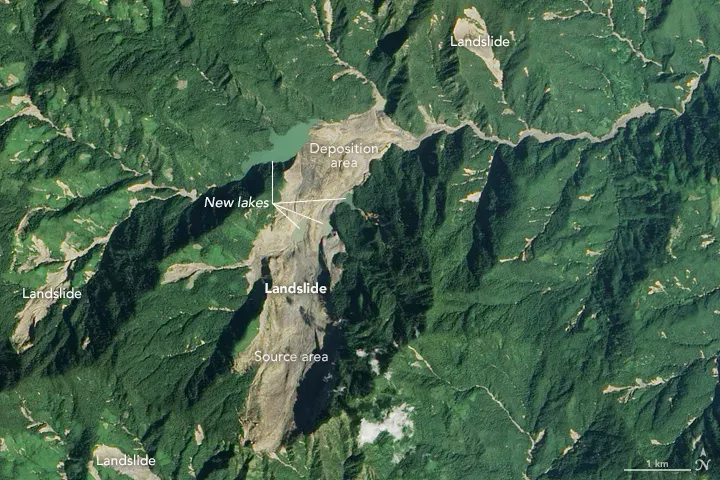
You probably imagine landslides as masses of loose rock and soil tumbling downhill under gravity, and in many cases that picture works pretty well. But then you run into events where huge volumes of rock travel down gentle slopes at astonishing speeds, sometimes racing across valley floors much farther than friction should allow. These long‑runout landslides, and similar events on ice or volcanic debris, force you to ask how solid material can behave more like a thick liquid, even without much added water or obvious lubrication.
Various ideas compete in the scientific literature: trapped air may cushion the moving mass, grain‑to‑grain collisions could create a kind of fluid‑like behavior, or rapid fragmentation might momentarily reduce friction enough for the slide to glide. In some volcanic settings, hot gases or fine ash may form a quasi‑fluid layer, but that does not neatly explain every case you see around the world. When you study them, these slides become not only a geophysical puzzle but also a serious hazard problem, because your ability to predict how far they will travel directly affects risk maps and building decisions. The unsettling part is that even with modern models, you still cannot fully explain why some slopes fail in such a dramatic, far‑reaching way while others stay comparatively tame.
Subglacial Lakes and Hidden Water Under Ice Sheets
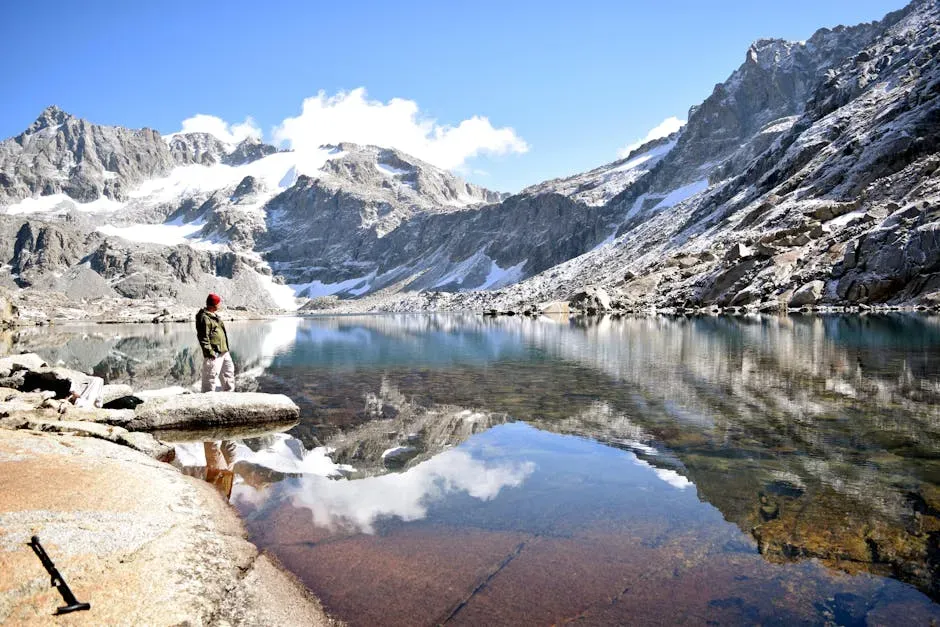
Under the thick ice of Antarctica and Greenland, you might expect nothing but frozen rock and more ice, stacked in silence for hundreds of thousands of years. Instead, radar and seismic surveys have revealed entire networks of liquid lakes, rivers, and channels hiding beneath ice sheets, kept from freezing by pressure and geothermal heat. Some of these lakes are enormous, with depths and surface areas that rival large surface lakes you might know, and they can connect through subglacial plumbing systems that you cannot see directly.
The mysteries stack up quickly: you do not fully understand how water flows and drains beneath these ice sheets, how often lakes fill and empty, or how this hidden water shapes the speed at which ice moves toward the ocean. In some places, ice above these lakes suddenly speeds up or slows down, hinting at drainage events happening far below your reach. For you, this means that even your predictions of future sea‑level rise carry uncertainties linked to processes you are only beginning to map. These subglacial lakes also hold long‑isolated microbial ecosystems, adding a biological question mark on top of a glacial one: how life survives and evolves in such dark, pressurized, nutrient‑limited conditions is still far from fully understood.
When you step back from these six mysteries, you start to see Earth less as a completed puzzle and more as a work in progress. Under deserts, forests, mountains, and ice, there are processes that your best theories can only partially grasp. You may have powerful satellites, precise instruments, and sophisticated models, but you still bump into glowing orbs in storms, patterned deserts, humming ground, and deep, slow zones in the mantle that do not quite fit your expectations.
For you, that uncertainty is not a flaw in science; it is the fuel that keeps it moving. Each unexplained phenomenon marks a place where the next generation of ideas, tools, and explorers can push further. The next time you feel solid ground or watch a storm roll in, you might wonder what strange signals and structures are hiding behind what you can see – and which of today’s geological riddles you will live to see finally solved. Did you expect the Earth beneath you to be this mysterious?