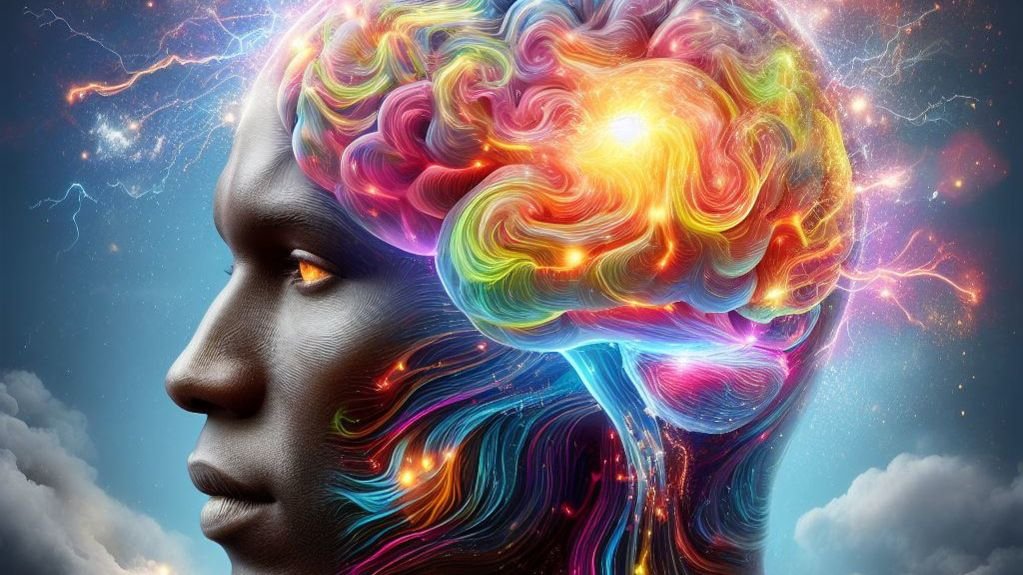
If you’ve ever caught yourself suddenly wondering why there’s a “you” inside your head at all, you’ve already brushed up against one of the deepest scientific mysteries we have. We can scan brains, map neurons, even predict decisions a split second before you make them, yet the raw fact of experience – the feeling of being alive from the inside – still seems almost magical. This is the puzzle that keeps neuroscientists, philosophers, and quite a few insomniacs awake at night.
What’s changing now is not that someone has “solved” consciousness, but that our tools are finally good enough to reveal strange, hidden patterns. Ultra-detailed brain scans, powerful algorithms, and experiments that border on science fiction are starting to show that our brains might be wired for consciousness in surprisingly specific ways. The story is far from finished, but the clues we already have are fascinating, a little unsettling, and honestly pretty beautiful.
The Strange Fact That Anything Feels Like Anything At All
Pause for a second and notice something simple: you’re not just processing words on a screen, you’re having an experience. There’s a feeling of “you reading this right now” that’s more than electrical signals zipping around your skull. From a purely physical point of view, the brain is just wet, salty tissue. Yet from the inside, it’s color, sound, pain, joy, memories, and daydreams. That gap between the physical brain and the lived experience is what people mean when they call consciousness a “hard problem.”
What makes this especially eerie is that we can now watch parts of the brain light up when people see colors, remember faces, or feel pain, but the feeling itself never appears on the screen. It’s always one step removed, like listening to a soundtrack without seeing the movie. This mismatch has forced scientists to think differently: instead of hoping to catch consciousness directly, they look for the brain structures and patterns that consistently go along with being awake, aware, and having an inner point of view. The hunt is for wiring and dynamics, not for some mystical glow.
Networks, Not “Spots”: The Brain’s Secret Conversations
For a long time, people imagined there might be a “consciousness center” in the brain – one specific place you could poke and turn awareness on and off like a light switch. That idea has mostly crumbled. Instead, the evidence points to consciousness depending on the way different regions talk to each other, especially across long distances. When you’re awake and alert, brain scanners show rich, constantly shifting patterns of communication between far-flung areas. When you fall into deep, dreamless sleep or under general anesthesia, those conversations narrow and break down.
One network that keeps turning up is something researchers call the “default mode” network. It’s most active when your mind wanders, when you’re thinking about yourself, your past, or your future. Another set of regions, often in the front and sides of the brain, ramps up when you focus on a task or external world. Consciousness seems to emerge not from any single network, but from the dynamic balance and integration between them – like an orchestra that only becomes music when enough instruments play together in the right way.
Complexity: When Brain Activity Stops Being Just Noise
One of the most intriguing clues is that conscious brains don’t just “light up” more, they behave in more complex and structured ways. If you zap a conscious brain gently with a magnetic pulse, the resulting activity ripples through many areas in intricate patterns, and those patterns can be measured and quantified. When someone is deeply unconscious – under strong anesthesia, in a coma, or in dreamless sleep – that same pulse triggers a much simpler, more local reaction that quickly fizzles out.
Several research groups have turned this idea into indices of “brain complexity” that roughly track how likely a person is to be conscious. The fascinating part is that the complexity is not just about raw activity or how “busy” the brain is, but about how integrated and differentiated the activity is at the same time. It’s a bit like comparing a crowd chanting one word over and over versus a bustling city full of overlapping conversations: the second is messier, but also far richer in information.
Time Slices and Brain Rhythms: Consciousness in Slow Motion
We tend to feel like consciousness is a smooth, continuous stream, but the brain doesn’t work in one unbroken blur. It runs on rhythms, from slow waves during sleep to faster oscillations when you’re alert and focused. Some experiments suggest that what we experience as a “moment” of awareness might actually be built from brain activity that unfolds over tiny windows of time, possibly on the order of tens or hundreds of milliseconds. We don’t feel the flicker, but the brain may be bundling information into discreet packets, then stitching them together.
Interestingly, different rhythms seem to coordinate different kinds of processing. Slower waves may set a broad timing frame, while faster ones share detailed information across regions. Conscious perception often appears when these rhythms synchronize in specific ways between sensory areas and higher-level regions. It’s as if the brain has to catch a rhythm together, like dancers staying on the same beat, before a sight or sound fully enters awareness.
Prediction Machines: How Your Brain Builds Your Reality
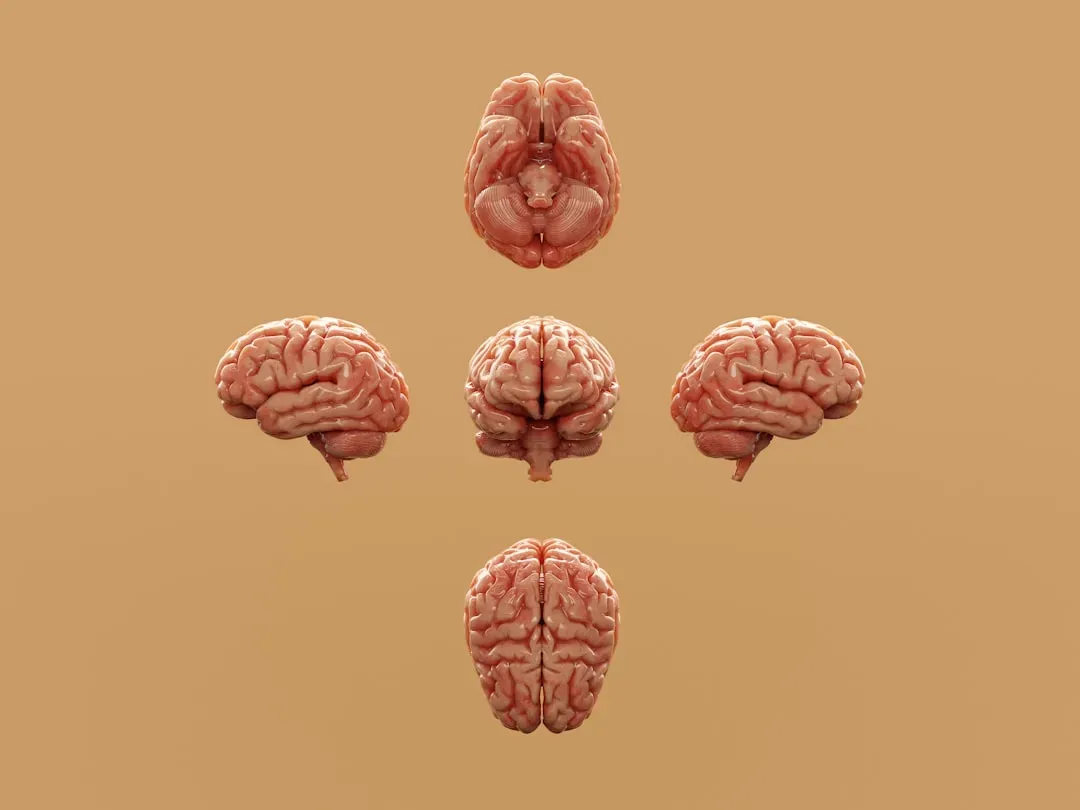
One of the boldest ideas in modern neuroscience is that the brain isn’t just a passive receiver of information, it’s an active prediction machine. Instead of merely taking in sights and sounds, your brain constantly guesses what’s coming next – what you’re likely to see, hear, feel – and then compares those expectations with what actually arrives. Conscious experience, on this view, may be more like the brain’s “best guess” of what’s out there, based on a mix of incoming data and built-up expectations.
This predictive style of processing could explain a lot of everyday oddities: why you sometimes mishear lyrics, why time feels slower in emergencies, or why your phone can buzz “phantom notifications” on your leg. Your brain is often so eager to complete the picture that it fills in gaps and occasionally gets it wrong. This doesn’t mean reality is fake; it means your conscious world is a carefully constructed model, tuned to keep you alive and functioning rather than to deliver raw, unfiltered truth.
The Self as a Useful Story, Not a Single Place in the Brain
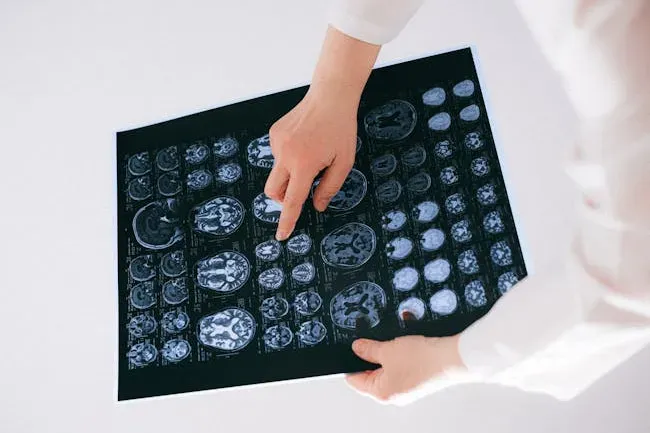
Nothing feels more solid than the sense that there is a “me” at the center of experience. Yet when scientists look for a single spot in the brain where the self lives, they don’t find one. Instead, they see many systems that track your body, your memories, your goals, your social relationships, and more. The feeling of being a single, unified self might be what happens when all those systems align and give roughly consistent information over time.
There are dramatic examples that support this. Damage or disruption to specific networks can change how people feel about their own bodies, their past, or even the boundaries between self and world. Under certain psychedelic drugs or deep meditation, people report a loosening or dissolving of their usual sense of self, even while other aspects of consciousness remain vivid. All this suggests that the self is not a fixed thing the brain reveals, but a flexible narrative the brain constructs – usually very convincingly.
When the Lights Are Dim but Not Out: Consciousness at the Edge
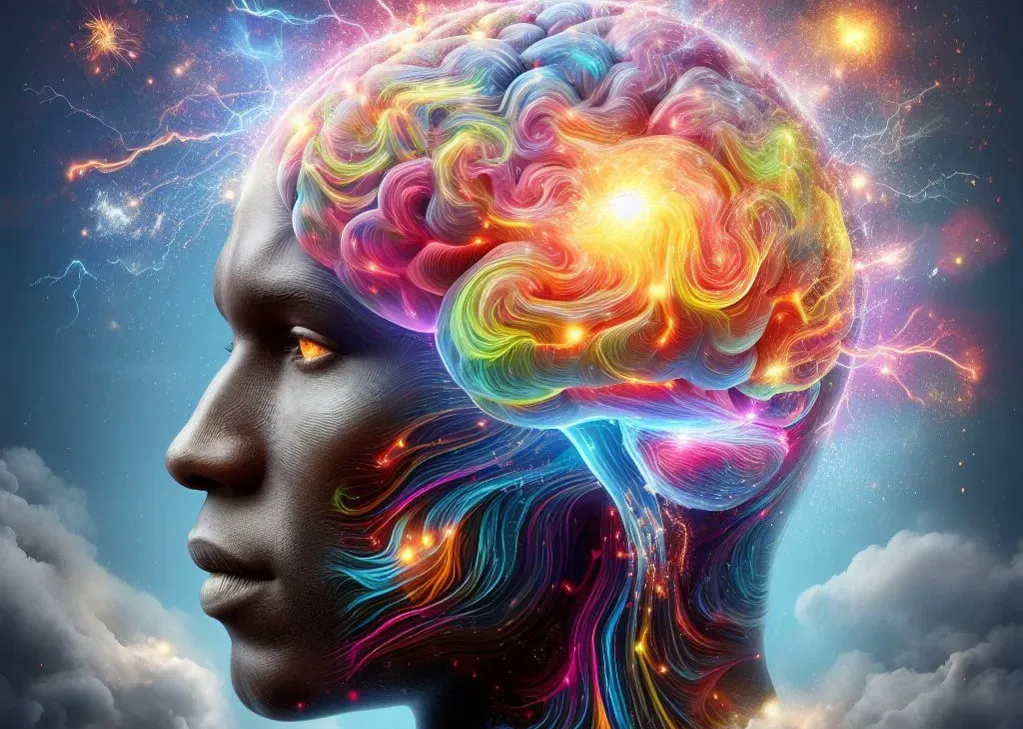
Some of the most humbling insights come from studying people in states where consciousness is unclear, like those with serious brain injuries or in conditions once described as vegetative. New brain-imaging studies have shown that a small but nontrivial number of these patients can follow instructions silently, such as imagining playing tennis or walking through their home, even though they show almost no movement or communication on the outside. Their brain patterns change in ways similar to healthy volunteers asked to imagine the same things.
These findings have shaken earlier assumptions about what it means to be “aware” and have pushed medicine to be far more careful in diagnosing consciousness levels. They also underscore how deceptive outward behavior can be. Consciousness might still be present even when the body can no longer express it in obvious ways. It’s a sobering reminder that the wiring for awareness can persist, at least in fragmentary form, even when so much else has gone wrong.
Artificial Networks: Do Machines Share Any of Our Wiring Tricks?
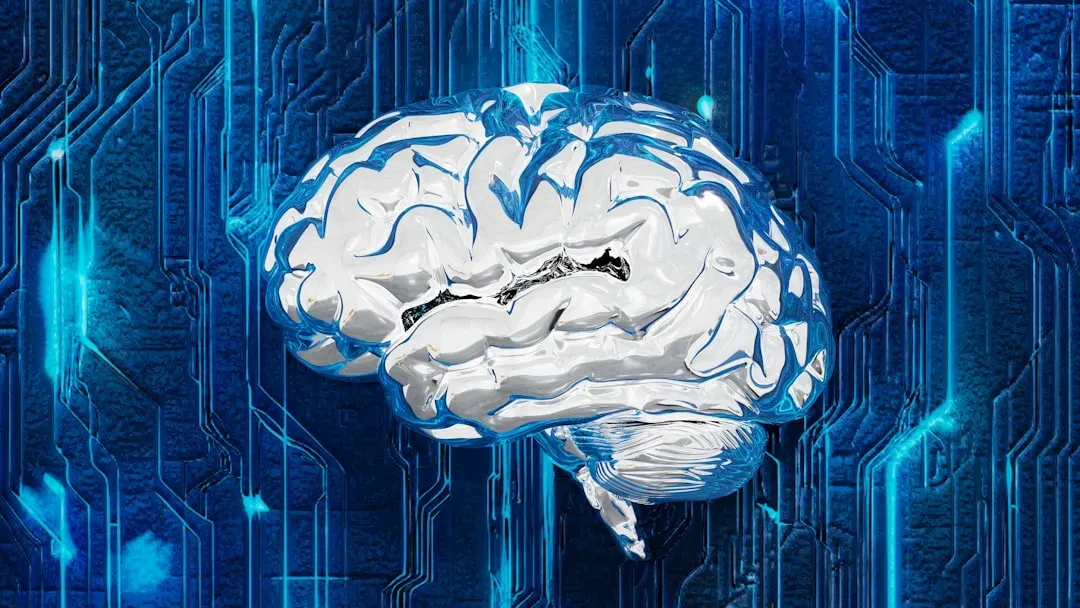
The rise of powerful artificial neural networks has revived an old question with a new urgency: if the brain is a physical system that gives rise to consciousness, could other complex systems, like advanced AI, ever cross that line too? Modern AI systems already use layers of interconnected units, recurrent loops, and internal representations that, at a very rough level, echo some of the features of biological brains. They can hold information in working “memory,” integrate inputs, and even model aspects of their own behavior.
But so far, there’s no credible evidence that today’s AI systems are conscious, in the sense of having an inner point of view or a felt experience of the world. Their wiring and learning rules are still much simpler and more brittle than the brain’s, and they lack the deep bodily grounding, long developmental history, and self-maintaining biology that shape human awareness. Still, comparing how these systems process information to how brains do it is already teaching us new ways to think about what kind of wiring might be necessary – and what might only be optional – for consciousness to arise.
Limits of What We Know: Humility in the Face of the Mystery
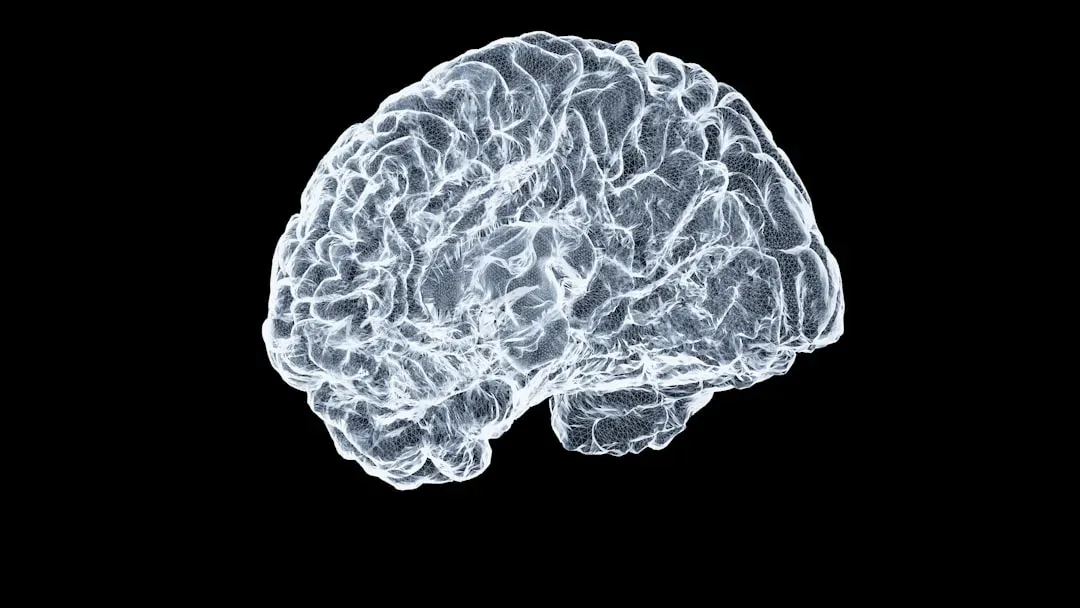
It’s tempting to take every new brain scan or flashy theory and declare that we’re “on the verge” of explaining consciousness. The truth is more modest. We’ve found reliable signatures that track with being awake, aware, and able to report experiences. We’ve mapped networks whose disruption reliably dims or extinguishes consciousness. We’ve uncovered principles like integration, complexity, and prediction that seem tightly linked to the presence of a conscious mind.
Yet none of this fully bridges the gap from brain activity to the raw feeling of being. There’s still a fundamental explanatory puzzle about how patterns in matter become a world from the inside. Maybe future theories will rewrite the way we think about physical systems; maybe we’ll learn that consciousness is less rare and more widespread in nature than we assumed; or maybe we’ll just get much better at describing the wiring without ever completely dissolving the mystery. For now, honesty and humility are part of good science here.
Why This Matters: Meaning, Responsibility, and Awe
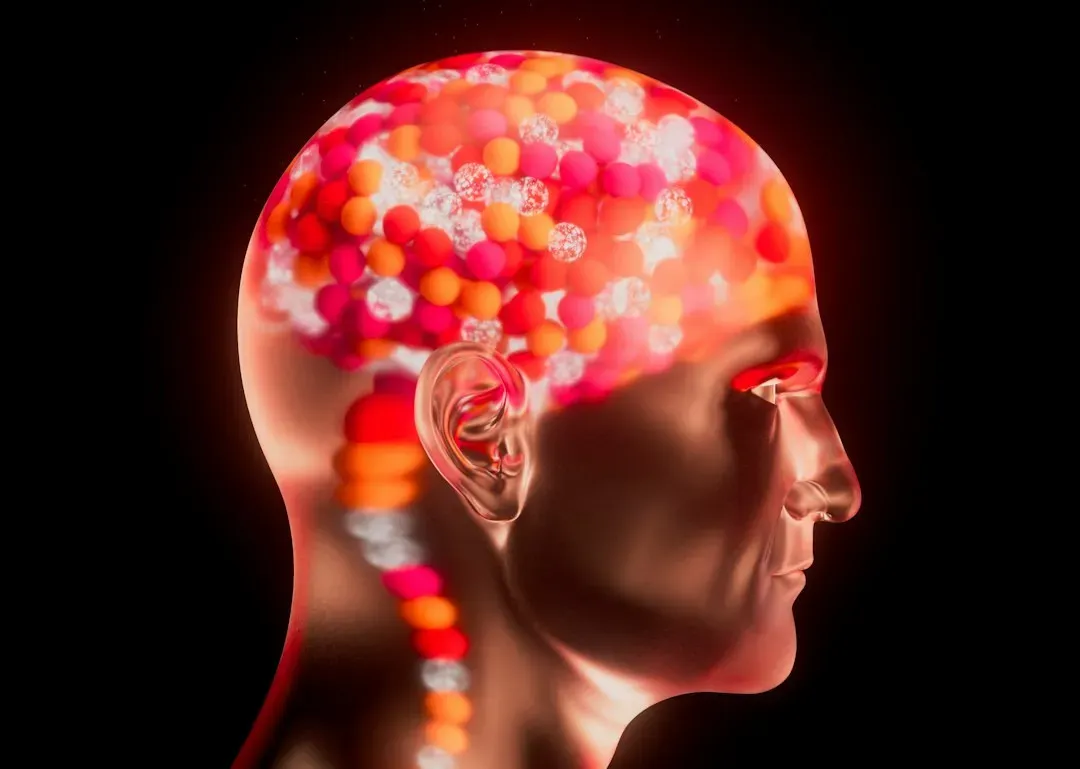
All of this might sound abstract, but it quietly shapes things that matter deeply in everyday life. How we think about consciousness influences how we treat animals, patients who cannot speak, people with severe dementia, and even how we design future technologies. It affects who we consider capable of suffering, of making choices, of deserving rights and protections. The more we learn about how fragile and specific the wiring for awareness can be, the more careful we may become about taking any conscious life for granted.
On a more personal level, there’s something strangely grounding about realizing that your capacity to love, worry, remember, and dream rides on an intricate, living network that’s always one injury, toxin, or disease away from changing. At the same time, it’s hard not to feel a kind of awe: somehow, from cells following chemical rules, a universe of experiences bloomed. Next time you catch yourself lost in a song, a memory, or a conversation, it’s worth pausing to think: this shimmering inner world is sitting on top of a piece of biology we’re only just beginning to understand.
Conclusion: Living Inside the Greatest Experiment

The more we uncover about the brain’s wiring, the clearer it becomes that consciousness is not an add-on or a simple on–off switch, but a delicate dance of networks, rhythms, predictions, and stories the brain tells itself. We’re slowly mapping which patterns of activity and connectivity seem to be necessary for awareness, and we’re starting to see how changes in those patterns can stretch, warp, or dim the light of experience without always extinguishing it completely. No single finding has cracked the code, but together they hint that our brains might be specially organized to make a world appear from the inside.
Personally, I find it oddly comforting that we’re living through this moment, where consciousness is moving from pure mystery into something just barely within scientific reach, yet still strange enough to resist neat answers. You and I are not just observers of that process; we’re also the very phenomena being studied, walking around inside the puzzle while trying to solve it. As we keep probing, scanning, theorizing, and arguing, the question won’t go away, it will only sharpen: what, exactly, is your brain doing right now that makes it feel like anything to be you?