

Every time scientists think they’ve figured out how the human body works, it quietly breaks the rules. In the last few decades, research has revealed that our physiology is far stranger, more adaptable, and more interconnected than most people ever imagined. Your brain can rewrite itself, your gut can whisper to your mood, and your immune system can remember enemies it has never technically met.
When I first started digging into these findings, I kept thinking, “Wait, that can’t be right.” But the more you read the science, the more you realize: the line between “normal” biology and what sounds like science fiction is getting very thin. Below are eight discoveries about the human body that seem almost unbelievable at first glance – but are real, grounded in research, and reshaping how we think about health.
The Brain Can Rewire Itself Far More Than We Thought
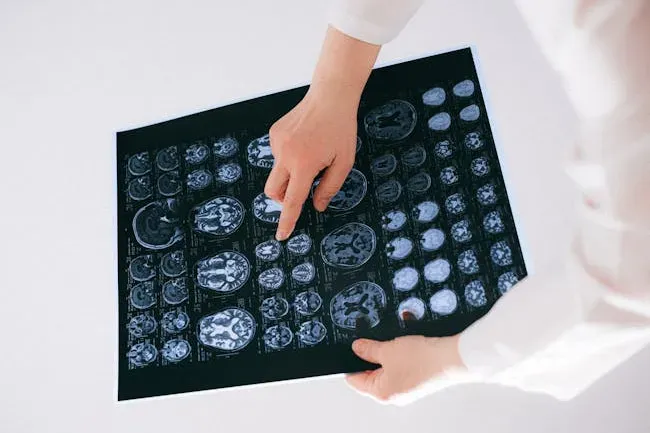
For most of the twentieth century, people were told the same depressing story: your brain peaks in early adulthood, and from there it’s basically a slow slide downward. Modern neuroscience has demolished that idea. Research on neuroplasticity shows that the brain is constantly reorganizing itself – forming new connections, strengthening useful circuits, and even reallocating brain regions if needed. Stroke patients can relearn to walk and speak; blind people can repurpose parts of the visual cortex to process touch and sound.
What’s wild is that very ordinary things drive this rewiring: deliberate practice, new skills, meaningful challenges, and even therapy. Learning a new language late in life, for instance, can measurably reshape brain networks; mindfulness training can change activity in areas linked to stress and attention. It’s not a magic trick – there are limits, and damage is still very real – but the old myth of a fixed, rigid adult brain simply doesn’t hold. Your brain is more like a living city under constant renovation than a finished building collecting dust.
Your Gut Microbes Quietly Influence Your Mood and Mind
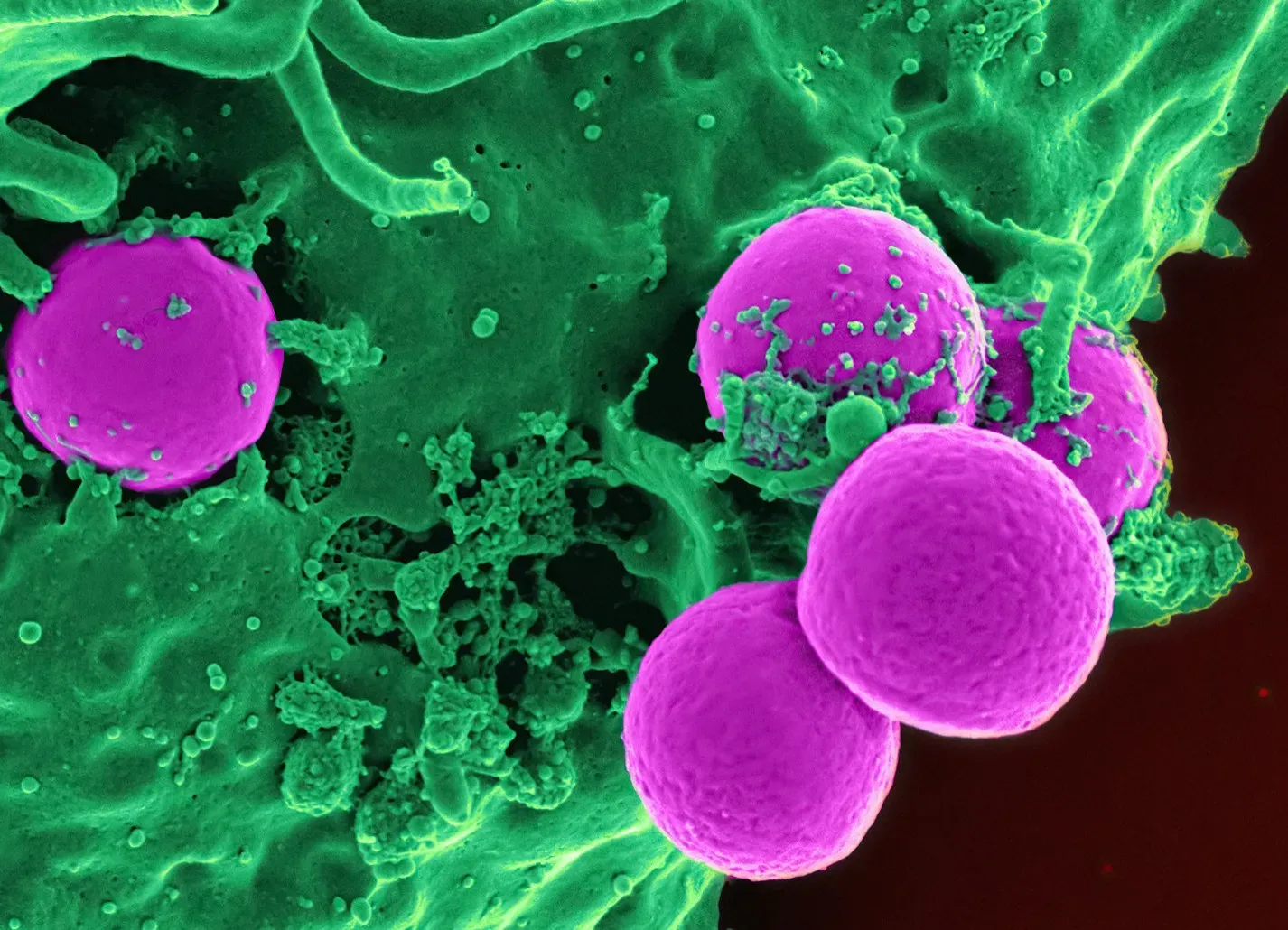
It’s hard to believe that trillions of bacteria in your gut have anything to do with how you feel when you wake up in the morning, but that’s exactly what research is suggesting. The gut–brain axis – the two-way communication system between your digestive tract and your nervous system – is turning out to be one of the most surprising frontiers in physiology. Gut microbes produce signaling molecules, interact with the immune system, and can influence levels of neurotransmitters tied to mood and stress.
Animal studies and early human research hint that changes in gut microbiota may be linked to anxiety, depression, and even how people respond to stress. This doesn’t mean yogurt replaces a therapist, and the hype can get ahead of the actual data. But the idea that your breakfast could subtly influence your emotional resilience through microbial chemistry would’ve sounded ridiculous a generation ago. Now it’s a serious research field, reshaping how we think about food, mental health, and what it means to “listen to your gut.”
We Carry a Hidden “Backup” of Oxygen in Our Muscles and Blood
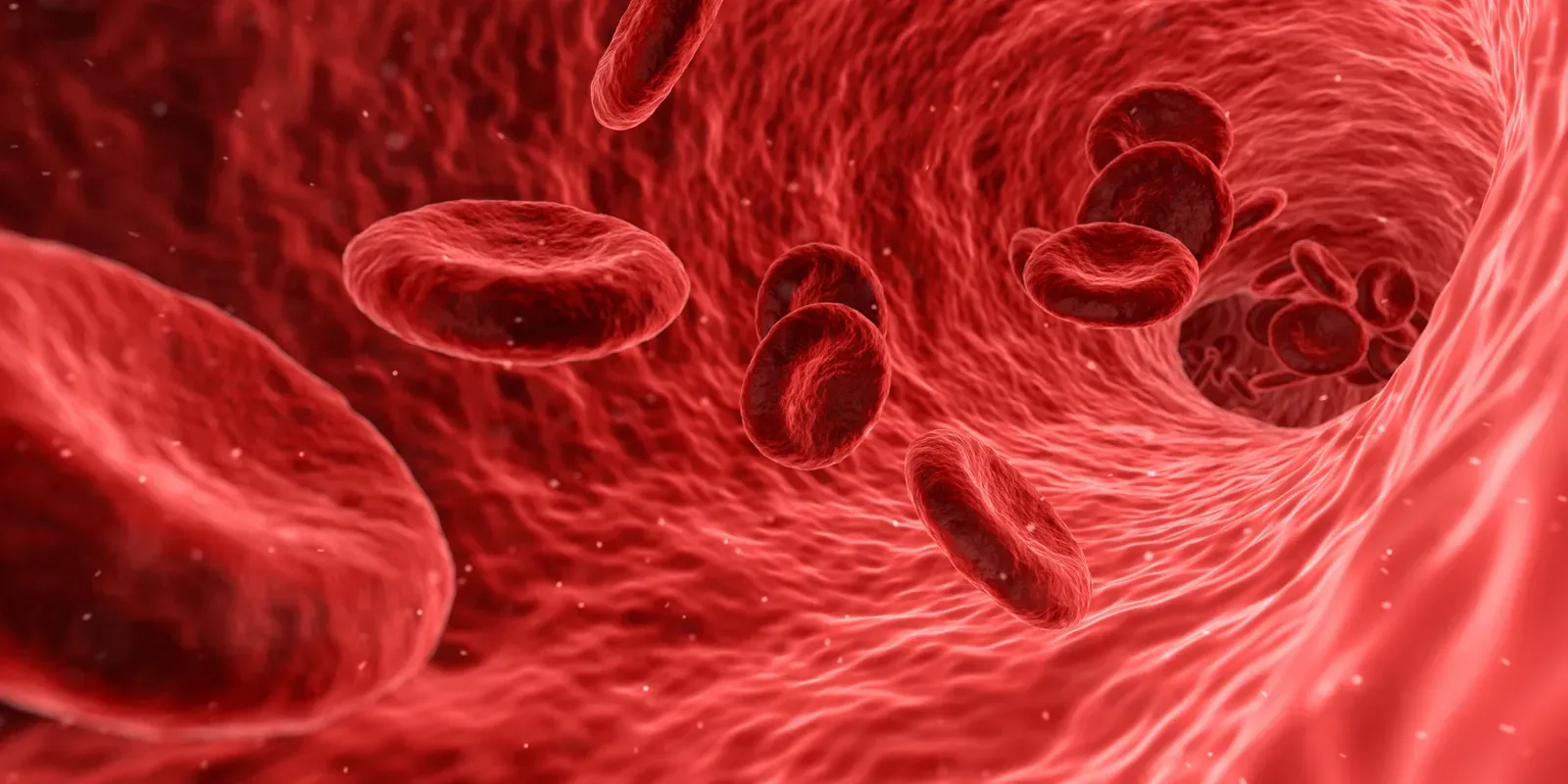
Most people think about breathing in very simple terms: lungs bring in air, heart pumps oxygen, end of story. But human physiology has built-in backups that let us push harder and survive longer than you’d expect. Hemoglobin in red blood cells isn’t just a passive carrier; it releases oxygen in a finely tuned way based on acidity, temperature, and carbon dioxide levels. At the same time, myoglobin in muscles acts like a tiny emergency oxygen tank, holding onto supplies and releasing them when local demand spikes.
This system is why trained freedivers can stay underwater for minutes, and why sprinters can explode off the blocks even before their breathing catches up. It’s also why people can climb to high altitudes where oxygen levels would seem unlivable; the body quietly adjusts how tightly hemoglobin holds onto oxygen and even increases red blood cell production. You don’t feel most of this happening, but it’s like having a hidden energy reserve the body only taps when the situation demands it.
Your Immune System Remembers Threats It Has Never Met
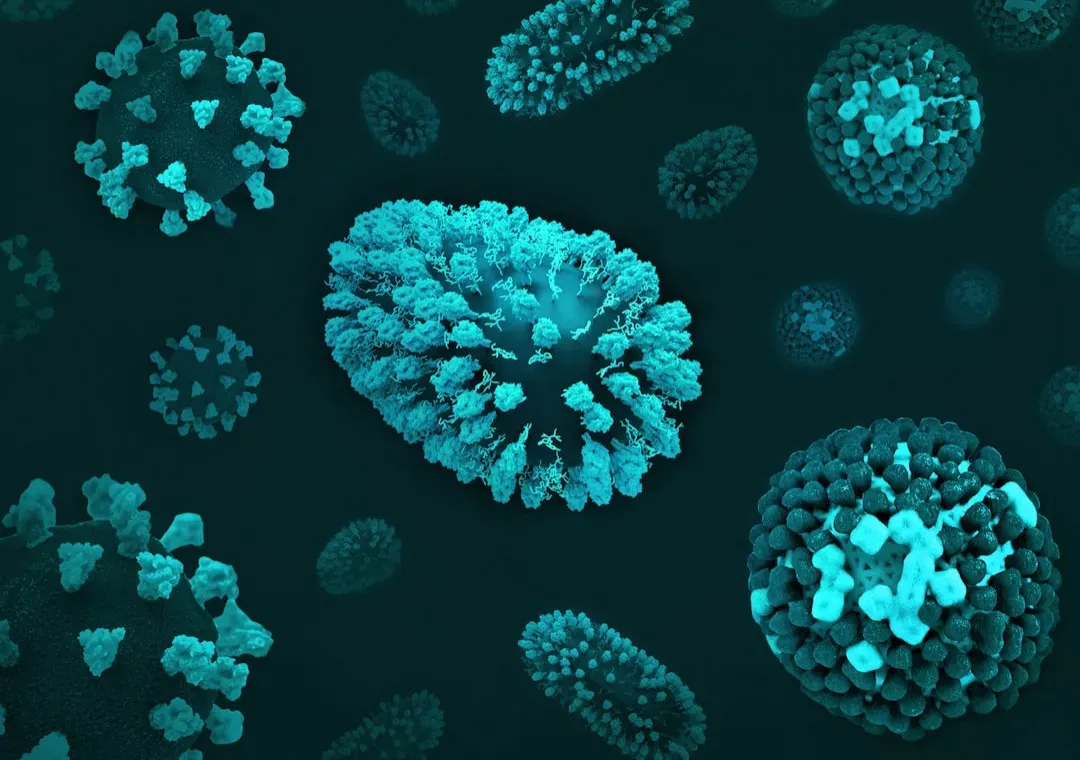
We usually think of immune memory in a straightforward way: you get infected, you recover, and your immune system “remembers” that specific invader. The reality is stranger. Through a process sometimes called cross-reactivity, immune cells trained on one pathogen can partially recognize and respond to related threats they have never actually seen. It’s as if your security team practices on a certain type of intruder, then later spots a different one wearing just enough of the same outfit to raise the alarm.
This can be surprisingly helpful, giving the body a head start against new infections. At the same time, it can occasionally backfire, contributing to misdirected immune responses, including some autoimmune conditions. Vaccines take advantage of immune memory in a controlled way, presenting the body with carefully chosen signals to train those recognition patterns. The idea that your body is quietly stockpiling flexible “memories” of enemies you might meet in the future almost sounds like planning – but it’s simply what an evolved, layered defense system looks like.
The Heart Has Its Own “Mini-Brain” of Nerves
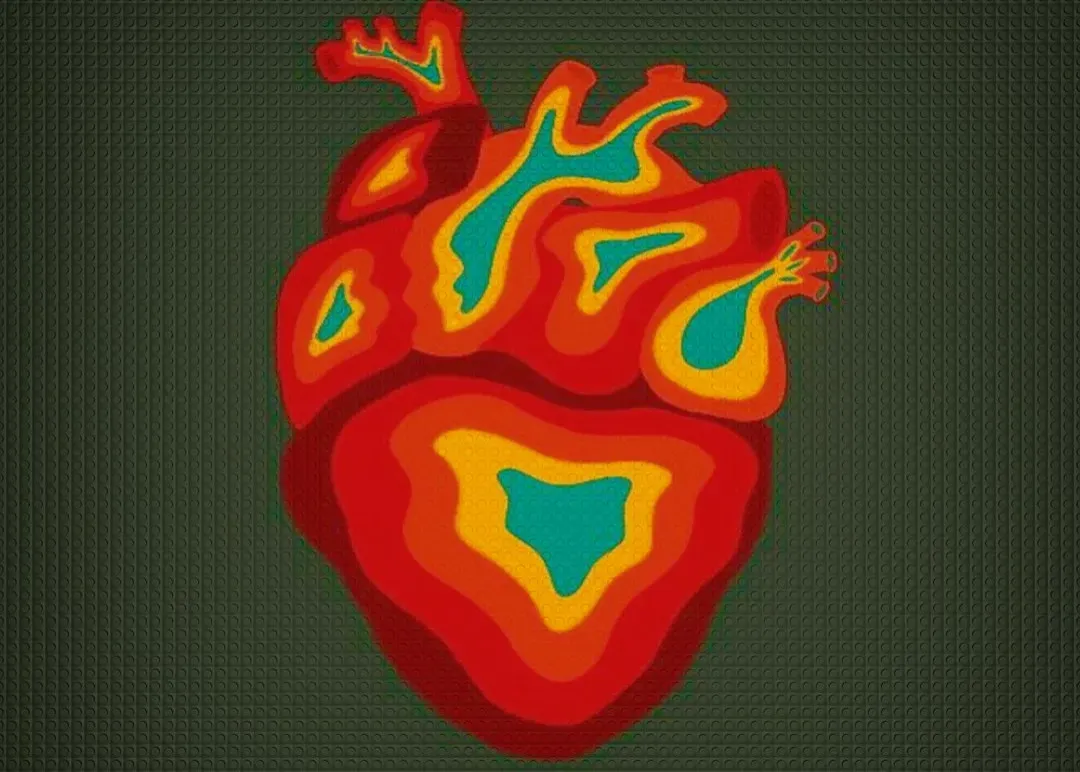
We’re used to the brain being the command center, but the heart is not just a mindless pump waiting for orders. It has its own network of specialized nerve cells – sometimes called the cardiac nervous system – that can independently coordinate certain aspects of heartbeat and rhythm. If you isolate the heart from direct brain control in the lab, it can still beat and respond to some local signals, which is a bit unsettling if you picture it too vividly.
In everyday life, the brain and heart are in constant conversation via nerves and hormones, and the heart’s local circuitry helps fine-tune responses in real time. This interaction is why emotional stress can shift heart rhythms and why heart conditions can, in turn, affect how people feel mentally and physically. The idea of the heart having a “mind of its own” gets over-romanticized sometimes, but the core truth is still startling: your heartbeat is not controlled from a single place, but by a distributed system that has some autonomy.
Pain Is Not a Simple Signal – It’s a Brain-Made Experience

Most of us grow up with a very basic model of pain: you get hurt, nerves send a signal, you feel pain. Physiology has shown something far stranger – pain is not a direct measure of damage but a perception constructed by the brain. The nervous system constantly weighs incoming signals against context, past experiences, and expectations, then decides how loudly to “broadcast” pain. That’s why soldiers in battle may not notice serious injuries until later, and why some people experience intense chronic pain with minimal visible tissue damage.
In a way, pain is more like an alarm system than a damage meter, and alarms can be overly sensitive, jammed, or even stuck on. This is not to say pain is “all in your head” in a dismissive way; it’s very real, but it’s also surprisingly malleable. Treatments like cognitive behavioral therapy, graded exercise, and even virtual reality can change pain perception by reshaping brain patterns. Once you realize pain is an active interpretation rather than a passive signal, stories of people walking on a broken leg in an emergency or not feeling a cut until they see blood stop sounding like miracles and start sounding like neurobiology.
Human Bones Are Constantly Being Broken Down and Rebuilt
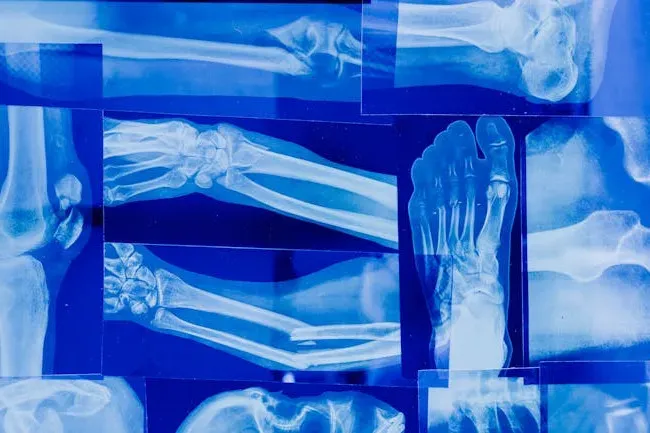
We tend to picture bones as solid, static structures – like rebar inside concrete. In reality, bone is a living, dynamic tissue that’s always under construction. Specialized cells called osteoclasts break down old or micro-damaged bone, while osteoblasts build new bone in its place. Over the course of years, a large portion of your skeleton is quietly replaced, piece by piece, like a house having its bricks swapped out while you sleep.
This constant remodeling is how bones adapt to stress: astronauts lose bone mass in low gravity, while weight-bearing exercise encourages stronger, denser bone. It also explains why nutrition, hormones, and activity patterns matter so much for bone health throughout life, not just in old age. I still remember the first time I learned that your skeleton is effectively a long-term renovation project – it completely changed how I thought about “structural” parts of the body. You’re not a statue; you’re a construction site that never fully shuts down.
The Body Can Enter Energy-Saving “Survival Modes” You Hardly Notice

When we imagine survival states, we think of dramatic scenes: people stranded in the cold, extreme fasting, or medical comas. But the body has quieter, everyday versions of energy-saving modes that kick in under stress, illness, or malnutrition. Metabolism can dial down, body temperature can subtly shift, and hormone levels adjust to buy more time with limited resources. It’s like your phone automatically going into low-power mode when the battery dips, only far more complex and finely tuned.
Some of the most striking examples show up in medical settings. Patients under deep anesthesia or therapeutic cooling can sometimes survive conditions that would normally be lethal, because their bodies are burning less energy and producing less damage. Even in daily life, chronic sleep loss, harsh dieting, and prolonged stress can push systems toward conservation – often at a hidden cost to mood, fertility, and long-term health. Realizing that your body quietly flips switches behind the scenes when it senses threat or scarcity is both comforting and a bit eerie; it means you’re never entirely running in “normal” mode, only in whatever mode your physiology thinks will keep you alive.
Conclusion: Your Body Is Stranger – and Smarter – Than You Feel

When you put all of this together, a pattern emerges: the human body is not a simple machine following a fixed script, but a layered, improvising system that bends its own rules to keep you alive. Your brain rewires itself, your microbes talk to your mind, your heart negotiates with your nerves, and your bones and immune cells are constantly revising what “normal” should be. A lot of it happens quietly, without your awareness, which is probably a good thing – if you had to manually manage all this, you’d never get anything else done.
To me, the most humbling part is that we’re still uncovering basic truths about how our own bodies work in 2026. Every new finding seems to say the same thing: you’re more adaptable and more interconnected than you’ve been led to believe. Maybe the real takeaway is simple: treat your body less like a dumb vehicle and more like a brilliant, overworked partner doing its best with the signals you give it. Knowing what you know now, what part of your own physiology do you see a little differently?