Articles for category: Paleontology

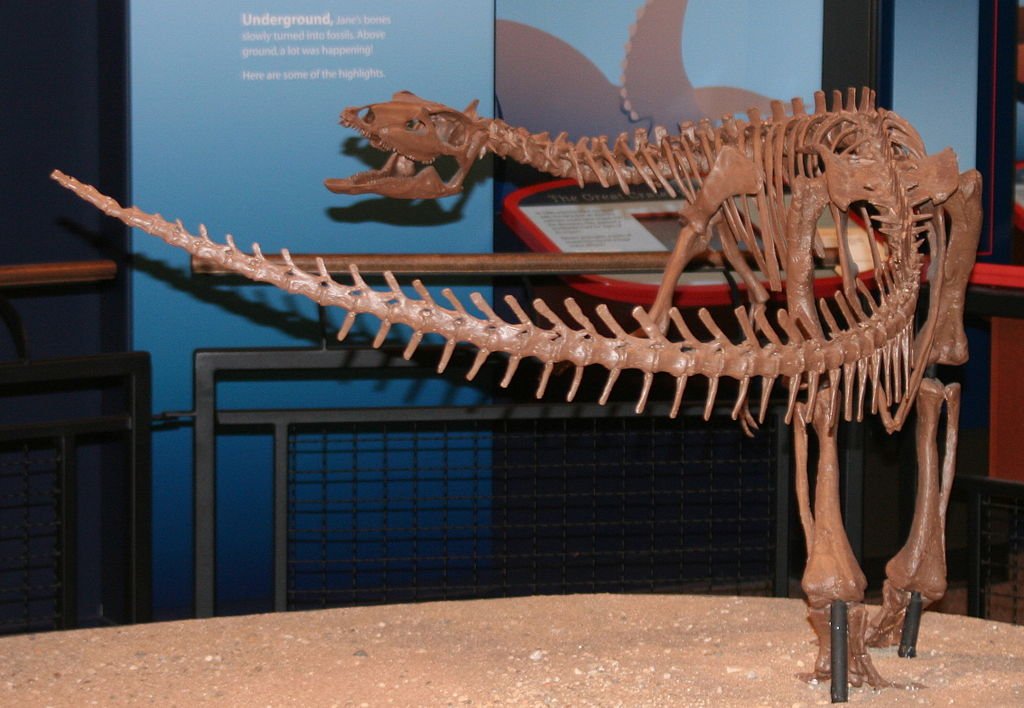
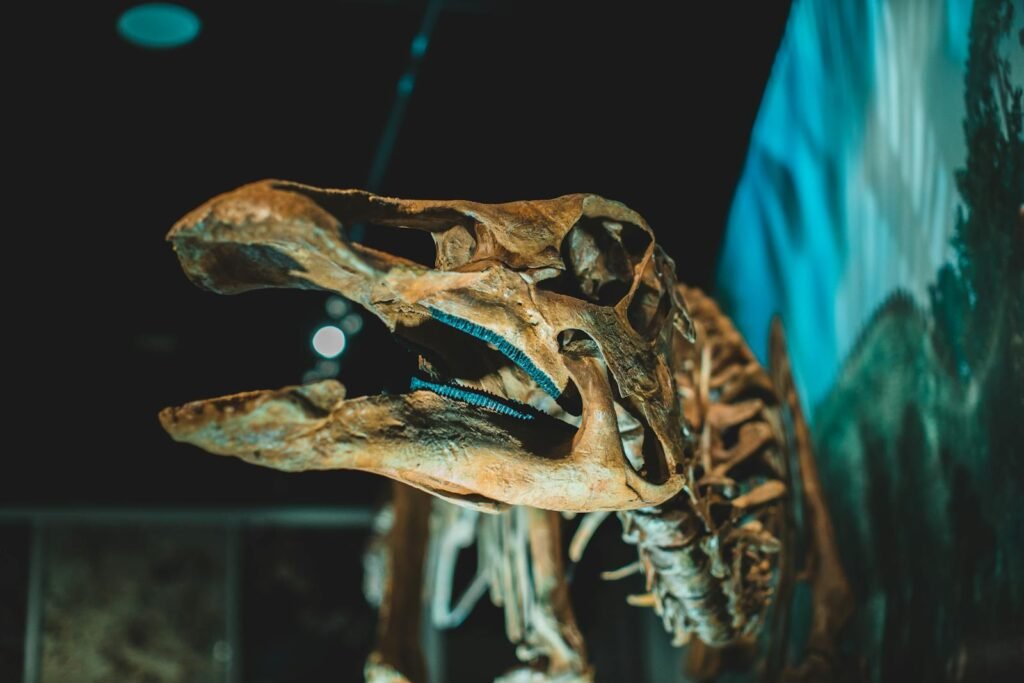
Close-up view of a dinosaur skeleton on display in a museum exhibition.

Fossilized Fight Club: Two Dinosaurs Locked in Combat for 67 Million Years

Maria Faith Saligumba

In the dusty badlands of Montana, paleontologists made a discovery that would rewrite our understanding of prehistoric life. Buried beneath layers of sediment, two massive dinosaurs lay intertwined in what appears to be an eternal struggle—a Triceratops and Tyrannosaurus rex locked in mortal combat for 67 million years. This isn’t just another fossil find; it’s ...

Fossils

Can You Keep Fossils You Find? What the UK Law Says

Maria Faith Saligumba

Unearthing a fossil can be an exhilarating experience. Imagine standing on a rocky beach, feeling the salty breeze on your face, and suddenly stumbling upon a piece of history millions of years old. It’s a moment that connects you to the ancient world in a tangible way. But as you marvel at your discovery, a ...

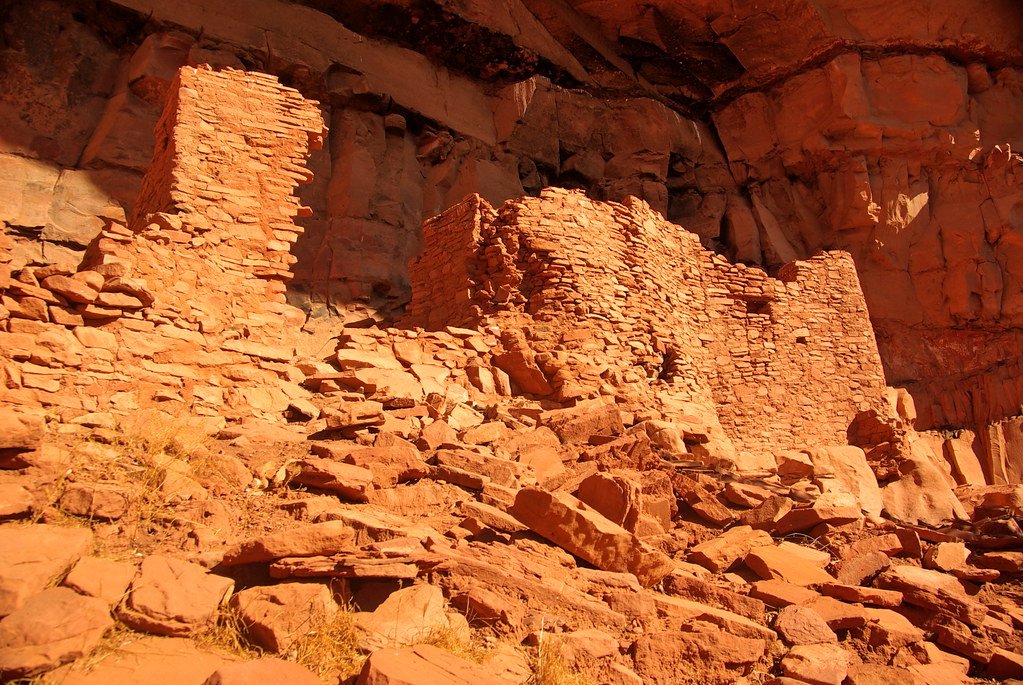
Honanki Cave Structures

The Mystery of the Red Deer Cave People: A Human Lineage Lost?

Maria Faith Saligumba

Deep in the limestone caves of southern China, archaeologists stumbled upon bones that would challenge everything we thought we knew about human evolution. These weren’t just any ancient remains—they belonged to people who lived as recently as 11,500 years ago, yet possessed features that seemed impossibly archaic. The Red Deer Cave people, as they came ...

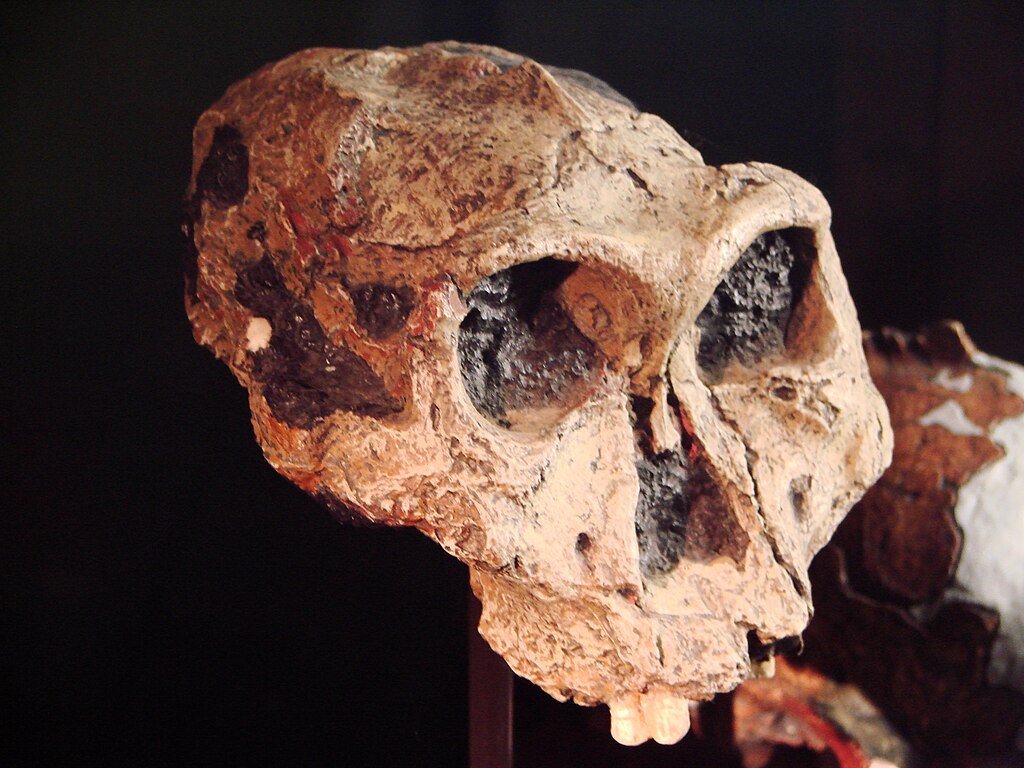
Paranthropus robustus fossil side view

Tooth Enamel Unlocks Genetic Secrets of Ancient Human Relatives

April Joy Jovita

A new study of two-million-year-old tooth enamel has revealed surprising genetic diversity in Paranthropus robustus, a distant upright-walking relative of early humans. Using paleoproteomics—the analysis of ancient proteins—researchers extracted molecular data from fossil teeth found in South Africa’s Swartkrans Cave, offering one of the oldest glimpses into human ancestry ever recovered from the continent. Proteins ...

Lungfish fossil

Jaw Power: Ancient Lungfish Reveal the Feeding Strategies of Earth’s First Land Animals

April Joy Jovita

Newly analyzed jawbones from 380-million-year-old lungfish are shedding light on the feeding behaviors of our earliest vertebrate ancestors. Discovered in the Gogo Formation of northern Western Australia, these fossils reveal a surprising diversity in skull and jaw structure, offering clues about how early lobe-finned fish adapted to different diets and ecological roles before vertebrates made ...

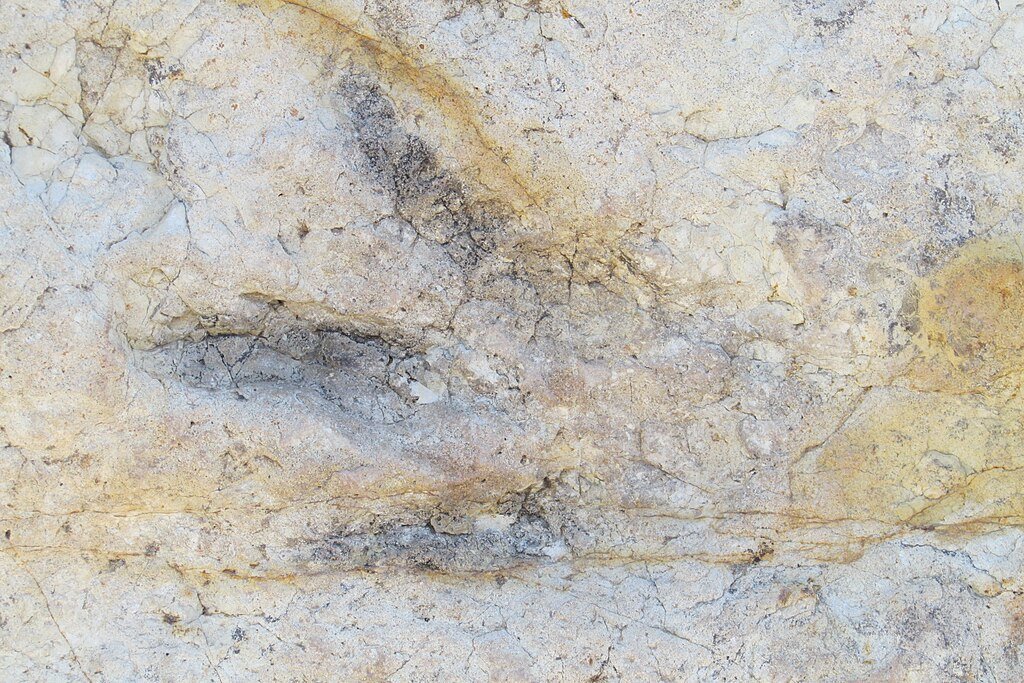
Theropod track

It’s All in the Wrist: Dinosaur Bone Discovery Reshapes Flight Evolution

April Joy Jovita

A newly identified wrist bone in two non-avian dinosaurs has challenged long-held assumptions about the evolution of flight. Researchers have discovered that theropods, bird-like meat-eating dinosaurs, possessed a carpal bone called the pisiform, once thought to be unique to birds. This finding suggests that the anatomical foundations for flight were already in place millions of ...