Articles for category: News

Discover What Polar Dinosaurs Life Looked Like in Antarctica 120 Million Years Ago, Now Their World Is Reborn

Jan Otte

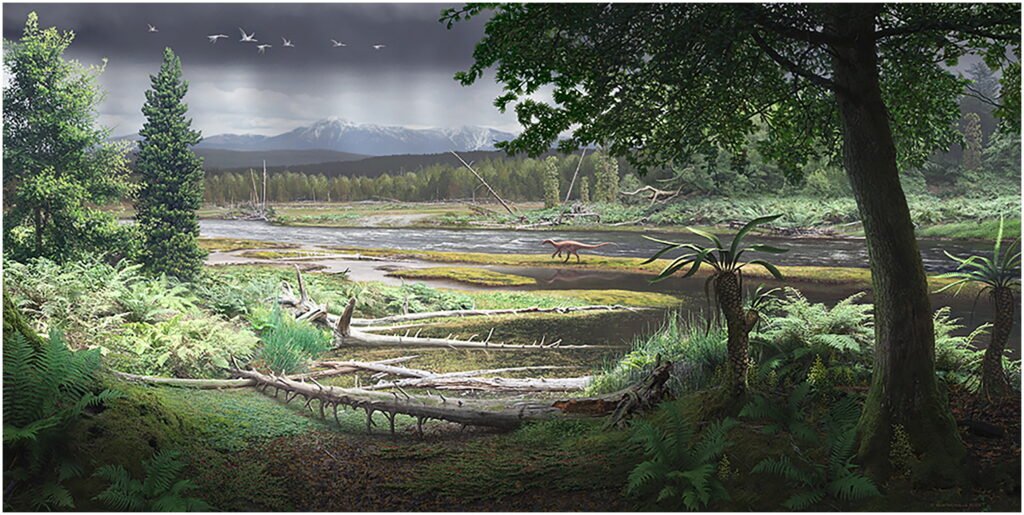
Imagine a world where Antarctica wasn’t a frozen wasteland but a lush, river-cut forest teeming with life where dinosaurs, not penguins, roamed under months-long polar darkness. This was Earth 120 million years ago, during the Early Cretaceous, when what is now southern Australia sat within the Antarctic Circle. Thanks to groundbreaking research analyzing ancient pollen ...

black and white short coated dog

How Your Zodiac Sign Influences the Way You Bond With Your Dog

Suhail Ahmed

  Walk into any dog park and you’ll see it: the jogger matching strides with a lean border collie, the quiet reader with a snoring bulldog at their feet, the social butterfly surrounded by wiggling doodles. We tend to chalk this up to personality alone, but a growing cultural fascination suggests something more symbolic may ...

a stone sculpture surrounded by greenery in a garden

Helicoprion: The 270-Million-Year-Old Shark With a Buzz Saw for a Jaw

Suhail Ahmed

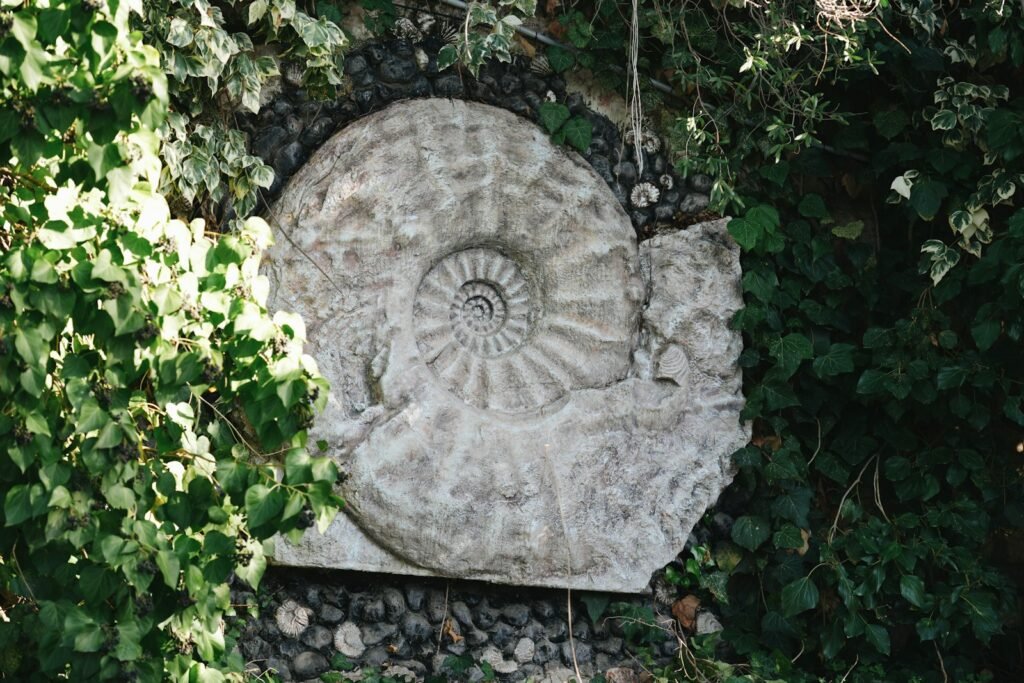
For more than a century, a single spiral of teeth has taunted paleontologists with a maddening question: where in the world did it go in the mouth? The animal behind that riddle – Helicoprion – swam Earth’s seas long before dinosaurs, yet its legacy feels strangely modern, like a design brief left on a lab ...

Aerial view of an abandoned boat submerged in clear blue waters off the coast of Sicily.

Underwater Archaeology in Greece: Dive Into Sunken Temples and Ancient Ships

Suhail Ahmed

The Aegean doesn’t whisper its history; it keeps it under pressure, in the hush between amphorae and stone quays now claimed by seagrass. Greece’s coastlines are ringed with ruins you can’t see from the ferry deck – war harbors, marble statues, even whole streets that slid beneath the waves with time. For archaeologists, every calm ...

Wild Ginger (Asarum canadense)

How Gene Mutations Help Flowers Mimic Foul Odors to Attract Pollinators

April Joy Jovita

Some plants have evolved a surprising strategy to attract pollinators—not with sweet fragrances, but with the stench of rotting flesh and dung. Researchers have discovered that certain flowering plants, including wild ginger (Asarum canadense), produce malodorous chemicals through gene mutations that mimic the scent of decaying organic matter. The Genetic Mechanism Behind the Stench   Scientists ...

A person sitting alone in a dark, grassy park.

Why Highly Intelligent People Are Often the Most Emotionally Isolated

Suhail Ahmed

  In a world more connected than ever, it is quietly astonishing how many of the brightest minds feel deeply alone. They can decode abstract problems, juggle complex systems, and foresee patterns years ahead – but often struggle with something as simple as feeling understood at a party or opening up to a close friend. ...

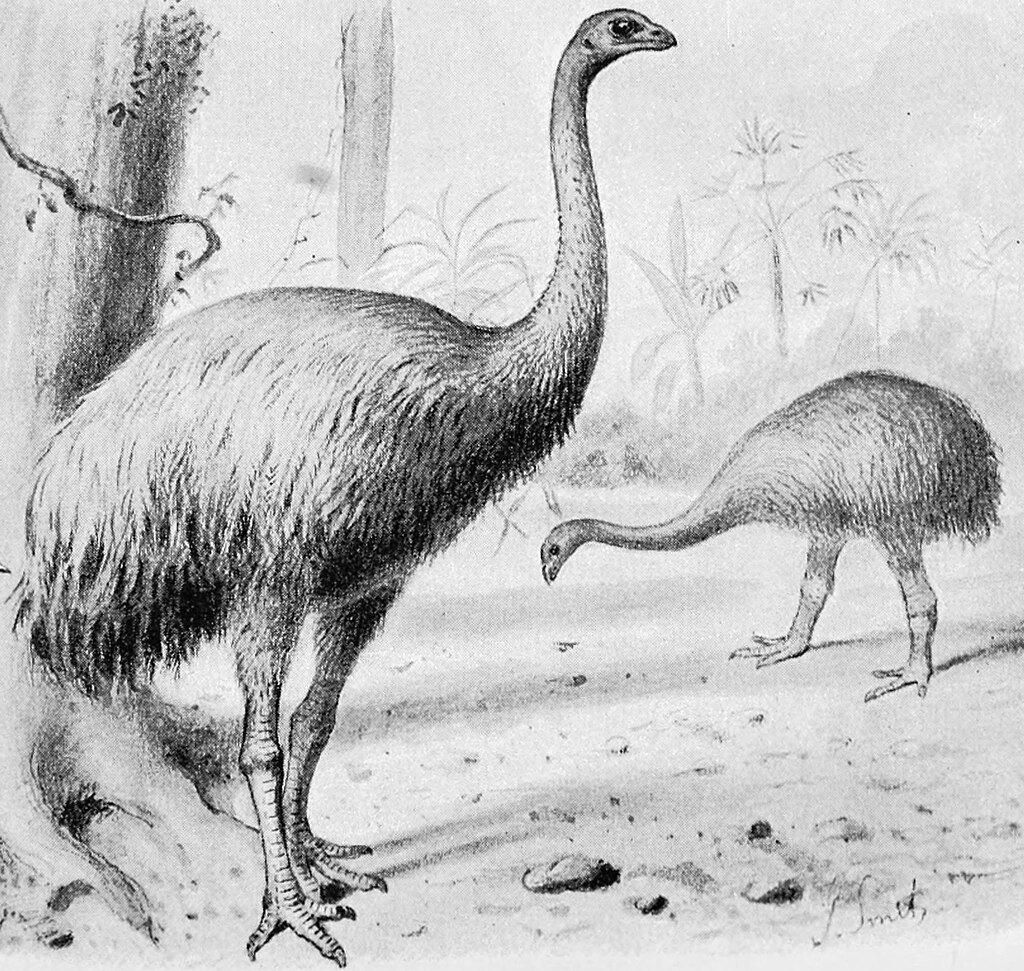
Giant moa

Colossal Biosciences to Revive Moa Bird – A Giant Returns from Extinction?

Suhail Ahmed

In a move that sounds equal parts science fiction and ecological moonshot, Colossal Biosciences says it’s turning its de-extinction toolkit toward New Zealand’s vanished giant, the moa. The announcement arrives with cinematic flair, including backing from filmmaker Sir Peter Jackson and collaboration with Māori partners and museum scientists who hold some of the world’s best-preserved ...

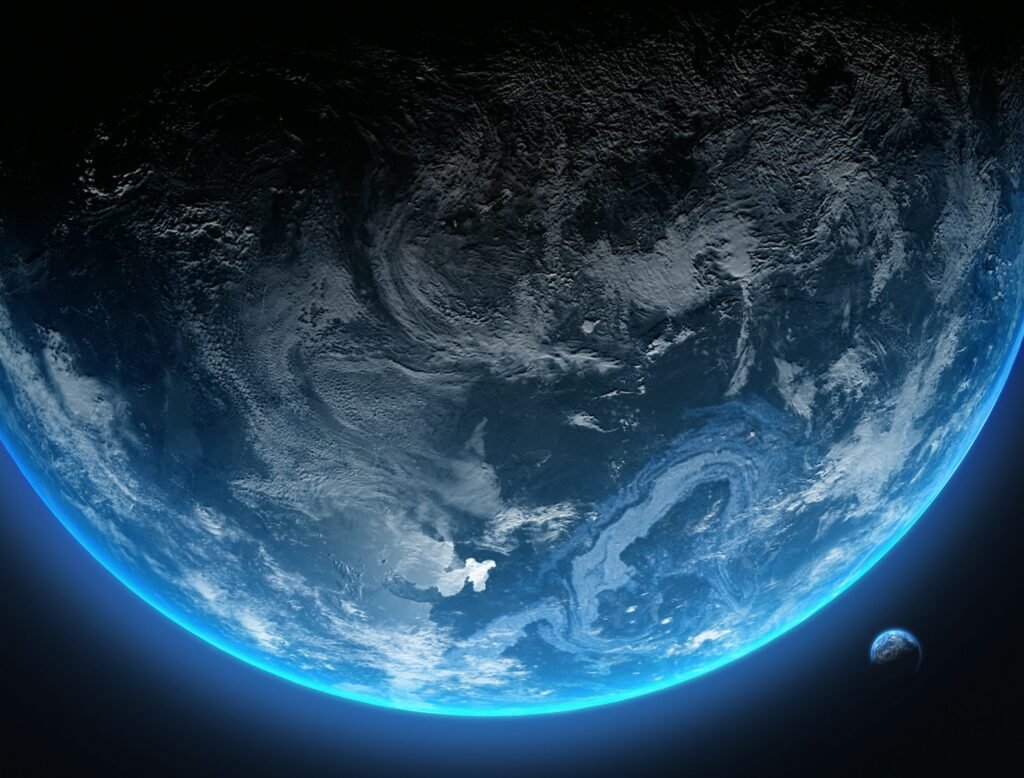
a planet with clouds and water

The Earth’s Core Is Hiding a Secret, Scientists Are Unraveling It

Suhail Ahmed

  Far below our feet, beyond the crust we walk on and the mantle that slowly churns, something strange is happening at the very center of Earth. For decades, scientists thought they understood the basic structure of the core: a solid inner sphere wrapped in a liquid metal ocean. But in the last few years, ...

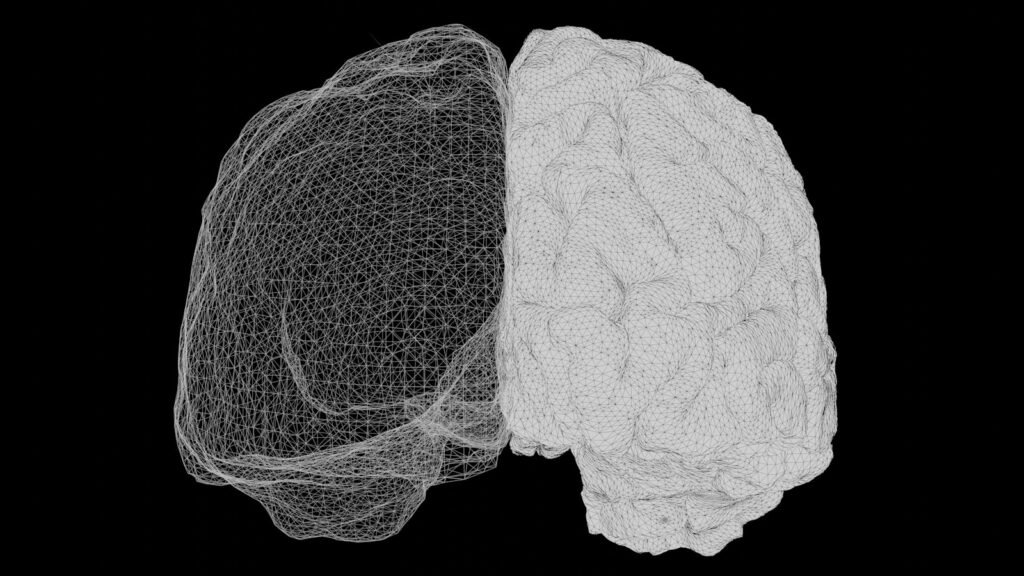
a computer generated image of a human brain

Why No Scientific Model Can Fully Explain What It Feels Like to Be You

Suhail Ahmed

  Science has mapped your genes, scanned your brain in glowing colors, and tracked your heartbeat down to the millisecond – yet it still cannot answer a deceptively simple question: what does it actually feel like to be you, from the inside. For more than a century, researchers have tried to translate the first‑person world ...

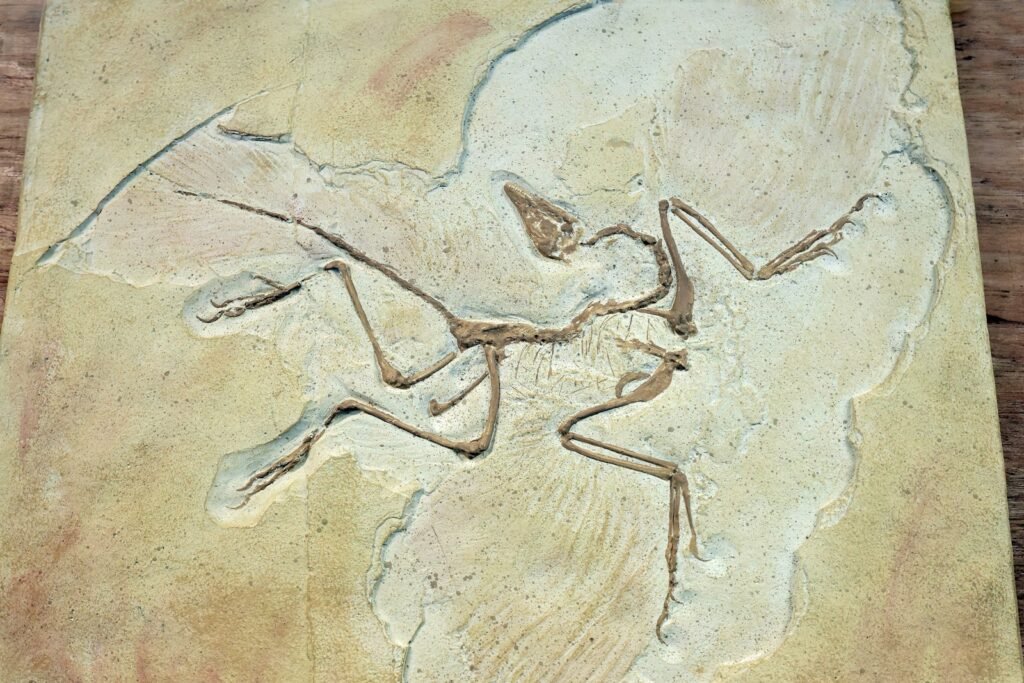
a stone carving of a bird on a wooden table

10 Prehistoric Misidentifications That Changed Science

Suhail Ahmed

Science loves a clean origin story, but the truth is messier – and far more exciting. Our understanding of prehistory was built not just on eureka moments but on glorious blunders that jolted entire fields forward. From shark teeth mistaken for magical “tongues” to dinosaur parents smeared as thieves, each error carried a lesson that ...