Articles for category: News

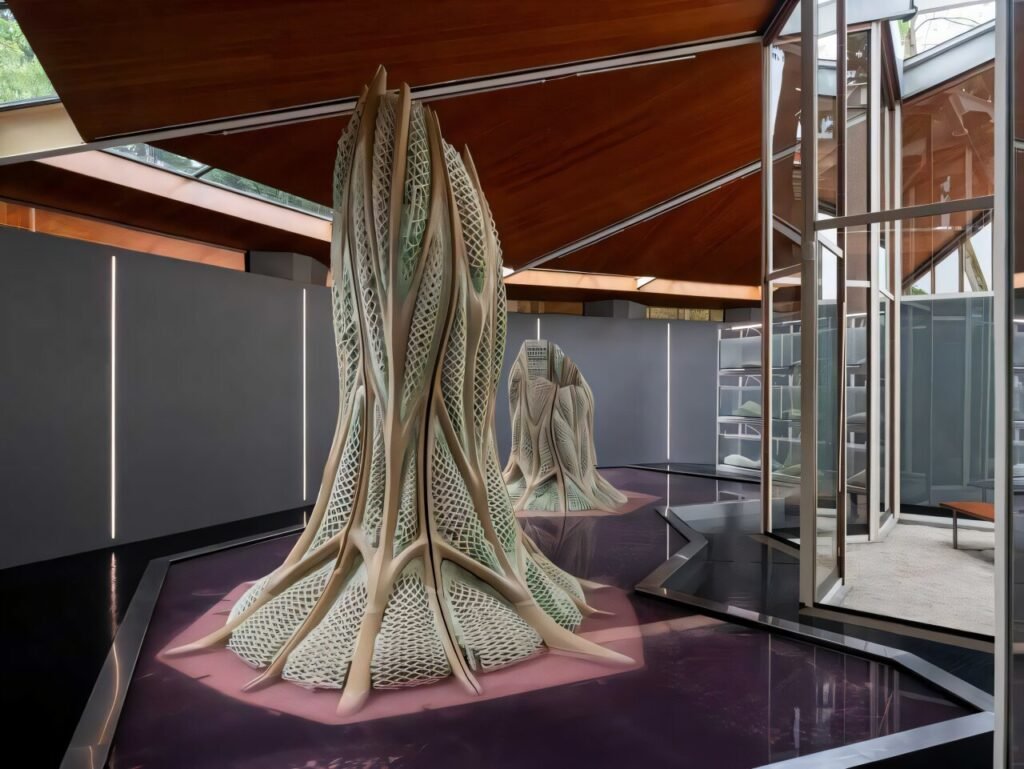
photosynthetic living

What If Buildings Could Breathe? Scientists Unveil Living Materials That Eat CO₂

Jan Otte

Imagine a future where skyscrapers don’t just sit there; they actively clean the air by breathing, absorbing carbon dioxide, and even getting stronger over time. This isn’t science fiction; it’s the most advanced bio-architecture. Scientists at ETH Zurich have created a groundbreaking living building material that contains cyanobacteria, which are ancient microbes that photosynthesize like ...

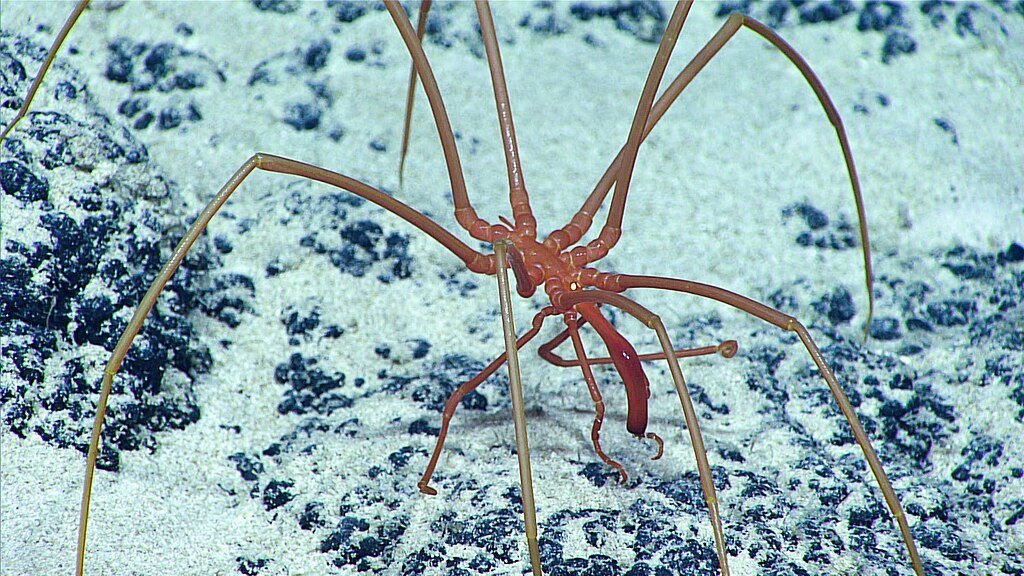
Large sea spider (Collossendeidae) seen at 1,495 meters in Pacific Remote Islands Marine National Monument

Meet the Sea Spiders That Grow Their Own Food on the Ocean Floor

April Joy Jovita

In a remarkable discovery, scientists have found that certain deep-sea spiders are not predators or scavengers as once believed, but microbial farmers. A study published in the Proceedings of the National Academy of Sciences reveals that these spiders cultivate and consume methane-oxidizing bacteria that grow directly on their exoskeletons. This newly described symbiosis offers a ...

Mosquito on a leaf

Mosquitoes Break the Rules: Global Study Reveals Unexpected Feeding Flexibility

April Joy Jovita

A sweeping global study has overturned long-held assumptions about mosquito feeding behavior, revealing that these disease-carrying insects are far more adaptable than previously believed. Published in Global Ecology and Biogeography, the research analyzed over 15,600 mosquito blood-meal records and found that environmental factors—not just innate preferences—play a major role in determining which hosts mosquitoes feed ...

Majestic blue icebergs floating in a tranquil glacial lagoon under a clear sky.

Beneath the Ice: Antarctica Emits Mysterious Radio Pulses That Shouldn’t Exist — Are They Clues to Dark Matter?

Jan Otte

Deep under Antarctica’s frozen surface, something unworkable is happening. Scientists have found odd radio pulses from below the ice signals that violate accepted physics rules. Captured by instruments floating eighteen miles (29km) above the continent, these enigmatic emissions seem to start at angles thirty degrees below the surface, a path that should be physically impossible. ...

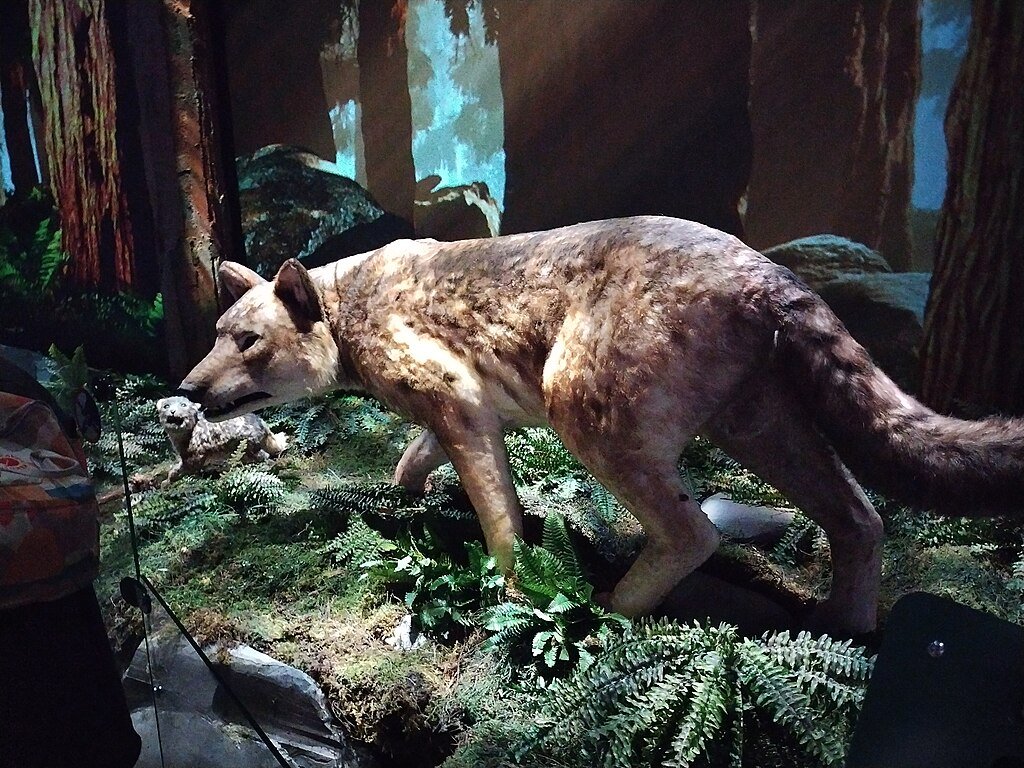
Dire wolf

Dire Wolf Distraction or Conservation Revolution? How Gene Editing Could Save Endangered Species Before They Vanish

Jan Otte

Three genetically modified “dire wolves” produced by biotech company Colasant Biosciences Romulus, Remus, and Khaleesi have drawn worldwide interest. Scientific wonders, these large, white-furred canids resurrected from DNA fragments of a species extinct 12,000 years are. Underneath the show, though, is a crucial question: Should we be resurrecting Ice Age predators when living species are ...