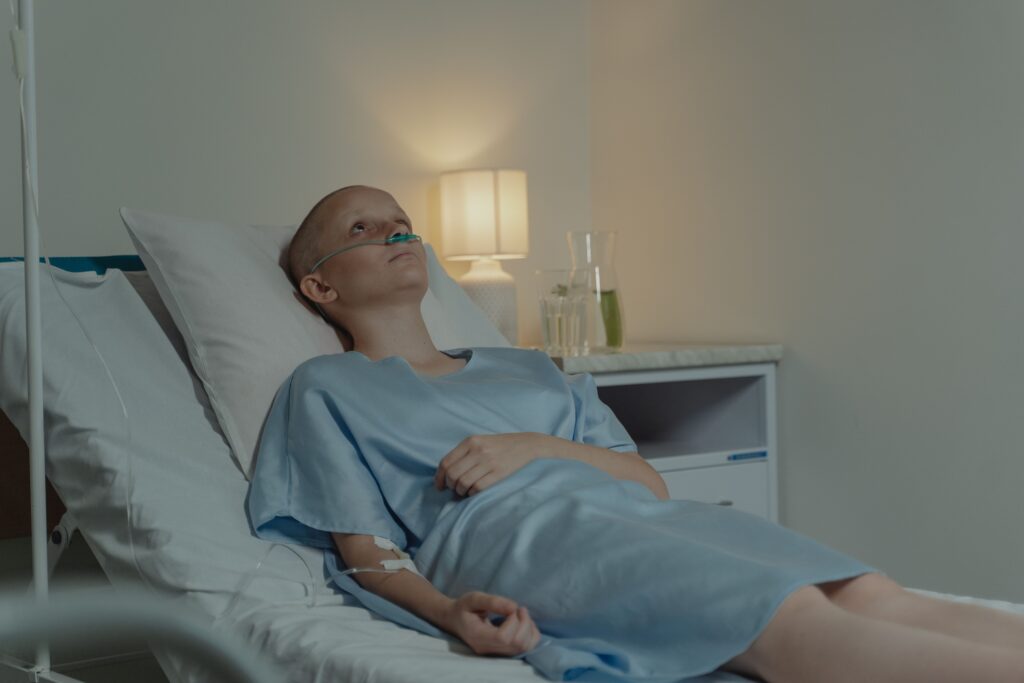

For almost all of human history, death arrived quickly and mysteriously. A fever, a wound, a difficult birth – people often slipped away without diagnosis, without machines, and usually without much warning. Today, we can watch a heart stop on a monitor in real time, restart it with electricity, and even decide, in a strangely practical way, how long to keep a dying body alive. That shift has quietly rewritten not just how we die, but how we live with the idea of death.
Modern medicine did not abolish mortality, but it absolutely edited the script. Many of us now expect long lives, planned goodbyes, and high-tech rescues as a kind of birthright. At the same time, we are more distant from the raw, physical reality of dying than any generation before us. I remember sitting in a hospital corridor watching heart monitors flicker and thinking: this is both miraculous and unsettling – we’ve turned death into something we manage, negotiate, and sometimes postpone, instead of simply endure. The rest of this article is really about that tension.
From Sudden Death to Slow Dying
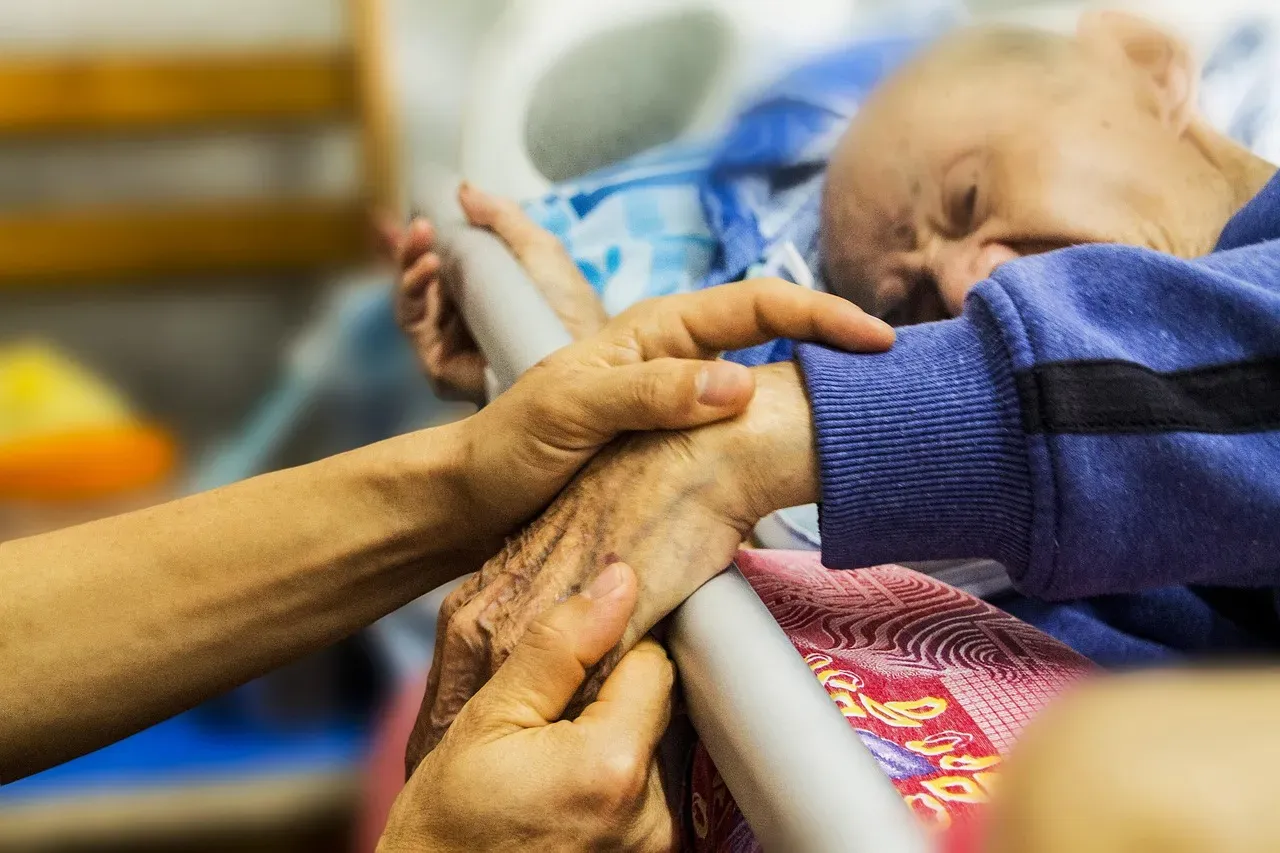
One of the most dramatic shifts is that many people now die slowly rather than suddenly. In the past, infections, injuries, and childbirth could kill in days or hours; now antibiotics, surgery, and intensive care can stretch the final chapter into months or years. We have turned many once-fatal diseases into long-term conditions, which means dying often unfolds as a drawn-out process of decline instead of a single catastrophic event.
This slow dying has emotional consequences. Families may live for years in a state of anticipatory grief, caring for someone whose body is present but whose old self feels partly gone. The story of death becomes less about a single moment and more about a series of turning points: the first fall, the last time they walked, the day they did not recognize a familiar face. It can be a gift – more time, more chances to say what matters – but it also means that death is no longer just an instant; it is a season.
The ICU: Where Technology Meets the End of Life
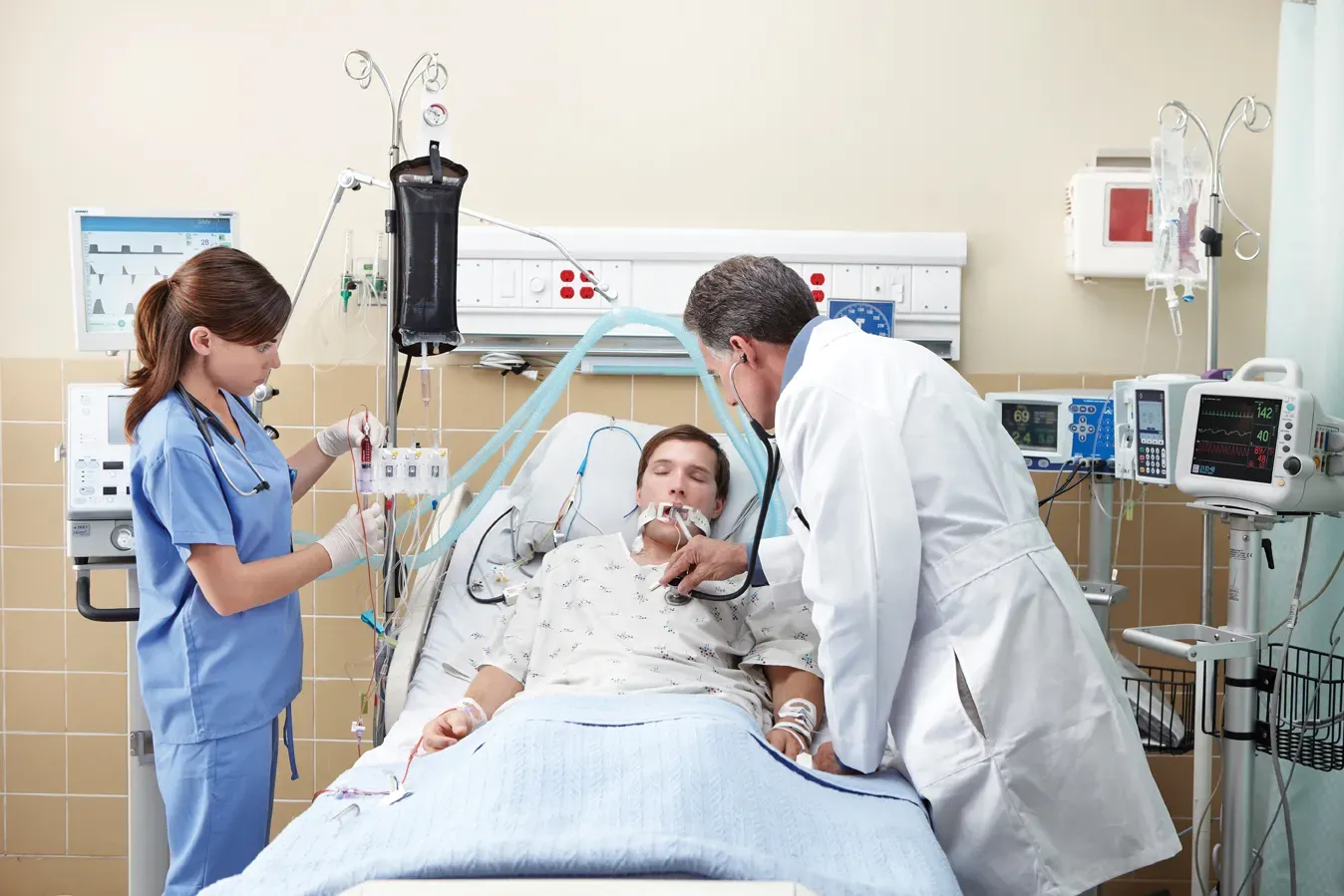
If there is a symbol of modern death, it is the intensive care unit. Here, ventilators breathe for you, pumps move drugs into your veins, and monitors translate your heart’s electrical signals into bright lines on a screen. In an ICU, you do not simply die; you are continually measured, supported, and rescued until those interventions either succeed or are withdrawn. This environment turns dying into something engineered, almost technical.
For families, that can feel like both salvation and torment. You stand between a tangle of tubes and blinking machines, listening to staff talk about blood gases and oxygenation, and you have to make decisions about a loved one’s life based on numbers you barely understand. I still remember that surreal feeling of watching a relative’s heart rate like it was a stock price. The ICU makes you feel that if you choose correctly, you might cheat death – and if you do not, you might be responsible for it.
Resuscitation, CPR, and the Myth of Being “Brought Back”
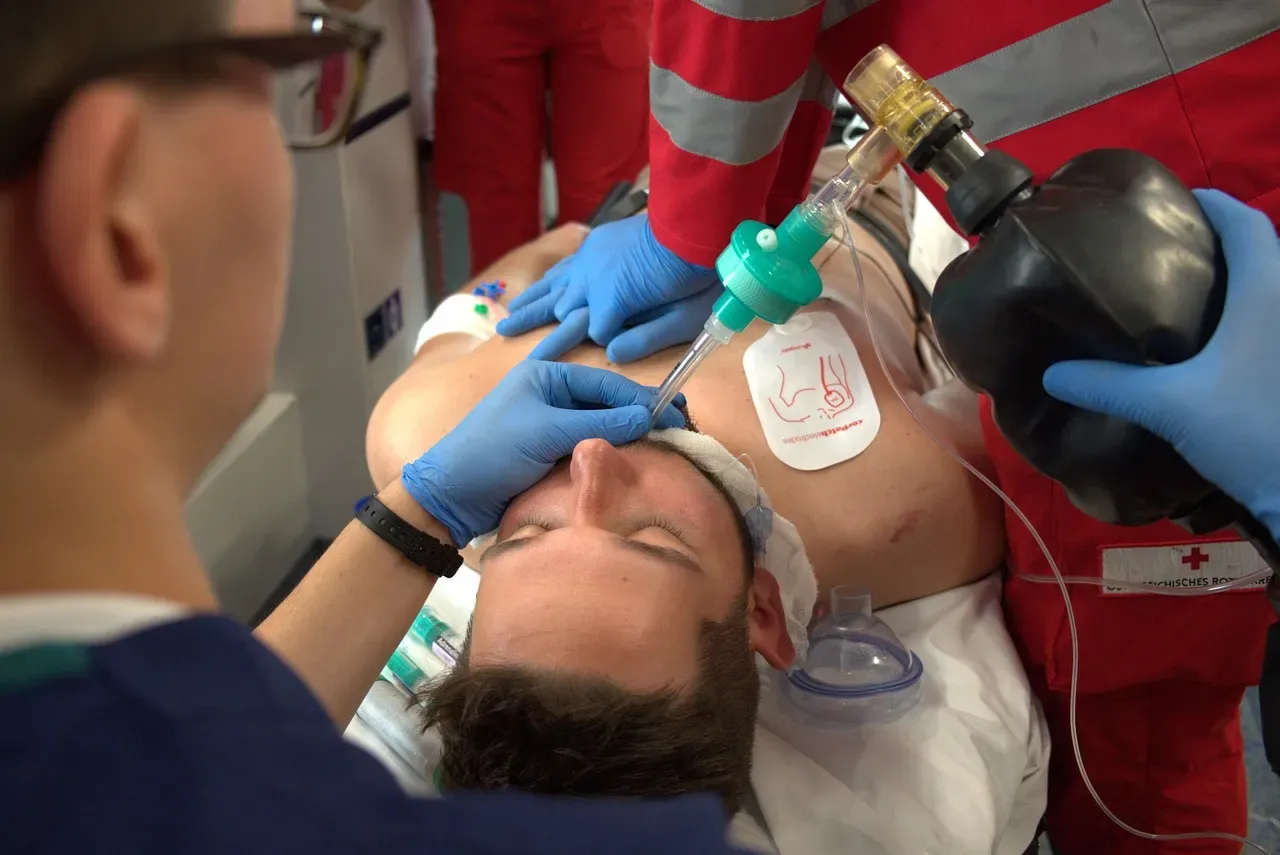
Modern resuscitation techniques – CPR, defibrillators, emergency drugs – have changed how we think about the boundary between life and death. When a heart stops in a hospital or even on the street, people often assume it can and should be restarted. In movies, CPR almost always works; in real life, it helps some, but far fewer than people think, and often with serious long-term consequences for the brain and body. Still, the idea that you can be “brought back” has seeped into our culture.
This has made the moment of death feel less final and more negotiable. When someone collapses, the first question is no longer only “Are they gone?” but “Should we try to bring them back, and what would that life look like?” That is a heavy question to face mid-crisis. It also shapes how people imagine their own deaths: many picture a dramatic rescue, a second chance. Medicine has created genuine miracles here, but it has also created a myth of reversibility that can make accepting death feel like giving up too soon.
From Home to Hospital: Where We Die Now
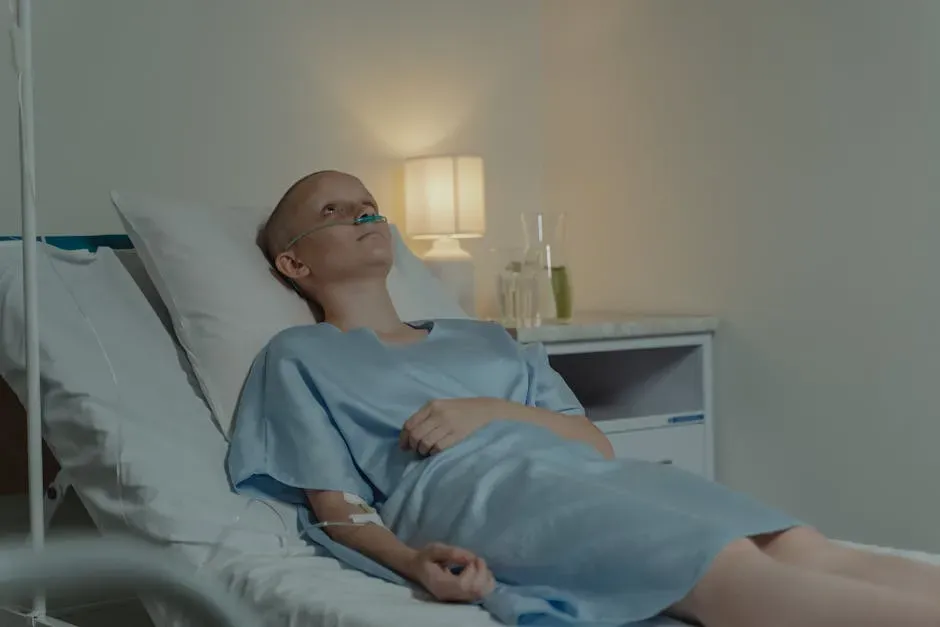
For much of history, people mostly died at home, surrounded by relatives, familiar smells, and daily life. Today, in many countries, the default place of death is the hospital, often in a shared ward or intensive care unit. That move has professionalized dying: doctors and nurses now guide the process, manage symptoms, and handle the logistics. It can be safer and more comfortable medically, but it can also feel oddly impersonal.
When death happens in a hospital, it is easy for families to become visitors to the end of their loved one’s story instead of active participants in it. You need permission to stay overnight, you work around ward routines, you whisper because you are afraid of disturbing other patients. At the same time, many people feel relief knowing that someone is watching the monitors and adjusting medications. Medicine has relocated death from the center of the home to the edges of a clinical system, and that move has quietly changed how intimate we are willing to be with it.
Pain Relief and the Promise of a “Good Death”
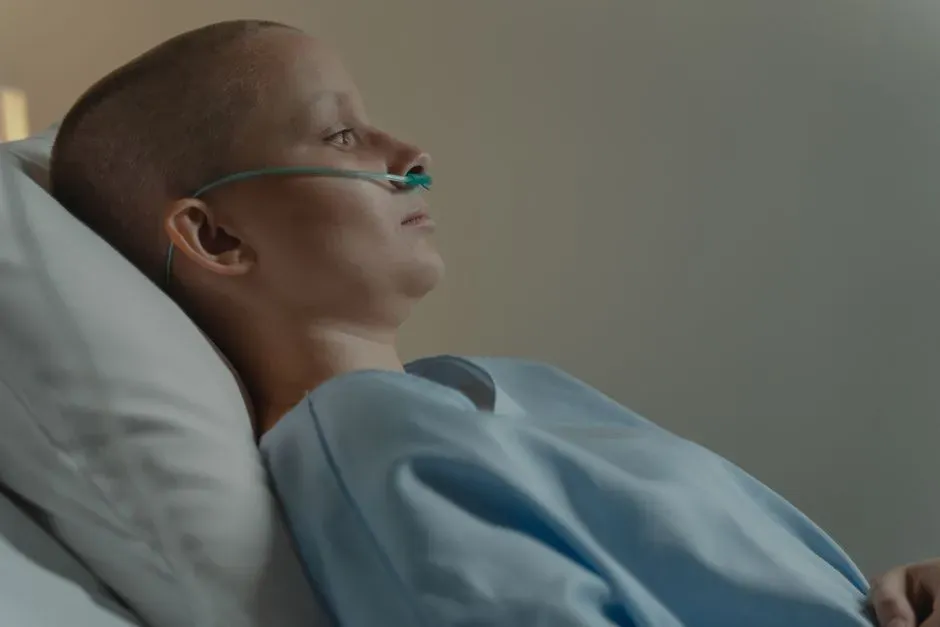
One of the most quietly revolutionary advances in modern medicine is the ability to relieve pain and ease symptoms near the end of life. Strong painkillers, anti-nausea drugs, and targeted treatments for breathlessness and anxiety can radically change someone’s final days. Instead of imagining death as an inevitable spiral of suffering, many people can now hope for a relatively comfortable, even peaceful, final stretch.
But this new control over suffering has raised difficult ethical questions. When doctors use powerful drugs that both ease pain and may, in high doses, shorten life, they walk a moral tightrope. Families sometimes struggle with the fear that making someone comfortable means “giving up” on them, or that heavy sedation means losing precious last conversations. We are still learning how to balance the desire for a clear goodbye with the equally human wish to spare those we love from unnecessary agony.
Life Support, Brain Death, and Redefining When Death Happens
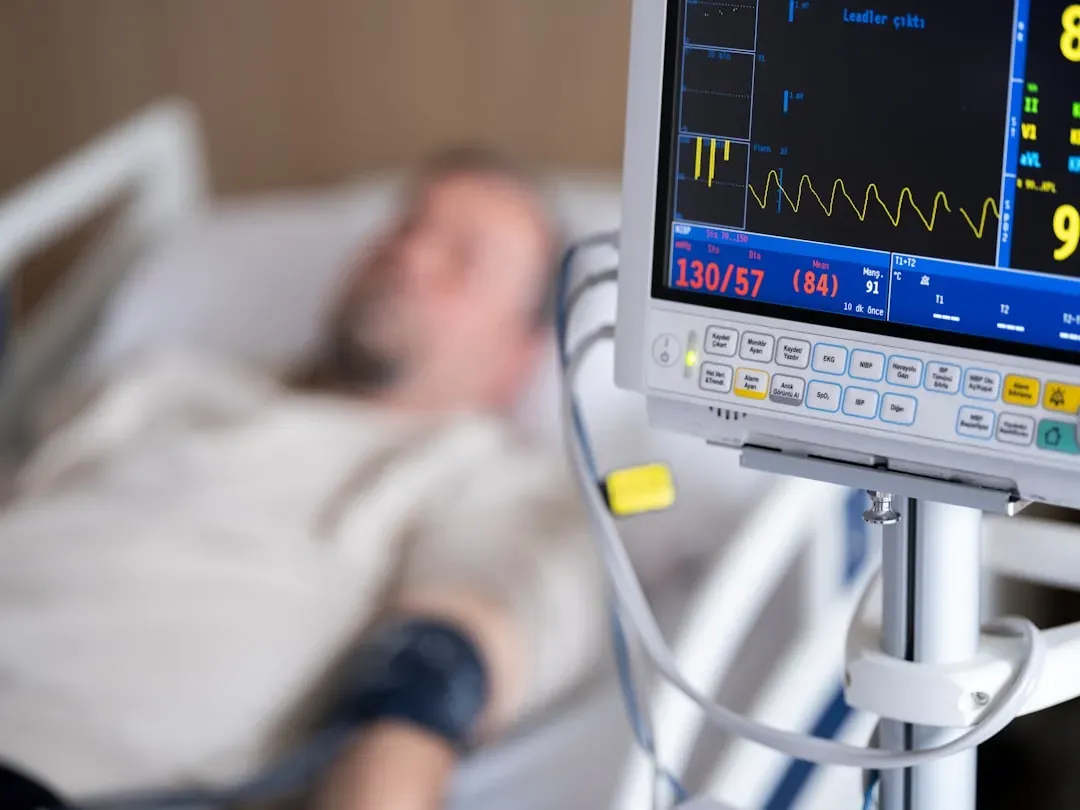
Before ventilators and intensive care, death was mostly defined by the heart and lungs: when breathing stopped and the pulse was gone, you were dead. Modern medicine has complicated that picture. Machines can keep blood flowing and chest rising even when the brain has irreversibly stopped functioning. This led to the concept of brain death, where a person is considered legally and medically dead even though their body is still warm and attached to a ventilator.
For many families, this is one of the most confusing and heartbreaking ideas in all of modern medicine. You walk into the room and see your loved one’s chest moving; you touch their hand and it is not cold. Yet doctors explain that their brain has suffered damage that cannot be reversed, and there is no path back to consciousness. Standing in that room, the old, intuitive signs of death no longer help. We have changed not just how long we live, but the very definition of what it means to be gone.
Palliative Care and Hospice: Shifting from Fighting to Comfort
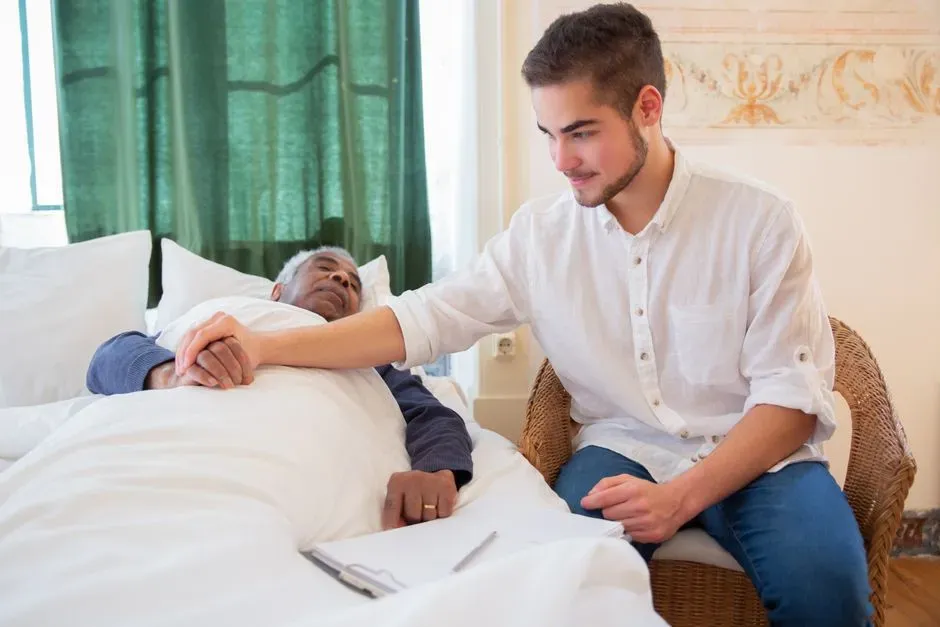
In response to highly technical, sometimes overwhelming hospital deaths, palliative care and hospice have grown into powerful alternatives. Instead of focusing on curing the disease at all costs, these approaches center on comfort, dignity, and what matters most to the person who is dying. They often involve teams of doctors, nurses, social workers, and counselors who look not only at symptoms, but also at fears, relationships, and unfinished emotional business.
This shift from fighting to comfort can be deeply freeing, but it can also feel like a betrayal in cultures that prize medical heroics. When a doctor suggests hospice, some families hear it as a decision to stop loving the person hard enough. Yet many people who receive good palliative care report better quality of life, less distress, and sometimes even a bit more time. In my own family, the move from a noisy hospital ward to home hospice changed everything; the mood went from crisis to something closer to a bittersweet, sacred gathering.
Death in hospice is not about surrendering; it is about changing the goalposts. Instead of asking “How do we extend life at any cost?” the questions become “How can we make this time meaningful?” and “What does a good last chapter look like for this particular person?” That is a profoundly human reframing that medicine, at its best, now helps people navigate rather than avoid.
Advance Directives, Autonomy, and Choosing the Terms of Dying

Modern medicine has given patients a voice in decisions that used to be made by fate. Documents like living wills and advance directives let people spell out what treatments they do or do not want if they cannot speak for themselves. Do you want to be on a ventilator? Would you accept a feeding tube if you could not swallow? How many attempts at resuscitation feel right to you? These are now everyday questions in healthcare, not just theoretical debates.
On one hand, this growth of autonomy is empowering. People can align their care with their values, whether that means fighting with every available tool or prioritizing comfort over maximum lifespan. On the other hand, it can feel like a burden to plan your own death in such granular detail. I have filled out my own forms and felt a strange mix of relief and unease, like I was drafting instructions for a future version of myself I hope not to meet too soon. Modern medicine has turned death into something we are expected to plan for, not only fear.
The Emotional Fallout: Anxiety, Hope, and the Illusion of Control
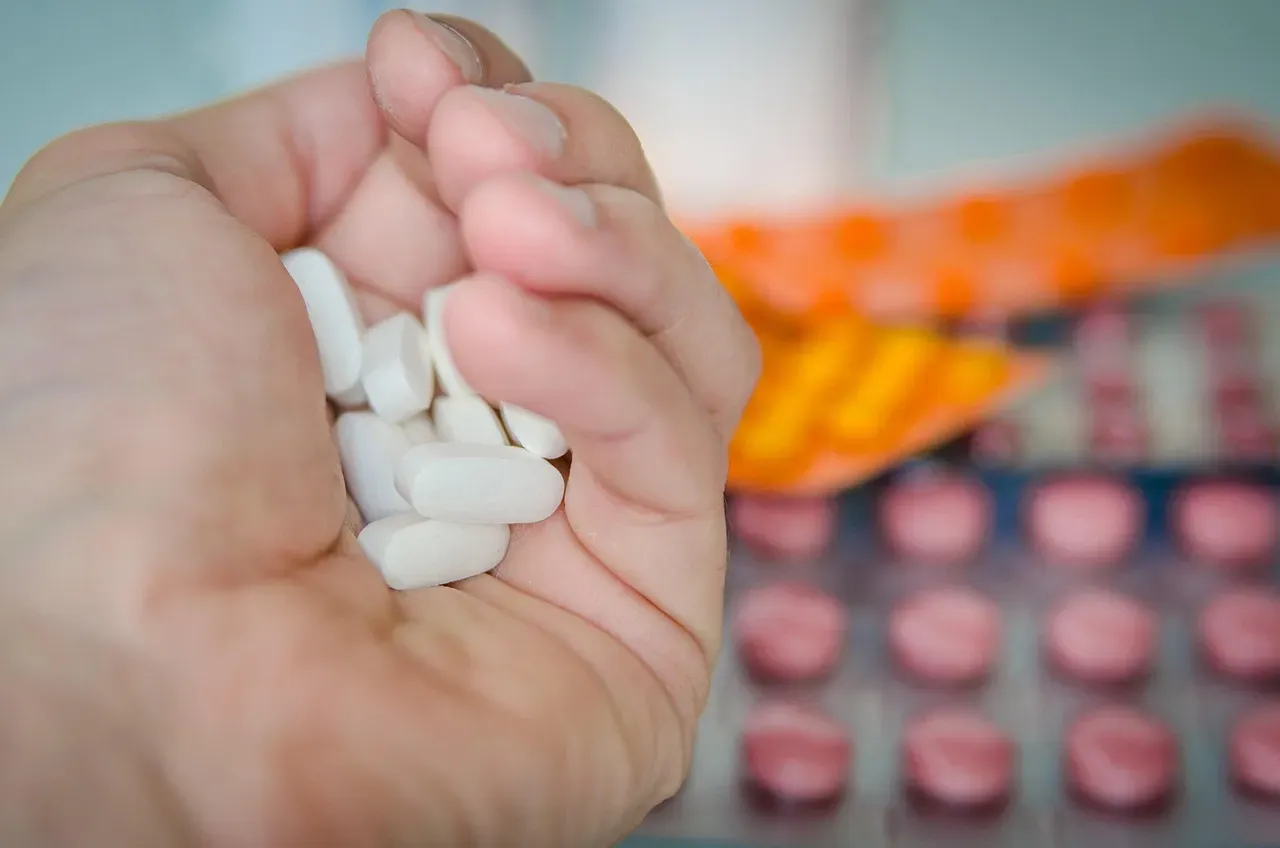
All these advances – resuscitation, intensive care, pain control, life support – have created a new emotional landscape around death. Many people now live with a quiet belief that, with the right treatment, they can postpone the end for a long time. That hope can be beautiful; it motivates healthy living, daring plans, and the confidence to imagine a long future. But when illness strikes, the gap between what medicine can do and what we wish it could do can feel like a violent betrayal.
We have also developed a subtle illusion of control. If someone dies young, people ask what they did wrong: did they miss a checkup, ignore a symptom, eat the wrong things? Death can start to feel like a personal failure instead of an inevitable part of being alive. In a world where medicine can monitor your heartbeats and genes, it is tempting to think that a perfect combination of tests and treatments could keep you safe forever. Living with that illusion makes every loss feel not just sad, but unjust, as if modern medicine broke an unspoken promise.
Conclusion: Modern Miracles, Ancient Truths
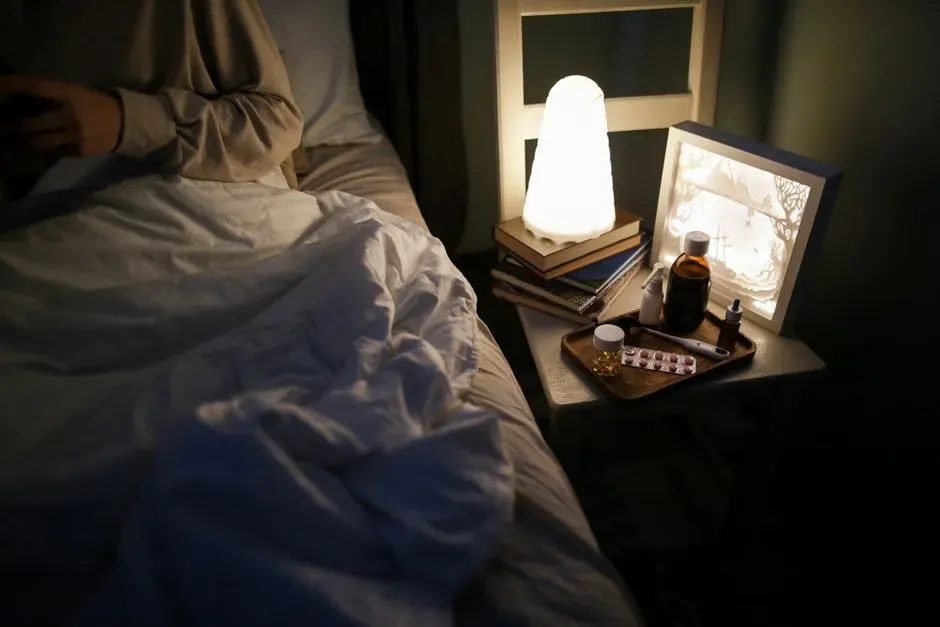
Modern medicine has completely reshaped how we meet death, but it has not erased the ancient truth at the center of it: everyone still dies. We have swapped sudden, mysterious endings for long negotiations, complex choices, and high-tech vigil. We can often soften dying, guide it, sometimes delay it spectacularly – but we cannot escape it. In my view, the real danger now is not that medicine does too little, but that it tempts us to believe it can do everything, and leaves us unprepared for the moment when it cannot.
If there is a path forward, it is probably not to turn away from medicine’s power, but to pair it with more honesty about its limits. That means talking about death earlier, asking loved ones the hard questions, and refusing to treat a peaceful, well-supported death as a medical “failure.” I think the greatest gift modern medicine could give us next is not another way to postpone death, but a culture that treats dying as a part of life we are allowed to face, feel, and even shape on our own terms. When you picture your own last chapter now, are you imagining a battle to be won – or a story you get to help write?