Articles for category: News, Paleontology

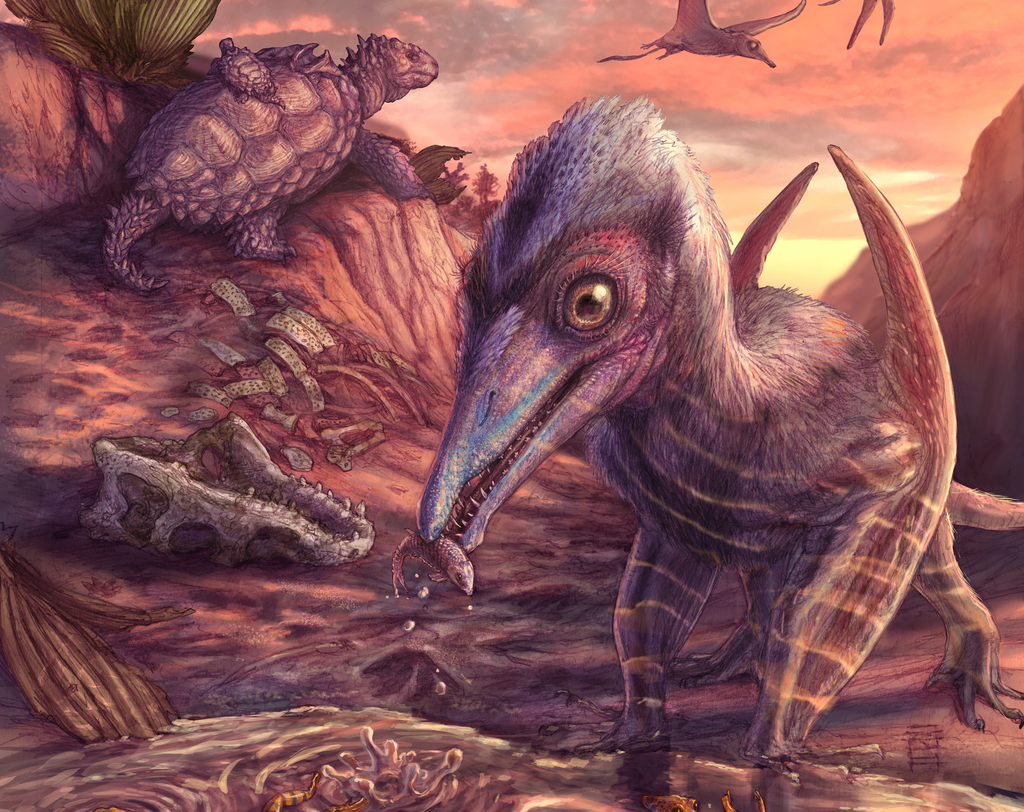
Speculative life restoration of the early pterosaur Eotephradactylus mcintireae

Ash-Winged Dawn: Oldest North American Pterosaur Emerges from Triassic Bonebed

April Joy Jovita

A gull-sized flying reptile has emerged from fossil-rich layers of Arizona’s Petrified Forest, revealing the earliest known pterosaur in North America. Named Eotephradactylus mcintireae, this delicate creature lived 209 million years ago and shared its ecosystem with turtles, amphibians, and armored reptiles, capturing a moment of evolutionary transition before the end-Triassic extinction. A Fossil Treasure ...

Benfleet Sewage Treatment Plant

Toxic Sludge on UK Farms: 3.6 Million Tonnes a Year and Virtually Untested

Suhail Ahmed

There is a hidden crisis in the beautiful green fields of the British countryside. Every year, millions of tons of sewage sludge, now called “biosolids,” are spread on farms. These sludge is full of toxic chemicals, microplastics, and drugs. Even though there is more and more proof of pollution, the UK’s rules about spreading sludge ...

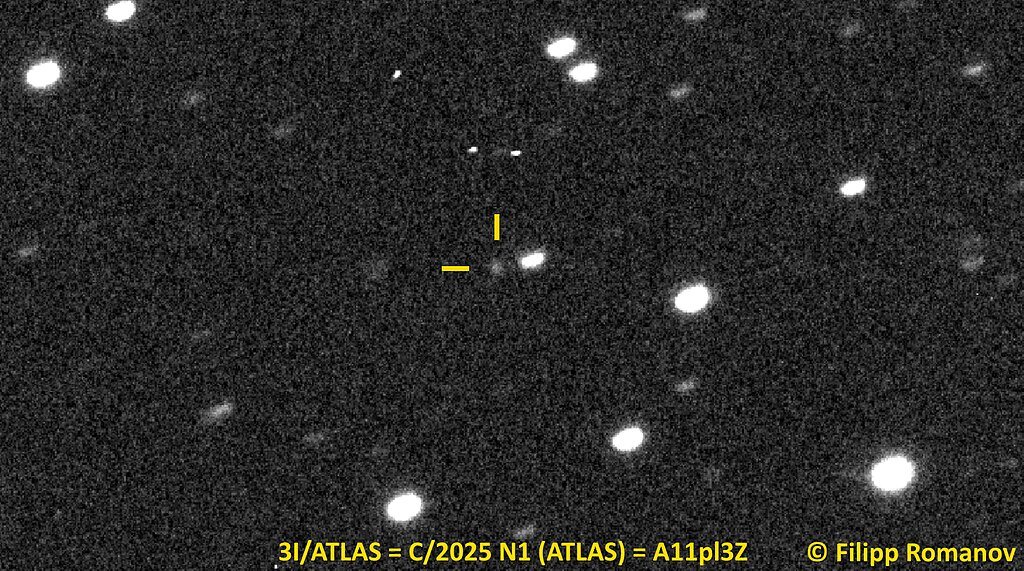
Comet 3I ATLAS

Mysterious Object From Deep Space Heads Toward Earth’s Neighborhood

Suhail Ahmed

The extraordinary features of a rapidly moving celestial object are scintillating astronomers’ interest. Upon initial discovery, A11pl3Z was given a name but recently NASA has confirmed it as 3I/ATLAS, the third interstellar object out of four comets or asteroids discovered. Unlike the comets or asteroids which are bound to the sun’s asteroid belt and viewable ...

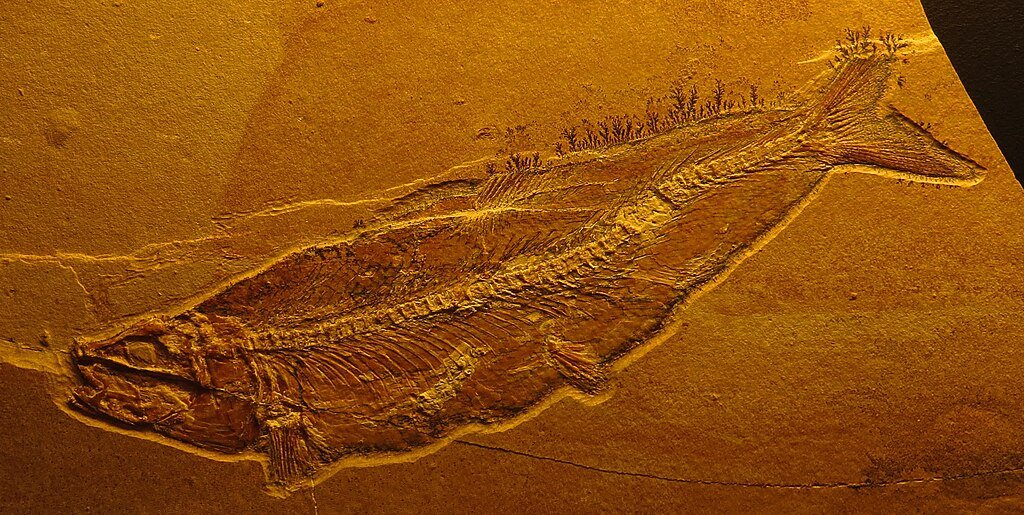
Tharsis sp. fossil display in the museum

Fatal Feast: Jurassic Fish Fossils Reveal Death by Squid 

April Joy Jovita

A new study published in Scientific Reports uncovers a tragic feeding mistake preserved in stone: Jurassic fish of the genus Tharsis choked to death while attempting to swallow squid-like cephalopods called belemnites. The fossils, found in Germany’s Solnhofen Limestone, offer rare insight into predator-prey dynamics and ecological conditions 150 million years ago. Fossils from a ...

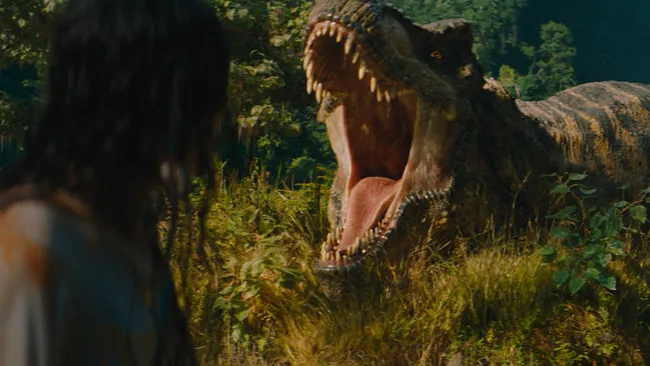
Jurassic World Rebirth

Jurassic World’s Secret Weapon? A Real Dinosaur Scientist Behind the Scenes

Suhail Ahmed

This summer, the latest installment of the Jurassic World franchise, titled Rebirth, will showcase familiar patterns from the franchise while introducing towering titanosaurs and mutant dinosaurs as well as the beloved T. rex. However, bringing such creatures to life on screen in a tangible manner is Dr. Steve Brusatte’s work. Paleontologist Brusatte fixes the monsters ...

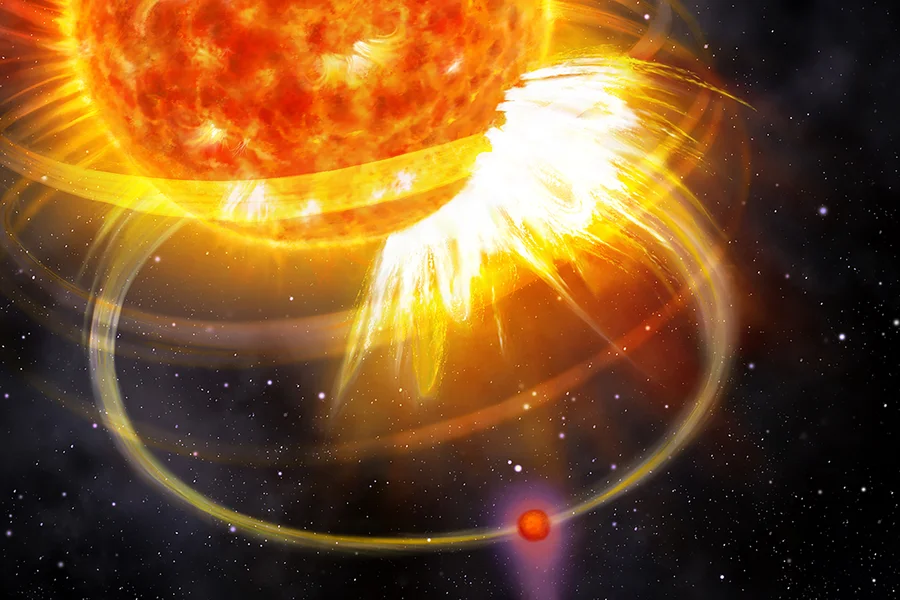
planet HIP 67522 b

‘Death Wish Planet’ Found Whipping Its Star Into Violent Eruptions

Suhail Ahmed

Jupiter-sized exoplanets which emerge as a proxy for accelerating self-sabotage by instigating tremendous outbursts from their parent stars seem as violations to the conventional structure of planetary systems; astronomers have identified such a diabolic planet, HIP 67522 b. Located within its parent star’s magnetic field, HIP 67522 b’s orbital position subjects it to flare beams ...

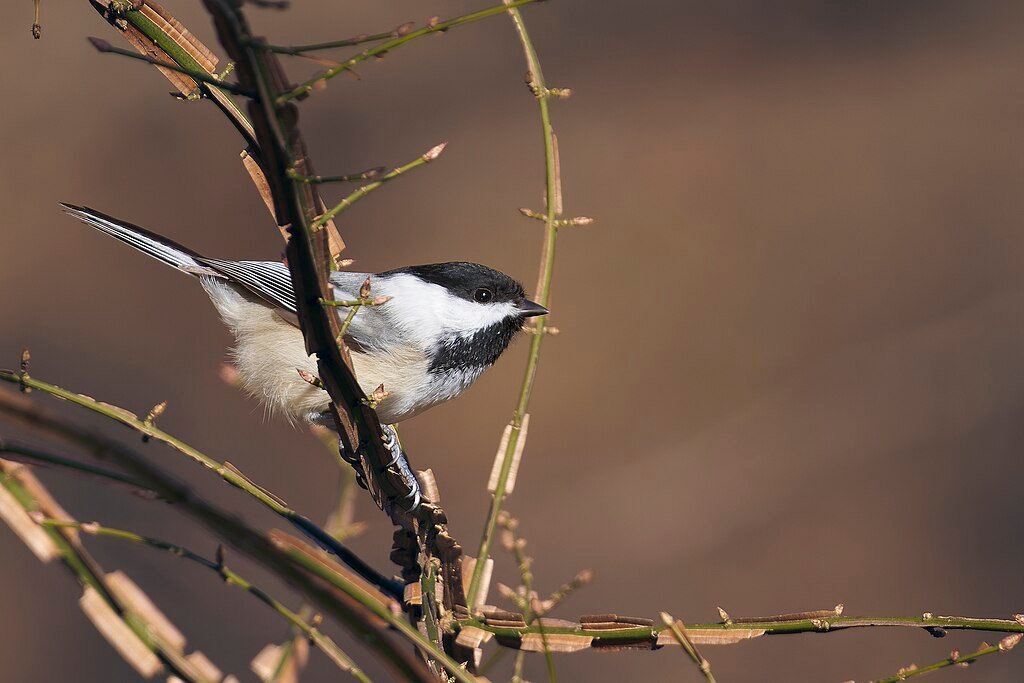
Black-capped chickadee on a small tree branch

Gaze and Memory: Chickadees Recall Places Without Taking Flight

April Joy Jovita

A new study published in Nature reveals that black-capped chickadees can recall specific locations simply by looking at them, without needing to fly or physically visit the site. This discovery provides compelling evidence that spatial memory in birds can be triggered by visual fixation alone, reshaping how scientists understand navigation, attention, and planning in freely ...

Rock-cut tombs housed the burial of an Egyptian man

Oldest Egyptian Genome Reveals Ancient Ties to Mesopotamia

Suhail Ahmed

A team of scientists has recently sequenced the oldest and most complete genome from the Egypt known as the “Ruler of Nekhen”. The man lived between 4500–4800 years ago which is contemporaneous with the dawn of the Old Kingdom. His groundbreaking findings show he was genotypically linked with North Africa and greatly associated with Mesopotamia, ...

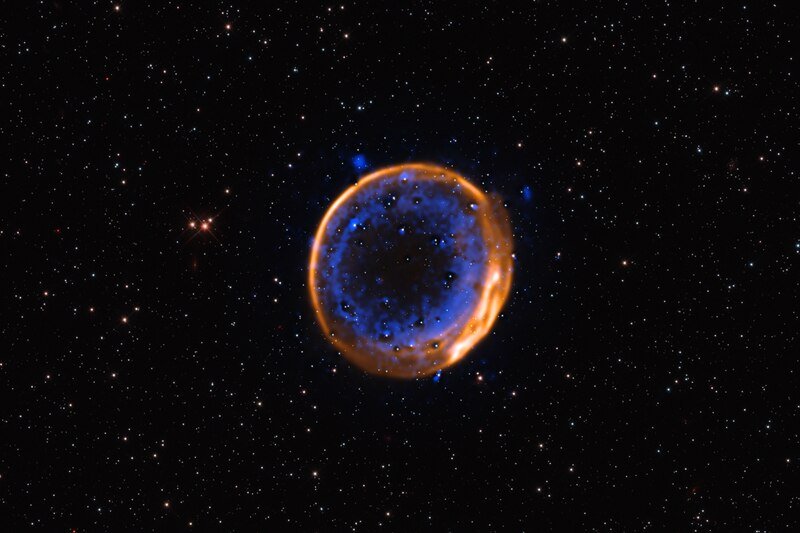
This image, taken with ESO’s Very Large Telescope (VLT), shows the supernova remnant SNR 0509-67.5. These are the expanding remains of a star that exploded hundreds of years ago in a double-detonation – the first photographic evidence that stars can die with two blasts. The data were captured with the Multi-Unit Spectroscopic Explorer (MUSE) instrument at the VLT. MUSE allows astronomers to map the distribution of different chemical elements, displayed here in different colours. Calcium is shown in blue, and it is arranged in two concentric shells. These two layers indicate that the now-dead star exploded with a double-detonation.

Astronomers Capture First-Ever Double Detonation Supernova in Stunning Detail

Suhail Ahmed

The irrefutable visual proof of a star dying in a spectacular “double detonation,” the explosive death of a star which occurs in twinned strokes, has now been recorded. This event marks the first instance of a white dwarf star undergoing two rapid explosions. The unprecedented finding offers new insights into the supernova remnant SNR 0509-67.5, ...

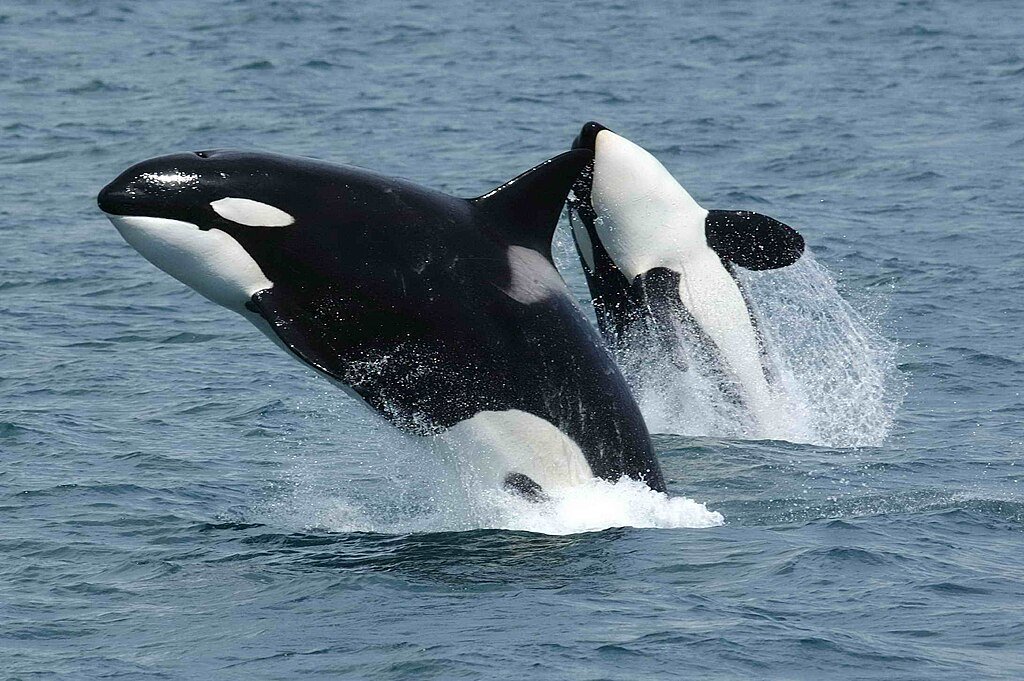
Killer whale jumping on water surface

A Kiss Beneath the Waves: Wild Orcas Caught in Rare Tongue-Nibbling Display

April Joy Jovita

In a first-of-its-kind observation, researchers have documented wild orcas gently nibbling each other’s tongues—a behavior previously seen only in captivity. Published in Oceans, the study describes a rare underwater interaction captured by citizen scientists snorkeling in Norway’s Kvænangen fjords, offering new insight into the social lives of these enigmatic marine mammals. A Chance Encounter in ...