Articles for category: Ancient History, Material Science

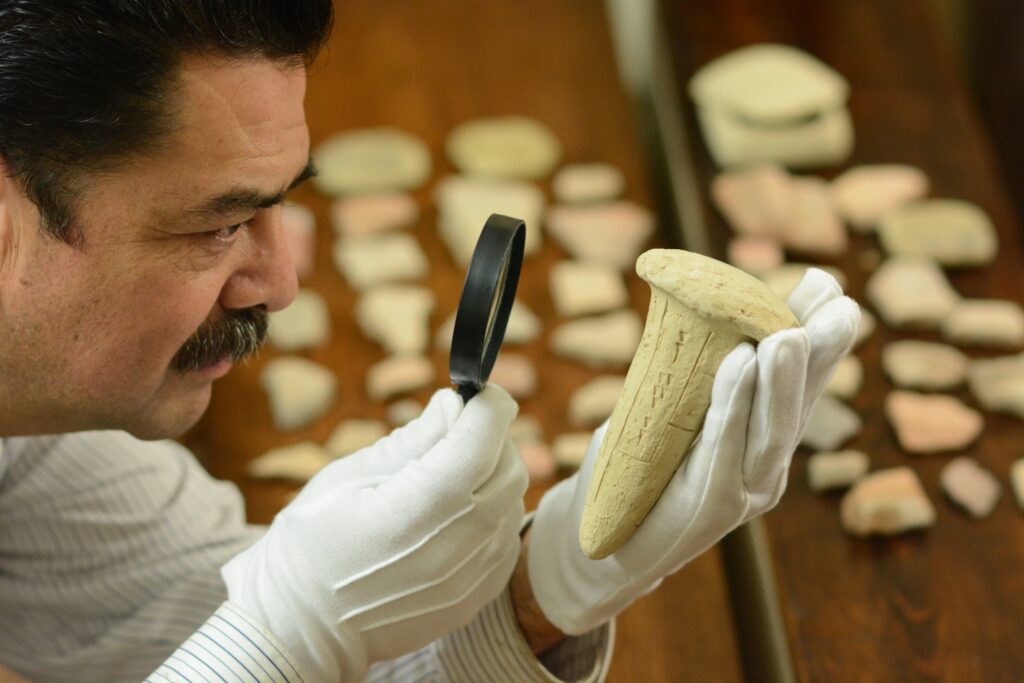
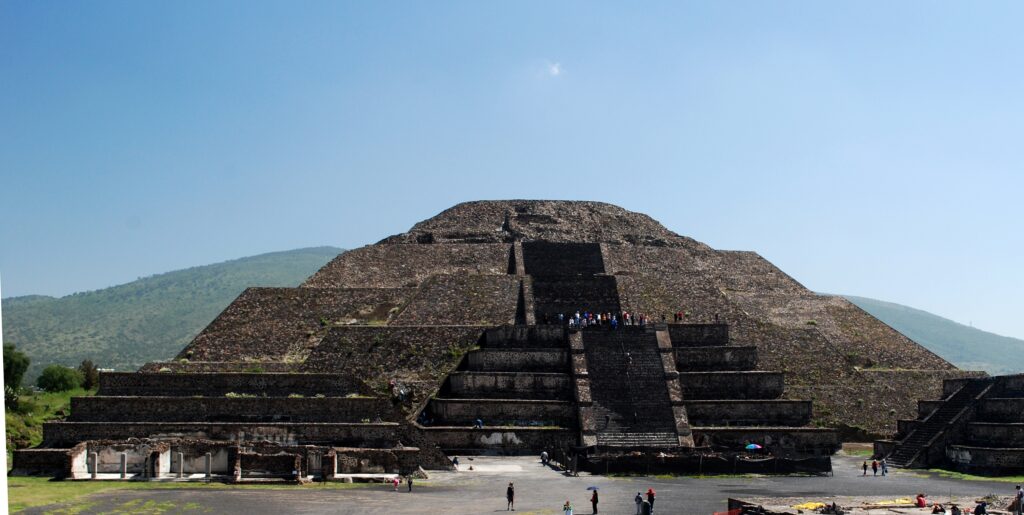
9 Ancient Civilizations Whose Technologies Remain a Mystery to Modern Science

9 Ancient Civilizations Whose Technologies Remain a Mystery to Modern Science

Kristina

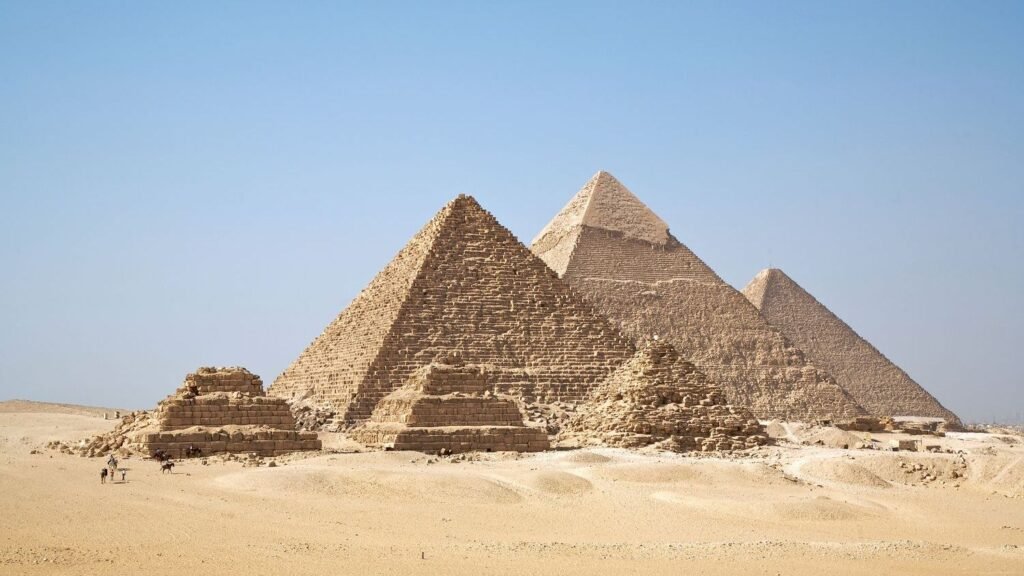
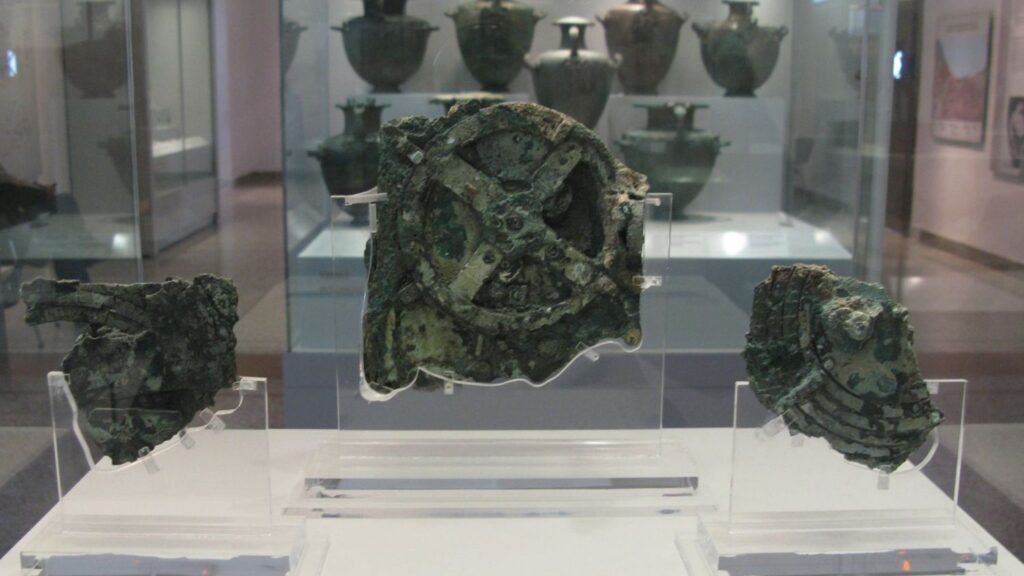
You ever wonder how our ancestors managed to build things that still leave us scratching our heads today? We’ve got skyscrapers, computers, and rockets shooting into space, yet some ancient structures and inventions from thousands of years ago continue to baffle the brightest minds in science. It’s humbling, really. These old civilizations didn’t have CAD ...

Evolutionary Science Says Cooking Did Not Follow Human Intelligence - It Preceded It - Cooked Food Delivered Enough Extra Energy to Allow the Brain to Expand Without the Gut Growing Large Enough to Contain It

Evolutionary Science Says Cooking Did Not Follow Human Intelligence – It Preceded It – Cooked Food Delivered Enough Extra Energy to Allow the Brain to Expand Without the Gut Growing Large Enough to Contain It

Sameen David

There’s a strange irony sitting at the center of human origins. We like to imagine that our ancestors got smart first, then figured out clever things like fire and cooking as a result. Yet a growing body of evolutionary research flips that story on its head, suggesting the sequence ran the other way around. The ...

10 Everyday Inventions That Were Accidental Scientific Breakthroughs

10 Everyday Inventions That Were Accidental Scientific Breakthroughs

Andrew Alpin

Think about the items you use every day. Your morning coffee stirred with a stainless steel spoon, leftovers reheated in the microwave, maybe a quick note scribbled on a sticky pad. What if I told you that not a single one of these things was supposed to exist? These aren’t the products of careful planning ...

The Science Behind Near-Death Experiences and Tunnel Visions

The Science Behind Near-Death Experiences and Tunnel Visions

Sameen David

You have probably heard stories of people whose hearts stopped, who later said they floated above their bodies or rushed through a glowing tunnel toward a peaceful light. Part of you might be deeply curious, and another part might quietly wonder if any of that could possibly be real. When you look at the science, ...

The Mysteries of Memory: How Our Brains Store and Retrieve Information

The Mysteries of Memory: How Our Brains Store and Retrieve Information

Kristina

Have you ever stopped to wonder what’s happening inside your head when you suddenly recall a childhood birthday party, recognize an old friend’s face, or remember the route home after years of driving the same path? Your brain holds the answers to these puzzling moments, and honestly, the mechanisms behind them are far stranger than ...

Why Death Remains One of Science’s Most Difficult Questions

Why Death Remains One of Science’s Most Difficult Questions

Sameen David

Death is strangely ordinary and impossibly mysterious at the same time. Every cell in your body comes with an expiration date baked in, yet no lab, no telescope, no brain scanner can fully explain what it means to cross that final threshold. We can restart hearts, cool bodies close to freezing, even keep some organs ...

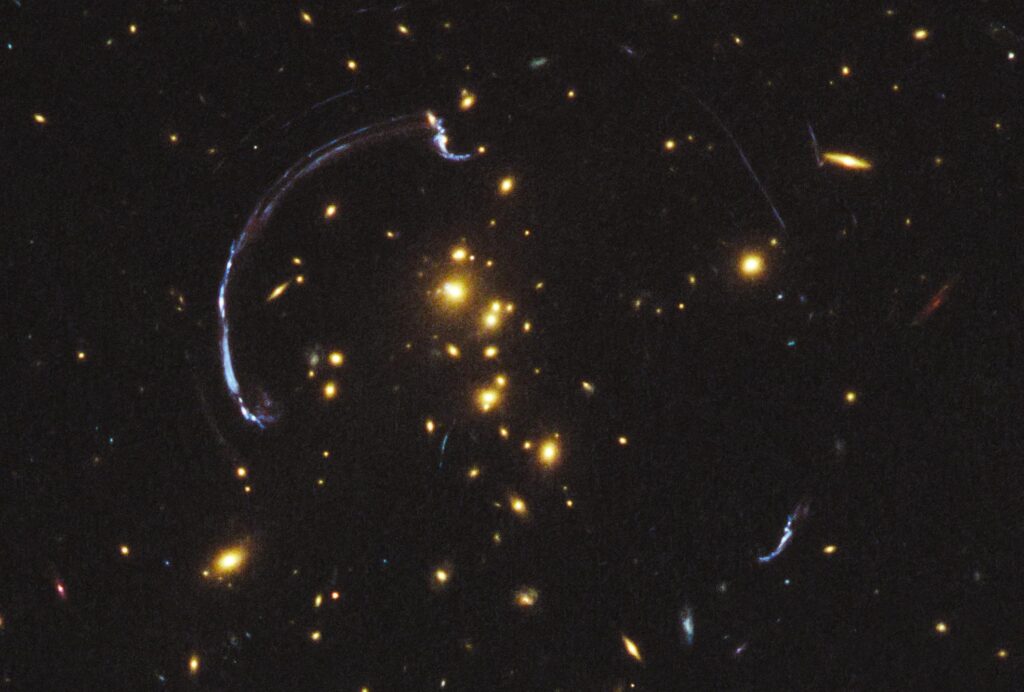
Cosmology Says the Universe Will Eventually Reach a State Where No New Star Can Form and No Light Can Travel - and the Length of Time Before That Happens Is a Number So Large That Writing It Down Tells You Nothing Useful About Its Size

Cosmology Says the Universe Will Eventually Reach a State Where No New Star Can Form and No Light Can Travel – and the Length of Time Before That Happens Is a Number So Large That Writing It Down Tells You Nothing Useful About Its Size

Sameen David

Imagine a future so distant that even the word “future” feels wrong. A time when every star has gone out, every galaxy has faded, and even light itself has nowhere left to go. Cosmology seriously suggests that, if our best theories are right, this is not sci‑fi melodrama but the ultimate fate of the universe. ...

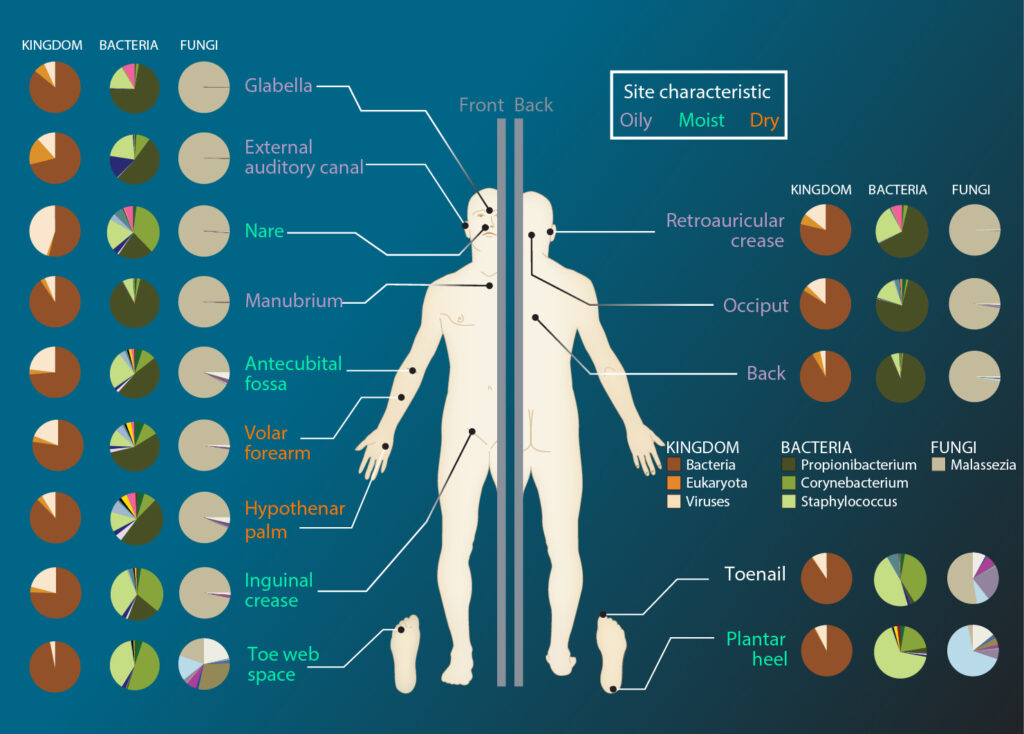
Science Says the Human Body Hosts More Non-Human Cells Than Human Ones - and the Boundaries of Where 'You' Begin and End Are More Debated Than Ever

Science Says the Human Body Hosts More Non-Human Cells Than Human Ones – and the Boundaries of Where ‘You’ Begin and End Are More Debated Than Ever

Sameen David

Take a second and look at your hands. They feel solid, personal, unquestionably yours. But biologically speaking, what you are looking at is a bustling, crowded ecosystem where your own human cells share space with a staggering number of microbial hitchhikers. For years, scientists argued that non‑human cells outnumber human cells by something like ten ...