There’s a strange irony sitting at the center of human origins. We like to imagine that our ancestors got smart first, then figured out clever things like fire and cooking as a result. Yet a growing body of evolutionary research flips that story on its head, suggesting the sequence ran the other way around. The brain that eventually wrote poetry and built rockets may have only been possible because something much more mundane happened first: a hominin, somewhere in Africa nearly two million years ago, learned to soften food with heat.
A brain this expensive should not exist
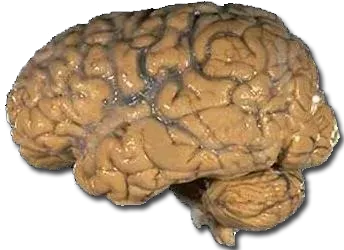
The human brain is a metabolic glutton. It makes up roughly two percent of body weight yet consumes around a fifth of the body’s resting energy, a ratio unmatched by almost any other organ in any other mammal. That imbalance poses an evolutionary puzzle because natural selection rarely tolerates such lavish spending without a very good return.
Other primates simply do not carry this burden. Chimpanzees, our closest living relatives, get by with brains a third the size of ours relative to body mass, and their energy budgets show it. The expensive tissue hypothesis was based on the observation that although the human brain is three times larger than that of the chimpanzee, the basal metabolic rate per unit of body mass is very similar in both species. Something had to give elsewhere in the body to make room for the difference.
The organ that had to shrink to make room
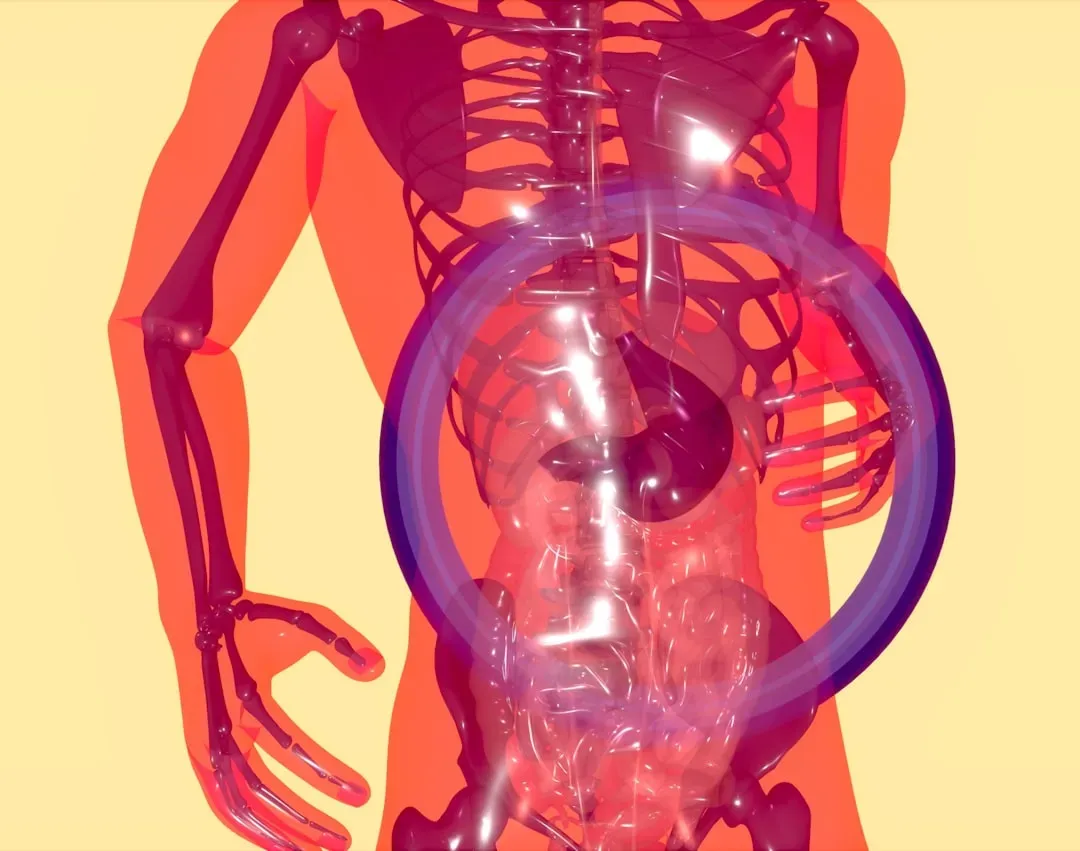
That something, researchers argued, was the gut. Digestive tissue is itself metabolically expensive to maintain, second only to the brain and a handful of other organs in daily energy turnover. Researchers have sought to measure the metabolically expensive liver, heart and kidneys, since these organs, along with the brain, are estimated to account for 60 to 70 percent of resting energy expenditure despite making up less than 6 percent of body mass.
A body cannot simply grow a bigger brain for free. It has to find the calories somewhere, and the most efficient solution is to trim spending on another costly tissue rather than raise the total metabolic bill. The expensive-tissue hypothesis suggests that the metabolic requirements of relatively large brains are offset by a corresponding reduction of the gut. Humans today carry proportionally smaller intestines and stomachs than would be predicted for a primate our size, which is exactly the pattern this trade-off model expects.
Enter Leslie Aiello and Peter Wheeler
The formal version of this idea has a name and a paper trail. The expensive tissue hypothesis was proposed in 1995 by Leslie C. Aiello, professor emeritus of biological anthropology at University College London, and physiologist Peter Wheeler of Liverpool John Moores University in England. Their proposal reframed brain evolution not as a story about intelligence being selected for directly, but as a story about energy budgets and organ competition.
The main idea of the hypothesis, that smaller guts correlate with bigger brains in primates, fits with the broader cooking story, but Aiello and Wheeler themselves initially pointed to energy-dense animal-derived foods, such as soft bone marrow and brain matter, as the reason humans developed these characteristics, rather than cooking specifically. Their framework didn’t require fire at all. It simply required a shift toward food that delivered more calories per bite and demanded less digestive machinery to process.
Richard Wrangham adds the flame
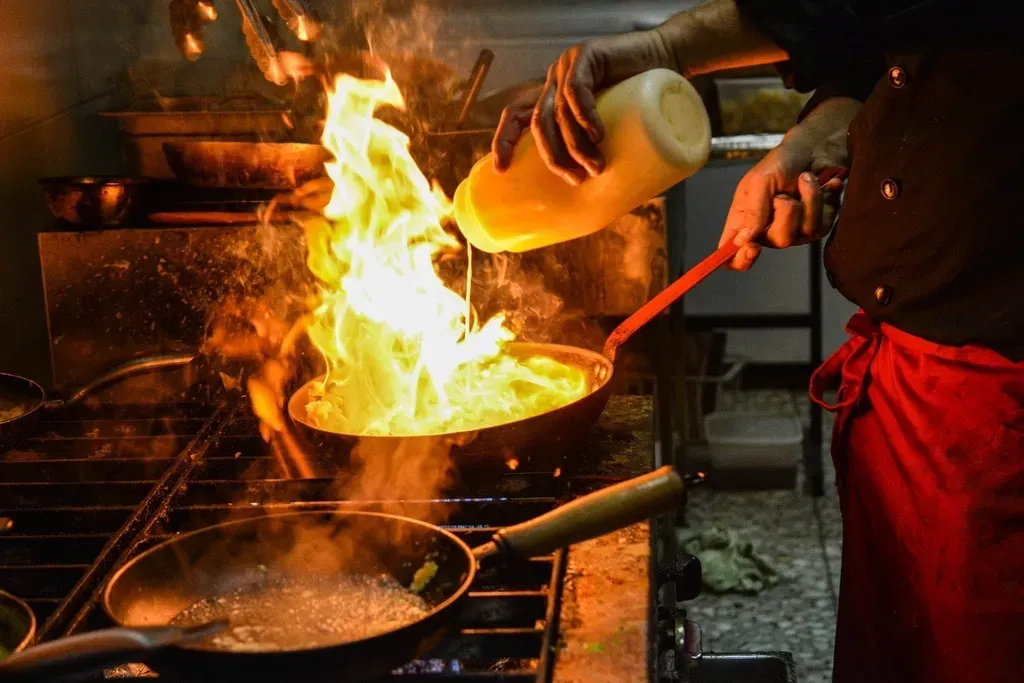
It was Harvard primatologist Richard Wrangham who took the gut-brain trade-off and attached it specifically to cooking rather than raw meat alone. He argues that cooking, because it made more calories available from existing foods and reduced the caloric cost of digestion, was the breakthrough technological innovation that allowed humans to support big brains. His book on the subject, built around decades of fieldwork with wild chimpanzees, made the case that no primate diet of raw plants and meat could realistically fuel a modern human body.
Wrangham’s argument rests partly on simple physiology. His argument begins with the odd spend-money-to-make-money aspect of digestion, since you must burn calories in order to release calories from food. Cooking, he contends, changes that equation dramatically by breaking down starches and proteins before they ever reach the stomach, effectively doing part of the digestive work externally over a fire.
Why raw food alone falls short

Wrangham’s skepticism about raw diets did not come from a lab bench alone. It came from tasting the food chimpanzees actually eat in the wild. He describes the typical wild fruit chimps rely on as fibrous and quite bitter, without much sugar, and after a few tastings in western Uganda he came to the conclusion that no human could survive long on such a diet.
The anatomy backs up the observation. Beyond the unpalatable taste, weak human jaws, tiny teeth and small guts would never be able to chomp and process enough calories from such fruits to support our large bodies. Somewhere in our past, softer, calorie-denser, pre-processed food became a necessity rather than an option, and cooking is the most obvious way that transition could have happened at scale.
Homo erectus and the moment everything changed
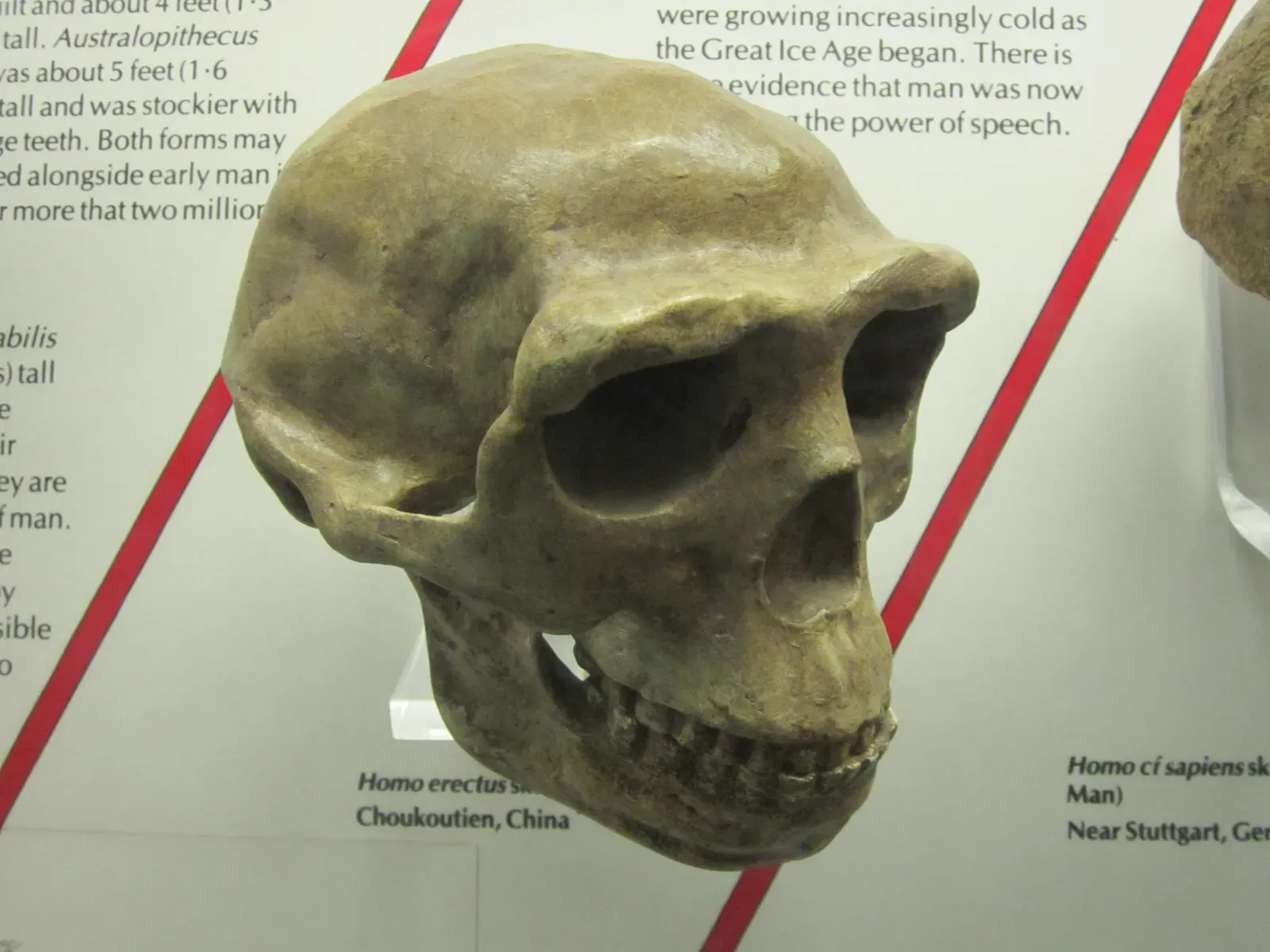
If cooking really did drive this transformation, the fossil record should show a clear signature at a specific point in time. Wrangham places that moment with remarkable precision. Based on the anatomy of our fossil forebears, he thinks that Homo erectus had mastered cooking with fire by 1.8 million years ago.
The physical evidence lines up with that timing. Biological evidence shows that around 1.8 million years ago, Homo erectus arose with larger brains and bodies and smaller guts, jaws, and teeth, changes consistent with a switch to higher-quality processed food. Cooking had profound evolutionary effects because it increased food efficiency, which allowed human ancestors to spend less time foraging, chewing, and digesting, and Homo erectus developed a smaller, more efficient digestive tract, which freed up energy to enable larger brain growth.
The archaeological gap that still bothers skeptics
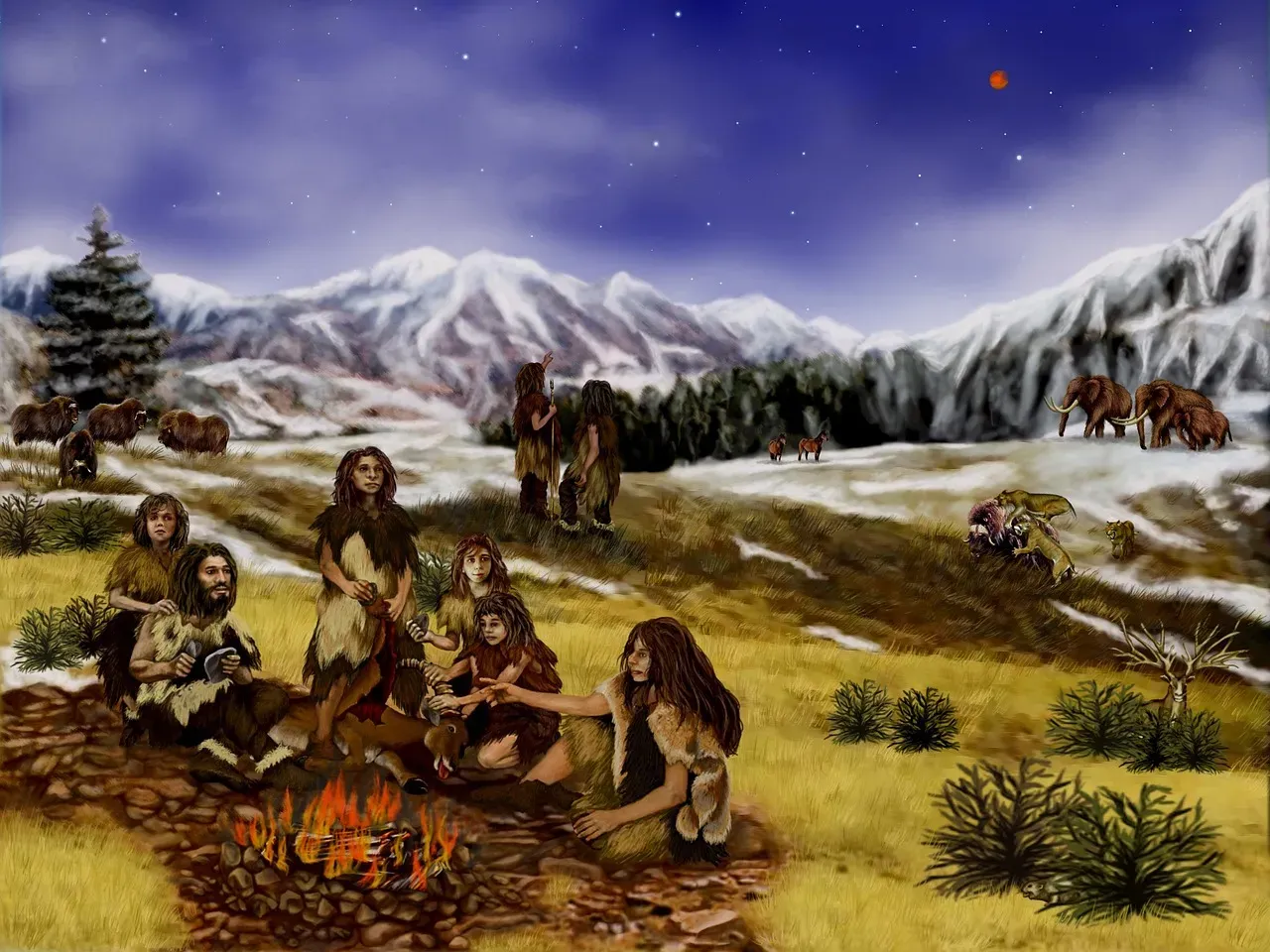
Not every anthropologist is convinced, and the sticking point is straightforward: fire leaves evidence, and that evidence is thin for the period in question. There is no archeological evidence of controlled fire before 800,000 years ago, though Wrangham argues that a cluster of changes in the human face, brain, and gut 1.8 million years ago could be explained by only one thing, regular cooked meals.
That million-year discrepancy between the anatomical evidence and the archaeological evidence is exactly what critics point to. Most researchers state that unless evidence of controlled fire can be regularly confirmed at most Homo erectus sites, they will remain skeptical of the theory. Other anthropologists argue instead that cooking fires began in earnest only 250,000 years before present, when ancient hearths, earth ovens, burned animal bones, and flint appear across Europe and the Middle East. That’s a real and unresolved gap, not a minor footnote, and it means the cooking hypothesis remains a compelling model rather than a settled fact.
Meat, tubers, and the rival explanations
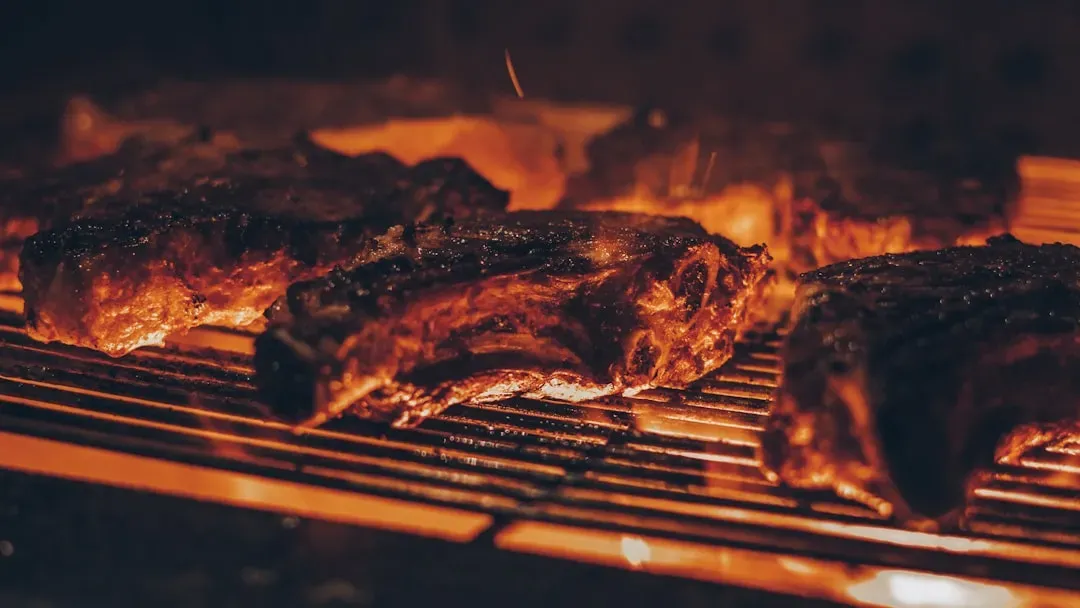
Cooking is not the only candidate for explaining the gut-for-brain swap, and it’s worth taking the alternatives seriously rather than treating this as a closed case. Other food-based theories can explain the body and brain expansion without flames, with Aiello and Wheeler themselves favoring energy-dense animal-derived foods such as soft bone marrow and brain matter as the driver, rather than cooking.
Some researchers push the timeline even earlier and hand the credit to raw meat consumption instead. One line of argument claims meat enabled the shift from australopithecines to Homo habilis, a species about the size of a chimp but with a bigger brain, more than half a million years before Homo erectus appeared. Others have floated cooked starchy tubers as an underrated calorie source, a theory that gained enough traction to make it into the pages of Science magazine when it was first proposed. None of these ideas fully overturn the cooking hypothesis, but together they show this remains an active scientific debate rather than a closed textbook chapter.
Final thoughts: a theory that still deserves respect, and skepticism

I find the cooking hypothesis genuinely persuasive, more so than most competing explanations, because it ties together anatomy, energy physiology, and behavior in a way that few single-factor theories manage. The idea that a smaller gut freed metabolic room for a larger brain is well supported across the primate order, and cooking is the most economical explanation for how humans specifically managed that trade without starving in the process.
Still, intellectual honesty requires admitting the archaeological record has not caught up with the anatomical story, and that gap matters. Until controlled fire use at Homo erectus sites nearly two million years old is confirmed rather than inferred, the strongest version of Wrangham’s claim will remain an elegant hypothesis rather than a proven fact. That said, even in its more cautious form, the evidence points toward one conclusion worth sitting with: our species did not become clever and then discover cooking as a reward. It appears far more likely that cooking, or at minimum a shift toward radically higher-quality food, came first and the brain simply grew into the space that decision opened up.