You know that feeling when a horse clocks you from across the arena and suddenly changes its energy around you? You have not said a word, you are trying to act “fine,” yet somehow the horse moves closer, pulls away, or relaxes exactly as your stomach tightens or your shoulders drop. It can feel almost spooky, like the animal is reading your mind. Neuroscience says something more grounded and, honestly, more fascinating is going on: the horse is reading your nervous system, not your thoughts.
When you start to look at your body as a living broadcast station for your inner state, a horse’s behavior stops being mysterious and starts being deeply instructive. Your breath, muscle tone, posture, tiny facial cues, and even heart rhythm are constantly signaling whether you are safe, stressed, numb, or present. Horses have evolved to be specialists in picking up those signals. In many ways, they notice your internal reality before you do. Once you see that clearly, every moment with a horse becomes a live, honest feedback session on how your nervous system is doing.
Why Horses Are Hardwired to Read You Before You Speak
If you lived in the wild with predators nearby and no sharp teeth or claws of your own, you would rely on sensitivity to stay alive. That is exactly the situation horses evolved in, and it turned them into experts at noticing subtle shifts in energy, movement, and intention around them. Your slightest change in muscle tension, the way your feet hit the ground, or how you exhale can be enough for a horse to decide whether you are safe to be around or better kept at a distance.
Instead of thinking of a horse as “emotional” in a human sense, picture it more like a highly tuned radar system. It constantly scans for congruence: does what your body is saying match the story your movements are telling? If you walk up with a pasted-on smile while your jaw is clenched and your breathing is shallow, a horse will not fall for the performance. In a herd, survival depends on catching the tiniest sign that another animal has sensed danger, so missing those small cues would be costly. Around you, that same survival skill shows up as uncanny emotional awareness.
Your Nervous System Is Broadcasting Even When You Think You Are “Fine”
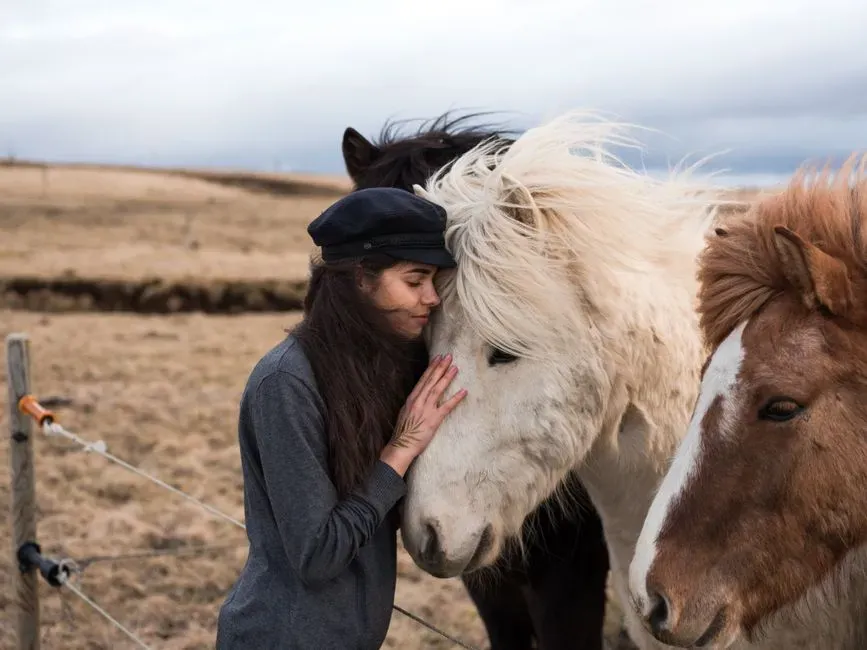
You might think you are good at hiding what you feel. You push anxiety down, straighten your shoulders, and tell yourself to just get on with it. But your nervous system gives you away long before your mind catches up. Your heart rate changes, your breath becomes shallow or forced, your eyes fix or dart, and your muscles either brace or go limp. To you, this can be background noise. To a horse, it is loud and clear.
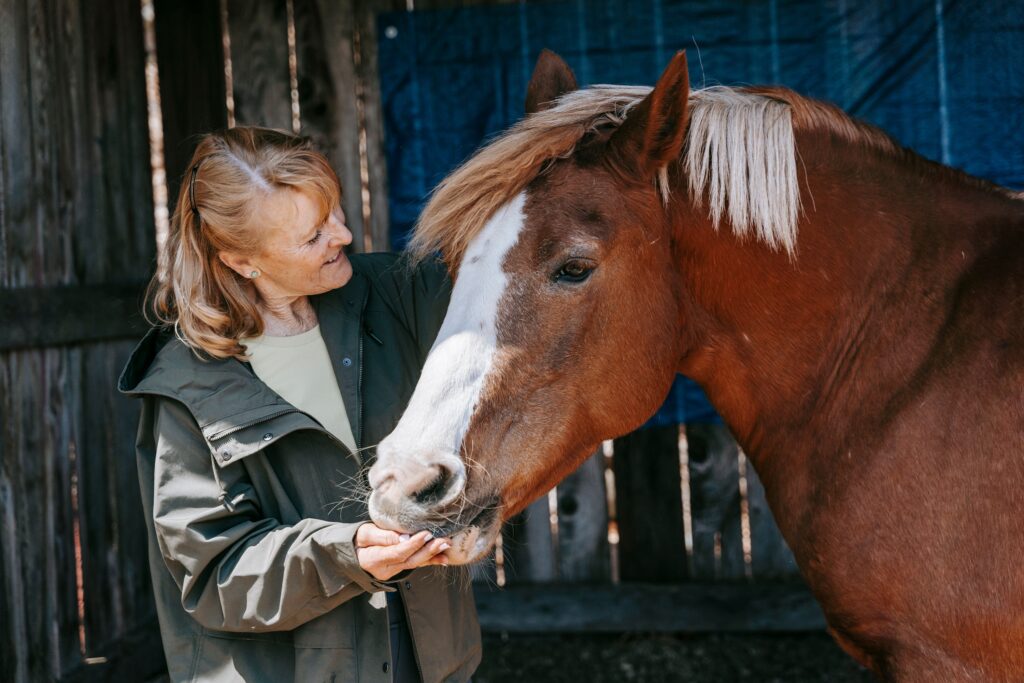
When your body drops into a more regulated state – slower breath, softer muscles, steadier attention – a horse often mirrors that shift without you saying a thing. The animal may lower its head, blink more, lick and chew, shift weight, or simply stand closer in a relaxed way. When you amp up and override your own discomfort with willpower, you will often see the opposite: restlessness, tension, or withdrawal. What looks like “random behavior” starts to look like an honest reading of your nervous system’s current state.
Why Horses Often Beat Humans at Emotional Detection

Most people are trained from a young age to ignore, minimize, or disguise what they feel. You are praised for being “polite,” “tough,” or “professional,” even when your insides are screaming the opposite. Over time, you may stop noticing your own signals or misinterpret them as weaknesses. That makes it easy to miss what is really going on in yourself and in others. Horses, on the other hand, have not learned to lie to themselves about what their senses are telling them.
Because a horse’s survival once depended on catching micro-changes faster than any herd mate, it has an advantage over the average human who is half-distracted by phones, worries, and social rules. You may be thinking you are calm while clenching your hands and holding your breath; the horse is not fooled. In a way, the animal is simply better at being present than you are. It pays constant attention to tone, rhythm, and coherence, while many people have learned to tune those things out in favor of words and social performance.
The Science of Co-Regulation: Your Body Talks, Theirs Answers

Neuroscience uses the term co-regulation to describe how two nervous systems sync up and influence one another. You experience this with people all the time: you feel calmer with a grounded friend, or more anxious around someone who is frantic. With horses, this effect can be even more pronounced because they are so exquisitely sensitive to physiological signals like heart rate, breathing, and muscle tone. When you stand near a horse, your nervous system and its nervous system are in a constant, quiet conversation.
When you settle your breath, drop your shoulders, and allow your attention to soften, many horses show visible signs of relaxation. When you brace, rush, or check out mentally, they tend to tense, move away, or become more reactive. You can think of it as a dance of regulation: neither of you is just a passive recipient. Your state affects the horse, and the horse’s state affects you back. If you allow it, that loop can become a surprisingly powerful teacher for how to come back into your body and into the present moment.
How a Horse Exposes Your Mixed Signals and Hidden Stress
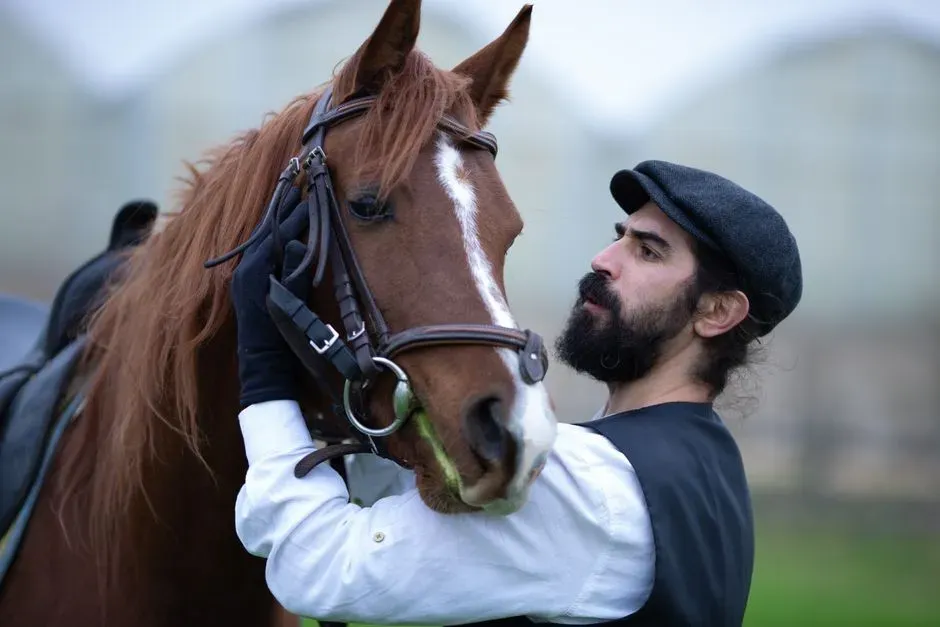
You have probably had moments where you tell yourself you are not scared, not angry, not sad – you are just “tired” or “fine.” A horse does not buy that story if your body tells a different one. That is why you may see a horse hesitate, pin its ears slightly, step sideways, or refuse to come closer when you insist you are calm. It is not being difficult for no reason; it is reacting to the mismatch between what your words would say and what your nervous system is broadcasting.
This can feel confronting because a horse will reflect things you might rather ignore. If you are anxious but trying to dominate, the horse may become spooky or resistant. If you are shut down and checked out, the animal might seem dull or uninterested around you. When you finally acknowledge what you actually feel and allow your body to match that reality – even quietly inside yourself – horses often shift in an instant. They relax when you become honest, not when you become perfect.
What You Can Learn About Self-Regulation from Time with Horses

Working with horses gives you a living, breathing biofeedback system. You do not need a heart-rate monitor or a complicated device; you just need to pay attention to how the horse responds as you shift your own state. When you soften your gaze, lengthen your exhale, and feel your feet on the ground, you can literally watch a horse mirror that change by loosening its body or moving closer. That kind of immediate, visible feedback makes regulation more than a theory – it becomes something you can feel in your bones.
Over time, you start to notice patterns. Maybe every time you get performance-focused and impatient, the horse braces too. Maybe when you let go of an outcome and simply connect, the animal becomes more willing and curious. You begin to see that you are not just handling a horse; you are managing your own nervous system in front of a very honest mirror. That realization can ripple far beyond the barn, into how you show up at work, at home, and in every relationship you care about.
Applying These Insights to Your Everyday Relationships
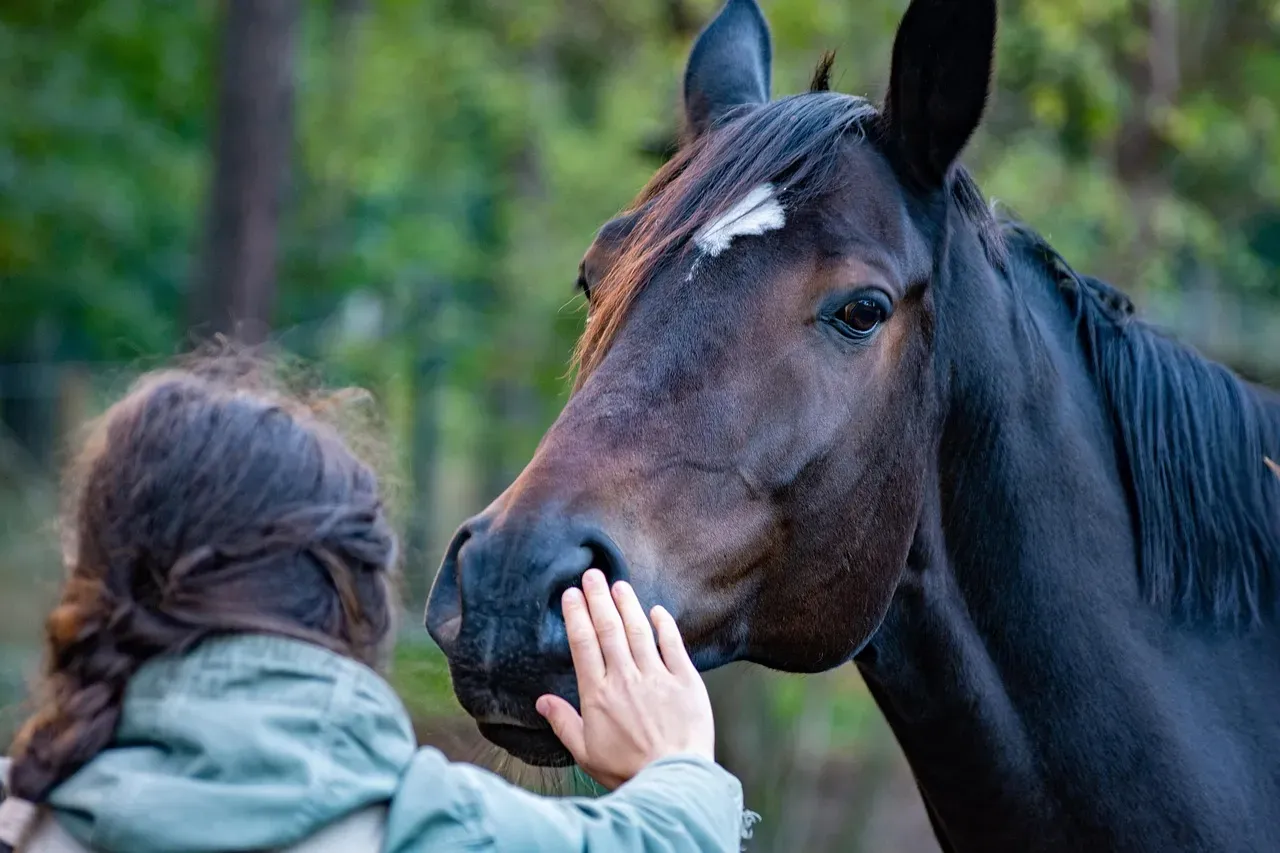
Once you have watched a horse react powerfully to changes in your internal state, it becomes hard to pretend that people in your life are unaffected by your nervous system. Your partner, your kids, your coworkers – they may not be as obviously reactive as a thousand-pound prey animal, but they are still reading your tone, your timing, your posture, and your presence. When you walk into a room braced and rushed, others will feel it, even if they cannot name it.
If you use what you learn with horses, you start to focus less on saying the right thing and more on being in the right state. Before a tough conversation, you might take a minute to breathe, feel your body, and find some actual steadiness instead of forcing a fake calm. You become more curious about whether your insides match your outsides. That shift alone can change how safe other people feel around you and how clearly they can respond, just like it does with a horse.
How to Start Experiencing This with a Horse Yourself
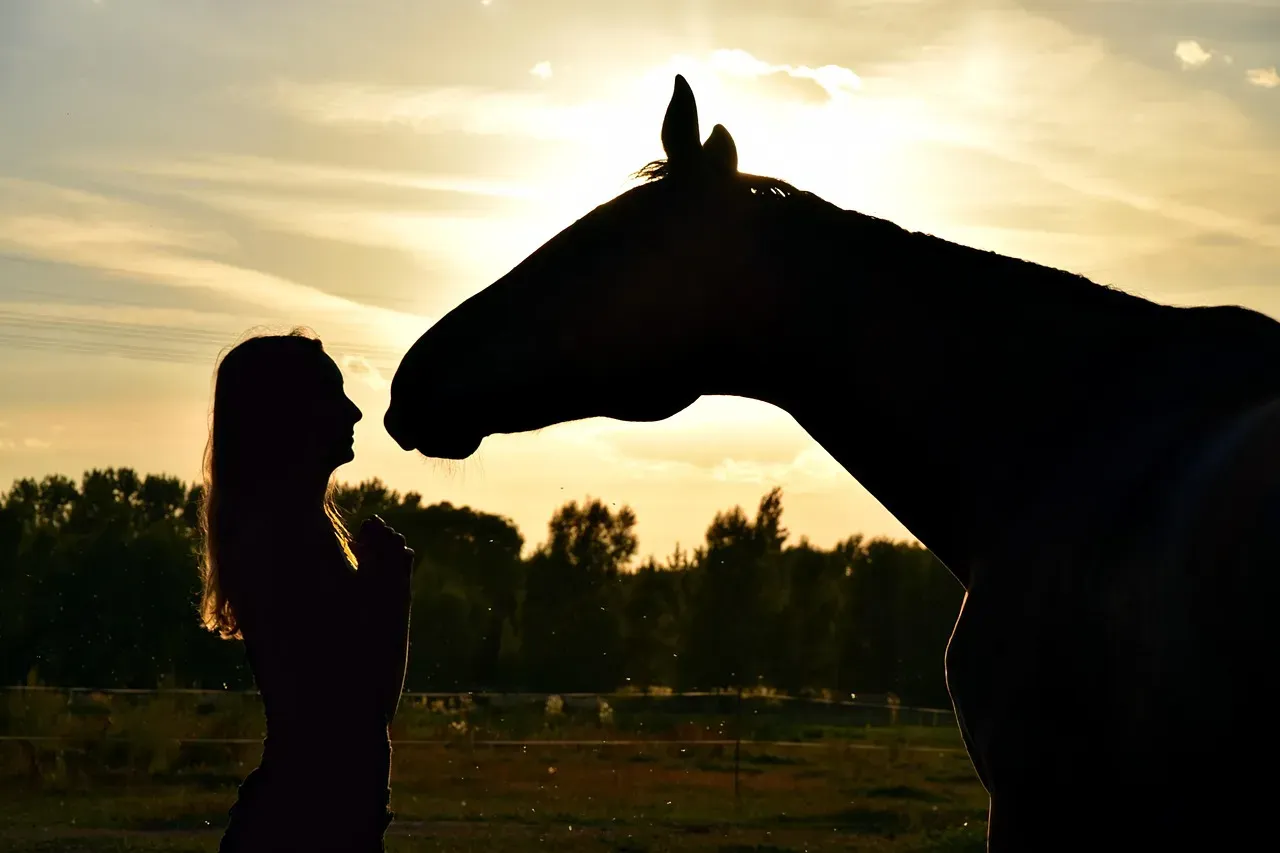
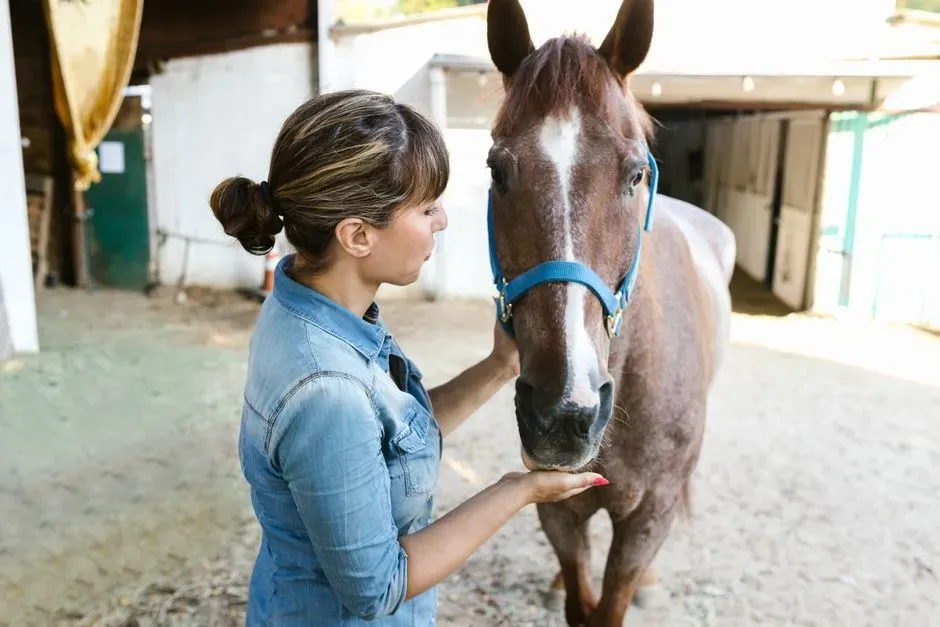
You do not have to be a competitive rider or grow up on a ranch to explore this. Even simple groundwork with a calm, well-handled horse can show you more about your nervous system than many hours of overthinking. Start with something as basic as standing near the horse, watching your breath, and noticing what happens when you mentally rush versus when you let yourself truly arrive in the moment. You are not trying to impress the horse; you are listening for what its behavior tells you about your own state.
If you choose to work with an experienced equine professional, you can go deeper in a safe, structured way. You might experiment with asking the horse to move, stop, or change direction using only your presence and body language, and then reflect on what the horse did when you felt insecure, pushy, surrendered, or clear. You are likely to discover that the horse responds best when you are both firm and kind, both grounded and honest. That combination becomes a template you can carry back into human life.
Rethinking “Mind Reading”: What Horses Are Really Showing You
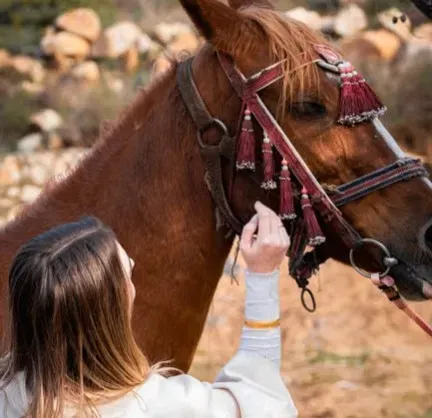
When a horse appears to respond to your emotions before you speak or move, it is tempting to call it mind reading. The reality is more ordinary and more powerful: the horse is reading your nervous system with a level of precision that most humans have forgotten. It is picking up on rhythm, tension, micro-movements, and energetic coherence the way you might hear a melody go out of tune. There is nothing supernatural about it, but it feels magical because you are not used to being seen that clearly.
If you let it, that experience can change how you think about yourself. Instead of believing that you are only what you think or say, you start to realize you are also what your nervous system is broadcasting every moment. A horse cannot fix your life, but it can show you where you are out of sync with yourself and where you are deeply aligned. The real question becomes: now that you know you are constantly being read, by horses and by humans, how do you want your body to speak for you?
In the end, the horse is not a mystical mind reader; it is a brutally honest mirror for how regulated, congruent, and present you really are. When you stand next to such an animal and see it relax as you soften, or fidget as you tense up, you get a glimpse of how clearly your inner world is already visible. That can be humbling and strangely comforting at the same time. If a horse can feel you that accurately, what might be possible if you learned to feel yourself that way too?