You might think hiding snacks from roommates is a very human move, but crows are out there doing something strikingly similar every single day. When you watch a crow stash food in several secret spots, you’re not just seeing instinct in action – you’re seeing a mind that can imagine the future, picture what other crows might do, and prepare for it in advance. That simple act of tucking away food turns out to be a window into surprisingly sophisticated planning. As you dive into what scientists have learned, you start to see crows less as background birds and more as sharp, strategic neighbors. Their behavior around food is not just random hiding; it looks a lot like risk management, social awareness, and even a kind of animal-level game theory. Once you understand that, the sight of a crow at a park bench or in a parking lot feels completely different – you’re suddenly looking at a thinker, not just a scavenger.
When a “Simple” Cache Isn’t Simple at All
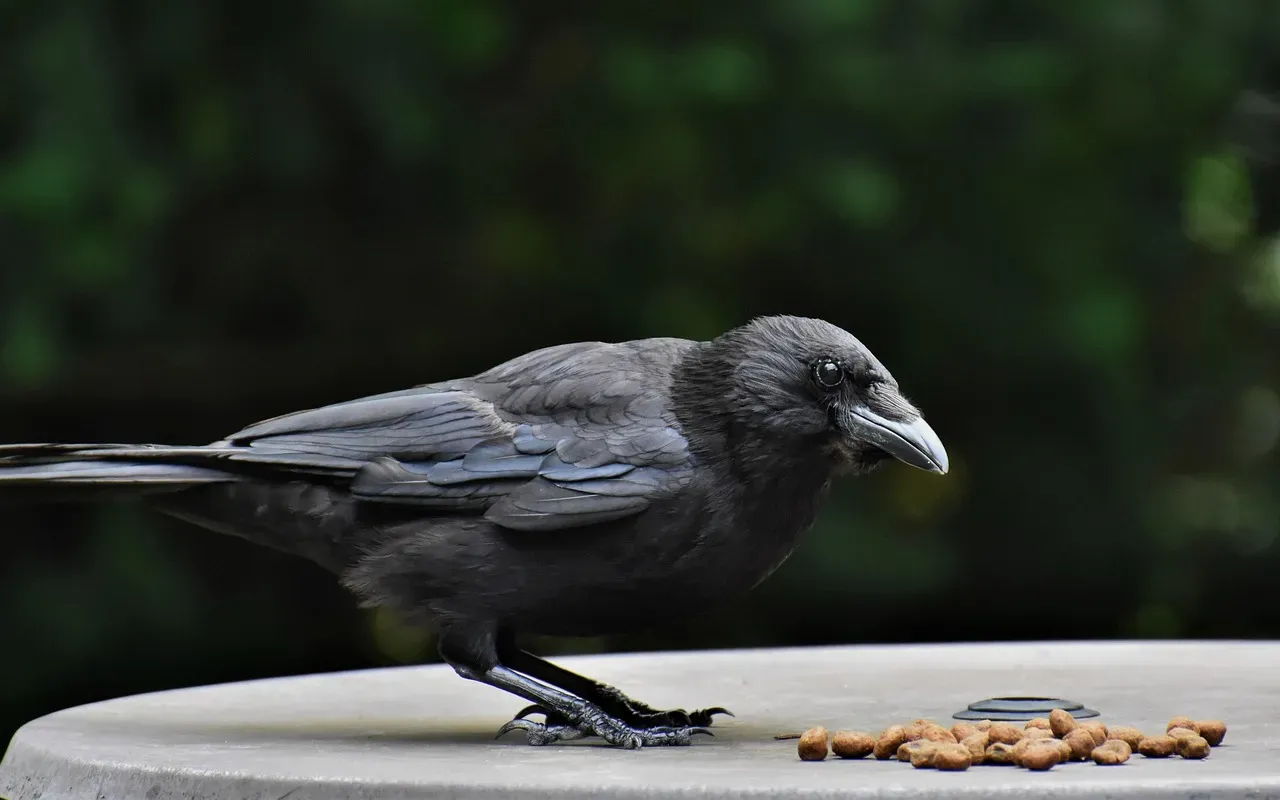
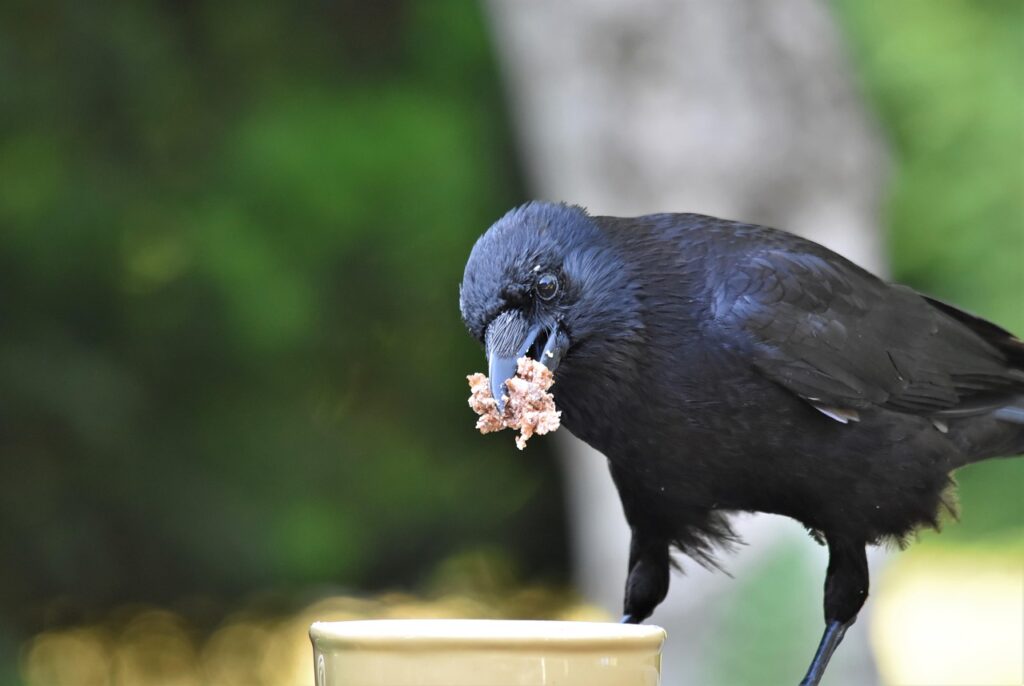
If you picture an animal hiding food, you probably imagine something basic: dig a hole, drop in a nut, walk away. But when you look closer at crows, you see them doing something more layered. Instead of one hiding place, they often use several, sometimes spreading food across different spots that vary in how exposed they are and how easy they are to reach later. When you hide something in more than one place, you’re acting on a simple idea: not putting all your eggs in one basket. Crows seem to be doing the same thing with their food, especially when other crows are watching or nearby. That kind of multi-site caching suggests that a crow isn’t just driven by the urge to stash; it’s treating each cache like a little investment, balancing risk and reward in a way you can easily recognize from your own life.
Reading the Room: Crows Watch Who’s Watching Them
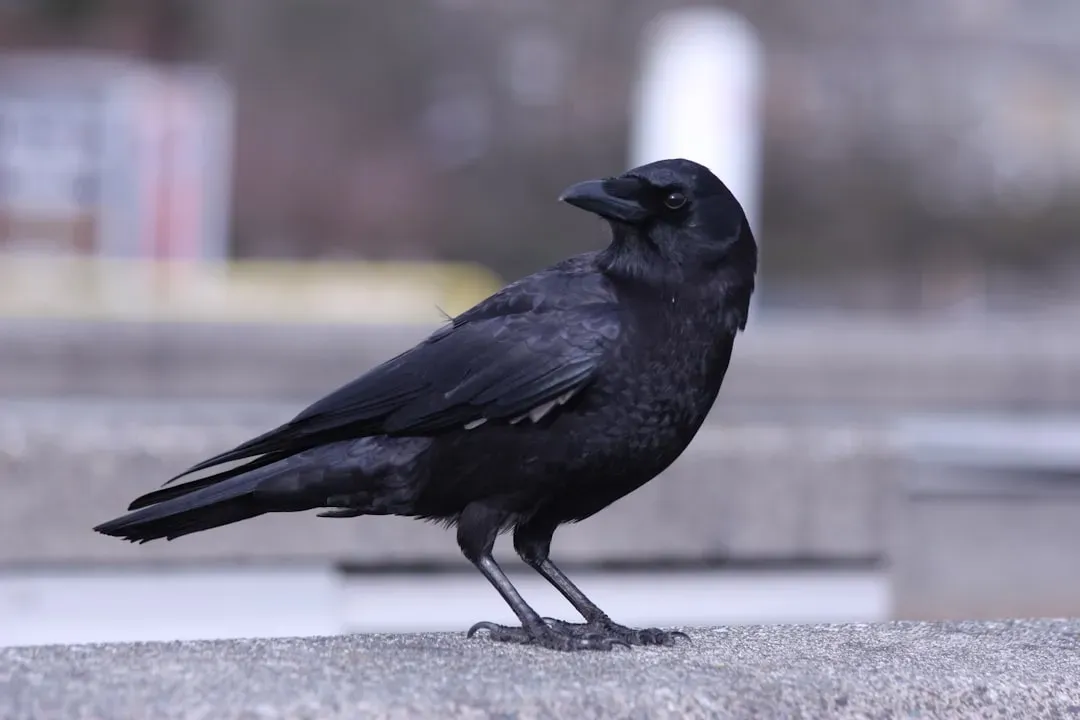
You know that feeling when you type in a password and you instinctively check whether someone’s looking over your shoulder? Crows behave in a strikingly similar way with their food. When other crows are watching, they change how and where they hide what they’ve found – often becoming more cautious, more deceptive, and more likely to use multiple spots. If you were to stand quietly and observe, you’d see that a crow alone can be straightforward: find food, hide it, move on. Add an audience of other crows, and the bird becomes sneakier, sometimes pretending to hide food in one place while actually caching it somewhere else. That kind of behavior only makes sense if the crow is acting as though others have intentions and memories of their own, and that awareness is a major clue that future theft is very much on its mind.
Planning Ahead: From Instinct to Foresight
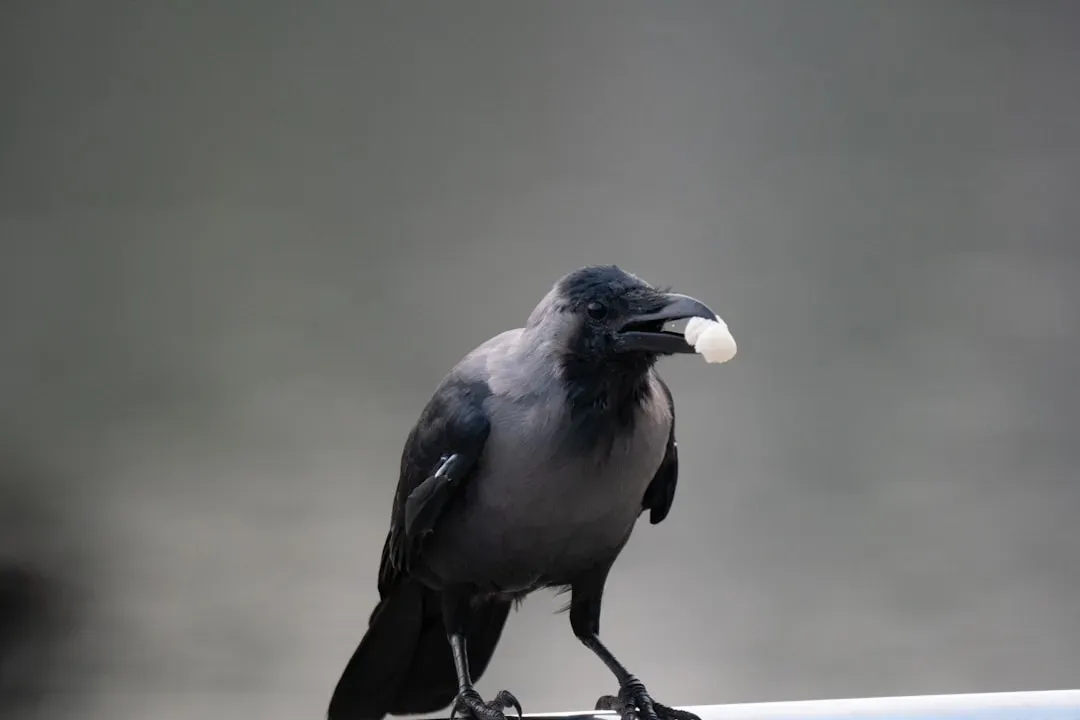
You might wonder whether crows are just running on instinct, like a wind-up toy following a built-in script. But when you see a crow save food it cannot eat yet, choose particular hiding spots, and use multiple locations when others are around, you are looking at behavior that points toward mental time travel. The bird is acting as if the future matters and the present is the time to shape it. Planning ahead is not just about storing something; it’s about anticipating what can go wrong. By spreading food across different caches, a crow seems to be treating future theft as a real possibility and taking steps to soften the blow. In your own life, that looks like backing up files in several places, keeping a spare key outside, or saving money in more than one account. In the crow’s world, it looks like several small, secret food stashes – a strategy that only makes sense if tomorrow is already in mind.
Mental Maps and Memory: Keeping Track of Many Hiding Spots
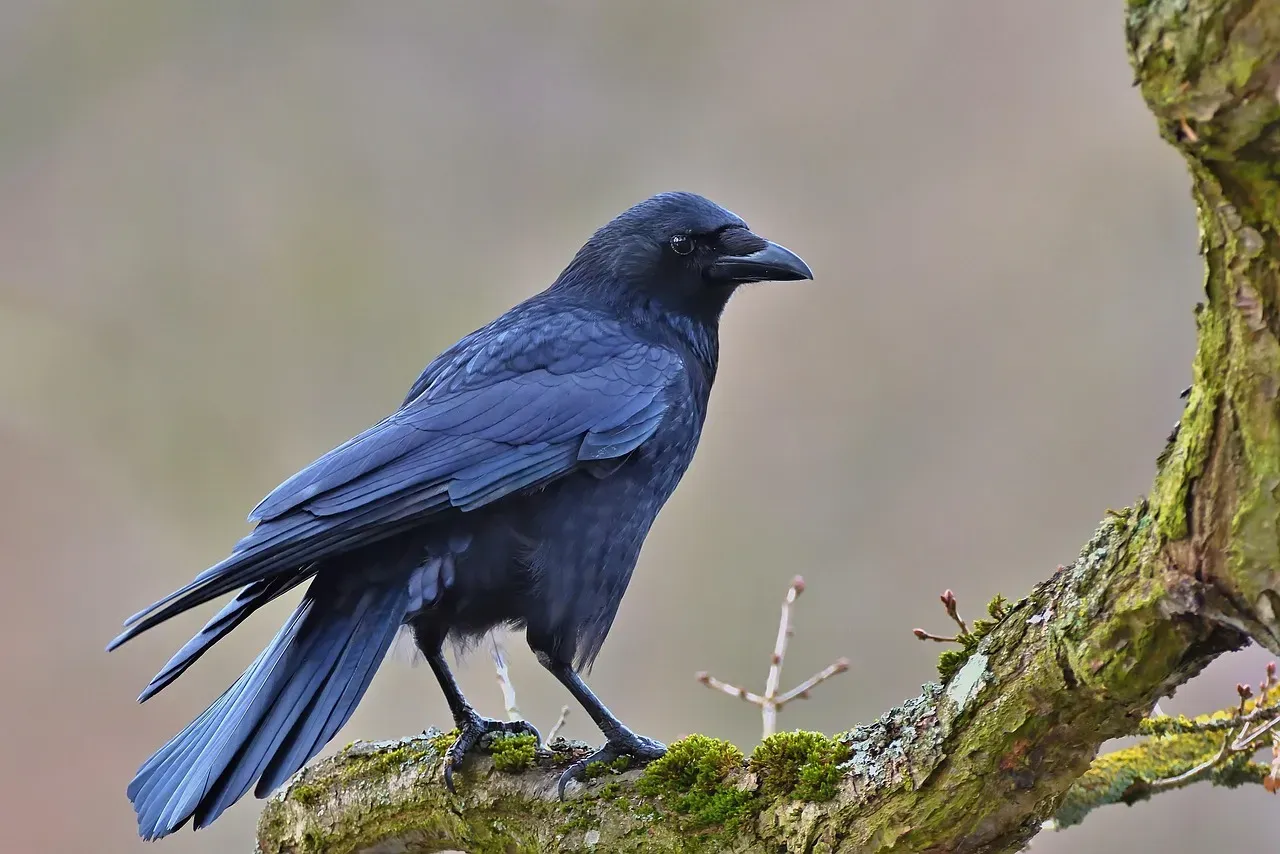
If you have ever forgotten where you put your keys, you know that memory is half the battle of planning. For crows, hiding food in multiple places is useless if they cannot remember where those spots are. Yet again and again, they return to tiny, specific locations after hours or even longer, as if they’re carrying a detailed mental map right in their heads. You can think of a crow walking through its territory like you walking through your own neighborhood, knowing where your favorite café, shortcut, and mailbox are. When the crow visits different caches later, it’s drawing on that inner map, recalling not just landmarks but also which hiding spots are safer, which ones are more exposed, and which ones might already have been discovered. That capacity turns a scattered set of hiding places into a carefully managed portfolio of resources.
The Social Side of Stealing and Being Stolen From
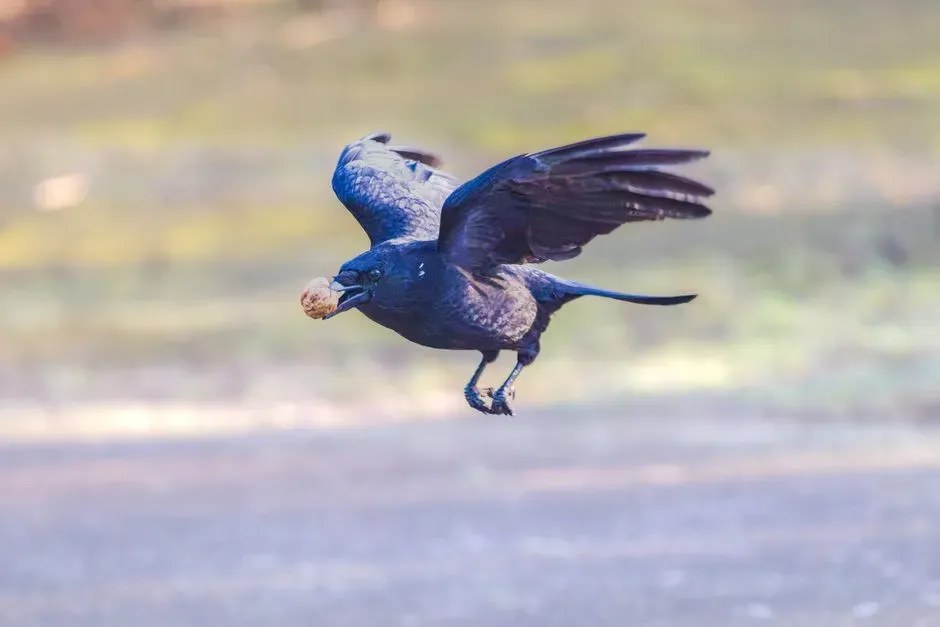
If you have siblings, you already know that where there’s food, there’s competition. Crows live in a world where other crows are both allies and rivals. They watch each other closely, and they don’t miss a chance to swipe an unattended cache. By hiding food in several locations, a crow is effectively accepting that some theft will happen – and planning so it doesn’t lose everything in one unlucky moment. This is where you can see a kind of quiet arms race unfolding. A crow that’s better at anticipating theft and hiding food cleverly has a better shot at making it through lean times. That success feeds right back into the population, reinforcing the value of the behavior. In other words, your tendency to plan for someone raiding your fridge is not uniquely human; crows are living a similar story every day, just with seeds, scraps, and beaks instead of refrigerators and hands.
Deception and Decoys: When Crows Act Like Strategists
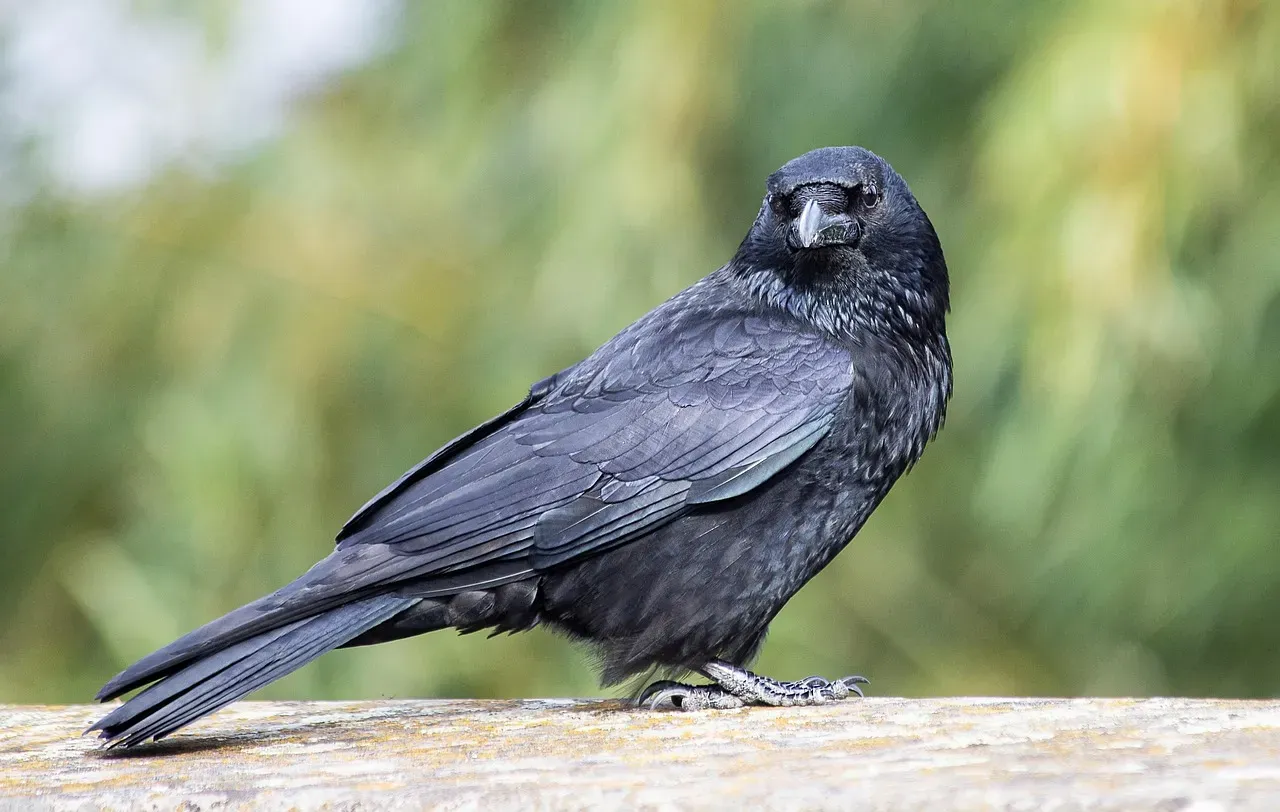
You’ve probably faked a move before: pretending to head one way in a game and then suddenly changing direction. Crows do something comparable when they perform fake caching – going through the motions of hiding food in a spot where other birds can see, but not actually leaving anything there. The real treasure goes somewhere else, out of sight. When you think about it, that’s more than just a trick; it shows that the crow is treating other birds as observers with their own perspectives and memories. Acting for the benefit of that audience – to mislead it – hints at a layer of social intelligence that overlaps with your own. In such moments, the bird is not just reacting to the present; it’s sculpting what other crows will believe and do later, which is a remarkably advanced way of navigating a dangerous social world.
Risk Management in Feathers: Why Many Caches Beat One
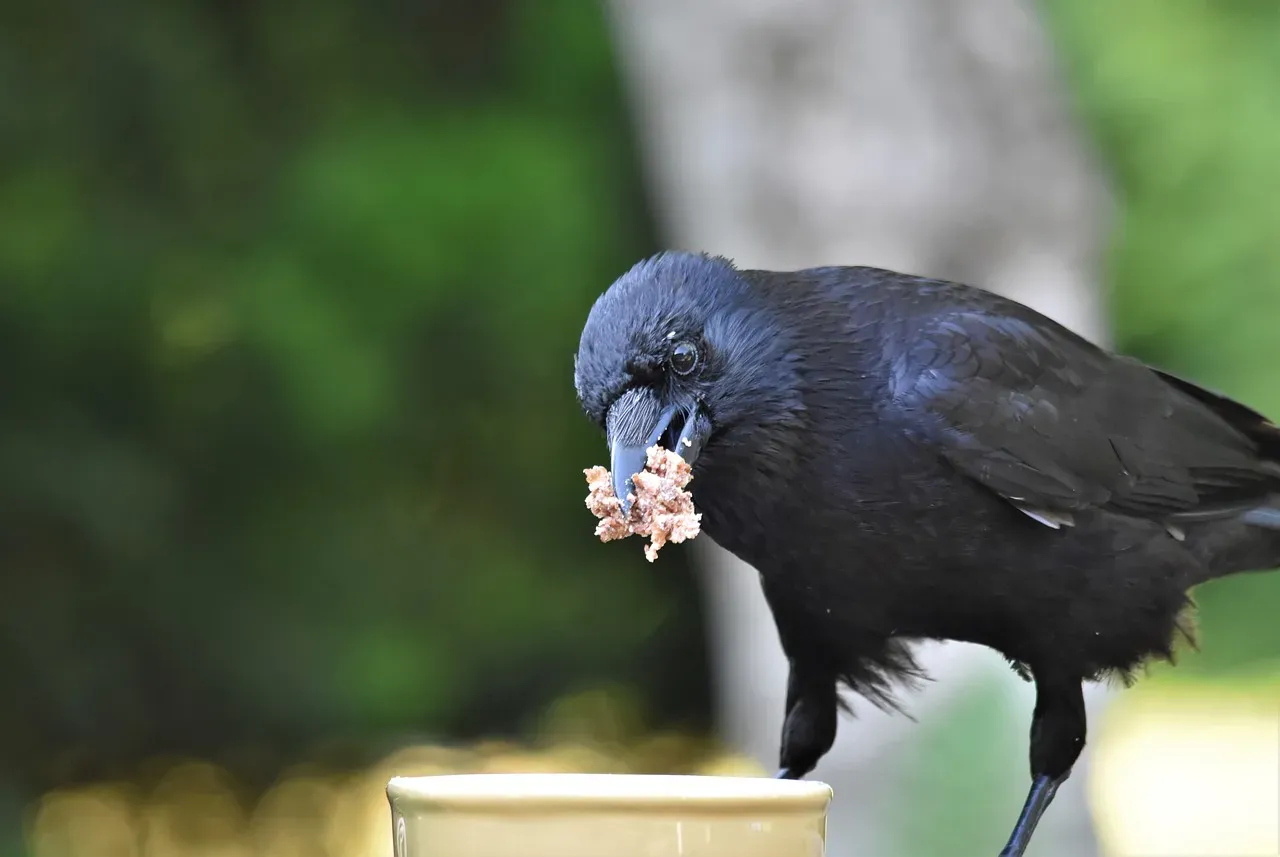
If you’ve ever split your savings instead of keeping all of it in one place, you already understand the logic behind multiple food caches. By separating its stash, a crow lowers the chance that a single act of theft, a predator, or a disturbance wipes out all of its reserves. That is classic risk management, just expressed through flight paths and hiding spots. For you, insurance might look like digital backups, emergency funds, or spare supplies. For a crow, it looks like a scattering of hidden food across different parts of its territory, each one a small buffer against future uncertainty. The repeated choice to spread out rather than concentrate suggests that the bird is, in its own way, running the same mental calculation you do: something bad might happen later, so it is safer not to rely on just one place.
What This Means for How You See Animal Minds
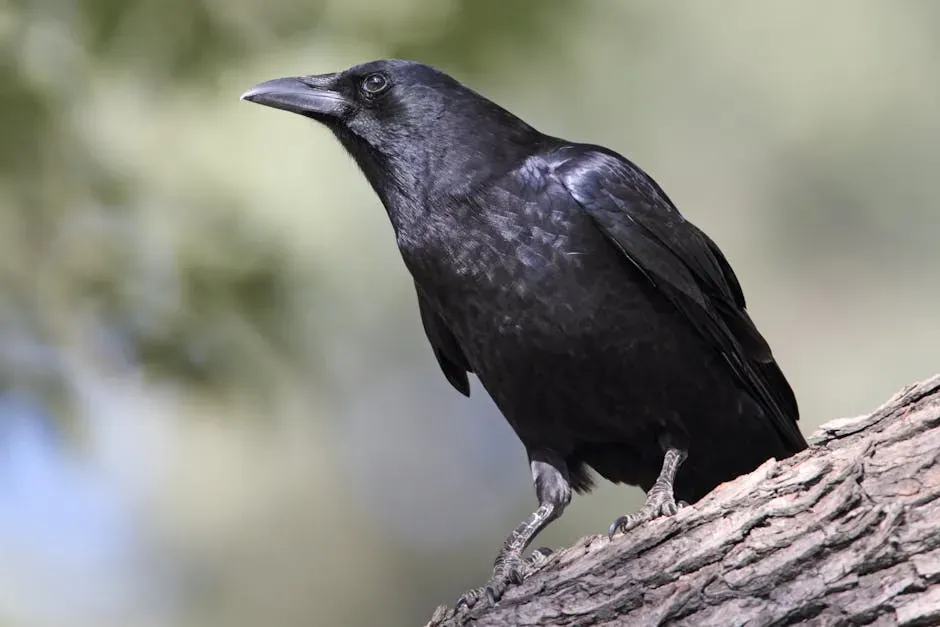
Once you accept that crows can anticipate theft and plan around it, the old picture of animals as simple, instinct-driven creatures starts to crumble. You’re no longer just seeing feathers and beaks; you’re seeing memory, foresight, social awareness, and a kind of flexible thinking that overlaps with your own in surprising ways. It becomes harder to draw a sharp line between your planning and theirs. This shift matters for more than curiosity. When you recognize that animals like crows can imagine future risks, track what others might do, and adjust their behavior accordingly, it changes how you think about intelligence in general. You start to see minds on a spectrum rather than a ladder, and your own planning – from hiding a spare key to splitting up your savings – feels less like a uniquely human trick and more like a shared solution to the same ancient problem of surviving tomorrow.
Conclusion: A Crow’s Cache and Your Own Future
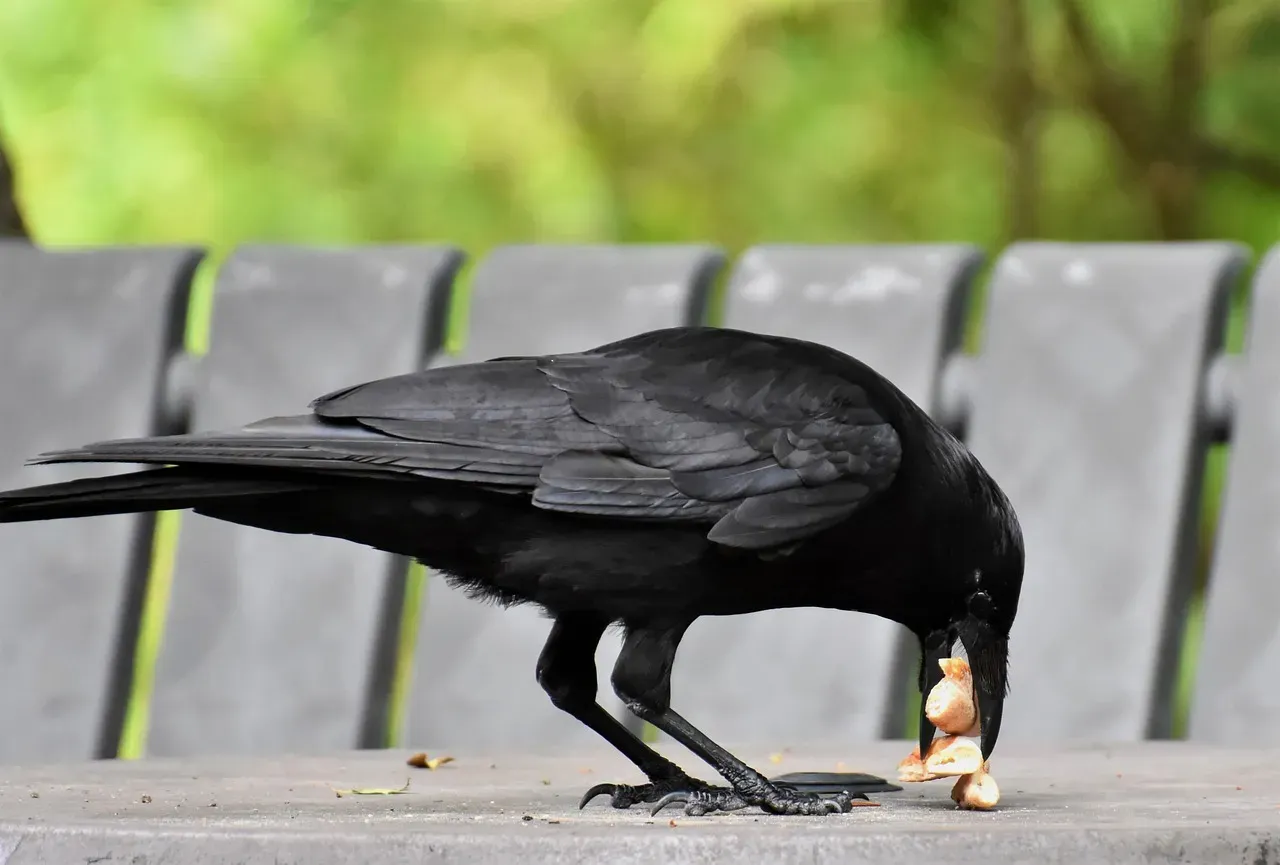
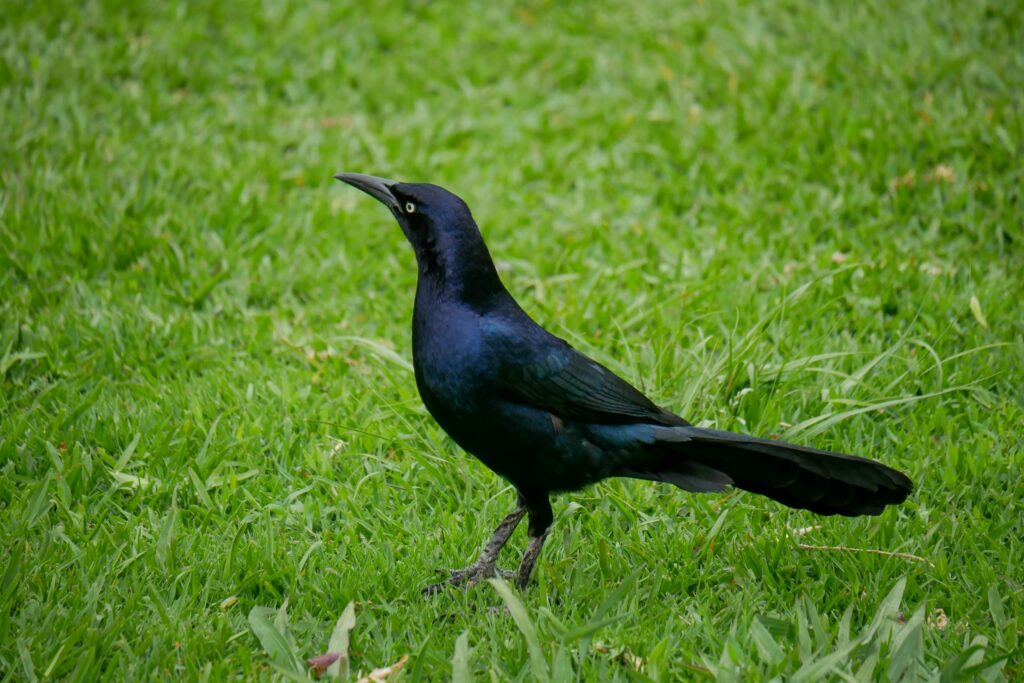
The next time you see a crow hop across a lawn or perch on a streetlight, you’re not just looking at a scavenger waiting for dropped fries. You’re seeing a planner that hides food in multiple locations, reads social cues, fakes out rivals, and quietly prepares for a future where theft and loss are all but guaranteed. In its own world, that bird is doing a version of what you do when you make a backup plan or keep a secret stash. When you step back, the parallel is hard to ignore: planning for tomorrow is not just a human story, it is a survival strategy written into very different bodies and brains. Crows just happen to wear their strategy in black feathers and sharp eyes instead of notes apps and calendars. The real question is, knowing that these birds are out there planning around each other, does it change how you think about the line between your mind and theirs?