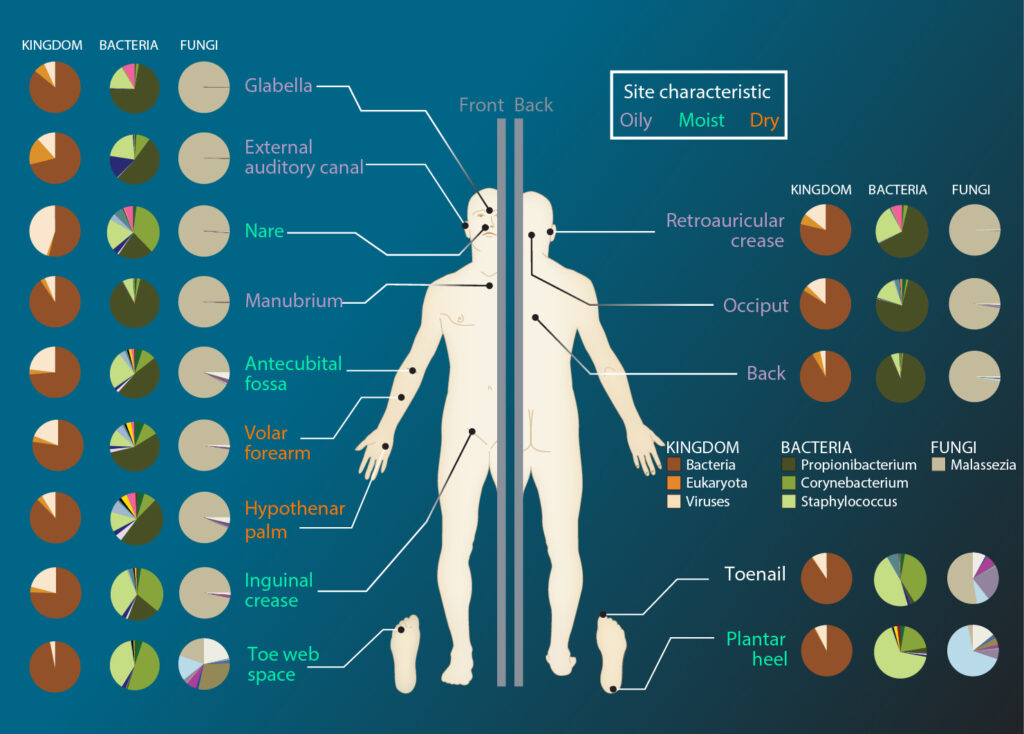
Take a second and look at your hands. They feel solid, personal, unquestionably yours. But biologically speaking, what you are looking at is a bustling, crowded ecosystem where your own human cells share space with a staggering number of microbial hitchhikers. For years, scientists argued that non‑human cells outnumber human cells by something like ten to one, and while newer estimates have toned that down, the core idea still stands: a huge share of what makes up “you” is not actually you in the traditional sense.
Once you see yourself as a walking, talking super‑organism, it starts to mess with your sense of identity. Where do you actually end and your microbes begin? Is “you” just your DNA, or does it include the bacteria in your gut that help you think more clearly and keep you emotionally balanced? The more research piles up, the more the old, clean boundary of self looks less like a wall and more like a blurry gradient.
The Numbers: Are You Mostly Human or Mostly Microbe?
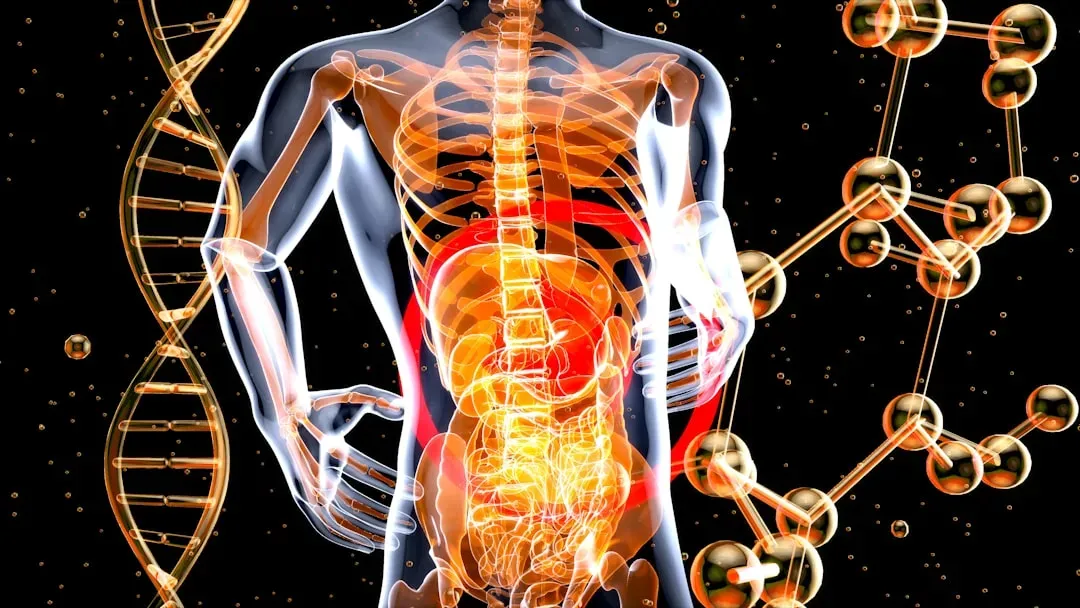
The catchy idea that human cells are outnumbered roughly ten to one by microbial cells took off because it was shocking and easy to remember. More careful work over the past decade has revised that ratio down to something closer to one to one, or even slightly more human cells than microbial ones on average. Still, that means trillions of cells in and on your body do not share your DNA but are absolutely vital to your survival and everyday functioning.
Even if the old “ten times more microbes” line was overblown, it captured a deeper truth: you are nowhere near being a clean, self-contained creature. Your skin is coated in bacteria that change depending on where you live and what you touch, while your gut alone carries a dense metropolis of microbes that likely weighs as much as one or two organs. When you add in viruses, fungi, and other microscopic partners, the idea of a neat, purely human body starts to fall apart fast.
The Microbiome: Your Invisible Organ System
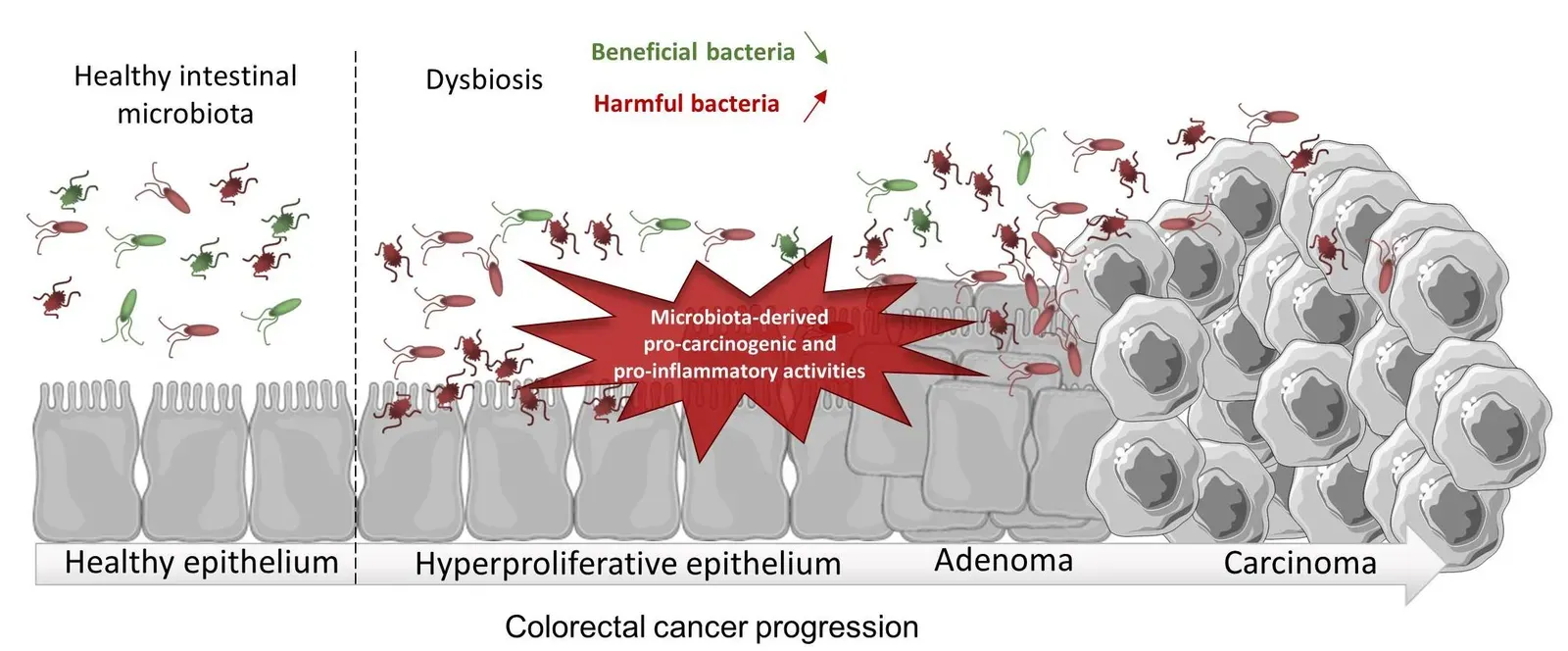
Scientists now talk about your microbiome almost like an extra organ system, one that does not show up on anatomy posters but quietly shapes almost everything you do. The microbes in your gut help break down complex fibers you cannot digest on your own, produce vitamins, and transform dietary compounds into signaling molecules that your own cells can use. Without them, your metabolism, immune system, and even your development in early life would look radically different.
What makes this even wilder is that your microbiome is partly shaped by your environment, diet, relationships, and even whether you were born by C‑section or vaginal birth. Two people can have very different microbial communities while both feeling perfectly “themselves.” It is like having a personalized, evolving cloud of tiny co‑workers inside you, constantly negotiating what your health and daily experience will look like.
Gut–Brain Chat: When Non-Human Cells Influence Your Mood
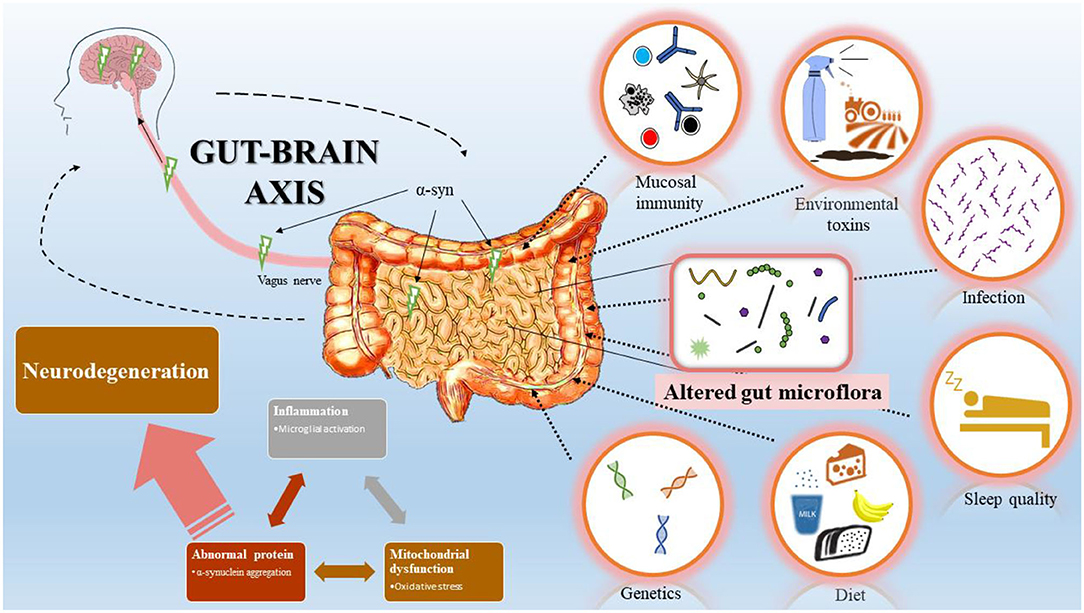
One of the most striking discoveries of the last decade is how strongly the gut and brain are connected, often through chemical messages created or modified by microbes. Certain bacteria help generate or regulate signaling molecules involved in mood, stress, and even pain perception. When those communities change, it can shift how you sleep, how anxious you feel, and how you react to everyday stressors in ways you might chalk up to personality or willpower.
Researchers are still cautious about drawing neat, cause‑and‑effect lines, but the pattern is hard to ignore: people with some mental health conditions appear to have different gut ecosystems than those without, and changing diet or microbial balance sometimes nudges symptoms in better or worse directions. That means parts of what we label as “you” – your temperament, your resilience, your default mood – might partly depend on which microbes happen to be thriving in your intestines this month. It is a humbling thought that your “Sunday scaries” might be negotiated as much in your colon as in your calendar.
Immune System: A Negotiated Peace Treaty With the Non-You
![Immune System: A Negotiated Peace Treaty With the Non-You ([1] Direct
StemBook Figure 1 Proposed pathways of interaction between transplanted hESC derivatives and the immune system continued.Drukker, M., Immunological considerations for cell therapy using human embryonic stem cell derivatives (December 16, 2008), StemBook, ed. The Stem Cell Research Community, StemBook, doi/10.3824/stembook.1.14.1, http://www.stembook.org., CC BY 3.0)](https://nvmwebsites-budwg5g9avh3epea.z03.azurefd.net/dws/c81b3dc9cfafe0fbeaf4a4805159191e.webp)
Your immune system is often described as your body’s defense force, but in reality it behaves more like a constantly renegotiated peace treaty with the non‑human world. From birth, your immune cells are trained by exposure to microbes – learning which ones to tolerate, which ones to partner with, and which ones to attack. Beneficial gut bacteria, for example, help educate immune cells so they do not overreact to harmless foods or your own tissues.
When that relationship breaks down, you can see the fallout in rising rates of allergies, autoimmune conditions, and chronic inflammation, especially in environments where people are heavily shielded from microbial diversity. In other words, trying to live in a perfectly sterile bubble does not make you more “you”; it can actually leave your body more confused and reactive. Your immune system seems to work best when it grows up in a rich microbial conversation, not in a silence padded by disinfectant wipes.
Skin, Mouth, and More: Microbial Neighborhoods All Over You

If you picture your microbes only as gut passengers, you are missing most of the story. Your skin is divided into tiny neighborhoods – oily zones, dry zones, moist folds – each one supporting its own mix of bacteria and other organisms. Some protect against pathogens, some help maintain the skin barrier, and some probably just coexist in ways we do not fully understand yet. Wiping them all out with harsh products can sometimes backfire, encouraging more stubborn, less friendly residents to take over.
Your mouth, nose, and even your reproductive tract also host specialized microbial communities that make a real difference to your health. Cavities, gum disease, recurrent infections, and even some pregnancy outcomes are linked to shifts in these local ecosystems. So when you say something like “my skin is acting up” or “my mouth feels off,” you are really talking about complex micro‑cities that are reacting to what you eat, how you clean yourself, the stress you are under, and even who you kiss.
Where Do You End? The Philosophical Mess Behind the Biology
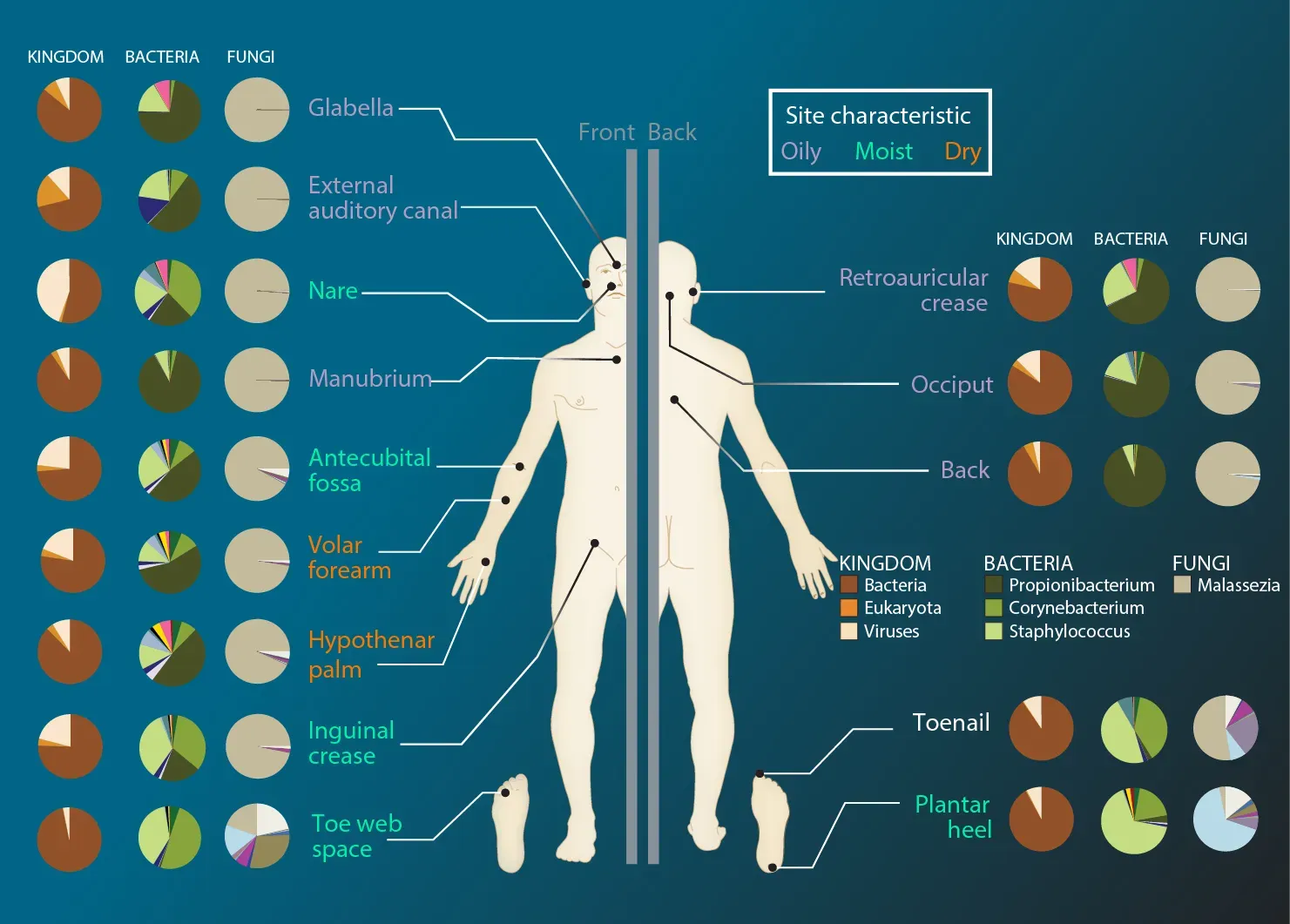
All of this microlife raises a question that is more philosophical than anatomical: where do you actually end? If most of your genes by count are microbial, but most of your mass is human, which metric really defines “you”? If an antibiotic wipes out large chunks of your gut community and your mood tanks, did that drug change you, or just your passengers? These are not just word games; they probe how we think about personhood, responsibility, and even free will.
I find it hard not to see the human body now as a kind of crowded house party where you are the host but not necessarily the loudest voice in the room. Some philosophers and scientists push the idea of the “holobiont” – the host plus all its microbes – as the real unit of life. Others push back, worried that if we stretch the definition of self too far, we lose sight of the organism with a nervous system and a legal identity. Right now, the boundaries of self feel less like a hard line and more like a messy, shifting zone of influence.
Technology, Personalization, and the Temptation to Re‑Engineer the Self
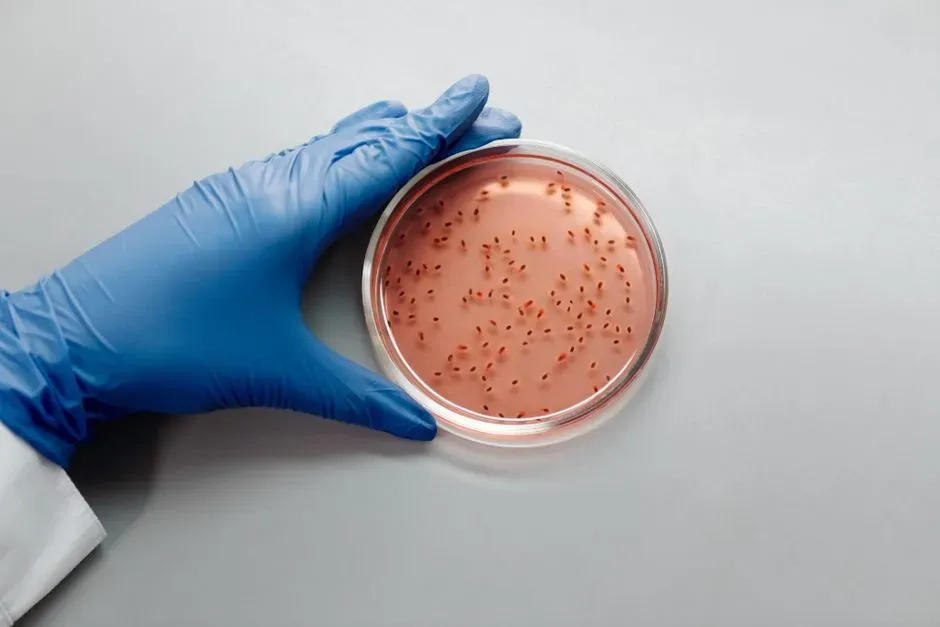
Because our microbiome is flexible, the modern world is already trying to tweak it, sometimes subtly and sometimes in blunt ways. Probiotic supplements, targeted diets, personalized nutrition plans, and experimental treatments like fecal transplants all rest on the idea that by changing your microbes, we can change you for the better. Some early successes – especially in hard‑to‑treat gut conditions – feed the hope that we will one day “tune” mood, weight, and disease risk by dialing microbial dials up or down.
But there is a real risk of overselling this dream as a neat, designer solution to messy human problems. Microbial communities are complex, context‑dependent, and deeply entangled with genetics, environment, and behavior. When I see glossy ads promising to “fix your gut and unlock your true self,” I cannot help but be skeptical. You are not a software app waiting for a patch; you are an evolving partnership between human and non‑human life, and any attempt to micromanage that partnership should be humble, careful, and grounded in solid evidence – not wishful thinking.
Conclusion: You Are a We, and That Should Change How You Live
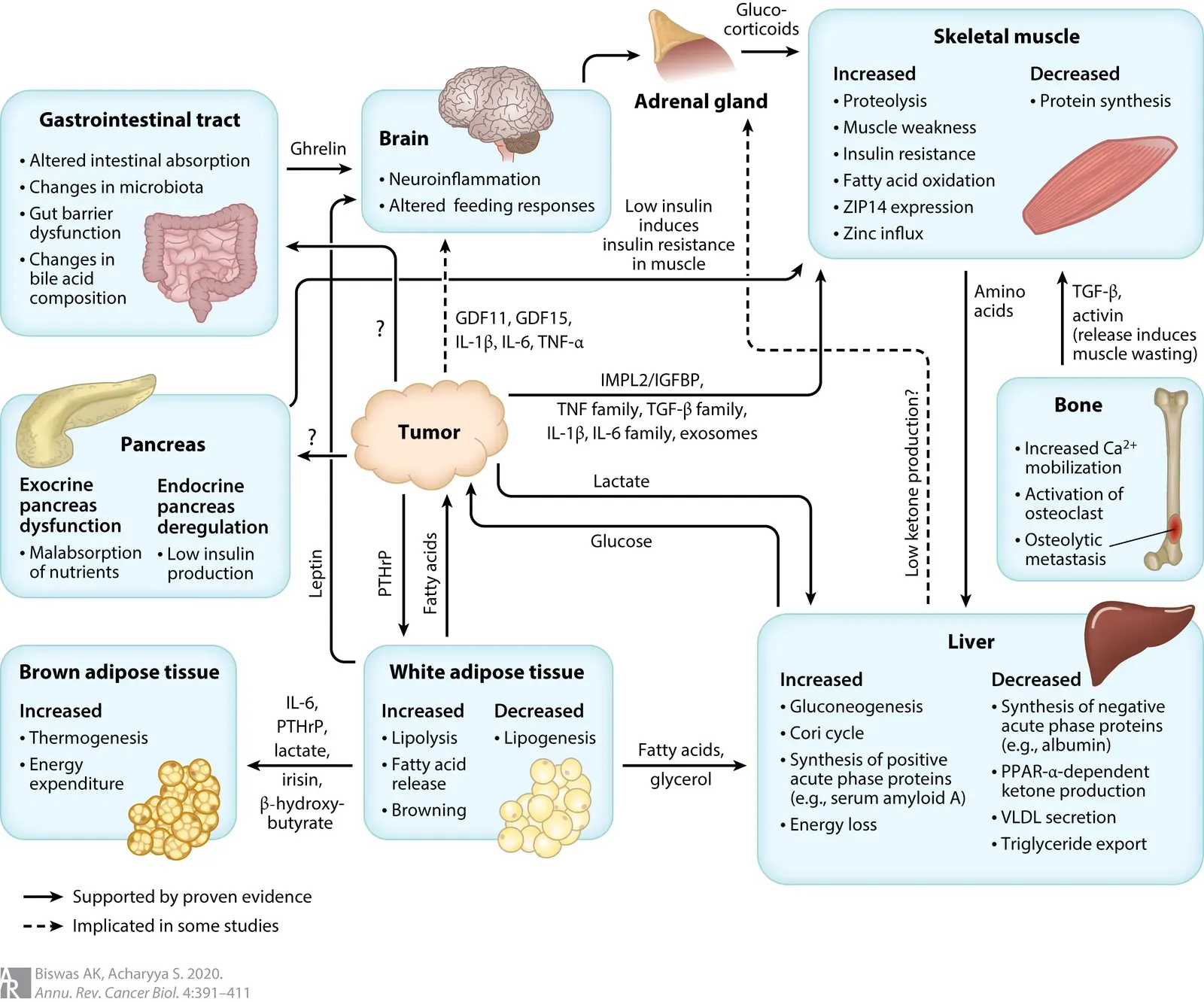
Once you take seriously the idea that your body is a shared project between human and non‑human cells, it becomes very hard to cling to the old fantasy of the isolated, self‑made individual. Your thoughts, immune reactions, food cravings, and energy levels are all, at least in part, co‑authored by microscopic partners you did not choose and cannot fully control. That does not mean you are just a puppet, but it does mean that the story of “you” is more crowded, more relational, and more dependent on your environment than most of us were taught to believe.
My own opinion is that this should make us less arrogant about control and more intentional about care. If you are a “we” rather than a strict “I,” then how you eat, how you move, how much time you spend outdoors, what you put on your skin, and even how much stress you carry are all ways of tending to a shared ecosystem, not just managing a single body. Maybe the real question is not where you begin and end, but what kind of host you want to be to the trillions of lives that help make you possible – did you ever imagine that being “yourself” could be such a collective act?