Almost everybody, at some quiet moment, asks the same unsettling question: does anything of “me” survive after I die? We can dodge it with work, entertainment, or scrolling, but it hangs there in the background like a notification we never quite clear. That persistent tug is not just about fear of the end; it is about a deep human craving for continuity, meaning, and connection that feels too big to simply switch off.
What makes this need so powerful is that it shows up across cultures, centuries, and belief systems, even when the details wildly disagree. You see it in ancient burial rituals, cutting-edge tech dreams of “mind uploading,” near-death narratives, and even in the way we cling to the digital traces of people who are gone. It is not a niche philosophical hobby; it is a basic part of how we cope with being conscious creatures who know we will not be here forever.
The Brain That Knows It Ends Is Wired To Resist That Ending
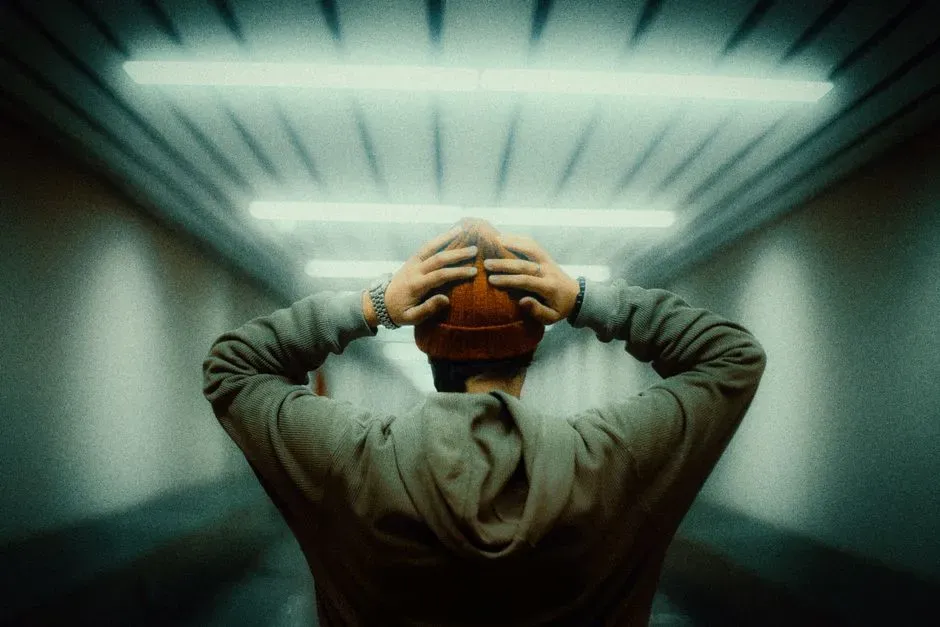
Imagine being the only animal on the planet that fully understands it will die and can picture that in vivid detail. That is the human brain: it can simulate futures, replay pasts, and step outside itself to watch its own thoughts. This self-awareness is a superpower, but it also creates an existential glitch – we can foresee our own disappearance, and that knowledge is emotionally brutal.
Psychologists have argued that knowing we will die produces a kind of permanent background anxiety, like a hum you can’t turn off. To keep functioning, the mind builds buffers: beliefs, stories, and identities that make that end feel less final or less meaningless. Believing that consciousness continues, in some form, turns an unbearable, total ending into a transition, a chapter change, or a crossing, and that shift can dramatically soften the fear.
Culture Turns Raw Fear Into Shared Stories Of “After”
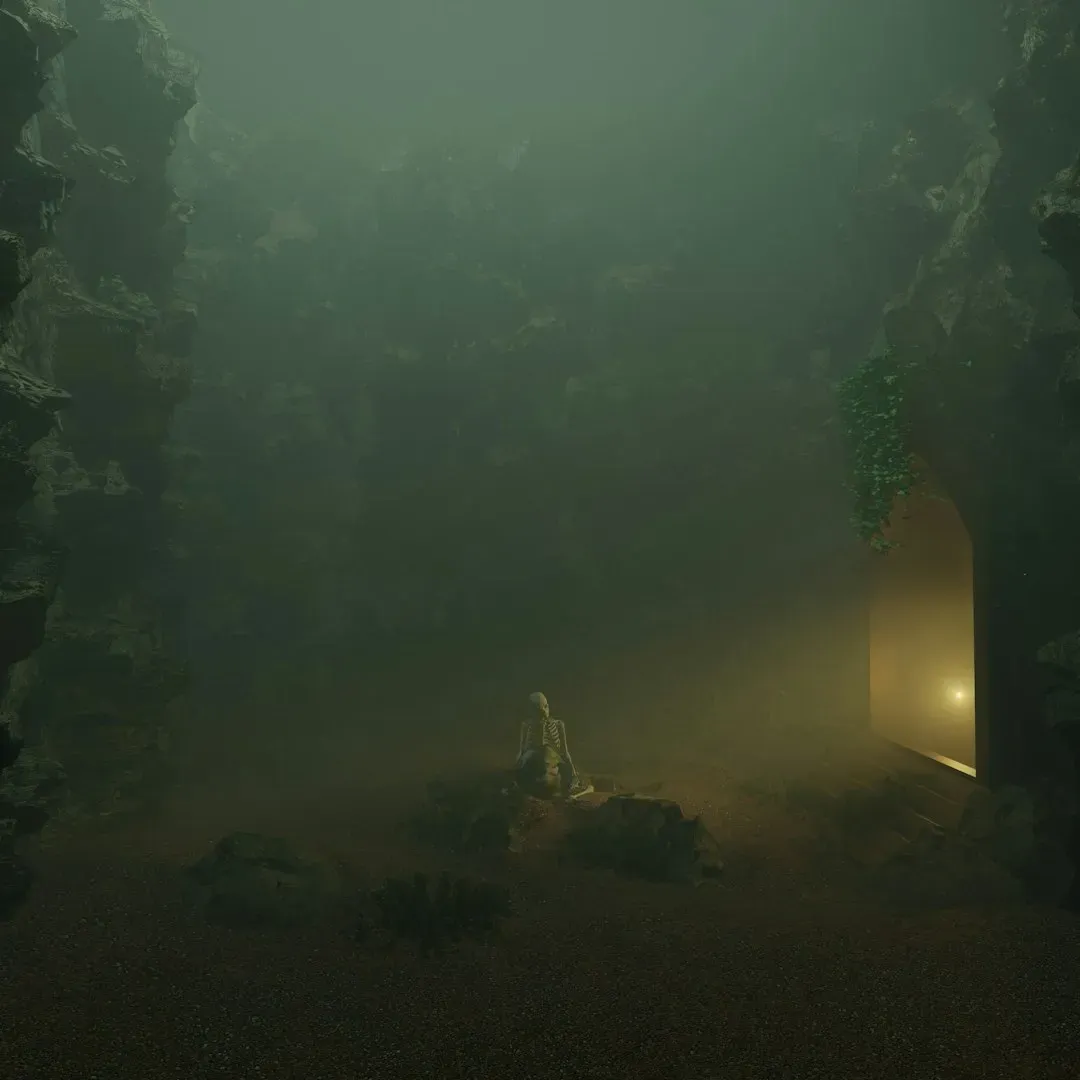
Humans rarely live alone with their biggest fears; we turn them into shared narratives. Across history, societies have crafted intricate visions of what comes after death – heavens, reincarnation cycles, spirit worlds, ancestor realms, and more. These stories do emotional work; they promise justice where earthly life fails, reunion where loss has torn people apart, and continuity where everything feels fragile.
These cultural models are not just abstract theology; they show up in funerals, prayers, holidays, and customs that kids absorb long before they can argue about metaphysics. Even people who describe themselves as non-religious often inherit emotional intuitions from their culture’s afterlife stories, like feeling that grandparents are somehow “watching over” them. Culture gives raw individual terror a shared language, turning private dread into a communal script that feels less lonely and more manageable.
Grief Makes The Idea Of Ongoing Consciousness Feel Almost Necessary
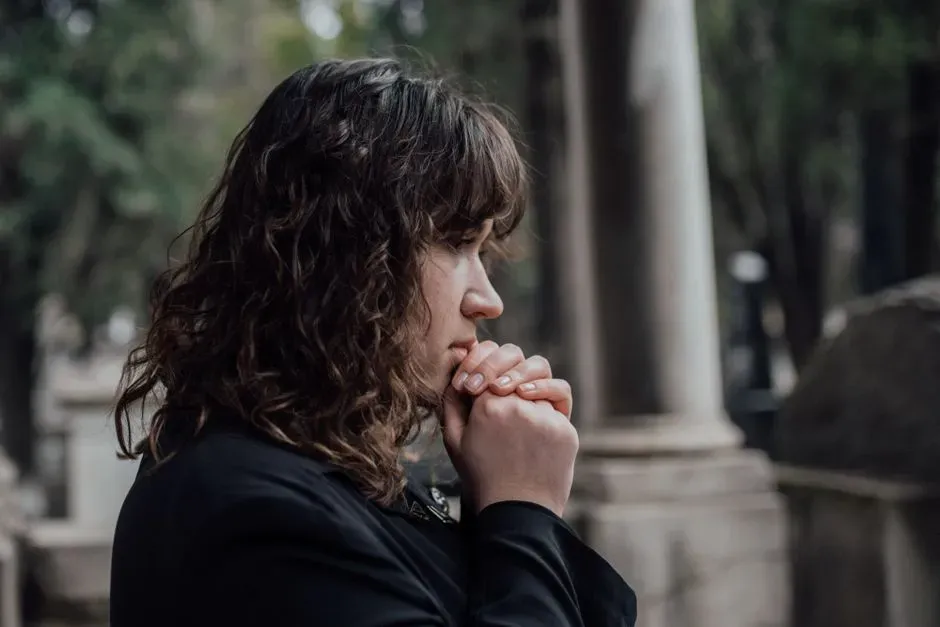
If you have ever lost someone you love, you know how violently your mind refuses the idea that they are simply gone. You still half-expect their text, hear their voice in your head, or feel the urge to share something with them. That stubborn sense of presence is not stupidity or denial; it is how our attachment systems were built to operate. The brain is wired to maintain relationships, not to instantly delete them when a heartbeat stops.
Belief that consciousness continues, even vaguely, gives grief somewhere to go. Instead of a hard wall, you get a thin veil; instead of “never,” you get “not yet” or “in a different form.” Whether that means imagining them in a spiritual realm, sensing them in dreams, or feeling that some part of them lives on in your own mind, the idea of ongoing consciousness lets love feel less like a story with a brutal, meaningless cut-off and more like a bond that just changed format.
The Science Of Consciousness Leaves Room Our Brains Rush To Fill
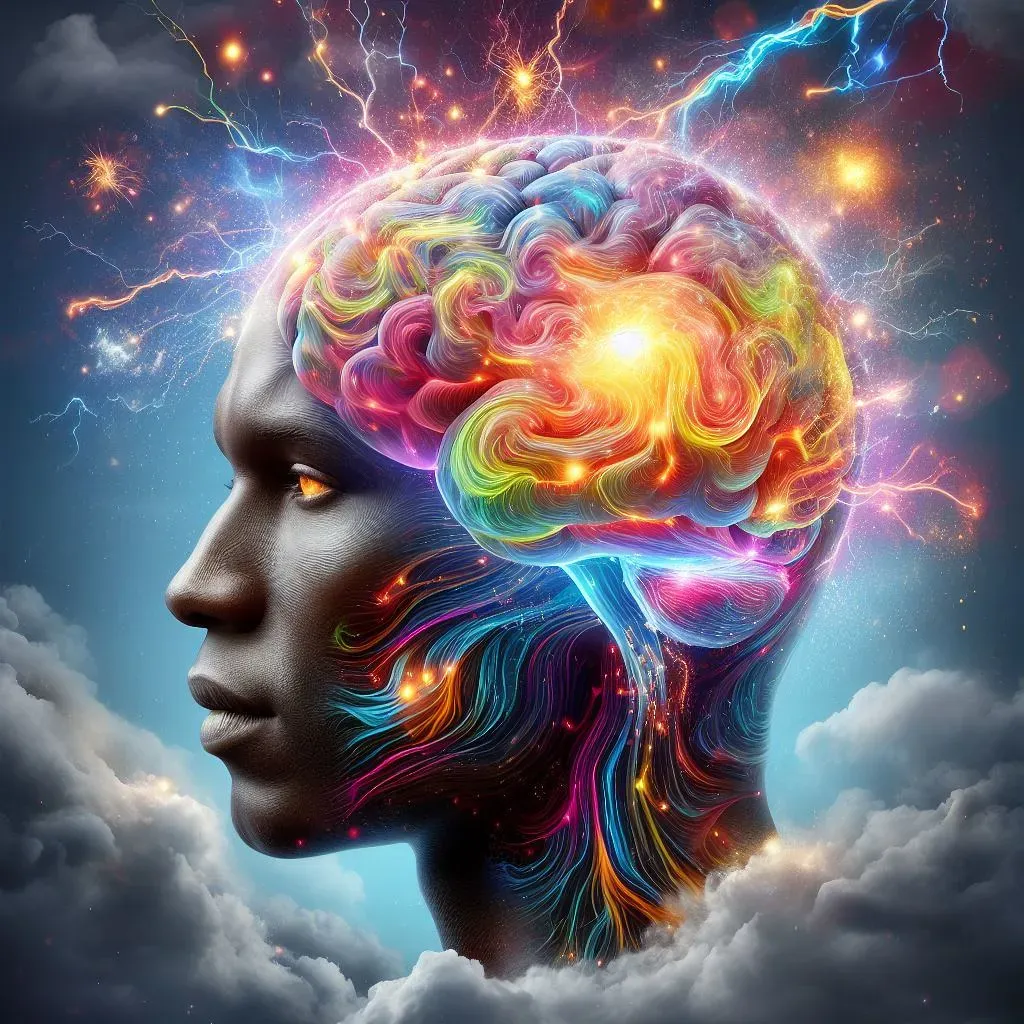
Neuroscience has mapped brain regions, decoded patterns of activity, and linked specific networks to memory, emotion, and attention. We know that injuries, drugs, and diseases can radically alter personality and awareness. That strongly suggests consciousness is deeply tied to physical processes in the brain. At the same time, scientists still do not agree on how, exactly, firing neurons become subjective experience – the raw “what it feels like” of being you.
This gap is fertile ground for hope. When people hear that science cannot fully explain consciousness, many take it as permission to imagine it as something that might not be entirely confined to the brain. Add in reports of near-death experiences and odd edge-case phenomena, and you get a powerful psychological effect: uncertainty becomes space where belief can grow. The human mind tends to prefer meaningful possibility over a cold, locked-in final answer, especially when the topic is its own extinction.
Identity Feels Too Rich To Be “Just” Biology

Most of us do not experience ourselves as bundles of cells and electrochemical signals. We experience ourselves as stories: a continuous “I” that stretches from childhood memories to present struggles and future plans. That narrative self feels unified and enduring, not like a glitchy output of meat-based hardware. So when someone says that entire, intricate story simply ends forever, it clashes with the way we feel from the inside.
On top of that, consciousness feels qualitatively different from physical stuff. You can touch a brain, but you cannot touch a thought or a feeling. That gap between what we can poke with a finger and what we experience from the first-person view makes it easy to imagine mind as something that could, in theory, detach and continue. Even people who accept a scientific worldview often carry an intuitive sense that their inner life is “more than” the matter that supports it, and that intuition feeds the desire for survival beyond the body.
Technology Now Offers Secular Dreams Of “Continuing”
In the past, if you wanted hope of life after death, you mostly turned to religion or folk spirituality. Today, there is a tech-flavored version: digital immortality, mind-uploading fantasies, and AI recreations of people based on their data. You can already find chatbots trained on a person’s messages, voice, and videos that try to mimic how they talked or thought. They are imperfect and sometimes eerie, but they scratch at a deep itch – the wish to keep interacting with someone after they are gone.
These tools do not actually prove consciousness outlives the brain; they generate convincing illusions or partial continuities. Still, their popularity says something loud about us. Even people who reject supernatural afterlives are often drawn to the idea that patterns of thought and personality could be preserved in silicon. That is basically the same old desire in a new outfit: a hope that who we are can be stored, reactivated, or carried forward in some persistent form.
Believing In Continuation Shapes How We Live Right Now
Whether or not consciousness truly continues, believing that it does changes how people behave long before anyone dies. If you think there is ongoing existence, you might value moral choices differently, view suffering through a larger lens, or see your life as one chapter in a much longer story. For some, that belief adds courage in the face of danger, generosity when it is costly, or patience when life feels unfair, because the scoreboard is not limited to this lifetime.
On the flip side, the belief that nothing continues can also be strangely liberating. For some people, knowing this life is all there is makes every moment feel more precious and urgent. They pour their energy into love, creativity, and impact here and now, instead of banking on a later correction. In both directions, ideas about what happens to consciousness after death act like hidden settings in the background of our choices, quietly shaping the way we prioritize our time, values, and relationships.
Maybe The Need Itself Is The Most Honest Thing We Have

If we are brutally honest, we do not currently have a definitive, testable answer to the question of whether consciousness continues after death. There are arguments, anecdotes, philosophical models, and emerging science, but no clean, universally accepted proof either way. That uncertainty frustrates us, but it also reveals something deeply human: we are creatures who care so much about meaning, connection, and selfhood that we cannot easily accept their complete erasure.
My own view is that this need to believe in continuation says as much about our values as it does about reality. It shows that we experience love as too significant to be casually erased, that we feel our inner lives as precious beyond measure, and that we revolt against the idea that everything we are becomes absolutely nothing. Whether consciousness actually goes on is still an open question – but the raw, stubborn longing for it to continue might be one of the clearest signals of what we truly are. In the end, the real puzzle might be less “Do we go on?” and more “Why does the idea of not going on feel so impossible to accept?”