We do almost everything in life knowing it will end, even if we rarely say that part out loud. Deadlines, birthdays, bucket lists, midlife crises – behind them all is the quiet fact that time is running, not waiting. That same uncomfortable truth may be exactly what pushes humans to paint, compose, invent, love fiercely, and leave something behind that lasts longer than we do.
This sounds dramatic, but it is also strangely practical: if we lived forever, what would ever feel urgent enough to finish? In this article, we will look at how the awareness of death shapes art, science, ambition, and everyday choices, not in a dark or hopeless way, but as a surprisingly powerful engine of meaning and creativity.
The ticking clock: how mortality turns time into fuel
There is something brutally focusing about knowing that life is limited. Psychologists have long noted that when people are reminded – gently or starkly – of their mortality, they often shift toward what feels truly meaningful: relationships, purpose-driven projects, passions that have sat on the back burner for years. Time stops being a vague backdrop and starts to feel like a resource that can be invested or wasted.
In that mental shift, creativity gets a huge boost. People start asking questions like: What do I actually want to leave behind? What do I want to be remembered for? That sense of a ticking clock can turn a vague desire to “be more creative someday” into a concrete urge to write the book, start the company, record the album, or simply create something honest and beautiful that outlives them.
Terror management: why death anxiety pushes us to make meaning
Modern psychology has a whole body of work suggesting that our awareness of death creates a deep, sometimes hidden anxiety that we try to manage by building and defending meaning. We lean into cultures, beliefs, values, and projects that make us feel part of something larger and more lasting than one fragile human body. Creativity fits perfectly into that system: it is a way to build symbolic immortality when literal immortality is off the table.
When you pour yourself into a painting, a scientific theory, a building, or even a social movement, you are not just “making something.” You are effectively saying: I was here, and this is what I cared about. That symbolic echo can feel like a partial answer to the fear of disappearing. In that way, death anxiety – rather than shutting us down – often nudges us toward more daring, expressive, and ambitious creative acts.
Art as a conversation with the inevitable
Across history and cultures, art has circled around death the way planets orbit a star. From ancient burial paintings to modern films and photography, humans have used creative expression to explore grief, loss, aging, and the question of what (if anything) comes next. Even when the subject is not directly about death, themes of time, memory, and change often carry that shadow in the background.
Creating art about death does something quietly therapeutic: it turns an overwhelming, abstract reality into a form we can see, hear, touch, and share. A song about losing someone can say what ordinary sentences cannot. A sculpture, a poem, or a film can give people a safe way to confront feelings they might otherwise bury. In that sense, art is not just inspired by mortality; it is one of our best tools for emotionally surviving it.
Legacy and the urge to leave something behind
When people think about getting older, they very often talk about legacy, even if they use different words. For some, that legacy is children or family; for others, it is a body of work, a business, a foundation, or simply the memories they leave with friends. The awareness that life ends makes the idea of “leaving a mark” feel not like vanity, but like a natural human response to finiteness.
This legacy mindset can drive creative risk-taking. Someone who knows they will not get infinite chances is more likely to say yes to the big, scary project than to play it safe forever. You can see this in late-life bursts of productivity across many fields, where people create some of their most daring work precisely when they are most conscious of limited time. Death, in this way, becomes the harsh teacher that says: if not now, when?
Mortality and innovation: why urgency sparks new ideas
Creativity is not only about art; it is also about solving problems, and death is one of the biggest problems humans have ever tried to solve or at least postpone. A huge amount of medical, technological, and scientific innovation is driven by the desire to extend healthy life, ease suffering, or understand the aging process. Behind many breakthroughs in medicine and public health sits a simple, powerful refusal to accept premature loss as inevitable.
Even outside healthcare, awareness of mortality shapes innovation. We design safer buildings, vehicles, and systems because we know that real lives are on the line. Disaster planning, climate solutions, and space exploration all carry an undercurrent of survival thinking: how do we keep people alive, and how do we give future generations a chance? That pressure can be uncomfortable, but it also pushes humanity to imagine new tools and systems we might never bother to create if nothing important were at stake.
Personal reinvention: how brushes with death change creative direction
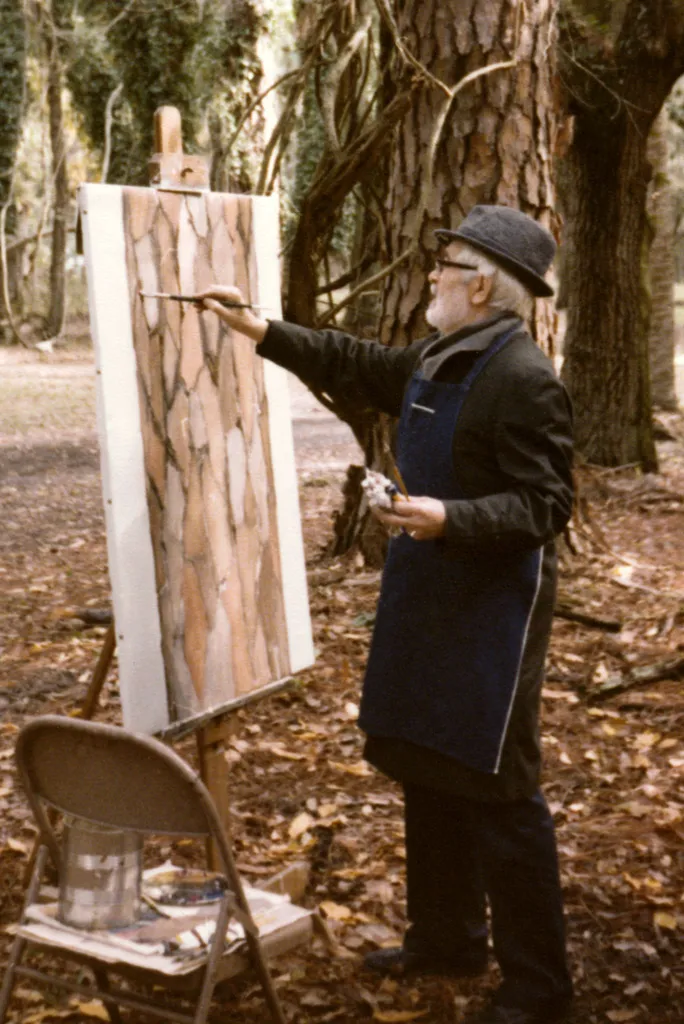
Many people report that a close call – a serious illness, an accident, the loss of someone close – snaps their priorities into brutal clarity. While not everyone has this experience, those who do often describe a sudden sense that they can no longer postpone the life they actually want. That shift frequently shows up in creative choices: changing careers, starting a passion project, or finally sharing work they were afraid to show.
I have seen this up close in friends who left stable, “sensible” jobs after a health scare to pursue writing, design, or social impact work they had talked about for years. Their mortality wake-up call did not automatically make life easier, but it made it more honest. Once you have felt how thin the line is between here and gone, the embarrassment of failing at a creative attempt feels small by comparison.
Cultures of remembrance: how rituals and stories keep creativity alive
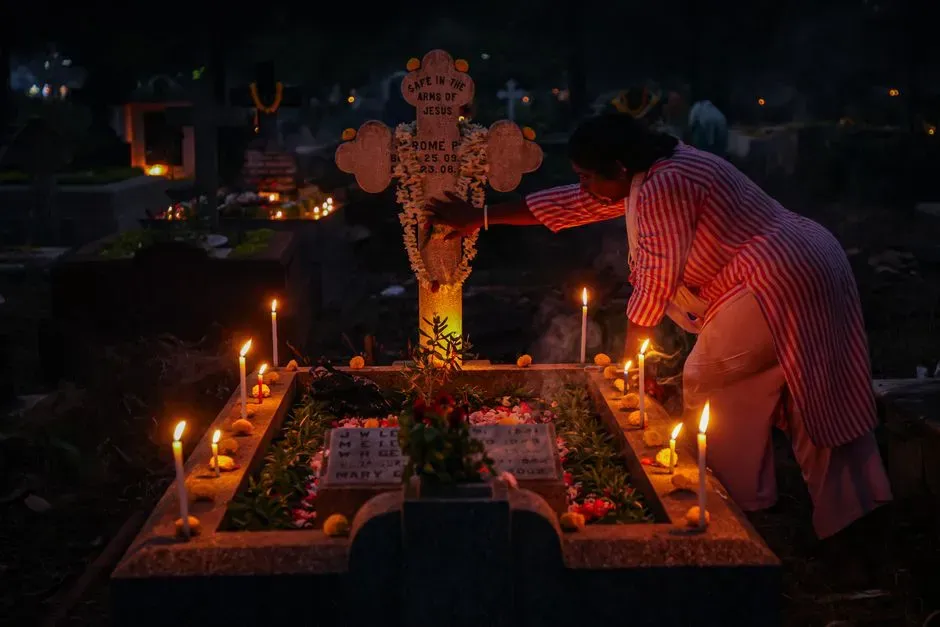
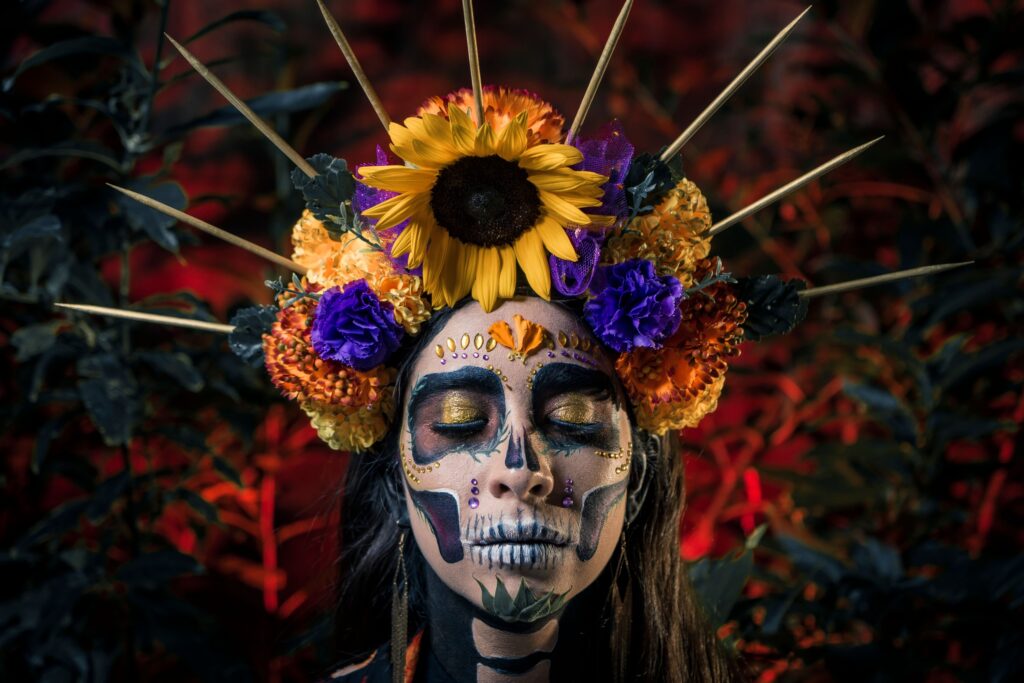
Human cultures do not just face death individually; we face it together through rituals, traditions, and shared stories. Funerals, memorials, holidays honoring ancestors, and even informal gatherings of remembrance all involve creative expression: music, clothing, symbols, speeches, food, and storytelling shaped over generations. These practices help people process loss, but they also become fertile ground for new art, design, and narrative forms.
Stories about those who came before us can be especially powerful creative fuel. Knowing what past generations endured and built, often under far harsher conditions, can give people a sense of responsibility and possibility. You are not just living for yourself; you are continuing a story you did not start and will not finish. That blend of humility and significance – being one link in a very long chain – can push people to create work that honors the past while daring to imagine a better future.
Conclusion: embracing death as a strange ally of creativity
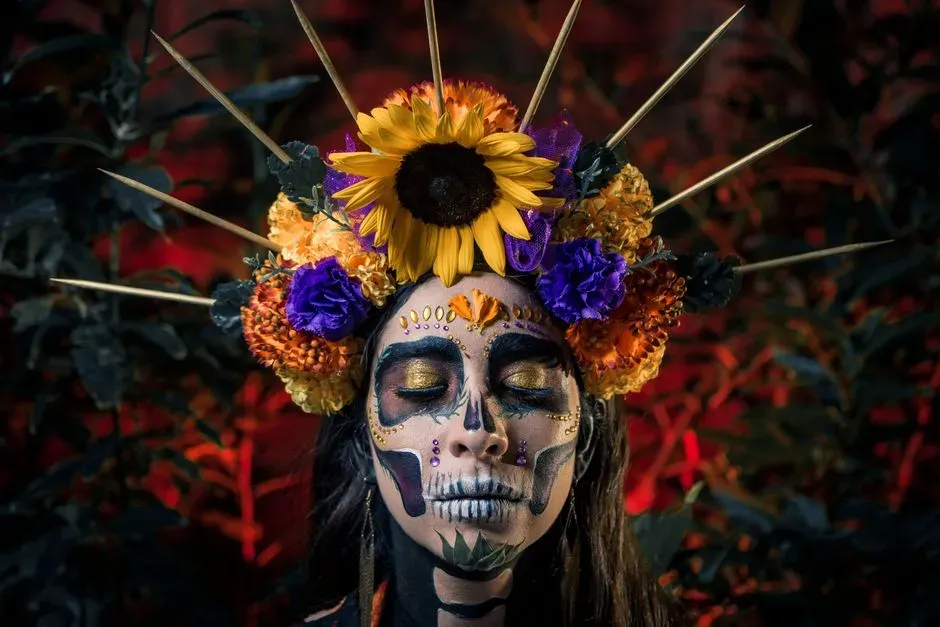
It is tempting to think of death as the enemy of creativity, the thing that cuts lives and ideas short. And it does, brutally, in ways that will never feel fair. But if you look closely at how humans actually live, imagine, and make things, a different picture appears: our awareness of death is woven into almost every spark of urgency, meaning, and ambition we feel. Without an ending, stories fall apart. Without limits, many of us would drift instead of daring.
In that sense, death is a strange, unwelcome, but powerful creative partner. It is the silent co-author that makes our choices matter, that turns vague dreams into urgent projects, that pushes us to leave something behind rather than simply pass through. We do not have to like this arrangement to acknowledge its force. The real question is not whether death drives creativity, but what each of us chooses to create in the time we have – so if you are honest with yourself, what would you regret not making while you are still here?