Articles for category: Conservation

The Future of Autonomous Vehicles in Wildlife Conservation Efforts

Annette Uy

In recent years, technology has become a cornerstone of wildlife conservation. From drones surveying vast landscapes to satellite tracking of endangered species, innovative solutions are transforming conservation efforts. Among these advancements, autonomous vehicles offer promising prospects for monitoring wildlife, collecting data, and even preventing poaching. Understanding Autonomous Vehicles Autonomous vehicles, or self-driving vehicles, navigate and ...
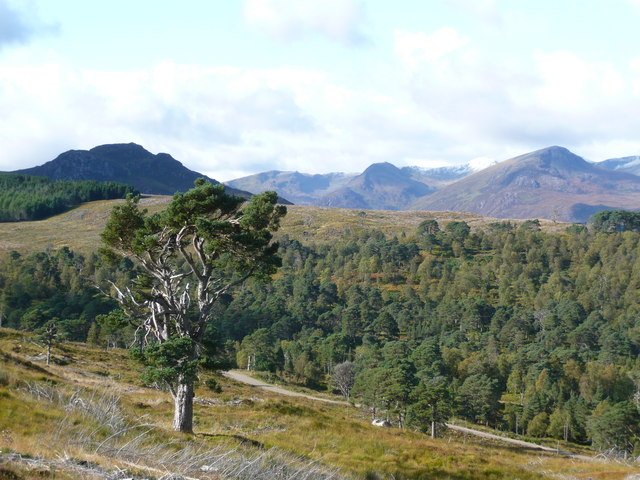
Regenerating Tī Kōuka and Rongoā: New Zealand’s Endemic Edible Forests

Regenerating Tī Kōuka and Rongoā: New Zealand’s Endemic Edible Forests

Annette Uy

What if the forests you walked through were not just breathtaking, but healing? Imagine a world where ancient trees whisper stories of survival, and every leaf and root hides a remedy or a feast. In Aotearoa, New Zealand, such forests exist—teeming with unique plants like tī kōuka (cabbage tree) and guardians of rongoā Māori, the ...

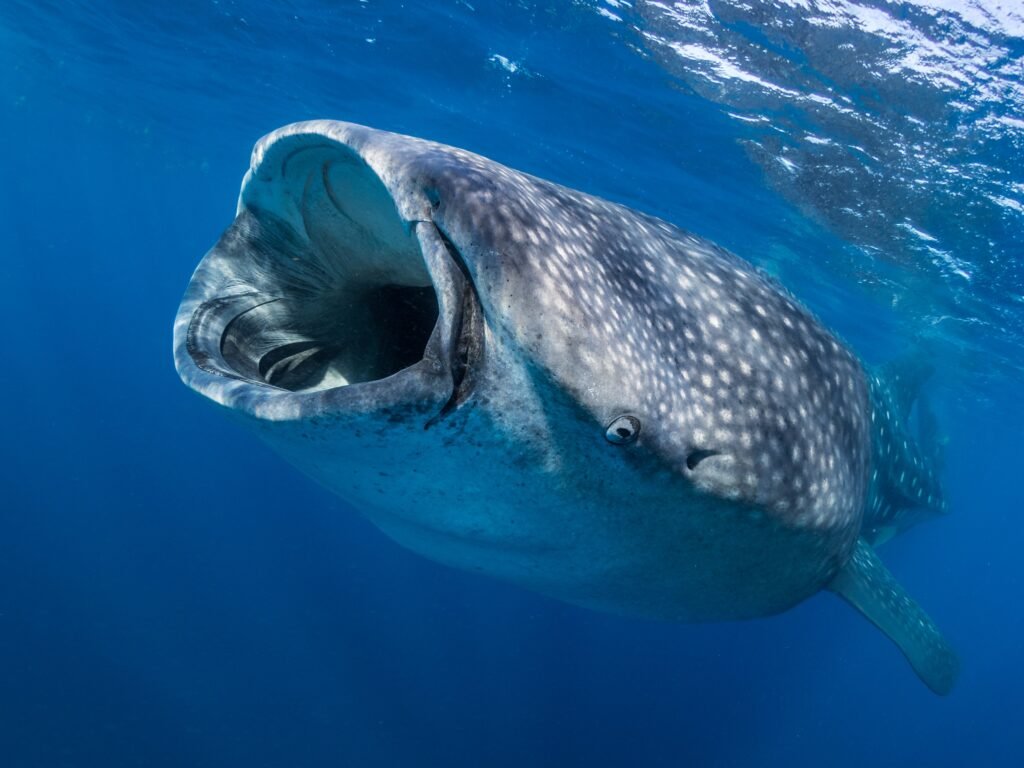
A Diet of Plankton, Not People

Crustaceans That Jam Whale Songs: Unexpected Underwater Noise Pollution War

Trizzy Orozco

Imagine plunging into the blue abyss, where the haunting melodies of whales once echoed for miles—only to find those songs drowned out by a relentless, crackling chorus from tiny crustaceans. This is not the plot of a science fiction novel, but a surprising reality beneath our oceans today. In the midst of humanity’s growing concern ...

An example of a quantum computer.

How Quantum Computing Could Help Us Understand the Impact of Climate Change on Wildlife

Trizzy Orozco

Quantum computing, a revolutionary leap beyond classical computing, harnesses the principles of quantum mechanics to process information in fundamentally new ways. This cutting-edge technology has the potential to shine a light on complex problems that were previously unsolvable. One such problem is understanding the intricate effects of climate change on our planet’s wildlife. As global ...

waves in the ocean

How Ocean Acidification Affects Marine Life

Jan Otte

As one of the most pressing environmental issues, ocean acidification is often overshadowed by other climate change phenomena. However, its implications for marine life and ecosystems cannot be overstated. Ocean acidification refers to the reduction in the pH of the Earth’s oceans, primarily due to uptake of carbon dioxide (CO2) from the atmosphere. This process ...

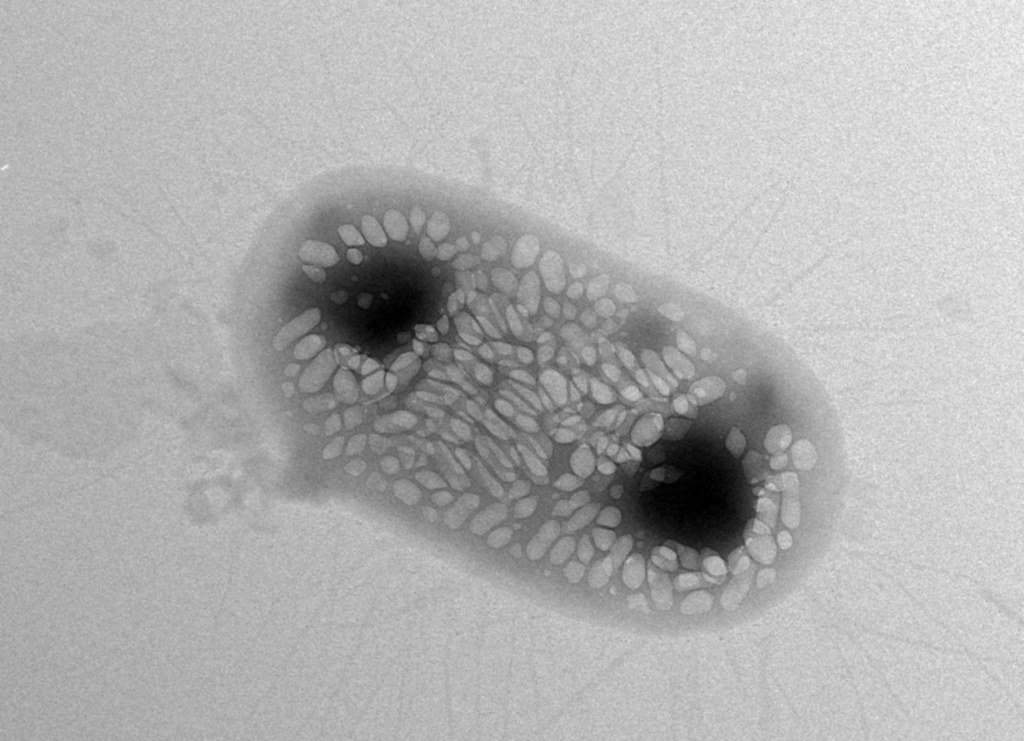
A genetically engineered bacterium.

Genetic Engineering: Should We Use CRISPR to Alter Animals and Plants to Adapt to Climate Change?

Trizzy Orozco

Genetic engineering is a scientific breakthrough that has revolutionized our understanding of biology. At its core, it involves the manipulation of an organism’s DNA to alter its characteristics. CRISPR (Clustered Regularly Interspaced Short Palindromic Repeats) is a cutting-edge technology that has emerged as one of the most precise tools for genetic engineering. Originally discovered in ...

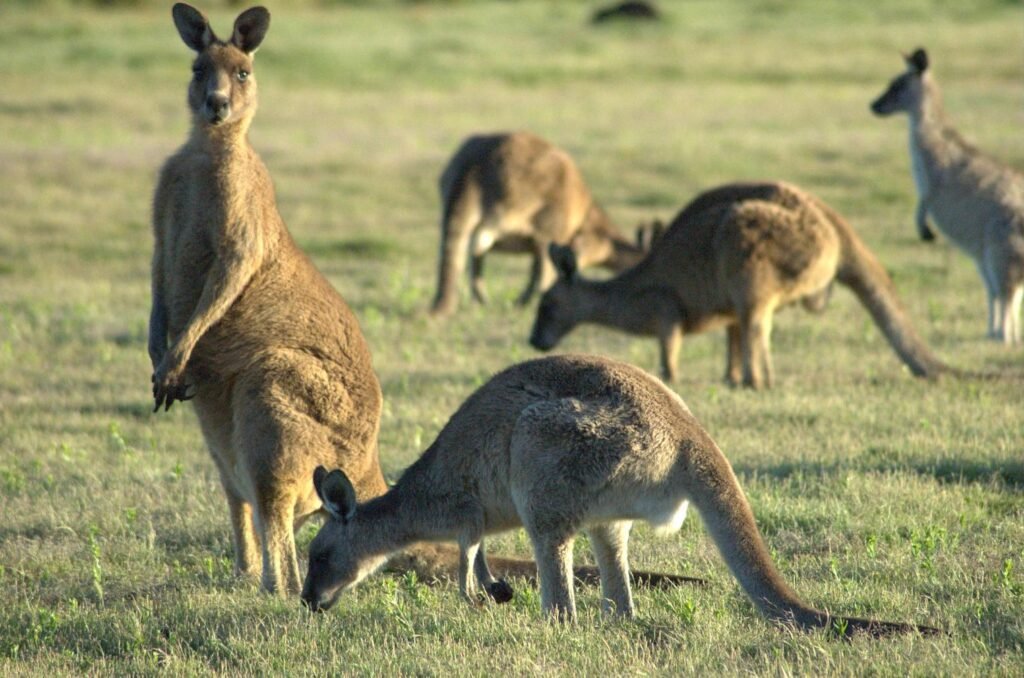
Comparing Kangaroo Eye Communication to Other Animals

When Conservation Backfires: The Animals That Became Too Many

Trizzy Orozco

Imagine working tirelessly to save a species from extinction, only to wake up one morning and realize the very animals you fought to protect are now overwhelming their environment. It’s a twist no one expects: conservation efforts that swing so far in the right direction, they tip the balance in the wrong one. Nature, after ...

Birds resting on a sandhill.

How Wildlife Corridors Help Maintain Biodiversity in Fragmented Habitats

Trizzy Orozco

Wildlife corridors are stretches of natural habitat that connect isolated patches of ecosystems. They play a crucial role in facilitating the movement of animals and the flow of genetic material between fragmented habitats. As human activities increasingly fragment natural landscapes, wildlife corridors have emerged as a vital conservation tool to maintain and enhance biodiversity. The ...

amur siberian tiger

How the Loss of Apex Predators Affects Entire Ecosystems

Apex predators, the organisms at the top of the food chain, play a crucial role in maintaining the balance of ecosystems. These animals, which include species like wolves, sharks, tigers, and eagles, regulate the populations of other species, thereby ensuring biodiversity and ecosystem stability. Their presence can even influence the characteristics of the landscapes where ...