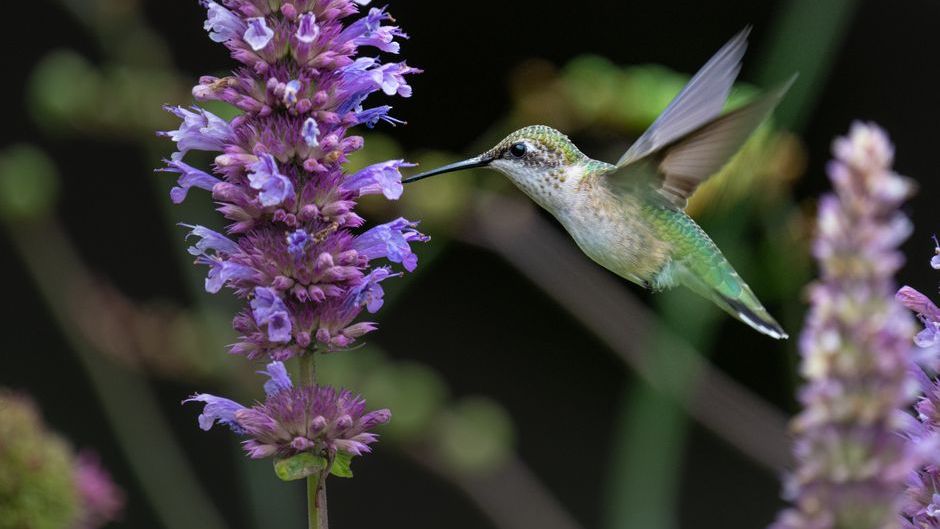

If you’ve ever had a hummingbird hover inches from your face, you know how magical it feels. Those tiny wings, that glittering throat, the way they seem to appear out of nowhere and vanish just as fast – it never really gets old. The fun part is that you do not have to wait for luck; you can actually design your garden so hummingbirds choose your yard again and again, all summer long.
What surprises many people is that hummingbirds are a bit picky. They do not just want any flower; they want specific shapes, colors, and nectar-rich blooms that reward their effort. When you get that mix right, your yard becomes a regular pit stop on their flight path. Below are ten reliable garden flowers that hummingbirds are known to visit through summer, along with practical tips so you can actually grow and enjoy them, not just dream about it.
1. Bee Balm (Monarda)
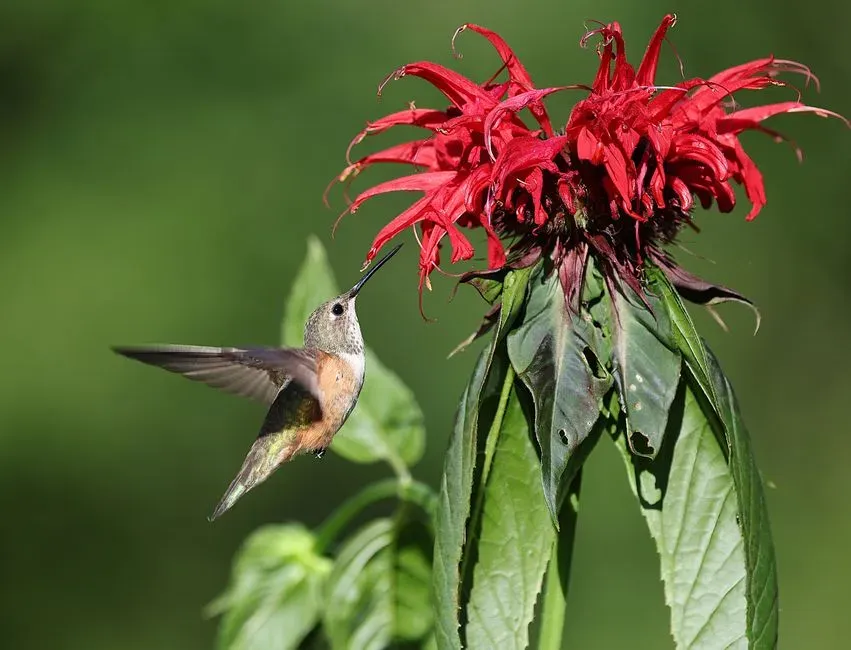
Bee balm is one of those plants that almost feels like it was custom-designed for hummingbirds. The flower heads are made of narrow, tubular petals that stick out in every direction, giving hummingbirds plenty of spots to sip nectar. They’re especially drawn to the red and magenta varieties, but you’ll also see them at pink and purple blooms if those are what you have.
You can grow bee balm in full sun with soil that stays consistently moist but not waterlogged, and it does especially well in informal beds or cottage-style borders. If you live in a humid area, look for modern, mildew-resistant varieties so the foliage stays healthy into late summer. Cut the stems back after the first big bloom, and you’ll usually get a second flush of flowers right when hummingbirds are most active. Once it settles in, bee balm tends to spread, so you may even end up with extra clumps to share or move around the garden.
2. Trumpet Honeysuckle (Lonicera sempervirens)
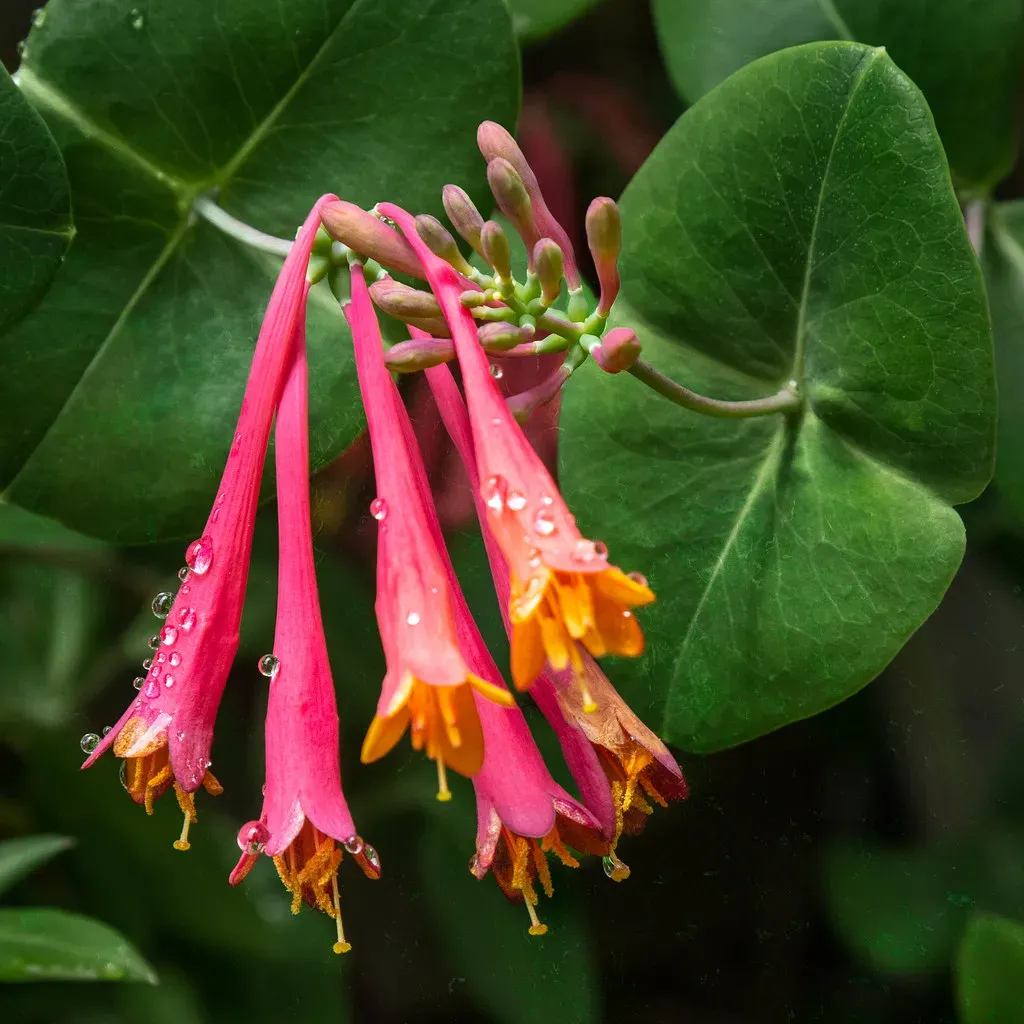
When you picture a hummingbird poking its bill deep into a long flower tube, trumpet honeysuckle is exactly that fantasy in real life. Unlike the invasive Japanese honeysuckle that can choke trees, this native vine is well-behaved and beloved by hummingbirds all summer. The flowers are typically coral-red on the outside with a yellowish interior, forming clusters that hang right at beak level on a fence, arbor, or trellis.
You can train trumpet honeysuckle up a sturdy structure in full sun or light shade, and once established it is surprisingly tough. Give it regular water while it’s young, then gradually back off as the roots dive deeper; it will respond by blooming reliably year after year. If you prune lightly right after the main flush in late spring or early summer, you encourage fresh growth that keeps flowers coming. Paired with other hummingbird favorites below, a single vine can turn an ordinary fence line into a living fueling station.
3. Salvia (Sage), Especially Red and Purple Varieties
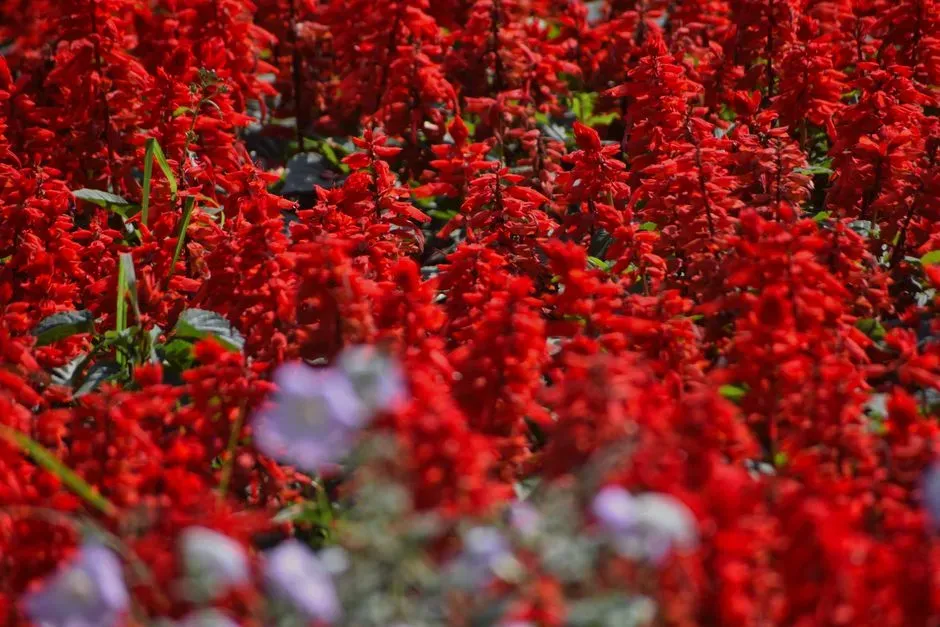
Salvia might be the easiest way to say to hummingbirds, “This place is open for business all season.” Many ornamental salvias, especially red, fuchsia, and deep purple ones, produce long spikes of tubular blossoms that hummingbirds repeatedly work from bottom to top. Some types are perennial in warmer climates, while in colder areas you might treat them as annuals or replant a few each year.
You can tuck salvias into sunny borders, containers on a deck, or along a path where you want movement and color. They prefer well-drained soil and do not like sitting in water, so err on the side of slightly dry rather than soggy. If you deadhead or lightly shear the spent flower spikes, they respond with fresh blooms, keeping nectar available deep into summer and even early fall. Mix a few varieties with different heights and colors, and you give hummingbirds multiple “courses” to sample in one small space.
4. Cardinal Flower (Lobelia cardinalis)
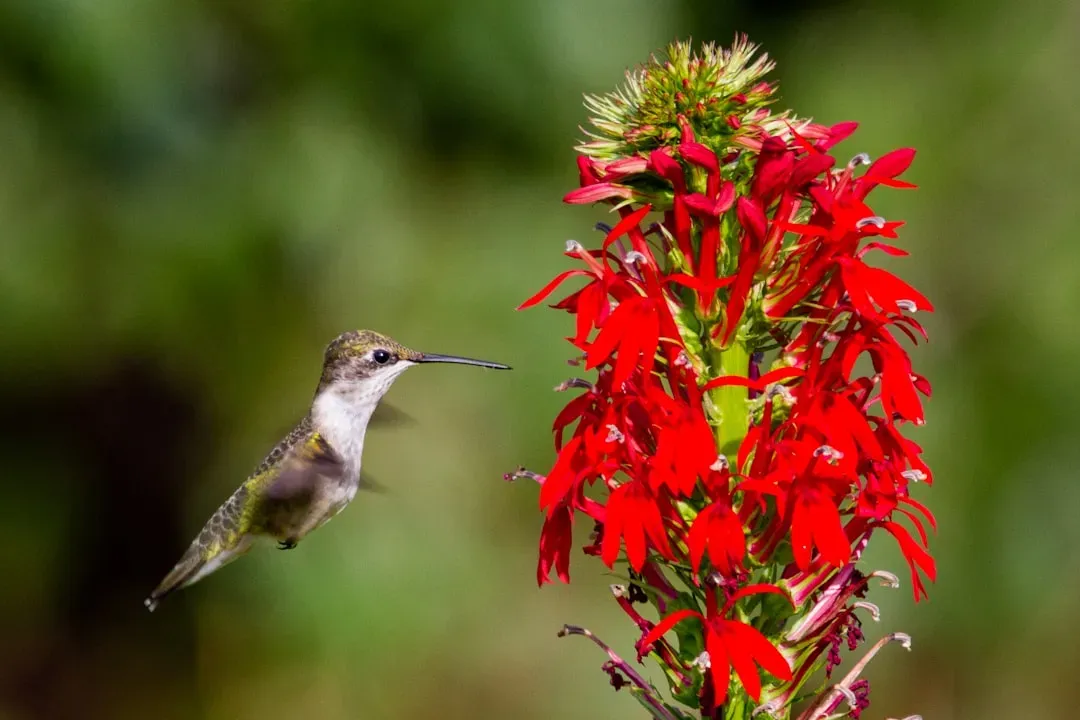
If there is a single flower that screams hummingbird magnet, it is cardinal flower. Those intense scarlet spikes seem almost electric, and hummingbirds spot them from a distance and make a beeline – literally. The tubular florets are packed along tall stems, creating a vertical buffet that birds can work up and down in seconds.
Cardinal flower likes conditions that many garden plants complain about: moist to wet soil and a spot that does not dry out. You can plant it near a pond edge, along a low swale, or in any area that stays consistently damp. It is short-lived as a perennial, but it often reseeds around the original clump if you leave some spent flower stalks standing. By allowing a small patch to form over time, you create a glowing red beacon that hummingbirds quickly learn to revisit every summer.
5. Hummingbird Mint (Agastache)
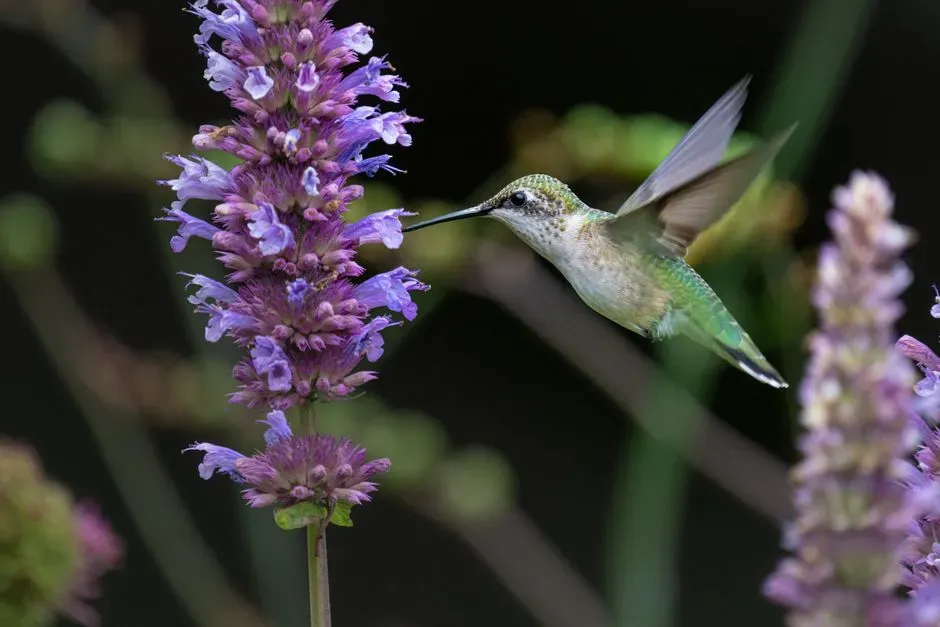
The name says it all: hummingbird mint is widely loved by these birds, but also by bees and butterflies. The flower spikes are made of many tiny tubular blossoms, usually in shades of orange, coral, pink, or purple, and they keep blooming for a long stretch of the hot season. If you touch the foliage, you’ll notice a fragrant, herbal scent that also makes the plant pleasant for you, even when it is not in full bloom.
You can grow Agastache best in full sun with soil that drains quickly, even a bit on the dry side. That makes it a great choice if you’re trying to cut back on watering or garden in raised beds and gravelly spots. The plants often handle heat better than many traditional perennials, so they keep flowering when others start to fade. If you plant a small drift rather than a single stem here and there, hummingbirds have a reason to linger and weave between the spikes like tiny helicopters.
6. Trumpet Vine (Campsis radicans)
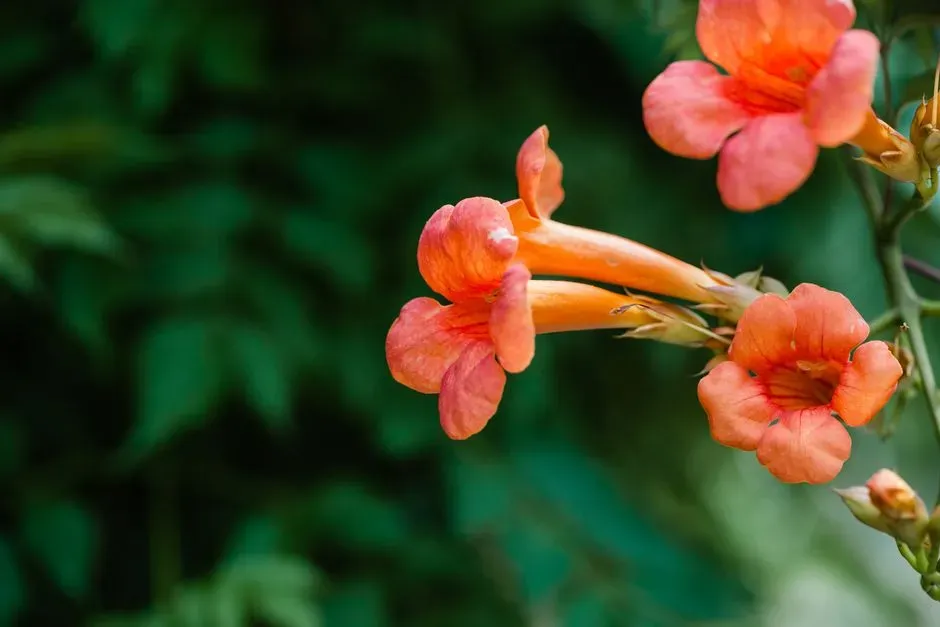
Trumpet vine is one of the most dramatic hummingbird plants you can grow, and also one you need to treat with respect. The big, flared, orange-red trumpets are exactly the shape hummingbirds love, and they appear in clusters that dangle at just the right angle for easy feeding. When it is in peak bloom, you might see hummingbirds darting between flowers almost constantly, especially in the early mornings and evenings.
Because trumpet vine is a strong grower with vigorous roots, you want to give it a dedicated, sturdy structure like a heavy arbor, fence, or pergola. Avoid planting it right next to delicate siding or small trees, because it can overwhelm them over time. Pruning hard in late winter helps keep it in check and encourages fresh flowering shoots for summer. If you have the space to let it stretch out a bit, it can become the centerpiece of a hummingbird-friendly corner of your yard.
7. Fuchsias (Especially Hardy and Trailing Types)
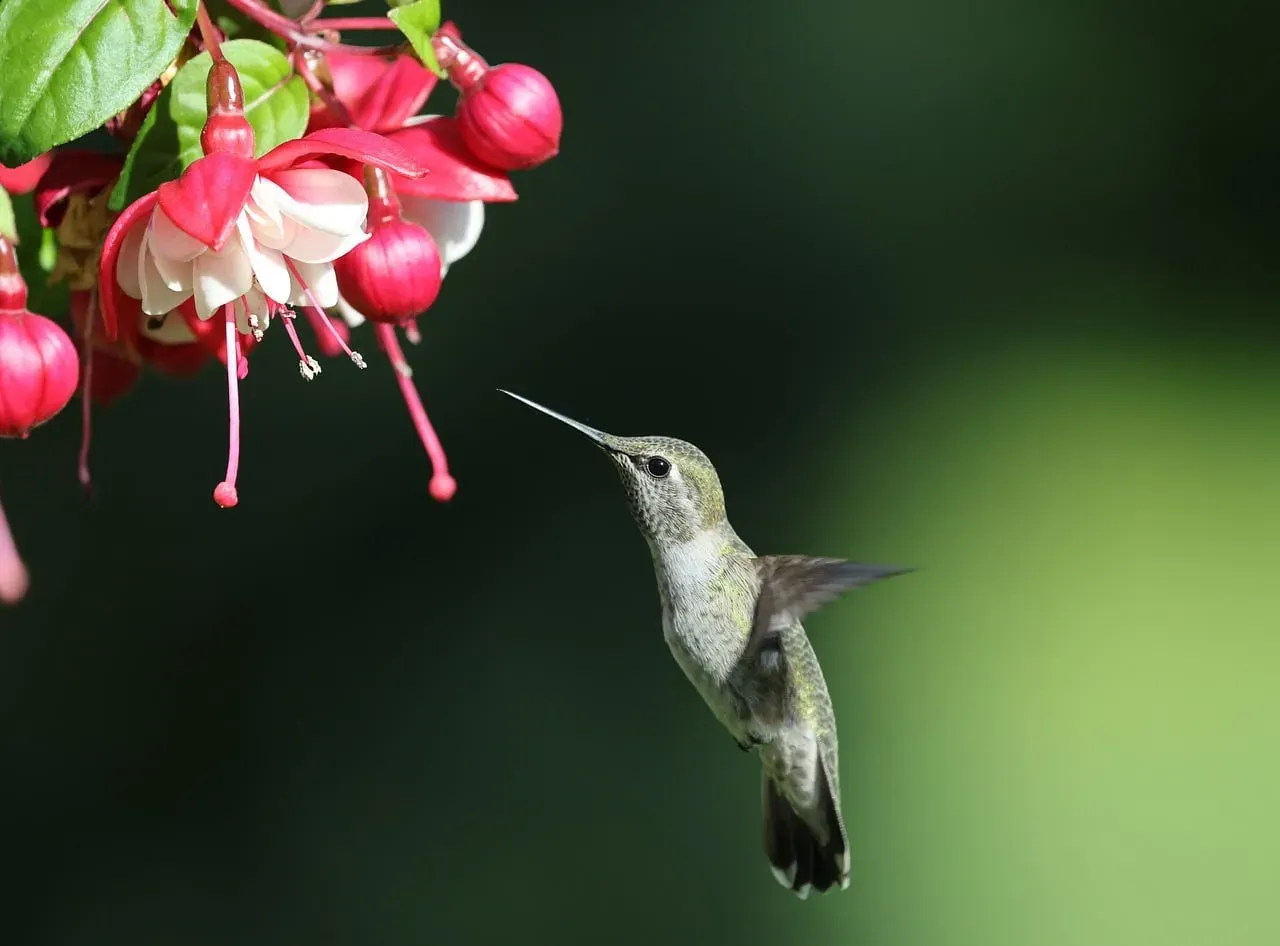
Fuchsias look like little lanterns hanging upside down, and hummingbirds seem to love the way those pendulous flowers dangle in easy reach. Many varieties combine deep pink, purple, red, and white in striking color contrasts, and the long, tubular parts are perfect for a hummingbird’s slender bill. In cooler or coastal climates, hardy fuchsias can bloom over a long season, keeping nectar available well into late summer.
You can grow fuchsias in hanging baskets, tall pots, or shaded borders where they get bright light but are protected from harsh afternoon sun. They appreciate consistent moisture and a bit of extra feeding during the growing season to keep pumping out flowers. If you place a hanging basket near a window or porch, you might find hummingbirds hovering just a few feet from where you sit with your morning coffee. As long as you avoid letting the soil bone-dry, they reward you with a steady parade of color and tiny visitors.
8. Columbine (Aquilegia)
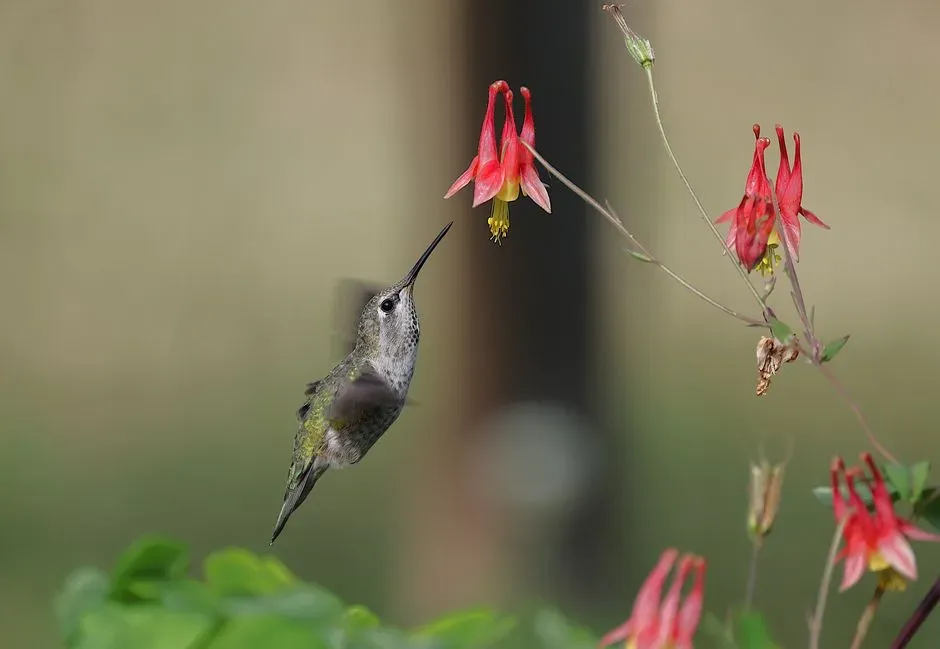
Columbines bloom earlier in the season than some other plants on this list, but many varieties keep flowering into early and even mid-summer, bridging that gap when hummingbirds are ramping up their activity. The flowers have long spurs that act like nectar reservoirs, which hummingbirds can easily access with their specialized tongues. Red, pink, purple, and bicolor columbines are especially attractive, but even softer tones can draw birds in if they are part of a larger, inviting garden.
You can tuck columbines into partial shade or spots that get morning sun and afternoon shade, making them handy for those in-between areas where full-sun plants struggle. They prefer soil that drains well but does not dry out completely, and once established they will often self-sow modestly, giving you new plants without much effort. If you leave a few seed heads intact, you’ll likely see seedlings pop up in nearby cracks and corners. Over a few seasons, your spring and early summer garden can develop a natural, woodland feel that hummingbirds quickly learn to explore.
9. Zinnias
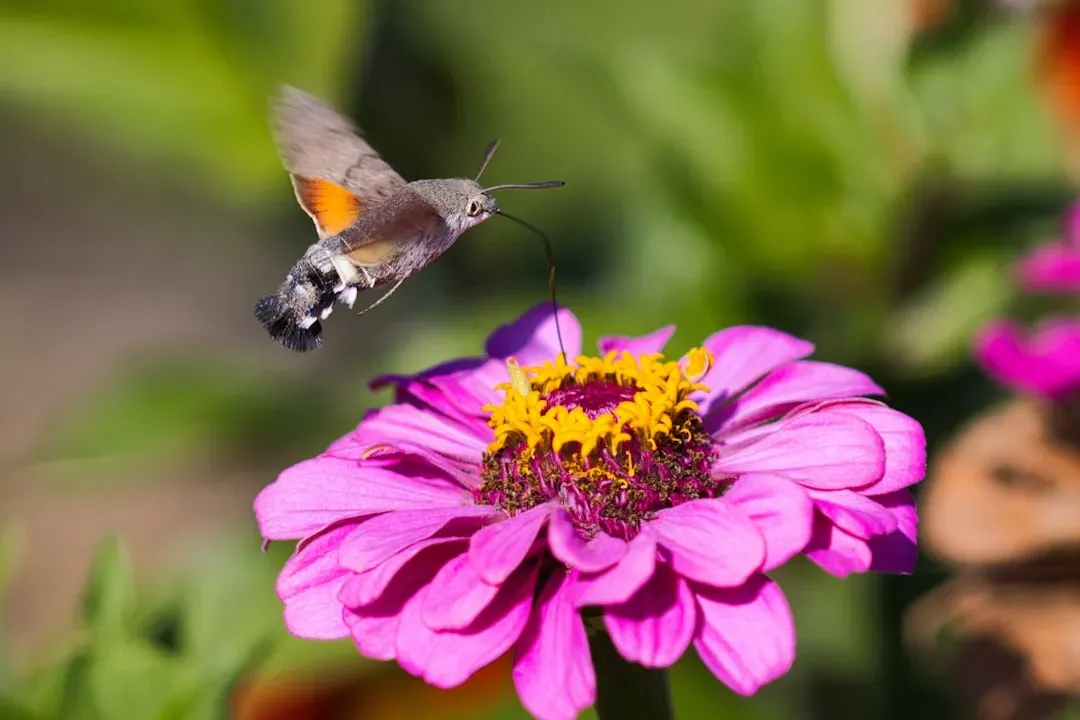
Zinnias are not always the first flowers people think of for hummingbirds, but the taller varieties with larger, open blooms can be surprisingly popular. While the flowers are not tubular, they offer easy nectar access and bright colors in reds, oranges, pinks, and purples that hummingbirds notice. You might see birds visit zinnias between trips to more obviously tubular flowers, almost like grabbing a quick snack on the way.
One advantage of zinnias is how simple they are for you to grow from seed. You can sow them directly into the ground after frost or start them in small pots, and as long as they get full sun and decent drainage, they tend to thrive. By deadheading or cutting flowers for indoor bouquets, you encourage more blooms, stretching the display well into late summer. A mixed patch of tall zinnias also attracts butterflies and other pollinators, turning a simple bed into a buzzing, fluttering scene that feels alive every time you walk by.
10. Petunias (Especially Single, Trumpet-Shaped Types)
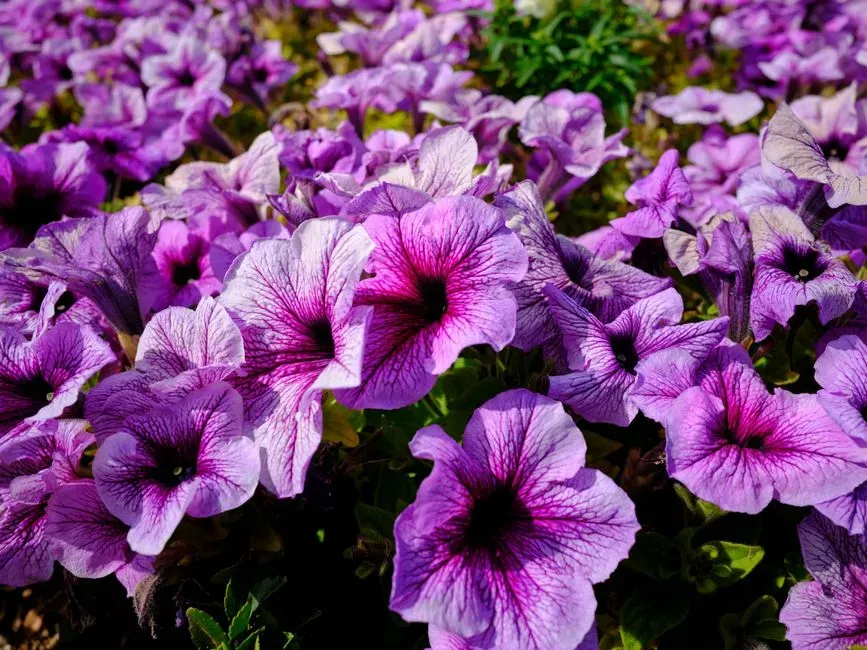
Petunias are one of those everyday flowers that many people plant for color without realizing hummingbirds are quietly using them too. The classic single-flowered types with open, trumpet-shaped blossoms in bright reds, pinks, and purples can be quite appealing to hummingbirds. You often see birds hovering over a well-planted window box or railing planter, dipping in for a quick sip before zipping off to the next stop.
You can use petunias almost anywhere: hanging baskets, planters on steps, borders along a walkway, or large mixed containers. They flourish in full sun with regular watering and benefit from periodic feeding to stay lush and floriferous into late summer. If you pinch back leggy stems and remove spent blooms, they respond by branching and producing more flowers. When combined with a few of the more specialized hummingbird magnets above, petunias help fill in the visual gaps and ensure there is always something in bloom within easy reach.
Bringing It All Together: Designing Your Summer Hummingbird Haven
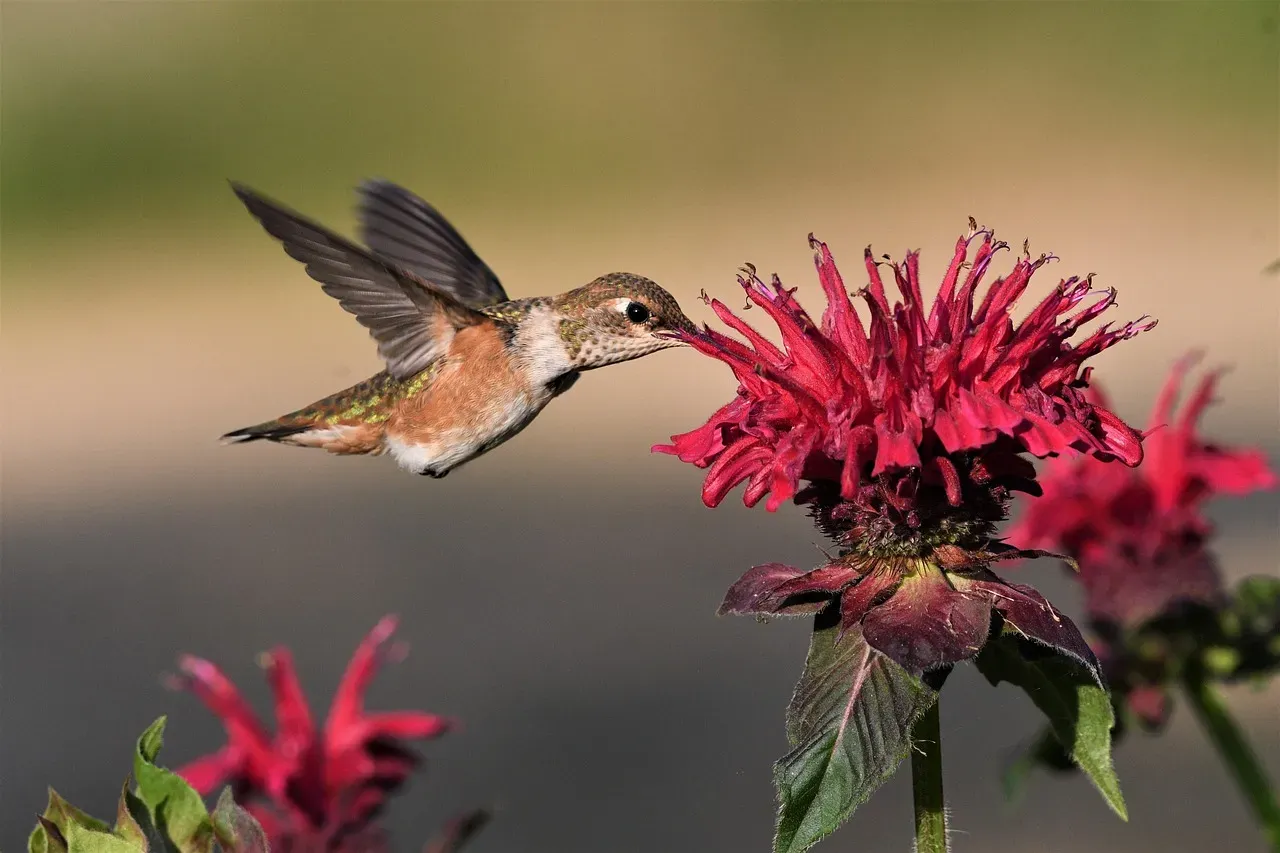
When you look at these ten flowers together, you can start to imagine how your yard might feel if you layered them thoughtfully. Tall spikes of cardinal flower or Agastache can rise in the back, with salvias, bee balm, and zinnias filling the middle, while petunias and columbines soften the edges. Vines like trumpet honeysuckle and trumpet vine can climb fences or trellises, and baskets of fuchsias can hang where you’ll actually see the birds from a chair or kitchen window.
The real magic happens when you think in terms of seasons and layers rather than single plants. Early-season columbines lead into summer-long bee balm and salvias, backed up by vines and long-bloomers like Agastache and petunias, so hummingbirds never find an empty table. Add a shallow water source and avoid pesticides, and you turn your garden into a safe stopover, not just a pit stop. Once the birds learn your yard offers reliable food and shelter, they tend to return year after year – so the real question is, which flower will you plant first to welcome them in?