Blog

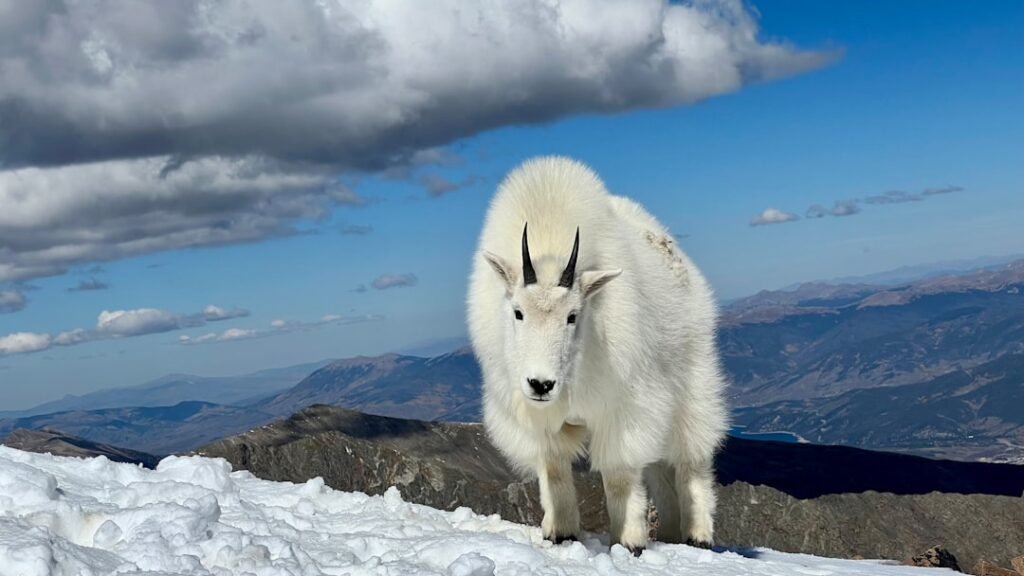
goat

Study Shows That Goats Can Tell If You Are Happy Or Mad

Research shows that goats can differentiate between happy and angry human voices. Not only that, but they tend to respond more positively to happy tones, demonstrating an understanding of emotional cues! Let’s learn about how this discovery adds to our knowledge of animal cognition and their ability to interpret human emotions. How the Study Was ...
12 Surprising Facts About the Arctic Fox Living in Alaska's Wilderness

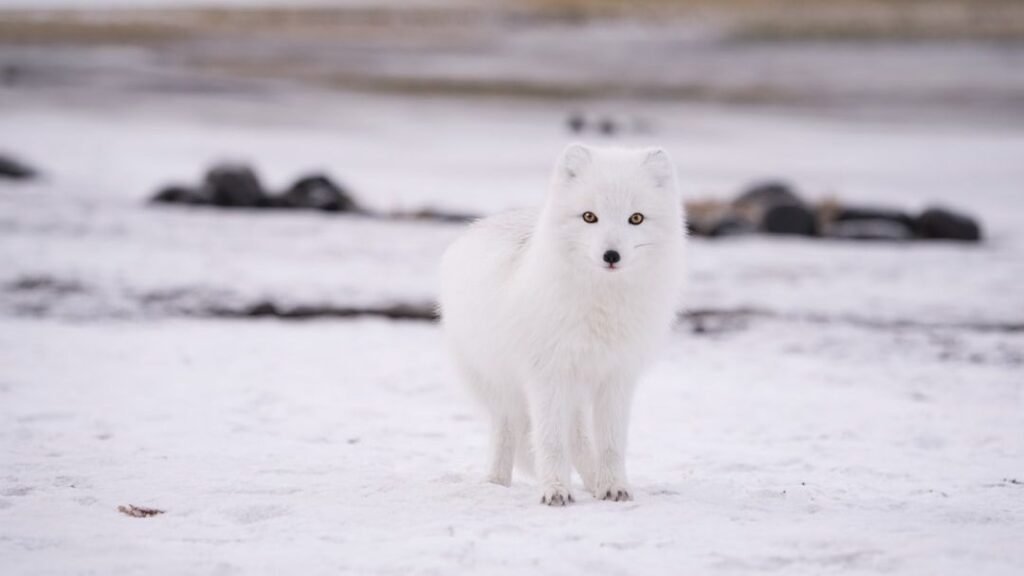
12 Surprising Facts About the Arctic Fox Living in Alaska’s Wilderness

Andrew Alpin

Picture a creature so perfectly adapted to frozen landscapes that it doesn’t even begin to shiver until temperatures plummet far below what would kill most mammals. You’re about to meet one of Alaska’s most remarkable survivors, thriving where few animals dare to venture. These small but mighty foxes roam across the state’s treeless coastal tundra, ...

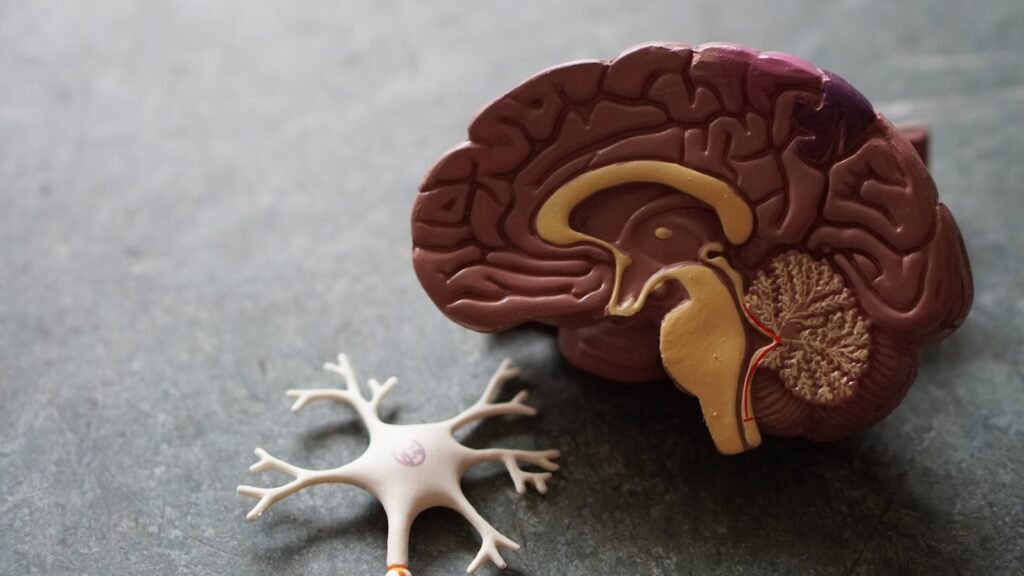
human brain toy

The Human Brain Can Store More Information Than the Internet Combined

Suhail Ahmed

  Somewhere behind your eyes, in a space smaller than a shoebox, sits a living network with an estimated storage capacity of 2.5 petabytes. That sounds like science fiction, yet neuroscientists are steadily uncovering just how absurdly efficient the human brain is at packing, compressing, and reshaping information. At a time when cloud storage farms ...

Scientific Breakthrough: Colossal Squid Filmed Alive After 100 Years of Mystery

Jan Otte

A translucent juvenile colossal squid, the legendary “kraken” of Antarctic waters has been captured on video for the first time, solving a century-old marine mystery. The Shot That Rewrote Marine Biology On March 9, 2024, an ROV named SuBastian made history 600 meters deep near the South Sandwich Islands: “This is like finding a unicorn, ...

Honeybee in a sunflower.

Exploring the Potential of Bees to Detect Lung Cancer

Andrew Alpin

In an intriguing development, a study published in Biosensors and Bioelectronics suggests that honeybees might play a surprising role in detecting lung cancer at an early stage. This research highlights the role of “odorants”—tiny, volatile molecules that move through the human body and may carry crucial information about diseases, including cancer. Tiny Messengers in Our ...

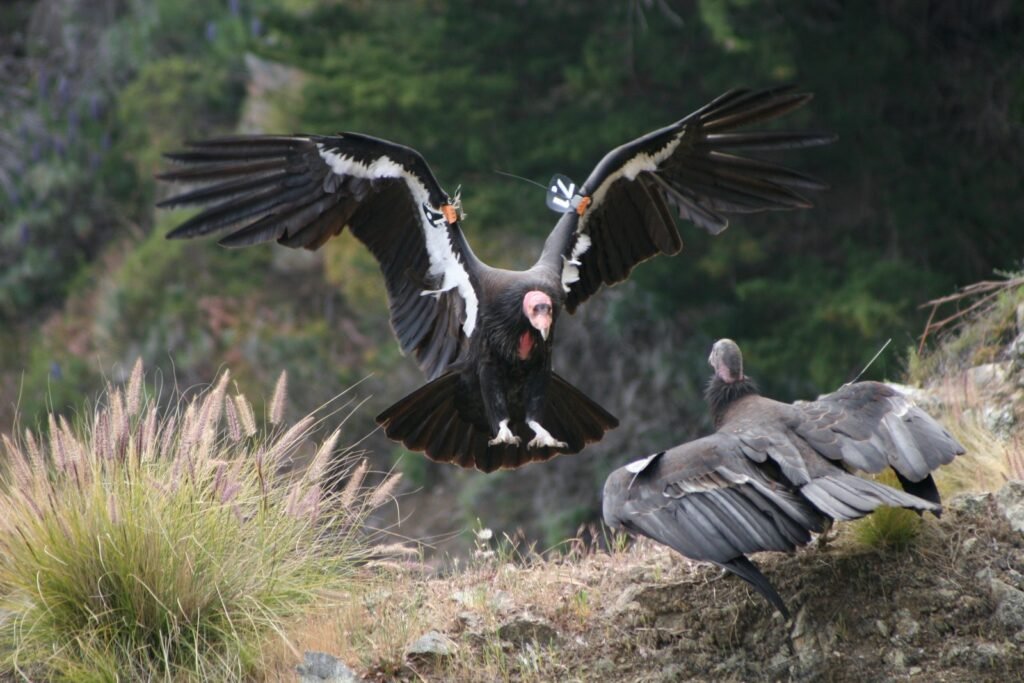
two birds fighting during daytime

6 Reasons The California Condor is a Critically Endangered Raptor

Suhail Ahmed

  High over the canyons of California, a bird with a ten-foot wingspan once ruled the thermals like a living relic from the Ice Age. Today, that same species survives only because of round-the-clock human intervention, bar-coded ID tags, and emergency trips to veterinary hospitals. The California condor is one of North America’s great wildlife ...

7 Ways Animals Adapt to Extreme Environments Around the World

7 Ways Animals Adapt to Extreme Environments Around the World

Andrew Alpin

Life exists in the most improbable corners of our planet. From the scorching sands of the Sahara to the frozen depths of the Antarctic, animals have found ways not just to survive, but to flourish where conditions seem impossibly harsh. You might think these environments would be lifeless, yet they pulse with creatures that have ...

siberian tiger

The Last Stripes: Tiger Population Continues to Decline

Andrew Alpin

Tigers populations have faced decades of habitat destruction, poaching, and human-wildlife conflict, leading to a dramatic decline in their numbers. Today, they are among the most endangered species on Earth. The tiger’s plight is a sobering reminder of how swiftly a species can plummet toward extinction when human activities go unchecked. The Numbers There are ...

Massive Discovery in the Human Brain Could Be the Reason We Age So Quickly

On August 26, 2024, scientists revealed a surprising discovery: strange DNA sequences, previously unknown, have been found in the human brain. These sequences, referred to as “jumping genes” or transposons, might be affecting our health in ways we never imagined. This new finding has sparked curiosity and concern in the scientific community, as researchers explore ...