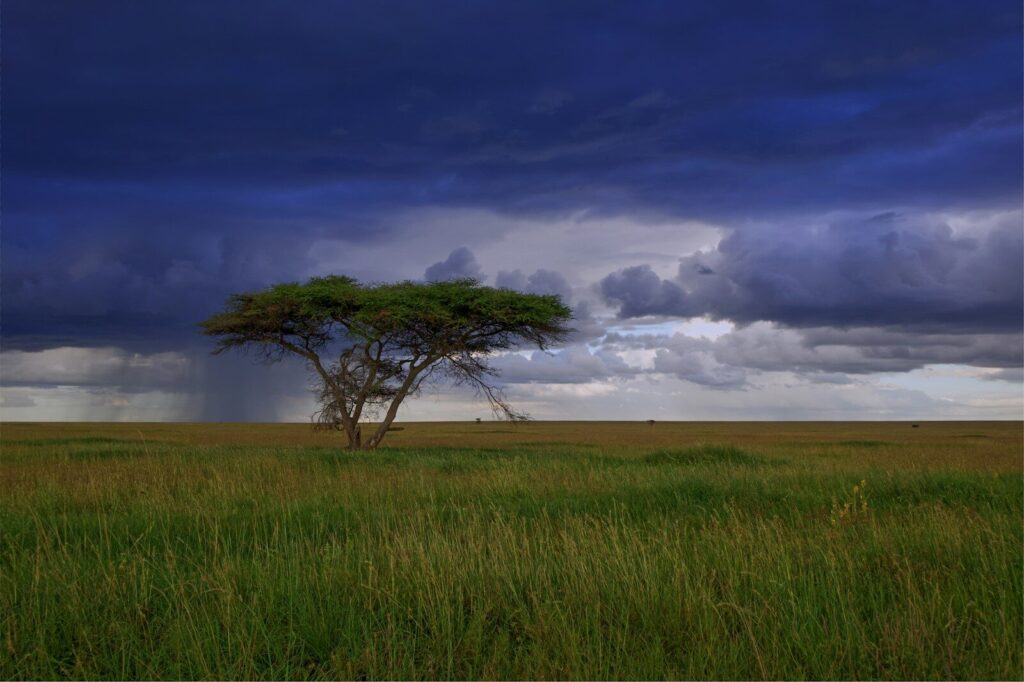
Imagine standing in the middle of the Sahara and, instead of endless sand and scorching heat, you’re surrounded by lakes, hippos, tall grasses, and even people herding cattle under a cloudy sky. It sounds like a fantasy scene from a movie, but it is one of the most striking truths earth science has uncovered about North Africa. The Sahara, the world’s largest hot desert, has actually flipped back and forth between a dry wasteland and a lush green landscape many times.
This idea is not just a fun fact for trivia night. It challenges how we think about “permanent” climates, stable landscapes, and even the future of our own societies. If something as iconic and seemingly eternal as the Sahara can change so dramatically, what does that say about the rest of the planet – and about what might be coming next?
The Shocking Truth: The Sahara Was Once Green, Wet, and Full of Life
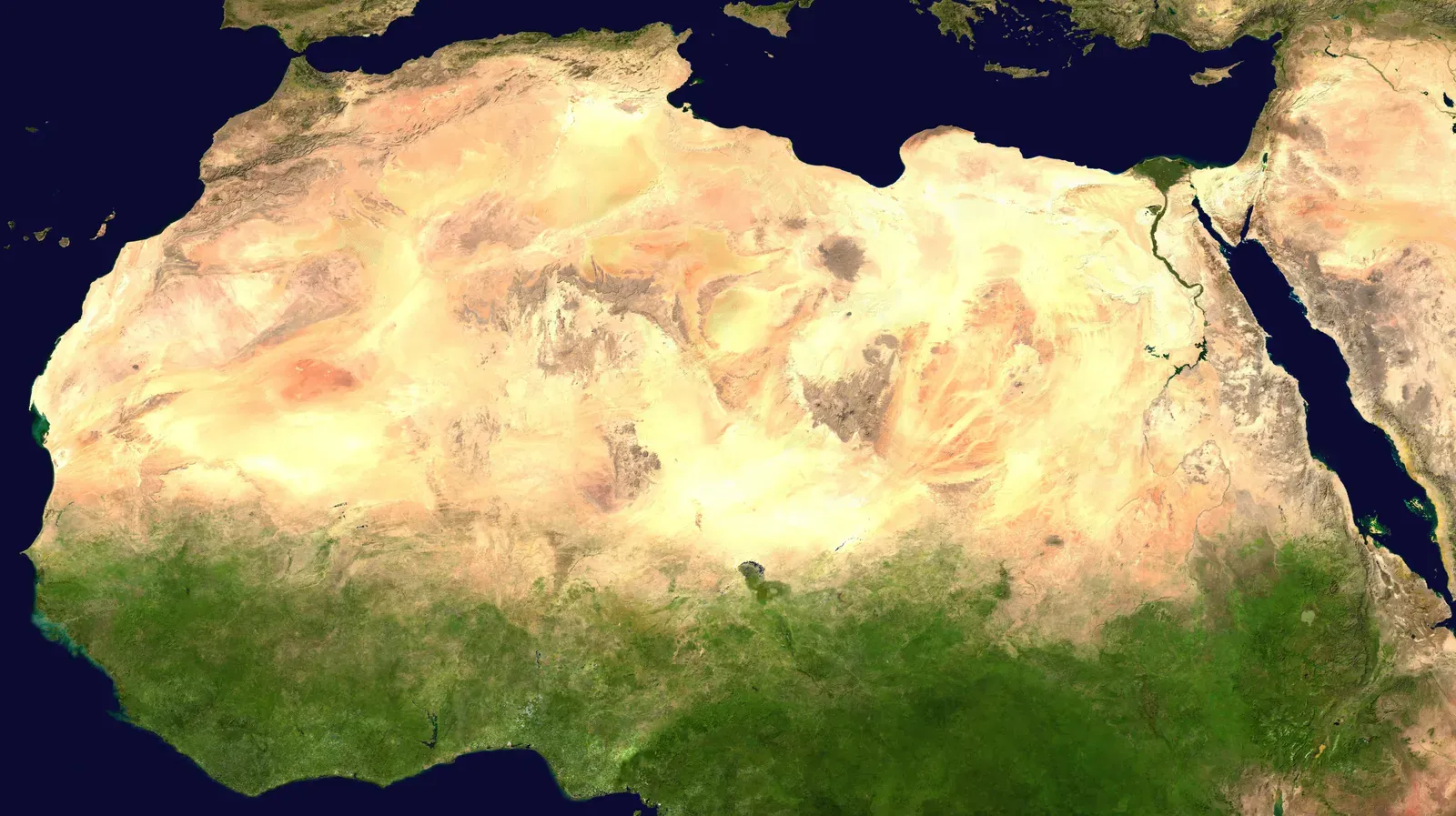
It is genuinely jarring to realize that, only a few thousand years ago, parts of the Sahara were covered in savannas, rivers, and lakes that could rival modern East Africa. Fossil evidence reveals hippos, crocodiles, fish, and antelope in areas that are bone-dry sand today. Ancient shorelines still trace out long-vanished lakes on satellite images, hinting at a landscape that would feel almost unrecognizable compared to the dunes we picture now.
Archaeologists have also found rock art showing people swimming, fishing, and tending cattle in what is now desert. That means there were communities who lived through this greener Sahara, building cultures around water and grass instead of surviving on the edges of oases. When you realize that this lush phase existed well within the span of human history – not some distant dinosaur age – it makes the present-day desert feel less like an eternal fact and more like one chapter in a long, dramatic story.
Orbital Rhythms: How Subtle Wobbles in Earth’s Path Green the Desert
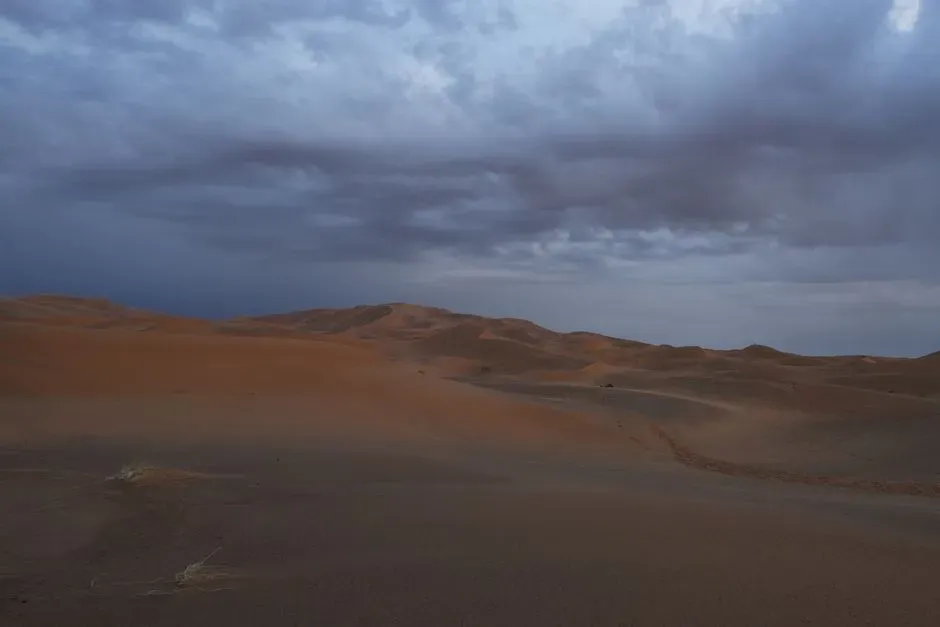
The main driver behind the Sahara’s wild transformations is not magic or mystery – it is orbital mechanics. Earth does not move around the Sun in a perfectly fixed way; its orbit and tilt shift slightly over tens of thousands of years in predictable cycles. These changes alter how much solar energy different parts of the planet receive, especially during summer in the Northern Hemisphere. When summers in the north are stronger and warmer, tropical rain belts tend to push farther north.
During these “wet Sahara” phases, the African summer monsoon – basically a huge system of rain-bearing winds – is strengthened and shoved deeper into North Africa. Instead of rain stopping roughly where the Sahel is today, those storms can power into what is now the heart of the Sahara. With enough rainfall year after year, dry sand plains turn into grasslands, lakes form in low spots, and a whole ecosystem snaps into place. Then, as the orbital configuration slowly changes again, the monsoon weakens and retreats, and the region drifts back toward dryness.
From Sand to Savannah: How Vegetation and Rainfall Reinforce Each Other
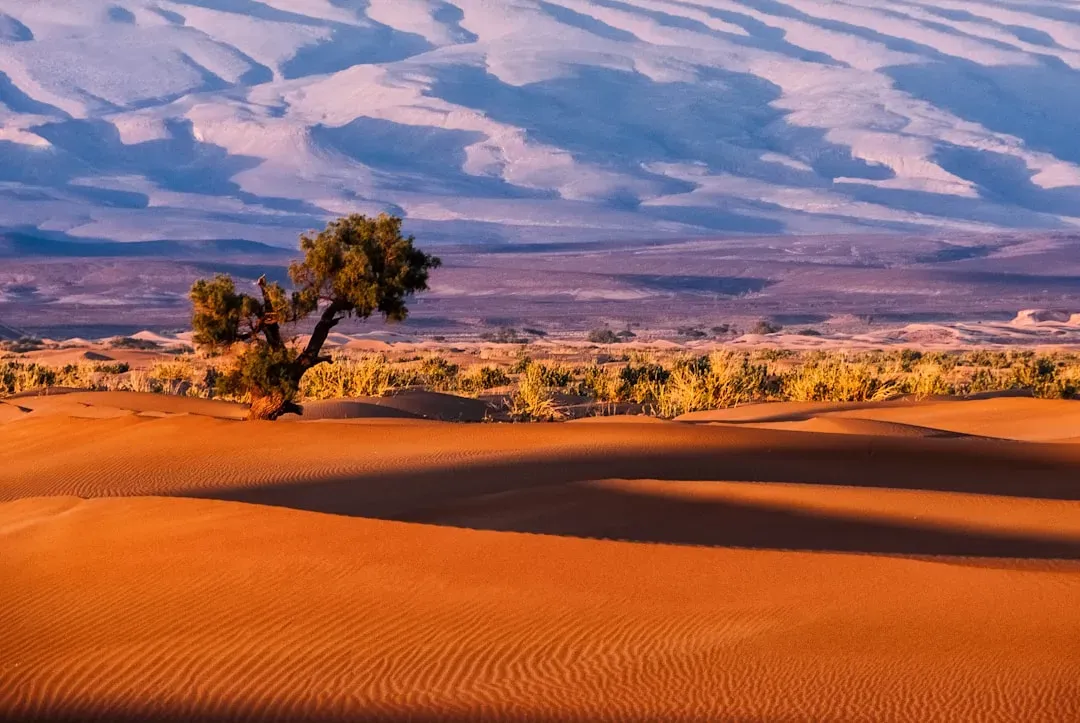
Once rain starts to return to the Sahara, vegetation does not just passively show up – it actively helps keep the region wetter. Plants absorb sunlight and release water vapor, which tends to cool the land surface slightly and feed more cloud formation. Darker, vegetated surfaces also absorb more heat than bright sand, which can strengthen low-pressure systems that draw in moist air. In simple terms, more plants can mean more chances for rain, and more rain means more plants, in a powerful feedback loop.
On the flip side, when the climate tips back toward dryness, vegetation begins to die off, and the land surface becomes brighter and more reflective. That tends to reduce local heating and weaken rising air currents that would normally help clouds form. The system can then slide quite abruptly from a relatively green, semi-humid state to a dry desert, even if the change in orbital forcing is gradual. This “tipping point” behavior is one reason climate scientists pay such close attention to the Sahara: it is a reminder that Earth’s climate does not always change smoothly or gently.
People of the Green Sahara: Lakes, Cattle, and Sudden Collapse
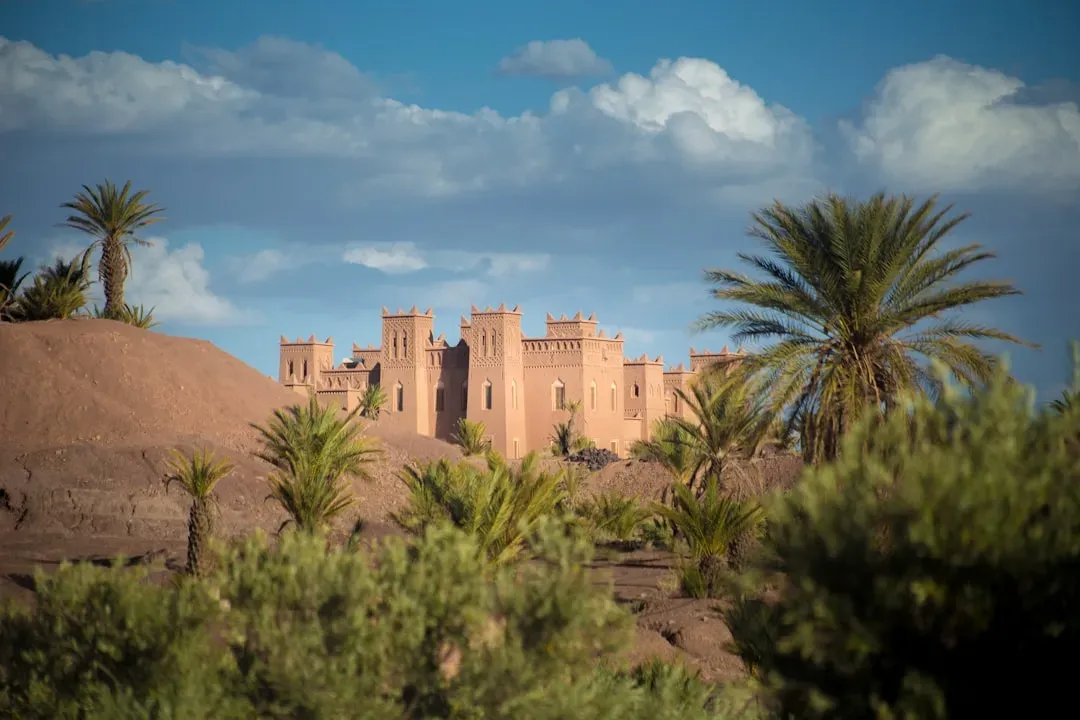
One of the most haunting parts of this story is that people were there to experience the Sahara’s greener phases firsthand. Archaeological sites show evidence of hunter-gatherers and later pastoralist communities who thrived around lakes and rivers. They left behind pottery, tools, and art that reflect a life closely tied to water, fish, and grazing animals. For them, the Sahara was not a barrier; it was a habitable landscape, a home.
But as rainfall declined and lakes shrank, these communities could not simply stay put and wait it out. The shift toward aridity forced migrations, cultural changes, and probably a fair amount of conflict and stress. Many researchers think that the slow death of the Green Sahara helped push populations toward the Nile Valley and other more stable water sources, setting the stage for new societies and political systems. It is hard not to see echoes of our own era in this ancient climate-driven reshuffling of where people can live and how they survive.
How Scientists Reconstruct a Lost Green World from Mud, Fossils, and Dust
So how do we know any of this happened when there were no satellites, no weather stations, and certainly no phones around to document it? The answer lies in the layers of mud at the bottom of lakes and oceans, in fossil bones, and in tiny grains of pollen and dust. Sediment cores pulled from beneath the Sahara’s former lakes reveal transitions from wet-loving organisms and fine, lake-deposited particles to coarser, wind-blown sand as conditions dried. At the same time, marine sediments off the West African coast record changes in the amount and type of dust sweeping out of the interior.
Scientists also analyze ancient pollen grains preserved in these sediments, which act like time capsules of past plant life. When pollen from grasses and savanna trees dominates, it points to greener, wetter landscapes; when desert shrubs and almost no plant material appear, it signals the opposite. Combining this with isotope data from lake shells and stalagmites in nearby caves, along with climate models, researchers can piece together a surprisingly detailed picture of when and how the Sahara switched states. It is like reconstructing a lost movie from a pile of film fragments, and slowly the plot comes into focus.
On a more personal note, the first time I saw images of ancient shorelines etched into the Sahara’s bedrock, it shifted how I think about stability. What looks timeless in a photo today is, in geological terms, a fleeting moment. That realization sticks with you.
The Sahara’s Past and Our Future: Climate Tipping Points in a Warming World
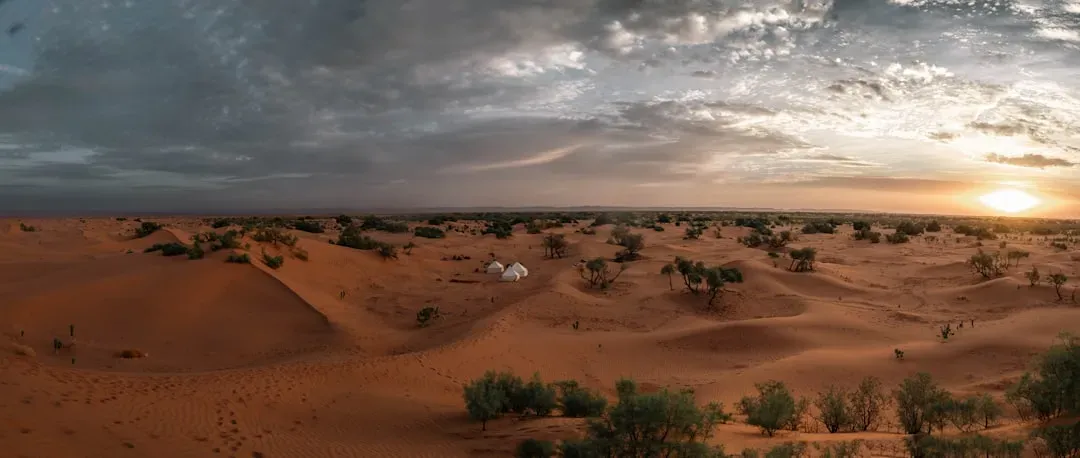
It is tempting to assume that, because the Sahara’s Green–Desert cycles were mostly driven by orbital changes, they are not relevant to modern, human-driven climate change. That would be a mistake. The Sahara is a clear, dramatic case of how regional climates can flip between very different states when pushed past certain thresholds, and how vegetation, atmosphere, and human societies all entwine in that process. The exact triggers today are different, but the underlying lesson about tipping points and feedbacks remains painfully relevant.
Some climate models suggest that continued warming and changes in global circulation might alter the position and strength of the African monsoon again, though not necessarily in a way that simply “greens” the Sahara nicely for us. Instead, shifts could be patchy, unstable, and disruptive, with some areas getting intense new rains and others becoming even drier. My own view is that the Sahara’s story is a warning label: large landscapes can change in ways that feel impossible – until they suddenly happen. The real question is not whether Earth can change; it is whether we are willing to act before the next big shift catches us off guard.
Conclusion: A Desert That Refuses to Stay in One Shape
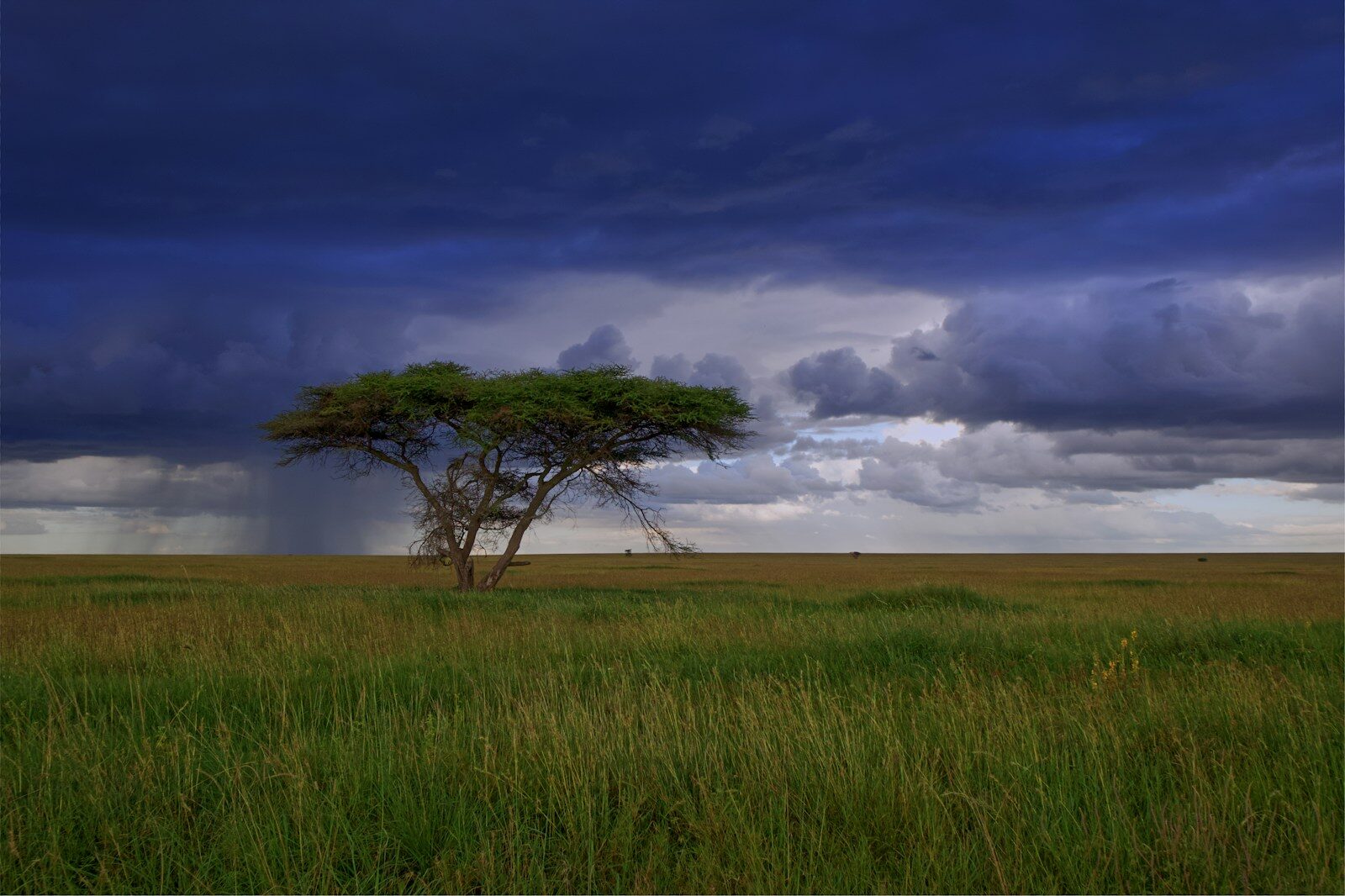
The idea that the Sahara has flipped between desert and green grassland again and again forces us to abandon the illusion that the world we know is fixed. This vast sand sea, which we often use as a symbol of emptiness and permanence, has actually been a restless actor in Earth’s climate theater, sometimes a thriving savanna, sometimes a dusty desert, never truly at rest. That constant reinvention is both fascinating and unsettling, especially when you remember that people like us once fished, farmed, and moved through those now-barren spaces.
In my opinion, the Sahara’s past is not a comforting story; it is a challenge. It tells us that huge environmental changes can unfold over timescales that matter to human societies and that ignoring slow-building shifts is a dangerous kind of denial. If a landscape as iconic as the Sahara can transform so completely, then no coastline, forest, or city is as secure as it might feel today. The real question is whether we treat this knowledge as a fascinating bit of trivia – or as a wake-up call. Which will it be for you?