For most of human history, we treated animals like living machines: reacting, not really feeling; moving, but not really knowing. Yet over the last few decades, evidence has been quietly stacking up that this view is not just outdated, it’s deeply wrong. From octopuses that solve puzzles like escape artists to rats that seem to show regret, science is forcing us to reconsider what it actually means to be conscious.
This shift is uncomfortable and thrilling at the same time. If animals have richer inner lives than we assumed, then every farm, zoo, lab, and living room looks different overnight. The story is not that they’re “just like us” in every way; they’re not. The story is that many of them may have their own kinds of awareness, their own point of view on the world. And once you see it, you can’t really unsee it.
The Old View: Animals As Simple Machines Is Crumbling
Not long ago, plenty of scientists openly argued that animals couldn’t really feel pain or emotions the way humans do. They might yelp or run away, but that was framed as a reflex, not an experience. This mechanical view traces back to early thinkers who saw animals as biological clocks: impressive, intricate, but empty on the inside. It made life simpler, ethically and practically, because if there was “no one home,” there was less to worry about.
Today, that perspective feels more like a historical artifact than a serious position, at least for many species. Behavior studies, brain imaging, and careful experiments have chipped away at the idea that animals are just pre-programmed puppets. When you see a crow plan several steps ahead or a chimpanzee comfort a grieving friend in a consistent, predictable way, the “just a reflex” story starts to sound thinner and thinner. We’re discovering that what once looked like simple reactions may actually be the tip of a deeper mental iceberg.
What Do Scientists Even Mean By Consciousness?
Part of the confusion comes from the fact that consciousness itself is notoriously hard to define. Most researchers are not claiming that animals write sonnets in their heads or ponder the meaning of existence. Instead, they’re asking whether there is something it feels like to be that animal: to see, to hurt, to enjoy, to choose. In simple terms, when a dog limps on an injured leg, is there an inner experience of pain, or is it just input-output wiring?
Scientists look for clues in behavior and brains. Does the animal pay attention, make choices, remember, and adjust its actions in flexible ways? Does its brain have structures and activity patterns that look similar to those known to support consciousness in humans? The answers are often not black-and-white, but taken together they increasingly point toward some level of awareness in many species. It’s less like flipping a single switch and more like discovering a dimmer dial turned up in some animals and down in others.
Brains That Look Surprisingly Familiar
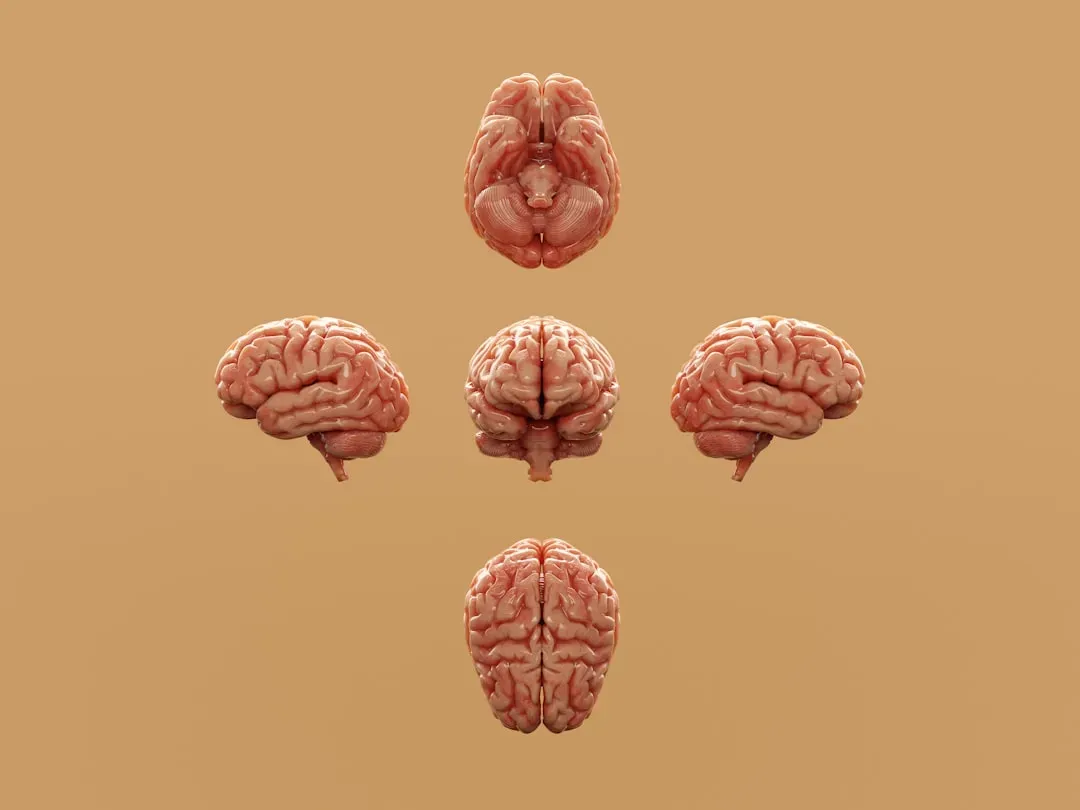
One of the strongest hints that animals might be conscious lies in their nervous systems. Mammals and birds, in particular, have brain regions that are functionally similar to human areas involved in perception, emotion, and decision-making. When a rat feels pain, for example, you don’t just see a flinch; you see coordinated activity in brain networks that strongly resemble what happens in a human brain experiencing discomfort. It’s like discovering another model of the same car with slightly different wiring.
Even in species whose brains look very different from ours, like octopuses, researchers find surprisingly complex neural architectures with rich interconnections. An octopus has more neurons in its arms than many animals have in their entire bodies, and those neurons do more than simple reflexes. This doesn’t prove they’re conscious in the way we are, but it makes the idea that they’re empty biological robots increasingly hard to sustain. Nature seems to have built multiple routes to something like awareness.
Self-Awareness: The Mirror Test And Its Limits
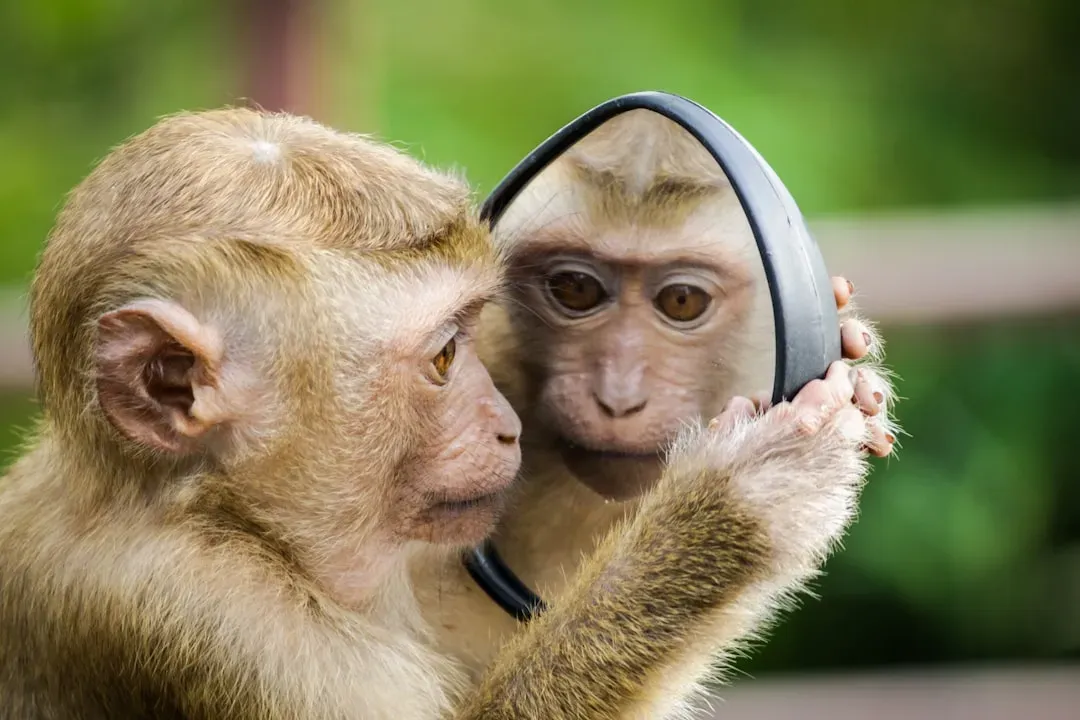
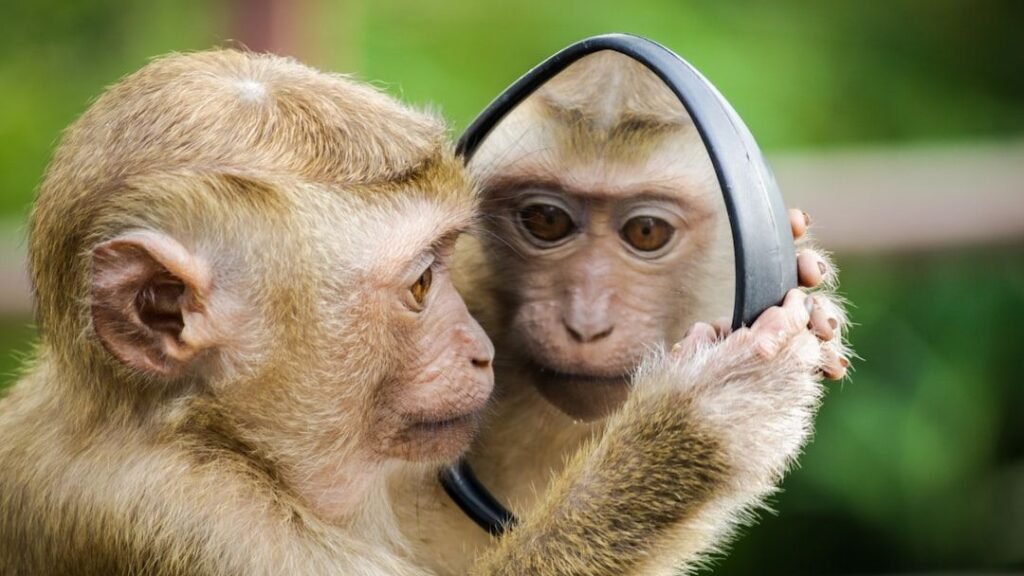
One of the most famous tools used to probe animal consciousness is the mirror self-recognition test. In this setup, an animal gets a mark on its body that it can only see in a mirror. If it then uses the mirror to inspect or touch the mark on itself, that suggests it recognizes the reflection as “me” rather than “another animal.” Great apes, dolphins, elephants, and even some birds like magpies have passed versions of this test, hinting at a form of self-awareness.
But the mirror test is not a final verdict on consciousness, and it has serious limitations. Many animals rely more on smell or sound than on vision, so a mirror might be about as meaningful to them as a silent movie in a foreign language is to us. Failing the test doesn’t mean there’s no inner life, only that this specific human-designed challenge doesn’t fit their way of experiencing the world. It’s a bit like judging everyone’s intelligence by how fast they solve a crossword puzzle: you’ll miss a lot of different kinds of minds.
Emotions: From Joyful Dogs To Empathic Rats
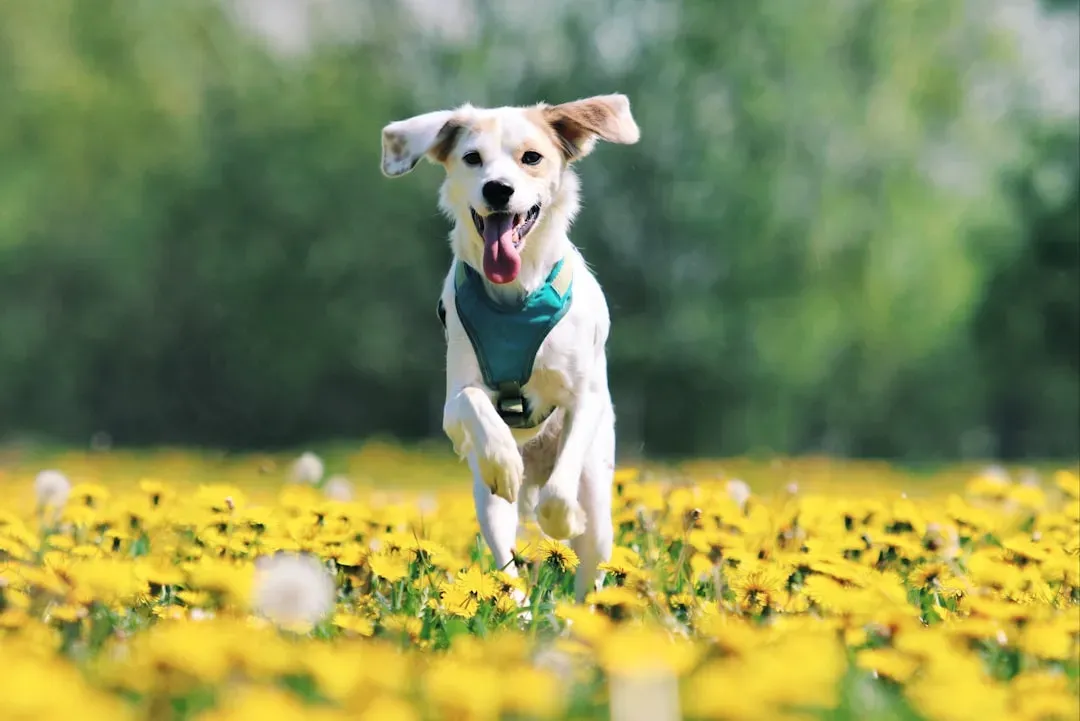
Anyone who has lived with a dog or cat has probably felt that they’re dealing with a genuine personality, not a furry robot. Dogs sulk when you leave, explode with excitement when you return, and sometimes show what looks a lot like guilt or pride. For a long time, skeptics brushed this off as pure projection: humans seeing themselves in animal behavior. Yet controlled studies have found consistent signs of emotional states in many species, including measurable changes in hormones and brain activity that track fear, playfulness, and even something like optimism or pessimism.
Some of the most striking work has been done with rodents. Rats that hear a cage mate in distress often show signs of stress themselves and sometimes work to release trapped companions, even when there’s no direct reward. When given choices between immediate small rewards and waiting for larger ones, their patterns suggest frustration, indecision, and maybe even regret. These are not conclusive proofs of human-like feelings, but they are hard to dismiss as simple pre-programmed movements. The emotional landscape of animals appears richer and more layered than we once dared admit.
Planning, Problem-Solving, And Animal “Insight”
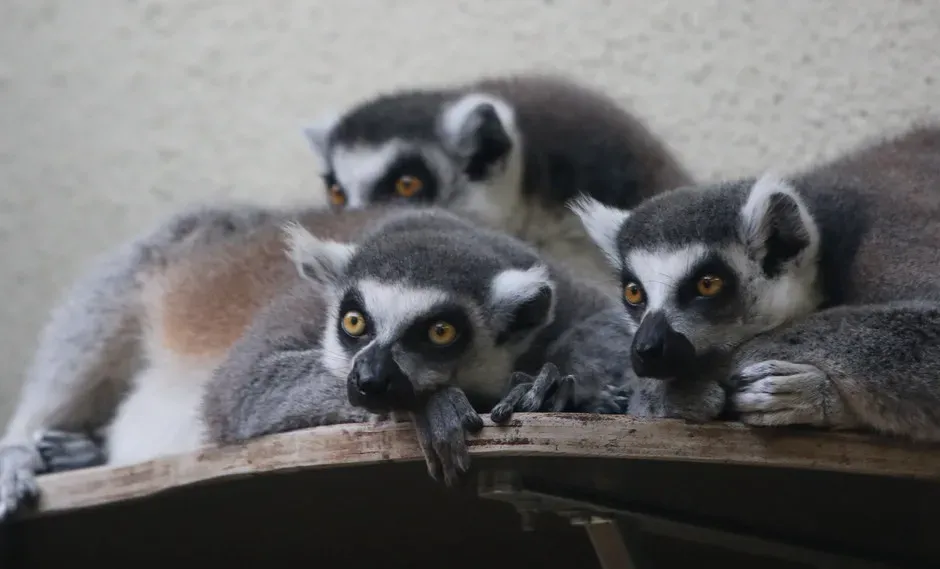
Consciousness is not just about feeling; it’s also about processing the world in flexible, informed ways. Here, too, animals keep surprising us. Crows and ravens have solved multi-step puzzles that demand planning several moves ahead, like a feathered version of a chess game. Some birds store food across dozens or hundreds of hiding places and later retrieve it with astonishing accuracy, adjusting their strategy if they know they were being watched when they hid it. That kind of mental juggling suggests a mind that is not stuck in the present moment.
In other studies, chimpanzees and orangutans have been observed stacking boxes, moving tools, or rearranging their environment to reach out-of-reach food in ways that look a lot like sudden insight. They don’t just try random actions; they seem to pause, scan the situation, and then act in a targeted way. It’s far from proof that they run full-blown inner monologues, but it feels very different from a wind-up toy bumping into walls. The line between our thinking and theirs may be sharper in some places and blurrier in others than we imagined.
Octopuses, Bees, And The Shock Of Alien Minds
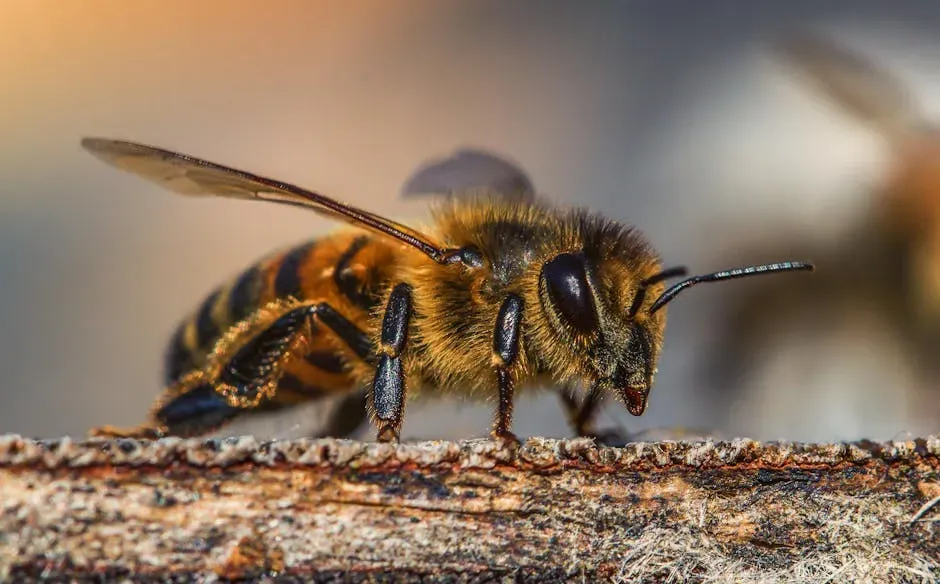
If mammals and birds pushed us to rethink animal minds, invertebrates like octopuses, bees, and even some spiders have knocked the door wide open. Octopuses solve mazes, open jars, and sometimes appear to play, interacting with objects or streams of water in ways that don’t obviously serve survival. Their nervous systems are spread out across their bodies, especially their arms, so their form of awareness might be radically different from ours, more like eight semi-autonomous “sub-brains” cooperating with a central controller.
Bees, on the other hand, have tiny brains but still show surprisingly complex behavior. They can learn abstract concepts like “same” versus “different,” communicate locations to hive mates through dance patterns, and make trade-offs when choosing between food sources. Some experiments suggest they may experience basic positive and negative states that shape how they explore their environment. If even insects have a faint spark of subjective experience, that fundamentally changes how we think about what it takes for a mind to arise from matter.
The 2012 Consciousness Declaration And What It Meant
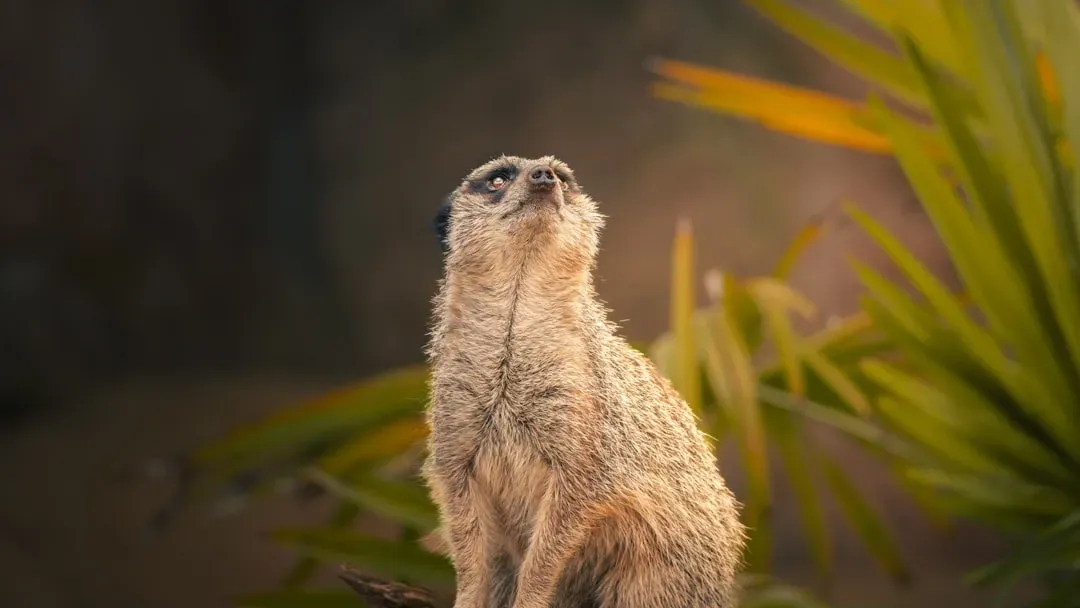
In the early 2010s, a group of prominent neuroscientists released a public statement arguing that many non-human animals likely possess the neurological substrates of conscious experience. They pointed to evidence from brain studies in mammals, birds, and even some invertebrates to argue that consciousness is not the sole property of humans. This was not a fringe manifesto; it reflected a growing consensus that the scientific burden of proof had shifted. The old default assumption that animals are unconscious unless proven otherwise no longer seemed defensible.
Of course, this declaration did not settle all debates. Researchers still argue over how to define consciousness, how far down the tree of life it goes, and what kinds of evidence should count. But it marked a cultural turning point within science itself. Instead of treating animal consciousness as a wild guess, many scientists now treat it as a live, serious hypothesis that needs careful mapping and nuance. The conversation moved from “do animals have minds at all?” to “what kind of minds do they have, and how can we tell?”
Ethical Shockwaves: Food, Farming, Pets, And Experiments
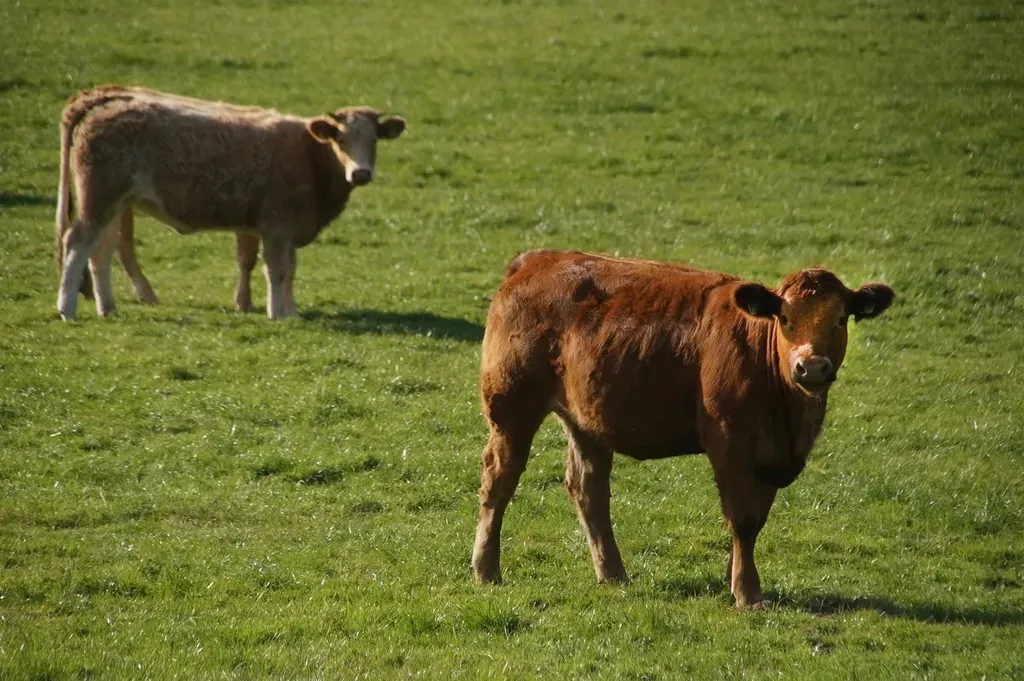
Once you take animal consciousness seriously, everyday life can start to feel different in ways that are hard to ignore. Factory farming, for example, stops being a purely logistical problem and becomes a massive ethical question. If pigs, cows, and chickens are capable of suffering in ways that are more than mere reflex, then cramming them into tiny spaces or subjecting them to painful procedures carries a moral weight that many people now find impossible to shrug off. It’s one thing to eat; it’s another to inflict avoidable misery.
The same tension shows up in scientific research and even in our homes. Laboratory experiments on animals contribute to medical advances but may also inflict stress, fear, and pain on beings with minds of their own. Meanwhile, in living rooms around the world, dogs, cats, and other pets are treated as family members, which quietly acknowledges their inner lives. The contrast between the affection we show companion animals and the indifference often shown to other species with similar capacities is beginning to trouble more and more people, myself included. It feels like we’re slowly waking up in the middle of a moral inconsistency we can’t unsee forever.
Why This Matters For How We See Ourselves

For me, the most unsettling and hopeful part of this story is not just what it says about animals, but what it says about us. If consciousness is not a human-only badge but a spectrum that spans species, then we’re not standing outside of nature looking in. We’re one branch on a vast, tangled tree of minds, unique in some ways but continuous with others in more ways than we used to admit. That can be a blow to our ego, but it can also feel strangely grounding, like realizing you’re not an island but part of a crowded archipelago.
This perspective doesn’t mean blurring all distinctions or pretending that a mouse and a human share the same experiences. Instead, it invites a more humble, curious stance. Instead of asking whether animals are “smart enough” or “feeling enough” to deserve concern, we might start from the default assumption that their lives matter to them from the inside. When I watch a crow tilt its head and size up a problem, I no longer see a biological gadget. I see another kind of someone, trying to make sense of its world in its own way.
Conclusion: A World Filled With Other Minds
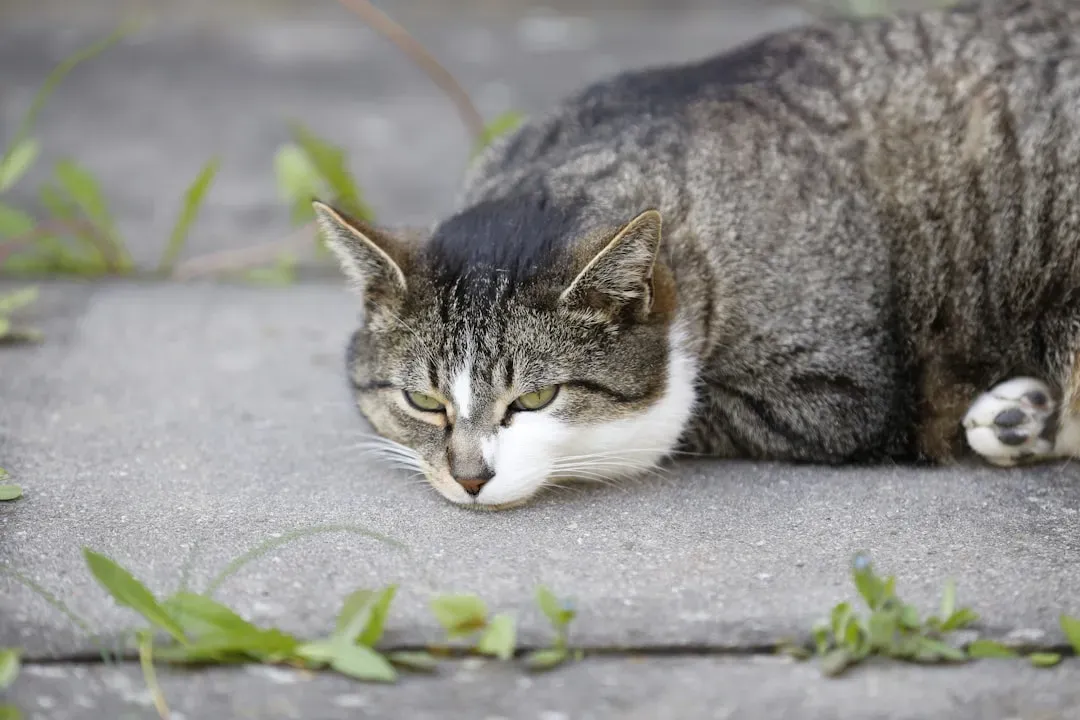
We may never fully know what it’s like to be a bat, a dog, or a cuttlefish, but the evidence suggests there is something it’s like to be them. That alone is staggering. It means the world around us is not a stage filled with props, but a shared space packed with other centers of experience, from the confident strut of a pigeon to the cautious curiosity of an octopus in a tank. Our old habit of treating animals as moving objects rather than subjects with perspectives is starting to look less like realism and more like denial.
The science is still unfolding, and we should be cautious about overclaiming, but the direction of travel is clear: animals are probably more conscious, more feeling, and more aware than we ever let ourselves believe. That realization doesn’t hand us easy answers, but it does hand us a responsibility to look again at how we live with them, use them, and think about them. If the world is full of other minds, maybe the most important question is not whether they are enough like us, but whether we’re willing to act as if their experiences matter at all. Now that you know this, how differently do you see the next animal you meet?