

You probably grew up with neat, tidy versions of history: clear heroes, clear villains, clear dates and explanations. But when you actually dig into the records, you find something far more gripping: people who simply do not fit into neat boxes. Their names show up in fragments, their lives are half-seen through rumors and police reports, and their endings fade into silence instead of full stops.
As you move through these eight figures, you are not just reading about the past; you’re stepping into ongoing investigations that still bother historians, detectives, and amateur sleuths today. You’ll see how thin the line really is between legend and fact, how a missing document or an unclaimed body can twist an entire life into myth. And you might notice something unsettling: the mystery is often not just about who they were, but about what you are willing to believe.
1. Jack the Ripper: The Killer You Think You Know, But Don’t
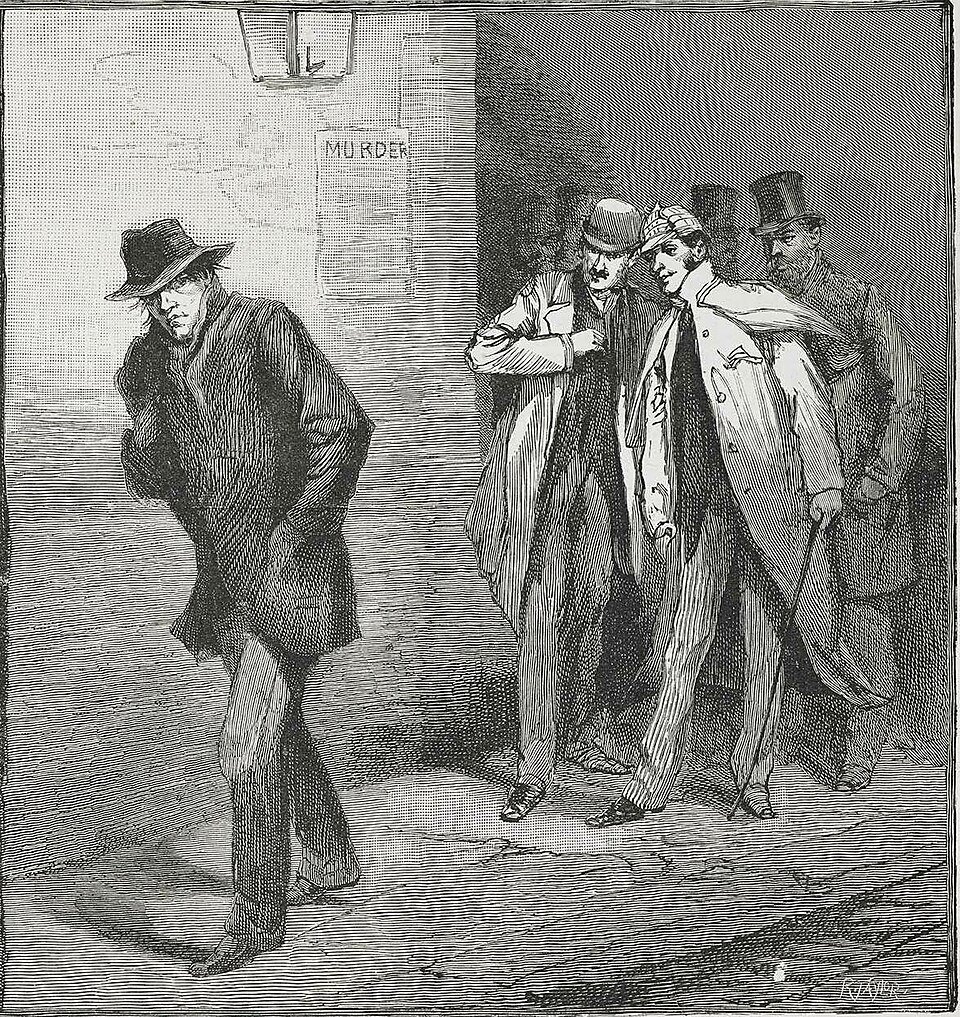
You probably feel like you already know Jack the Ripper: shadowy figure, foggy London streets, terrified victims. Yet if you look closer, you realize something startling – no one ever confirmed who he was. The Ripper killings in London’s Whitechapel district in 1888 were real, the victims were painfully real, but the identity behind the name is still just a pile of theories, suspects, and letters that might have been written by journalists or pranksters rather than the killer himself. Every time you see a confident “solution,” you’re really watching someone stitch guesses onto a few stubborn facts.
When you read modern takes on Jack the Ripper, you are stepping into a kind of collaborative fiction built around an unsolved core. Over the years, people have tried to turn him into a failed doctor, a member of the royal family, an immigrant scapegoat, or even a woman, depending on what fears and prejudices they bring to the case. You can treat the Ripper as a mirror: the suspect you find most convincing often reveals more about your assumptions than about the killer. That’s the uncomfortable truth here – behind the nickname, you’re still staring at a blank space where a real human identity should be.
2. The Man in the Iron Mask: A Prisoner Without a Past
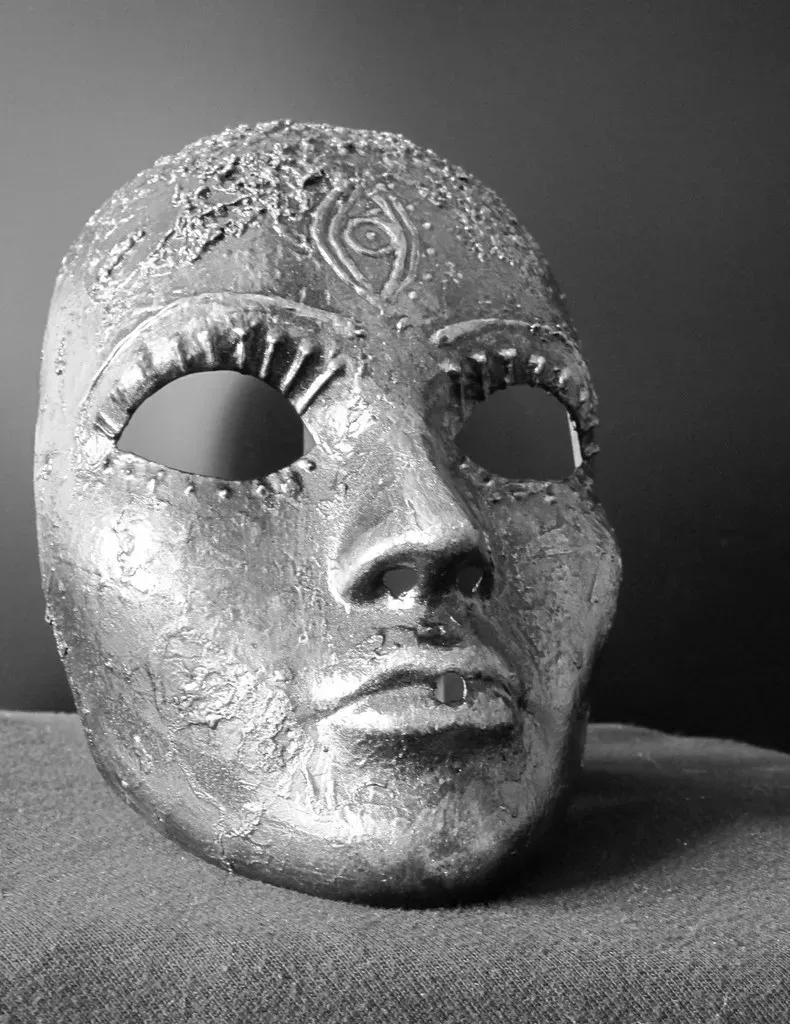
If you have ever felt trapped by a label, you can almost taste the horror in the story of the Man in the Iron Mask. In seventeenth-century France, this prisoner was held for decades under extreme secrecy, shuffled from fortress to fortress and forced to wear a mask so no one would recognize him. You know his death date and the prisons where he stayed, but not his real name or why his existence had to be treated like a state secret. Even his arrest order used a name that most historians now see as either a cover or a clue that never quite resolves.
When you explore the theories, you notice how your imagination wants to fill in the gaps with drama: a royal twin, a disgraced noble, a man who knew something the king could never allow to escape. Historians have turned family letters, prison records, and court gossip inside out, yet the truth still hangs just out of reach. You’re left with this uncomfortable idea: a person’s entire identity can be reduced to a mask and a number in a registry, and centuries later you still cannot give him back his real name. In a strange way, the mystery is part of why you remember him at all.
3. The Princes in the Tower: Lost Heirs and a Vanishing Truth
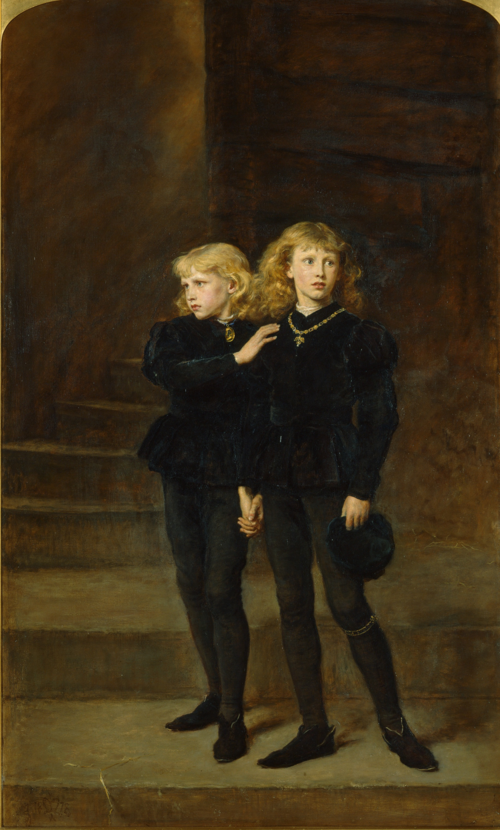
If you’ve ever watched a family argument ruin a holiday, imagine that same instinct for control, multiplied by a royal crown. In 1483, two young princes in England were placed in the Tower of London, supposedly for their protection. You know they were declared illegitimate; you know their uncle took the throne as Richard III. After that, the boys simply vanish from the record. No burial, no public confession, just silence that stretches across the centuries and invites you to decide for yourself what likely happened behind those stone walls.
When you follow the evidence, you find it is scattered and partisan, written by people with political reasons to blame one side or another. Some argue Richard III had them killed; others suggest they survived in secret or were eliminated later by a rival. You’re left with a haunting puzzle: two real children, at the center of power, erased so thoroughly that even modern forensic examinations of bones can’t fully close the case. If you ever doubted how fragile “official history” really is, the story of these princes forces you to admit that sometimes the most important questions are the ones no one dared to answer in writing.
4. Amelia Earhart: A Global Icon Who Simply Disappeared

You probably know Amelia Earhart as the daring pilot who broke records and shattered expectations for women in aviation. In July 1937, she set out on an ambitious attempt to circle the globe, and somewhere over the Pacific near Howland Island, radio contact grew confused and then suddenly stopped. Despite massive naval and aerial searches, you never get a confirmed crash site, no recovered body, no neat conclusion. For someone so famous, she essentially walks off the edge of the map and leaves you staring at open water and lingering questions.
When you dig into the competing theories, you find a tangle of navigation errors, fuel estimates, scattered debris reports, and rumors of capture on remote islands. Modern expeditions have uncovered objects and skeletal remains that spark hope, but none of it has fully settled the debate. You are constantly pulled between the most ordinary answer – a crash and sinking in deep ocean – and grander ideas of survival, imprisonment, or secret identities. Earhart’s legend is powerful because it shows you how even in a world of radios, flight plans, and logbooks, a single plane can slip through every net and never quite come back into focus.
5. Kaspar Hauser: The Boy Who Seemed to Come from Nowhere
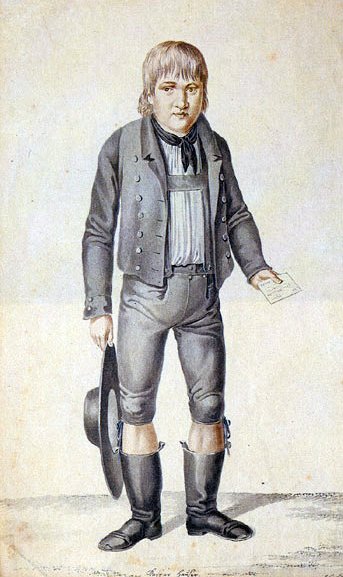
Imagine someone walking into your town claiming almost no memory of their past, barely able to speak, yet soon drawing the attention of Europe’s elites. That is what you encounter with Kaspar Hauser, who appeared in Nuremberg in 1828 with a strange story of long isolation. He quickly became a sensation: some people treated him as a possible hidden prince; others saw him as a tragic victim of abuse or a clever fraud. You can read the letters, medical reports, and court documents, but none of them completely resolves who he really was or where he came from.
The mystery deepens when you follow his short, violent end – stabbed under suspicious circumstances that some claimed were self-inflicted and others insisted were a silencing attempt. Modern forensic work has chipped away at the royal-blood theories, yet you are still left with an origin story full of locked rooms and vanished guardians. When you think about Kaspar, you are really confronting how eager people are to project their fantasies onto an unknown person: lost heir, miracle child, con artist. His story pushes you to ask a harder question – how much of anyone’s identity is built from what others decide to believe?
6. D. B. Cooper: The Sky Hijacker Who Walked Out of a Storm
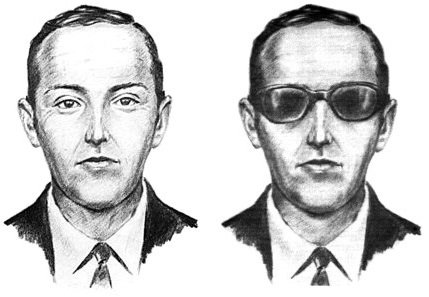
If you enjoy crime stories, D. B. Cooper might be your favorite unsolved character, because he feels like he stepped out of a thriller and then refused to give you an ending. In 1971, a quiet man using the name Dan Cooper hijacked a commercial flight in the United States, demanded a ransom, and then parachuted into a stormy night over the Pacific Northwest with a bag of cash. The FBI launched one of the most extensive investigations in its history, yet the man himself never turned up in any court record, prison file, or confirmed grave.
As you trace the case, a few ransom bills surface years later along a riverbank, and possible suspects pop up – with similar faces, military backgrounds, or suspicious behavior – but nothing ever passes the threshold of certainty. You are watching investigators chase a human ghost through partial fingerprints, vague memories, and aging witnesses. Cooper sits right at the intersection of folklore and law enforcement, where you are forced to admit that sometimes a person can walk into the official record for just a few hours, bend an entire system around themselves, and then slip back into anonymity as if they were never more than a rumor on the wind.
7. The Lost Dauphin: Was the French Prince Really Rescued?
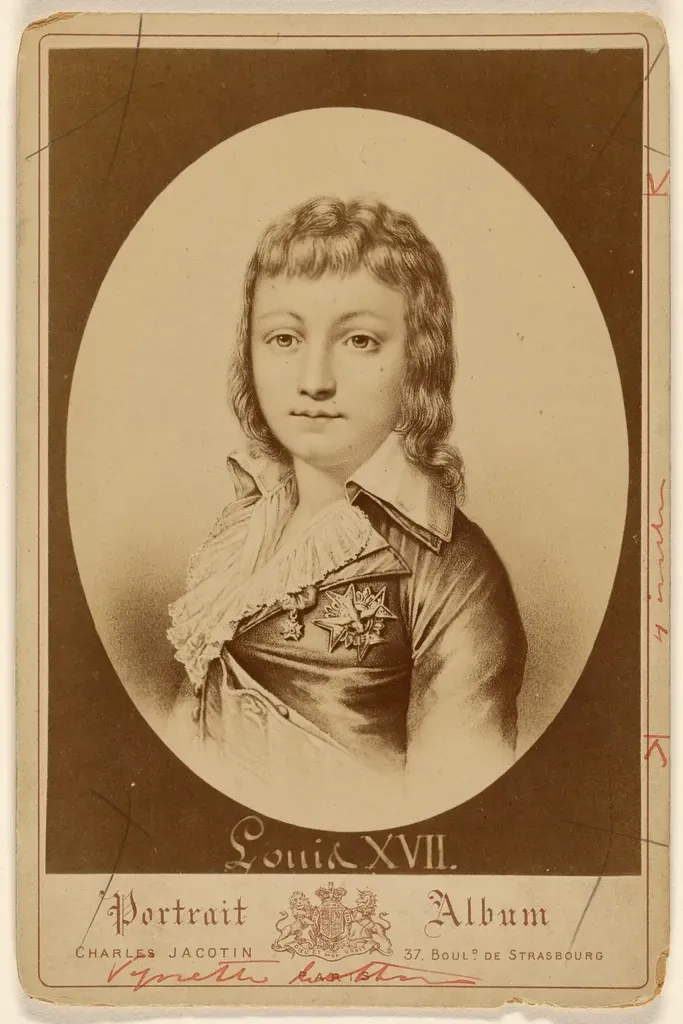
If you have ever wondered how a single child can carry the weight of an entire nation’s hopes, the story of Louis XVII – often called the Lost Dauphin – will stay with you. Officially, the young son of Louis XVI and Marie Antoinette died in a Paris prison in 1795 during the upheaval of the French Revolution. But the records around his imprisonment and death are patchy and contested, and soon after, you see a wave of claimants across Europe insisting they were the surviving prince. Every time one of them stepped forward, people who missed the old monarchy were desperate to believe him.
In the late twentieth century, modern DNA analysis compared preserved heart tissue believed to be his with living relatives of the royal family, strongly supporting the view that the boy in the prison really did die there. Yet even with that evidence, the legend refuses to fully die in popular imagination, because the idea of a rescued royal child hiding in plain sight is simply too powerful. When you sit with this story, you are reminded how emotionally invested people become in alternative histories, and how long a doubtful death certificate can keep a mystery alive in your mind.
8. The Zodiac Killer: A Coded Shadow Over Modern Investigation
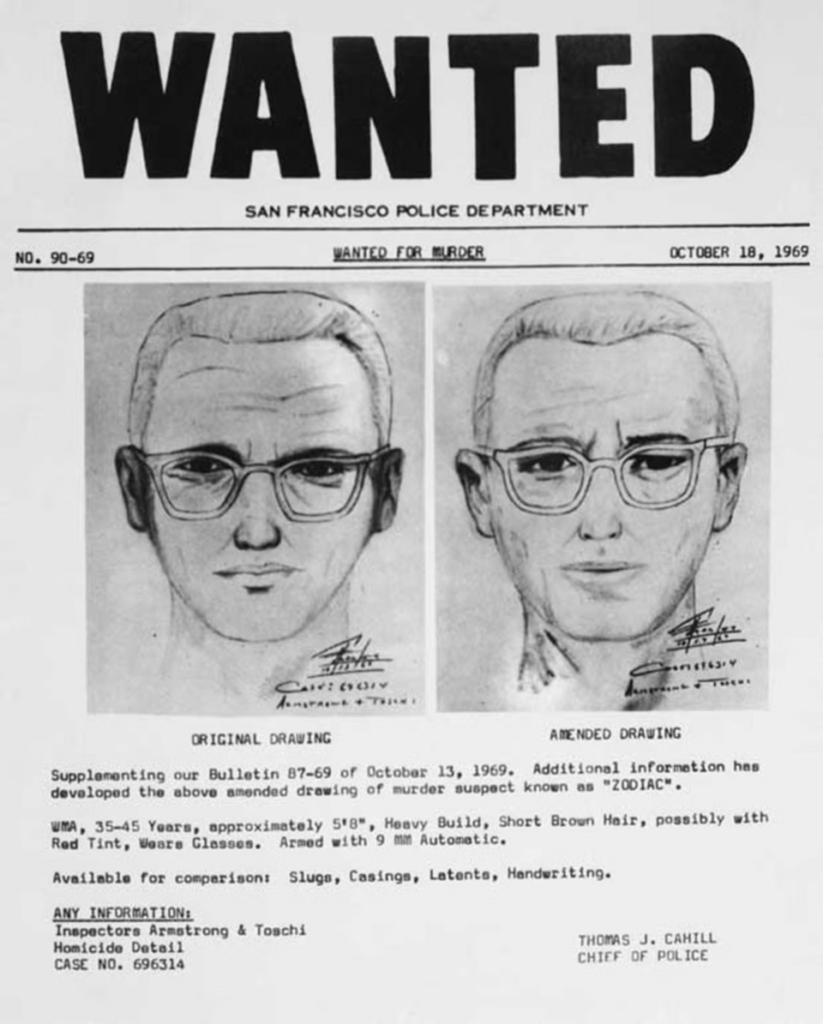
You might think of the Zodiac Killer as a purely modern mystery, complete with taunting letters, cryptic ciphers, and endless online debates. Operating in California in the late 1960s and early 1970s, this killer claimed responsibility for several attacks and sent messages to newspapers that mixed arrogance with riddles. Despite active police work, composite sketches, and long lists of suspects, authorities never secured enough solid evidence to put a real name and face permanently behind bars for the crimes committed under that identity. You are left with fragments: ballistic matches, partial fingerprints, and letters that some experts still argue over.
Over the decades, advances in forensic science and codebreaking have cracked some of the famous ciphers and suggested clearer profiles, but the threshold of absolute certainty continues to elude investigators. You can watch how each new “likely suspect” attracts attention, only to falter under closer scrutiny or missing links. The Zodiac becomes less a single person in your mind and more a symbol of how even modern systems of justice can be outmaneuvered by someone who understands how to operate in the gaps. When you look at this case, you are not just facing an unknown killer – you’re facing the limits of what evidence can do.
Conclusion: Why You Keep Returning to Unfinished Stories

As you look back over these eight figures, you might notice a pattern that has less to do with them and more to do with you. Each case offers just enough solid detail to convince you it really happened, and just enough missing pieces to invite your imagination to take over. You end up co-writing the story in your own head, choosing which theory feels most satisfying, which villain seems most plausible, and which happy or tragic ending you secretly prefer. The mystery becomes a kind of collaboration between the living and the dead.
If history were perfectly documented, with every letter preserved and every body identified, you would lose this strange, haunting space where questions matter as much as answers. These people – killers, victims, princes, prisoners, pilots – remind you that the record is always incomplete, and that some truths slip past every archive and every laboratory. Maybe that is why you keep coming back to them: not because you expect a final solution, but because, on some level, you understand that a little uncertainty is what keeps the past alive in your mind. Which of these mysteries are you most tempted to solve in your own imagination?