Every time scientists think they’ve drawn a clear line between human intelligence and animal instinct, some creature strolls in and casually erases it. From crows folding tools on the fly to octopuses breaking out of aquariums at night, the animal kingdom keeps serving up moments that are equal parts humbling and thrilling. It’s not that animals are “almost human” – it’s that they’re smart in ways we’re only just learning how to see.
Over the last couple of decades, new experiments, better technology, and frankly a bit more humility have completely reshaped how researchers view non-human minds. Behaviors that were once dismissed as reflex or “just instinct” are being re-examined as problem solving, planning, even culture. The more closely we look, the more it feels like we’ve been underestimating our fellow earthlings for a very long time.
Tool-Using Geniuses: When Animals Build Their Own Solutions
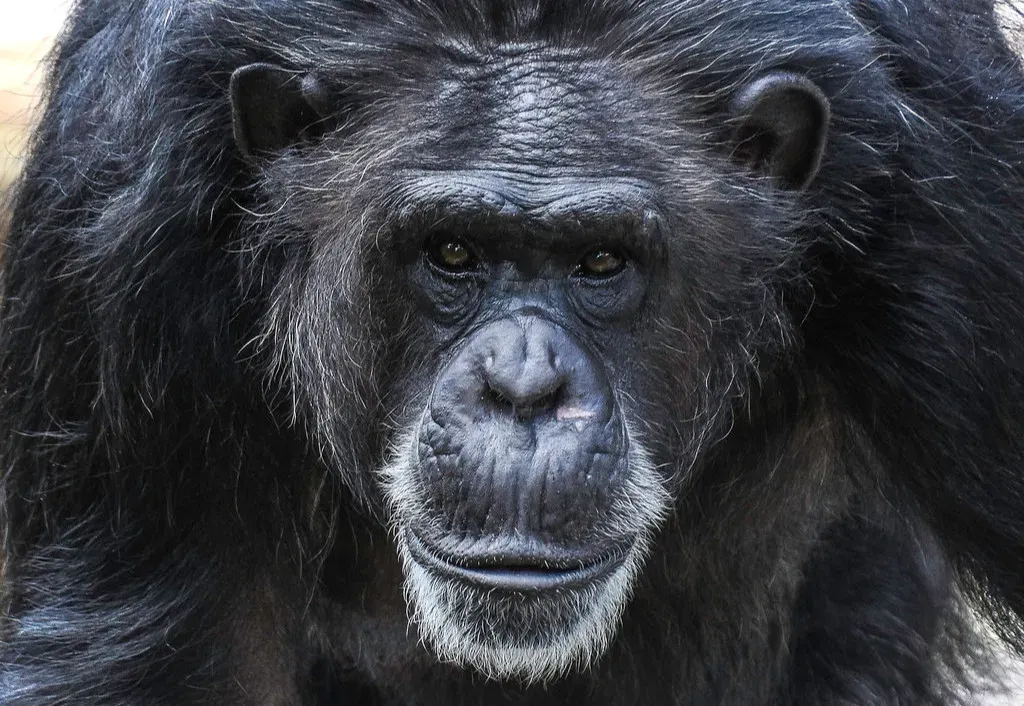
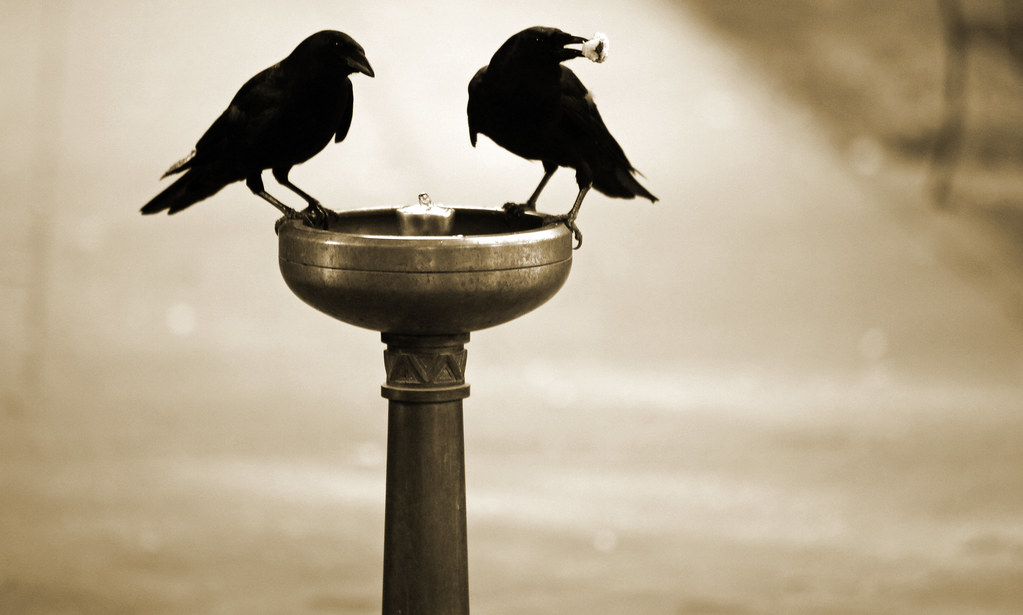
One of the clearest signs of flexible intelligence is tool use, and animals have turned this into a kind of quiet revolution. New Caledonian crows, for example, don’t just pick up tools lying around; they actually shape sticks and leaves into hooks and barbs to reach hidden food. In some experiments, these crows quickly figure out multi-step puzzles that stump young children, like using one tool to get another tool to finally reach a reward.
They’re far from alone. Sea otters smash open shellfish on carefully chosen rocks balanced on their bellies, and certain chimpanzee groups use sticks, spears, and even leaf-sponges to drink water. What’s especially striking is that these methods aren’t the same everywhere; they spread and change in ways that look a lot like local “traditions.” Tool use was once supposed to be our defining trait. Now it’s starting to look more like a club humans joined late, not one we founded.
Bird Brains That Rival Primates
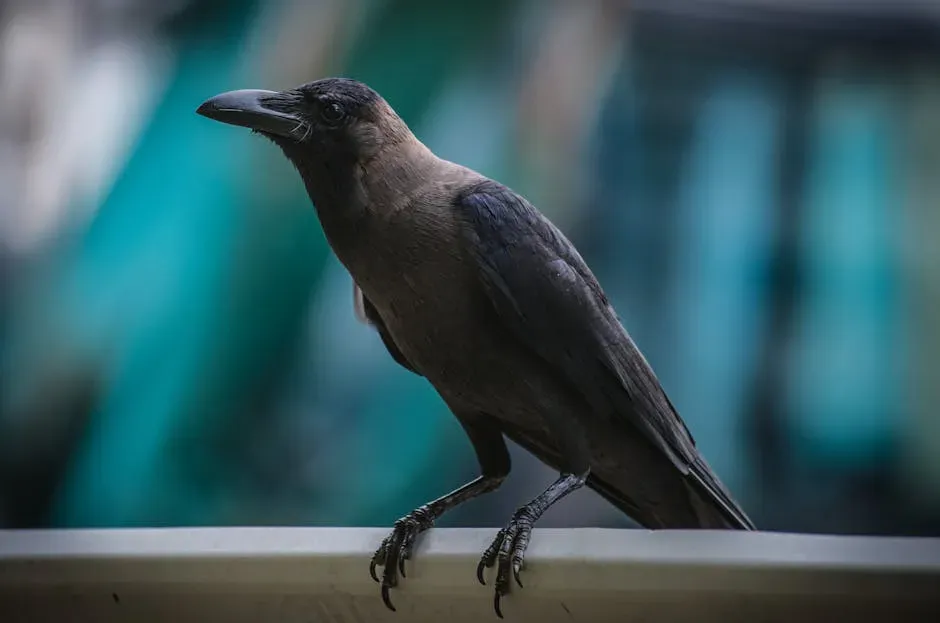
Calling someone a “bird brain” used to be an insult. Neuroscience has pretty much destroyed that joke. Corvids – the family that includes crows, ravens, and jays – pack an impressive number of neurons into a compact brain, especially in regions linked to complex thinking. In practice, that shows up as memory skills and planning that feel deeply familiar to us.
Scrub jays, for example, hide food in dozens or even hundreds of different spots and later recover it with eerie accuracy. They also appear to remember what they stored where and how long ago, so they can eat perishable treats first and leave the long-lasting ones for later. Some experiments suggest these birds even adjust their behavior when other birds are watching, as if they’re considering what another individual might be thinking. That kind of mental perspective-taking used to be credited mostly to humans and great apes.
Dolphin Communication and Underwater Social Politics
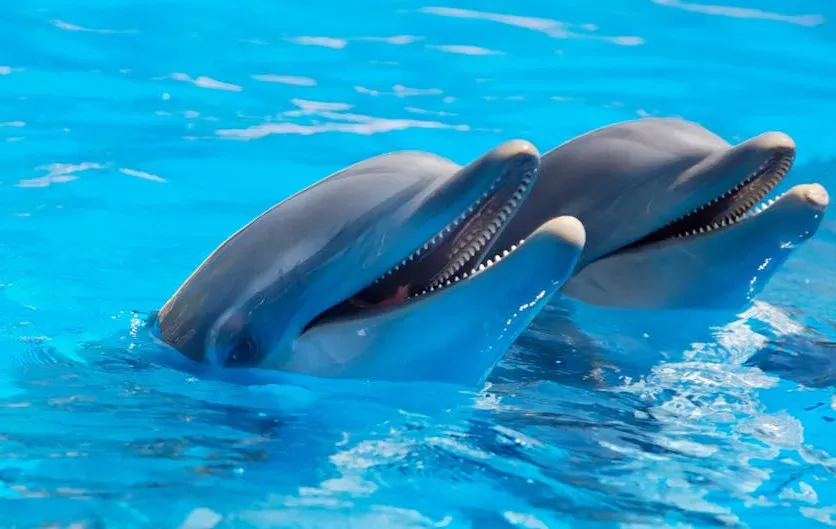
Marine biologists have long suspected dolphins had something unusual going on, but modern recording and tracking tools have revealed just how intricate their lives are. Bottlenose dolphins, in particular, show structured communication that includes signature whistles thought to function a bit like names. Individuals can respond to the specific whistle associated with them, even when produced by another dolphin, suggesting recognition that goes beyond simple sound cues.
Then there’s their social strategy. In some locations, male dolphins forge alliances that can last for years and involve sophisticated cooperation, sometimes teaming up in multiple layers of partnerships. They coordinate, negotiate access to mates, and occasionally change sides, in ways that look surprisingly political. While we still don’t fully understand the meaning of their complex vocalizations, it’s clear their social lives demand a flexible, context-aware kind of intelligence we once believed was our specialty.
Octopus Escape Artists and Problem Solvers
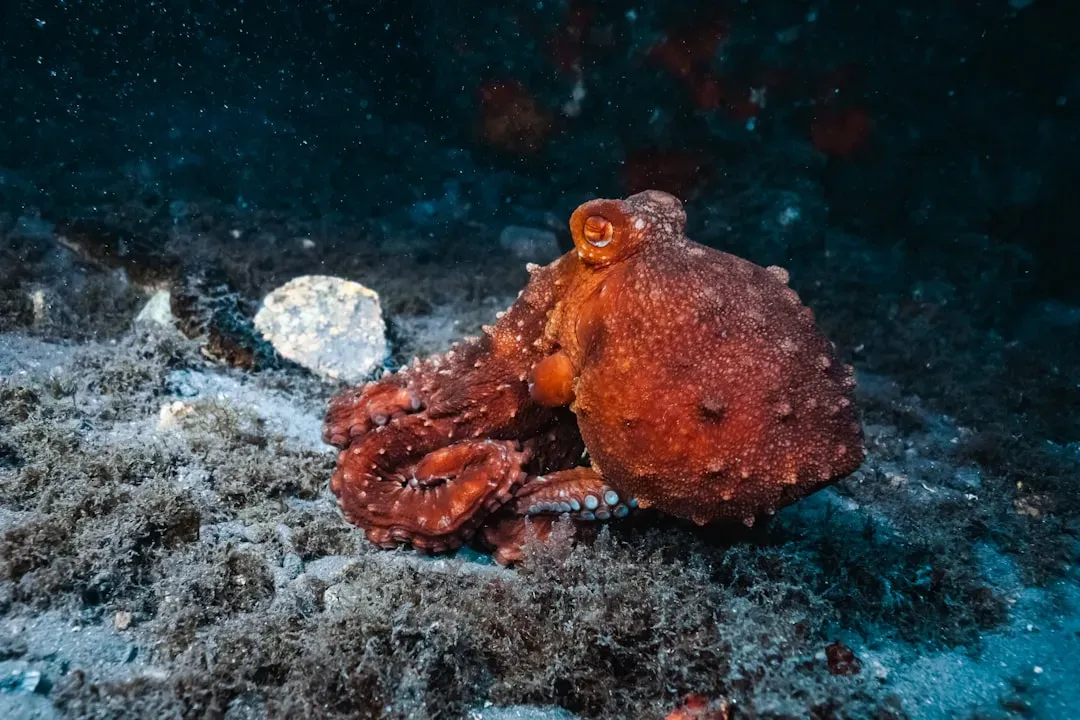
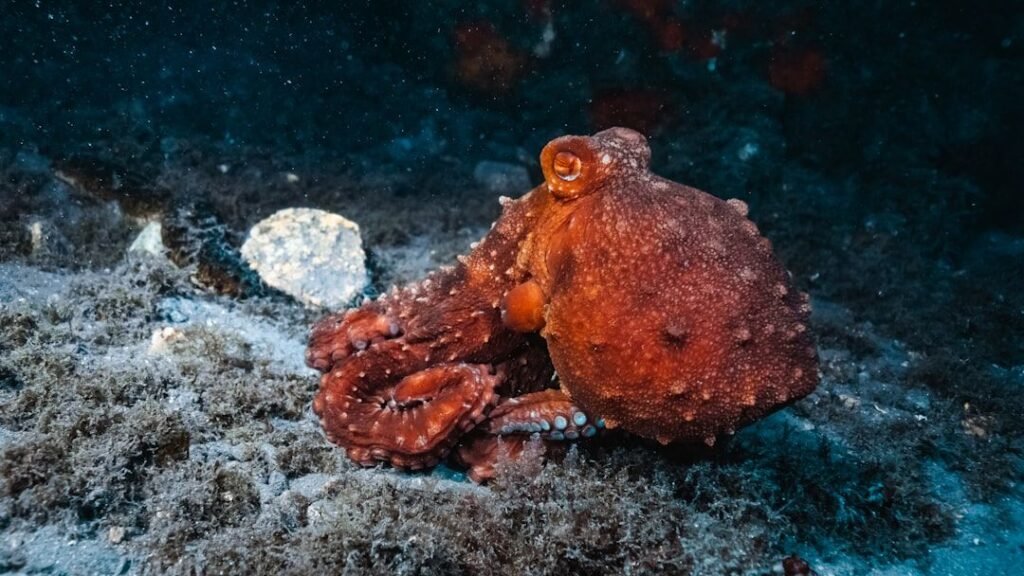
If there’s one animal that feels like it was beamed in from another universe yet still manages to feel oddly familiar, it’s the octopus. With most of its neurons spread through its arms rather than concentrated in a single brain, the octopus body is like eight semi-autonomous problem-solving units coordinated by a central command. In labs and aquariums, octopuses have opened jars, solved mazes, and unscrewed lids with a kind of stubborn curiosity that’s hard not to admire.
There are plenty of well-documented stories of octopuses slipping out of tanks at night, slithering across the floor, raiding nearby enclosures for food, and returning before morning. They can recognize individual humans, show distinct personalities, and quickly learn which behaviors get them rewards or, just as importantly, get them left alone. For a creature with a relatively short lifespan, the speed and flexibility of octopus learning forces us to rethink how brains – even very unusual ones – can produce intelligence.
Elephants, Grief, and Emotional Intelligence
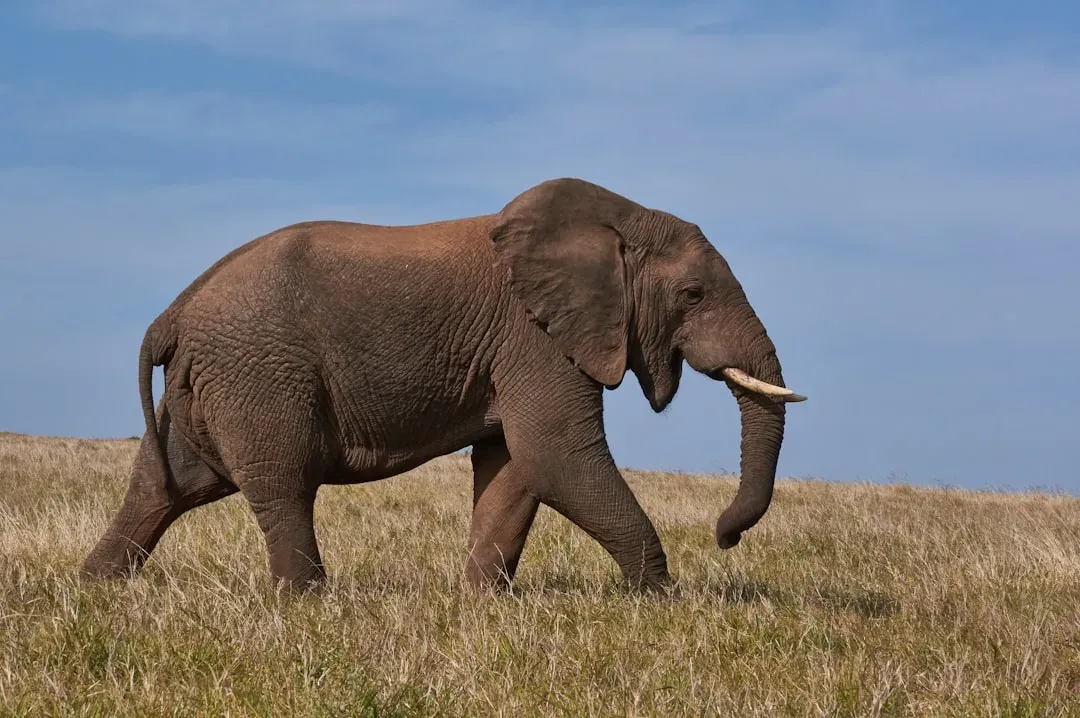
Elephants have long been icons of memory, but their emotional lives may be even more striking than their ability to remember pathways and watering holes. Observers have documented elephants lingering over bones of dead elephants, gently touching skulls and tusks with their trunks in ways that look mournful. While we have to be careful not to project our feelings onto them, the consistency of their behavior around death suggests a deep social awareness and possibly something close to grief.
They also cooperate and comfort one another. In controlled tests, elephants will work together to pull a platform and share a reward, waiting for a partner if needed rather than acting blindly. When a herd member is distressed, others often respond with touch and vocalizations that appear calming. Their decisions, from caring for calves to navigating conflict, seem to be guided not only by memory and logic but also by a strong sensitivity to social bonds and emotional states.
Fish That Remember, Count, and Learn
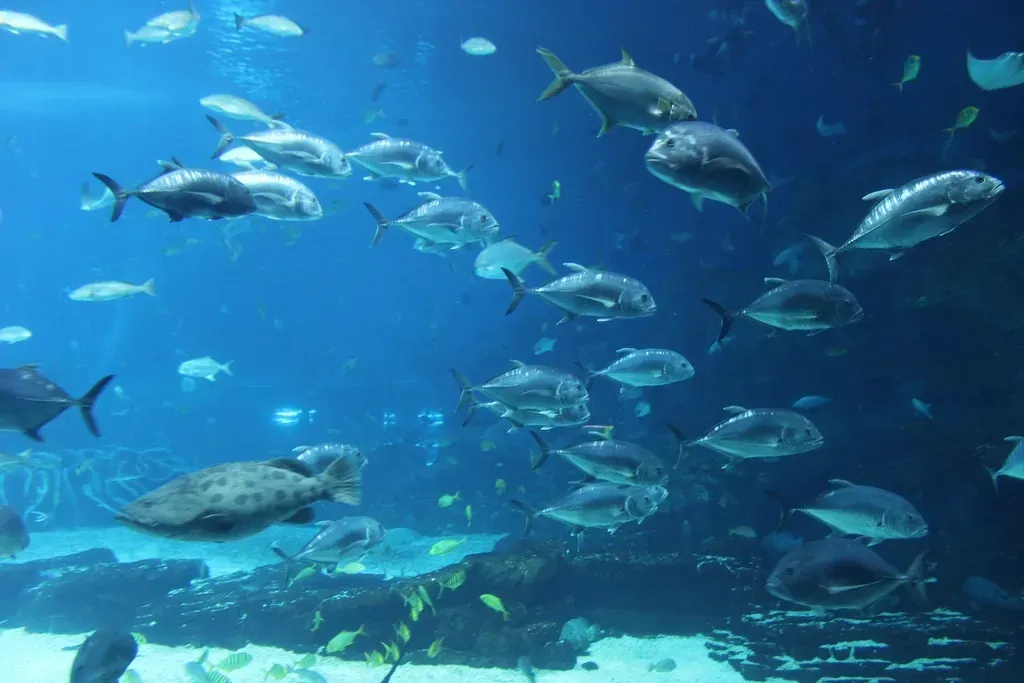
Fish used to be the punchline of cognitive science – the classic “three-second memory” joke. That myth has taken a serious beating as researchers have designed better tests. Many fish species can remember the layout of complex environments for extended periods and learn to associate certain locations or sounds with food or danger. Some species in coral reefs remember which cleaner fish treated them fairly and which ones cheated, and adjust their choices accordingly.
Even more surprising, some fish show a basic sense of number. Experiments with small schooling fish reveal that they can distinguish between groups of different sizes and prefer to join larger groups, which makes evolutionary sense for safety. Their decisions aren’t perfect, but they perform better than random guessing and show consistent patterns that suggest real quantity discrimination. It turns out that living in a three-dimensional, highly competitive environment has quietly driven a level of intelligence we simply failed to notice for decades.
Dogs, Humans, and the Intelligence of Relationships
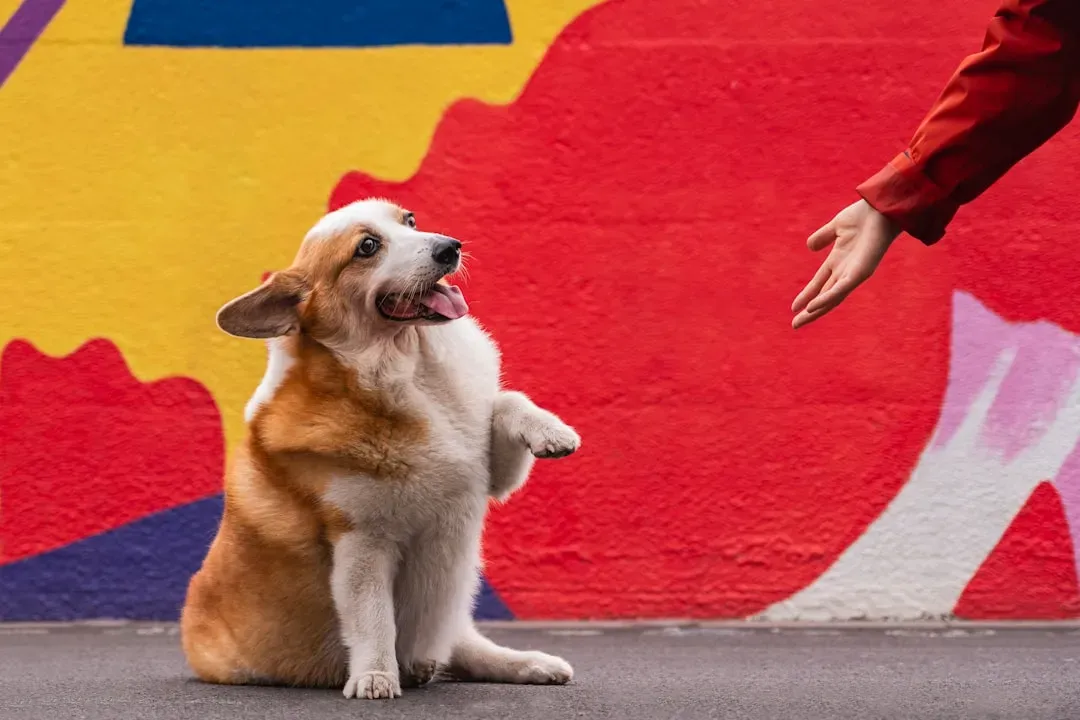
Dog owners often insist their pets understand them on a level that feels almost uncanny, and science has been steadily catching up with that intuition. Dogs are unusually attuned to human gestures, eye movements, and tones of voice. Even very young dogs can follow a pointing finger to find hidden food, something many other animals struggle with unless heavily trained. This responsiveness suggests that dog intelligence has been shaped in part by thousands of years of living alongside us.
What’s perhaps even more interesting is how dogs read our emotions and intentions. Brain imaging studies indicate that dogs process some human voices and emotional sounds in dedicated brain areas, and they can differentiate friendly from angry tones in ways that change their behavior. Their intelligence is not about doing math or using tools but about navigating one particular social world – ours – with remarkable skill. In a sense, a dog’s genius lies in treating our moods, habits, and quirks as its natural environment.
Insect Minds: Tiny Brains, Big Surprises
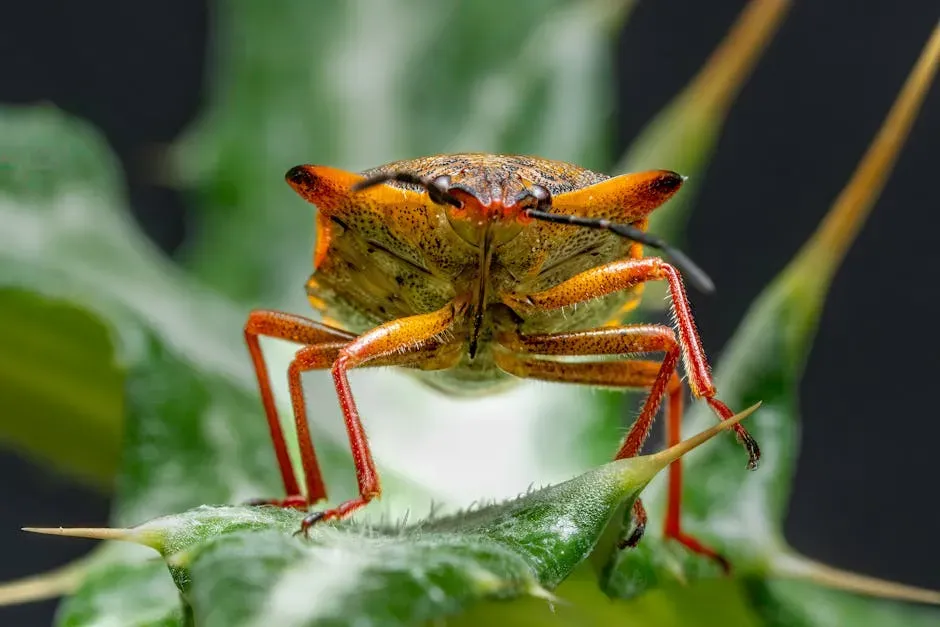
When people think of intelligence, insects are usually not the first creatures that come to mind. Yet bees, ants, and other insects regularly pull off feats that seem wildly out of proportion to their brain size. Honeybees can learn to associate colors, shapes, and even abstract concepts like “same” and “different” with rewards. They navigate vast distances relative to their body size and communicate useful information about food sources through their famous waggle dances.
Ant colonies, meanwhile, function like a kind of distributed brain. No single ant understands the big picture, but simple rules followed by thousands of individuals lead to efficient networks, resource distribution, and surprisingly adaptable problem solving. Some species can adjust trail patterns in response to obstacles or changing food supplies, effectively computing optimized routes in real time. These examples challenge the assumption that high intelligence requires a big, centralized brain; nature keeps finding different ways to solve similar challenges.
Culture, Learning, and the Passing of Traditions
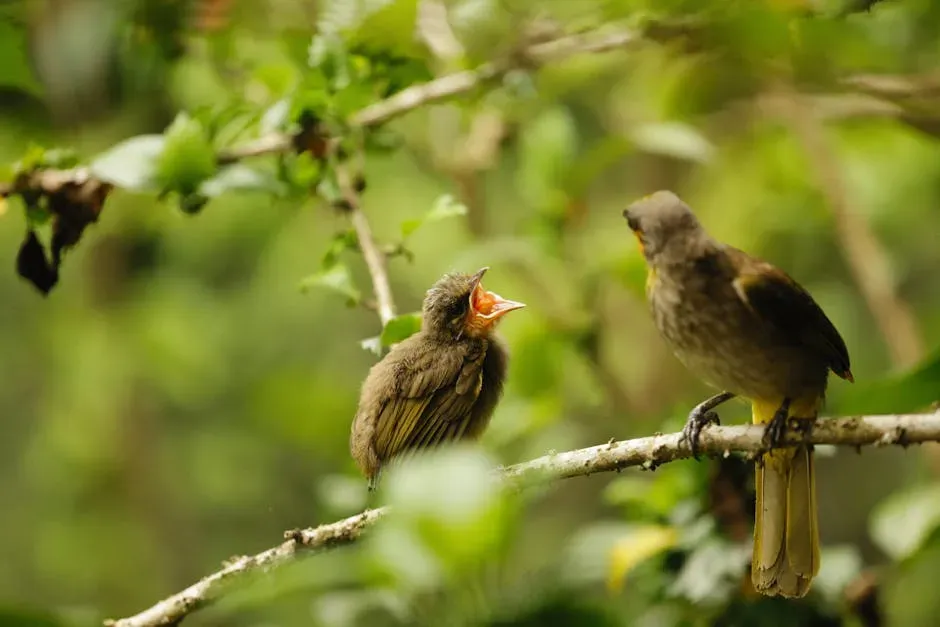
For a long time, culture was defined in a way that conveniently restricted it to humans – symbolic language, formal institutions, written records. But if you strip culture down to its core elements, which include learned behaviors and traditions passed from one generation to the next, the animal world suddenly looks much richer. Certain whale populations sing distinct songs that evolve over time, and these songs can spread across huge areas like musical fashions.
Among primates and some birds, researchers have cataloged different “customs” in different groups, even when the environments are nearly identical. Chimpanzees in one region might crack nuts with stones, while a nearby group ignores the same resource entirely, suggesting local learning and social transmission. These patterns look less like coded genetic instructions and more like communities building their own ways of doing things. The line between human culture and animal culture starts to look like a gradual slope rather than a sharp cliff.
Rethinking What Intelligence Really Means
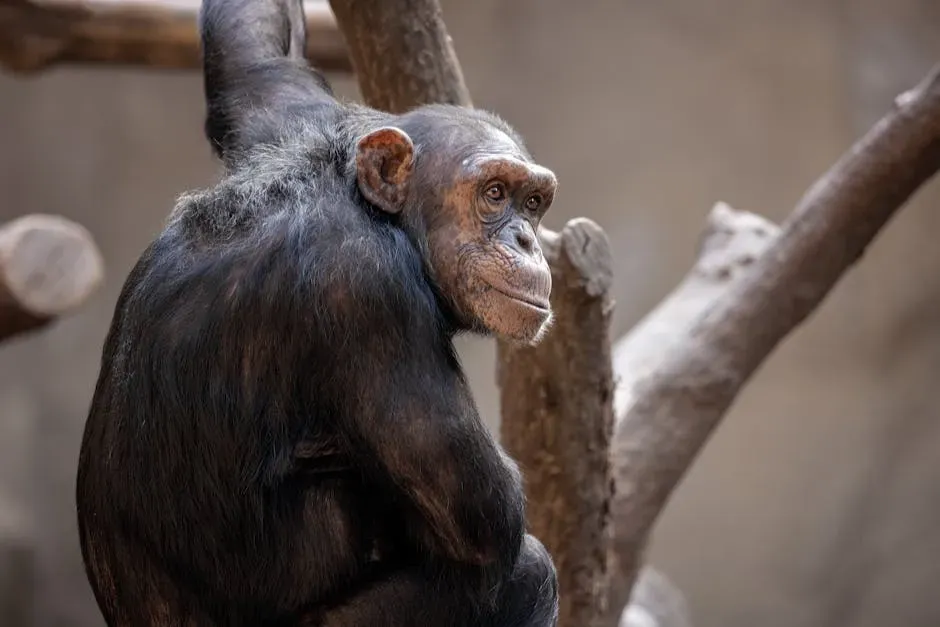
All these discoveries force a tough but liberating question: have we been defining intelligence in our own image for too long? For much of scientific history, traits like language, tool use, or self-recognition in mirrors were treated as pass-or-fail tests dividing humans from everyone else. But as soon as an animal passes one of these tests, we either move the goalposts or discover that intelligence can show up in forms we never thought to measure. It’s a bit like trying to judge every athlete with the rules of chess.
What seems to be emerging instead is a picture of many kinds of intelligence adapted to many different worlds – social, physical, underwater, nocturnal, and everything in between. A crow’s brilliance is not a dolphin’s brilliance, and neither looks exactly like ours, but they are all valid solutions to the same basic problem: how to survive, thrive, and make sense of a complicated world. Maybe the most intelligent move we can make now is to admit that we’re not standing outside the animal kingdom looking in. We’re part of it, surrounded by minds that are different from ours, but not necessarily lesser. Did you expect that?