
If you grew up thinking superheroes only exist in comics and movies, you’re about to have that belief gently shattered. Out in the real world, there are animals quietly pulling off stunts that would look ridiculous on a movie poster, yet they do them every single day just to survive. When you zoom in on their abilities, you start to feel like you’ve been walking past real-life superpowers your whole life without even noticing.
As you explore these animals, you’ll notice something else too: nature rarely wastes a trick. Every strange talent has a purpose, whether it is hunting, hiding, healing, or simply staying alive in brutal conditions. By the time you reach the end, you might catch yourself wondering which “superpower” you’d pick for yourself – and realizing that your own body is not as ordinary as it seems either.
The Mantis Shrimp: The Underwater Punching Machine
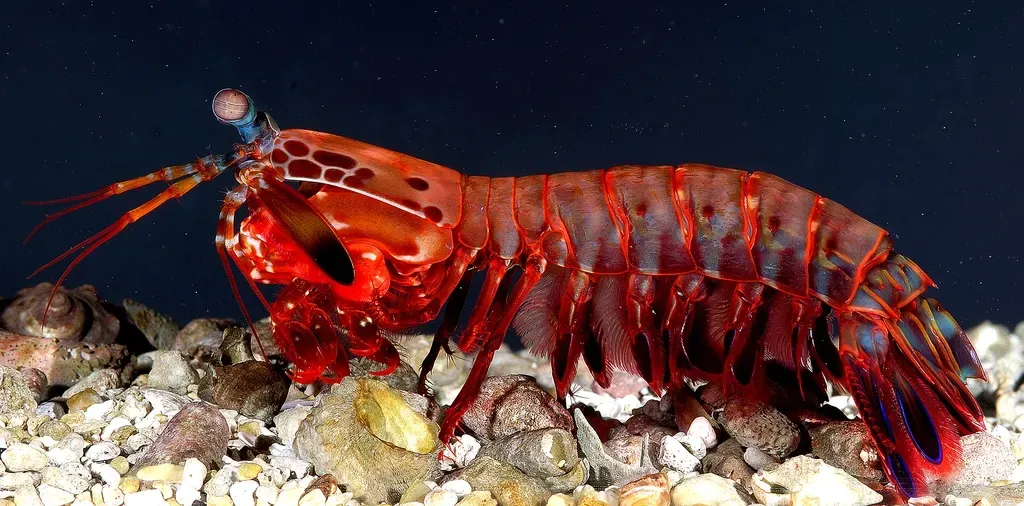
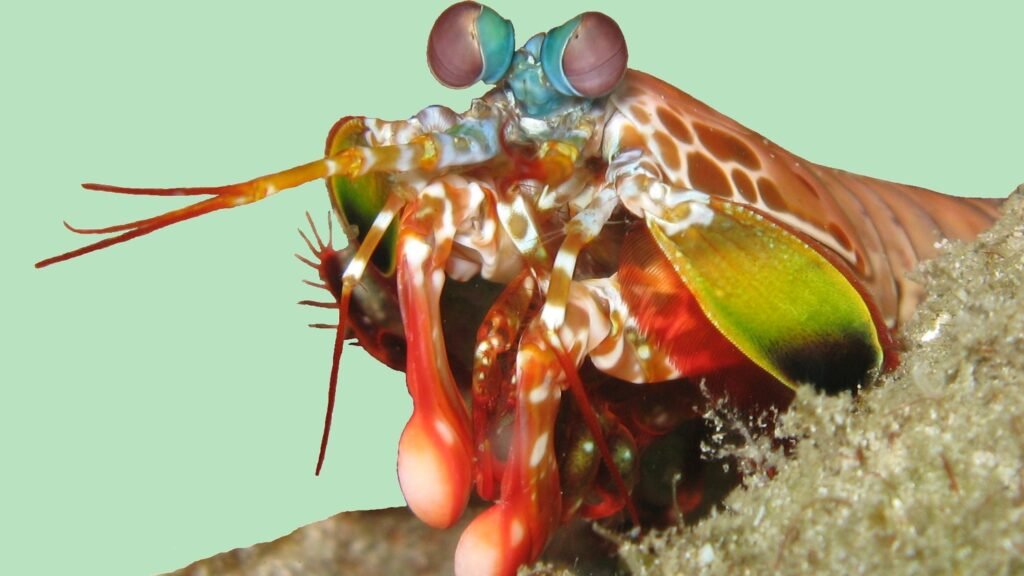
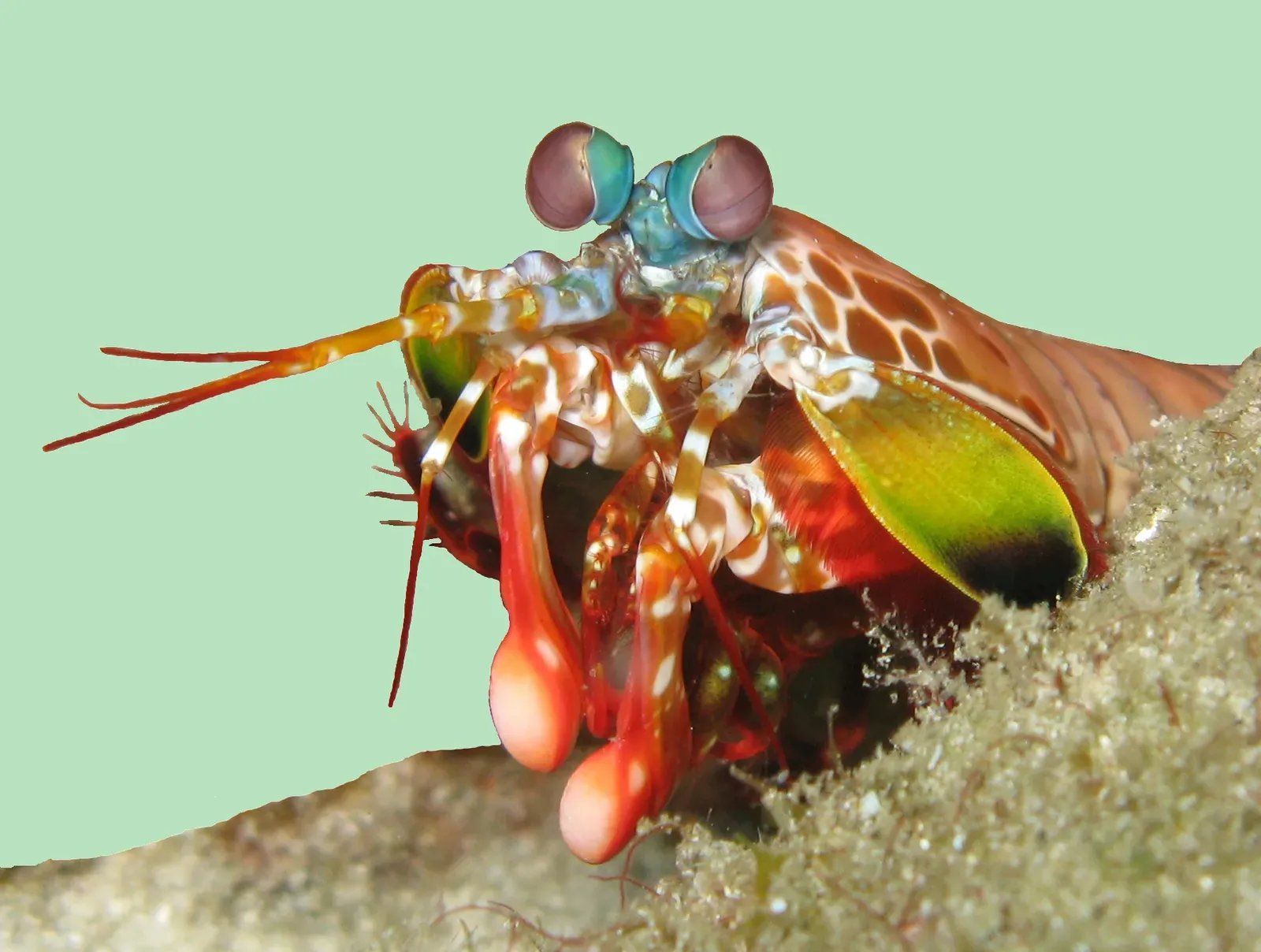
If you could throw a punch so fast it boiled the water in front of your fist, you’d still be playing catch-up to the mantis shrimp. This small, colorful crustacean can fire its club-like appendages at speeds that have been compared to a bullet leaving a gun, fast enough to create tiny shockwaves and even brief flashes of light as the water around the impact point vaporizes. You would expect a creature with a punch like that to be the size of a shark, but instead it is small enough to fit in your hand, which makes its power feel almost unreal.
On top of the jaw-dropping punch, the mantis shrimp also sees the world in a way you can barely imagine. Your eyes work with three types of color receptors; the mantis shrimp can have many more, along with the ability to detect polarized light that you cannot see at all. If you looked through its eyes, everyday objects might glow with hidden patterns, reflections, and contrasts that are invisible to you right now. It is like the mantis shrimp got both the strength of a heavyweight boxer and the vision settings of a high-end camera, all packed into one small, wild body.
The Axolotl: The Salamander That Refuses to Grow Up
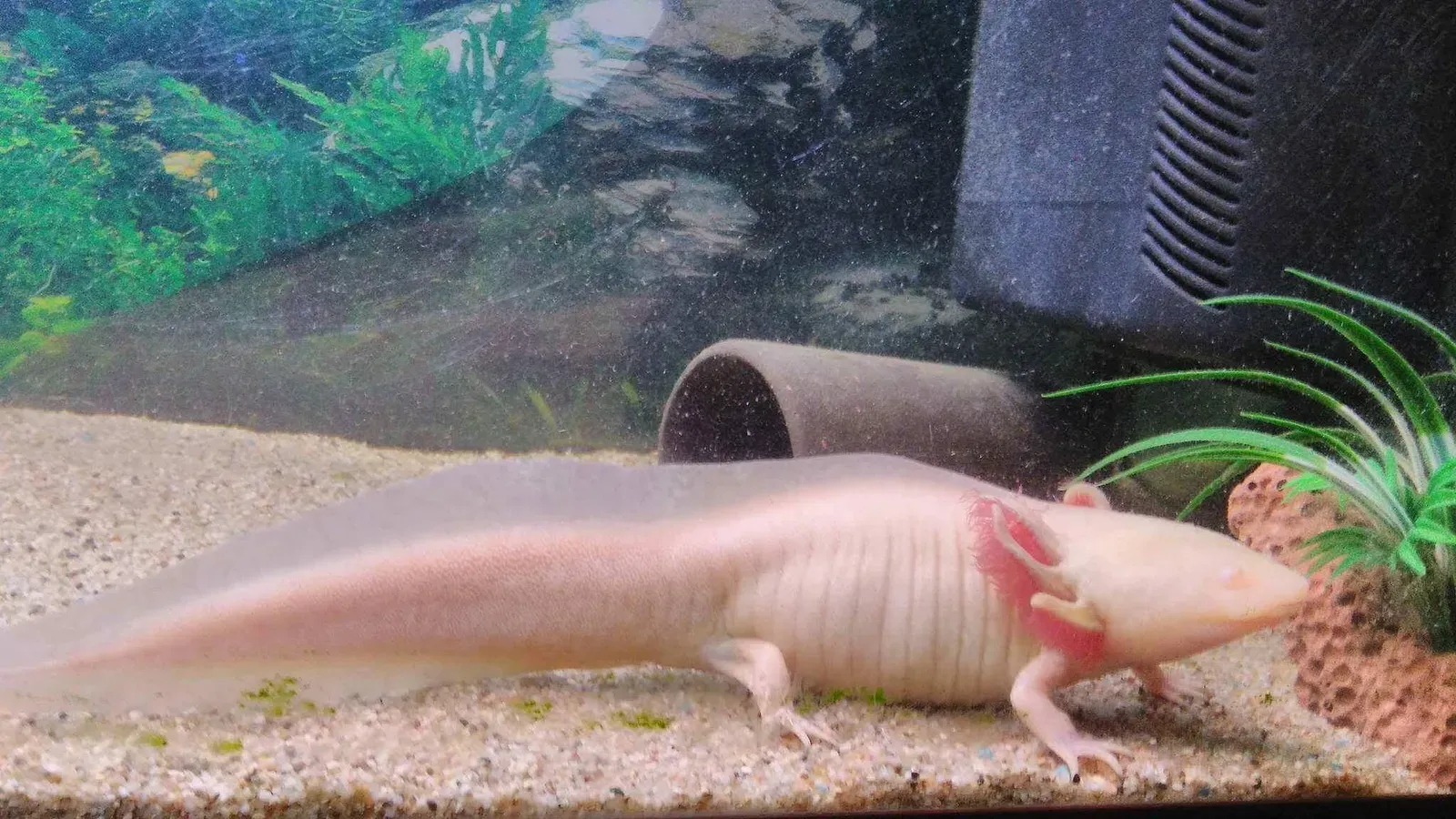
Imagine staying in a youthful stage your whole life and still being able to repair your body in ways most adults never could; that is basically what the axolotl does. This strange-looking salamander spends its entire life in what is usually a temporary juvenile water form for other species, keeping its feathery external gills and a somewhat cartoonish face. Instead of moving onto a land-dwelling adult body, it just keeps swimming, eating, and thriving in this perpetual “teenage” phase, which already makes it stand out.
What truly blows your mind, though, is how casually an axolotl can regenerate parts of itself that you would consider permanently lost. If it loses a limb, it can slowly regrow it, complete with bones, muscles, and nerves that function again. Researchers have seen it repair parts of its spinal cord and other complex tissues in ways that make human medicine look almost primitive by comparison. When you look at an axolotl, you are basically looking at a living hint that the ability to regrow body parts is not pure fantasy, and it makes you wonder how much hidden potential your own cells might still hold.
The Tardigrade: The Tiny Survivor That Cheats Death
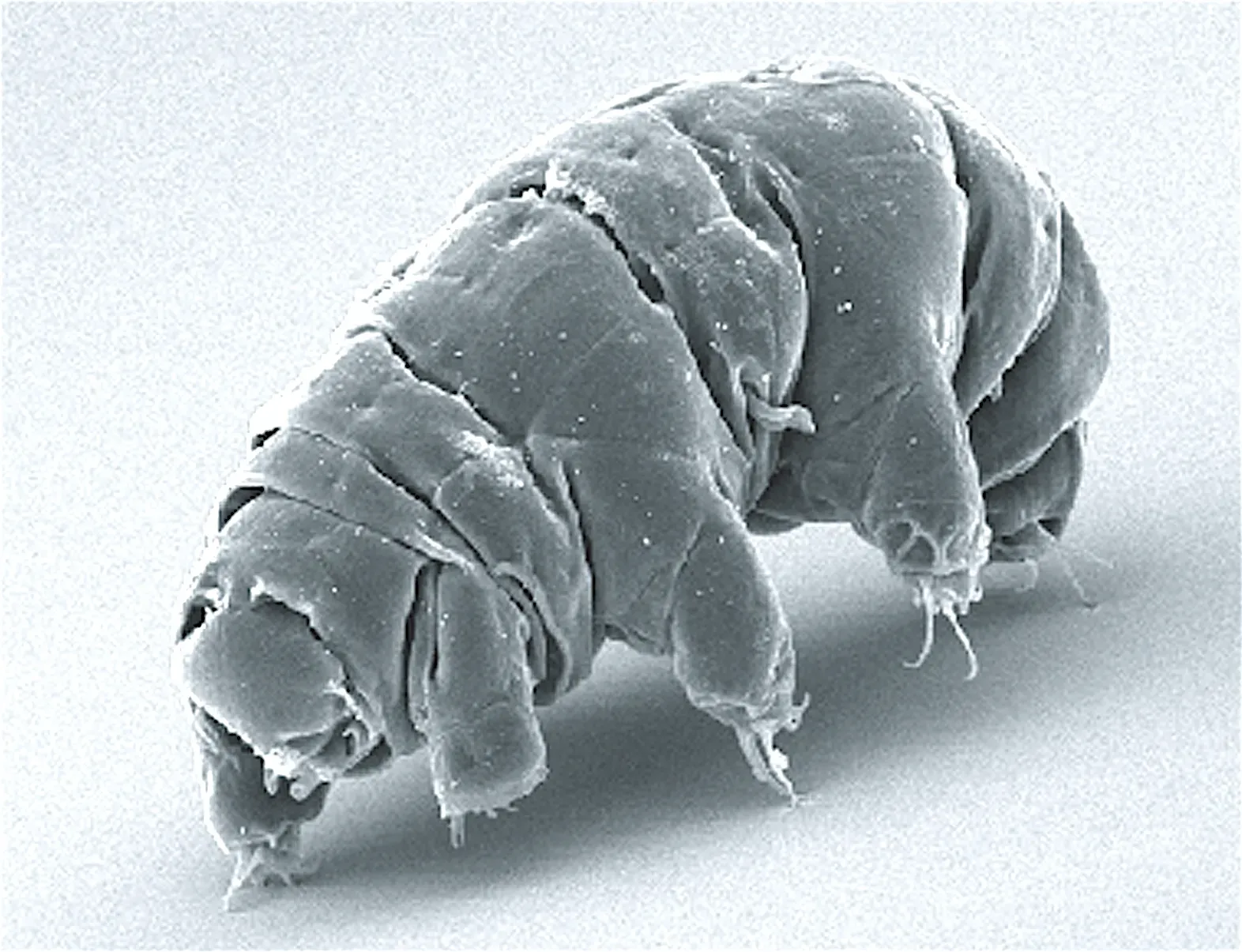
If you could shrink yourself down and hang out in a drop of water on a mossy rock, you might bump into the toughest little creature you will ever meet: the tardigrade. Also called a water bear, it looks a bit like a plump, eight-legged, vacuum-sealed sausage with claws, not exactly glamorous at first glance. But once you learn what it can survive, any lack of style suddenly stops mattering and you start to see it as one of nature’s ultimate survival tanks.
When its environment dries out or becomes impossibly harsh, a tardigrade can curl into a tiny, dehydrated state and practically pause its life functions. In this suspended mode, it has been shown to withstand punishing extremes: intense radiation, intense cold, and the near vacuum of space. Imagine being able to go into a kind of biological sleep where you shrug off conditions that would instantly kill most life forms you know. The next time you think of fragile little creatures, you might remember that somewhere, invisible to your eyes, a tardigrade is quietly outliving almost anything you could throw at it.
The Electric Eel: The Living Power Generator
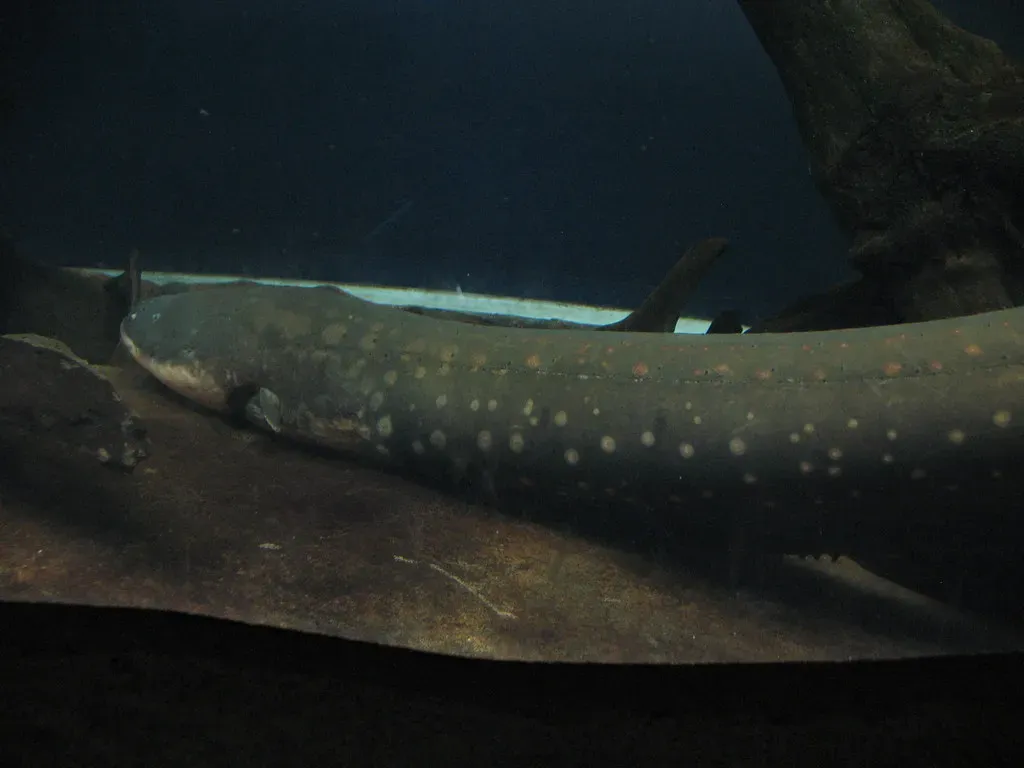
You rely on batteries and charging cables; the electric eel carries its own power source inside its body. This long, snakelike fish can generate substantial electric discharges using specialized cells called electrocytes, stacked and wired together like living battery units. When it wants to stun prey or defend itself, it can unleash strong jolts that travel through the surrounding water, turning a calm river into a live wire for anything unlucky enough to be nearby.
What makes this ability even more fascinating is how precisely the eel seems to use its electricity. It does not just blast energy randomly; it can send out weaker pulses to sense its environment, almost like using electricity as a radar. Then, when it closes in on prey, it ramps up the power to shock and immobilize its target in an instant. If you picture how dependent you are on man-made electricity, it is hard not to be impressed that this animal was carrying around a built-in power plant long before humans figured out how to light a bulb.
The Pistol Shrimp: The Claw That Shoots Sound
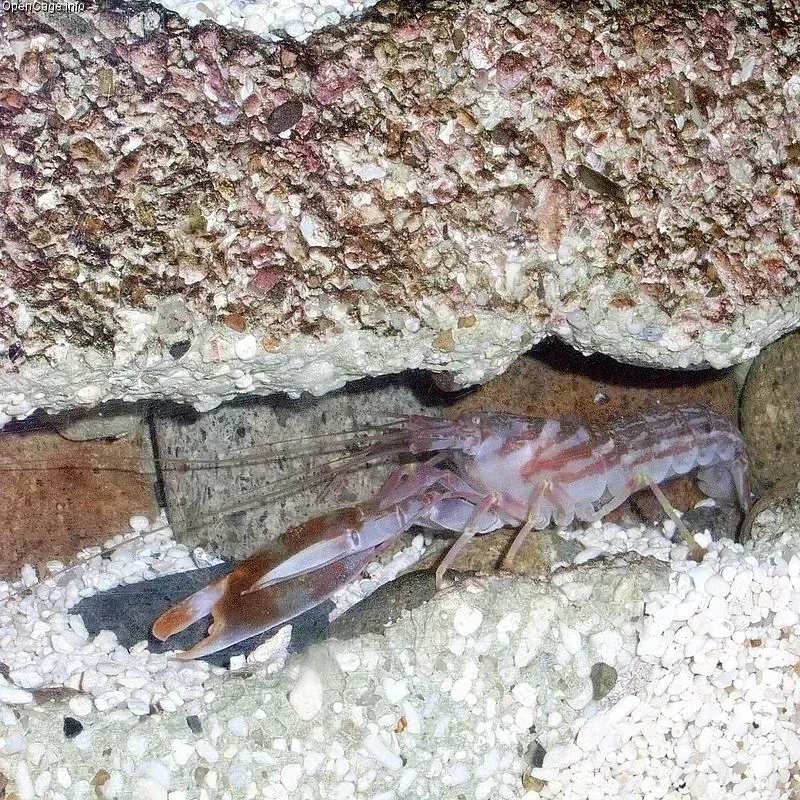
At first glance, the pistol shrimp looks like just another small ocean dweller, but one of its claws is packing a trick that feels straight out of science fiction. With a rapid snap of that oversized claw, it shoots out a tiny bubble at incredible speed, creating a sharp crack loud enough to be compared to the noise of a gunshot. The bubble collapses almost immediately, but in that fleeting moment it generates shockwaves powerful enough to stun or even kill small prey nearby.
What you cannot see with your naked eye makes this even more jaw-dropping. When that bubble collapses, the temperature in its tiny core spikes to an extreme level for a split second, and a very brief flash of light can appear. You are basically watching a shrimp create a tiny, controlled explosion in the water whenever it snaps its claw. While you are using your hands to type or scroll, this little creature is using its own “hand” to weaponize sound and pressure in a way you never experience in daily life.
The Bombardier Beetle: The Insect Chemical Cannon
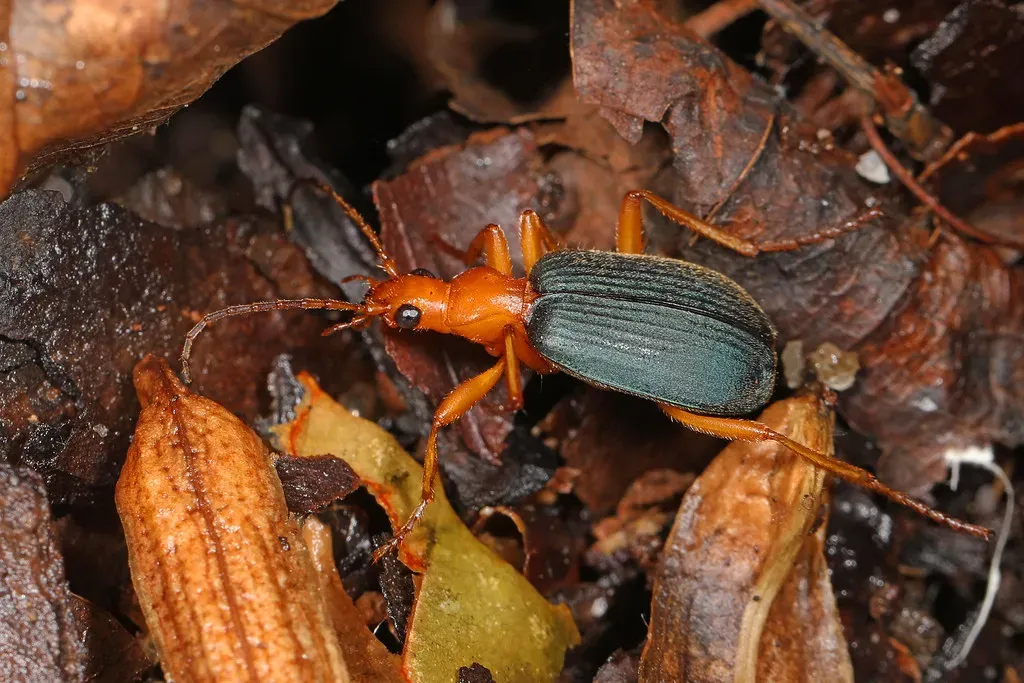
If you have ever used a spray bottle, you already understand the basic shape of what the bombardier beetle does, but its version is far more intense. When threatened, this beetle mixes chemicals stored in its body into a reaction chamber, where they rapidly combine and heat up. The result is a hot, noxious spray that it can fire out of its rear end with surprising accuracy, aimed right at whatever is trying to eat it.
From your perspective, the beetle is basically running a tiny chemistry lab on the fly and using it as a defensive weapon. It manages to avoid blowing itself up by carefully controlling valves and timing so that each burst is powerful but contained. Imagine if your body could instantly mix and project a heated defensive cloud whenever you felt in danger, no equipment required. This little insect shows you that “fight or flight” in the animal world sometimes comes with advanced chemical engineering built right into the body.
The Platypus: The Bizarre Mammal With Hidden Weapons
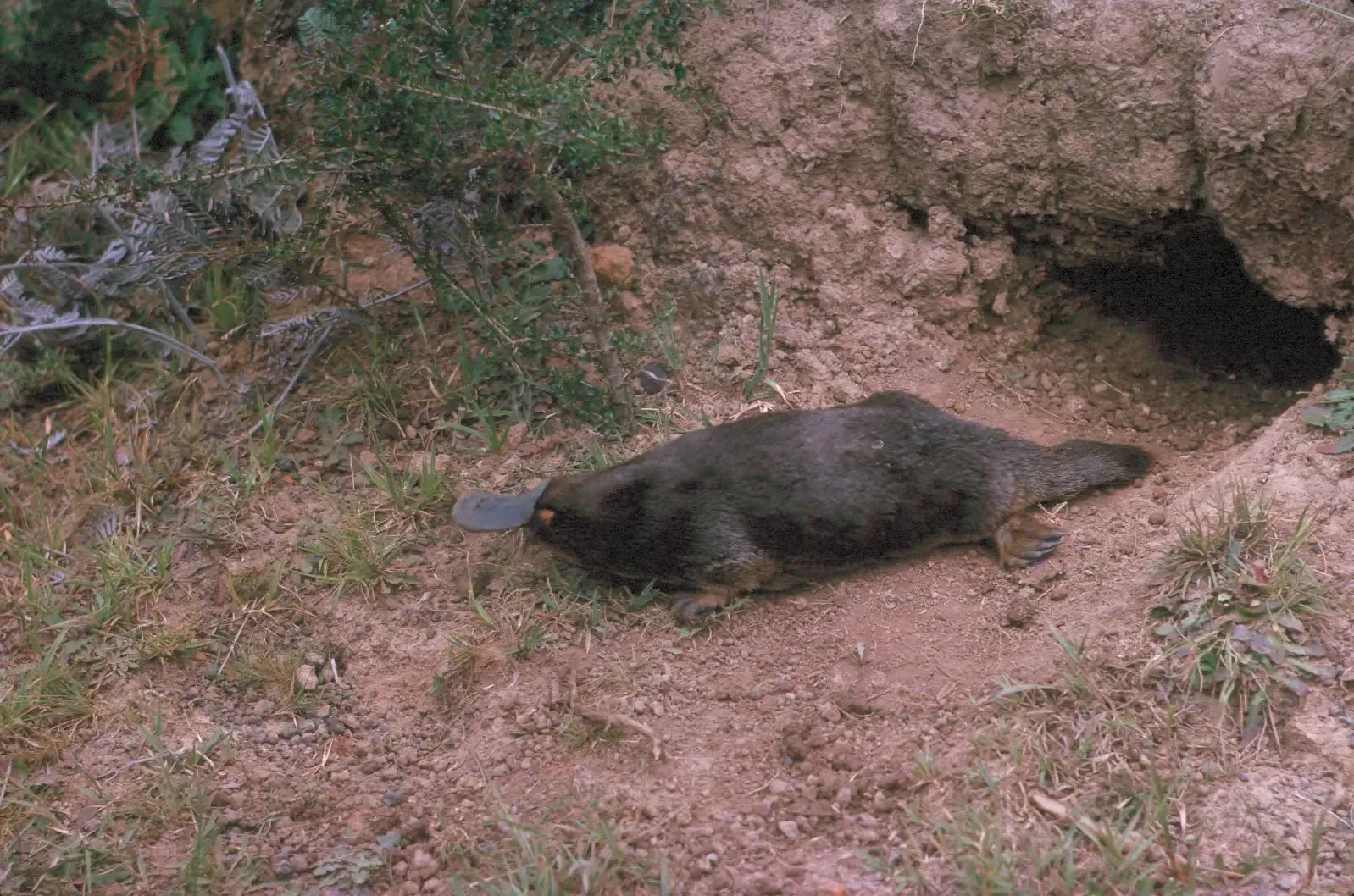
Record in source catalog
DPLA identifier: b21b1010b82bc33fade766135725ecd2, CC BY-SA 4.0)
You might look at a platypus and think someone combined leftover parts from other animals: a duck-like bill, a beaver-style tail, and a furry body. It is already strange enough that this mammal lays eggs, which breaks the usual pattern you are used to seeing with most mammals. But below that odd, almost playful appearance, there is a serious superpower hiding in plain sight that you probably would not expect.
Male platypuses have sharp spurs on their hind legs that can deliver venom, something you normally associate with snakes or scorpions, not a cute, semi-aquatic mammal. A painful sting from these spurs can cause intense discomfort, and while it is not usually deadly to humans, it is strong enough to make you respect the animal a lot more. On top of that, the platypus uses special receptors in its bill to sense tiny electric signals from the muscles of its prey underwater, giving it a kind of built-in detection system. When you put all of this together, you get a creature that looks like a harmless joke at first glance but is actually a well-armed, well-equipped specialist in its environment.
Conclusion: Nature’s Superpowers Are Hiding in Plain Sight
When you step back and look at the mantis shrimp, axolotl, tardigrade, electric eel, pistol shrimp, bombardier beetle, and platypus side by side, you start to realize how narrow your usual idea of an “ordinary animal” really is. Each of these creatures quietly performs feats that, if you saw them in a movie, you might accuse the writers of going too far. Yet these powers are not special effects; they are everyday survival tools honed over immense stretches of time, playing out right now in oceans, rivers, forests, and even droplets of water you barely notice.
The wildest part is that you are only seeing a tiny slice of what the natural world can do. For every animal you have just met, there are countless others with strange senses, regenerative talents, or clever tricks that scientists are still trying to fully understand. If you let that sink in, the world around you stops feeling familiar and starts to feel layered with hidden abilities and secret stories. Next time you see a small, unassuming creature, will you catch yourself wondering what superpower it might be hiding?