
If you could peek under the hood of your own mind, you’d probably be stunned by how much is happening without you ever noticing. You walk around thinking you’re steering the ship, but behind the scenes your brain is running a nonstop, high‑speed control center that quietly shapes what you see, feel, remember, and decide. The wild part is that some of its most powerful abilities are the ones you almost never think about.
Once you start to understand a few of these hidden wonders, your daily life looks different. The way you react in arguments, why certain memories stick, how you suddenly “just know” something without being able to explain it – none of that is random. Your brain is doing sophisticated work in the background, and when you learn how it operates, you can stop feeling like life is happening to you and start using your own wiring to your advantage.
The Invisible Prediction Machine Running Your Every Move
You might think you react to the world as it happens, but your brain is almost always one step ahead, silently predicting what comes next. When you catch a glass before it hits the floor or finish someone’s sentence in your head, that’s not magic – that’s your brain forecasting the next moment based on patterns it has learned over years. Neuroscientists now see your brain less as a passive camera and more as a prediction engine that constantly guesses what you will see, hear, and feel before it actually happens.
You notice this most clearly when those predictions go wrong: you mishear a word in a noisy room, you swear you saw your friend in a crowd who wasn’t there, or you jump at a shadow that isn’t a threat. In those moments, your brain’s best guess overpowered the raw input. Once you realize how strongly prediction shapes your reality, you can start changing the patterns you feed it. When you intentionally expose yourself to new ideas, new people, and new experiences, you are literally training your prediction machine to widen its expectations so you are less stuck in old habits and quick judgments.
Your Emotional “Bodyguard” That Reacts Before You Can Think
Have you ever snapped at someone and only afterward thought, “Why did I do that?” That’s your emotional bodyguard at work – the part of your brain that is wired to spot danger and react fast, even if it has to bypass slow, logical thinking to do it. From an evolutionary point of view, this makes perfect sense: your ancestors survived by reacting first and reflecting later. Your brain still works like that, firing up stress responses in your body before you’ve had time to form a proper sentence about what you’re feeling.
The problem is that modern life rarely involves the kind of physical threats your brain evolved to handle, so this emotional bodyguard often misfires. A critical email can trigger the same internal responses as a wild animal once did: racing heart, clenched jaw, tunnel vision. When you start noticing these reactions as your brain trying to protect you, you can respond differently. Simple habits like pausing for a slow breath, mentally naming what you feel, or stepping away for two minutes give your slower, wiser thinking circuits a chance to catch up so you respond with clarity instead of regret.
The Memory Editor That Rewrites Your Past While You Sleep

You probably think your memories are like files stored on a hard drive, but your brain behaves more like a movie editor constantly tweaking the story. Each time you recall an event, your memory can subtly change, influenced by your current mood, new information, or what others have said. Then, when you sleep, your brain goes to work again, strengthening some memories, fading others, and stitching bits together into something that feels smooth and continuous to you.
This might sound unsettling at first, but it also gives you a surprising kind of power. When you intentionally reframe how you think about a past event – focusing on what you learned, how you grew, or who helped you – your brain can gradually update the emotional tone of that memory. Over time, a story that once felt purely painful can become more balanced and less overwhelming. You are not stuck with the first draft of your past; your brain lets you be an active editor, especially when you pair honest reflection with decent sleep so those changes have a chance to sink in.
The Quiet Autopilot That Frees Up Your Mental Bandwidth
You know that strange feeling when you arrive somewhere and barely remember the drive? That is your brain’s autopilot system in action. When you repeat a task enough times – tying your shoes, typing your password, driving your usual route – your brain shifts it from effortful, conscious control to smoother, background processing. This frees up your limited mental resources so you can think about other things while your body keeps doing the familiar work.
The double edge here is that your brain does the same thing with habits that are not so helpful. Reaching for your phone the second you wake up, automatically saying yes to every request, or snacking when you are stressed can all become smooth, low‑effort routines. Once they are on autopilot, willpower alone is usually not enough to change them. You have to deliberately make the old behavior harder and the new one easier – putting your phone in another room at night, creating a polite go‑to phrase for saying no, prepping healthier snacks – until your brain updates its default settings and starts running the new pattern with the same quiet ease.
The Hidden Creativity Network That Lights Up in “Idle” Moments
You might assume your brain is only productive when you are focused and grinding, but some of its most interesting work happens when your mind drifts. When you daydream in the shower or let your thoughts wander on a walk, a network in your brain associated with imagination, memory, and self‑reflection comes alive. This is often when unexpected connections form, old problems suddenly feel clearer, and new ideas bubble up seemingly out of nowhere.
If you constantly fill every spare moment with scrolling, notifications, and noise, you give this creativity network less room to breathe. You do not have to become a monk to benefit; you just need a few tiny pockets of mental white space in your day. That might look like leaving your phone inside while you drink your morning coffee, taking a short walk without headphones, or staring out a window for a couple of minutes between tasks. Those unpolished, “unproductive” moments can quietly become some of the most valuable parts of your day, because they give your brain space to connect dots you did not even realize were related.
The Social Radar That Reads People Faster Than You Do

Long before you consciously decide whether you like someone, your brain has already taken a fast, quiet reading of their tone, posture, facial expression, and even tiny shifts in their breathing. You feel this as a gut sense: something feels off, or you instantly feel safe around a person you just met. Your brain is constantly decoding social signals because, for most of human history, fitting into a group was literally a matter of survival.
This hidden social radar is powerful, but it is not flawless. It is shaped by your past experiences, your culture, and even your current level of stress, which means it can misjudge people or situations if you are not careful. The way to get the best from it is to treat your gut feelings as useful information, not absolute truth. You can notice that early sense of discomfort or ease, then consciously gather more evidence: ask questions, observe behavior over time, and check your impressions with trusted people. When you combine your fast, intuitive reading with slower, deliberate thinking, your social decisions tend to become far wiser and less reactive.
Conclusion: Learning to Partner With Your Own Mind
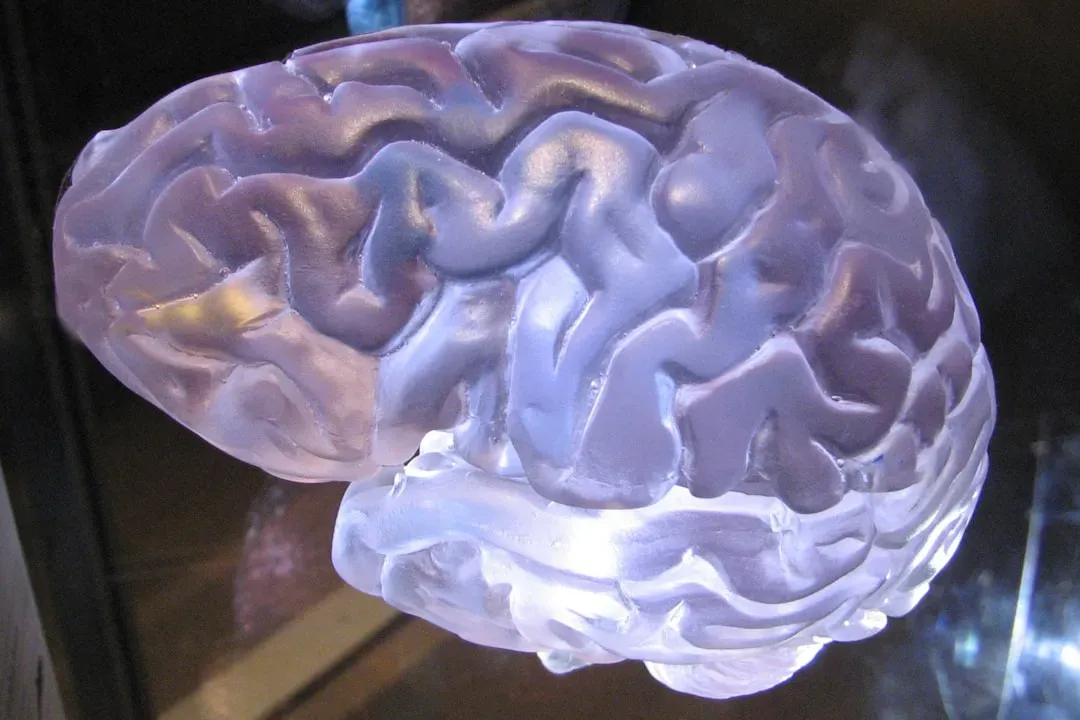
When you step back and really look at it, your brain is not just a single thing; it is a busy landscape of prediction engines, emotional guardians, memory editors, autopilots, creativity networks, and social radar systems all working at once. Most of this action happens behind the scenes, which is why you sometimes surprise yourself with what you do, say, or feel. But once you start recognizing these hidden forces, you can stop seeing your quirks and struggles as personal flaws and start seeing them as understandable results of how your brain is wired.
You cannot rewrite millions of years of evolution, but you can learn to work with your brain instead of fighting it. You can give your prediction machine better input, calm your emotional bodyguard before it overreacts, edit your stories instead of being trapped by them, retrain your autopilot, leave breathing room for creativity, and refine your social radar with curiosity instead of judgment. Every tiny shift in how you use your mind can ripple out into your relationships, your work, and your sense of yourself. Now that you know some of these hidden wonders are there, what will you explore first?