If you’ve ever looked into an animal’s eyes and felt, just for a second, that something deep was staring back, you’re not alone. The more scientists study animal intelligence, the more it feels like we’ve opened a door we can’t quite see through yet. We thought we understood what “smart” looks like: language, tools, planning. Then along came creatures that break the rules, don’t play by human definitions, and quietly challenge what a mind even is.
What really gets me is how often the most “ordinary” animals turn out to be quietly extraordinary. Some of them have brains the size of a walnut yet show problem‑solving skills that put human toddlers to shame. Others live in alien environments, with senses and ways of thinking so strange that even seasoned researchers admit they’re basically guessing. Let’s dive into seven of the most mind‑bending animals on the planet – ones that keep experts scratching their heads and rewriting the textbooks.
#1 Octopus: The Escape Artist With Nine Minds
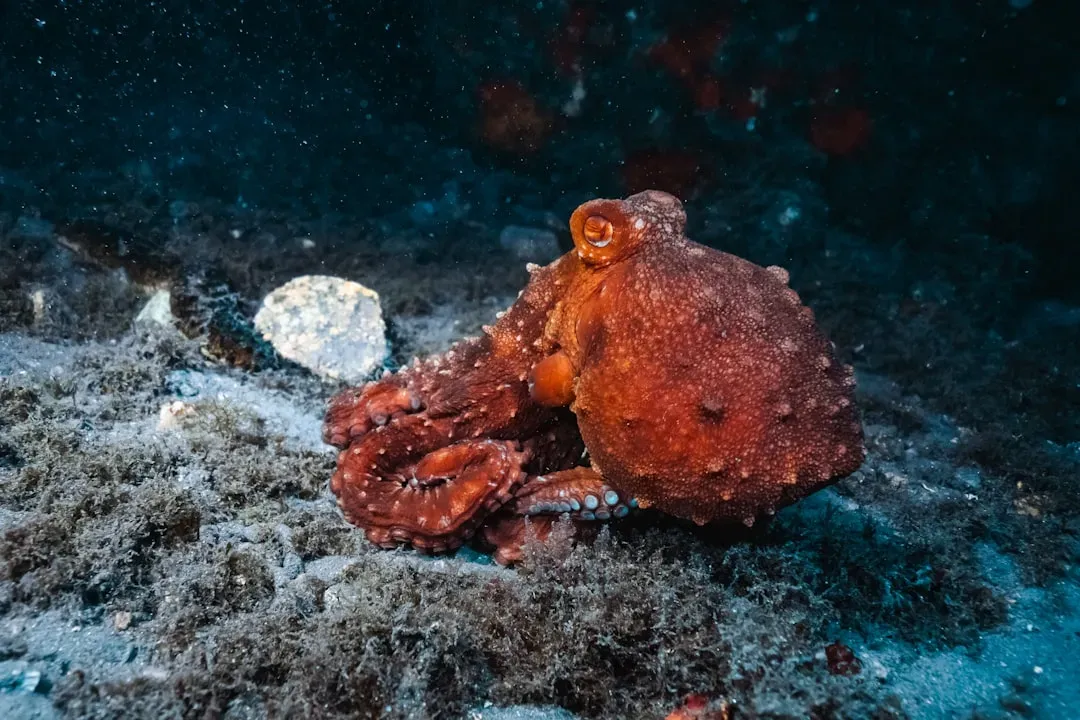
The octopus is the closest thing we have on Earth to an alien intelligence, and that’s not an exaggeration. Its nervous system is spread out, with a large portion of its neurons living in its arms, which can taste, feel, and even carry out semi‑independent actions. Imagine your hands being able to make decisions without checking in with your brain – that’s roughly what an octopus is dealing with. This radically different design makes it very hard for scientists to map behaviors to “thoughts” the way they do in mammals.
In captivity, octopuses routinely unscrew jars, open latches, raid neighboring tanks, and memorize routes through mazes, sometimes solving problems after just one or two tries. They seem to recognize individual humans, prefer some people over others, and even show what looks suspiciously like mischief – squirting water at lights, rearranging objects, or quietly slipping out at night to grab fish and returning as if nothing happened. Are they curious, playful, annoyed, or all of the above? We don’t even have a good vocabulary for what their emotional life might be, and that’s exactly why they fascinate and frustrate scientists in equal measure.
#2 Crows and Ravens: The Feathered Problem‑Solvers
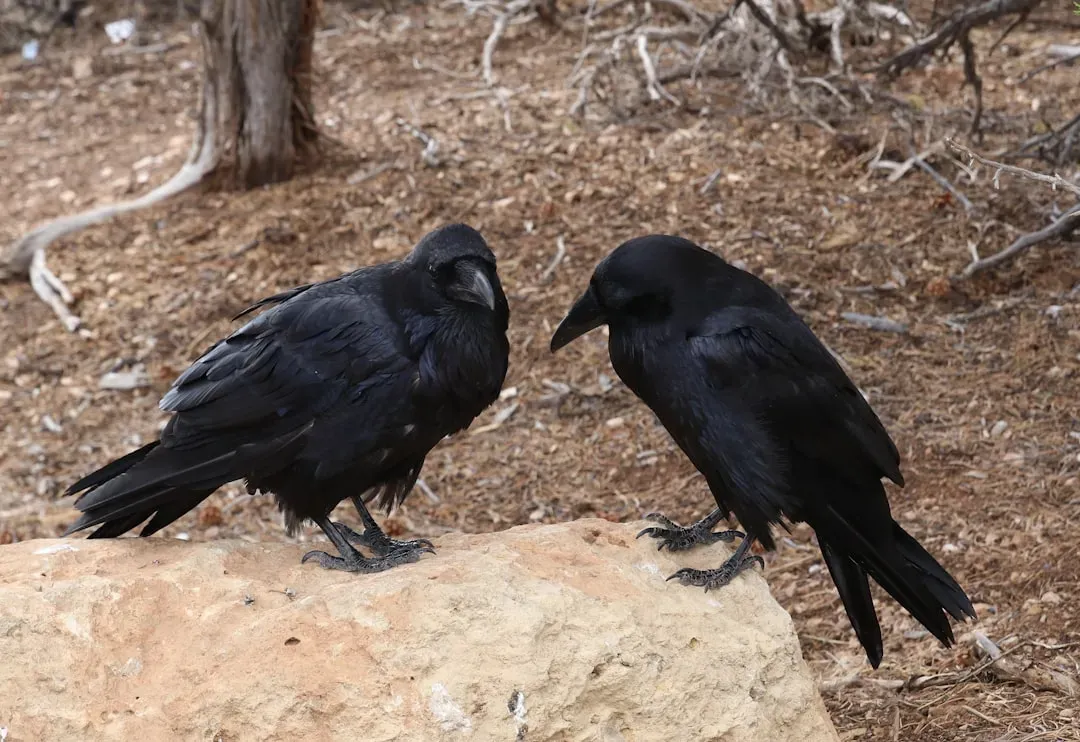
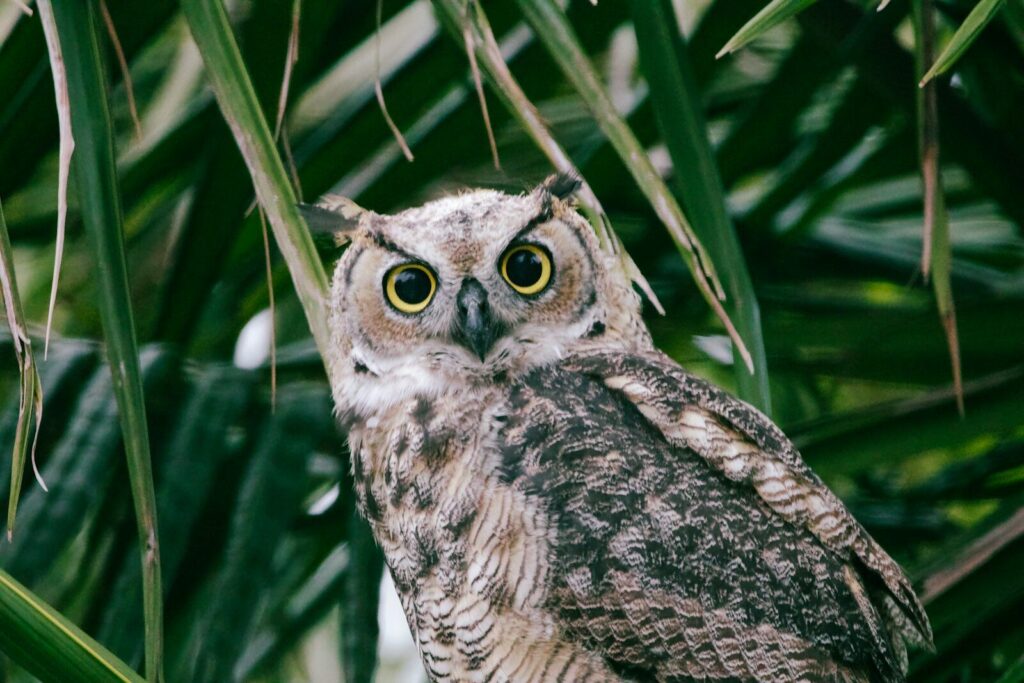
Crows and ravens belong to the corvid family, and if you ever doubted that “bird brain” is an insult in need of retirement, these are the birds that settle it. They solve multi‑step puzzles, use tools, and can figure out cause‑and‑effect relationships in ways that remind researchers of young children. Some experiments show crows using water displacement – dropping objects into a tube to raise the water level and grab a floating treat – something people once thought required fairly sophisticated reasoning. For a creature with a brain the size of a walnut, that’s astonishing.
What really unsettles scientists, though, is their social awareness and apparent long‑term memory of events and people. Wild crows have been observed recognizing human faces and remembering those faces for years, especially if that person was associated with danger. They share information with one another about threats, almost like a neighborhood watch in the sky. Researchers are still trying to work out how deep this understanding goes: Do crows simply form associations, or do they hold something like mental “files” on individuals and situations? The line between clever instinct and real reflection gets disturbingly blurry with these birds.
#3 Dolphins: Minds Beneath the Waves
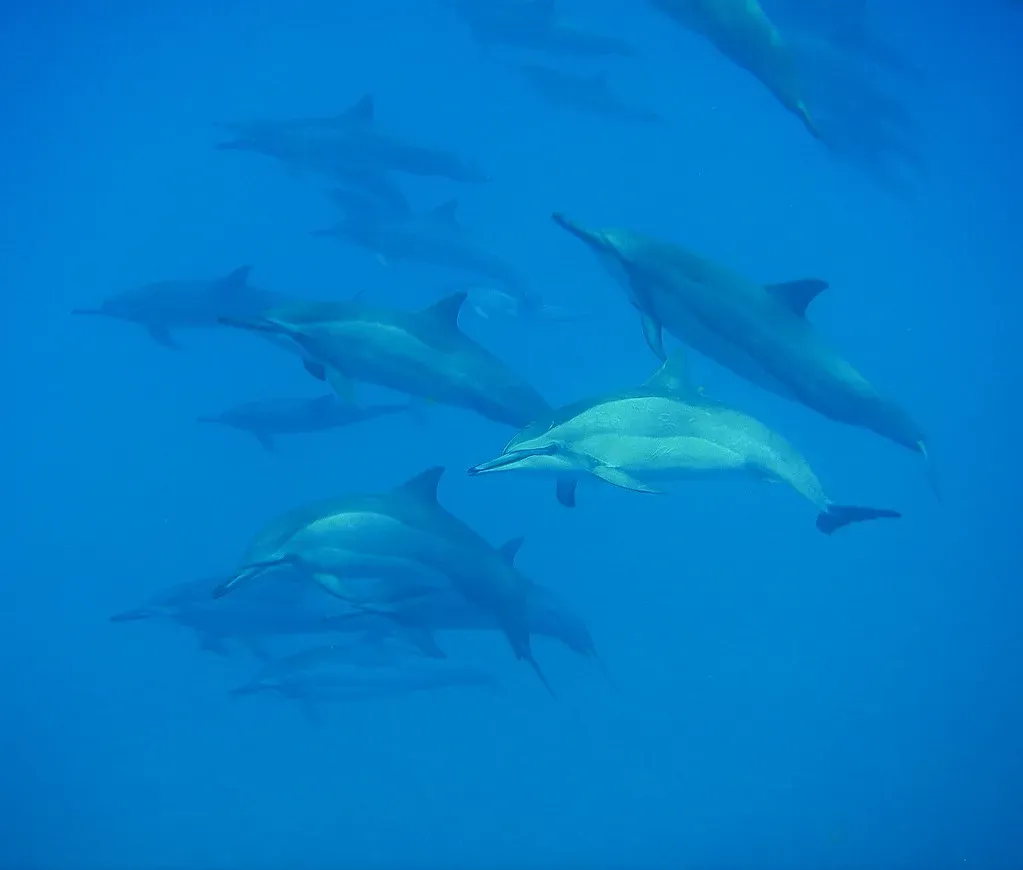
Dolphins have long had a reputation for being smart, but the more we learn, the harder it becomes to pin down what kind of intelligence they actually have. Their brains are large and complex, with regions involved in social processing and sensory integration that are highly developed. They recognize themselves in mirrors, suggesting some level of self‑awareness, and can understand symbolic signals and follow instructions involving sequences and conditions. Yet their world is shaped by sound and water, not sight and dry land, so their mental “reality” may be very unlike ours.
One of the most mysterious aspects of dolphin cognition is their communication. They use signature whistles that seem almost like names, clicks and burst pulses that may encode rich information, and coordinated vocalizations when hunting or playing. Scientists can measure patterns, but interpreting what those patterns mean is another story entirely. Are we listening to a kind of language, or something more like a finely tuned emotional and social signal system with no direct human equivalent? Until we crack that code – if we ever do – we’re essentially eavesdropping on a conversation we can hear but barely understand.
#4 Elephants: The Gentle Giants With Hidden Depths
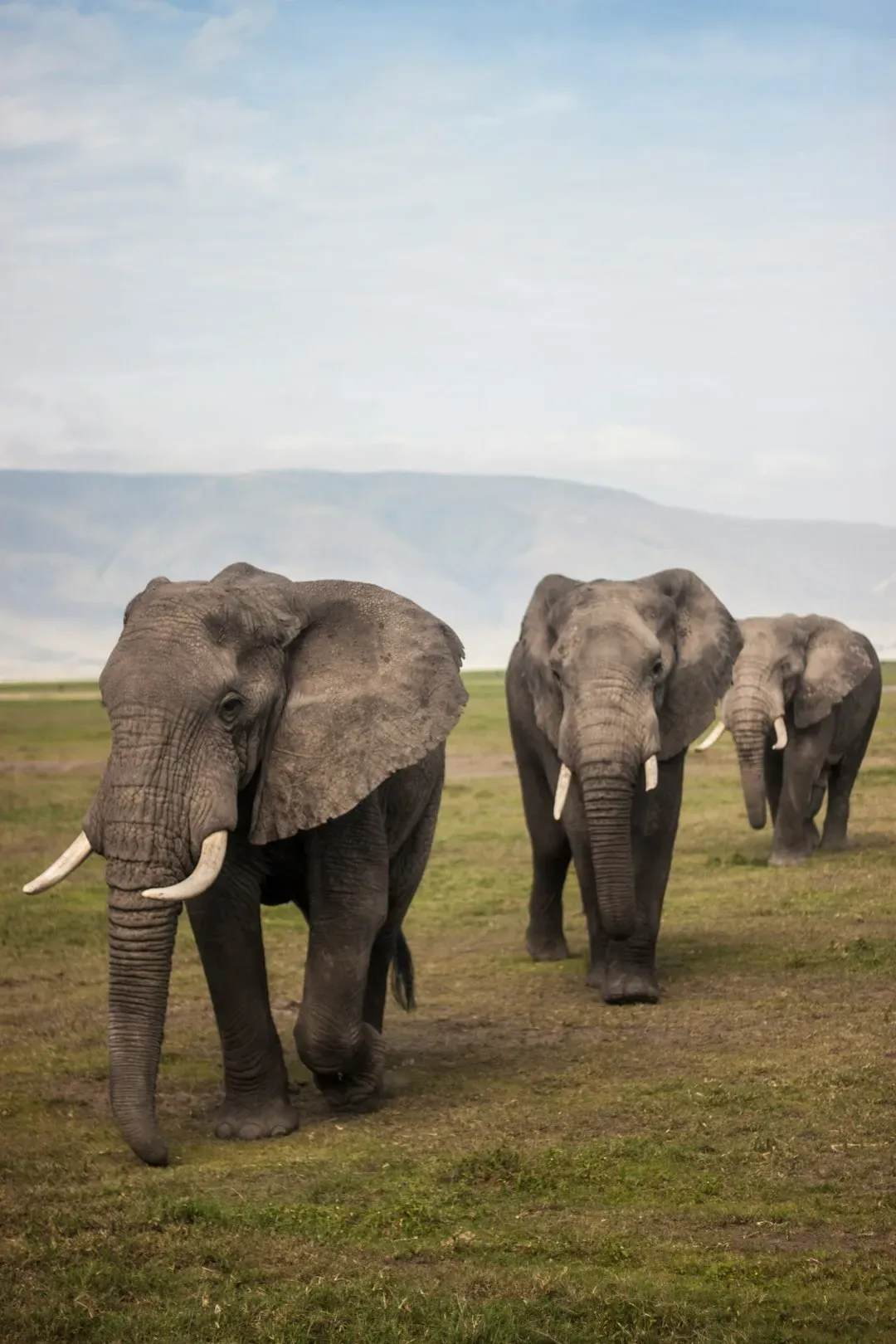
Elephants are often described as emotional, but that word barely scratches the surface. They show behaviors that look like grief when a member of their herd dies, lingering around bones or bodies and touching them gently with trunks and feet. They form long‑term bonds, remember locations and individuals over many years, and coordinate complex group movements over large territories. Their brains have a dense network of connections in areas linked to memory and social processing, which suggests a rich inner life that scientists are still trying to decode.
What confounds researchers is how to interpret the full complexity of those emotions and decisions. When elephants suddenly change migration routes, respond to distant thunder, or alter their behavior in response to human conflict, are they calculating risks, reacting instinctively, or something in between? They can use tools, solve simple problems, and show self‑recognition in mirrors, but they also seem to operate with a kind of quiet, long‑term awareness that doesn’t fit neatly into lab experiments. In my view, we’ve only scratched the surface of their mental world, and a lot of it likely lives in subtle social signals and family histories we rarely get to witness.
#5 Parrots: Colorful Brains Behind the Beak
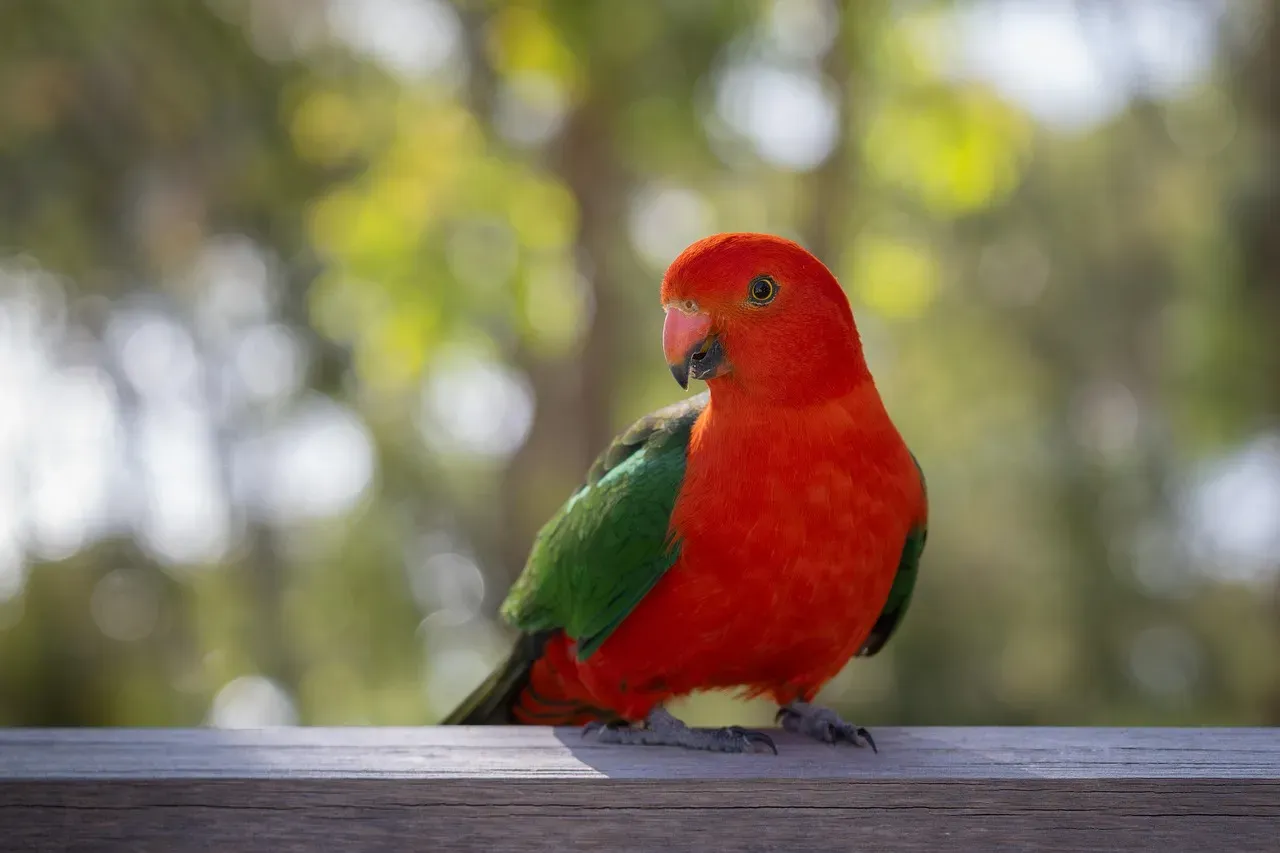
Parrots are often seen as living tape recorders, parroting words without understanding, but that stereotype is becoming harder to defend. Certain parrot species show impressive abilities to categorize objects, understand simple concepts like “same” and “different,” and use vocalizations in context. Some individuals can label items, request what they want, and appear to understand basic numerical ideas. Their brains have a highly developed region that functions somewhat like our cortex, even though bird brains are structured very differently.
The big question is how much of this behavior reflects true comprehension versus complex mimicry. When a parrot seems to “ask” for a specific item or reacts appropriately to a phrase, is it merely responding to subtle cues, or is it tapping into a flexible mental model of its world and relationships? Their social lives in the wild – forming flocks, keeping track of partners, learning local “dialects” – hint at a sophisticated communication system that we’re only partially glimpsing in captivity. The gap between what we see in a living room and what’s happening in a rainforest flock is likely huge, and that gap keeps scientists guessing.
#6 Whales: Deep Thinkers of the Ocean
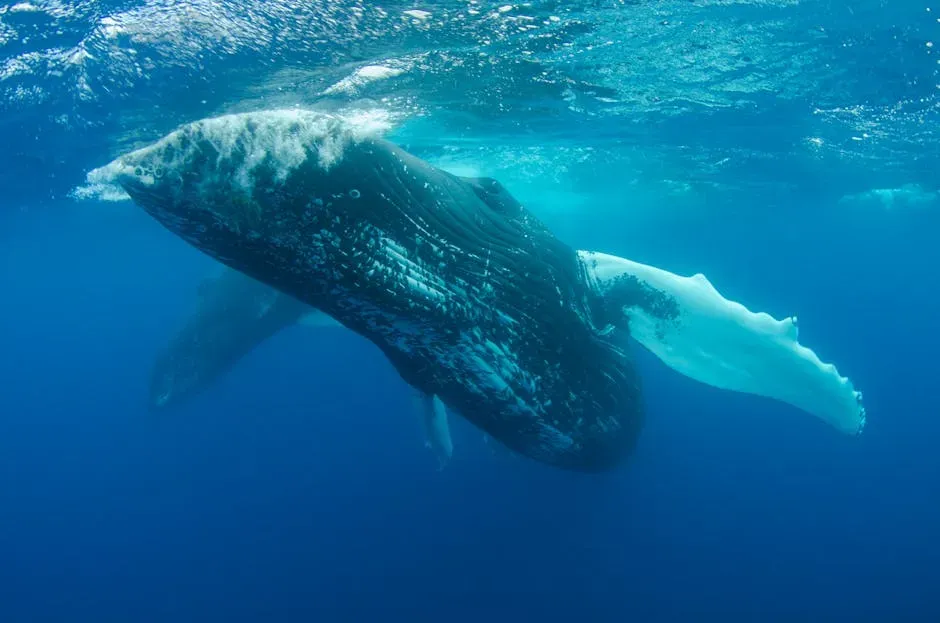
Large whales, particularly species like sperm whales and some baleen whales, may be among the most enigmatic minds on the planet simply because their world is so inaccessible. They live in vast, three‑dimensional ocean spaces, communicate over long distances with complex songs or patterned clicks, and maintain social structures that can span generations. Some whale songs evolve over time and spread across populations, almost like cultural trends traveling through the sea, which suggests some form of shared learning.
Yet, for all our technology, we mostly observe them from the surface or in brief underwater encounters, catching fragments of behavior and sound. Are their vocalizations a kind of narrative, a social glue, or something more like music woven into their identity? How do they think about time, memory, and migration when their lives stretch across thousands of miles? Scientists are increasingly talking about whale cultures, not just whale instincts, but without being able to live alongside them in their own element, a huge chunk of their mental lives remains speculative. That uncertainty is both scientifically frustrating and strangely humbling.
#7 Jumping Spiders: Tiny Brains, Big Surprises
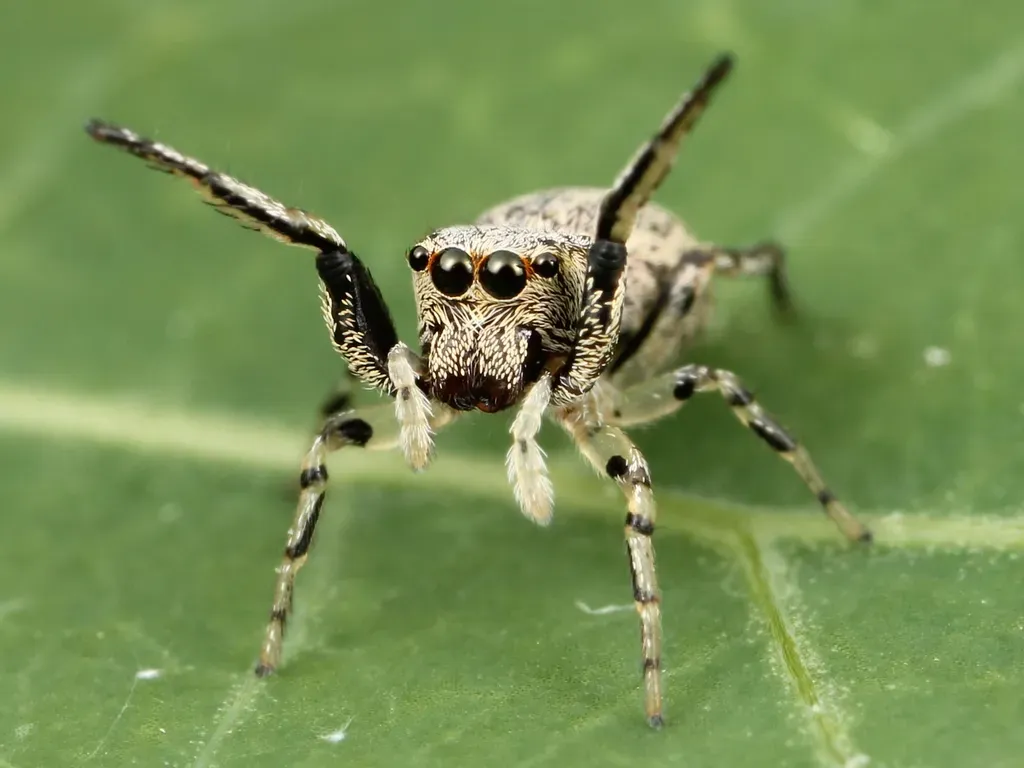
Jumping spiders might be the most surprising entry on this list, precisely because they’re so small and easy to overlook. With brains smaller than a pinhead, you’d expect them to follow rigid, pre‑programmed routines. Instead, some species show flexible hunting strategies, detouring around obstacles, planning routes, and even appearing to test different approaches before committing. They have excellent vision for their size, and their behavior suggests a kind of miniature mental map of their surroundings.
For scientists, the real puzzle is how such a tiny brain can support such seemingly sophisticated behavior. Are we underestimating what minimalist neural circuits can do, or over‑interpreting clever instinct as strategy? Either way, jumping spiders challenge the idea that complex thinking requires a big brain. They hint that intelligence might be more about efficient design and specialized processing than sheer neuron count. In a way, they’re a reminder that a mysterious mind can hide in the smallest, most easily ignored body.
Conclusion: Rethinking What a “Mind” Really Is
Looking across these seven animals, a pattern emerges that I find both thrilling and a little unsettling: the more closely we look, the less comfortable our old ideas about intelligence feel. Minds can be spread through arms, packed into tiny spider heads, echoed in songs across an ocean, or woven through long‑lasting family bonds on land. Some of these creatures may not think in words at all, yet still navigate complex social lives, remember the past, and adapt to new problems in ways that feel undeniably mindful. The mystery isn’t just that they’re smart – it’s that they are smart in ways that do not easily fit inside our human categories.
My opinion is that we have been far too quick to measure every other species against a human yardstick, as if language and technology were the only currencies of thought that matter. The animals here suggest a different view: that minds can be wildly varied, deeply contextual, and tailored to specific worlds we barely grasp. Instead of asking whether they are “as intelligent as us,” maybe the better question is what kind of intelligence they embody, and what that reveals about the possible shapes a mind can take. If this is what we know so far, how many more baffling, beautiful minds do you think we still haven’t even noticed yet?