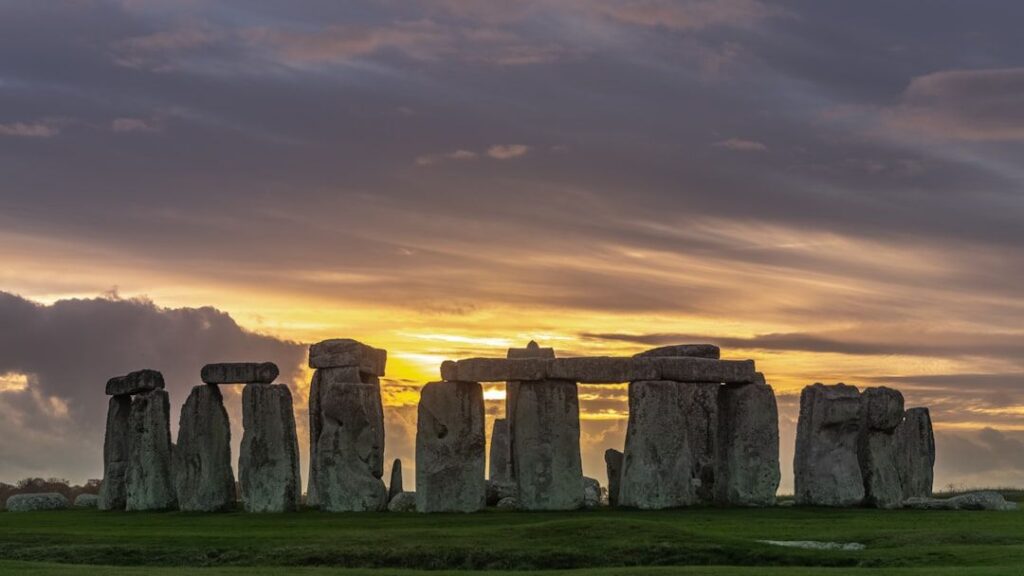
You probably grew up with the image of Stonehenge as a lonely circle of stones silhouetted against a dramatic English sky, a kind of ancient riddle frozen on Salisbury Plain. You know it is old, important, mysterious – but in the last few years, the story behind those stones has shifted in surprisingly bold ways. New science has quietly rewritten big parts of what you thought you knew about who built Stonehenge, where its stones came from, and why anyone would go to such insane effort in the first place.
If you imagine Stonehenge as a dusty, solved museum piece, you’re actually way off. Geochemists, archaeologists, and even livestock specialists are still pulling new clues out of rocks, old bones, and forgotten excavation notes. The emerging picture is wilder, more ambitious, and more human than the old textbook version: long-distance stone hauling across Britain, political power plays, and communities trying to knit a fractured land back together. As you walk through these new theories, you’re not just looking at stones – you’re stepping into a 5,000‑year‑old argument about power, identity, and what people will do for meaning.
How New Science Is Rewriting the Stonehenge Origin Story
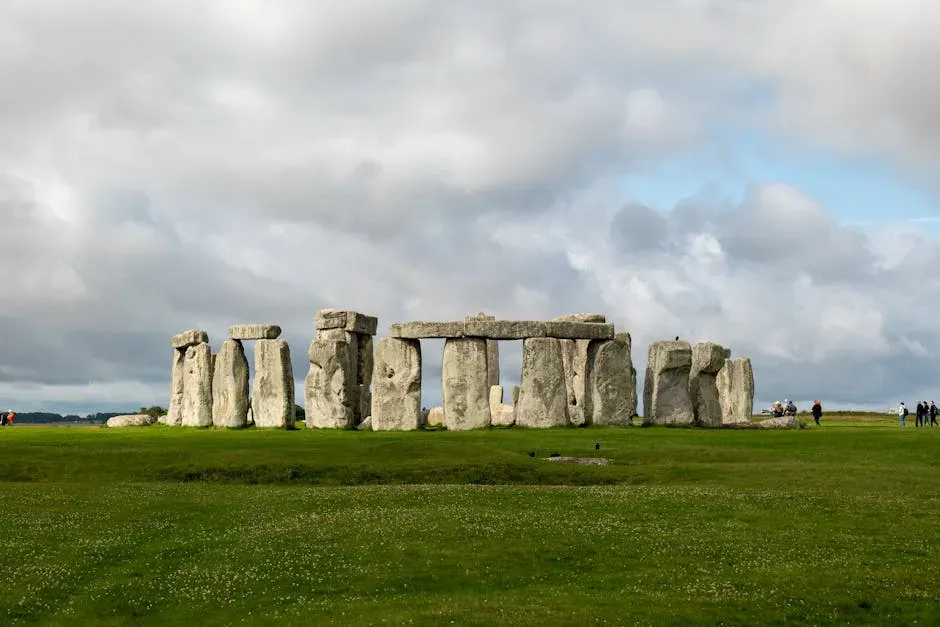
When you stand in front of Stonehenge today, you’re seeing the end point of something that started hundreds of kilometers away. For most of the twentieth century, you were told the smaller “bluestones” came from Wales, the bigger “sarsens” from somewhere local, and that was pretty much the story. Over the last decade, and especially since around 2024, that tidy narrative has been torn up by geochemical research that lets scientists “fingerprint” individual stones and match them to specific quarries and landscapes across Britain. You are no longer dealing with vague guesses; you’re looking at lab-tested origins.
By comparing trace elements and microscopic minerals in Stonehenge’s blocks with rocks across the UK, researchers have linked most of the big sarsen stones to West Woods in Wiltshire, roughly a day’s walk to the north, rather than random boulders scooped up on the plain. ([researchgate.net](https://www.researchgate.net/publication/392093378_The_Origins_of_Stonehenge%27s_Sarsen_Stones_A_Comprehensive_Review_of_Provenancing_Studies?utm_source=openai)) At the same time, work on the so‑called Altar Stone at the center of the monument has pointed toward a source in northeastern Scotland, hundreds of kilometers away, which means at least one giant stone seems to have crossed almost the entire length of Britain to get there. ([nature.com](https://www.nature.com/articles/s41586-024-07652-1?utm_source=openai)) When you hear that, the site stops looking like a local shrine and starts to feel more like a national project.
Who Really Built Stonehenge? What Genetics and Bones Are Telling You
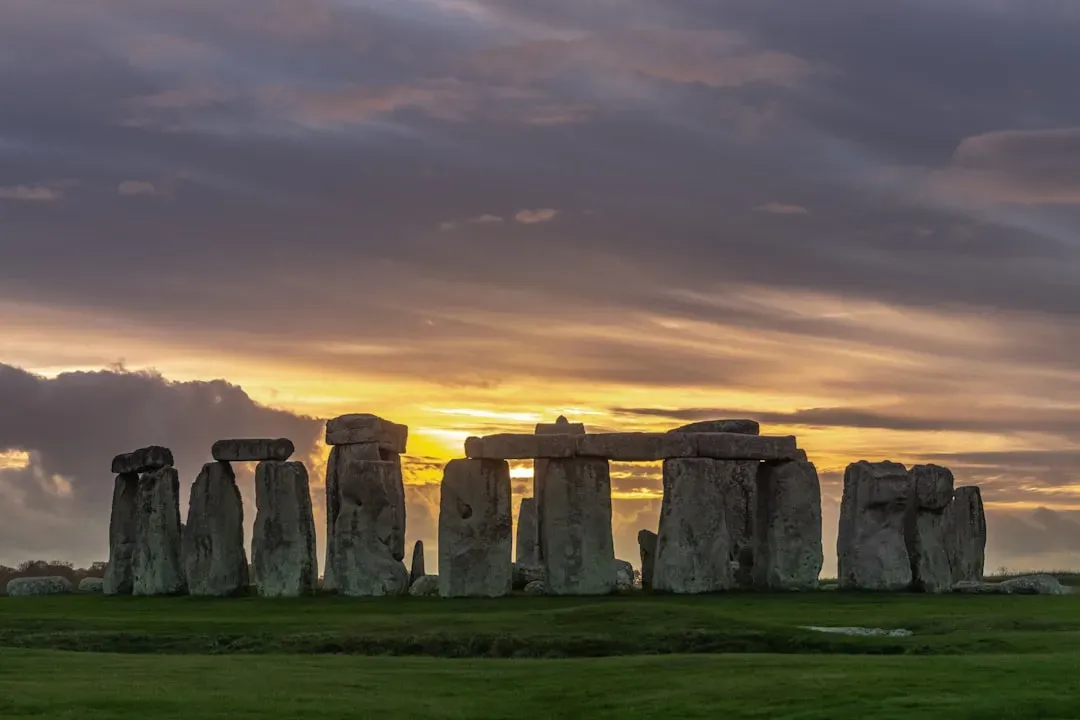
For years, you probably heard vague claims about “mysterious Druids” building Stonehenge, even though the monument is thousands of years older than the historical Druids. Today, when you ask who really built it, you’re looking at a mix of archaeology, ancient DNA, and isotopic analysis of teeth and bones. These lines of evidence suggest that the people involved were descendants of early farmers who had gradually spread into Britain from regions linked to the Near East and, later, from areas that included parts of Iberia. They brought agriculture, new pottery styles, and a very particular way of thinking about monuments and ancestors.
Animal remains and human burials around Stonehenge tell you the builders were not isolated villagers tinkering with stones on weekends. They were part of far‑flung networks where people – and their animals – were moving long distances. A single Neolithic cow tooth found near the monument’s entrance, for example, has chemical signatures showing the animal did not grow up on the chalk lands of Wessex but in western Wales, roughly the same area many of the bluestones came from. ([ucl.ac.uk](https://www.ucl.ac.uk/news/2025/aug/prehistoric-cow-tooth-supports-welsh-origin-stonehenge-stones?utm_source=openai)) That means you are looking at gatherings where livestock, people, and stones all converged from different corners of Britain. The builders were not faceless primitives; they were mobile, organized communities who could coordinate transport, feasts, and ritual construction at a scale that would challenge you even today without modern machines.
Scotland, Wales, and the Long-Distance Stones
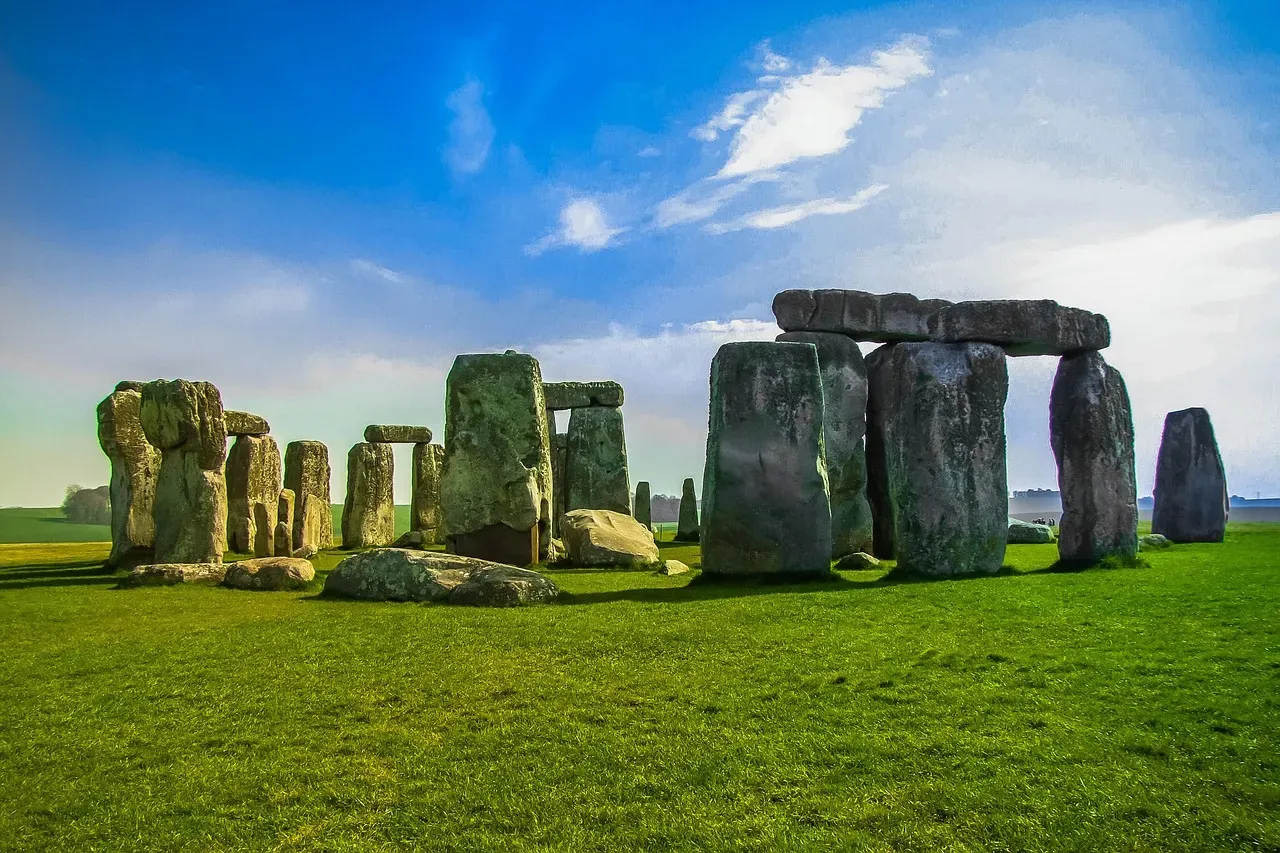
If you picture ancient Britons as people who rarely traveled beyond the next valley, Stonehenge’s stones prove you wrong. The smaller bluestones have long been tied to quarries in west Wales, more than 200 kilometers from Salisbury Plain, and the recent work on the Altar Stone points toward origins in the Orcadian Basin of northeastern Scotland, potentially over three times farther away. ([nature.com](https://www.nature.com/articles/s41586-024-07652-1?utm_source=openai)) You are not just looking at a stone circle; you are looking at a monument built from rocks deliberately gathered from the far ends of the island. Imagine a modern memorial in London built from boulders hauled, by hand, from both Cornwall and the Scottish Highlands – that is the level of statement being made here.
New analyses of outlying stones in the Stonehenge landscape, such as the Cuckoo Stone and Tor Stone, show that sarsen blocks were being moved around the region centuries before the main stone circle was completed. ([cambridge.org](https://www.cambridge.org/core/services/aop-cambridge-core/content/view/C7C6D363A6E59D0BBF5C3158077ABB24/S0079497X24000136a.pdf/div-class-title-earliest-movement-of-sarsen-into-the-stonehenge-landscape-new-insights-from-geochemical-and-visibility-analysis-of-the-cuckoo-stone-and-tor-stone-div.pdf?utm_source=openai)) When you add that to the clear geochemical ties to specific quarry sites, the picture you get is one of long‑term planning and experimentation. Communities were not just dragging any big rock they found; they were rehearsing, scouting, and testing routes. The stone sources in Wales and Scotland seem almost like diplomatic signatures carved into the landscape – physical proof that different regions were willing to contribute their most impressive stones to a shared project.
Humans, Not Glaciers: What Really Moved the Bluestones
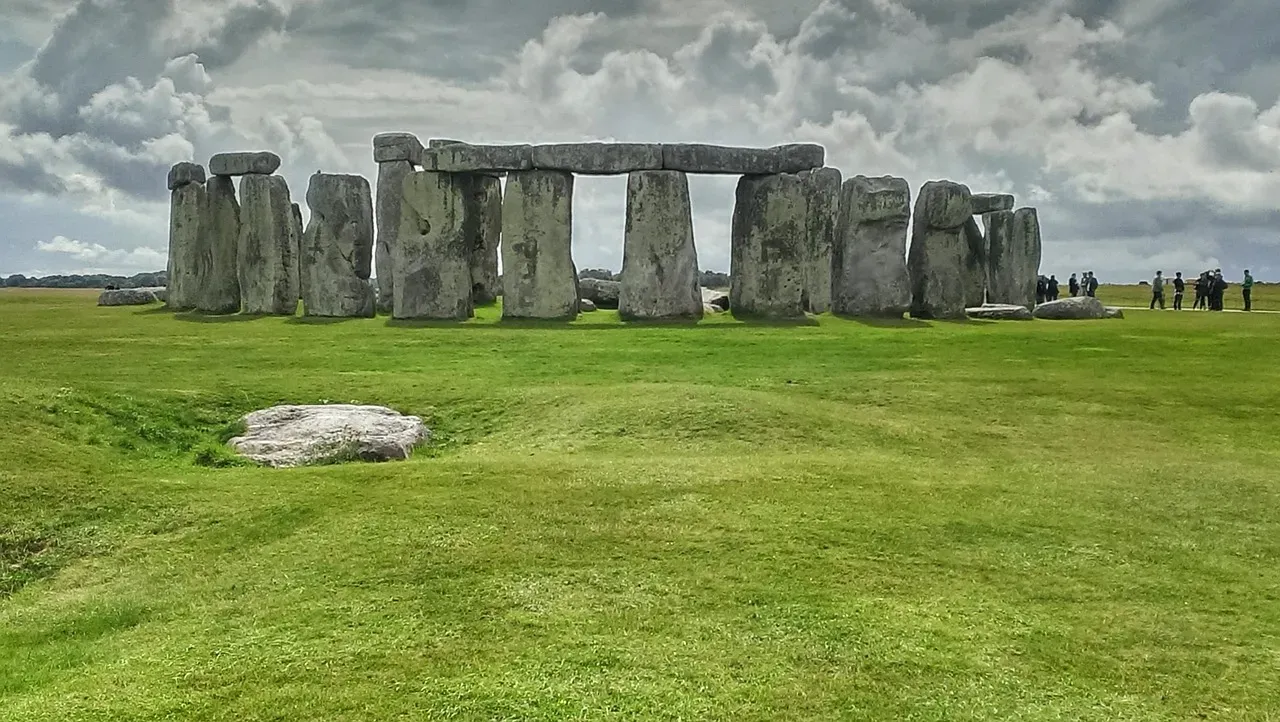
If you ever heard that glaciers might have conveniently dumped stones near Stonehenge and that Neolithic builders simply used what the ice left behind, new research has turned that comfortingly simple story upside down. Detailed mineralogical work on a long‑ignored rock known as the Newall boulder, excavated at Stonehenge in the 1920s, has shown that its composition closely matches a specific outcrop in west Wales. The analysis also undercuts the idea that a grab‑bag of random glacial stones was lying around on Salisbury Plain waiting to be used. ([phys.org](https://phys.org/news/2025-07-humans-glacial-brought-bluestones-stonehenge.html?utm_source=openai)) Instead, you’re pushed toward the more demanding conclusion: people chose particular stones and brought them all the way.
That conclusion is backed up by broader geological evidence showing no trace that glaciers ever advanced as far as Stonehenge with the right types of erratic boulders. ([sciencedaily.com](https://www.sciencedaily.com/releases/2026/01/260127010208.htm?utm_source=openai)) In other words, if you want those bluestones to stand in a ring on Salisbury Plain, human hands, ropes, rollers, sledges, and maybe wooden tracks have to do the work. This forces you to take the builders’ engineering seriously. You are looking at teams that could organize labor, feed workers, negotiate permissions across territories, and move multi‑ton stones over rivers and hills. What sometimes gets framed as a romantic mystery is, in practical terms, a breathtaking feat of project management.
Why Build It? From Solar Calendar to Political Monument
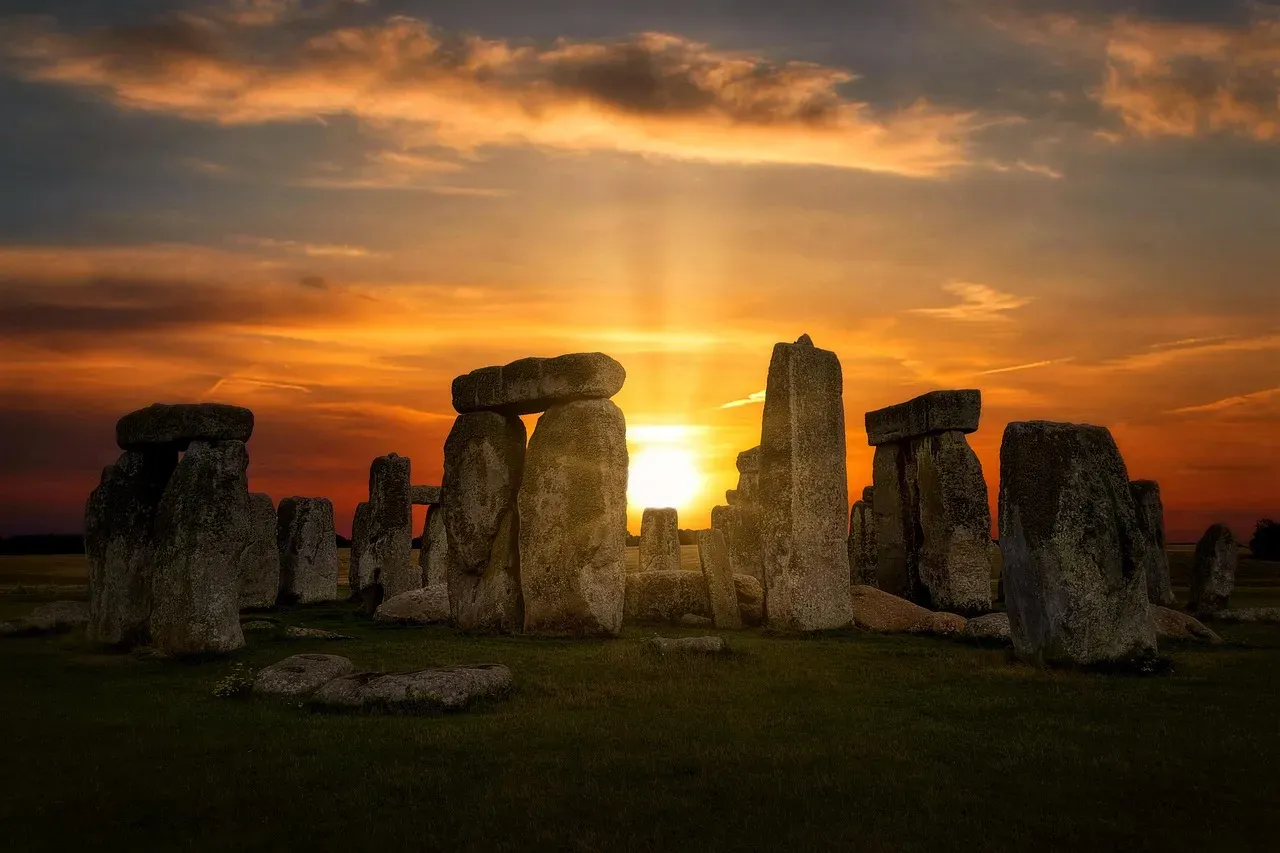
When you hear about Stonehenge’s purpose, the first explanation that usually shows up is astronomy: the solstice sunrise through the stones, the winter sunset lining up between uprights, the idea of a giant prehistoric observatory. There is real evidence for deliberate alignments with the midsummer sunrise and midwinter sunset, and you can see those lines of sight yourself if you visit at the right time of year. But if you stop at “calendar,” you miss the deeper question: why did anyone care enough about marking those moments to drag stones from the far reaches of Britain? A simple timekeeping tool does not explain that level of obsession.
Recent work argues that you need to see Stonehenge as both sacred and political. Around the time the main stone circle took shape, Britain’s earlier long barrows and smaller monuments were falling out of use, and new peoples were arriving from the European mainland. Some archaeologists now suggest that rebuilding Stonehenge in its stone phases may have been about unifying different groups under a shared ritual center, using stones from Wales, Scotland, and local chalklands as a literal fusion of regional identities. ([ucl.ac.uk](https://www.ucl.ac.uk/news/2024/dec/stonehenge-may-have-been-built-unify-people-ancient-britain?utm_source=openai)) In that view, when you imagine a solstice at Stonehenge, you are not just seeing a handful of shamans tracking the sun; you are seeing a mass gathering, feasts, alliances, and perhaps deals being struck under the gaze of giant stones that said: this place belongs to all of you.
Ritual, Ancestors, and the Realm of the Dead
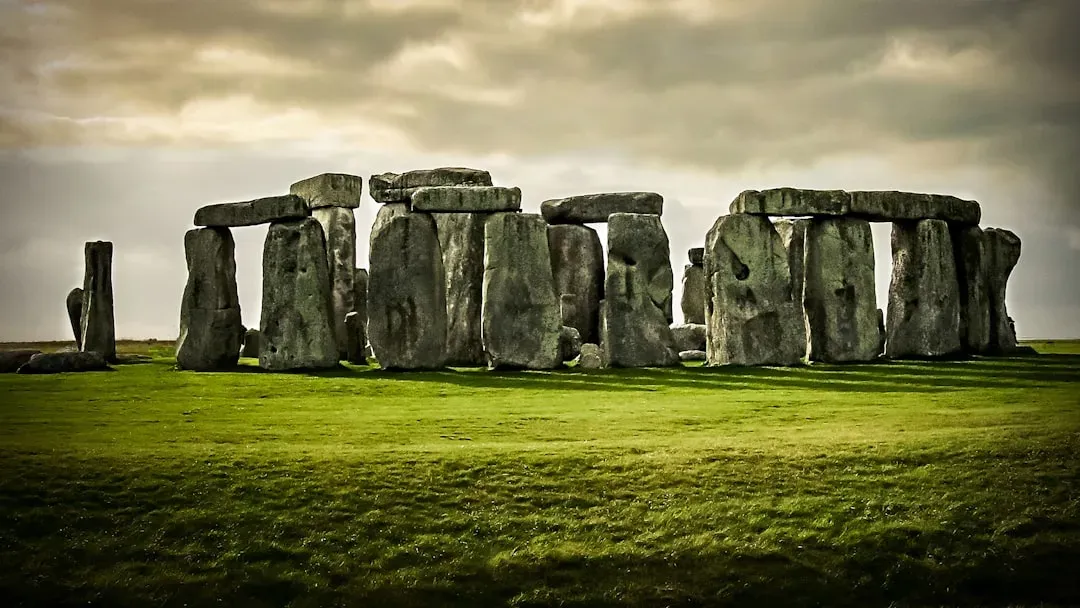
If you walk the broader Stonehenge landscape, you quickly realize the monument is not alone. It sits among avenues, burial mounds, timber circles, and a huge nearby settlement at Durrington Walls where people feasted and lived seasonally. Some researchers have argued that Durrington represented the realm of the living, with its wooden structures and pig feasts, while Stonehenge, built in enduring stone and linked by processional routes, marked the realm of the dead and the ancestors. In that model, you can picture processions moving from the living village to the stone circle, literally walking from life to death across the landscape.
Discoveries of pits forming large circular patterns around the site and evidence of complex deposition of animal remains and human bones strengthen the sense that you are dealing with a ritualized territory, not just an isolated temple. ([reddit.com](https://www.reddit.com/r/ScienceUncensored/comments/1qlmavh/scientists_uncover_new_evidence_the_stonehenge/?utm_source=openai)) The stones themselves may have been seen as ancestral beings, or as axes through which cosmic cycles and human memory intersected. When you step back and see stones from Wales and Scotland encircling the dead of Wessex, the site begins to feel like a national cemetery, ceremonial theater, and cosmic clock all woven together. You are not supposed to understand it in one glance; you are supposed to feel dwarfed by it, the same way its original visitors likely did.
Engineering Genius: How You Would Have Raised the Stones
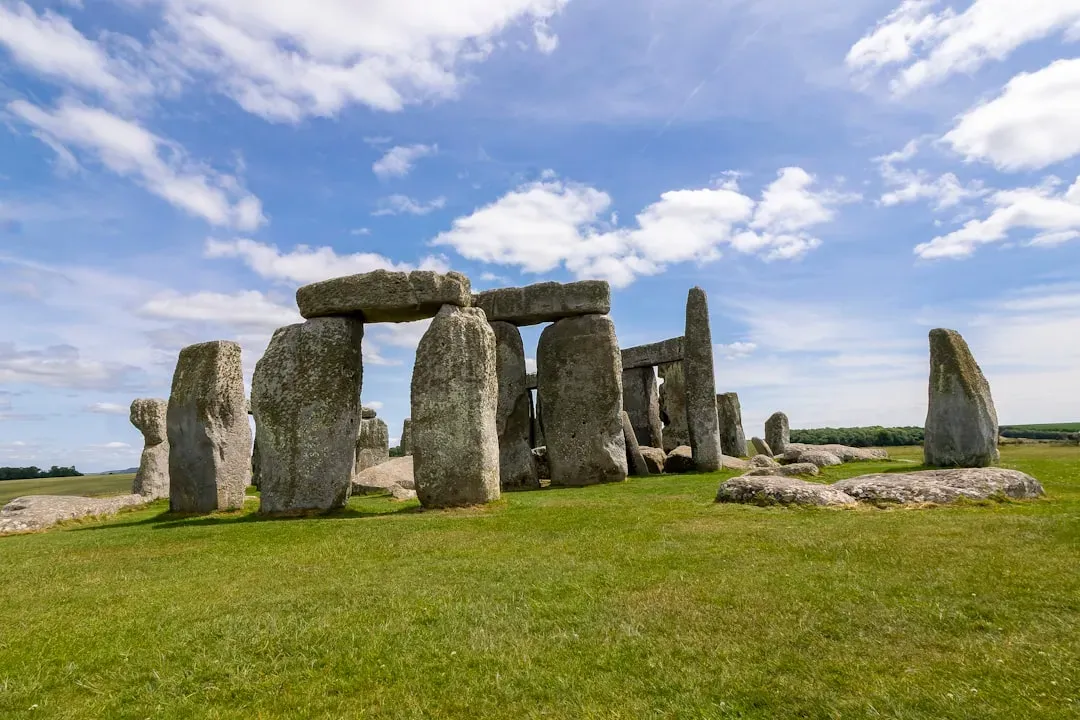
Whenever you imagine building Stonehenge, you probably reach for exotic explanations – lost technologies, forgotten machines, or even something supernatural. The reality is more down‑to‑earth and, in a way, more impressive: you could do it with tools and materials available in any well‑equipped prehistoric village, if you had enough time, wood, and human muscle. Experimental archaeology and modern reconstructions suggest that rollers, sledges, wooden tracks, rope, and timber A‑frames are enough to move stones weighing many tons, especially if you take advantage of wet ground and gentle gradients.
The most difficult step for you to picture is raising the massive sarsen uprights and carefully dropping lintels on top. Trials done in the twentieth century and later reconstructions around the world show that by digging tapered pits, levering stones up with wooden frames, and backfilling slowly, you can tilt a monolith from horizontal to vertical with coordinated teams. To set the lintels, you can build earthen ramps or timber scaffolding and drag the horizontal stones up before easing them into mortise‑and‑tenon joints carved into the uprights. The more you learn, the less you need miracle technology and the more you have to respect the patience, planning, and sheer determination of the people who made this happen.
A Monument That Changed Over Time, Just Like Your Cities Do
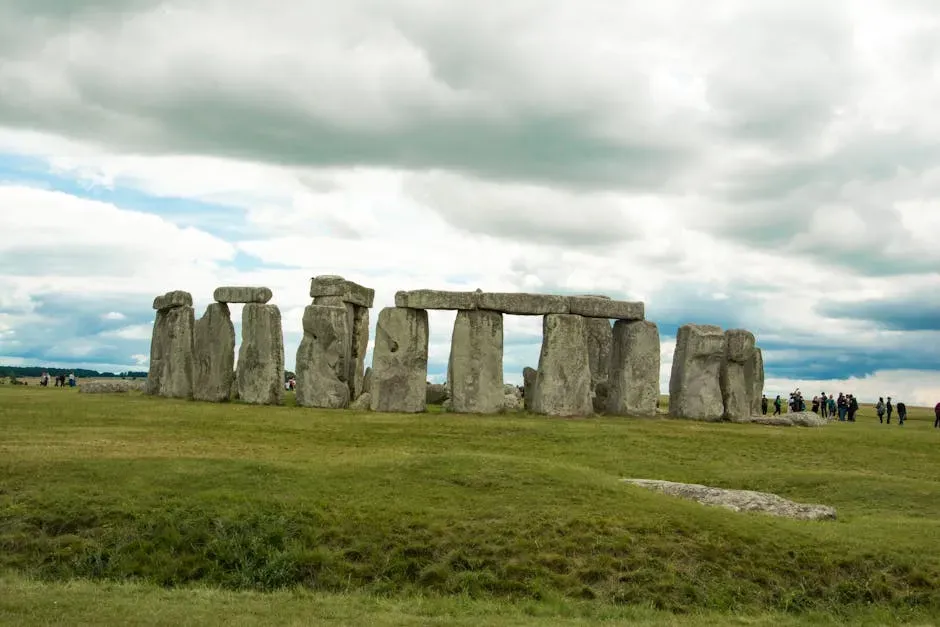
One easy mistake you might make is to think of Stonehenge as a single project with a single purpose, built once and then left untouched. In reality, it evolved over more than a thousand years. The earliest phase was a circular earthwork with a ditch and small pits, long before the great sarsen circle was erected. The bluestones arrived, were rearranged, removed, and reset in new patterns over generations. Later, some stones fell or were taken away, burials were added, and the focus of ritual life in the area shifted. ([en.wikipedia.org](https://en.wikipedia.org/wiki/Stonehenge?utm_source=openai)) When you look at its history, Stonehenge starts to resemble a cathedral or a major city square: reworked, expanded, and reinterpreted again and again.
This matters for how you think about its purpose. The meaning of Stonehenge was probably never frozen in time. A ceremonial site that began as a focus for seasonal feasts might later have taken on a new role as a burial ground for elites, a symbol of unity in turbulent times, or a place where incoming groups tried to anchor themselves to the ancestral landscape. Even today, people project new identities onto it – from modern pagans celebrating solstices to tourists hunting for the perfect selfie at dawn. When you realize that change and reuse are part of the monument’s DNA, you stop looking for one single answer and start appreciating just how adaptable and resilient its meaning has always been.
What the New Theories Really Mean for You
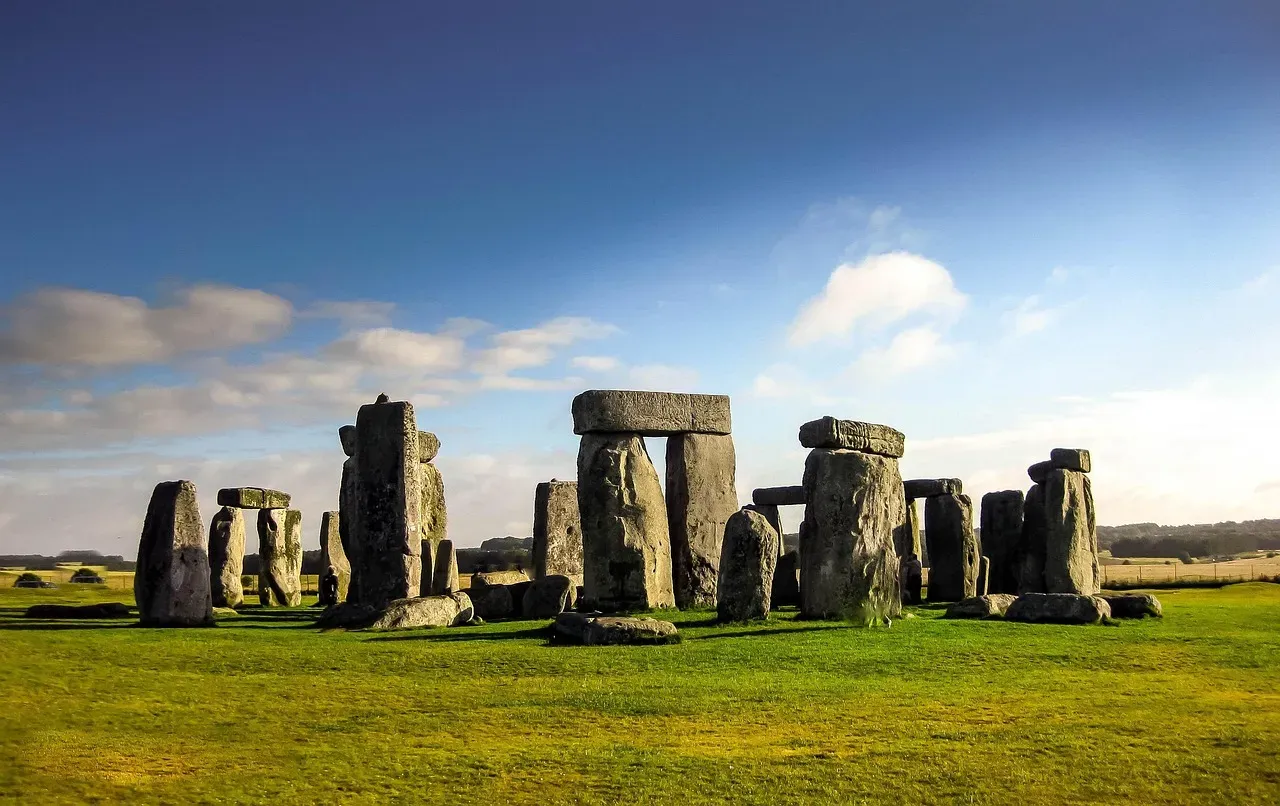
When you pull together the latest findings – Scottish altar stones, Welsh bluestones, West Woods sarsens, human transport instead of glaciers, and new ideas about political unification – Stonehenge stops being a simple mystery and becomes something more demanding. It asks you to imagine a world where leaders could mobilize communities across hundreds of kilometers, persuade them to part with their most significant stones, and then coordinate their arrival into a single, jaw‑dropping monument. It also nudges you to see early farmers not as passive villagers, but as people capable of strategic alliances, long‑distance travel, and grand symbolic gestures.
At the same time, the research forces you to be honest about uncertainty. You can say with increasing confidence where many stones came from and how they were likely moved, but you still cannot pin down a single, neat answer to why. Instead, you are left with a layered story: a monument that is part solar marker, part ancestral shrine, part political statement, and part arena for gatherings and feasts. Maybe the real power of Stonehenge for you is that it refuses to collapse into a single explanation. It keeps inviting you to imagine, to argue, and to look again at what human beings – including you – will do when they are trying to hold a world together.
In the end, when you picture those stones against the sky, are you seeing an ancient puzzle to be solved, or a mirror reflecting your own need for meaning, connection, and awe? And now that you know how much the story has changed in just a few years, what do you think future evidence will force you to rethink next?