You do not really feel how wild Florida is until you suddenly notice a pair of eyes and a long, ridged back just breaking the surface of the water. In that moment, your heart jumps, your brain scrambles, and all the TV survival tips you have ever heard turn to mush. The truth is, you are sharing the state with a powerful, protected animal that mostly wants nothing to do with you, but can be dangerous if you make the wrong move.
If you spend any time near lakes, ponds, canals, golf courses, or wetlands in Florida, you are in alligator country whether you see one or not. Knowing how to behave before, during, and after an encounter can be the difference between a scary story and a serious emergency. Think of this as your calm, clear-headed friend walking you through exactly what to do so that when you do see a gator, you respond instead of panic.
Recognizing Alligator Habitats Before You Step In
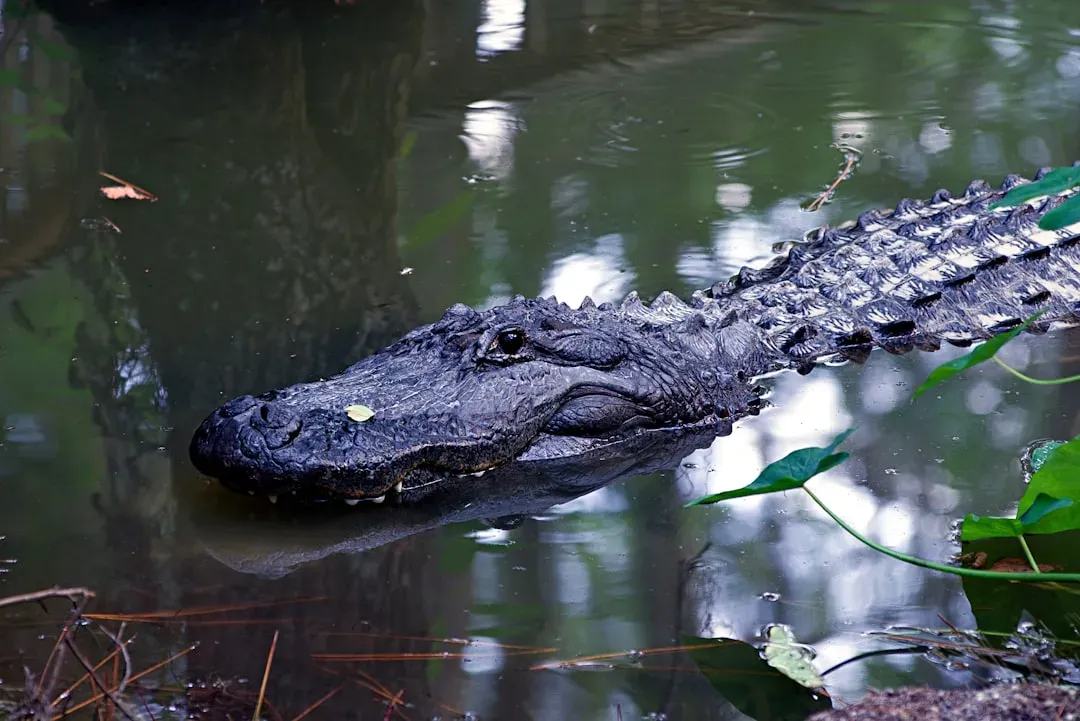
The first way you keep yourself safe is by assuming that any body of freshwater in Florida might hold an alligator, even if you do not see one. Lakes, retention ponds, slow-moving rivers, roadside canals, marshes, and even decorative ponds on golf courses and in neighborhoods can all be home to gators. You might also spot them sunning on banks, hanging around culverts, or cruising just below the surface with only their eyes and snout visible.
You also want to pay attention to warning signs posted by local authorities, but do not rely on signs alone; many smaller ponds and ditches will not have any. If water is murky, surrounded by thick vegetation, and looks quiet and inviting for wildlife, you should treat it like a potential alligator hangout. That means no wading, no letting kids run up to the edge, and definitely no letting your dog swim just because it looks calm.
How To Stay Safe When You Know Gators Are Nearby
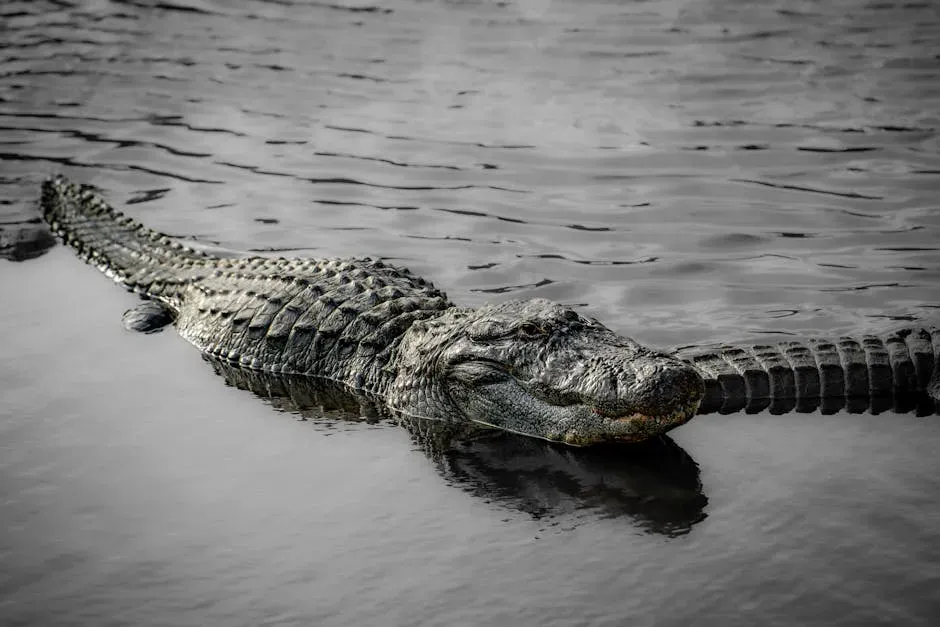
Once you accept that alligators may be around, you can adjust your habits so you are not accidentally putting yourself in a risky situation. You avoid swimming or wading in freshwater lakes, ponds, and canals that are not clearly designated and maintained for swimming, especially at dusk or after dark when alligators are more active. You stay several feet back from the water’s edge instead of standing right at the lip where the bank drops off.
You also keep kids and pets close and away from the shoreline because small, quick-moving shapes near the water can trigger a predatory response in an alligator. If you fish, you stand back from the edge, and you never reach into the water to retrieve a fish or untangle a line. You are basically acting on the idea that you are being watched, even if you cannot see anything, and giving yourself a buffer zone between you and the water.
What To Do In The Moment You Spot An Alligator
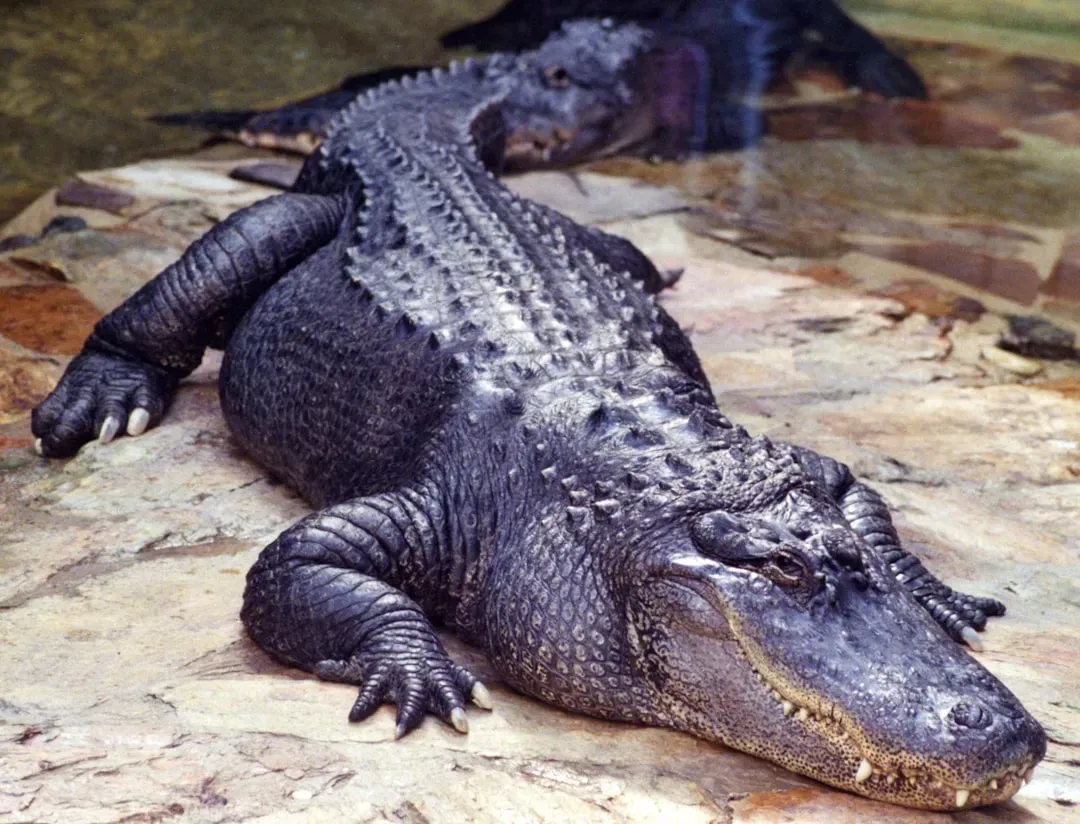
The instant you realize you are near an alligator, your first move is simple: you stay calm, give it space, and slowly back away. You do not scream, throw things, or try to scare it off like you might with a raccoon; an alligator is not an animal you try to intimidate. You keep your eyes on it without turning your back, and you create as much distance as you comfortably can while moving smoothly and steadily.
If the alligator is in the water or resting on a bank some distance away and it is not moving toward you, you usually do not need to do anything more dramatic than that. You avoid getting closer for photos, you do not let anyone approach it, and you leave the area if you feel at all uneasy. You are not trying to win a confrontation; you are trying to end the encounter before it really starts.
How Close Is Too Close – And When You Should Leave Fast
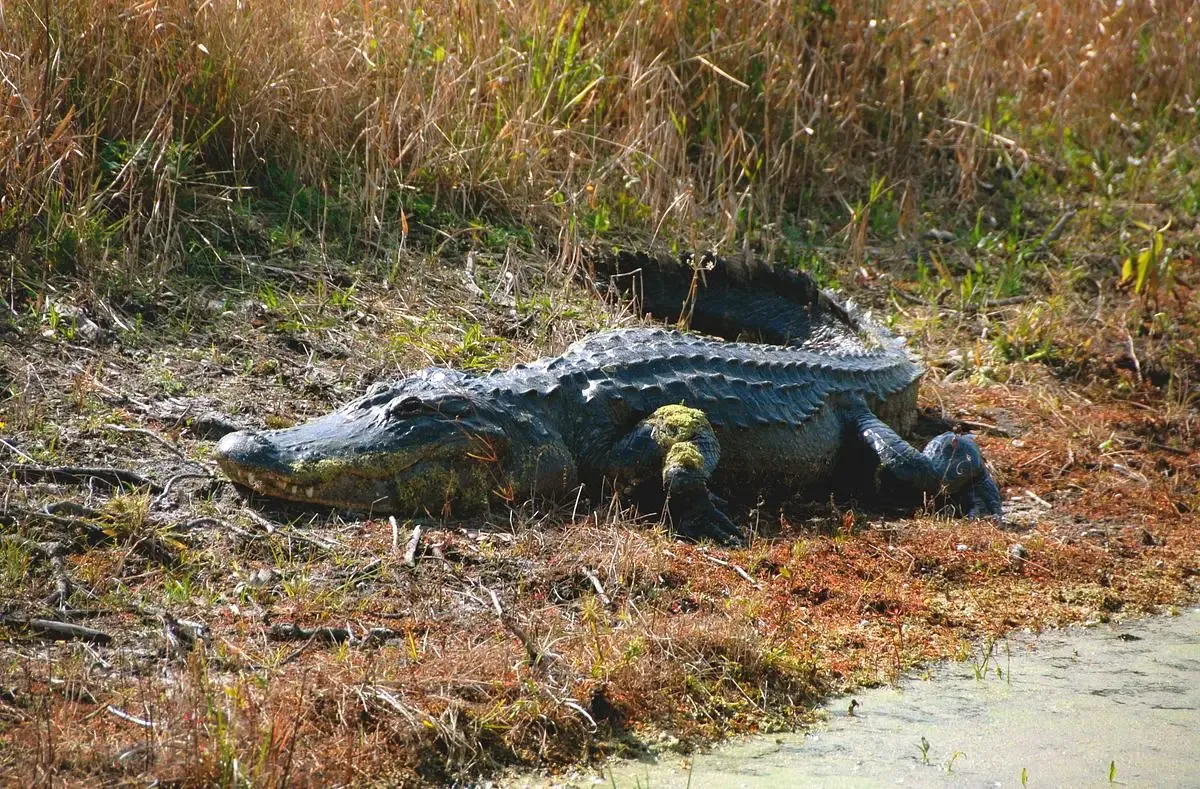
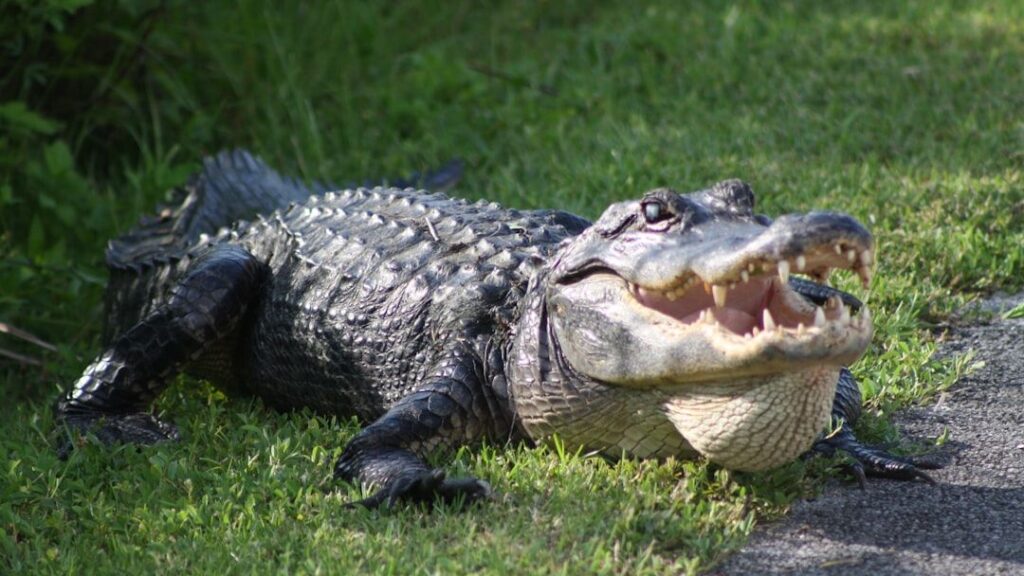
You treat any alligator within about thirty feet of you as too close for comfort, especially if you are near the water’s edge. If the gator is on land and seems to be watching you or lifting its head, that is a clear sign you should increase your distance right away. You never try to walk past it on a narrow trail or squeeze between it and the water; instead, you turn around and find another route.
If you notice an alligator hissing, opening its mouth, or making short lunges in your direction, you are already well inside its comfort zone. In that situation, you back away quickly but without running in a panic, putting as much space between you and the animal as you safely can. You do not crouch, you do not bend over, and you do not try to “stand your ground” like you might with other wildlife; your goal is a clean retreat.
What You Should Never Do Around A Florida Alligator
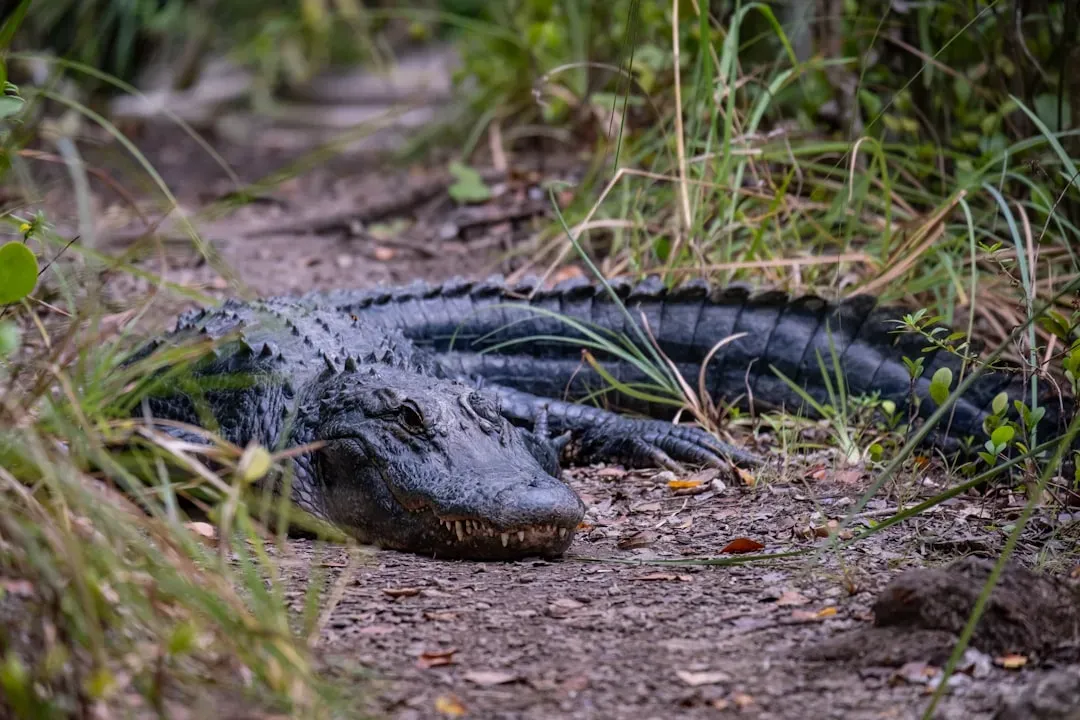
If there is one rule you remember, it is this: you never feed an alligator, ever. When you feed a gator, you teach it that humans mean food, and that is when it starts approaching people, boats, and backyards. An alligator that has lost its natural fear of people often ends up being removed and killed by wildlife officers, so tossing it scraps is not only dangerous for you, it is a death sentence for the animal.
You also never try to touch, harass, or move an alligator yourself, even a small one, and even if it looks slow or sleepy. You do not let kids or pets chase it, you do not poke it with anything, and you do not try to capture it for fun or social media. In Florida, alligators are protected, and handling or bothering them is not just risky, it is often illegal. Your job is to respect the boundary and call the professionals if there is a problem.
How To Protect Your Pets And Kids Near The Water
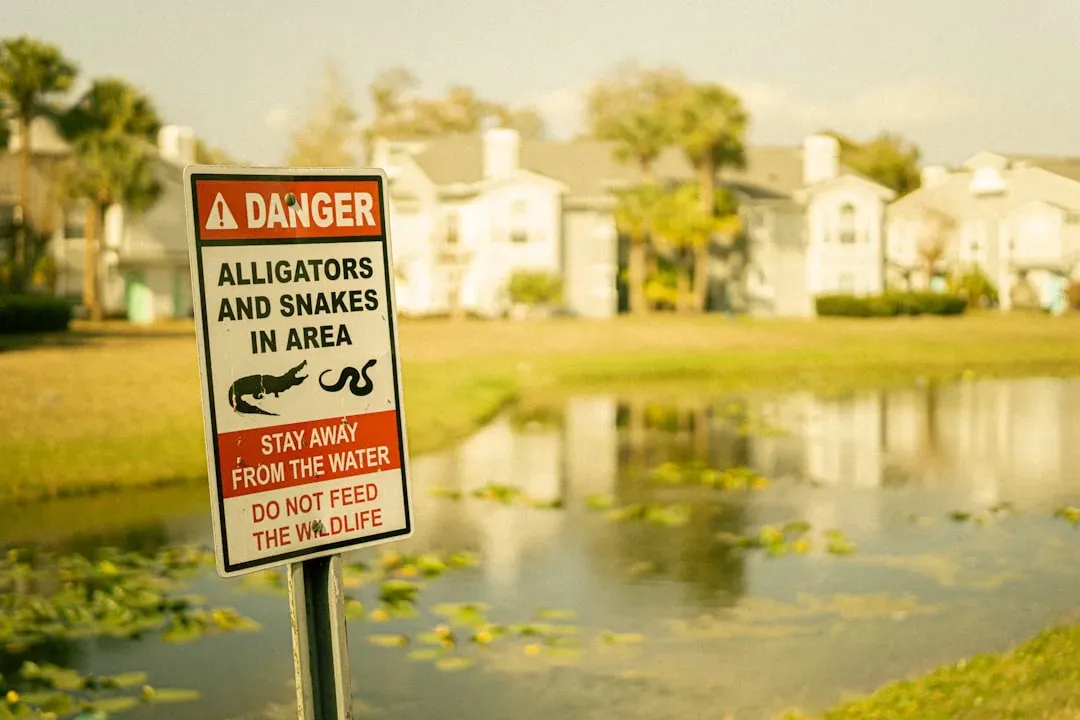
If you have a dog, you probably want to let it splash in every lake it sees, but in Florida that is a habit you have to retire. You keep dogs on a leash and away from the water’s edge, because to an alligator, a barking, splashing dog looks a lot like natural prey. You do not throw sticks or toys into the water for your dog to fetch in ponds, canals, or lakes where gators might be present.
With kids, you set firm rules about staying back from the water and not running along the edge, especially when they are playing near retention ponds or neighborhood lakes. You explain, in age-appropriate language, that wild animals might be in the water and that they should never reach in, jump in, or try to look for them. You treat water in Florida the way you treat a busy road: something beautiful and useful, but only safe when you follow the rules.
If An Alligator Acts Aggressively Or Blocks Your Path
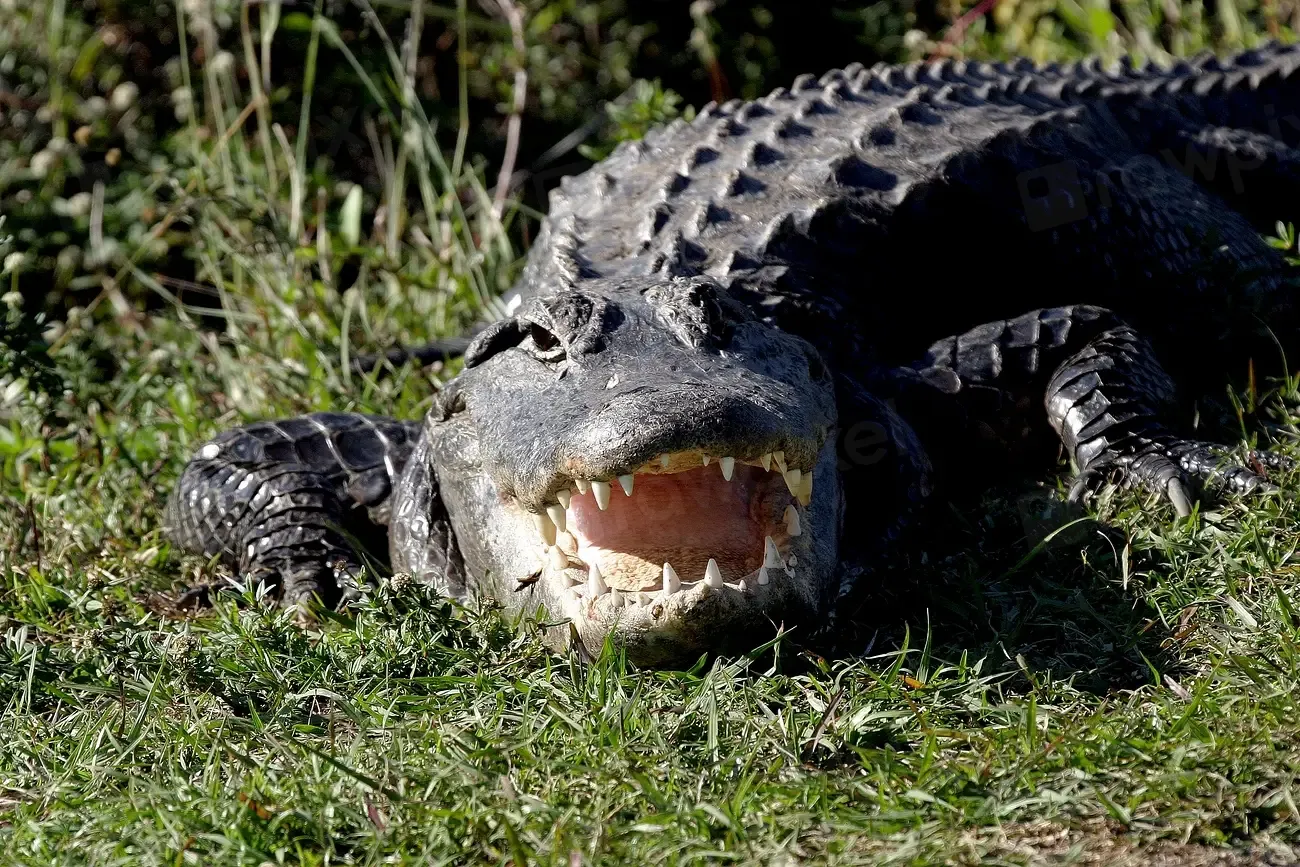
Most of the time, an alligator wants nothing to do with you and will slip away if it can. But if one is blocking a path, basking in your yard, or behaving in a way that feels unusually bold, you do not try to handle it yourself. You move a safe distance away, keep others back, and contact local wildlife or nuisance alligator hotlines so trained professionals can assess the situation.
If you are walking and an alligator suddenly moves toward you on land, your priority is to increase distance fast and in a straight line away from the animal. You do not zigzag, you do not stop to film it, and you do not turn your back until you are clearly out of range. On the water in a kayak or canoe, if a gator approaches too closely, you give it plenty of room, avoid splashing, and paddle away calmly rather than smacking the water or provoking it.
What To Do In The Extremely Rare Case Of An Attack
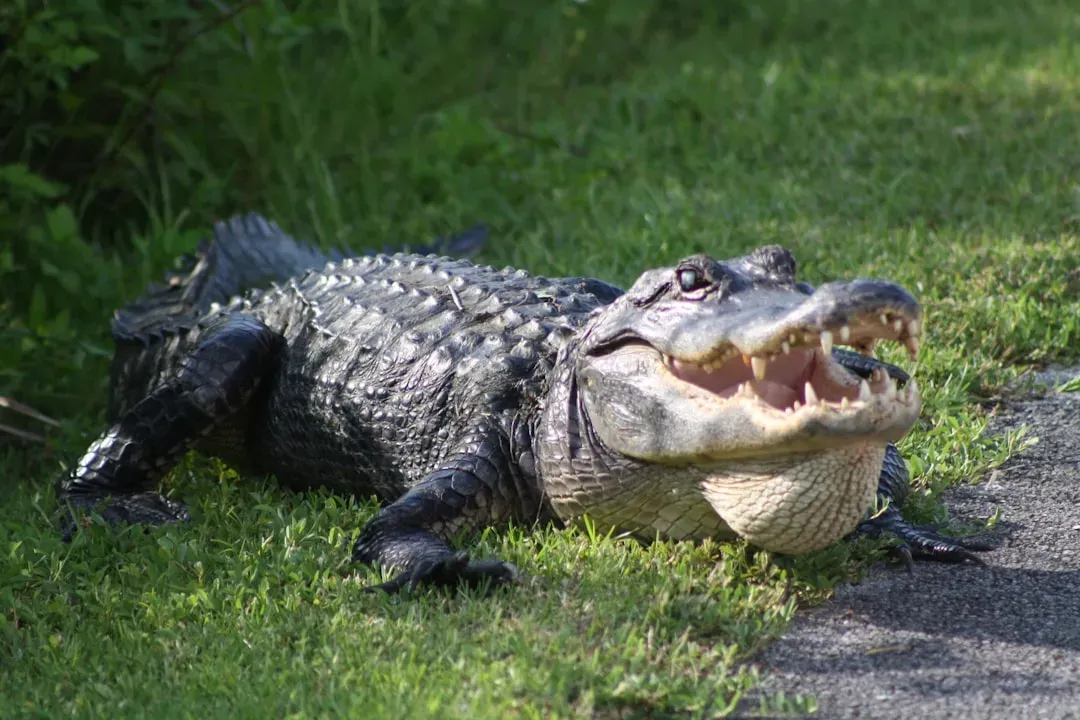
The odds of being attacked by an alligator are very low, but you still want a mental plan for the worst-case scenario. If an alligator grabs you, you fight back with everything you have, targeting the sensitive areas like the eyes and snout. You make noise, strike, kick, and do whatever it takes to convince the animal you are not worth the effort, rather than going limp.
If you manage to break free, you get away from the water immediately and call for emergency medical help, even if your injuries look minor. Alligator bites can cause serious tissue damage and infection, and you want professionals treating them as quickly as possible. Afterward, you also report the incident to wildlife authorities so they can investigate and take appropriate action with that particular animal.
Who To Call And How To Report A Problem Alligator
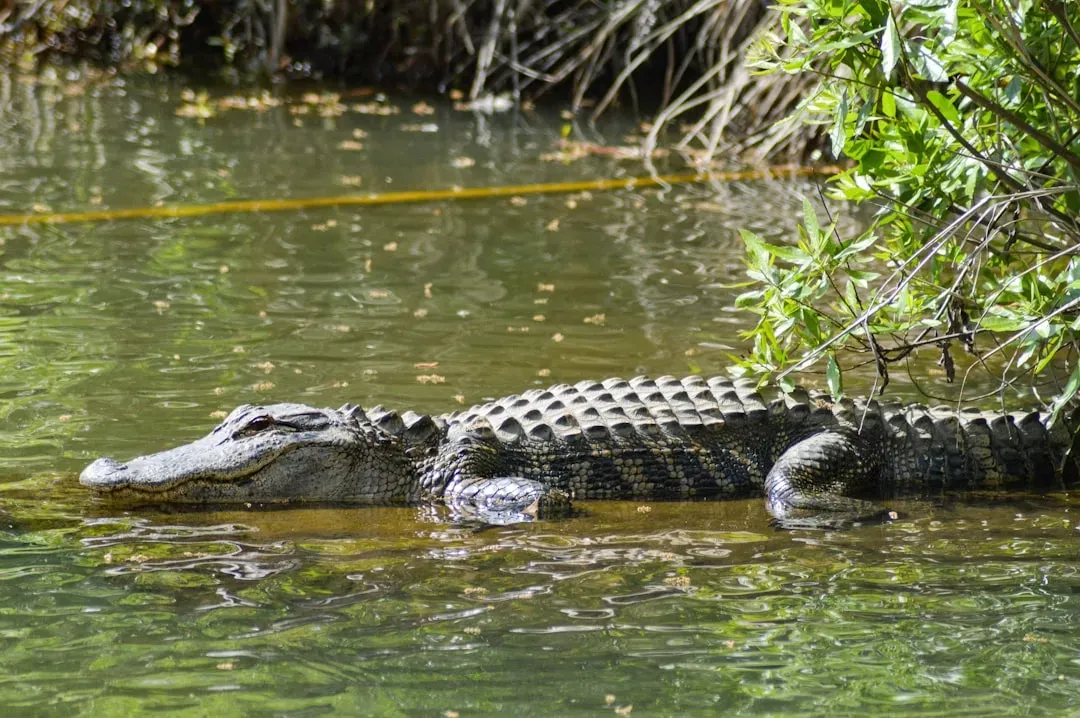
If you come across an alligator that seems truly dangerous, is lingering in a residential area, or has lost its fear of people, you let the experts know. In Florida, there are dedicated programs and hotlines for nuisance alligators, and you can usually find the number on state wildlife agency websites or local government resources. You provide clear details about the location, the size of the gator, and what it is doing, then step back and let professionals handle it.
You do not try to “help” by chasing the animal off with a vehicle, a boat, or loud noises, because that can push it toward other people or provoke it. By reporting instead of intervening, you protect your community and give wildlife officers a chance to relocate or remove an animal safely if necessary. In a way, you are acting as the eyes and ears of the professionals, making sure that both people and alligators have a safer environment.
Conclusion: Sharing Space Safely With A Powerful Neighbor
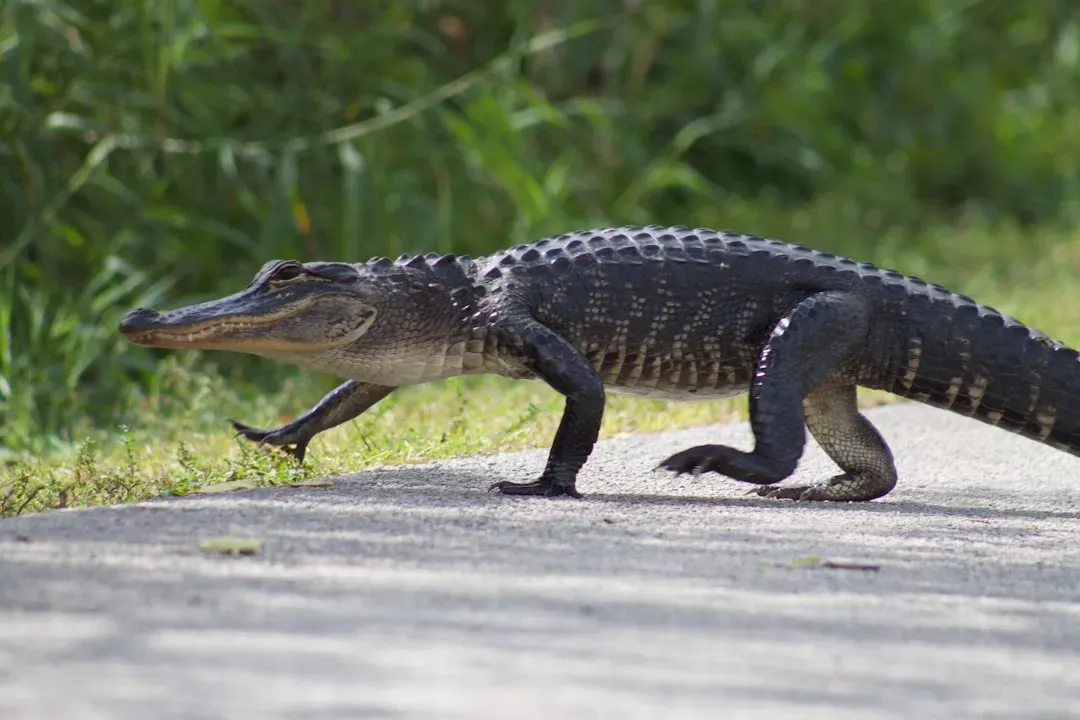
Living in or visiting Florida means accepting that you are sharing the landscape with alligators, just like people in the mountains share it with bears. When you understand where they live, how they behave, and what triggers problems, you can avoid most risks with a few simple habits: keep your distance from the water’s edge, do not feed wildlife, supervise kids and pets, and know when to back off and call the experts. Instead of seeing every gator as a monster, you start to see them as powerful neighbors that demand respect and caution.
The goal is not to make you paranoid, but to make you prepared so a surprising sighting does not turn into an emergency. If you treat every lake, canal, and pond as potential gator territory and act accordingly, you give yourself a wide margin of safety without giving up the beauty of Florida’s outdoors. Next time you see those ridged backs and watchful eyes in the distance, will you feel panicked, or will you remember exactly what to do and simply walk away smarter?