
Most people picture museum archives as pristine, perfectly organized vaults where every artifact gets immediate expert attention. The reality is far messier – and far more interesting. Mislabeling, chronic staff shortages, and the sheer avalanche of donated material mean that countless treasures have sat untouched in wooden crates, misfiled drawers, and dusty back rooms for 50, 80, even 130 years. The experts walked past them every single day.
What’s stranger still is who keeps finding them: curious interns, graduate students who won’t accept an old label, conservators cleaning a painting that “everyone already knew” everything about. Each discovery below didn’t just add a footnote to history – it rewrote it. And if these 20 slipped through, nobody can say how many more are still waiting in the dark.
#1 – The 6,500-Year-Old Human Skeleton That Sat in Storage for Over a Century
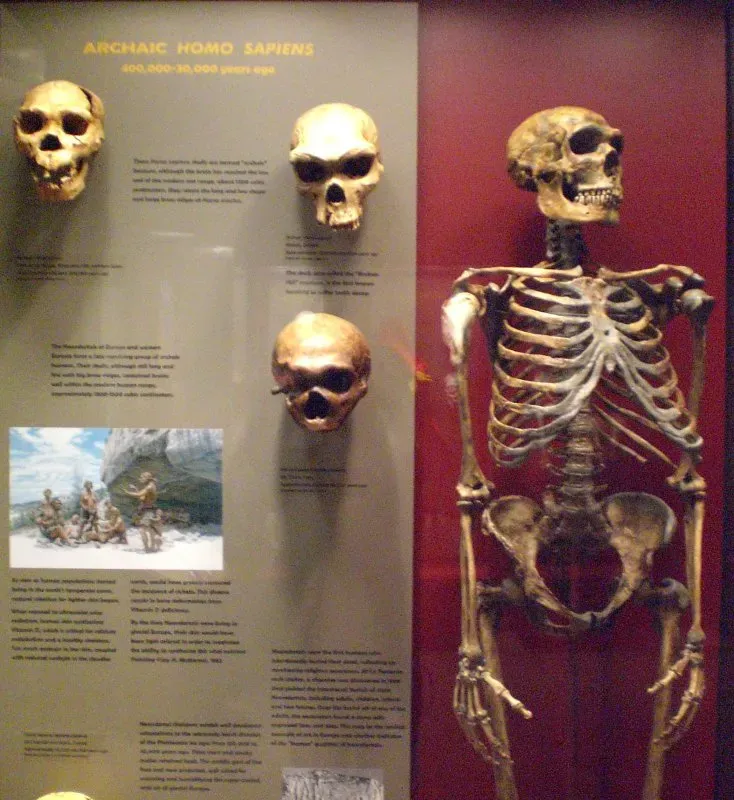
A complete 6,500-year-old human skeleton spent generations sitting in storage at a major natural history museum, collected sometime in the 19th century and then essentially forgotten. No formal study. No display. Just a box among thousands of other boxes, cataloged with just enough information to be filed and never revisited. When researchers finally reached it during a systematic inventory push in the 2010s, they were looking at one of the most intact prehistoric human remains in institutional hands.
The preservation was remarkable enough to offer data on prehistoric diet, disease, and physical stress that modern scientists hadn’t been able to pull from comparable remains. Think about that: answers to questions researchers had been asking for decades were sitting in a storage room the whole time, waiting for someone to open the right drawer. This one lands at the top not because it’s the oldest item on this list, but because it’s the most human – a person, lost twice, finally found.
Fast Facts
- Estimated age: approximately 6,500 years old – placing it in the Chalcolithic period
- Collected in the 19th century; rediscovered during a 2010s inventory initiative
- Preservation was sufficient to yield data on diet, disease, and physical stress patterns
- Decades of scientific questions had answers sitting in the same building as the researchers asking them
#2 – The Dixon Relics Cedar Wood Lost for Over a Century

In 1872, explorer Waynman Dixon retrieved a small collection of artifacts from inside the Great Pyramid of Giza – items now known as the Dixon Relics. Among them were fragments of cedar wood that vanished from institutional records shortly after and stayed missing for more than 140 years. They passed between collections without proper documentation, the paper trail going cold sometime in the early 20th century. No one could say with certainty where they had gone.
In 2019, a cigar tin containing the missing pieces turned up at the University of Aberdeen, tucked inside a collection that had never been fully processed. The cedar fragment – one of only three objects ever recovered from inside the Great Pyramid – had been donated to Aberdeen in 1946 and promptly misfiled in the university’s Asia collection, where it sat unnoticed for decades. Modern carbon dating confirmed the wood dated to between 3,341 and 3,094 BC, making it potentially 500 years older than the pyramid itself. The fact that a fragment of one of the world’s most studied monuments had been sitting in a Scottish university storage room says everything about how large institutional blind spots can get.
At a Glance
- Discovered inside the Great Pyramid’s Queen’s Chamber in 1872 by engineer Waynman Dixon
- One of only three objects ever retrieved from inside the Great Pyramid
- Rediscovered in December 2019 by curatorial assistant Abeer Eladany in Aberdeen’s Asia collection
- Carbon dated to 3,341–3,094 BC – roughly 500 years before the pyramid’s estimated construction
- Had been misfiled and overlooked since being donated to Aberdeen in 1946
#3 – The Picasso Canvas Concealed Under a Later Still Life
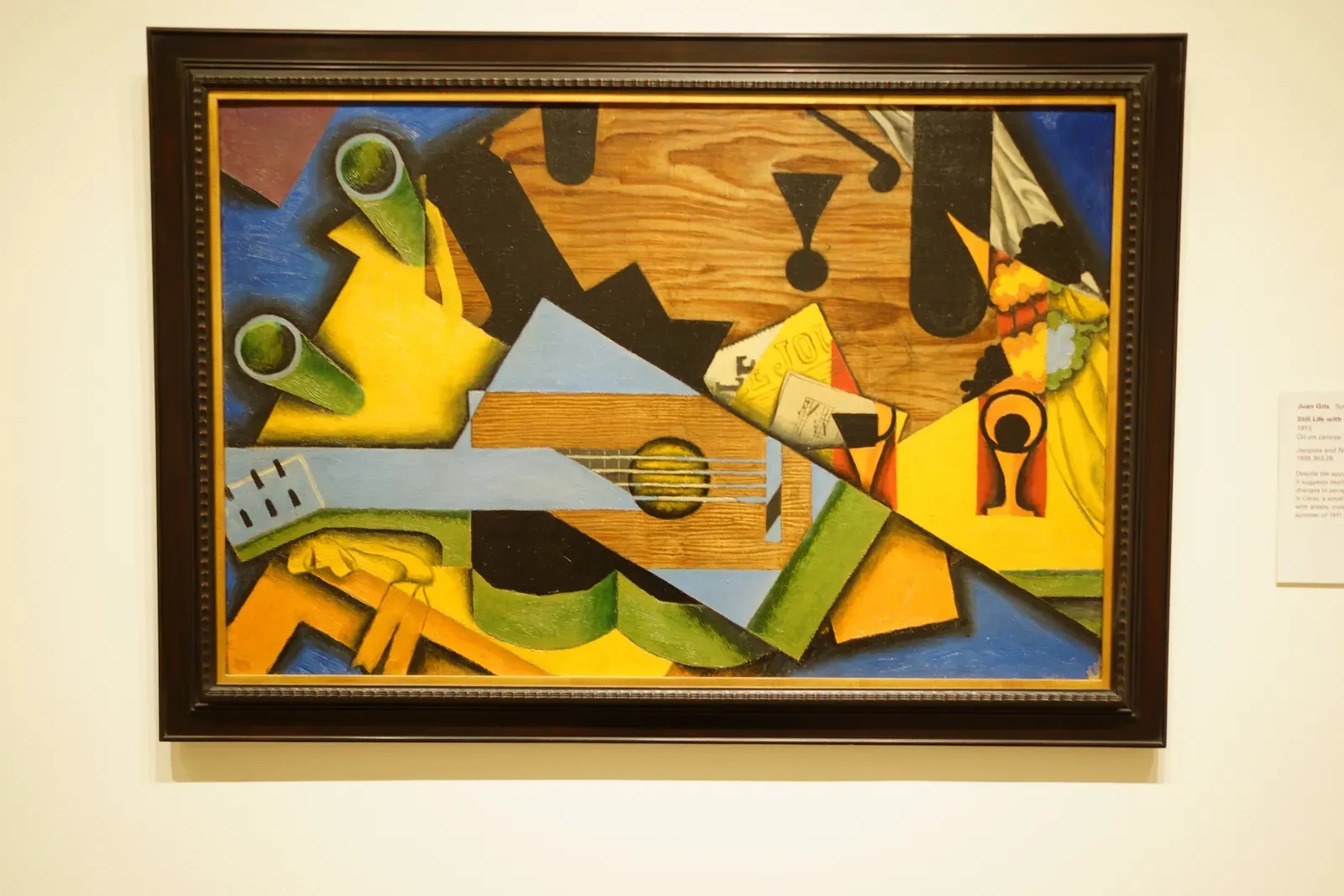
When the Art Institute of Chicago subjected Pablo Picasso’s 1922 painting “Still Life” to infrared imaging, they found something nobody had expected: an entirely different composition hidden underneath. A Neoclassical scene – figures, drapery, classical references – had been painted over completely, invisible to the naked eye for nearly a hundred years. Picasso had simply reused the canvas, burying his earlier work under layers of paint and leaving no record of what lay beneath.
Picasso did this more than once, which means similar surprises likely exist in other collections around the world right now. The Chicago discovery matters beyond the headline, though. It changes how scholars understand his transition between styles during the early 1920s. An artwork’s visible surface has always been assumed to be the full story. Increasingly, it’s just the cover.
#4 – The Hidden Painting Beneath McCubbin’s Famous Australian Triptych
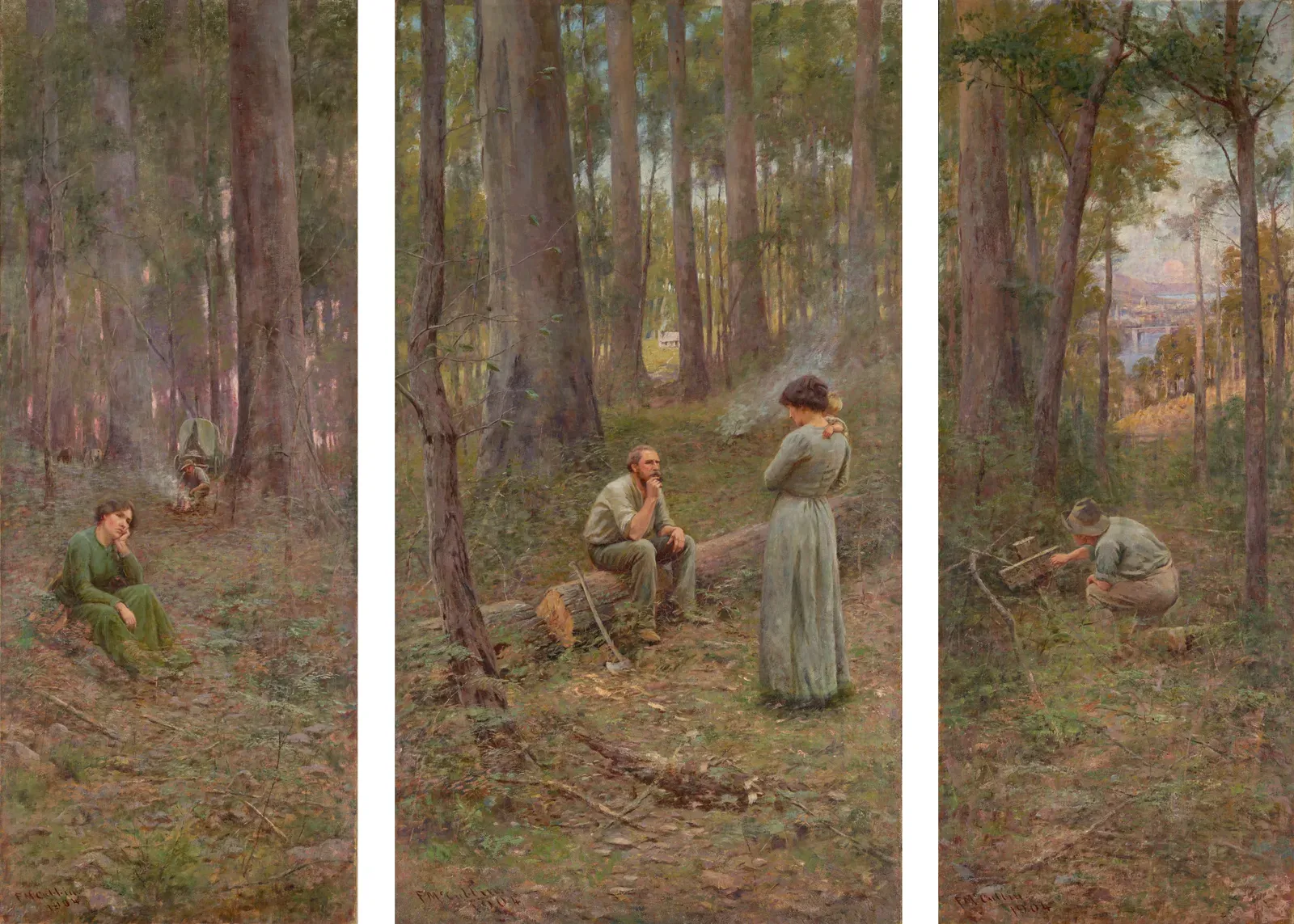
Frederick McCubbin’s “The Pioneer” is one of Australia’s most celebrated paintings – a triptych hanging in the National Gallery of Victoria that generations of Australians have grown up seeing in textbooks. In 2020, conservators running X-rays and archival comparisons discovered that McCubbin had painted directly over an earlier, complete work titled “Found” to create it. The earlier painting had been invisible beneath the surface for more than a century, with no one suspecting it existed.
Archival photographs and technical analysis eventually confirmed both the earlier composition and the sequence of changes McCubbin made. It reframed one of the country’s most iconic images: what people thought they knew about “The Pioneer” turned out to be only half the story. The painting beneath the painting was just as finished, just as intentional – and had been erased before anyone could see it.
#5 – The Jacob Jordaens Masterpiece Dismissed as a Copy in Brussels Storage
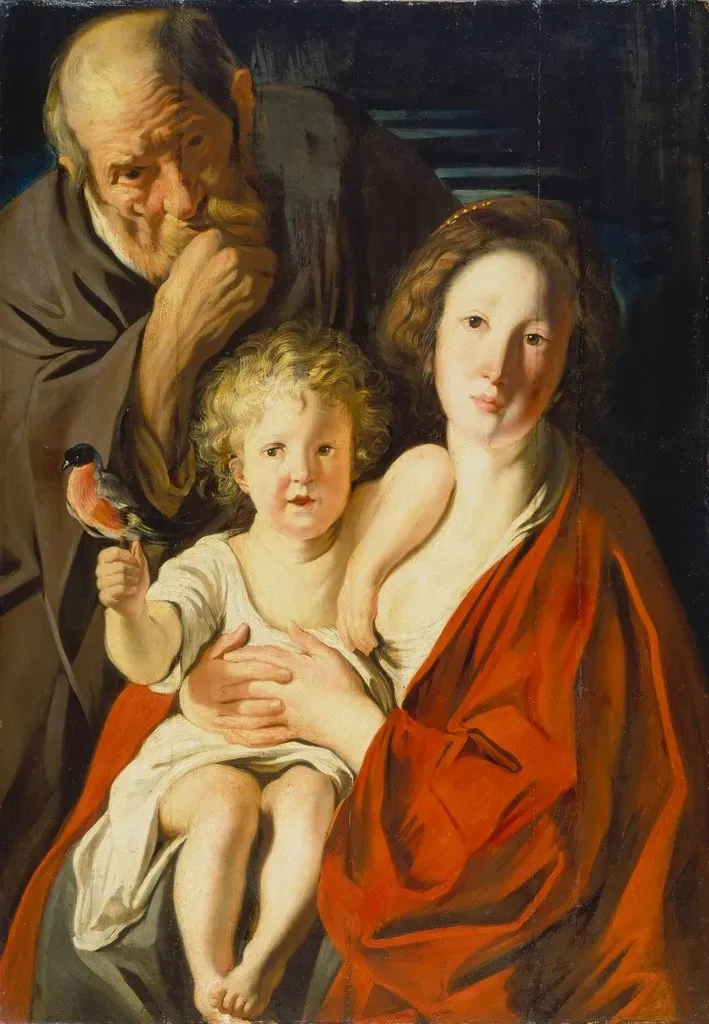
For generations, a large religious scene sitting in Brussels public art storage was cataloged as a copy – a decent reproduction of Jacob Jordaens’ “The Holy Family,” nothing more. It wasn’t the kind of thing that attracted serious attention. Copies don’t get studied the way originals do, and so this one sat, underappreciated and underexamined, while the art world assumed it already knew what the work was.
Researchers conducting a broader inventory eventually subjected it to dendrochronology – tree-ring dating of the wooden panel – and the results flipped the narrative entirely. It was the oldest known version of the composition, painted by Jordaens himself in the 17th century. It now ranks among the most significant works in the city’s public holdings. The lesson is uncomfortable: how many other “copies” are sitting in storage because no one thought they were worth the cost of a proper test?
Quick Compare: What Changes When a “Copy” Becomes an Original
- Before testing: Filed as a reproduction, rarely examined, minimal institutional investment
- After dendrochronology: Confirmed 17th-century original by Jordaens himself
- Status shift: From storage curiosity to one of the most significant works in Brussels’ public collection
- The method that changed everything: Tree-ring dating of the wooden panel – non-destructive and definitive
#6 – The Rembrandt Portrait Confirmed at Allentown Art Museum
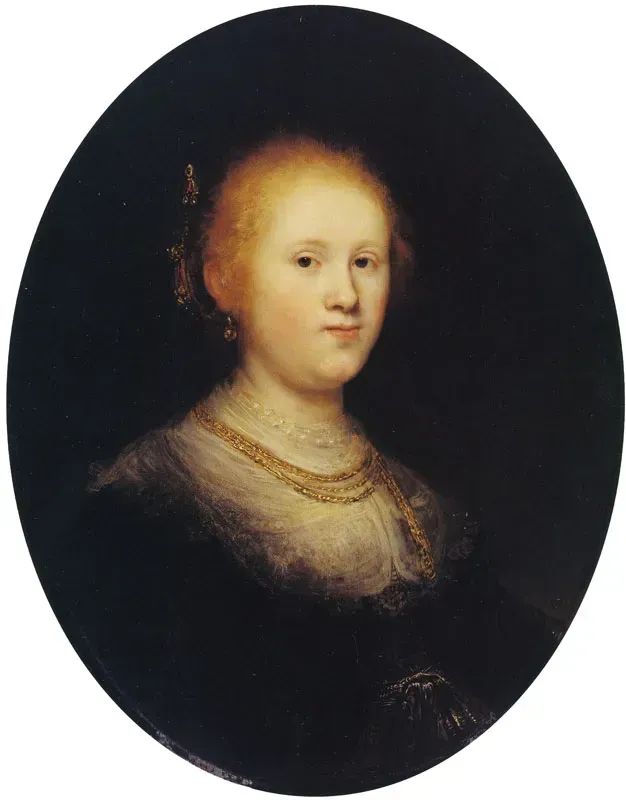
Pennsylvania’s Allentown Art Museum had a portrait in its collection that curators believed was probably the work of a Rembrandt assistant – competent, close in style, but not quite the master himself. That’s a meaningful distinction in the art world: the difference between a follower’s work and a Rembrandt original can be millions of dollars and an entirely different place in history. For years the painting held its uncertain attribution and hung in relative obscurity.
Routine conservation work changed everything. A combination of dendrochronology, technical analysis, and close stylistic examination ultimately confirmed the painting as Rembrandt’s own hand. The work had been in the collection for decades before anyone committed the resources to settle the question definitively. It raises an obvious follow-up: how many more “school of” attributions in mid-sized American museums are waiting for the same scrutiny?
#7 – The Artemisia Gentileschi Painting Found in a Hampton Court Storeroom
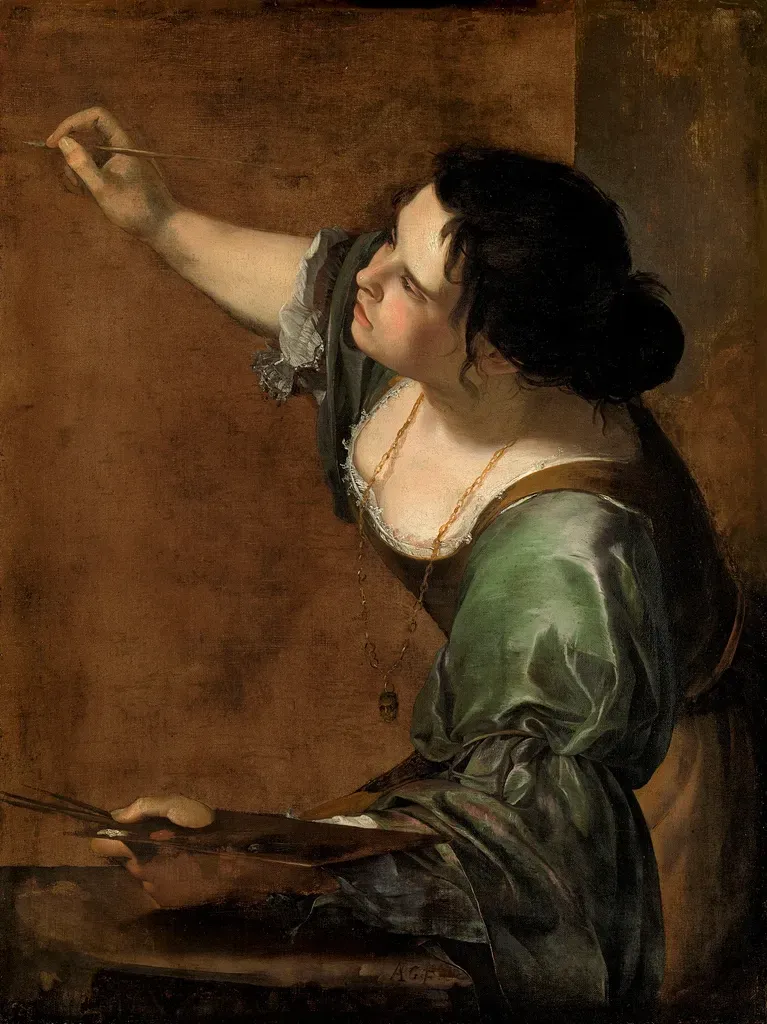
A large biblical scene at Hampton Court Palace spent roughly 200 years in storage – not lost exactly, just unattributed, discolored, and coated in layers of later overpainting that obscured what was underneath. It was cataloged vaguely, moved around, and largely ignored. Baroque paintings in royal storage rooms aren’t rare, and without a clear name attached, this one had no particular reason to demand attention.
When conservators finally cleaned it properly, they found something extraordinary: a signature on the sword hilt that confirmed the painting as the work of Artemisia Gentileschi, one of the most celebrated female painters of the 17th century and an artist whose known catalog is still relatively small. Two centuries of invisibility, ended by someone deciding a dirty canvas was worth a closer look. The painting hadn’t moved. The world’s understanding of it had.
“I will show your illustrious lordship what a woman can do.”
Artemisia Gentileschi
#8 – The Prestwich-Evans Axe Rediscovered in British Museum Drawers
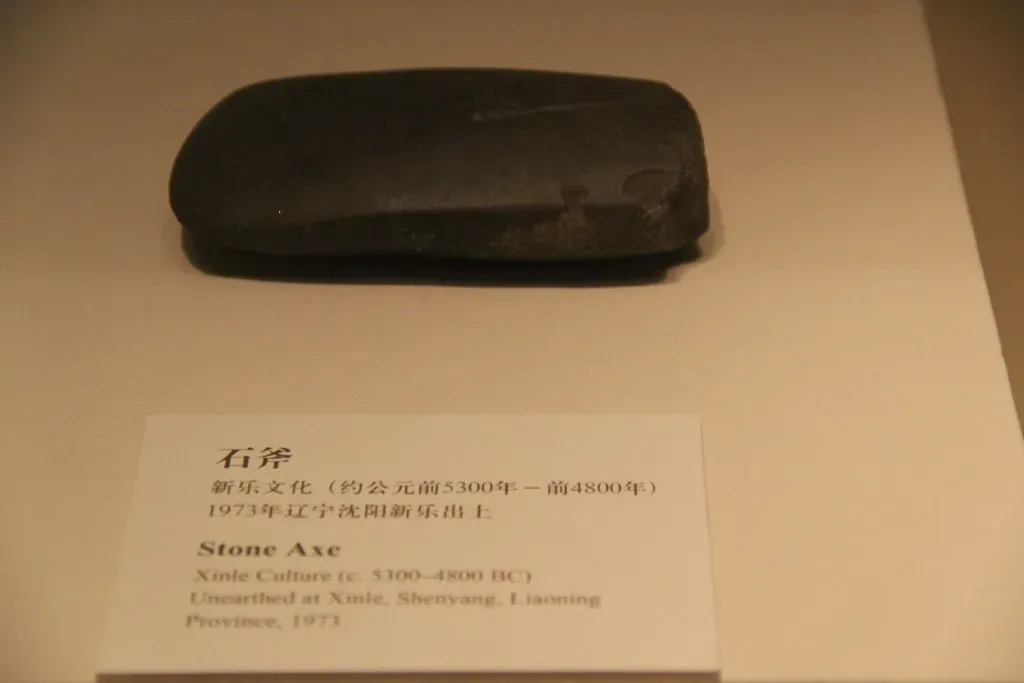
A prehistoric stone axe collected during the 19th century – one of the great era of amateur collecting and institutional donation – had been misfiled inside the British Museum’s vast Paleolithic holdings until researchers tracked it down in 2009. The axe itself had a documented collection history, which made its disappearance into the wrong drawer all the more frustrating. It was always there. It was just in the wrong place, under a label that didn’t connect it to its own paper trail.
Once properly identified and studied, the tool provided new evidence about early human migration patterns across Europe – exactly the kind of information Paleolithic researchers had been piecing together from incomplete datasets. Its reappearance filled a specific gap in the museum’s holdings that scholars had been working around. The British Museum holds more than eight million objects. The honest answer to “where is it?” is sometimes just: we’re not entirely sure yet.
#9 – The Unique Egyptian Mummy Shroud Unwrapped After 80 Years
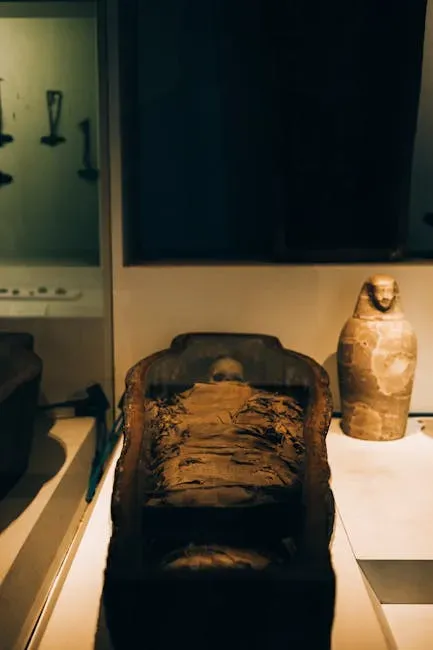
A paper package sitting in museum storage since the 1940s was labeled with two words that explained nothing and promised nothing: “tomb material.” For eight decades that was enough to keep anyone from opening it. Acquisitions from that era were processed quickly and incompletely, and the institutional assumption was that the significant material had already been identified and studied. The package sat, sealed, through wars and renovations and generational staff turnover.
When researchers finally opened it, they found an Egyptian mummy shroud in extraordinary condition, carrying rare inscriptions and textile techniques that scholars hadn’t seen documented elsewhere. The eighty years inside the sealed package may have actually helped preserve it. The inscriptions offered new data on funerary practices, and the textile construction pointed to production methods that challenged existing timelines. Eighty years of waiting, and then a complete rewrite of what anyone thought they knew about the collection.
Worth Knowing
- The package had sat unopened since the 1940s under the label “tomb material” – just enough information to be filed, never enough to spark curiosity
- Eighty years of sealed storage may have actually improved the shroud’s preservation condition
- The inscriptions provided new data on ancient Egyptian funerary practices not documented in comparable holdings
- Textile construction techniques found inside challenged previously accepted production timelines
- A single vague label was enough to keep generations of scholars from ever opening the box
#10 – The Trajan Statue Kept on a Museum Laboratory Floor for Decades
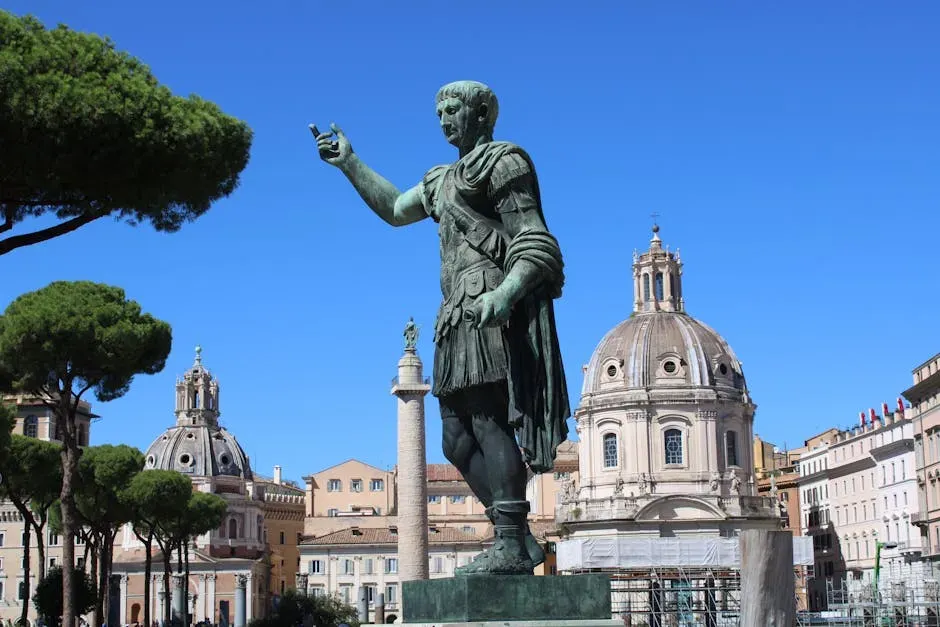
Bulgaria’s National Museum of History had fragments of an elaborately decorated Roman statue sitting on a laboratory floor for years. Not in a case. Not on a shelf. On the floor, treated as chunks of decorative stone rather than as the remains of something specific and significant. The Roman-era material was obvious enough – but nobody had stopped to assess what, exactly, these particular pieces once formed.
In 2016, researchers finally examined the fragments closely and recognized the imperial iconography: this was a statue of Emperor Trajan, richly carved and far more significant than its floor-level storage suggested. Restoration work began, and the pieces that had been casually stepped around for years were elevated to one of the museum’s most important Roman holdings. Sometimes the most dramatic finds aren’t hidden in a box. They’re just sitting in plain sight, waiting for someone to look down.
#11 – The Mamluk Porch Reassembled from Louvre Storage Blocks
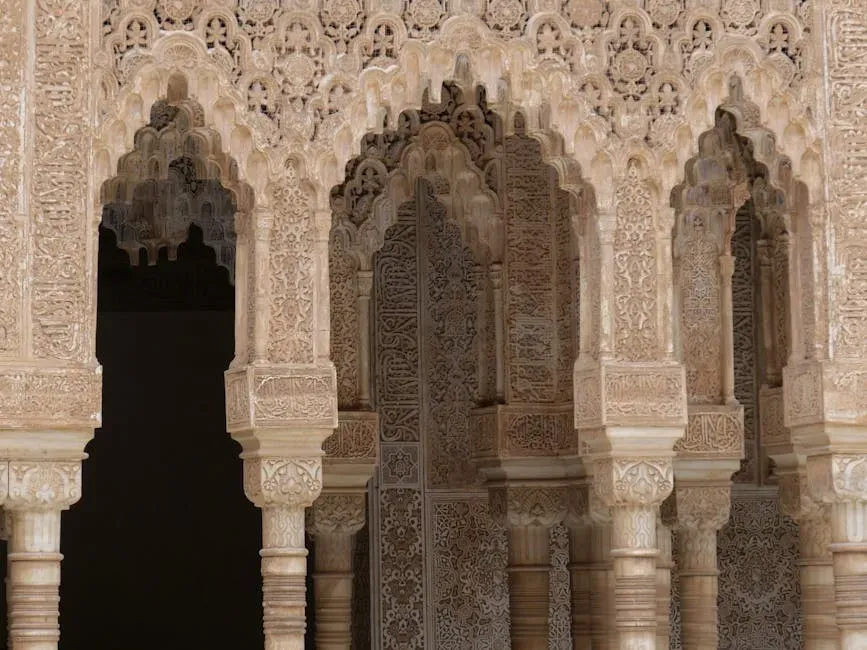
In the early 20th century, a 14th-century Mamluk porch was dismantled and its 300 carved stone blocks shipped to the Louvre, where they were placed in storage and largely forgotten. The institutional knowledge of what those blocks once formed faded with the staff who had processed them. Decades passed. The blocks sat in the dark, unlabeled in any way that connected them to each other or to a coherent structure.
A forgotten letter discovered in the Louvre’s own archives finally gave researchers the thread they needed – documentation that identified the blocks and described the original structure. The porch was painstakingly reconstructed and displayed in 2004, becoming the first Mamluk building ever exhibited inside a museum. It took a letter found in a filing cabinet to unlock what 300 stone blocks couldn’t say for themselves. The archive had been holding the key to its own mystery the entire time.
#12 – 20,000 Rare Japanese Books Hidden in MFA Boston Storage Boxes
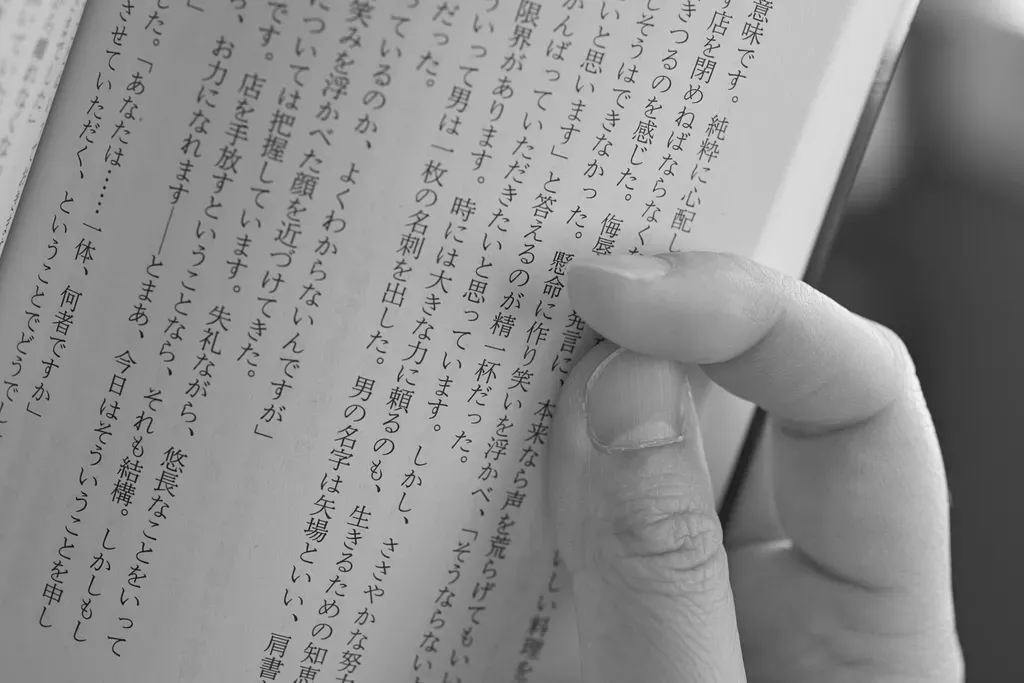
The Museum of Fine Arts in Boston had 20,000 rare Japanese books – “wahon” – sitting in wooden crates for a full century. Not a few volumes. Twenty thousand. Among them were works illustrated by Katsushika Hokusai, one of the most celebrated artists in Japanese history and creator of the instantly recognizable “Great Wave.” The crates had been acquired, cataloged at a surface level, and then stored while other priorities absorbed the institution’s attention and resources.
The reason they stayed untouched for so long is specific and worth understanding: the books were written in an archaic cursive syllabary that almost no Western scholars could read, and very few specialists anywhere could work through the full collection efficiently. When a 2014 team with the right linguistic expertise finally opened the crates, they found the kind of collection that any East Asian art institution would consider a defining holding. It had simply been waiting for someone who could read it.
Why It Stands Out
- 20,000 volumes sat in wooden crates for approximately 100 years – one of the largest single archival backlogs on this list
- The collection included works by Hokusai, whose “Great Wave” is among the most recognized images in art history
- The barrier wasn’t funding or awareness – it was the archaic cursive syllabary almost no Western scholar could read
- A 2014 team with specialized linguistic expertise was the key that unlocked a century of silence
- MFA Boston holds one of the largest Japanese art collections outside Japan – and part of it was invisible for a century
#13 – Mary Shelley’s Previously Unknown Letters in Essex Archives
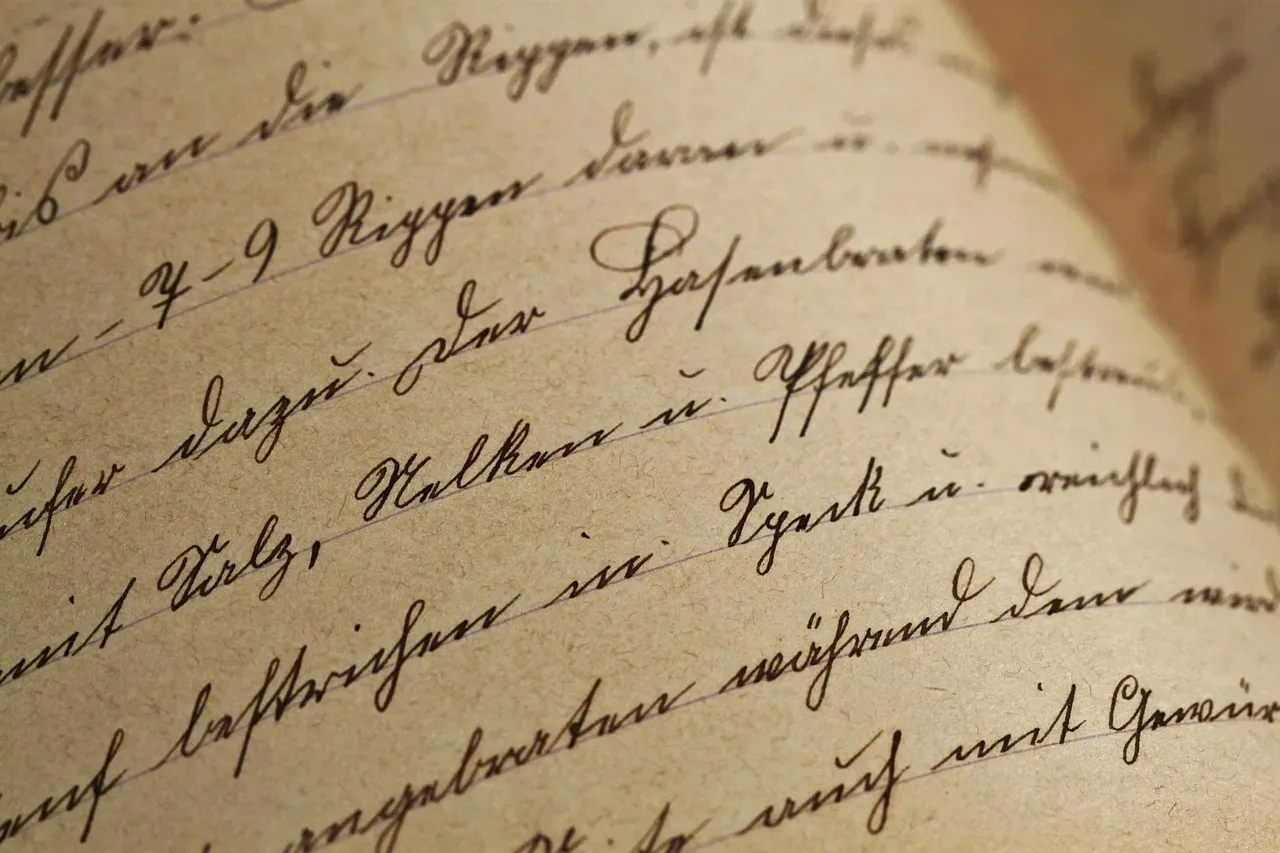
The Essex Record Office had a listing for a “Letter from Mary Wollstonecraft Shelley” sitting in its catalog for years, visible to anyone who searched for it – but nobody who cared had searched for it. Letters from significant literary figures aren’t unusual in county archive collections, and without active scholarly attention, this one sat unremarked. It took Professor Nora Crook, a Shelley specialist, to spot the online listing in 2014 and recognize its significance.
The correspondence offered fresh insight into Shelley’s later life, a period that has historically received less scholarly attention than her early years and the writing of “Frankenstein.” The documents hadn’t been hidden. They’d been in a publicly accessible archive with a searchable catalog the whole time. Digital cataloging had finally made the listing findable – it just needed someone who knew what they were looking for. In a way, that’s more unsettling than a sealed crate: this one was always in plain sight.
#14 – The Revolutionary War Letter Discovered in a Mansion Attic Drawer
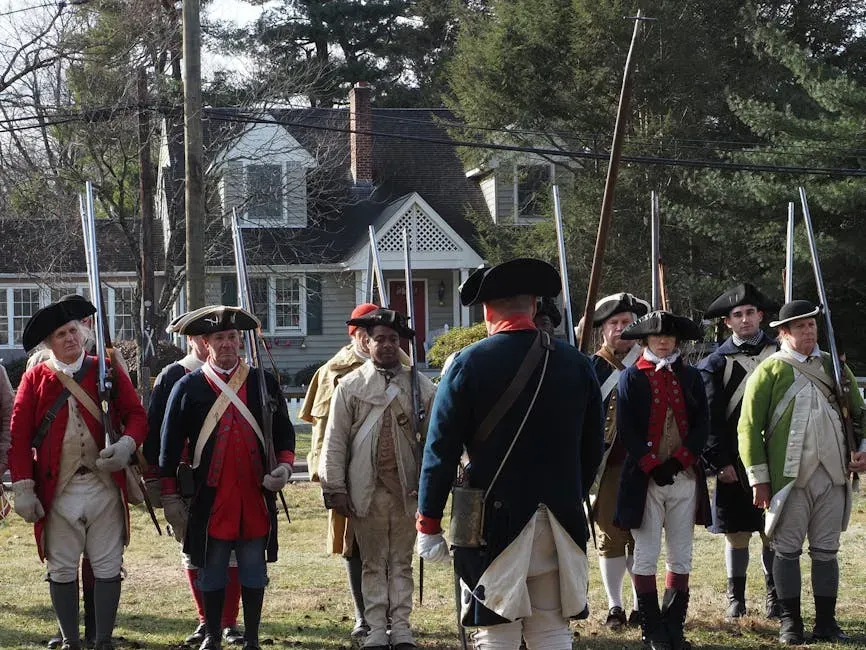
Manhattan’s Morris-Jumel Mansion is a historic site, not a major research institution – which may be exactly why a significant Revolutionary War-era letter sat unnoticed in an attic drawer for generations. The document had been mixed in with old doctor’s receipts and household paperwork, the kind of accumulation that happens in any old house and rarely gets sorted with the urgency it deserves. An intern doing routine cataloging work in 2013 pulled it out and realized it wasn’t a receipt.
The letter later sold at auction for a six-figure sum – a jarring reminder of what “miscellaneous papers” can actually contain. Historic sites across the country hold similar accumulations of unsorted personal papers, domestic records, and correspondence that arrived with donated estates and were never fully processed. The mansion’s attic didn’t feel like a place where history was hiding. It always is.
#15 – Cecil Beaton’s 120 Wartime Photos Found in Imperial War Museum Storage
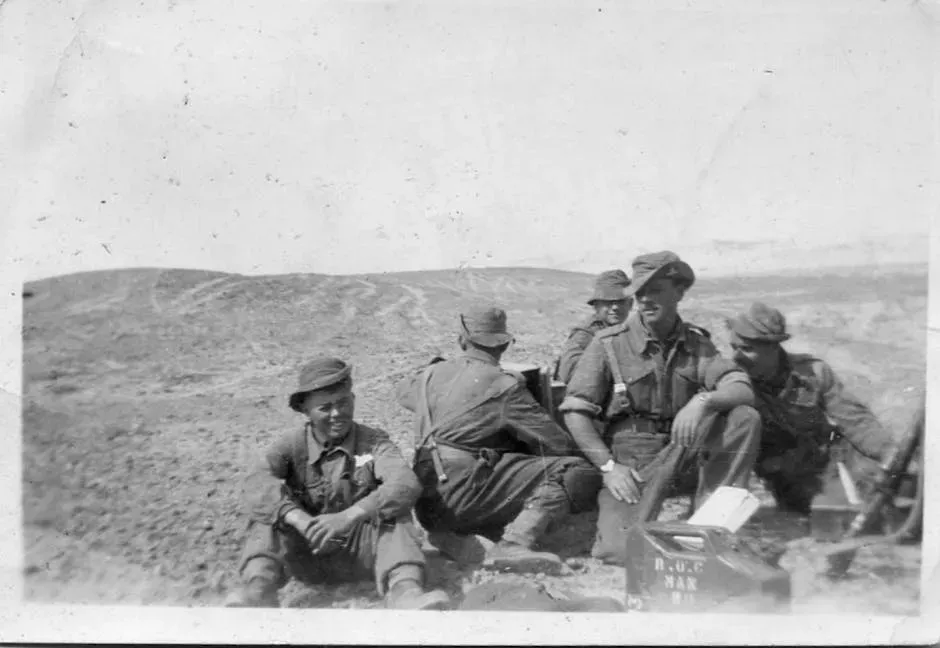
Cecil Beaton photographed World War II with a distinctive eye – society portraiture applied to devastation, an unusual and historically valuable combination. The Imperial War Museum held 120 of his photographs that had been filed during the wartime acquisition chaos without proper attribution. They documented scenes that had never entered public view or scholarship, sitting in the archive uncredited while Beaton’s known wartime work was studied and published without them.
When archivists properly attributed the images in 2012, they added dozens of new primary sources to the historical record of the war at a stroke. The photographs weren’t degraded or incomplete – they were simply waiting under the wrong label. Wartime institutions processed material under impossible conditions, which means the Imperial War Museum’s archive almost certainly holds more unattributed work from that period. Seventy years after the shutter clicked, these images finally had a name attached to them.
At a Glance: Why Wartime Archives Are Particularly Vulnerable
- Material was processed under extreme time pressure and staff shortages during the war years
- Beaton’s 120 photographs sat uncredited for approximately 70 years after the war ended
- Attribution errors don’t degrade the artifact – they just make it effectively invisible to research
- Proper identification in 2012 instantly added dozens of new primary historical sources
- The Imperial War Museum alone holds millions of items – wartime filing errors are almost certainly still widespread
#16 – The Picasso Gemmail Hidden Behind a Wrong Attribution
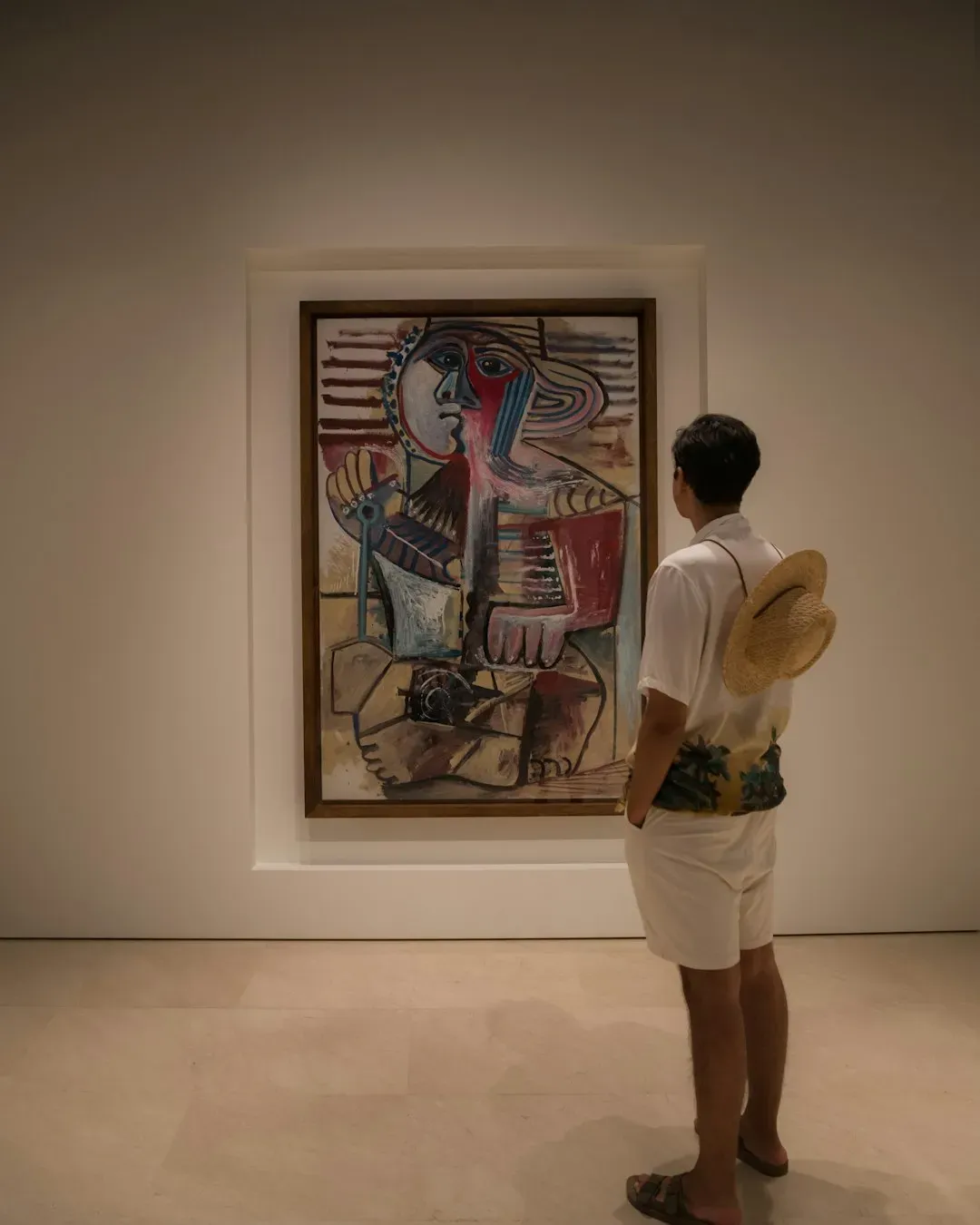
The Evansville Museum in Indiana had a striking glass artwork in its collection, cataloged as something “inspired by Picasso” – a phrase that functions as institutional shorthand for “we’re not sure, but probably not the real thing.” It had been misfiled under that vague attribution for decades, treated as a curiosity rather than a significant work. Nobody had committed to a deeper investigation because the label seemed to answer the question before anyone asked it.
In 2012, conservators studying the piece focused on the firing process and the signatures and arrived at a different conclusion entirely: this was an authentic work created by Picasso himself using the gemmail technique, a rare process involving fired colored glass that Picasso explored in only a small number of works. The attribution hadn’t been a minor error. It had been the difference between a curiosity and a Picasso original – and the two had been treated as equivalent for years.
#17 – The Oldest Flowering Plant Fossil Mistaken for a Common Fern
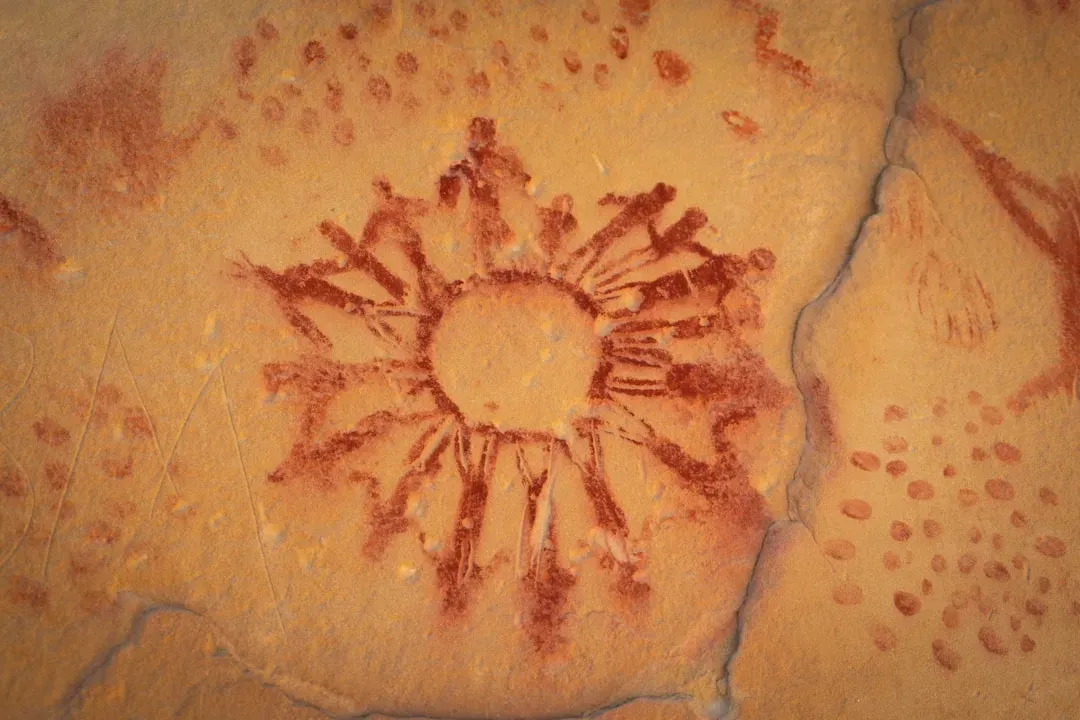
The Smithsonian Natural History Museum’s fossil collection is enormous, built over more than a century of acquisitions, expeditions, and donations. A specimen that had sat in the collection’s drawers since the 19th century carried a label identifying it as an ordinary fern fossil – unremarkable, already categorized, no further investigation required. Long-term staff had seen it countless times. The label said fern. It was fern.
In 2013, a University of Maryland student working at the museum refused to accept the original label and pushed for proper analysis. Detailed examination revealed the specimen was potentially the oldest flowering plant fossil ever found in North America, predating other known examples significantly. One intern’s refusal to defer to a 19th-century label rewrote the timeline for flowering plant evolution on a continent. Fresh eyes don’t just help – sometimes they’re the only thing that actually works.
#18 – The 14,000-Year-Old Reindeer Antler Engraving Overlooked Since the 1800s
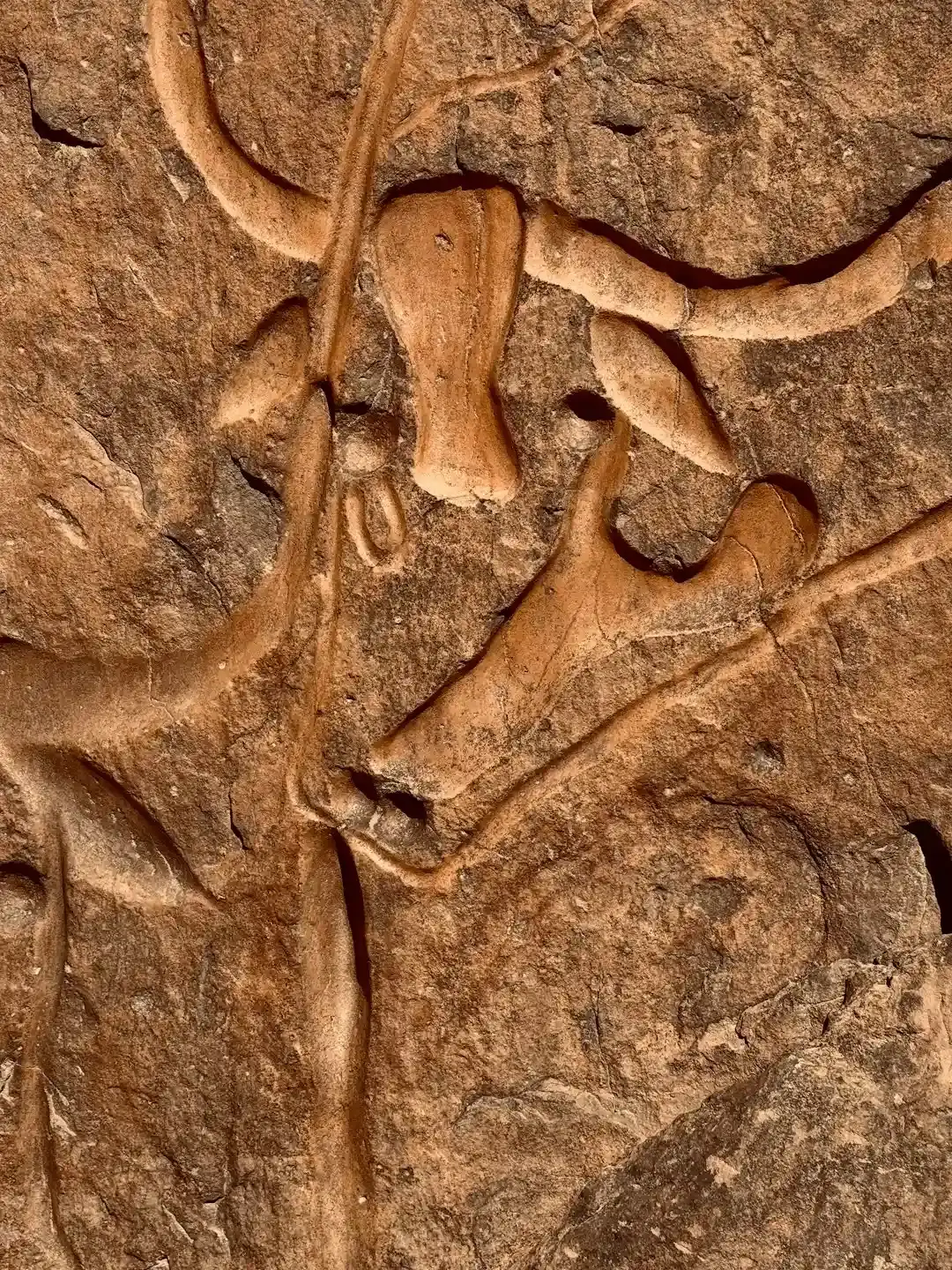
London’s Natural History Museum had stored a small engraved reindeer antler for well over a century after its 19th-century discovery. At some point along the way, it had been assessed as ordinary bone fragments – the kind of determination that closes a file and keeps it closed. It passed through generations of curatorial stewardship without anyone questioning that early assessment or looking at it with modern analytical tools.
When staff finally re-examined it in 2013, they found that the delicate carvings on the antler may represent the earliest known piece of intentional human art found in Britain – a 14,000-year-old engraving that had been dismissed as debris for more than 130 years. It doesn’t just push back the timeline for artistic expression in northern Europe. It suggests the 19th century’s confidence about what it had and hadn’t found was, in many cases, dangerously misplaced.
#19 – The Rare Tlingit War Helmet Misidentified for Over a Century
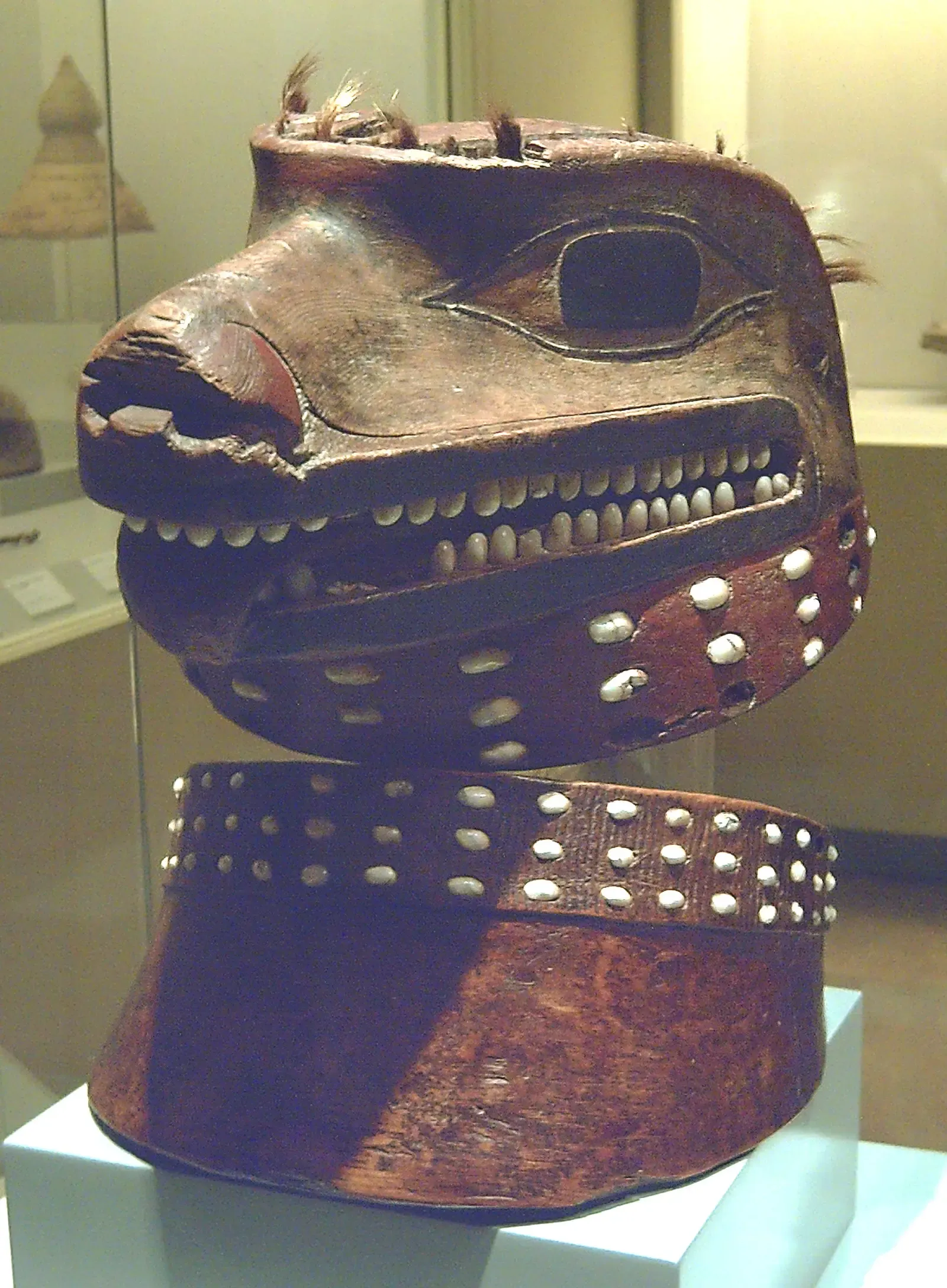
When a striking Alaskan artifact arrived at Springfield Science Museum around 1900 as part of a large, haphazard donation wave, staff labeled it a simple Aleutian hat and moved on. The label stuck. For more than 110 years, one of the rarest surviving pieces of Tlingit material culture sat in the collection under the wrong name, in the wrong category, with the wrong cultural context attached to it. Nobody had reason to look closer because the label said they already had.
Renewed scholarly interest in Indigenous collections prompted a serious re-examination in 2013. Curators compared the piece with known examples and consulted tribal experts, and the identification shifted completely: this was a Tlingit war helmet, not a hat, and only four comparable helmets survive anywhere in Alaska today. A mislabeled donation from 1900 had hidden an irreplaceable artifact in plain sight for over a century. The donation wave that brought it in was the same force that buried it.
Worth Knowing
- Arrived around 1900 as part of a large, fast-processed donation wave – exactly the conditions that produce labeling errors
- Misfiled as an Aleutian hat for over 110 years; Tlingit and Aleutian cultures are entirely distinct
- Only four comparable Tlingit war helmets are known to survive in Alaska today
- Correct identification came in 2013 after tribal experts were directly consulted
- The 1900 label had never been seriously questioned until renewed Indigenous collections scholarship prompted a fresh look
#20 – The Viking Gilded Disc Lost in Grime Since the 1880s
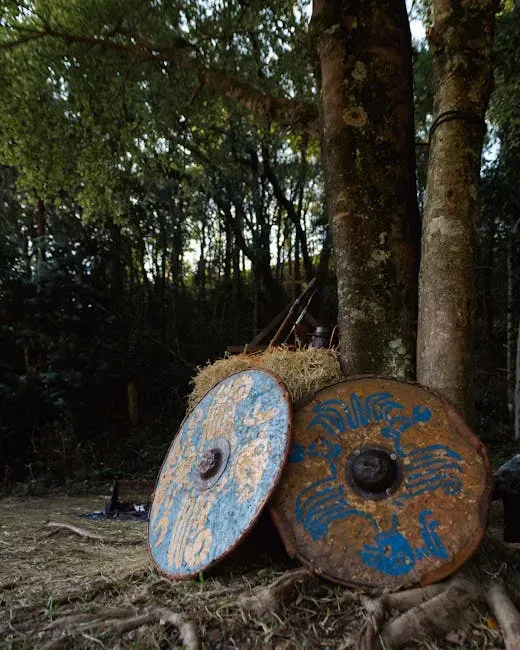
The British Museum’s Viking-era collection is one of the most studied in the world, which is exactly why it’s startling that a gilded disc spent 130 years hiding inside a lump of organic material excavated from a Norwegian burial site in the 1880s. The clump had been acquired in 1891 and processed as a single unit of organic debris – cataloged, stored, and left alone while the rest of the Viking collection received ongoing scholarly attention. Nobody had looked at the clump closely since the day it arrived.
In 2014, curator Barry Ager noticed a faint glint of metal catching the light and ordered X-rays. The scans revealed an intricately crafted gilded disc, preserved in remarkable condition, hidden inside material that everyone had assumed held nothing of significance. The disc’s survival is a testament to the burial environment – and to how easily major artifacts disappear when collections grow faster than institutions can catalog them. If this was hiding in one of the world’s most scrutinized collections, the question isn’t whether more exist. It’s just where.
What This Actually Means
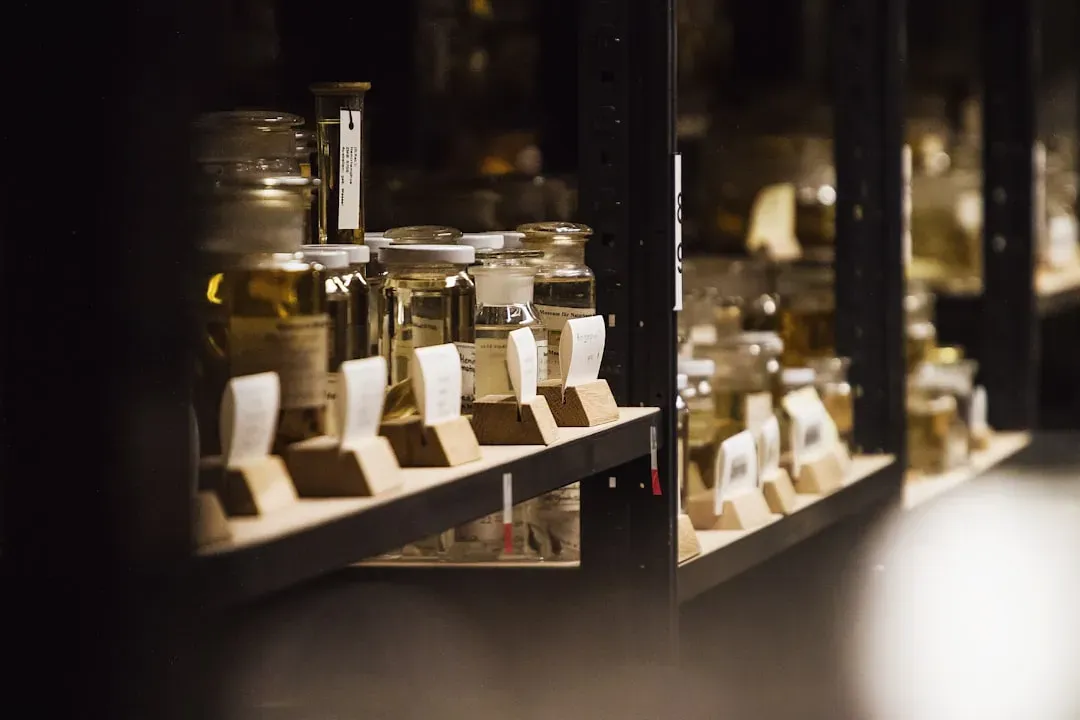
Twenty discoveries. Twenty times that the official record turned out to be incomplete, overconfident, or just flat wrong. These weren’t found in remote caves or undiscovered tombs – they were found in drawers, on floors, in crates and cigar tins and attic drawers inside institutions whose entire purpose is to know what they have. The real story isn’t the finds themselves. It’s the institutional conditions that made them possible: underfunded cataloging, staff turnover, language barriers, the crushing weight of sheer volume, and a quiet cultural assumption that old labels probably got it right.
The archives aren’t cleaned out. Not remotely. A Smithsonian survey found that across its museums, the reported percentage of collections actively used in research ranged from as low as 0.03 percent at some units to a median of just 5 percent. That means at most institutions, the overwhelming majority of what they own has never received serious modern scrutiny. That’s not a scandal waiting to break – it’s a standing invitation. The next rewrite of history isn’t buried underground. It’s sitting in a storage room with a wrong label on it, waiting for someone stubborn enough to look twice.
And here’s the opinion no institution wants to hear: this is not primarily a funding problem or a staffing problem, though both make it worse. It’s a cultural problem. The assumption that the important things have already been found – that 19th-century labels were probably right, that “copy” means copy, that “tomb material” means nothing special – is the single most dangerous idea in the museum world. Every entry on this list exists because someone, at some point, decided not to question a label. The next great discovery will happen because someone finally does.
Hi, I’m Andrew, and I come from India. Experienced content specialist with a passion for writing. My forte includes health and wellness, Travel, Animals, and Nature. A nature nomad, I am obsessed with mountains and love high-altitude trekking. I have been on several Himalayan treks in India including the Everest Base Camp in Nepal, a profound experience.