Every so often, archaeology throws up something that makes even seasoned experts sit back and mutter that they must be missing a piece of the puzzle. Most discoveries quietly fit into the established timeline, but a small handful feel like they have crashed the party from some other version of history entirely. These are the finds people share late at night in forums, documentaries, and heated pub conversations, because they hint that the story we tell about our past is still very incomplete.
That does not mean time travel, aliens, or lost super-civilizations are secretly confirmed. But it does mean that our picture of the past is far from finished, and some artifacts are inconveniently ahead of their time, found in the wrong place, or tied to cultural links we never expected. Below are sixteen of the most talked‑about cases. Some probably have conventional explanations, some are still being argued over, and a few remain genuinely weird. Together, they show that history is not a closed book – but a draft that keeps being edited.
#1 The Antikythera Mechanism: An Ancient Greek “Computer” Out of Its Time
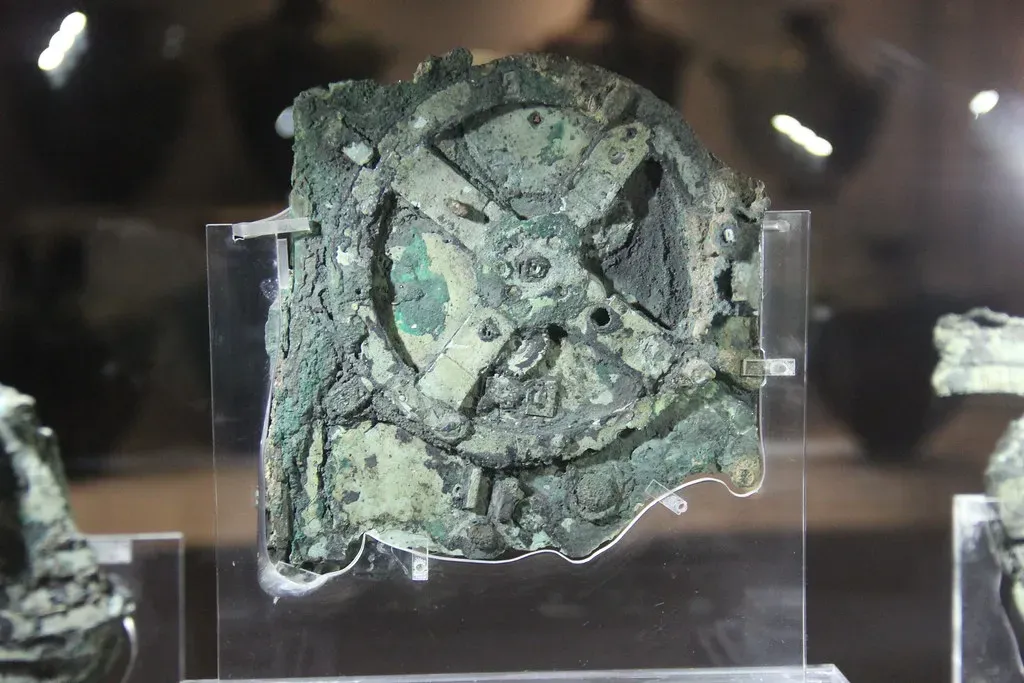
Imagine diving on a Roman‑era shipwreck and pulling up what looks like a fused lump of corroded bronze – only to discover it hides more than thirty precision‑cut gears inside. The Antikythera mechanism, found off a Greek island in the early twentieth century, is essentially a complex mechanical calculator for tracking the movements of the Sun, Moon, eclipses, and possibly planetary cycles. It dates to around the second or first century BCE, yet its intricate gearwork would not be matched in Europe for well over a thousand years. If you grew up thinking the ancient world was technologically simple, this thing feels almost like cheating.
What makes the device so unsettling for the traditional timeline is not that it is magical, but that it implies a whole tradition of high‑precision mechanical engineering we have barely glimpsed. You do not wake up one day and build something that sophisticated out of nowhere; you get there through iterations, workshops, and a community of skilled makers. Yet only a few vague textual hints even suggest such machines existed. The mechanism does not disprove official history, but it exposes just how patchy our surviving evidence is and how easily an entire technological lineage can vanish from the record.
#2 Göbekli Tepe: Monumental Stone Circles Before Farming
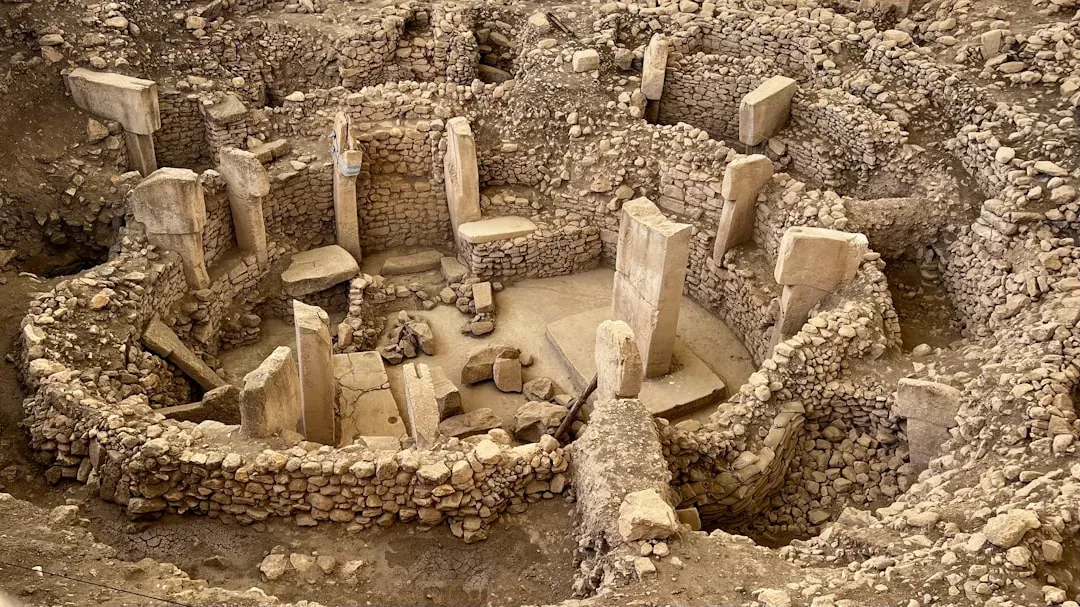
For decades, schoolbooks taught that complex temples and monumental stone architecture came only after humans settled down into farming villages. Then Göbekli Tepe in southeastern Turkey showed up and flipped that script on its head. This site, with its massive carved T‑shaped pillars and stone enclosures, dates back to roughly ten thousand BCE, long before established agriculture in the region. The sheer scale and organization behind the construction look more like the work of settled societies than of small, mobile hunter‑gatherer groups.
Instead of fitting neatly into the old model, Göbekli Tepe suggests that social cooperation, religious centers, and large communal projects might have been the very things that pushed people toward farming, not the other way around. That may sound like a technical detail, but it changes the emotional arc of our origin story. Rather than saying “we got food security, then we built temples,” it hints that belief, ritual, and shared symbols could have been powerful enough to pull people together and reshape the landscape while still living off wild resources. It is one of those rare discoveries that forces historians to rewrite the first chapters of civilization.
#3 The Baghdad Battery: Primitive Power Source or Misunderstood Pottery?
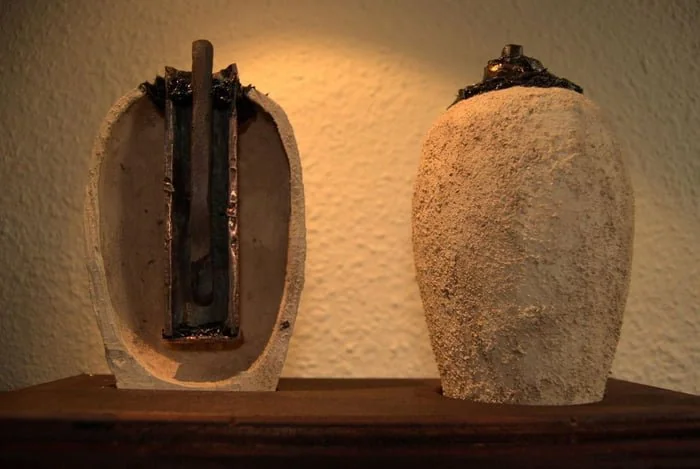
The so‑called Baghdad Battery is the kind of artifact that conspiracy‑themed documentaries love. Found near modern‑day Baghdad and usually dated to the first centuries BCE or CE, it consists of a clay jar, a copper cylinder, and an iron rod. Some researchers have suggested that if the jar were filled with an acidic liquid, it could act as a simple galvanic cell – a kind of proto‑battery that can produce a small electrical current. When you first hear this, it sounds like the ancient Near East had discovered electricity two thousand years before modern science did.
But the more you dig into the evidence, the more complicated it becomes. There is no clear ancient description of electrical use in this context, and no definitive residues proving the jar actually held an electrolyte. Others argue it might have been used for storing scrolls or sacred texts, or as part of a ritual device. So does the Baghdad Battery “disprove” official history? Probably not. What it does show is how easily a single ambiguous object can spark wildly different interpretations, and how tempting it is for us to project modern technology back onto the past when the data is thin.
#4 The Piri Reis Map: Early World Map With Unsettling Accuracy
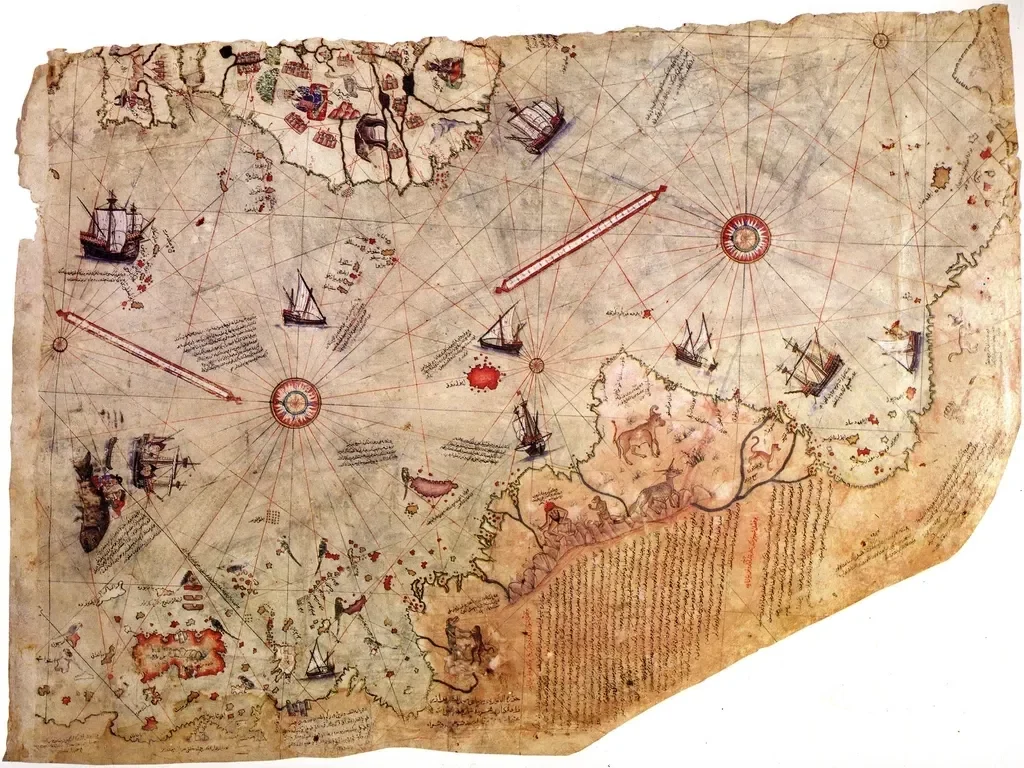
When a fragment of a sixteenth‑century world map by the Ottoman admiral Piri Reis was rediscovered in the twentieth century, it immediately caused a stir. The map shows parts of the coasts of South America and West Africa with surprising accuracy for its time, supposedly based on older charts gathered by sailors. Some enthusiasts claim it even depicts the coastline of Antarctica free of ice, which would require surveying tens of thousands of years ago – an idea that clashes hard with mainstream geology and history.
Most professional cartographers push back against the more extreme claims, pointing out that coastlines can be misinterpreted, distorted, or creatively reconstructed when multiple older maps are combined. The “Antarctica” section, for instance, could be a confused extension of South America. Still, it is genuinely impressive that knowledge of the New World’s shape traveled so fast, and that Ottoman scholars were integrating European and older sources so effectively. The Piri Reis map feels unsettling not because it proves a lost civilization, but because it reminds us that global information networks were already humming far earlier, and far more widely, than many people realize.
#5 The Great Pyramid’s Precision: Engineering That Seems Out of Reach
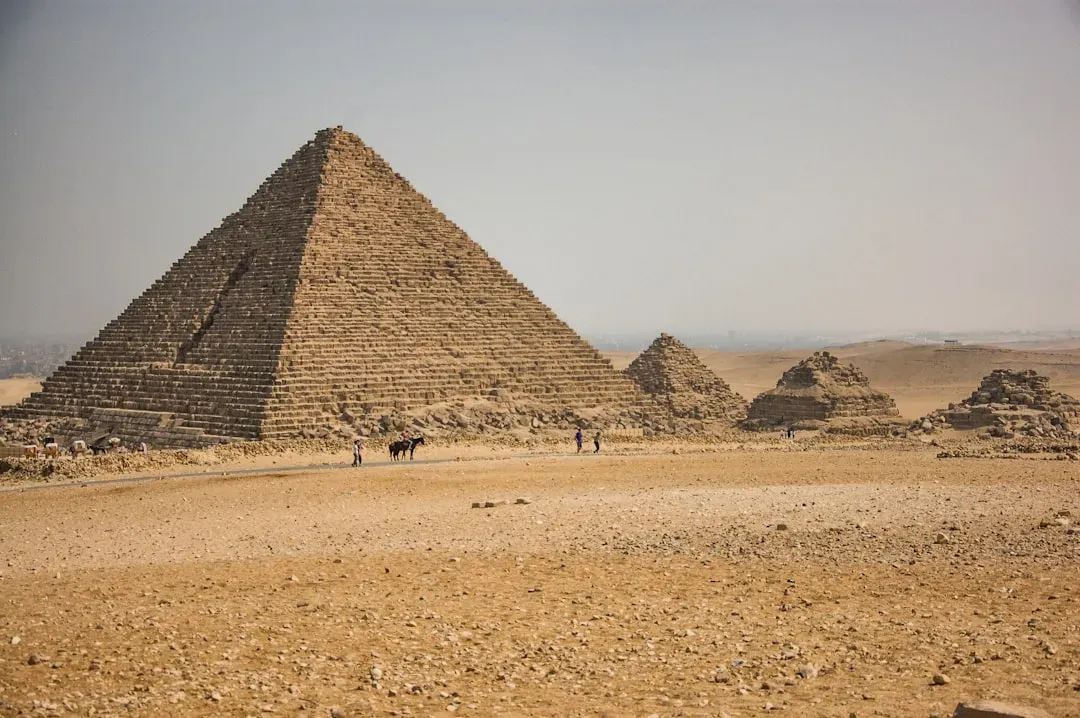
The Great Pyramid of Giza has been sitting there for more than four thousand years, and somehow it still makes people uncomfortable. Its sides are aligned closely to true north, its base is nearly level, and the blocks are fitted with a precision that puts many later stone projects to shame. When you stack those facts together, it is easy to feel like something is not adding up, especially if you picture ancient builders as barely more advanced than people with ropes and stone hammers.
Archaeologists have explained many of the techniques, from using simple but clever surveying tools to exploiting ramps, levers, and sheer organized labor. There is no need for aliens in the narrative. But the real reason the pyramid feels like it “should not exist” is emotional: it exposes how much we tend to underestimate people who lived long ago. These were societies that could mobilize tens of thousands of workers, maintain strict logistics, and apply trial‑and‑error engineering on a scale that would crush a modern start‑up. It might not rewrite the history books, but it should rewrite how much credit we give ancient minds.
#6 The Nebra Sky Disk: Sophisticated Astronomy in Bronze Age Europe
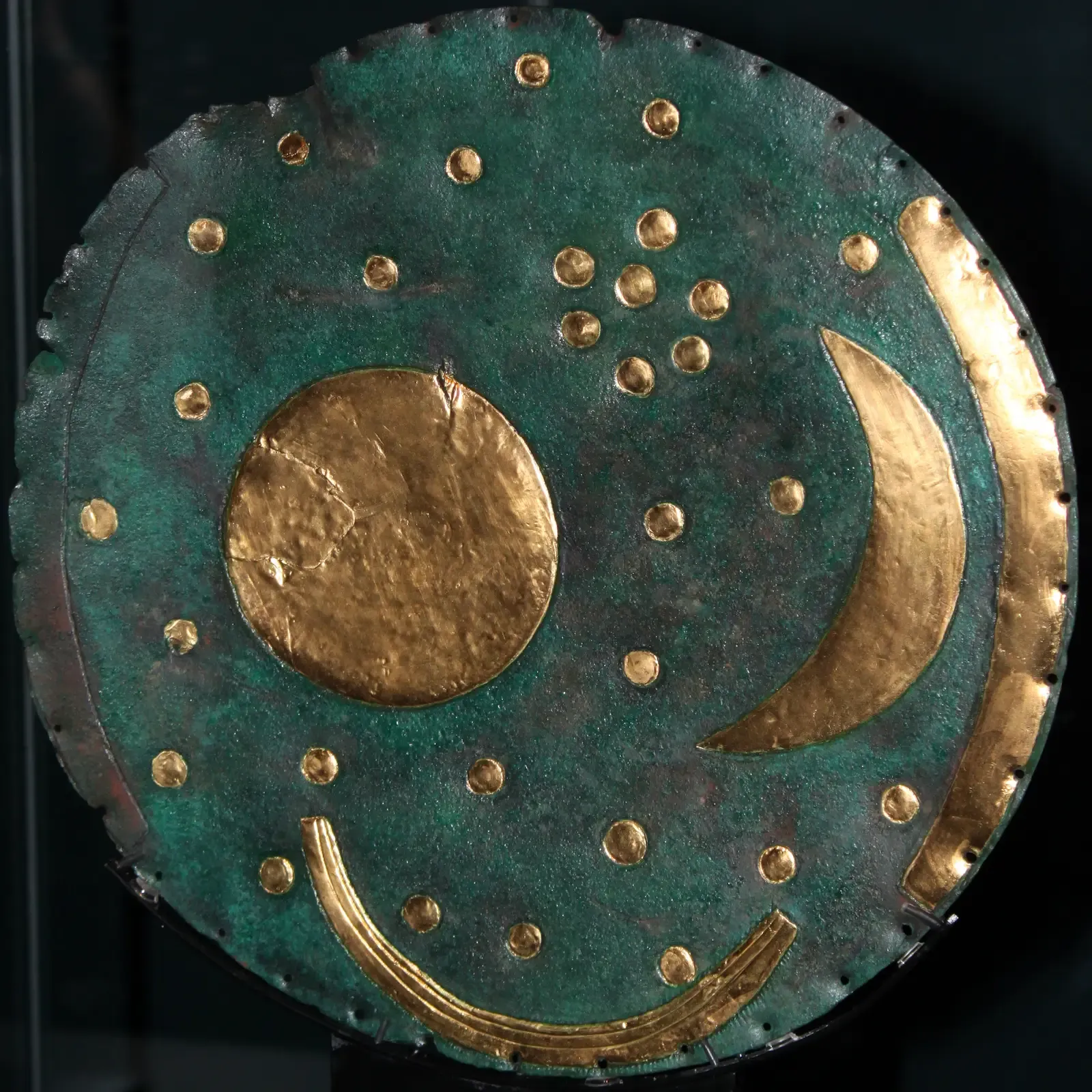
When farmers in Germany stumbled on a bronze disk decorated with gold inlays of the Sun, Moon, and stars, it looked almost too poetic to be real. Later dating placed the Nebra Sky Disk at around the early second millennium BCE, in the Bronze Age. Suddenly, central Europe, often imagined as a cultural backwater compared to Egypt or Mesopotamia, had a stunning artifact that codified celestial knowledge in metal. The layout of the disk suggests awareness of solstices and possibly the synchronization of lunar and solar calendars.
For official history, the disk does not exactly break the timeline, but it does force a rebalancing of who we view as intellectually “advanced” at certain times. Many of us grew up with a vague hierarchy in mind: first the Near East, then Greece and Rome, and everyone else trailing behind. The Nebra Sky Disk rudely interrupts that story. It shows that people in so‑called peripheral regions were not just passively waiting for ideas to arrive; they were watching the sky, experimenting, and encoding complex concepts in durable art. That mental upgrade for Bronze Age Europe is a quiet revolution in itself.
#7 The Voynich Manuscript: A Book That Refuses to Be Read
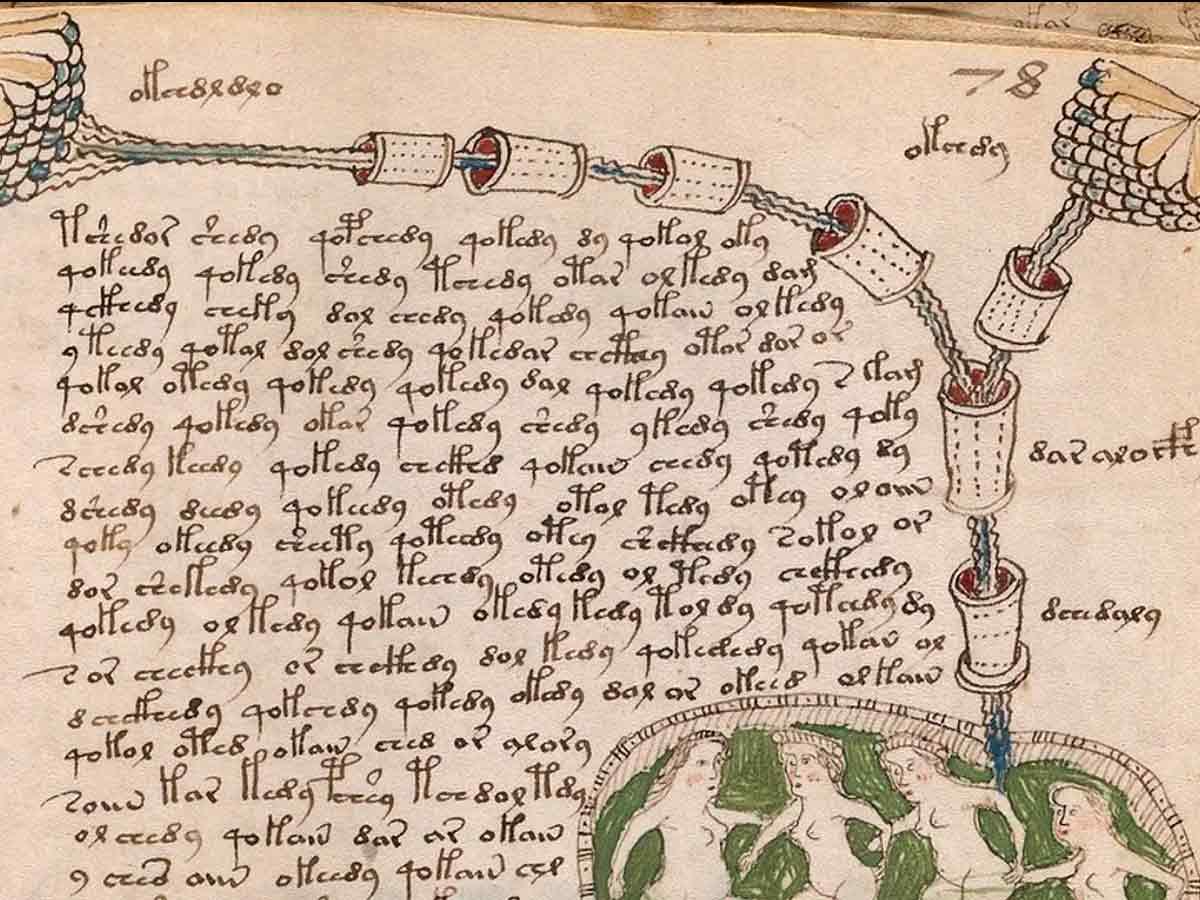
The Voynich Manuscript might be the most famous unreadable book on Earth. Dating analyses suggest it was created in the early fifteenth century, filled with strange looping script and illustrations of unknown plants, star charts, and mysterious bathing scenes. For well over a century, cryptographers, linguists, and passionate amateurs have tried to crack its code. Every time someone claims to have solved it, experts pick apart the method or point out that the “translation” could apply to almost anything. If this is a hoax, it is an incredibly elaborate one for an era without digital tools.
What makes the manuscript feel like an affront to official history is that it occupies a time and place we normally think we understand fairly well: late medieval Europe. Yet here is a whole book that does not obviously match any known language, medical tradition, or religious text. Some scholars believe it represents a lost natural philosophy or a constructed script for an obscure vernacular; others lean toward a sophisticated nonsense document designed to impress patrons. Whatever the truth, it is a reminder that even in periods we consider well‑documented, entire intellectual worlds can still be hidden in plain sight, literally written between the lines.
#8 The Nazca Lines: Giant Geoglyphs That Only Make Sense from Above
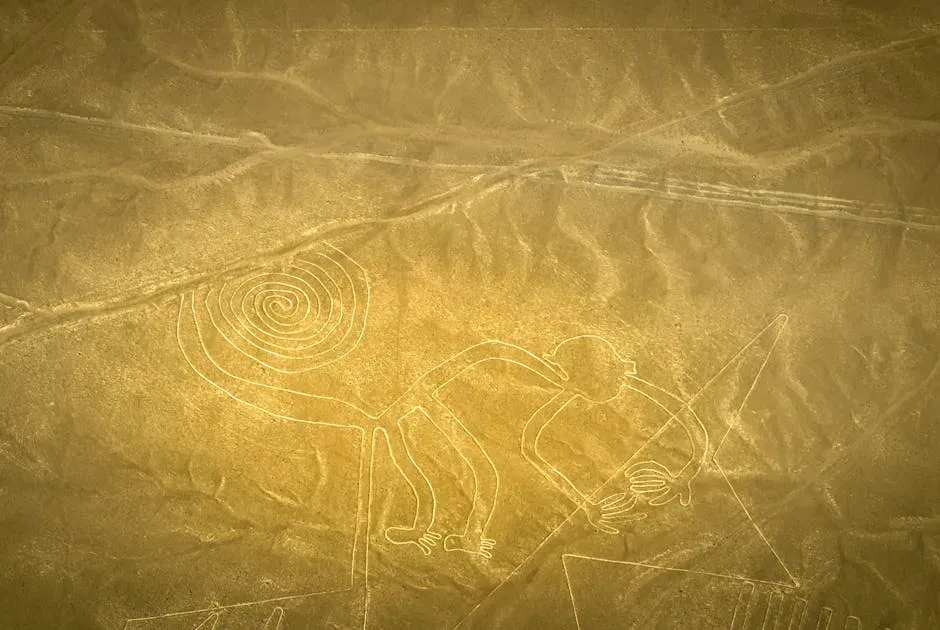
In the Peruvian desert, enormous figures and straight lines stretch across the landscape: birds, monkeys, fish, trapezoids, and arrows visible for kilometers. The Nazca Lines were made by removing the dark surface stones to reveal lighter soil beneath, and most date from about two thousand years ago. What baffles the modern mind is the scale and visibility. Many of the designs are best appreciated from the air, which naturally leads to modern people asking why a pre‑aviation culture would build something like that. It feels almost like sending a message to the sky.
Most archaeologists frame the lines within ritual and religious practices, possibly involving processions along the paths or offerings to deities linked to water and fertility. The flat plateau and surrounding hills do allow partial viewing from the ground, even if the modern “aerial reveal” is more dramatic. The lines are not impossible to explain, but they are very good at challenging our assumptions about what motivates large‑scale art. It is a bit like realizing someone carved a cathedral that can only be truly seen in reflections from a nearby lake: impractical from our point of view, but entirely logical within a worldview that blends earth and sky into one sacred canvas.
#9 The Saqqara Bird: Early Model Airplane or Symbolic Toy?
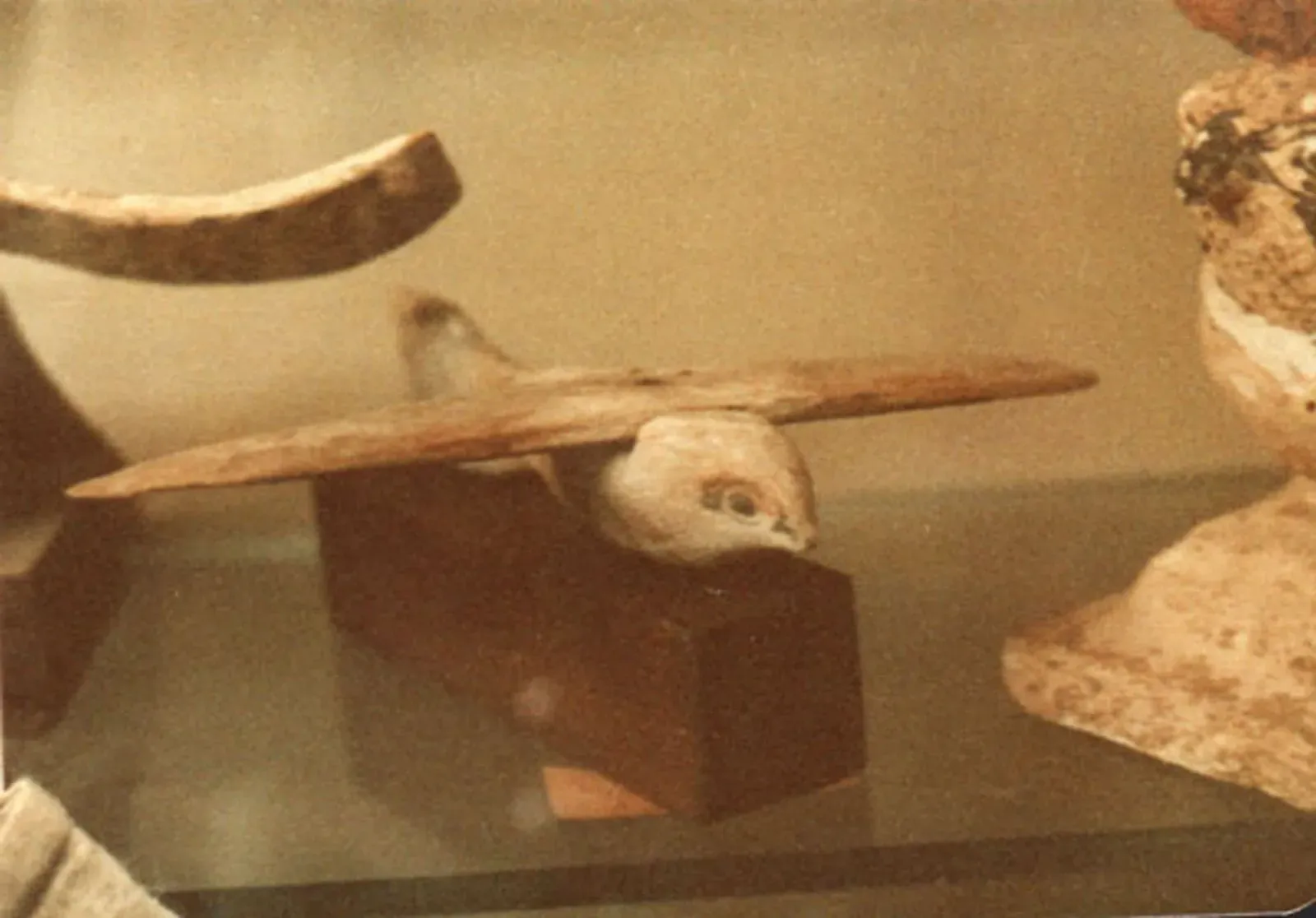
A small wooden object found in an Egyptian tomb at Saqqara has wings, a body, and a tail that remind modern viewers suspiciously of a glider. Dating from roughly the second century BCE, the Saqqara Bird has fueled speculation that the ancient Egyptians had some understanding of aerodynamics far beyond what we expect. Some enthusiasts have even built enlarged models to test in wind tunnels, claiming that with minor tweaks, the shape can glide gracefully through the air.
Professional Egyptologists are far more cautious. They point out that without documentation, it could just as easily be a ceremonial object, a toy, or a symbolic representation of a bird or deity. The lack of similar finds also argues against a full‑blown aviation tradition. To me, the most revealing part is not whether it flew perfectly, but how quickly our modern brains jump to aircraft analogies as soon as we see a familiar silhouette. The Saqqara Bird sits at that awkward intersection between genuine curiosity and wishful thinking, reminding us that the line between plausible innovation and overinterpretation is thinner than we like to admit.
#10 Ancient Advanced Stonework at Puma Punku: Impossible Joints in the Andes
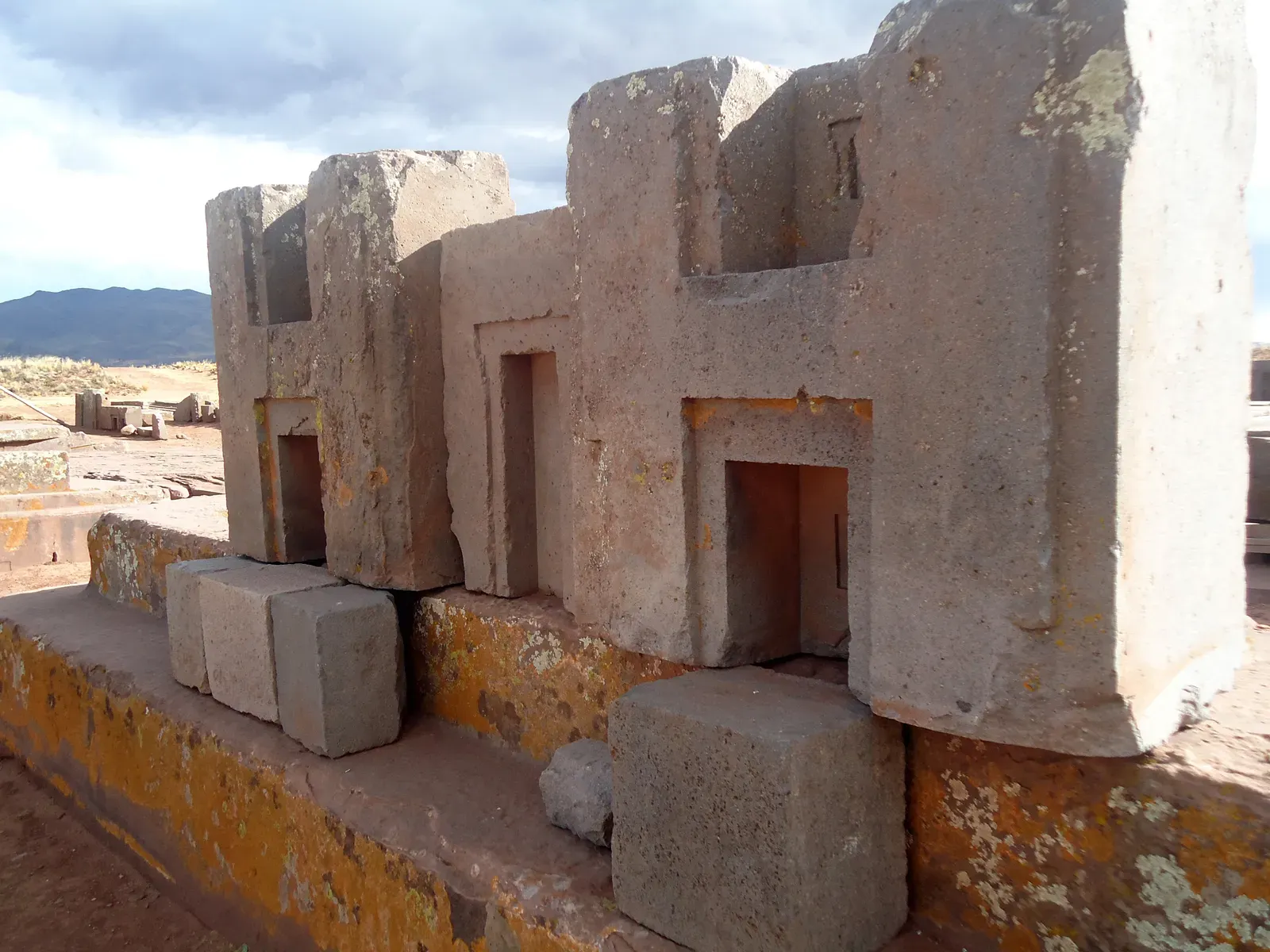
High on the Bolivian Altiplano, the site of Puma Punku is scattered with huge stone blocks cut into sharp angles and interlocking shapes, some with drilled holes and intricate grooves. The precision of certain joints, along with the hardness of the stone, has led many visitors to wonder how a culture without iron tools or large draft animals managed such feats. It seems to clash with the stereotype of “primitive” pre‑Columbian engineering and feeds the impression of a lost high‑tech knowledge base.
Archaeologists argue that with enough skilled labor, stone hammers, abrasive sand, and patient workmanship, such shaping is demanding but not miraculous. Experimental archaeology has shown that surprisingly accurate cuts and holes are possible with simple setups. Still, walking among those blocks, it is hard not to feel that familiar jolt: this looks more at home in a modern industrial site than in a high plateau temple complex. Puma Punku does not demand rewriting the physics books, but it absolutely demands upgrading our mental model of what Andean engineers could accomplish with limited materials and a lot of determination.
#11 The London Hammer: A Tool in Ancient Rock or a Misunderstood Curiosity?
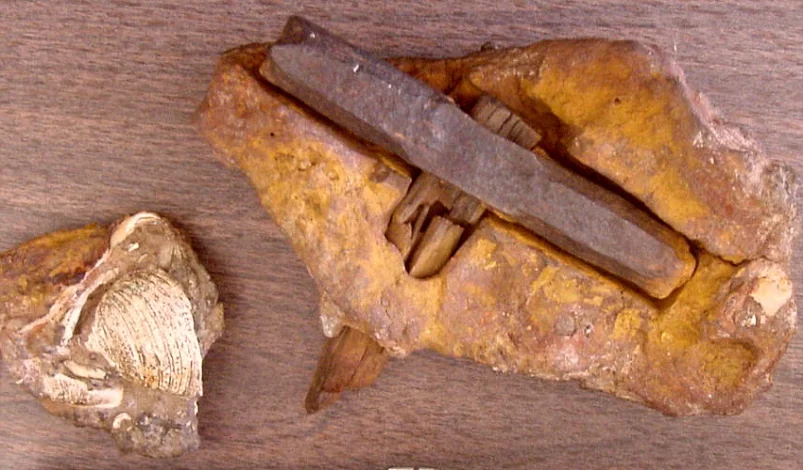
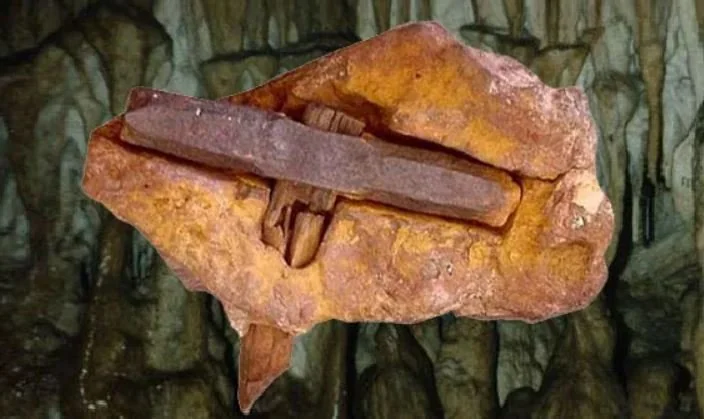
The so‑called London Hammer, found in Texas in the twentieth century, is often shown in mystery circles as a modern tool encased in rock supposedly hundreds of millions of years old. On the surface, that sounds like a direct punch in the face to geology and human evolution. If taken literally, it would mean a human‑made hammer somehow ended up inside rock from long before humans existed, which would essentially wreck the entire timeline of life on Earth.
Most geologists and archaeologists, however, view the object quite differently. The hammer itself looks like a nineteenth‑century miner’s tool, and the “rock” around it is likely a concretion – a mass of minerals that hardened around the object in relatively recent times. In other words, the hammer is oldish, but not Jurassic‑old, and the stone is not what it first appears. This is a good example of how something can sound like it should not until you examine it closely. It is less a glitch in the matrix and more a reminder of how easily people can be misled by dramatic framing and incomplete context.
#12 The Baalbek Trilithon: Megalithic Blocks That Defy Intuition
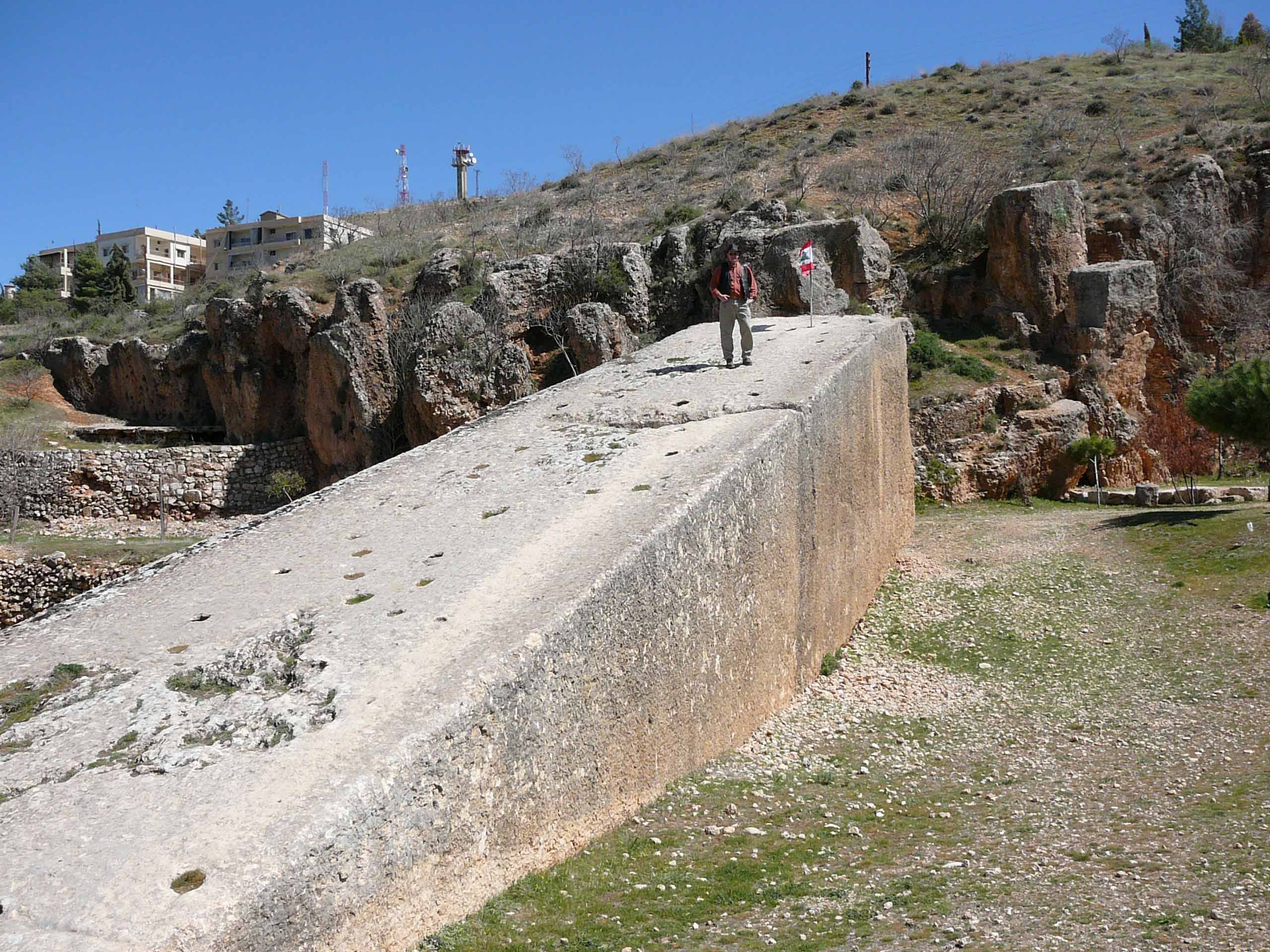
At the site of Baalbek in modern‑day Lebanon, three massive stone blocks known as the Trilithon form part of a monumental platform. Each block weighs hundreds of tons, and nearby lies an even larger stone left in the quarry. When you stand next to them, they are almost absurd: like someone tried to build with boulders the size of small houses. The question of how ancient builders moved and set these stones has fueled decades of speculation, from advanced lost technologies to mysterious external helpers.
Engineers point out that with enough people, wooden rollers, sledges, levers, and ingenuity, moving gigantic stones is grueling but not impossible. Similar feats were achieved at other megalithic sites around the world. Yet even with those caveats, Baalbek feels like an overachiever. The sheer scale pushes our imagination past its comfort zone, especially when we remember these were pre‑industrial societies. The site does not require rewriting human history, but it does force us to confront a recurring theme: ancient builders repeatedly chose design solutions that were far more ambitious than pure practicality demanded, and that in itself is a historical puzzle.
#13 The Yonaguni Structures: Sunken City or Natural Rock Formation?

Off the coast of Yonaguni in Japan lies a series of underwater rock formations that, in photographs, look eerily like terraces, steps, and walls. Divers have popularized the idea that this is a sunken city from a lost civilization, submerged at the end of the last Ice Age. If that were true, it would push organized architecture in the region back far earlier than conventional archaeology allows, and hint at a major cultural tradition lost beneath the waves.
Most geologists, however, lean toward a natural origin. The local sandstone breaks along straight lines and right angles, creating step‑like platforms and sharp edges that can easily be mistaken for man‑made shapes, especially underwater with limited visibility. Some archaeologists leave the door slightly open to the idea that humans may have modified naturally existing features. The problem is that definitive proof – artifacts, carvings beyond doubt, clear structural patterns – is thin. Yonaguni is a great example of how our brains are wired to see patterns and cities where there might only be geology, and how the desire for a dramatic rewrite of history can run ahead of what the evidence actually supports.
#14 The Copper Scroll of Qumran: A Treasure Map That Feels Like Fiction
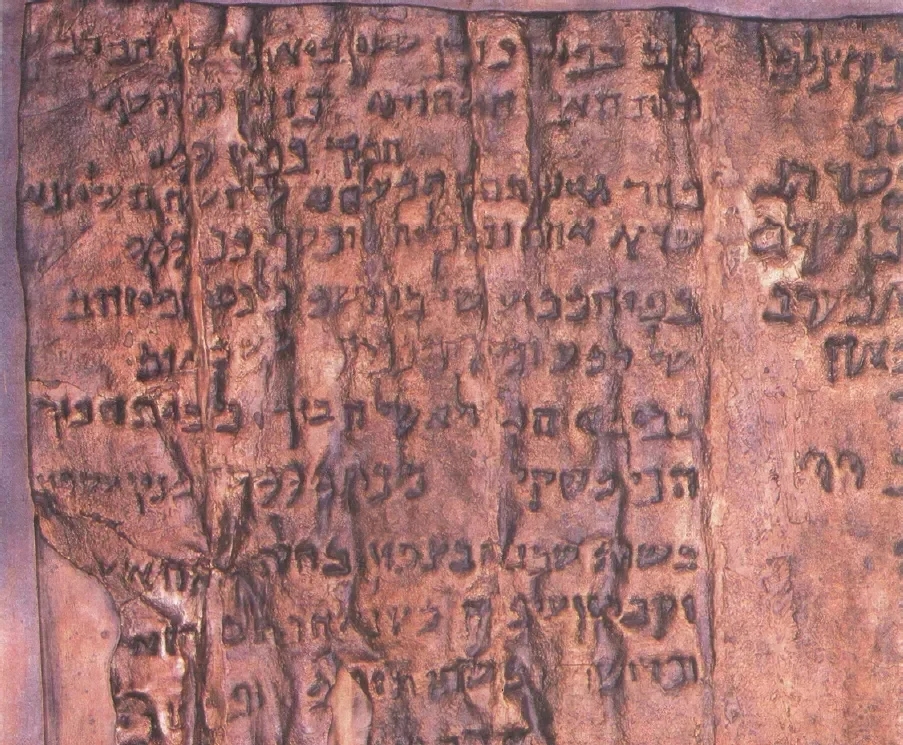
Among the Dead Sea Scrolls, one stands out for its material and content: the Copper Scroll. Unlike the others, which are written on parchment, this one is literally inscribed on thin sheets of copper. It lists dozens of hidden treasure caches – massive quantities of gold and silver supposedly buried in various locations. If taken at face value, it suggests an astonishing pool of wealth connected to the Second Temple period, almost on the scale of epic fantasy rather than dry religious history.
The problem is that, despite numerous attempts, the listed treasures have never been conclusively found. Some scholars think the scroll is more of a symbolic or ritual inventory, others that the caches might have been looted in antiquity or that the directions are too obscure after two thousand years of landscape change. The Copper Scroll feels like a direct challenge to our sense of proportion about the ancient economy: either huge resources were being moved and hidden in ways we barely understand, or our interpretation is off. In both cases, it exposes how much uncertainty still clings to even relatively recent periods we think we know well.
#15 The London “Roman” Dodecahedra: Objects No One Can Agree On
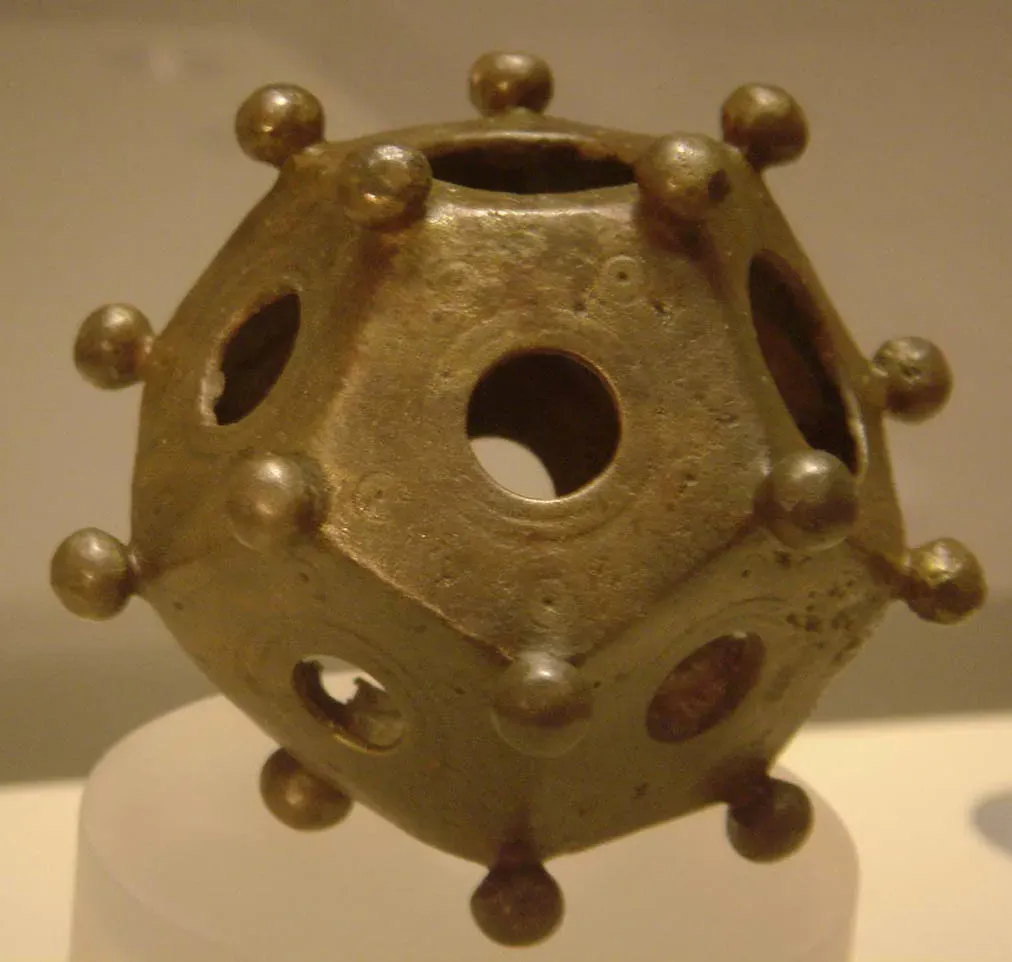
Across parts of the former Roman Empire, archaeologists have found small hollow bronze dodecahedra – twelve‑sided objects with holes of varying sizes on each face and little knobs at the corners. They show up in Britain, France, Germany, and beyond, mostly dated to the second or third century CE. They are the sort of artifact that begs for an obvious label in a museum display case, but the truth is no one really knows what they were for. Proposals range from candleholders and surveying tools to knitting gauges and ritual devices.
The reason they feel like they “should not exist” within official history is not that they contradict the timeline, but that they stubbornly resist categorization in a culture scholars otherwise know fairly well. We have Roman engineering manuals, religious texts, military treatises – but almost no clear mention of these things. For me, the dodecahedra are humbling. They demonstrate that even in highly documented civilizations, entire classes of object can drift into total mystery in a couple of millennia. If that can happen to Rome, imagine how many more interpretive blind spots we have for far older or less literate societies.
#16 The Shroud of Turin: Medieval Relic or Something Older?
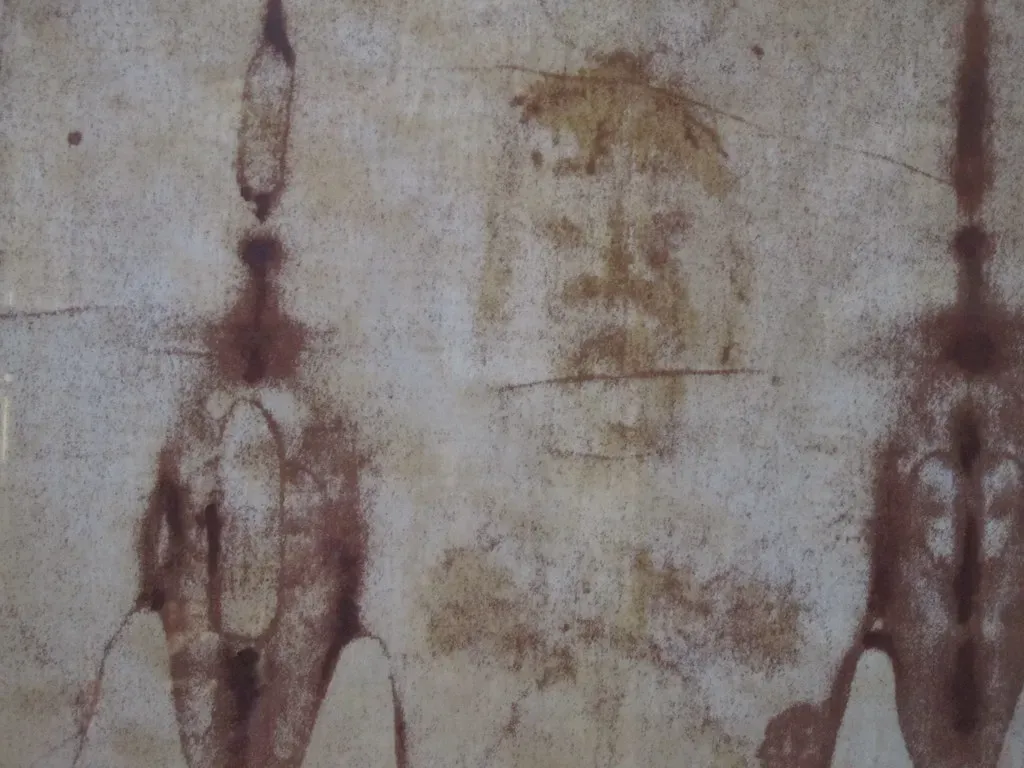
The Shroud of Turin, a linen cloth bearing the faint image of a man, has been at the center of one of the longest‑running debates in archaeology and religious history. Radiocarbon tests in the late twentieth century dated the cloth to the medieval period, which would make it too young for the claims some believers attach to it. Yet critics of those tests point to possible contamination, repairs, and inconsistencies, while others focus on the image itself, arguing that its three‑dimensional characteristics and subtle shading are difficult to reproduce with known medieval techniques.
From a purely historical point of view, the Shroud does not overturn the official timeline regardless of which side turns out to be right. If it is medieval, it is still an astonishing example of devotional art and ingenuity; if it is older, then it becomes an even more intriguing witness to earlier practices. What makes it feel like it “should not exist” is the way it lives at the intersection of faith, science, and identity. People are not simply arguing about fiber samples and pollen – they are arguing about meaning, authenticity, and how far back a tradition can reasonably stretch. In that sense, the Shroud is less about proving or disproving history and more about exposing how emotionally invested we all are in the stories we want the past to tell.
Conclusion: Do These Finds Break History – or Expose Our Blind Spots?

Looking across these sixteen cases, a pattern emerges that is more interesting than any single artifact. In almost every example, what truly unsettles us is not that the object literally shatters the timeline, but that it demands more nuance than the neat textbook stories we grew up with. Ancient engineers turn out to be better surveyors than we assumed, Bronze Age Europeans more observant sky‑watchers, and pre‑Columbian builders more ambitious stoneworkers. When we hit the limits of what the evidence can support, speculation rushes in to fill the gaps; sometimes that speculation is creative, sometimes it is reckless, but in both cases it shows how hungry we are for a grander, stranger past.
My own opinion is that “official history” is not a rigid dogma trying to hide the truth, but a living framework that is constantly being stress‑tested by new discoveries. Some of these finds will probably be tamed by future research and folded into a more detailed, less dramatic narrative. Others might stay stubbornly weird, forcing us to live with uncertainty. Either way, the real error is assuming the story is finished. The past keeps surprising us because we keep underestimating both our ancestors and the fragmentary nature of the record they left behind. So what should really worry us is not the artifacts that seem not to fit – but all the ones that once existed and left no trace at all.