If you think archaeologists have the past neatly sorted into tidy timelines and clear explanations, these discoveries will shatter that illusion fast. Scattered across deserts, mountains, seabeds, and even inside caves, there are artifacts and sites that stubbornly refuse to fit the story we like to tell about human history. Every time scientists think they are close to an answer, new data, conflicting interpretations, or plain old weirdness push the mystery right back open again.
What makes these finds so unsettling is not just that they are old or impressive. It is that they seem to hint at lost knowledge, unexpected abilities, and ways of thinking that we still struggle to understand in 2026. Some of them are probably more ordinary than people want to believe; others, even with careful research, feel deeply strange. Let’s walk through thirteen of the most baffling discoveries and see why, even today, many researchers choose careful silence over bold explanations.
#1 Göbekli Tepe: A Temple That Should Not Exist
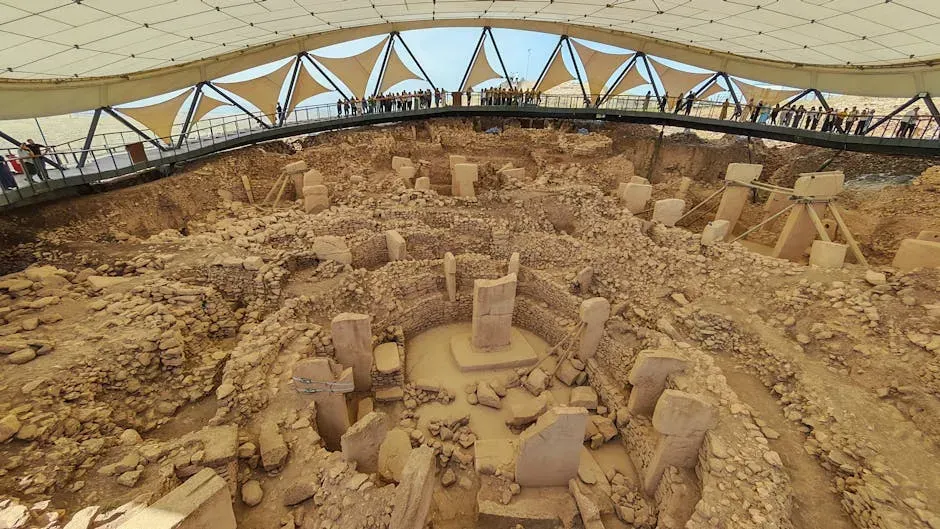
Imagine hunter-gatherers, thousands of years before the first cities, building a monumental stone sanctuary older than Stonehenge by roughly six millennia. That is Göbekli Tepe in southeastern Turkey, where massive T‑shaped limestone pillars, some up to several tons, are arranged in circles and carved with foxes, scorpions, birds, and other animals. The site, dating back to about the tenth to ninth millennium BCE, appears to have been built by people who, according to the standard story, should not yet have large-scale religious architecture at all.
What unsettles archaeologists is how much Göbekli Tepe scrambles the sequence of “first we farm, then we build temples.” The builders were likely still hunter-gatherers, yet they mobilized huge labor forces, coordinated stone quarrying, and repeated cycles of construction and deliberate burial of entire enclosures. Rather than carefully explain every unknown, many researchers now cautiously propose that organized belief and ritual might have helped trigger settled life, not the other way around. It is a polite way of admitting something big about early civilization still does not quite add up.
#2 The Antikythera Mechanism: The Ancient “Computer” No One Ordered
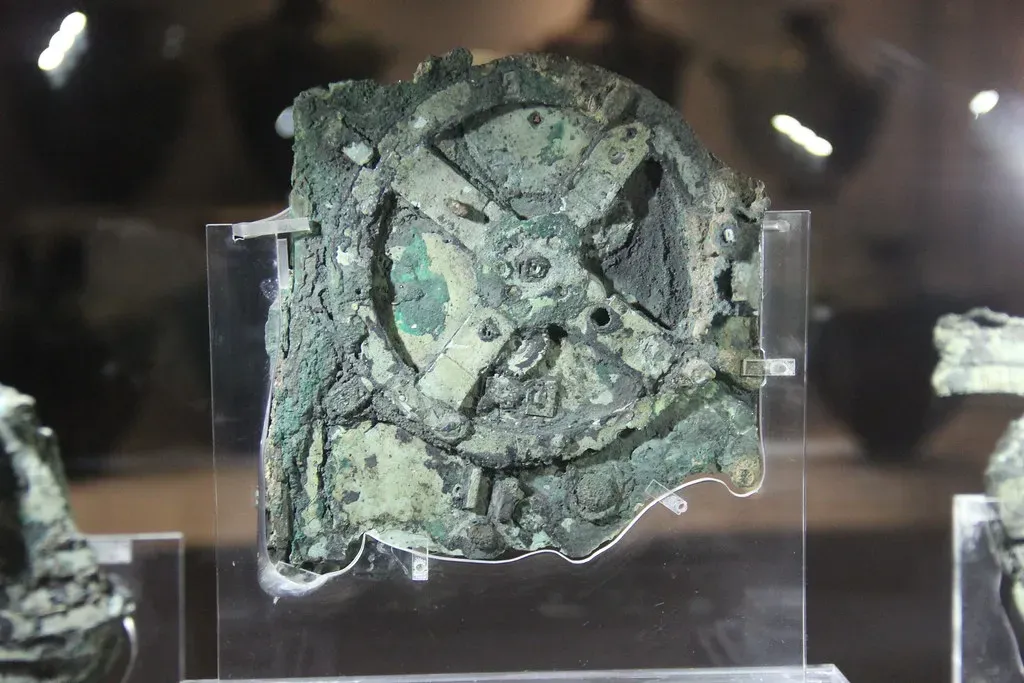
Recovered from a 2,000‑year‑old shipwreck off the Greek island of Antikythera, this corroded lump of bronze turned out to be the most sophisticated mechanical device known from antiquity. Inside, researchers found a dense forest of bronze gears precisely cut and arranged to model the cycles of the Sun, Moon, eclipses, and possibly the planets, functioning as a complex astronomical calculator. For the ancient Mediterranean world, it is like suddenly finding a modern smartwatch in a box of clay tablets.
Over the last few decades, imaging technology and careful reconstructions have revealed a lot about how the mechanism worked, but not why such advanced craftsmanship appears out of nowhere and then basically disappears for more than a thousand years. Historians hesitate to declare it the tip of a lost high‑tech iceberg, yet they also cannot fully explain how widespread this kind of knowledge was or why we have not found more similar devices. The result is an awkward silence: everyone agrees it is brilliant, but few are willing to claim they truly understand the culture that made it.
#3 Puma Punku: Stonework That Feels Uncomfortably Precise
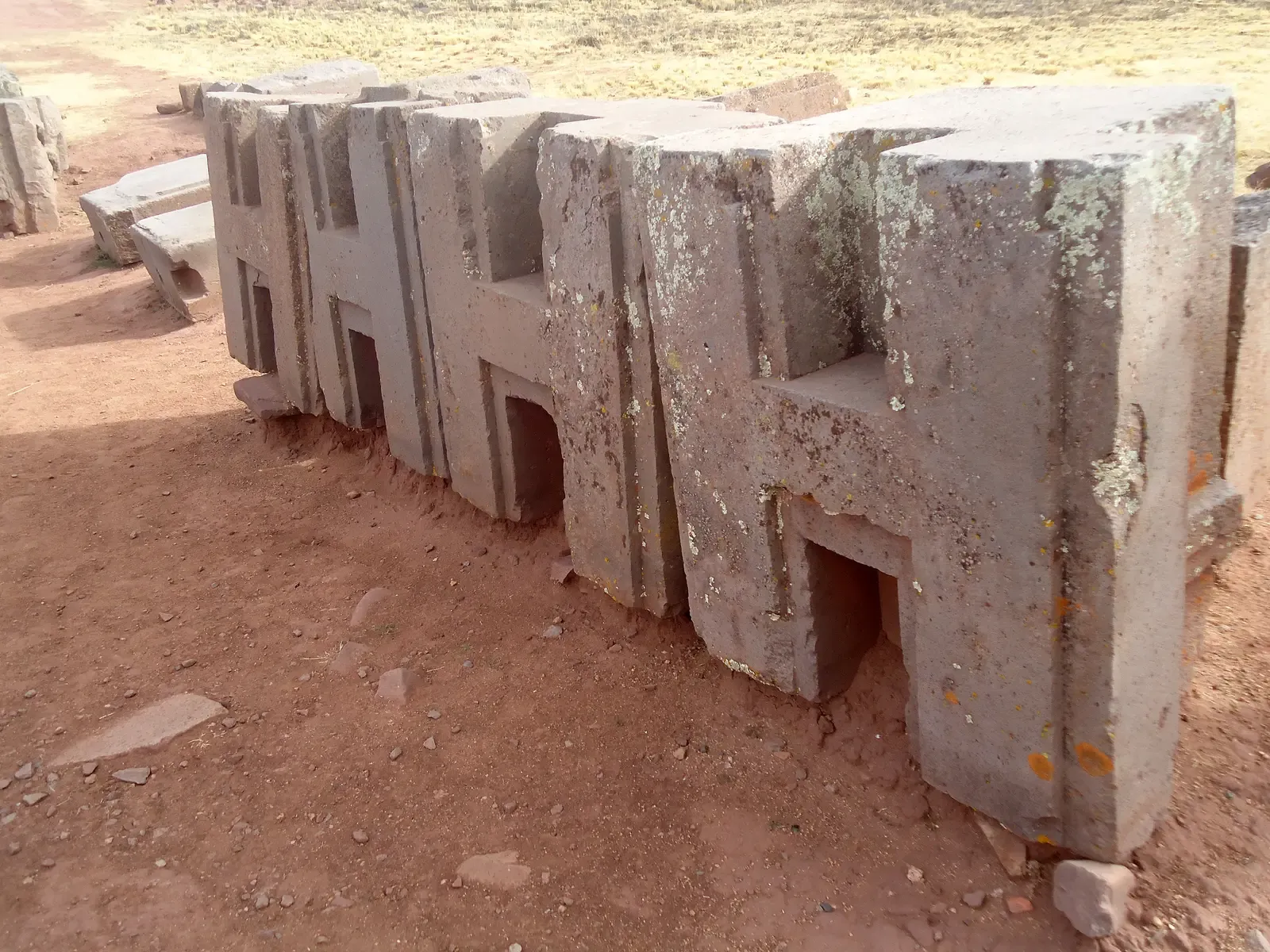
At Puma Punku, part of the Tiwanaku complex in modern Bolivia, you find stone blocks that look like they came off an industrial assembly line rather than a pre‑Columbian workshop. Some of the andesite blocks form sharp H‑shapes and intricate profiles with grooves, right angles, and interlocking features cut so cleanly that modern visitors often assume machine tools were involved. Measurements have shown surface tolerances and matching angles that demand an impressive command of stone-cutting and geometry for a culture without metal power tools.
Archaeologists have demonstrated that you can reproduce many of these details using stone and copper tools, patience, and skill. Still, standing among those fallen blocks, the level of planning and uniformity can feel unsettlingly modern. Because fringe claims – aliens, lost super‑civilizations, you name it – cling to Puma Punku, serious scholars often speak very cautiously about just how the work was organized and executed. They are not hiding a conspiracy; they are trying not to feed one, even while the site quietly challenges our expectations about what “bronze‑age level” societies could pull off.
#4 The Baghdad “Battery”: Power Source Or Misunderstood Pot?
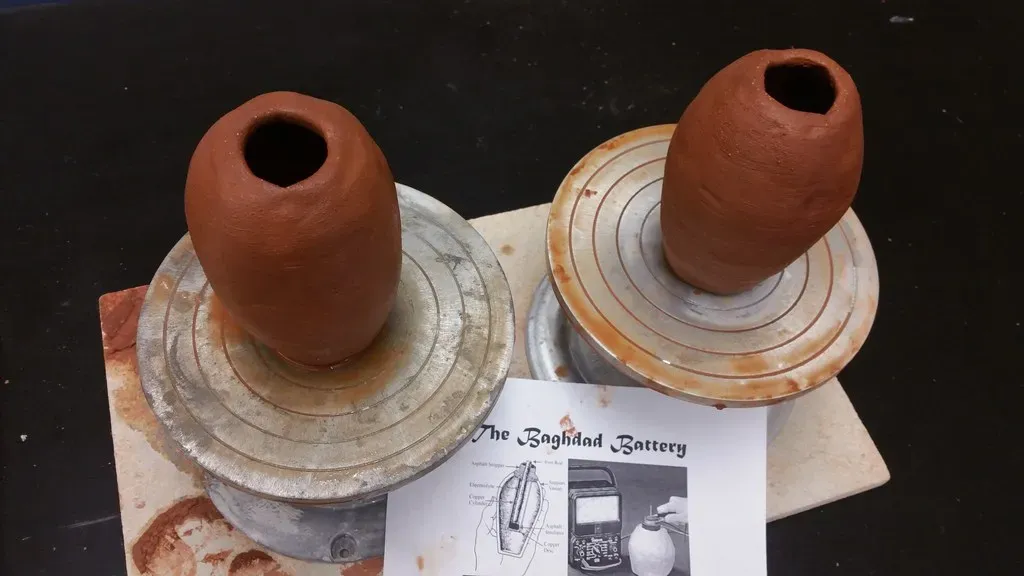
In the 1930s near Baghdad, archaeologists uncovered a ceramic vessel containing a copper cylinder and an iron rod, sealed with bitumen. Experiments later showed that a similar setup could produce a small electric current when filled with an acidic liquid, which sparked the sensational idea that ancient Mesopotamians invented a kind of primitive battery. From there, popular imagination rushed straight to electroplated jewelry and ancient power grids, leaving careful scholars to pick up the pieces.
The truth is much murkier. Many experts today suspect the objects were not “batteries” at all, but perhaps containers or ritual items that only coincidentally resemble modern electrical cells. To make matters worse, the most famous example was looted from Iraq’s National Museum in the early 2000s, so researchers cannot re‑examine it directly. This combination of missing evidence, plausible experiments, and over‑the‑top claims leaves mainstream archaeologists cautious: they acknowledge the mystery but prefer an uneasy “we do not know” rather than endorsing a dramatic explanation they cannot firmly support.
#5 The Piri Reis Map: An Old Chart With Oddly Modern Hints
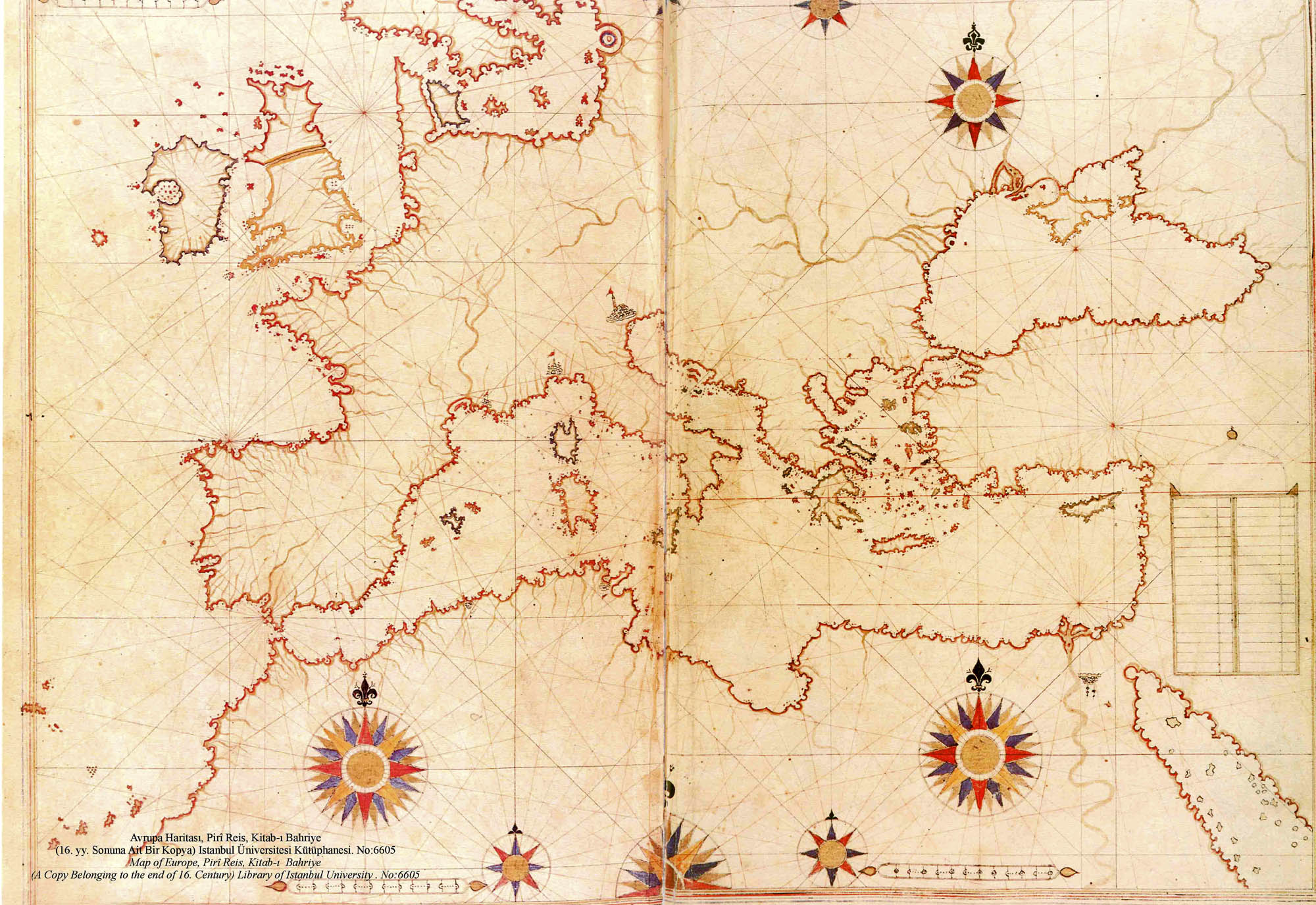
Drawn in the early sixteenth century by the Ottoman admiral Piri Reis, this surviving fragment of a world map should, in theory, reflect the geographical knowledge of his time: bits of the New World, parts of Africa, and the familiar Mediterranean. Yet some sections appear uncannily accurate in coastline shape and relative position, especially for regions that Europeans and Ottomans were only just starting to explore. That has invited a century of speculation about hidden older sources and lost surveys.
Professional cartographers generally explain much of the “weirdness” as a mix of different projections, secondhand reports from earlier voyages, and human error. But even when that all makes sense on paper, the visual impression of certain coastlines can still feel disturbingly up‑to‑date for a map that old. Because of this, conservative scholars often frame their comments very narrowly, dissecting details rather than making grand claims. The map ends up existing in a kind of intellectual gray zone: technically understandable, but emotionally much stranger than many historians are willing to admit in public.
#6 Saqqara’s Serapeum: Giant Stone Boxes With No Clear Purpose
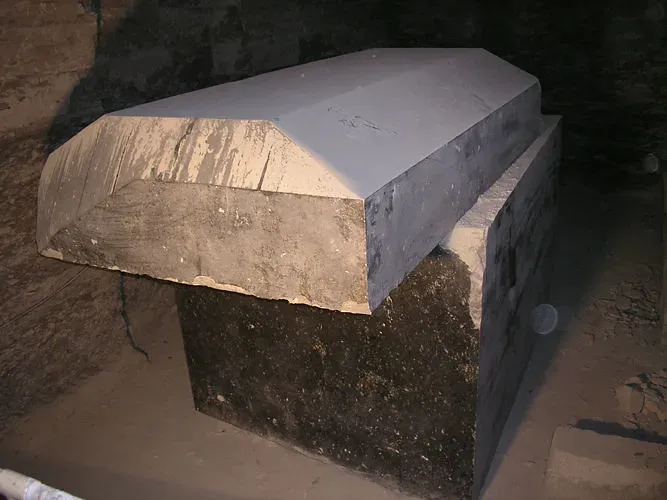
Deep beneath the desert near Saqqara in Egypt lies the Serapeum, an underground complex containing enormous granite and diorite sarcophagi-like boxes, each weighing many tens of tons. The traditional explanation is that they are connected to the cult of the Apis bull, sacred in ancient Egyptian religion. Yet what puzzles many visitors – and some scholars – is not just the size, but the extraordinary precision of the interior surfaces and lids in a space that seems almost industrial, not decorative.
Machinist-minded observers have pointed out how smoothly some box surfaces meet, and how crisp the internal corners are, leading to bold claims about lost technology. Most Egyptologists push back, arguing for advanced but plausible stoneworking skills and religious motivations we no longer fully grasp. You can feel how uncomfortable the topic is: the boxes are clearly real, clearly impressive, and clearly aligned to a belief system, but the combination is so unusual that many researchers prefer to emphasize small, safe details rather than the bigger, unsettling questions.
#7 The Shroud of Turin: Relic, Medieval Fake, Or Something Else Entirely?
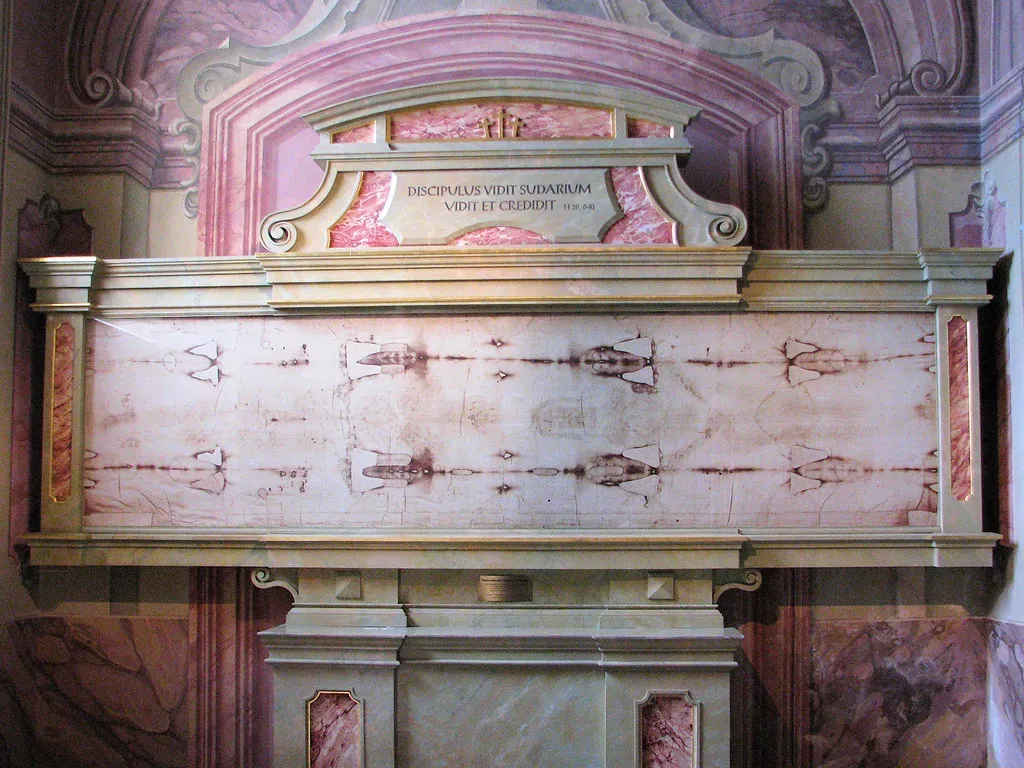
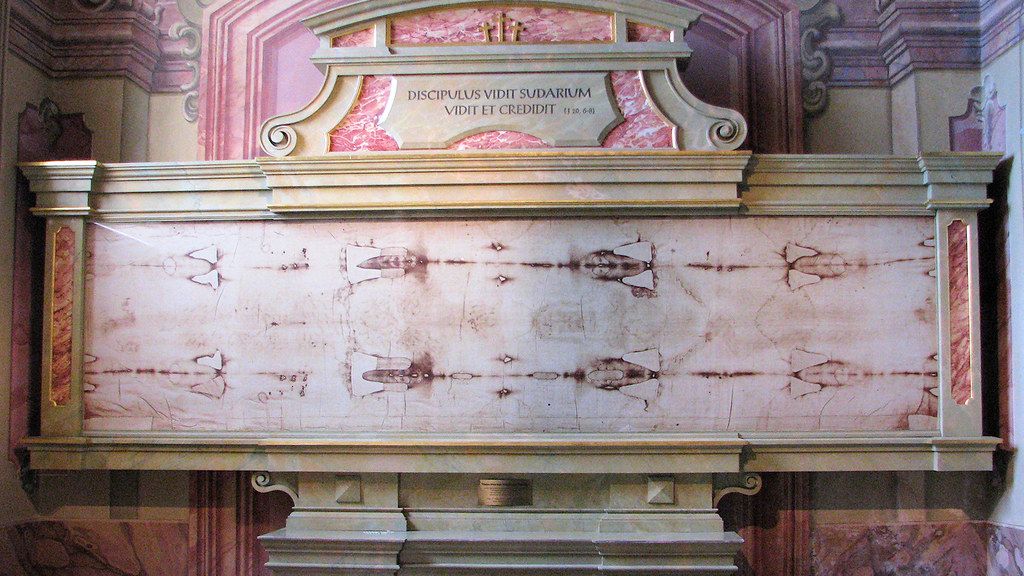
The Shroud of Turin, a linen cloth bearing the faint image of a man who appears to have been crucified, sits at the crossroads of faith, science, and historical detective work. Radiocarbon dating in the late twentieth century pointed to a medieval origin, suggesting it might be an elaborate forgery. Yet later debates about contamination, repairs, and the image’s unusual properties have kept the argument very much alive, with no consensus that satisfies everyone involved.
Scientists from different disciplines have studied the fibers, the bloodstains, and the image formation, proposing everything from artistic techniques to chemical reactions to unknown physical processes. Because any firm conclusion risks upsetting either religious believers or skeptics, serious researchers often frame their findings narrowly and avoid sweeping pronouncements. The result is a strange stalemate: almost everyone agrees the cloth is extraordinary, but the safest professional move is to retreat into technical language and let the mystery hang in the air.
#8 The Voynich Manuscript: A Book That Refuses To Be Read
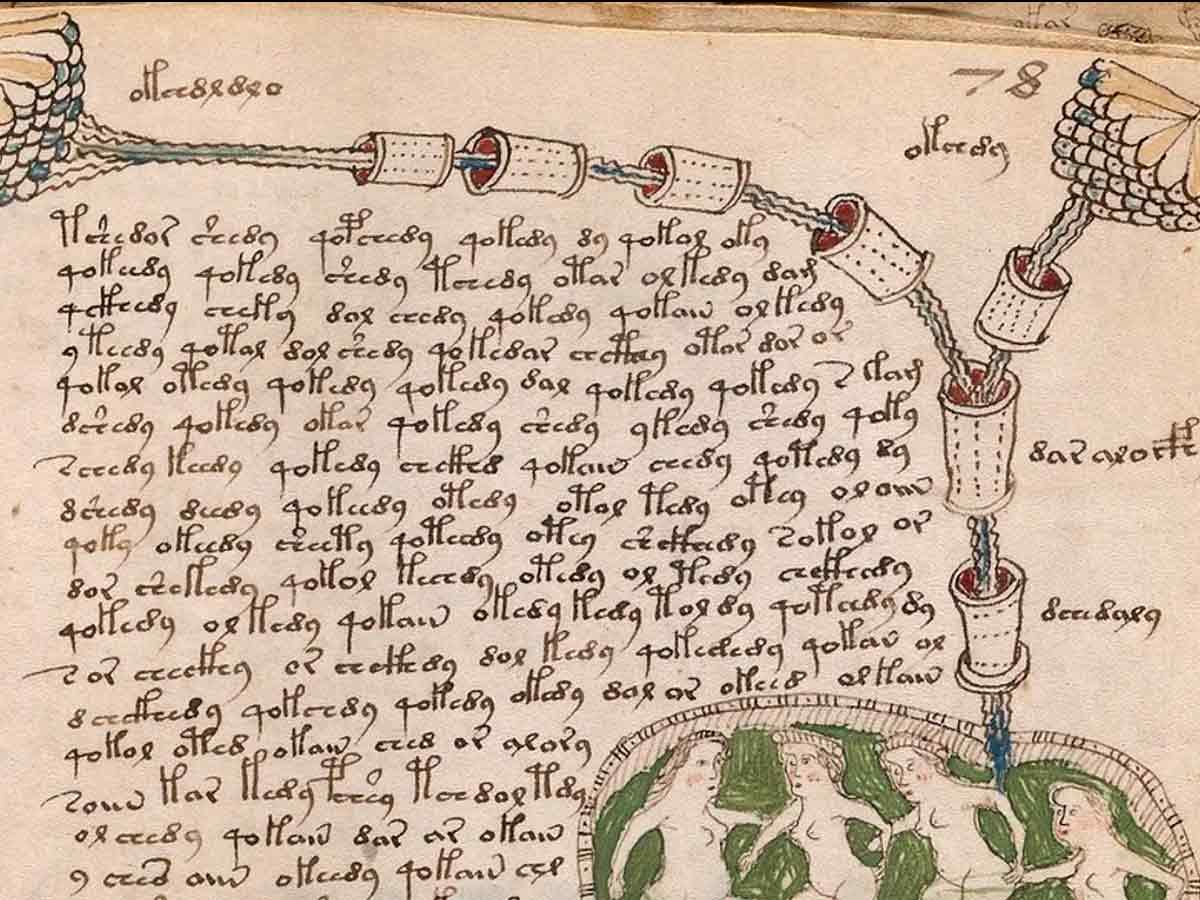
Discovered in the early twentieth century yet written several centuries earlier, the Voynich Manuscript is a small illustrated book filled with unknown script, bizarre plants, and puzzling diagrams. Cryptographers, linguists, and hobby codebreakers have thrown themselves at it for decades, looking for patterns, hidden languages, or clever hoaxes. Digital methods have suggested some statistical structure, hinting at a real language or sophisticated cipher, but nothing has cracked it outright.
What makes experts tread carefully is that every grand theory eventually collapses under closer scrutiny. If they call it a hoax, they must explain why someone in the late medieval or early modern period would go to such insane lengths with consistent internal rules. If they call it a real encoded text, they must admit they have no idea what language, system, or purpose it uses. So they publish narrow studies, cautiously catalog features, and quietly avoid definitive statements – because, after so many failed attempts, nobody wants to be the next false “solver.”
#9 The Nazca Lines: Giant Geoglyphs For Invisible Viewers
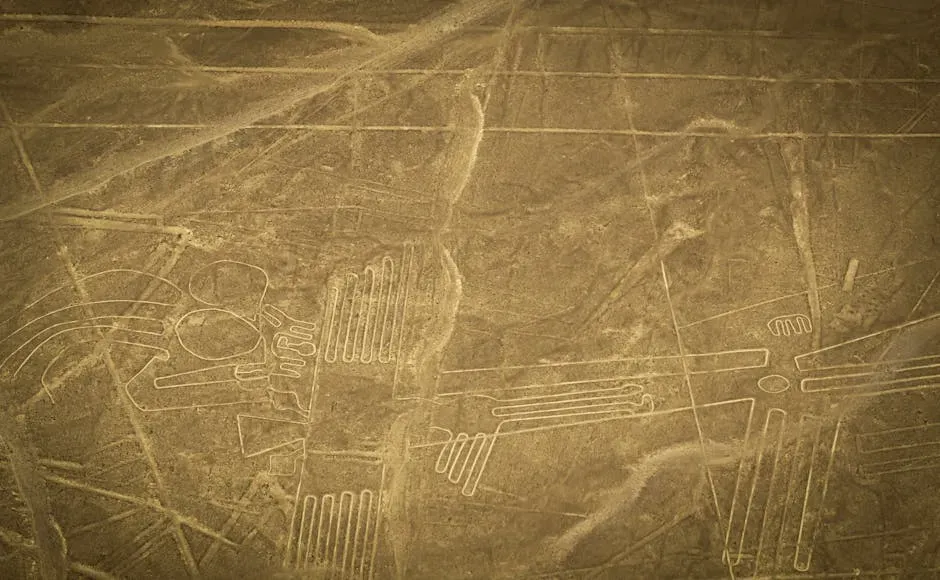
On the high desert plains of southern Peru lie hundreds of lines and enormous figures – hummingbirds, monkeys, geometric shapes – etched into the ground by removing dark stones to reveal the lighter soil beneath. From the air, the designs are breathtakingly clear, stretching for hundreds of meters; on the ground, most are nearly impossible to appreciate fully. Created by the Nazca culture over many centuries, they required careful planning and coordination across rugged terrain.
Archaeologists have proposed ritual pathways, astronomical alignments, and water‑related ceremonies as possible explanations, all plausible in pieces. But there is still no single, universally accepted answer that ties their full scale, variety, and placement into one satisfying package. Because the Nazca people left no written explanation, modern scholars are stuck balancing what they can measure with interpretations that can easily slip into guesswork. Many quietly keep their explanations open‑ended, knowing that any confident story about why these giant drawings exist is still, at best, an educated narrative layered over stubborn silence from the past.
#10 The Yonaguni “Monument”: Nature, Humans, Or An Awkward Mix?
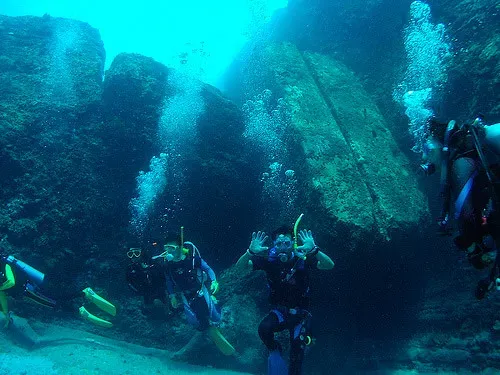
Off the coast of Yonaguni in Japan, divers discovered stepped, terrace‑like stone formations that look eerily like a submerged pyramid or monumental platform. Sharp edges, apparent right angles, and broad flat surfaces have inspired claims of a sunken city or lost civilization drowned at the end of the last Ice Age. Underwater footage reinforces the feeling that you are looking at deliberate architecture rather than random geology.
Geologists, however, have pointed out that the local sandstone fractures naturally along planes that can produce clean, blocky shapes. Some features could be enhanced by human modification, but proving that underwater is extremely hard. So experts often hedge: part natural formation, possibly shaped or used by humans, but nothing like the grand “Atlantis of Japan” popular culture imagines. The ambiguity is precisely what makes many researchers wary of firm explanations – they know how easily this kind of site turns into a magnet for sensationalism they will spend years trying to correct.
#11 The London Hammer: Out‑Of‑Place Artifact Or Misleading Package Deal?
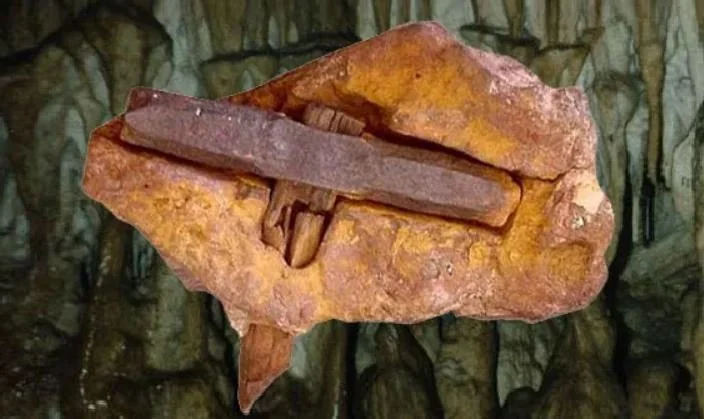
The so‑called London Hammer, found in Texas embedded in a piece of rocklike material, has been trumpeted in some circles as proof that a modern‑style iron hammer existed hundreds of millions of years ago. Photographs show a wooden handle and an iron head seemingly encased in a solid stone nodule, which, at first glance, appears to present a time‑travel level contradiction. If taken at face value, it would overturn geology, archaeology, and common sense in one blow.
Most geologists who have looked into the case suggest a much more ordinary process: a relatively recent hammer became encased in a concretion of minerals and sediment that hardened around it, giving the appearance of ancient stone. The problem is that the object has been more of a curiosity in private or fringe collections than a rigorously documented scientific specimen. This limbo status makes many researchers reluctant to spend time on it; they suspect the explanation is simple, but without controlled context and samples, they cannot tidy it away completely. So it hovers on the edge of respectability, technically answerable, but left largely unanswered.
#12 Olduvai Gorge Enigmas: Tools, Bones, And Mental Leaps
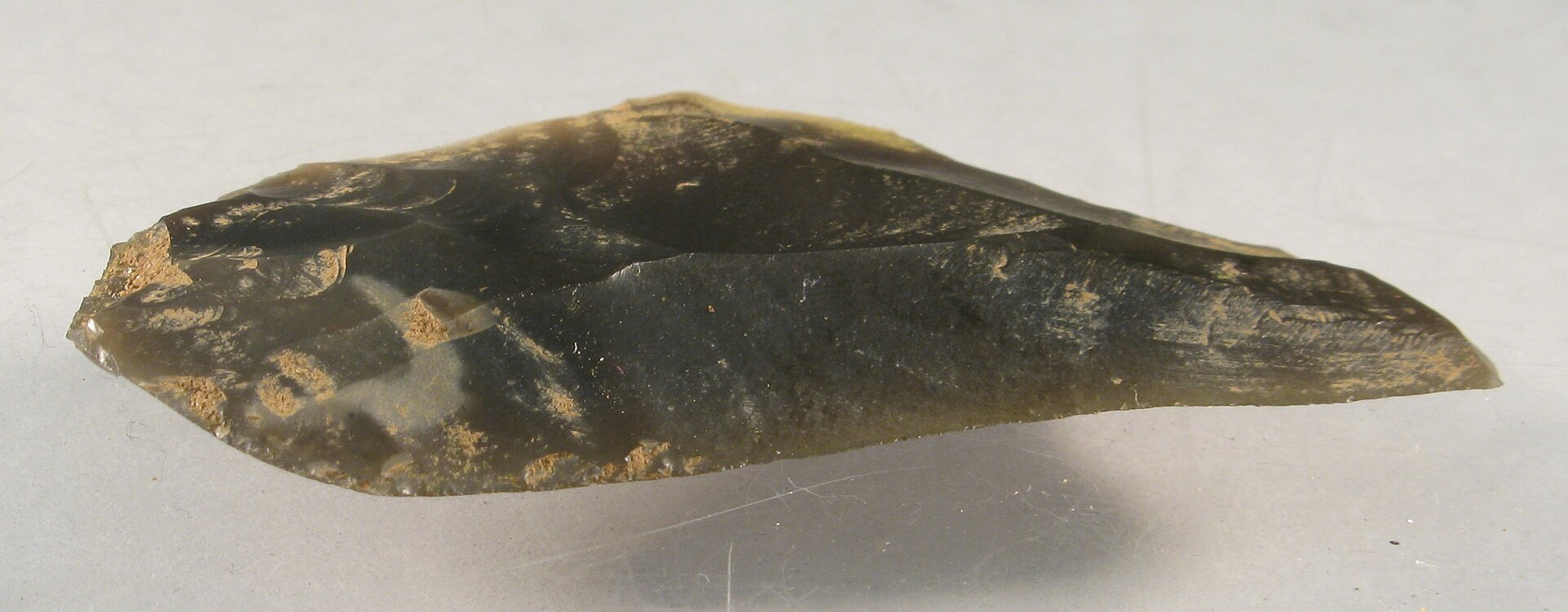
Olduvai Gorge in Tanzania is famous as one of the cradles of humanity, where early hominin fossils and stone tools have been found in layers going back nearly two million years. At first glance, the story here seems straightforward: evolving species, improving tools, and gradual changes across vast stretches of time. But when you zoom in on particular layers, the pace and pattern of change in tool complexity and behavior can appear strangely jumpy rather than smooth.
Some deposits show what look like unexpectedly sophisticated toolkits or puzzling combinations of butchered animal bones and stone flakes that hint at social and cognitive leaps happening faster than many models predicted. Researchers are very cautious before calling anything an anomaly, because subtle shifts in dating, context, or environment can change the story. Yet even with that caution, certain levels at Olduvai and similar sites feel like intellectual speed bumps – the moment when a brain, a hand, and a culture started working together in ways we still do not fully grasp. That discomfort keeps explanations conservative and language deliberately tame.
#13 The Atacama Desert Mummies: Preservation That Feels Almost Unnatural

In northern Chile’s Atacama Desert, one of the driest places on Earth, human remains have been preserved with a level of detail that can be unsettling: hair, skin, even internal tissues sometimes survive for thousands of years. Some populations, like the ancient Chinchorro, practiced deliberate mummification, while the desert’s extreme conditions accidentally mummified others. For modern researchers, this offers an intimate look at ancient lives – but also raises disturbing questions about death, ritual, and identity.
Analyses of these mummies reveal complex mortuary practices, including early, elaborate methods of preserving the dead that predate some Egyptian traditions. The boundary between natural and artificial mummification can blur, and causes of death or reasons for particular treatments are not always clear. Because the remains are so well preserved and emotionally powerful, scientists must balance scientific curiosity with ethical concerns about disturbance and display. That ethical tension, as much as any scientific gap, leads to a certain restraint in what researchers are willing to say out loud about why these people were treated the way they were – and what that says about the fears and hopes of the living.
Conclusion: Why The Smartest Answer Is Often “We Don’t Know Yet”

Looking across these thirteen finds, a pattern emerges that is surprisingly human: when the evidence is unsettling, incomplete, or too easily twisted into wild stories, even confident experts prefer to back away from bold explanations. Part of that is caution; part of it is fatigue from decades of fighting off sensational claims about aliens, secret civilizations, or miraculous technology that the data simply does not support. I have felt that tension myself when reading research: you can sense the excitement right under the surface, but the published words stay carefully restrained, like someone speaking quietly in a room full of people ready to misquote them.
In my view, that restraint is both frustrating and healthy. It is frustrating because, as curious humans, we want satisfying answers – we want Göbekli Tepe to rewrite history in one clean sentence, or the Antikythera Mechanism to reveal a whole lost school of forgotten engineers. But it is healthy because reality is usually messier than that, and pretending otherwise just feeds conspiracy thinking. Maybe the real lesson of these mysteries is that our past is richer, stranger, and less linear than school textbooks let on, and that saying “we do not know yet” is not a failure but an honest invitation to keep digging. Faced with these discoveries, would you really prefer a neat lie over an uncomfortable truth that is still being written?