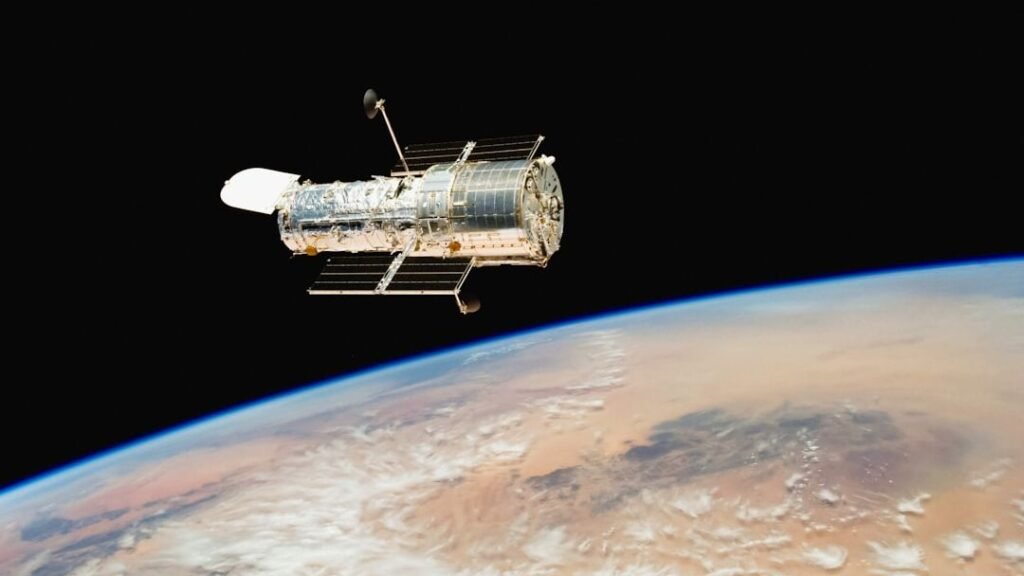

You probably remember the first time you saw a Hubble image: swirling galaxies, glowing nebulae, or those famous pillars of gas that look almost unreal. What you might not realize is that behind every beautiful picture, there’s a scientific breakthrough that quietly reshaped what you know about the universe. Hubble did not just take pretty photos; it pulled back a cosmic curtain and forced you to update your mental map of reality.
Since its launch in 1990, has lived through engineering scares, dramatic repair missions, and more than three decades of discoveries that still ripple through astronomy today. As you walk through these twelve incredible findings, you’ll see how Hubble changed the answers to some of humanity’s oldest questions: How old is the universe? How fast is it expanding? Where do stars come from, and how do they die? And maybe the most thrilling question of all: could there be other worlds like your own?
1. Pinpointing the Age of the Universe
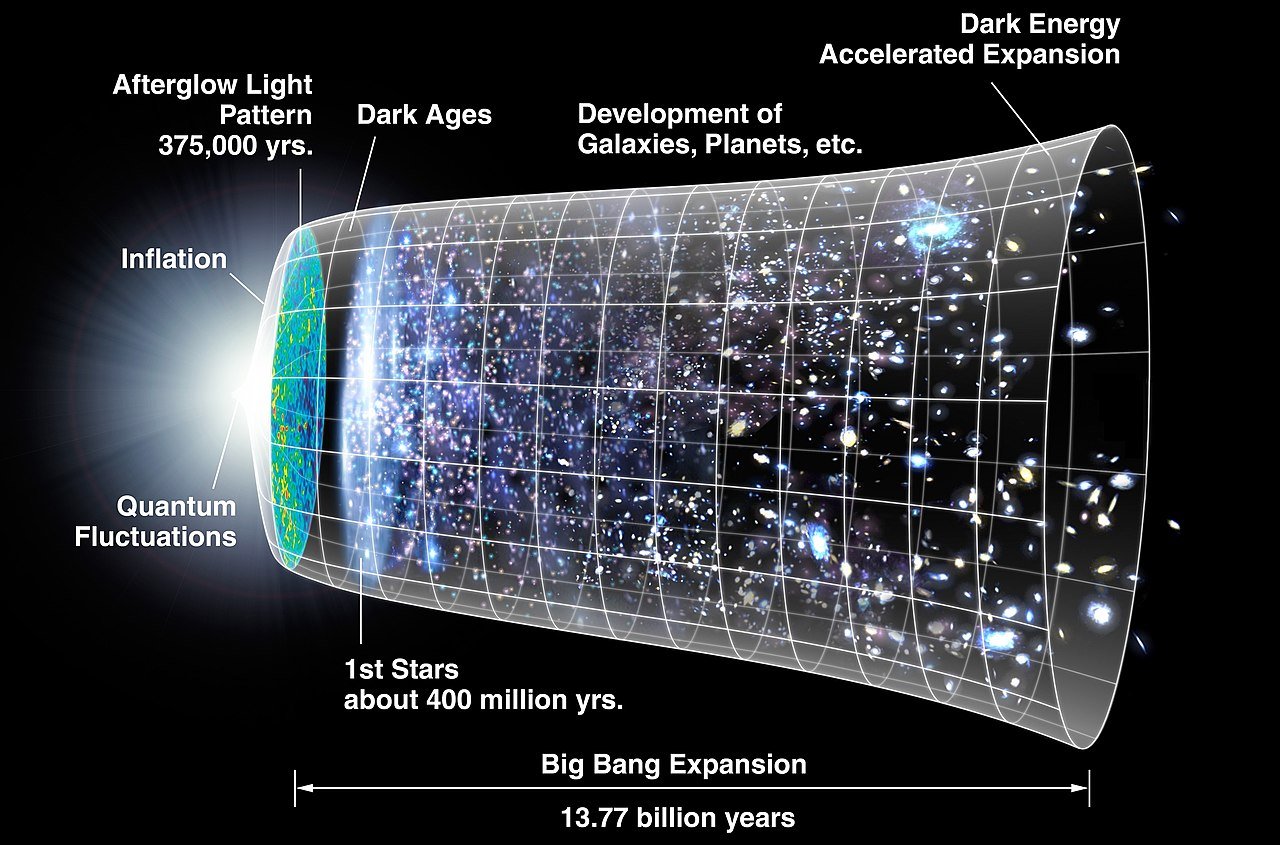
Before Hubble, if you had asked how old the universe is, you would have gotten a frustratingly wide range of guesses. Estimates used to stretch from roughly about ten billion years to nearly twenty billion years, which is like trying to plan your birthday when no one knows if you’re thirty or fifty. The problem was that astronomers could not measure cosmic distances precisely enough, especially the distances to faraway galaxies.
Hubble changed that by repeatedly targeting special stars known as “standard candles” in distant galaxies and carefully measuring how bright they looked from Earth. From there, astronomers refined the Hubble constant, the number that describes how fast the universe is expanding. When you combine that with models of cosmic evolution, you arrive at an age of about thirteen and a half billion years. Thanks to Hubble, the universe no longer feels like a rough guess; it has a reasonably well‑defined birthday.
2. Revealing the Accelerating Expansion and Dark Energy
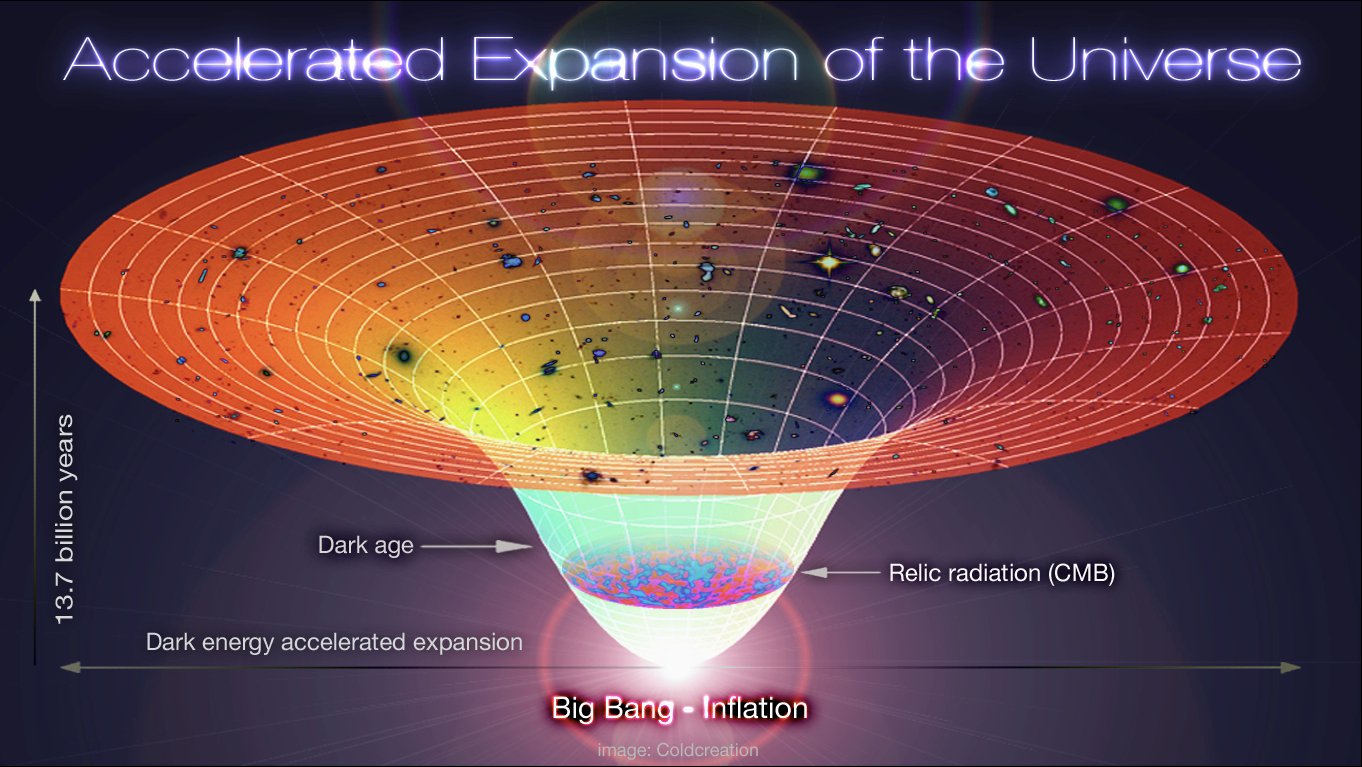
Hubble did not just help you measure how fast the universe expands; it helped prove something far stranger: that the expansion is speeding up. By observing distant exploding stars called supernovae in far‑flung galaxies, Hubble allowed astronomers to look back in time and see how the rate of expansion has changed. You might expect gravity to slow everything down over billions of years, like a ball tossed into the air that gradually loses speed.
Instead, the data showed the cosmic equivalent of a ball speeding up after you throw it. To explain this, scientists introduced the idea of dark energy, a mysterious form of energy that seems to push space apart. You cannot see or touch dark energy, yet it appears to make up most of the content of the universe. Hubble’s observations turned what sounded like science fiction into a central piece of modern cosmology, forcing you to accept that the universe is not only expanding, but doing so with increasing urgency.
3. Watching Galaxies Grow and Evolve Across Time
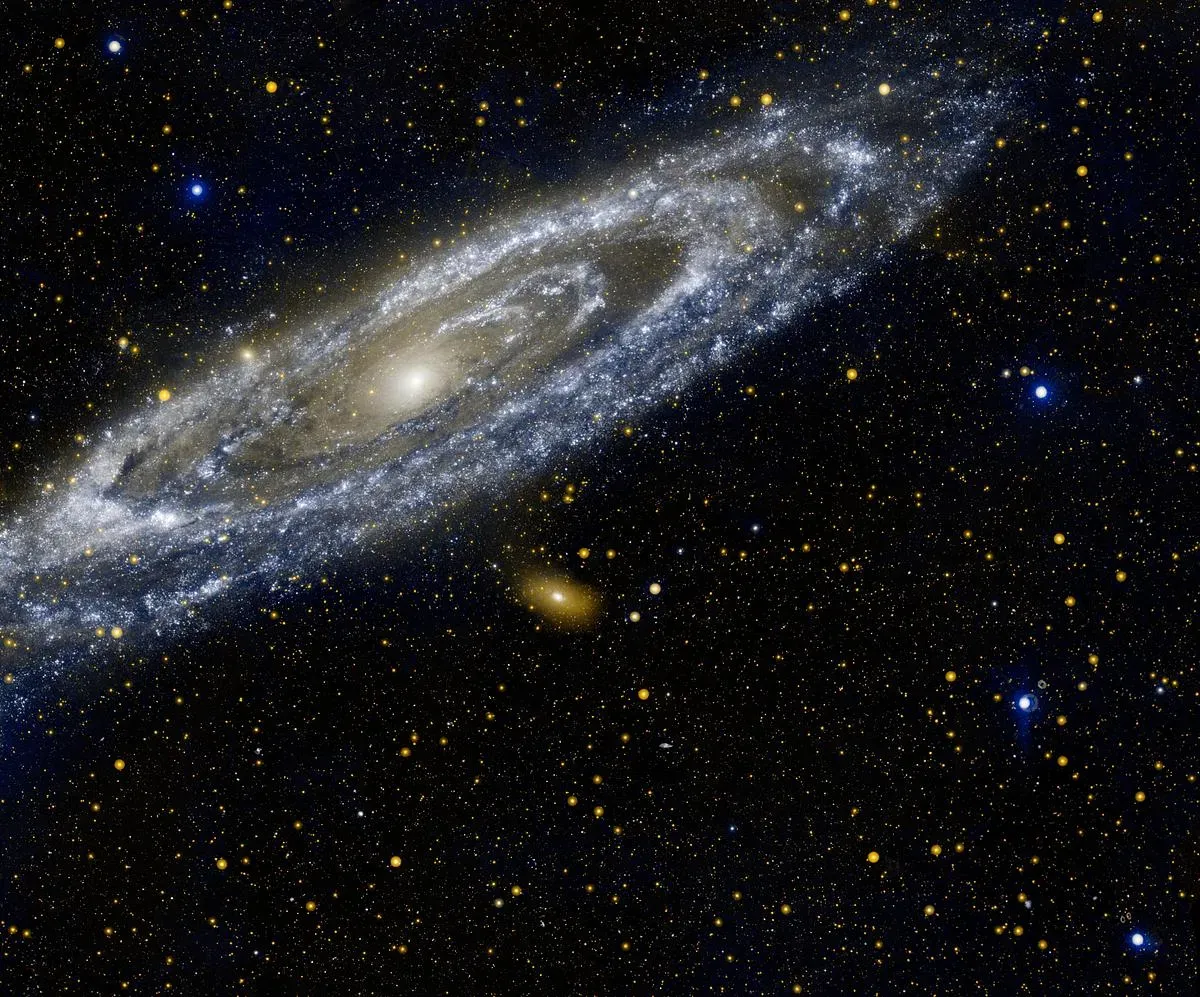
If you could flip through a photo album of the universe’s entire life, you would see galaxies changing shape and style the way people change fashion over decades. Hubble gave you something close to that cosmic album with deep surveys that stared at tiny patches of sky for days, collecting faint light from galaxies so distant that their light left them billions of years ago. Those images showed young, chaotic galaxies, clumpy and irregular, rather than the graceful spirals you might be used to seeing.
By comparing galaxies at different distances, you basically watch them age in slow motion: merging, colliding, and gradually settling into the spirals and ellipticals you see nearby today. This lets you trace how stars formed more vigorously in the early universe and then slowed over time, a bit like how human populations grow rapidly and then stabilize. Hubble turned the question “What do galaxies look like?” into “How do galaxies become what you see now?” and gave you the evidence to answer it.
4. Discovering Supermassive Black Holes in Galactic Centers
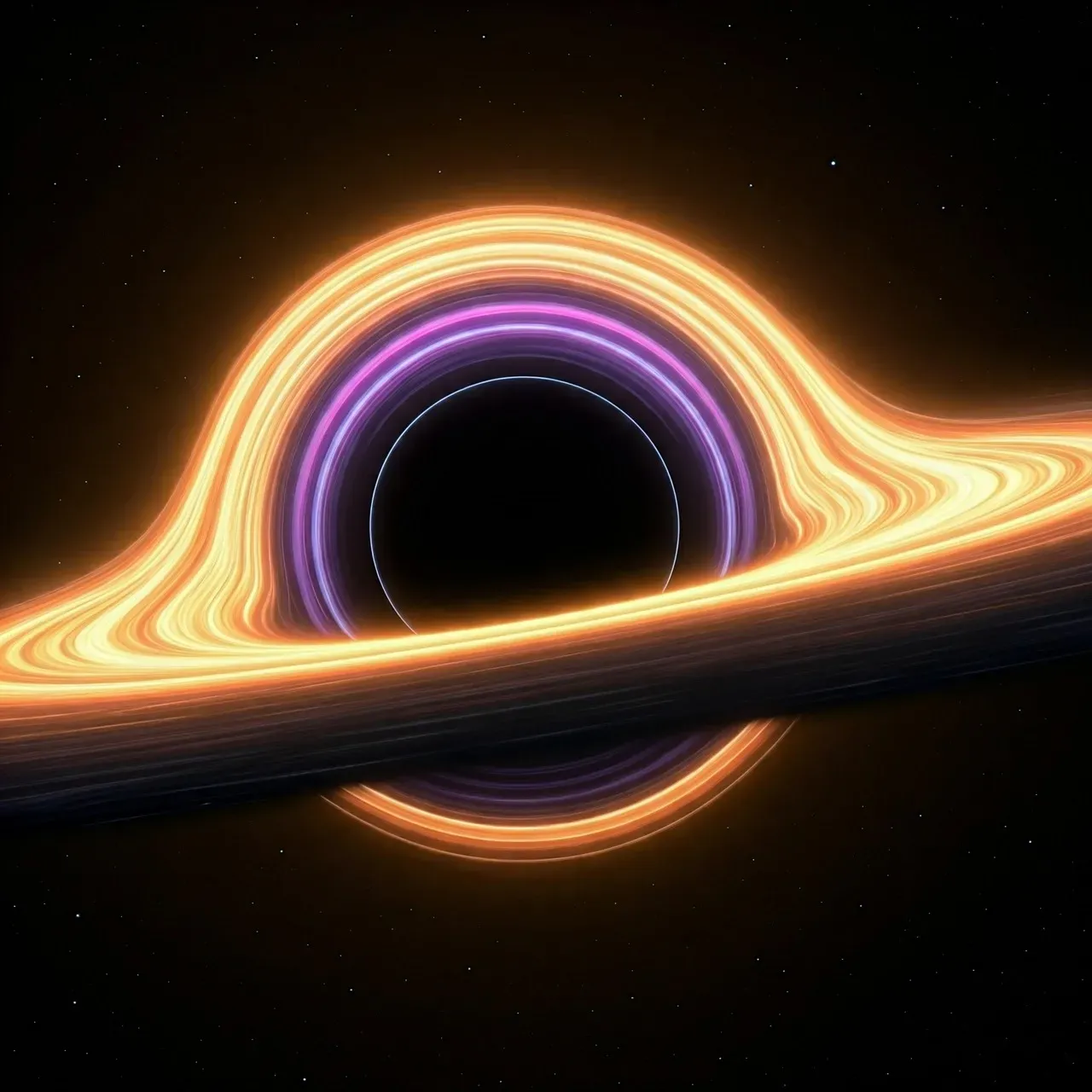
For a long time, black holes were exotic possibilities rather than everyday residents of galaxies. With Hubble, you discovered that supermassive black holes – millions or even billions of times more massive than the Sun – are not rare monsters but common anchors at the centers of many galaxies, including your own Milky Way. Hubble’s sharp vision let astronomers track stars and gas swirling around galactic cores and measure how fast they move.
When you see matter whipping around a center at incredible speeds, the only explanation that fits the data is an enormous, invisible mass: a supermassive black hole. Even more surprising, Hubble revealed a tight relationship between the mass of these central black holes and the properties of the galaxies that host them. That means you cannot really understand a galaxy’s life story without also understanding the black hole in its heart, tying together two things that once seemed completely separate.
5. Capturing the Pillars of Creation and the Birth of Stars
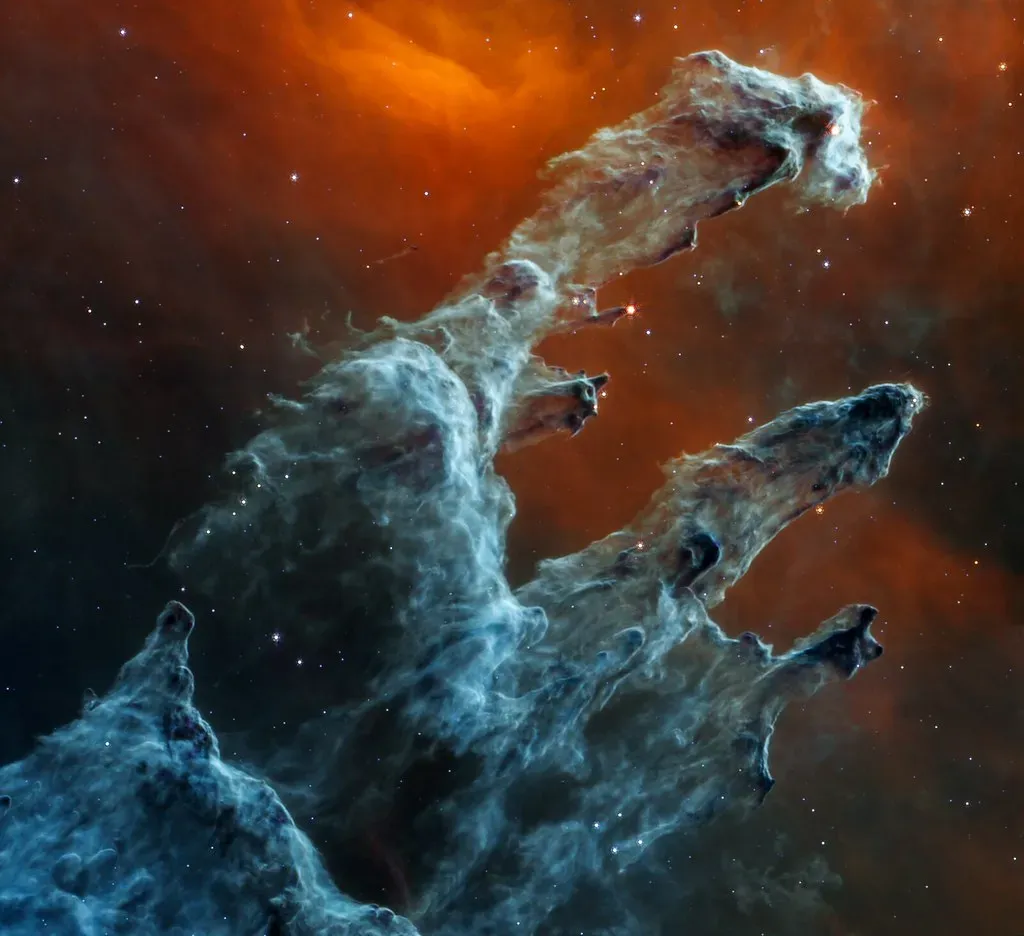
One of Hubble’s most iconic images, the so‑called Pillars of Creation in the Eagle Nebula, is probably the closest thing astronomy has to a celebrity portrait. When you look at those towering columns of gas and dust, you are essentially peeking into a stellar nursery. Inside and around those clouds, new stars are forming as gravity pulls material together until nuclear fusion ignites. Hubble’s observations turned what looked like a static, pretty picture into a dynamic snapshot of stars being born.
By revisiting these regions over time and imaging many similar nebulae, Hubble helped you see that star formation is messy and violent. Young stars carve cavities, blast shock waves, and bathe their surroundings in powerful radiation, sculpting the clouds that created them. It is a bit like watching a neighborhood under construction, where the builders are also tearing down walls and reshaping the streets as they go. You now understand star birth not as a gentle glow-up, but as a chaotic, creative storm.
6. Unmasking the Life and Death of Stars
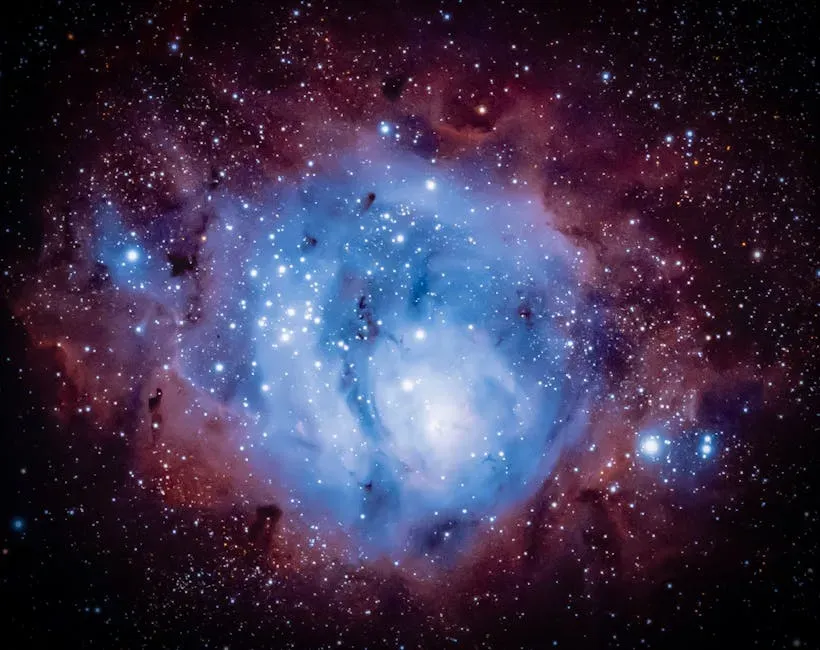
Just as Hubble showed you how stars are born, it also revealed how they age and die in spectacular fashion. By imaging planetary nebulae – those delicate, glowing shells of gas around dying Sun‑like stars – and colossal supernova explosions from massive stars, Hubble let you trace the full arc of a star’s life. Instead of seeing stars as eternal, you are now used to the idea that they have lifecycles: formation, maturity, and dramatic endings.
Hubble’s detailed views of these objects reveal how dying stars enrich space with heavy elements like carbon, oxygen, and iron. Those ingredients later become part of new stars, planets, and ultimately life itself. When you look at one of Hubble’s images of a colorful nebula, you are literally seeing recycled stardust being spread across the galaxy. It drives home the almost poetic point that the atoms in your body were forged in long‑dead stars, and Hubble is one of the main reasons you know that in such visual detail.
7. Weighing Invisible Matter: Evidence for Dark Matter
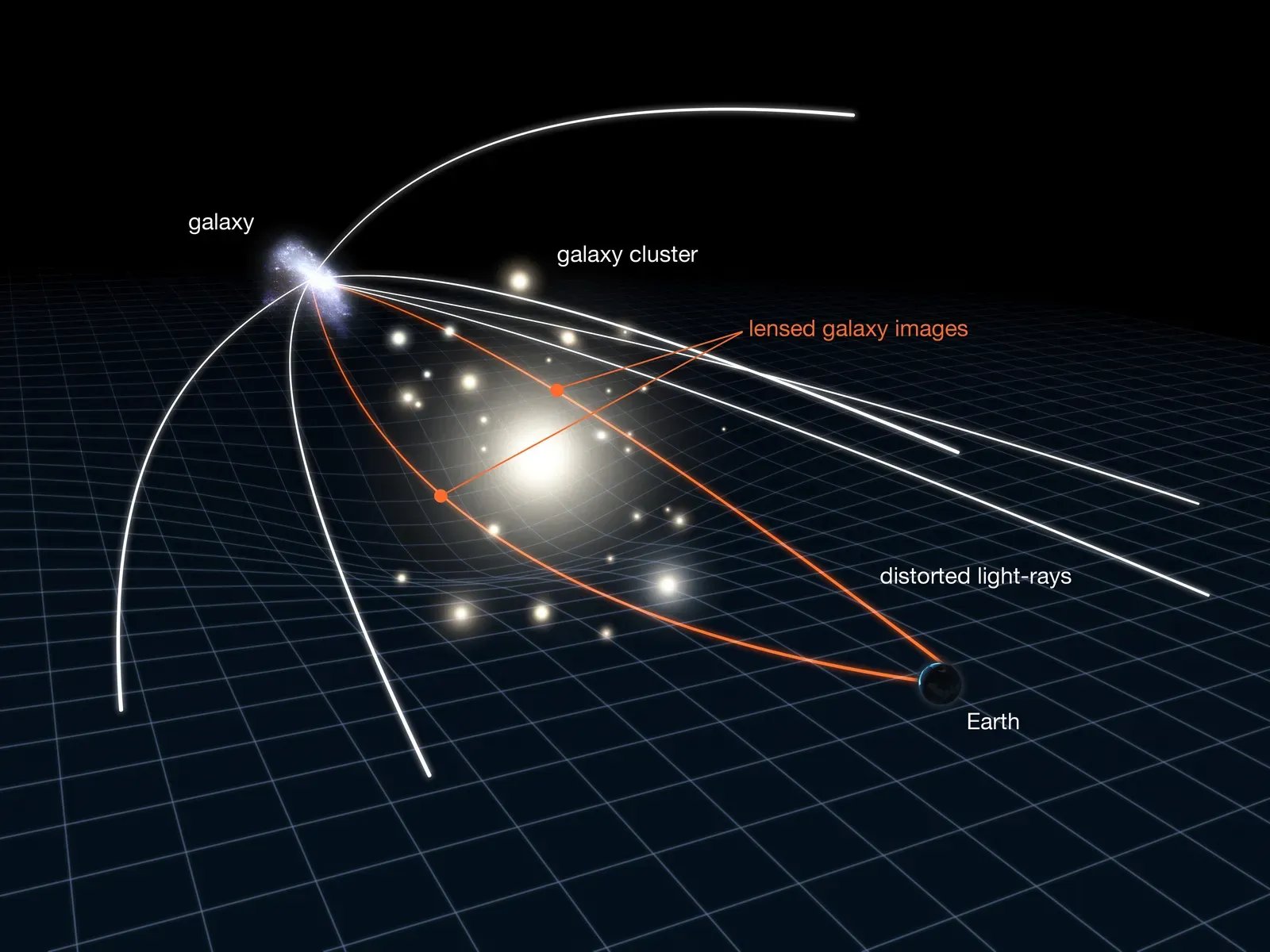
Dark matter is one of those concepts that can make your brain stretch: it does not emit light, you cannot see it directly, yet its gravity shapes the universe on the largest scales. Hubble helped you “see” dark matter by watching how its gravity bends and distorts the light from distant galaxies, a phenomenon known as gravitational lensing. When you map these distortions across clusters of galaxies, you find far more mass than what visible stars and gas can account for.
By turning these distortions into maps, Hubble allowed you to visualize the otherwise invisible scaffolding of dark matter. Galaxy clusters often sit at the peaks of this dark matter web, and their shapes and motions make sense only if this unseen mass is really there. You might never hold a piece of dark matter in your hand, but Hubble gave you strong, indirect proof that the universe is full of it, reshaping how you think about what most of the cosmos is actually made of.
8. Peering Back to the First Galaxies
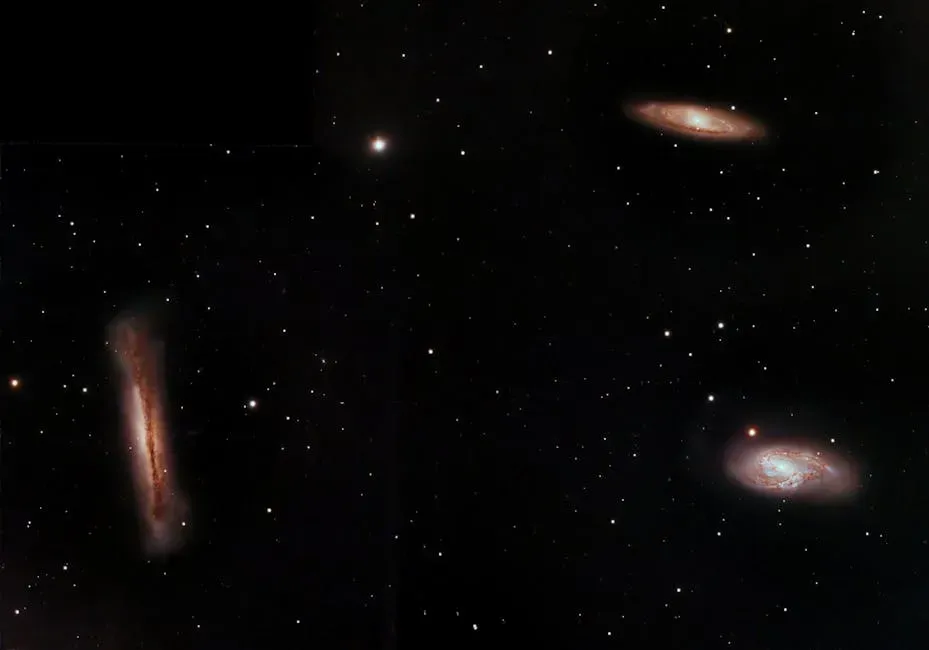
One of Hubble’s boldest goals was to look as far back in time as possible, close to the era when the first galaxies took shape. By carefully tuning its instruments and using extremely long exposures, Hubble detected galaxies whose light began its journey when the universe was only a small fraction of its current age. When you see those faint, reddish smudges, you are essentially looking at cosmic baby pictures.
These early galaxies are smaller, clumpier, and more chaotic than the mature galaxies you see nearby today. By studying them, you begin to answer questions about how the first structures formed out of the nearly uniform soup of matter after the Big Bang. It is like trying to understand a forest not by looking only at towering trees, but by also examining the seedlings just breaking through the soil. Hubble’s reach into these early times opened a direct window into the universe’s youth.
9. Transforming Your View of Nebulae and Star‑Forming Regions
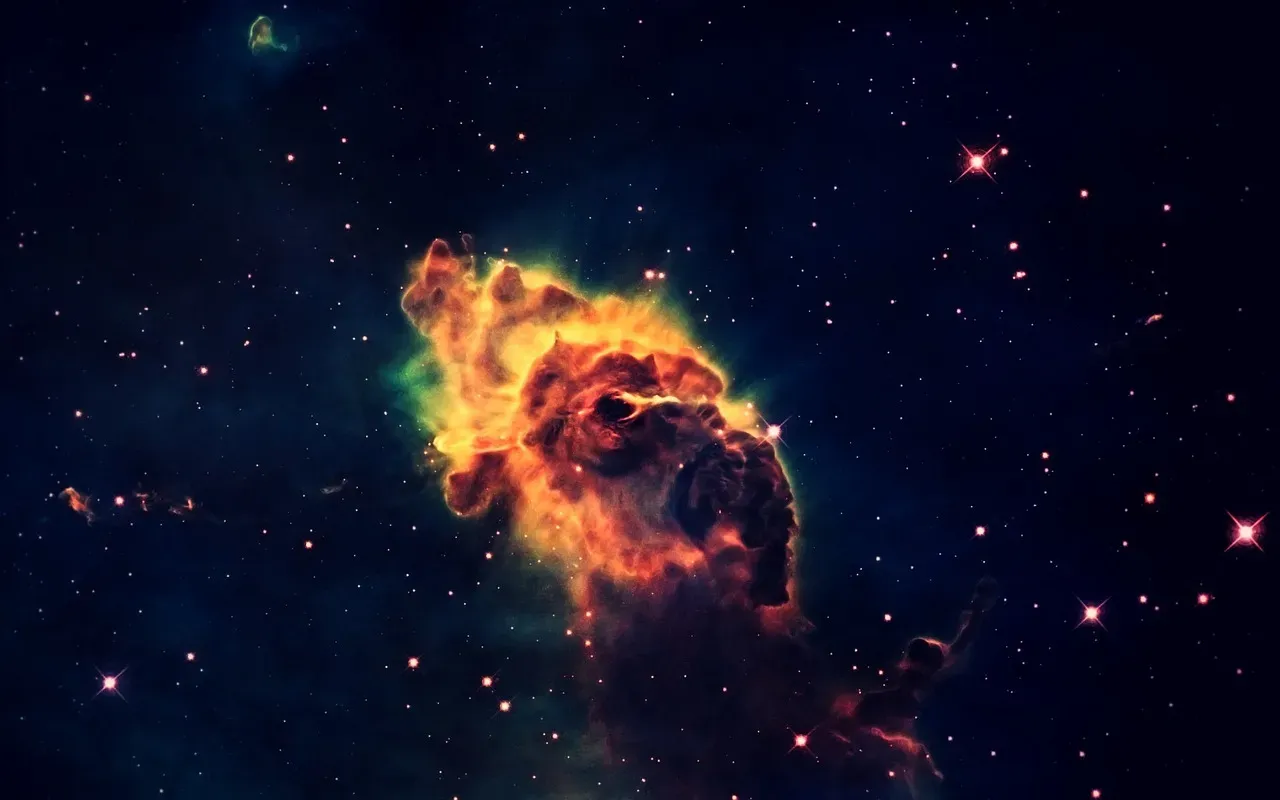
Before Hubble, many nebulae – those sprawling clouds of gas and dust – were blurry smudges even in the best ground‑based telescopes. Once Hubble started imaging them, they exploded into intricate structures: filaments, knots, jets, and shock fronts. When you zoom into these regions, you suddenly see disks of material around young stars, pillars eroded by radiation, and jets blasting into surrounding gas, all in exquisite detail.
This level of clarity changed how you interpret what is going on inside these clouds. Instead of thinking of star‑forming regions as quiet backdrops, you now see them as crowded, interactive neighborhoods where stars influence each other from birth. Hubble’s close‑up views revealed that the environments where stars and planets form are far more complex and dynamic than simple textbook diagrams suggest, helping you refine theories about how systems like your own solar system come into being.
10. Finding and Characterizing Exoplanets
Hubble was not originally designed to hunt for exoplanets – worlds orbiting other stars – but it still managed to make key contributions to that search. After dedicated planet‑hunting missions began discovering thousands of exoplanets, Hubble stepped in to study some of them in more detail. By watching a planet pass in front of its star and analyzing the starlight that filters through its atmosphere, Hubble allowed you to detect the signatures of certain gases.
In several cases, Hubble has helped identify water vapor, haze, or other atmospheric components, giving you a first taste of what it might someday mean to assess a planet’s habitability from light years away. It is still early days, and these measurements are challenging and often limited, but they prove that you can start to read the “weather reports” of distant worlds using clever techniques. Hubble paved the way for newer telescopes to expand this work and someday, perhaps, search for hints of life.
11. Mapping the Large‑Scale Structure of the Cosmos
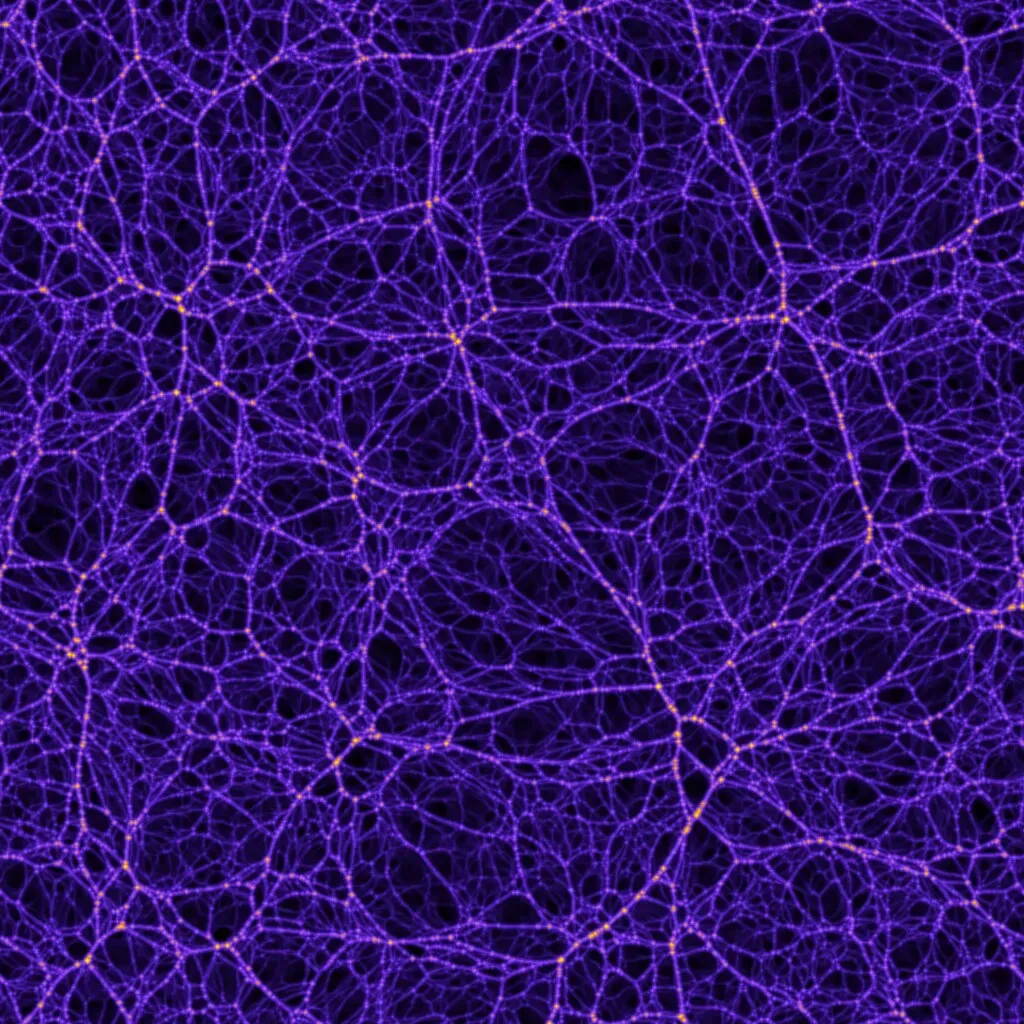
When you zoom out far enough, the universe looks less like a random scattering of galaxies and more like a cosmic web: filaments, clusters, and vast empty voids. Hubble helped you map this large‑scale structure by surveying distant galaxies and clusters across wide regions of sky and by using gravitational lensing to trace where mass is concentrated. Each deep field image, each cluster study, becomes another puzzle piece in a grand cosmic map.
By combining these observations with models of cosmic evolution, you see how tiny ripples in the early universe grew under gravity into the enormous structures you observe today. This gives you a way to test your understanding of dark matter, dark energy, and the overall geometry of the universe. Hubble’s role in this is a bit like that of a surveyor measuring hills, valleys, and rivers to make a map of a continent you can never visit in person.
12. Changing How You See Earth and Your Place in the Universe
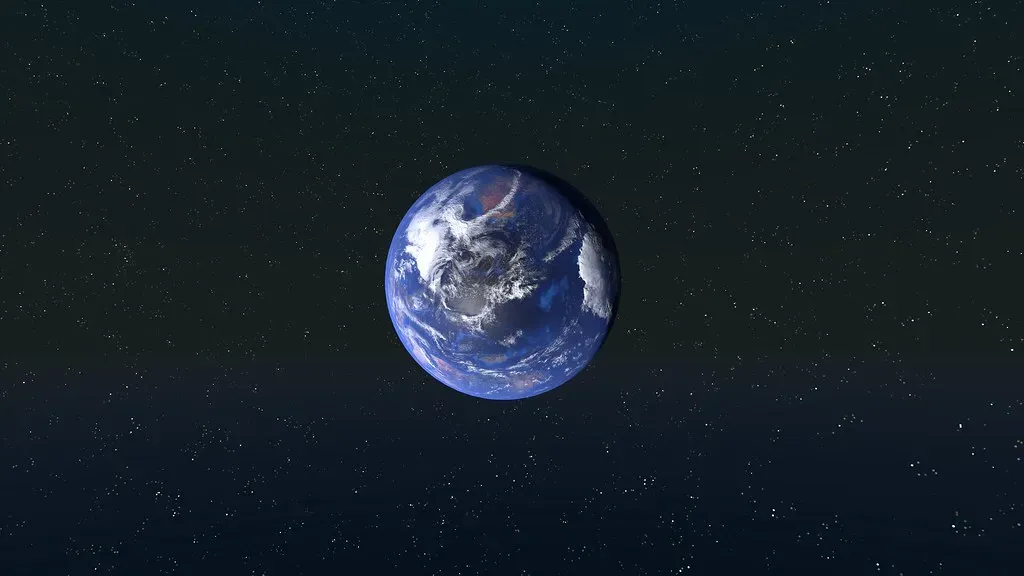
Ironically, one of Hubble’s underrated contributions is how it changed the way you think about your own planet. While it primarily studies distant objects, Hubble has also captured striking images of Earth’s atmosphere, the auroras, and even the impacts of comets on neighboring planets like Jupiter. Seeing Earth framed against the black of space, with storms and auroral lights draped across it, can be a surprisingly emotional experience.
It reminds you that everything you know – your history, your worries, your dreams – unfolds on a small, fragile world in an enormous, ancient universe. Hubble’s discoveries push the boundaries of your knowledge outward, but they also turn your gaze inward, asking what it means to live on this pale blue dot. In that way, the telescope’s most profound gift might not be any single measurement or image, but the humbling perspective it gives you on your brief moment under the stars.
Conclusion: A Legacy Written in Starlight
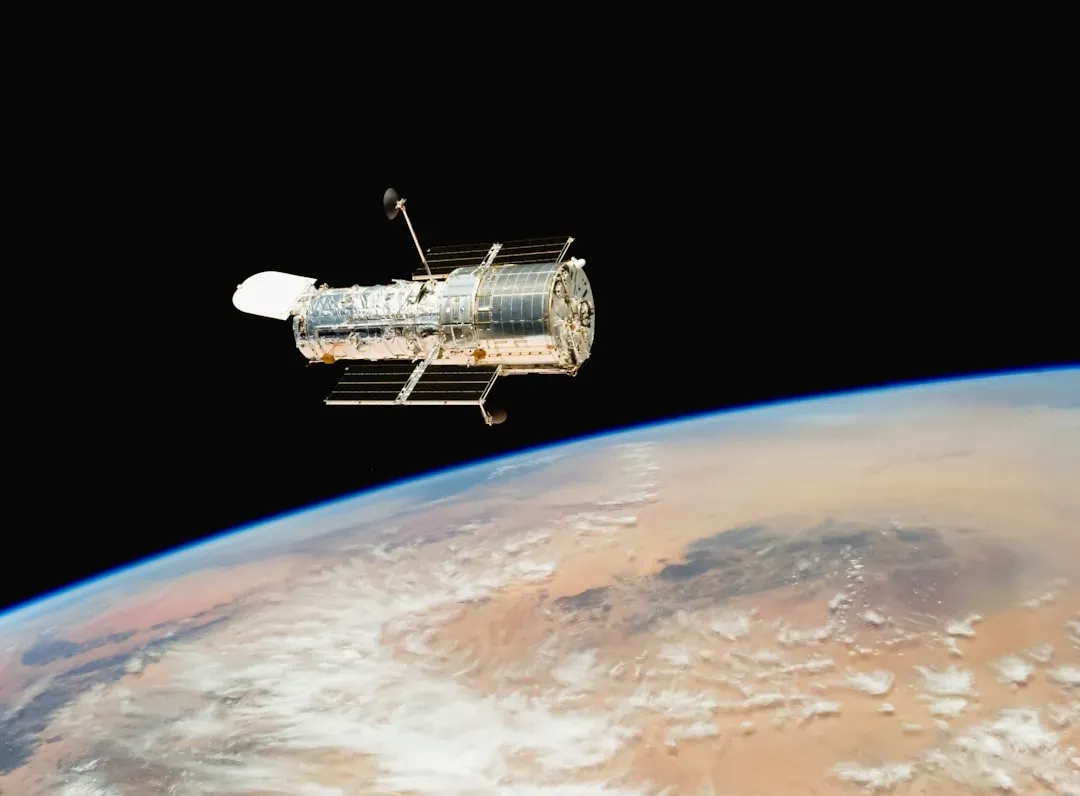
When you step back and look at what Hubble has done, you see more than a list of scientific achievements; you see a story of curiosity that refused to stay grounded. From pinning down the age of the universe to hinting at the atmospheres of distant worlds, Hubble has quietly rewritten your understanding of almost every major cosmic question. Its images have become part of your cultural memory, the way old paintings or classic films become part of how you imagine the world.
New observatories are now taking the stage, building on the foundation Hubble laid, but its legacy is not going anywhere. The data it collected will be mined for decades, and the questions it raised will keep shaping astronomy for generations. As you look at those colorful, almost unreal images, you are not just looking at distant space; you are looking at a mirror held up to human curiosity itself. Which of Hubble’s discoveries makes you feel the most differently about your place in the universe?