You probably think of communication as something that happens with words, texts, or maybe a well-timed eye roll. But out in the animal world, entire conversations unfold every second without a single syllable being spoken. If you could tune into all those silent signals, you’d see arguments, love stories, warnings, and even deception happening right under your nose.
Once you start paying attention, you realize animals are basically fluent in a language of light, color, smell, posture, and touch. You’ll notice a lizard doing push-ups on a rock, a bird fluffing its feathers to twice its size, or a firefly blinking like a tiny lantern in code. Let’s dive into some of the most amazing ways animals “talk” without ever saying a word – and how you can start to spot these hidden conversations around you.
1. Body Language: Ears, Tails, and Posture as Silent Sentences
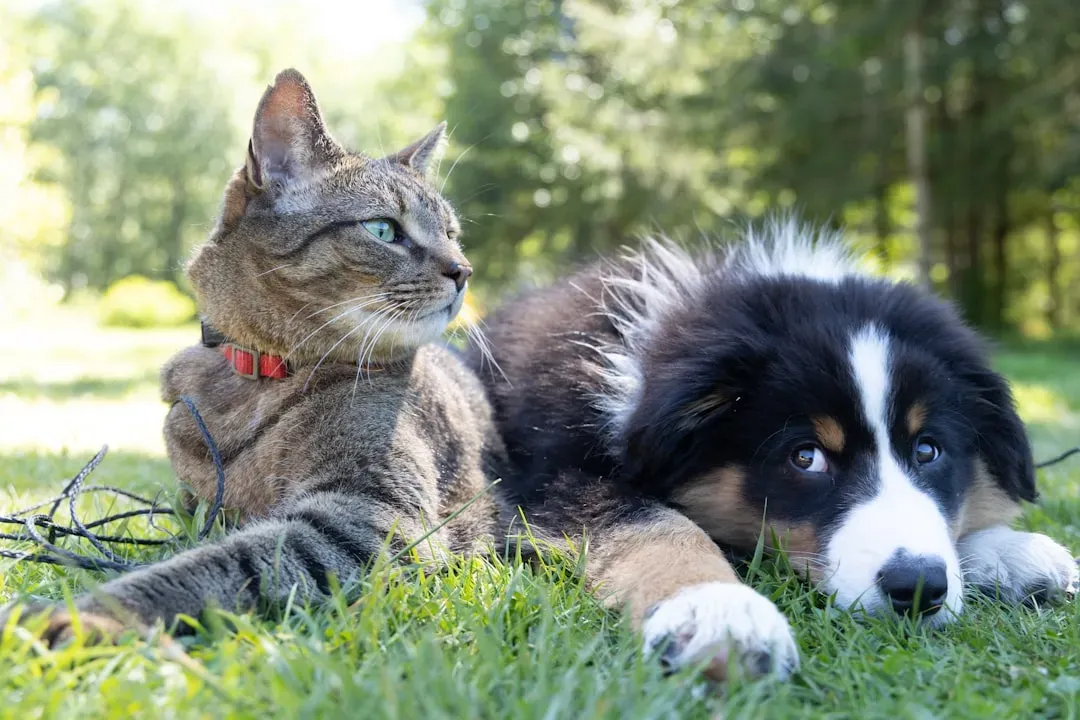
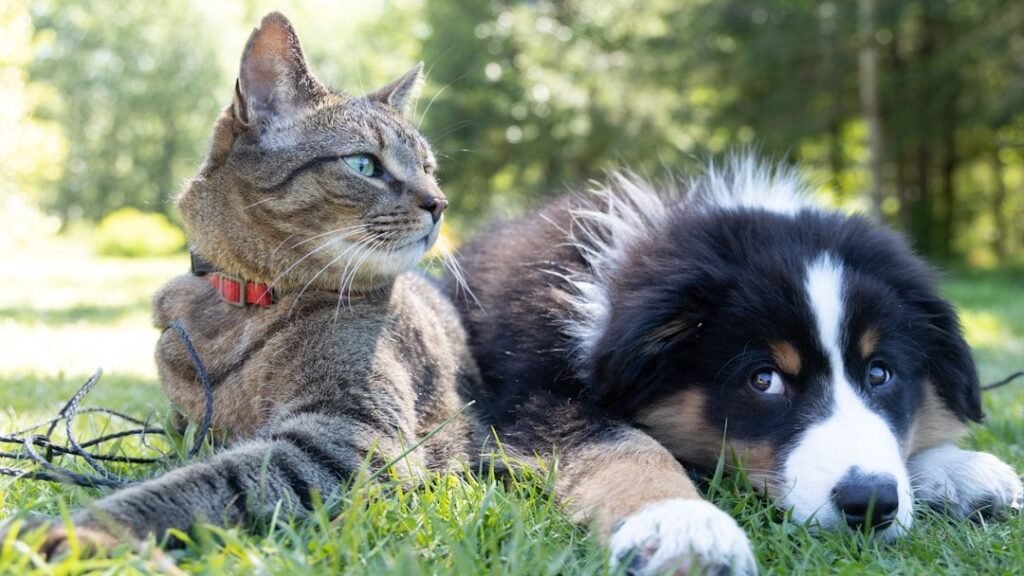
You already know how much a person’s posture can tell you, and animals take that to another level. When you watch a dog, you can pretty much read its mood from its tail alone: a loose, wagging tail often signals friendliness or excitement, while a stiff, high tail can mean alertness or potential aggression. Ears that perk forward, flatten backward, or droop down are like punctuation marks in that silent sentence, changing the meaning of the whole “message.”
If you look at cats, horses, or even rabbits, you’ll see similar patterns. A cat that arches its back, fluffs its tail, and turns sideways is not just trying to look dramatic – it’s trying to look bigger to intimidate a threat. Horses pin their ears back and tighten their lips when they’re angry or stressed, while relaxed ears and a soft muzzle suggest calm or curiosity. Once you start decoding these physical cues, you stop seeing “just an animal” and start seeing someone actively talking with their body.
2. Facial Expressions: From Playful Grins to Threatening Stares

You might assume humans have the monopoly on expressive faces, but if you pay attention, you’ll notice animals have entire emotional vocabularies written across their eyes, mouths, and brows. Dogs are a great example: when a dog gives you “soft eyes,” with relaxed eyelids and a loose mouth, it’s usually feeling safe and content. In contrast, hard, intense staring, a wrinkled muzzle, and a tight mouth can be early warning signs that the dog is uncomfortable or ready to react.
Even smaller animals use subtle facial changes that you can learn to read. Some primates signal fear or submission by pulling their lips back in a grimace and avoiding direct eye contact, while others use a direct stare as a challenge. You also see “play faces,” such as open mouths and relaxed tongues in dogs or monkeys when they’re roughhousing but not actually fighting. When you train yourself to notice these details, an animal’s face stops being “cute” background noise and becomes a nuanced, living conversation.
3. Vocalizations That Aren’t Words: Calls, Songs, and Ultrasonic Chats
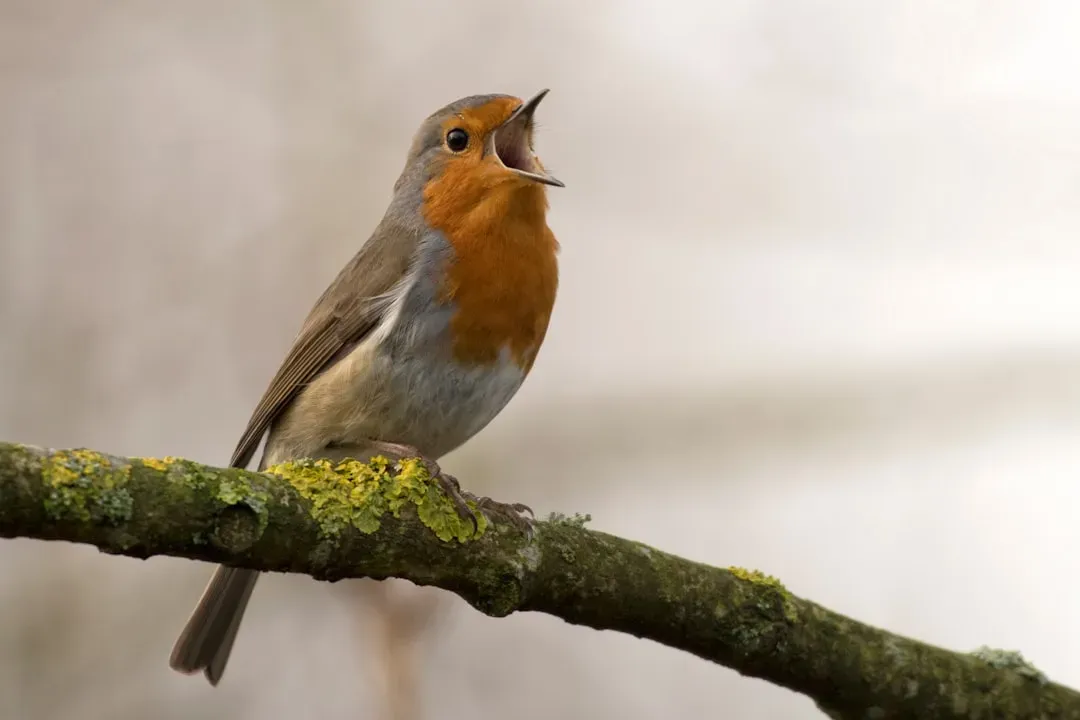
Even though animals do not speak in human words, many of them use complex vocal signals that function like a spoken language for their own species. Birdsong is a classic example: when you listen to a bird singing at dawn, you’re actually hearing a mix of territory claims, mating announcements, and sometimes warnings to rivals. Some birds even use different alarm calls depending on whether a predator is approaching from the sky or on the ground, which completely changes how others react.
Then you have sounds you cannot even hear without special equipment. Bats use ultrasonic calls to navigate and hunt, but they also use those high-pitched signals to interact with each other at close range. Dolphins and whales communicate underwater with clicks, whistles, and low rumbling calls that can travel huge distances. When you realize that a quiet forest or a calm ocean might actually be buzzing with sound outside your hearing range, you start to appreciate how rich nonverbal communication really is.
4. Scent and Pheromones: Invisible Messages in the Air
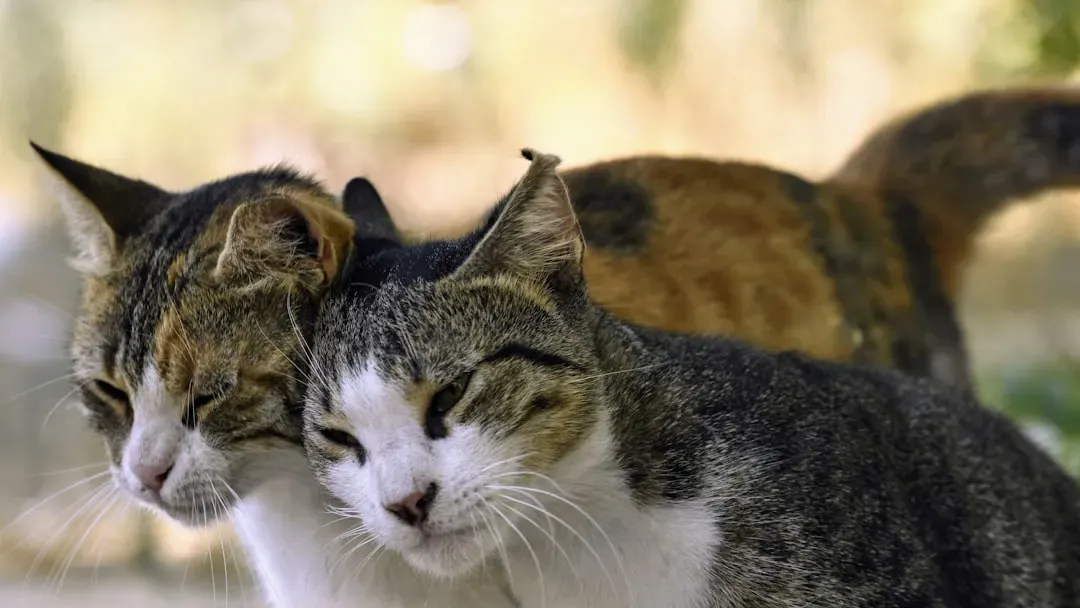
You might think of smell as something simple – either pleasant or gross – but for animals, scent is like a full social media feed. Many mammals, from wolves to deer to domestic cats, mark their territory with urine or gland secretions, leaving a chemical “post” that can say who they are, what sex they are, their reproductive status, and even roughly how long ago they passed by. When another animal stops to sniff, it is not just being nosy – it is literally reading a detailed profile.
Insects take this to an extreme with pheromones, those chemical signals that can travel through the air to trigger very specific behaviors. Ants lay down invisible scent trails that guide their nestmates to food sources and back home, like a living highway system. Some moths can detect pheromones from potential mates over astonishing distances, following that invisible signal through the night. Once you understand this, a “quiet” meadow or trail suddenly feels full of information you just do not have the right nose to access.
5. Color and Patterns: Visual Codes Written on Skin and Feathers
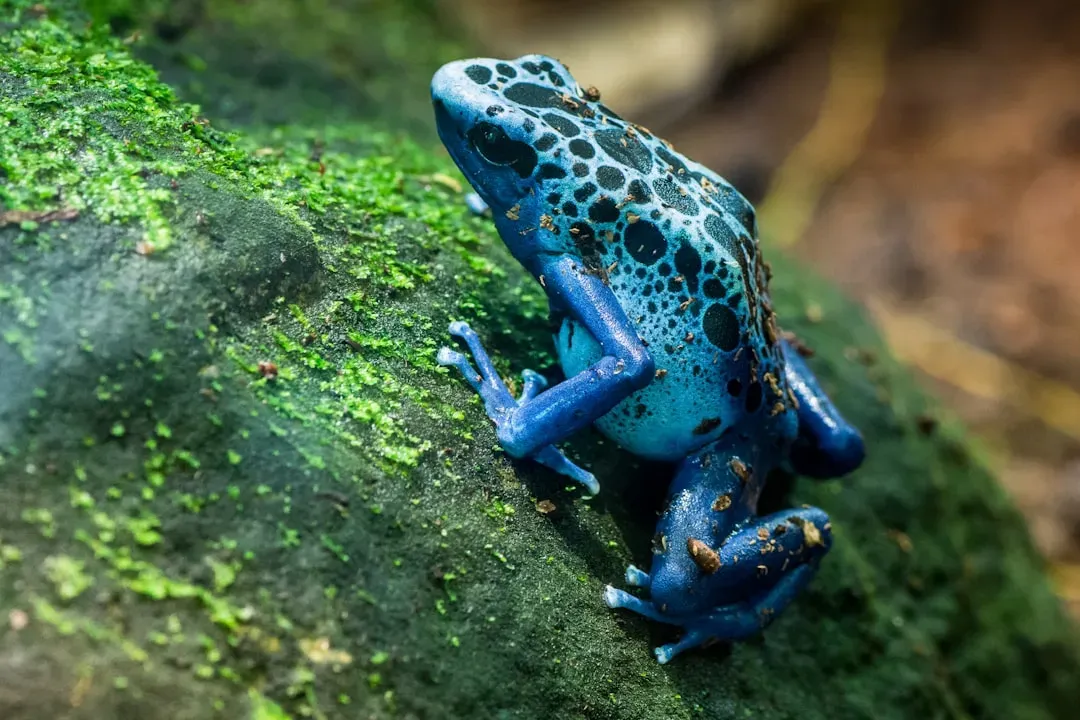
When you see a bright, colorful animal, you might just think it looks beautiful, but in nature, color is rarely random. Poison dart frogs, for example, wear intense shades of blue, yellow, or red as a warning sign, broadcasting that they are toxic and not worth eating. Similarly, many insects adopt bold black-and-yellow or black-and-red patterns to mimic stinging species, hoping predators will assume they’re dangerous even if they are not.
On the flip side, some animals use color changes as flexible communication tools. Many chameleons do not change color primarily to hide; they shift shades to signal stress, aggression, or readiness to mate to other chameleons. Fish on coral reefs often display bright colors and stripes that help them recognize members of their own species and even their social rank. If you think of these colors as signals instead of decorations, a jungle or reef starts to look like a giant, vibrant billboard covered with living messages.
6. Light Signals: Bioluminescence and Flashing Codes
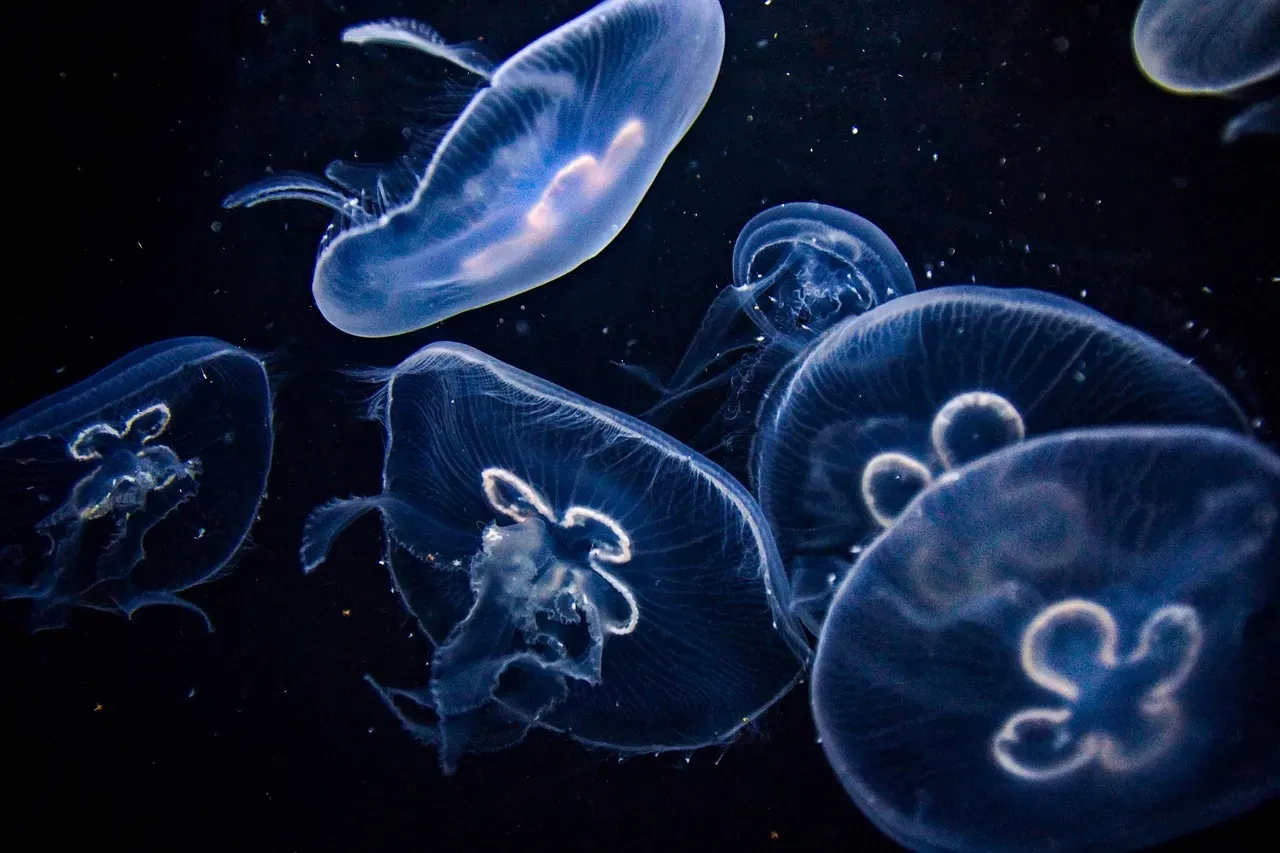
Imagine if you could turn parts of your body into a flashlight to talk to someone across a dark field. That is, in a way, what fireflies do. Each species of firefly has its own pattern of flashes, like a visual signature, that helps individuals find suitable mates on warm summer nights. Males often flash a particular rhythm while flying, and females respond with a precisely timed reply, creating a back-and-forth conversation entirely made of light.
Under the ocean’s surface, you see even more dramatic light-based signaling. Many deep-sea creatures use bioluminescence to lure prey, confuse predators, or communicate with potential mates in the pitch-black depths where sunlight never reaches. Some fish have glowing spots near their mouths or sides that act as beacons to members of their own species. The next time you see a tiny firefly in your yard, you can picture entire underwater worlds where flashing lights are the primary language.
7. Touch and Tactile Signals: Grooming, Nudging, and Gentle Taps
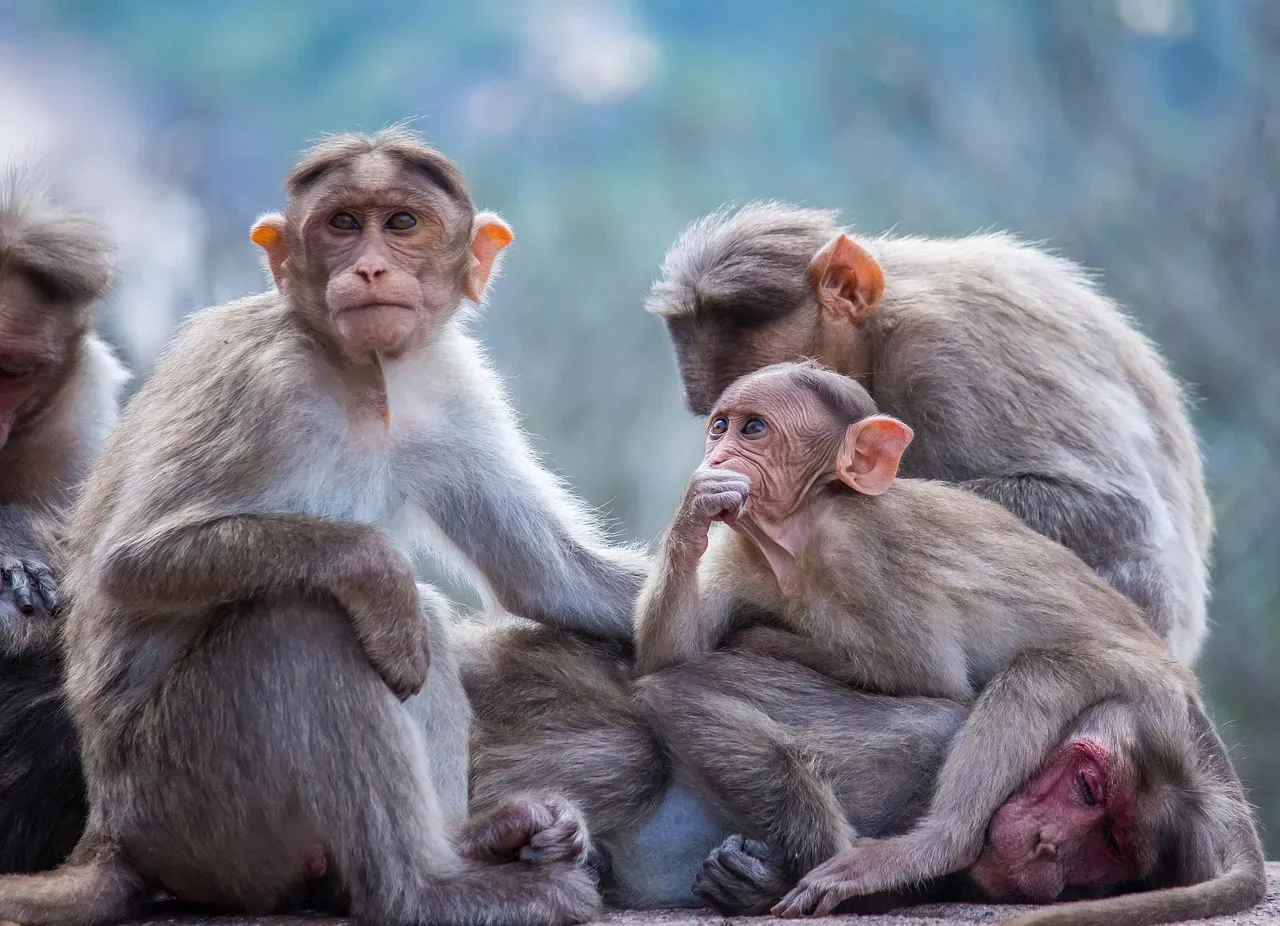
Sometimes the most powerful messages are delivered through touch. If you have ever watched two cats grooming each other, you were seeing more than just cleaning – this mutual grooming builds trust, reduces tension, and strengthens social bonds. Primates do the same thing; they spend large chunks of their day picking through each other’s fur, and this tactile ritual helps maintain peace and alliances in their group.
Other animals use quick, specific touches as signals in more practical situations. Dolphins, for example, often nudge or rub against each other, which can be a way of asking for play, support, or comfort. Even something as simple as a dog leaning its body weight against you can be a request for reassurance or connection, not just affection. When you notice how often animals communicate with contact alone, you realize how similar that is to a friend’s pat on your shoulder or a reassuring hug.
8. Movement and Dance: Rituals That Tell a Story
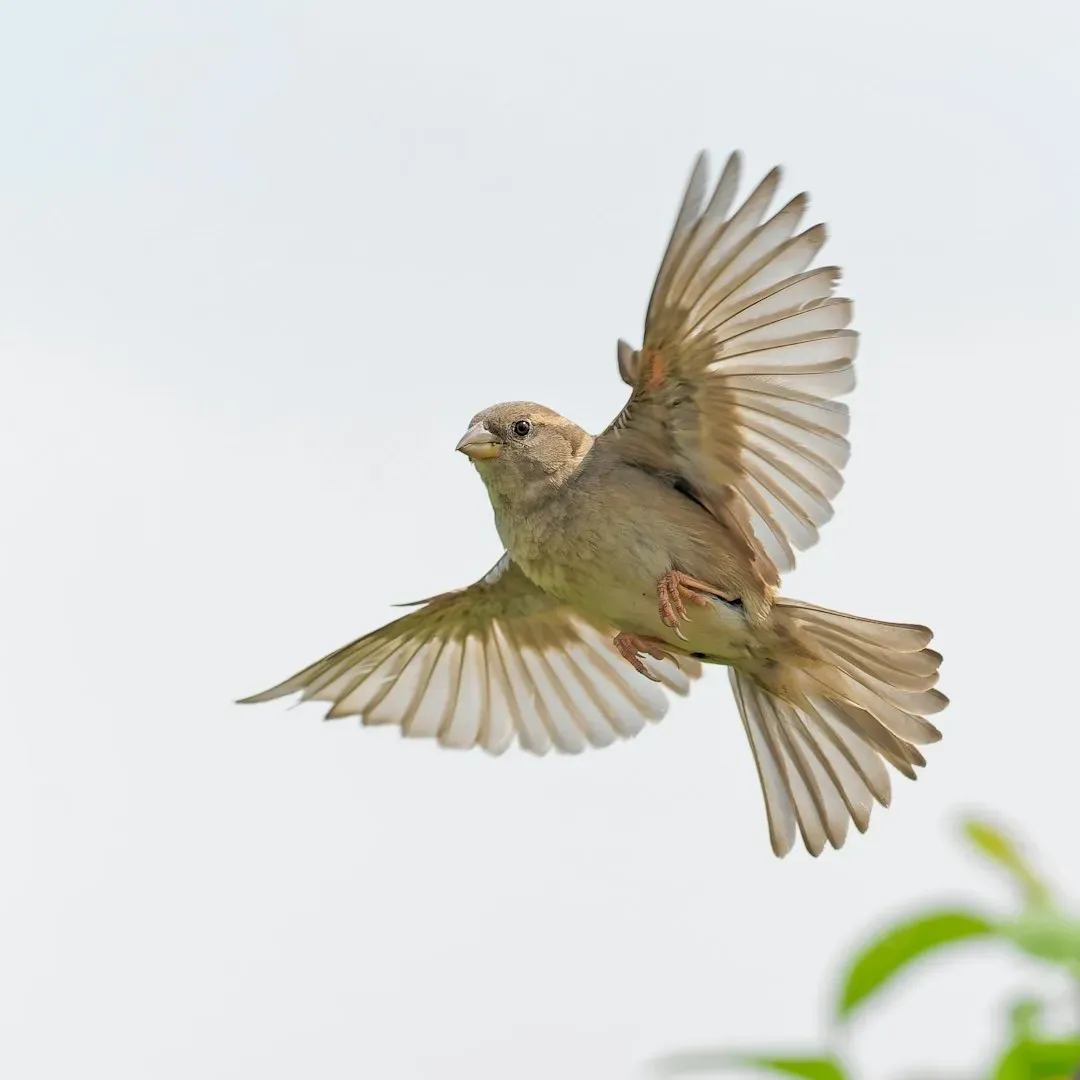
In the animal world, some of the most dramatic “conversations” happen through movement that looks almost like dance. Think about a bird of paradise, fanning out its feathers and performing an elaborate routine to impress a potential mate. Every hop, flutter, and pose carries meaning: “Look how healthy I am,” “See how strong and agile I can be,” “Choose me over that other bird.” These displays are not random; they are carefully shaped by evolution to send a clear romantic message.
Bees take dance communication to a whole different level with the famous waggle dance. When a foraging bee discovers a rich food source, it returns to the hive and performs a specific pattern of movements that tells other bees the direction and distance of the food, relative to the sun. You are watching a kind of living map being shared through choreography. Once you appreciate that, next time you see insects or birds moving in oddly purposeful ways, you’ll wonder what instructions they might be passing along.
9. Vibrations and Tapping: Conversations You Feel More Than Hear
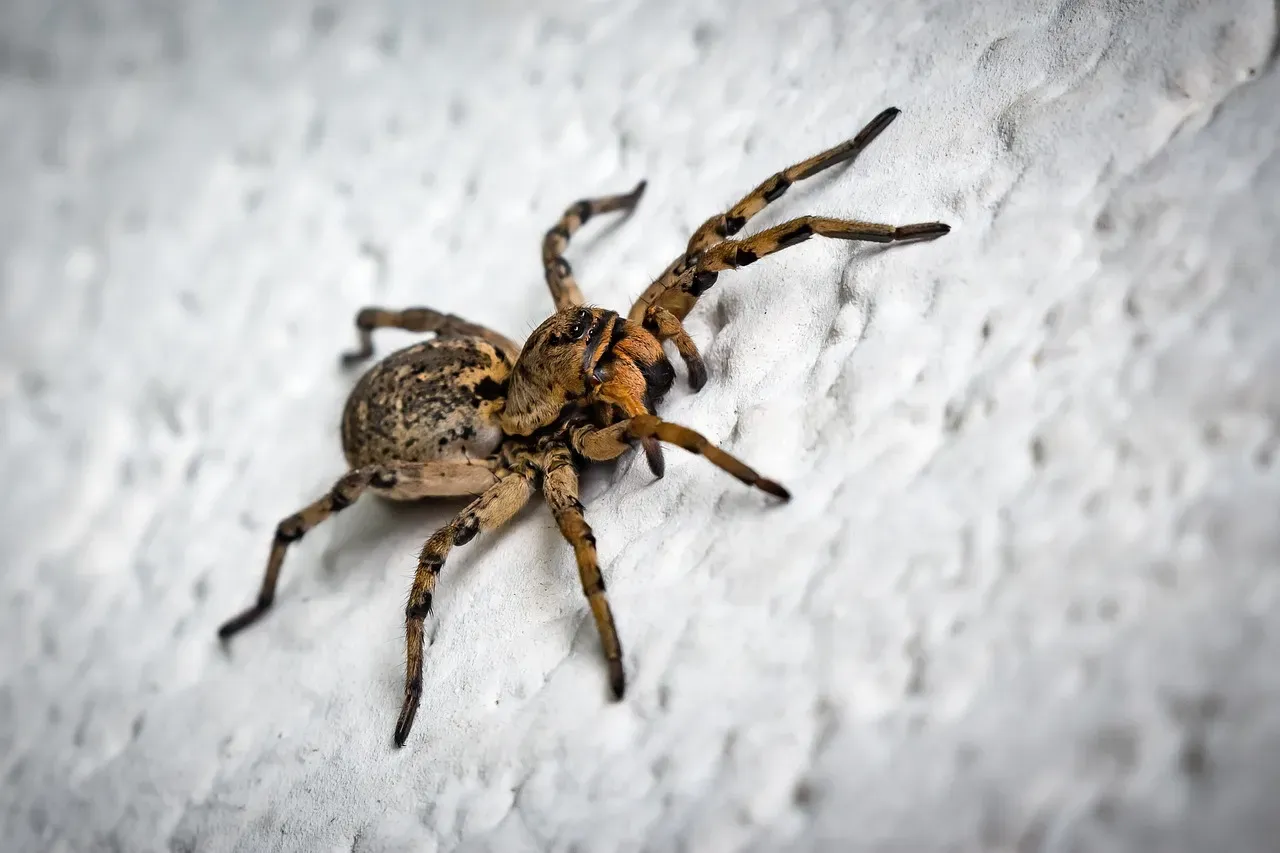
Not all communication travels through air; some of it moves through the ground or through plant stems as vibrations. Many spiders, for example, rely on tiny tremors in their webs to distinguish between a struggling insect, a passing breeze, or a potential mate sending a coded “knock” along the silk threads. If you were small enough and sensitive enough, you would experience this as a whole world of subtle rhythmic messages pulsing through delicate strands.
Some frogs, insects, and even small mammals tap or drum on surfaces to send signals through the soil or vegetation. Certain mole rats use rhythmic pounding against tunnel walls to communicate with neighbors underground, kind of like knocking messages through a shared wall in an apartment building. If you’ve ever felt the faint vibration of a large truck before hearing it, you already know how powerful vibration can be as a warning. Animals simply exploit that same principle on a much more refined and intentional level.
10. Cooperative Signals: Group Coordination Without a Single Word
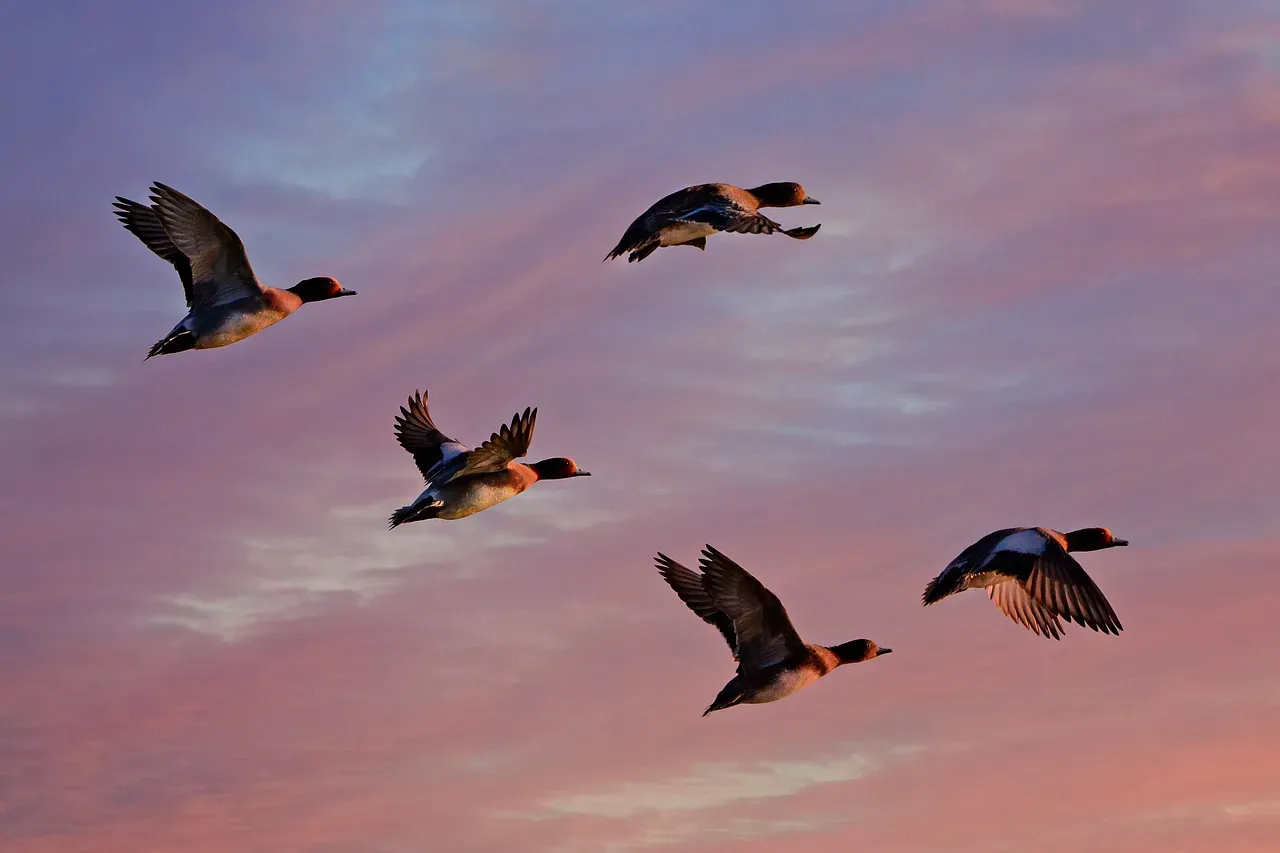
When you see a flock of birds turning in perfect unison or a school of fish swerving as if they share a single brain, you’re witnessing highly coordinated communication that does not rely on any spoken signal. Each individual is constantly reading the body orientation, speed, and distance of their nearest neighbors and adjusting their own movement in response. The result is a flowing, collective pattern that helps them dodge predators and move efficiently, all without central control.
You can spot similar coordination in hunting packs. Wolves and wild dogs rely on subtle cues – small changes in speed, head direction, or posture – to organize their positions during a chase. Dolphins may surround schools of fish and take turns lunging through them, each reading the others’ moves to keep the prey contained. When you think about this, it feels like watching a team sport where everyone is making split-second plays based on shared, silent understanding rather than shouting instructions.
11. Deception and Camouflage: When Silence Is Used to Mislead
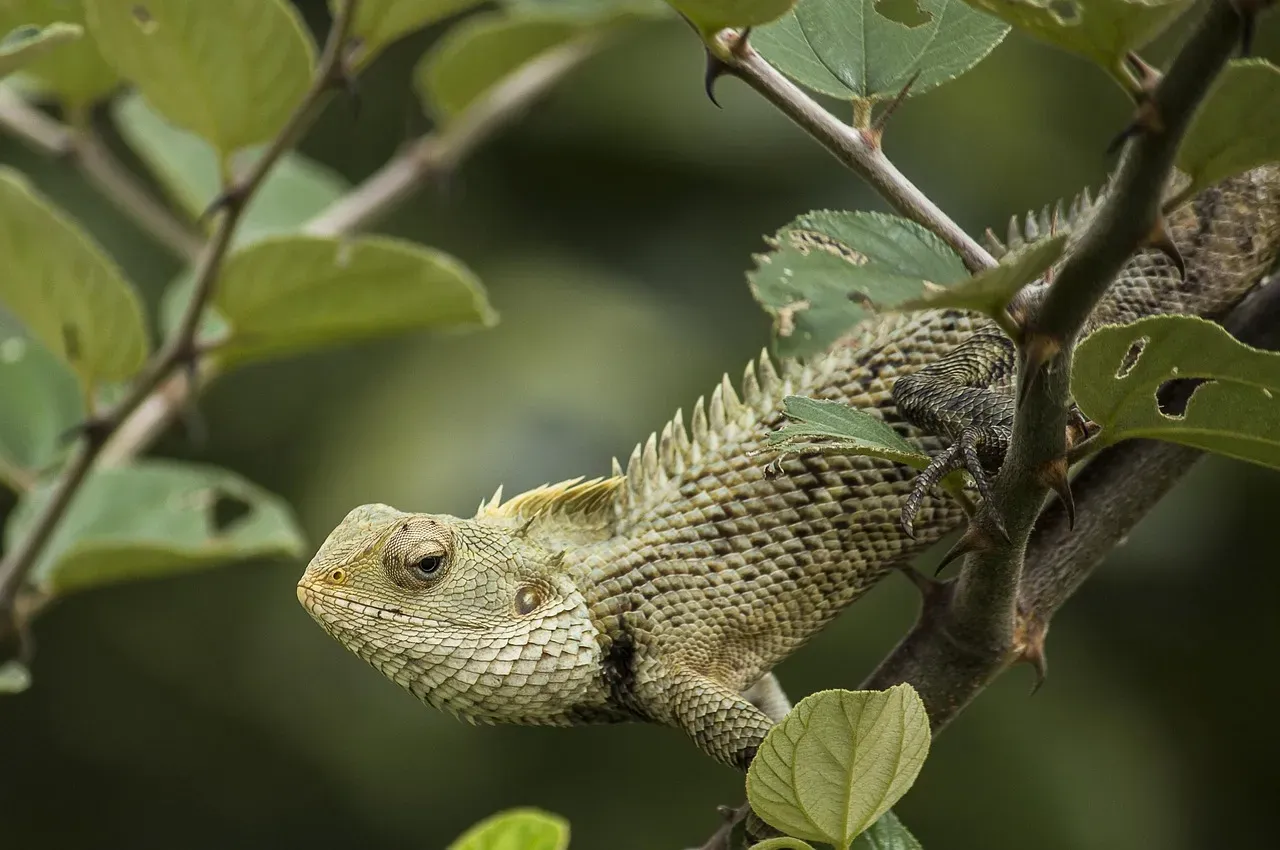
Not all animal communication is honest, and that is where it gets especially intriguing. Some harmless species mimic the colors or patterns of dangerous ones to trick predators into leaving them alone, a visual lie that can save their lives. Certain birds fake injury near their nests, fluttering on the ground as if they have a broken wing so a predator will follow them away from their eggs. You’re watching a silent performance where the whole point is to send the wrong message.
Camouflage is another powerful form of unspoken communication, but instead of sending a message to everyone, it aims to send no message at all by blending into the background. A leaf insect that looks almost exactly like a green leaf is telling predators, in a strange way, “There’s nothing here worth noticing.” Predators also use deception, like big cats crouching low and moving slowly to hide their presence. When you recognize those tricks, you realize that the animal world is full of quiet strategies where staying unseen or misunderstood can mean the difference between life and death.
Conclusion: Learning to Listen to the Silent Wild
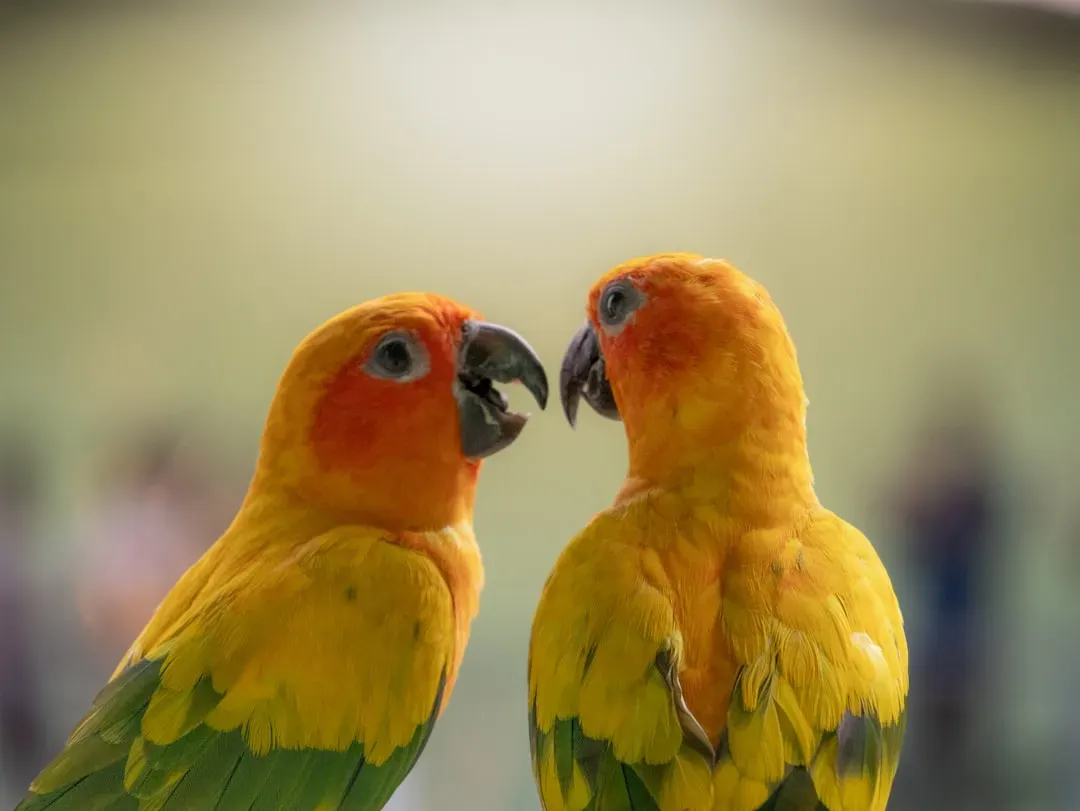
Once you start noticing all these signals – posture, colors, scents, flashes, dances – you stop seeing animals as silent creatures and start seeing them as constant communicators. You realize that a dog’s tail wag, a bird’s sudden alarm call, or an ant line on the sidewalk is part of a rich, ongoing conversation you’ve been walking past your whole life. The wild is not quiet; it is just speaking in a dozen different languages you’re only beginning to understand.
If you pay a bit more attention next time you’re outside, you can treat every trail, park, or backyard like a living classroom. Watch how a squirrel freezes, how a crow calls from a rooftop, how insects cluster or scatter. Bit by bit, you’ll build your own “dictionary” of animal signals, and the world around you will start to feel more alive, more connected, and much less random. Now that you know animals are talking all the time without words, what will you notice first?