
Every so often, the sky does something so strange and beautiful that, for a moment, everything else fades away. The emails, the deadlines, the noise – all of it shrinks under a sky that suddenly turns blood-red, or a shadow that slowly eats the Sun, or a streak of light that splits the night in utter silence. You don’t have to be an astronomer to feel that gut-level jolt of wonder; it’s hardwired into us to look up and be stunned.
What most people don’t realize is that some of the rarest sky shows are actually within reach in a single lifetime, if you know what to look for and when to move. You probably won’t see every event on this list – some depend on where you live, others on sheer luck or travel – but the chances are better than you think that at least a few of them will cross your path. Think of this as a sky-watcher’s bucket list: ten rare celestial events that could, quite literally, change the way you see your place in the universe.
Total Solar Eclipse
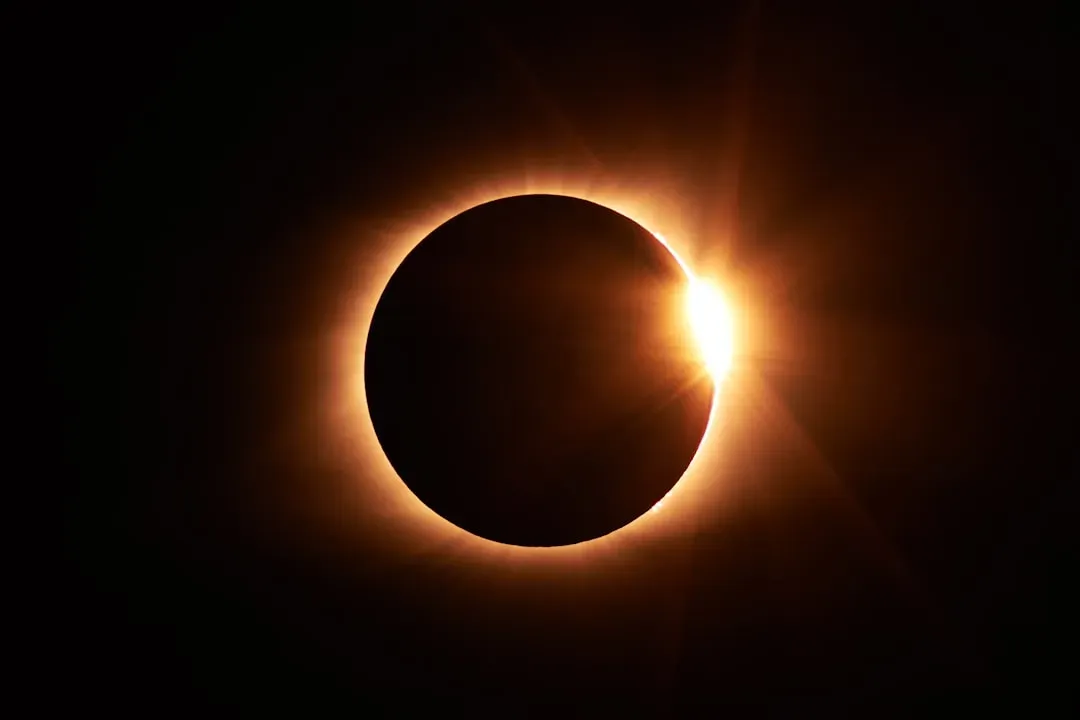
Imagine daylight draining away in the middle of the day, the temperature dropping, birds going quiet, and a black hole taking the place of the Sun. That eerie, almost apocalyptic moment is a total solar eclipse, when the Moon lines up just right to completely cover the Sun’s bright disk. Totality, the brief period when the Sun is fully covered, usually lasts only a few minutes, but it’s often described as one of the most intense natural experiences a person can have. The sky darkens, bright planets and a few stars appear, and a ghostly white halo – the Sun’s corona – unfurls around the blackened Sun.
True totality is rare at any single place on Earth, often returning only after many decades or even centuries, which is why serious eclipse chasers travel around the globe to stand in the Moon’s shadow. In any given decade, only a handful of total solar eclipses cross land areas with good viewing conditions, and weather can still ruin the view. But if you’re willing to travel once or twice in your lifetime to the narrow path of totality, your odds of seeing at least one are actually pretty good. I still remember my first one: people around me cried, laughed, and just stood there in stunned silence – no photo or video really comes close to what it feels like.
Perihelion Passage of a Great Comet
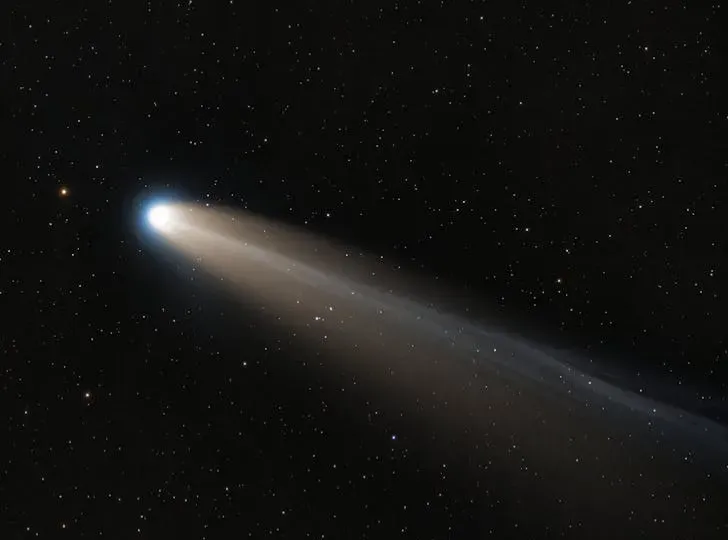
Every few years we hear about a “bright” comet, but only once in a long while does a truly great comet blaze across the sky. These are the ones that can be visible even from cities, stretching long, dramatic tails across the dawn or dusk sky. A great comet is usually an icy body that swings in close to the Sun, vaporizing material and dust so intensely that it becomes brighter than most stars and sometimes even visible in daylight. Many people still remember the spectacle of comets like Hale–Bopp in the late 1990s or NEOWISE in 2020 lighting up the sky for weeks.
Great comets are hard to predict far in advance because their brightness depends on their composition, the exact path they take, and how they react to intense sunlight. Statistically, though, seeing at least one impressive naked-eye comet in a human lifetime is quite likely, especially now that modern surveys are discovering more of them earlier. To catch one, it helps to occasionally check astronomy news or apps, particularly when a newly discovered comet is heading inward. When a good one does appear, it can feel almost unreal – like a glowing scratch across the sky that makes your normal neighborhood suddenly look like a scene from science fiction.
Bright, Long-Duration Fireball or Bolide
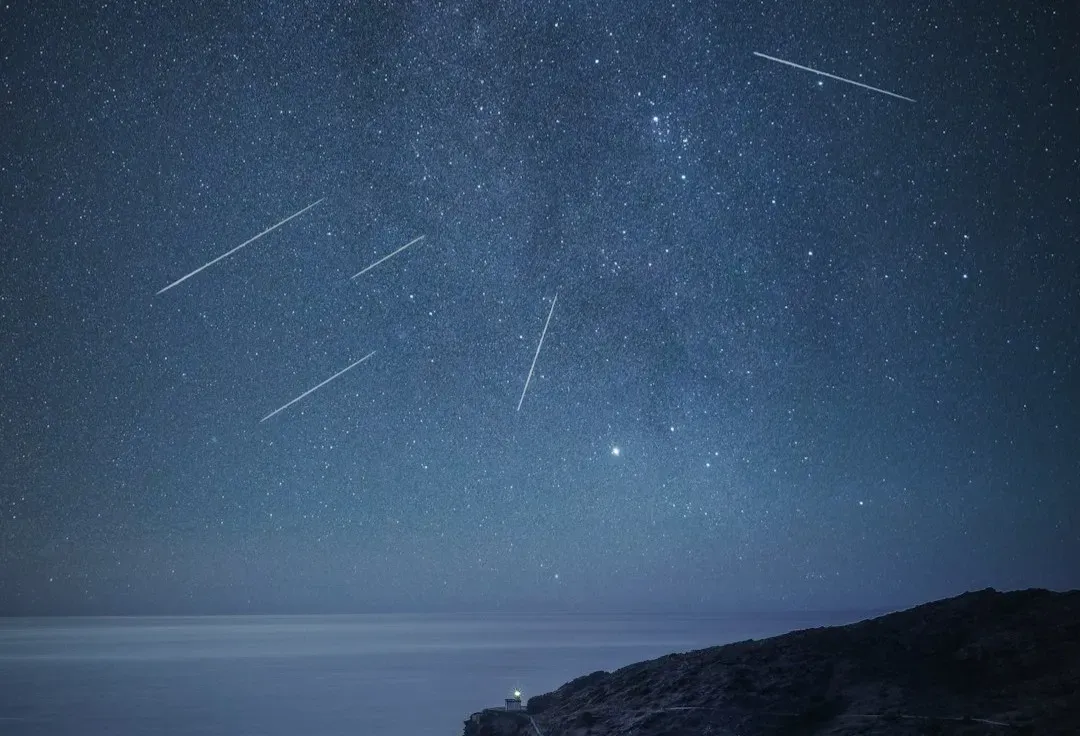
Meteor showers get all the press, but a single bright fireball can be far more shocking. A fireball is an exceptionally bright meteor, sometimes brighter than Venus, that streaks across the sky in a flash of white, green, or even orange light. A bolide is an especially bright type of fireball that may break apart or even explode, occasionally accompanied by a delayed sonic boom. These events can be so startling that people report them as “UFOs” or “explosions in the sky” before astronomers confirm a meteor origin.
While any given location might only see a handful of truly spectacular fireballs over many years, Earth is constantly being hit by small bits of rock, so your lifetime odds of seeing one if you spend time under dark skies are surprisingly decent. Some fireballs are associated with known meteor showers, but many are random, unpredictable visitors. If you’re outside at night often enough – camping, stargazing, or even walking the dog – one of these sudden sky flares might catch you off guard. There’s something deeply humbling about watching a streak of rock older than Earth itself burn up in less than a heartbeat.
Extremely Intense Aurora at Unusually Low Latitudes
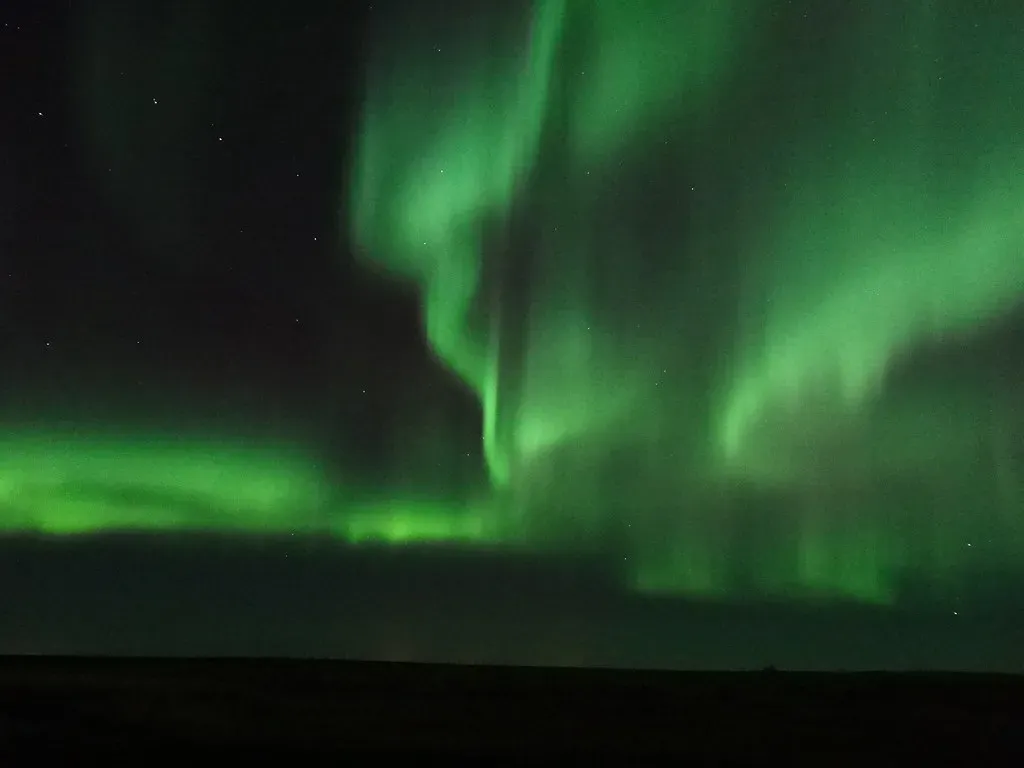
The northern and southern lights are on many travel wishlists, but most people think of them as a polar-only phenomenon. During strong geomagnetic storms, however, auroras can surge far toward the equator, sometimes glowing over regions that rarely see them at all. In extreme cases, curtains and arcs of green, red, and purple light can be visible where people normally only see a plain, starry sky. These storms are driven by eruptions from the Sun – coronal mass ejections and powerful solar flares – that slam into Earth’s magnetic field and energize particles in the upper atmosphere.
The Sun goes through an activity cycle, and around its peaks, major geomagnetic storms are more likely. Over the span of several decades, the chances that you might experience at least one unusually strong aurora event, even at mid-latitudes, are not bad. The catch is that you need clear, dark skies and to know that a geomagnetic storm is underway, which is where space weather alerts and apps can help. Being surprised by a low-latitude aurora can feel almost dreamlike – seeing shimmering, shifting colors where the sky is normally just black is like your everyday world suddenly getting a secret neon ceiling.
Rare Planetary Alignments and Conjunctions
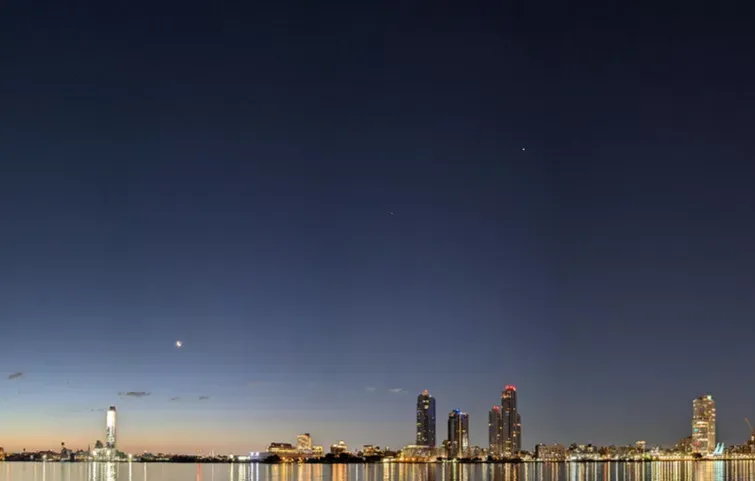
We often hear myths about “all the planets lining up,” which never really happens in a perfect straight line, but striking alignments do occur. Occasionally, several bright planets will gather in the same region of sky, making a neat arc or cluster before dawn or after sunset. Close conjunctions, where two planets appear extremely close together, can create eye-catching “double stars” that even casual observers notice. Some of these configurations are rare on human timescales, especially when many bright planets are involved at once.
Unlike most events on this list, you can predict planetary alignments far in advance with great accuracy, and they are visible to anyone with a clear view of the sky. Over a lifetime, you are almost guaranteed to witness several striking ones if you pay attention to astronomy news or basic stargazing guides. The beauty of these events is how accessible they are – no dark-sky trip required, just a reasonably clear horizon. Seeing Mars, Venus, Jupiter, and Saturn strung out in a graceful line, for example, can be a gentle but powerful reminder that we live in a cosmic clockwork, not a random jumble.
Occultations of Bright Stars or Planets by the Moon
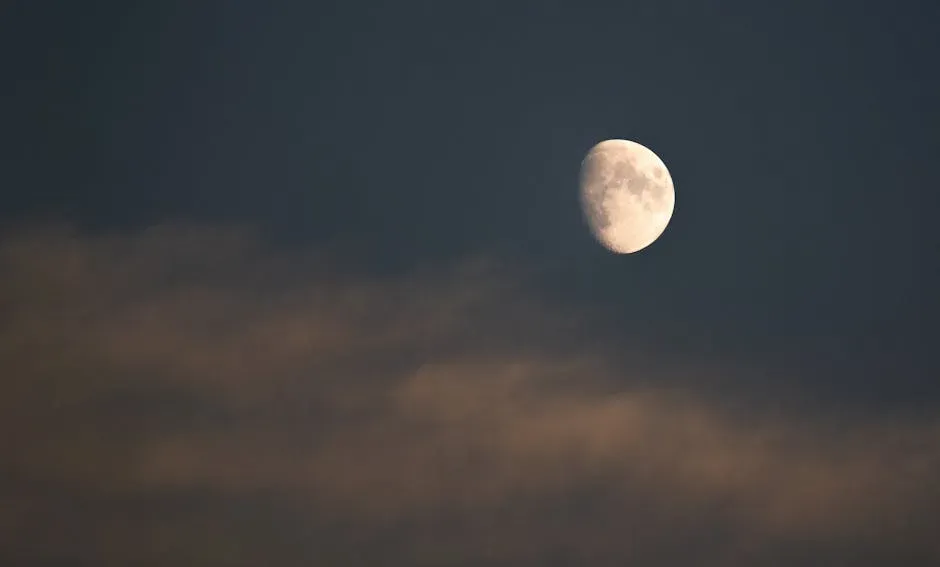
Most people have seen the Moon pass near bright stars or planets, but far fewer have watched it actually cover one. An occultation occurs when the Moon moves in front of a star or planet, making it suddenly vanish from view. When the Moon is in a crescent phase, the disappearance can be especially dramatic, as a bright point just winks out against the dark edge. The reappearance on the opposite side can be just as striking, like someone flicking on a tiny cosmic light.
Occultations of faint stars happen all the time, but those involving very bright stars or planets, visible with the naked eye, are much rarer for any specific location. Still, the combination of the Moon’s monthly path and the slow dance of planets and stars means that over several decades, there are multiple chances to catch at least a few of these events. They are also relatively easy to observe from light-polluted places, since the targets are bright. Watching a planet like Venus or Jupiter suddenly vanish behind the Moon can feel oddly intimate, like seeing two familiar sky-characters briefly collide in an unscripted moment.
Very Rare Transits and Eclipses Involving Planets
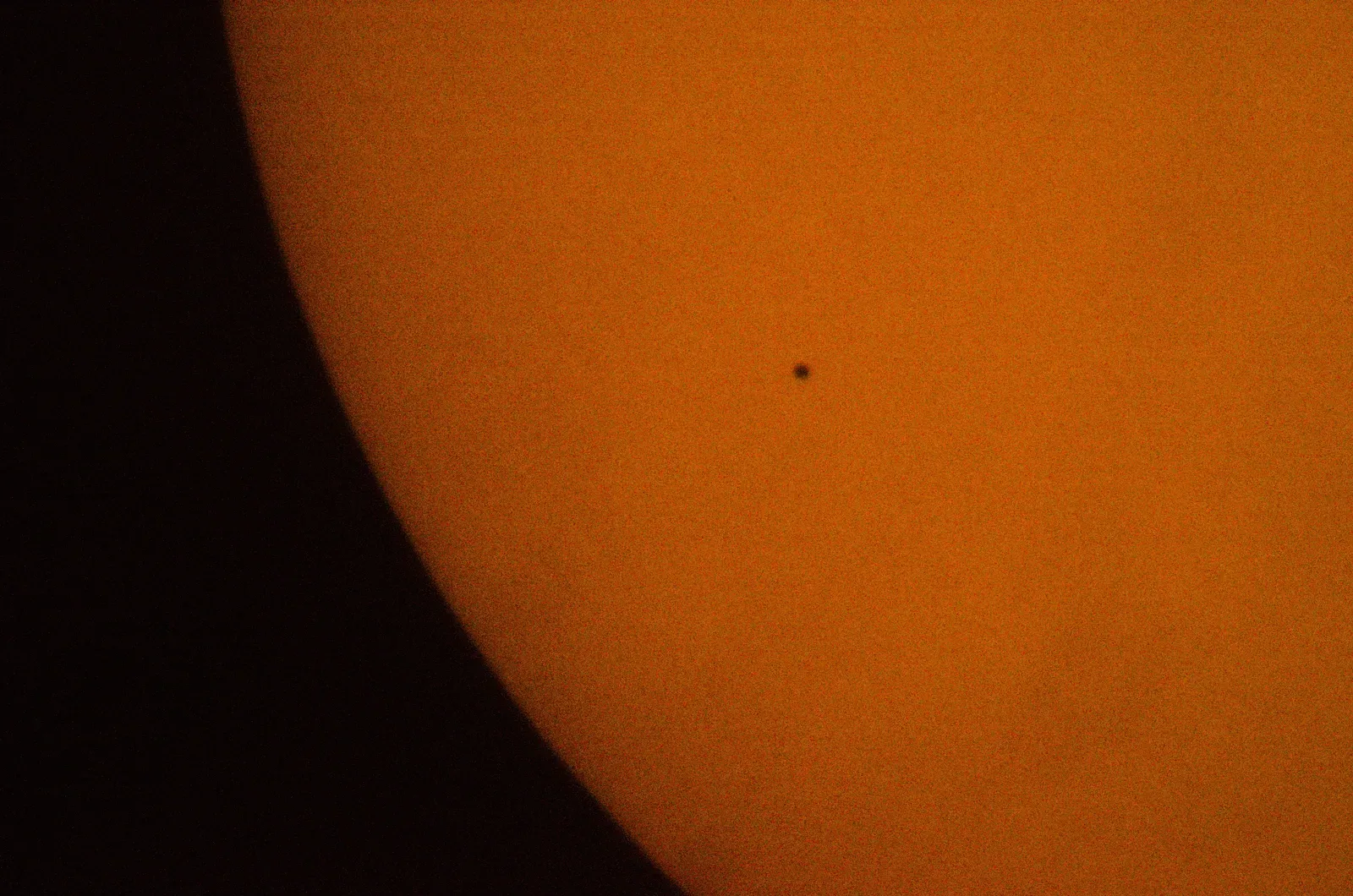
Beyond the common Sun–Moon eclipses, there are rarer configurations where planets pass directly in front of the Sun from our perspective. Transits of Mercury and Venus across the solar disk are the classic examples: tiny dark dots crawling across the face of the Sun over several hours. While Mercury transits happen a few times per century, Venus transits come in pairs separated by more than a century, so most people can only ever see one pair or none at all. Safe viewing requires proper solar filters or indirect projection, but the experience of seeing another planet silhouetted against the Sun is quietly profound.
There are also rare and subtle phenomena like mutual eclipses and occultations between the moons of Jupiter or even between outer planets and background stars that reveal their atmospheres. Many of these require a telescope, but they still count as once-in-a-lifetime sky shows. Over the course of several decades, dedicated observers can witness multiple transits and unusual alignments, each revealing a little more about the mechanics of our solar system. Even with basic equipment, watching that tiny planet-dot against the overwhelming brightness of the Sun is a powerful reminder of scale – and of how fragile our own world is in comparison.
Iridium-Style Flares and Rare Satellite Glints
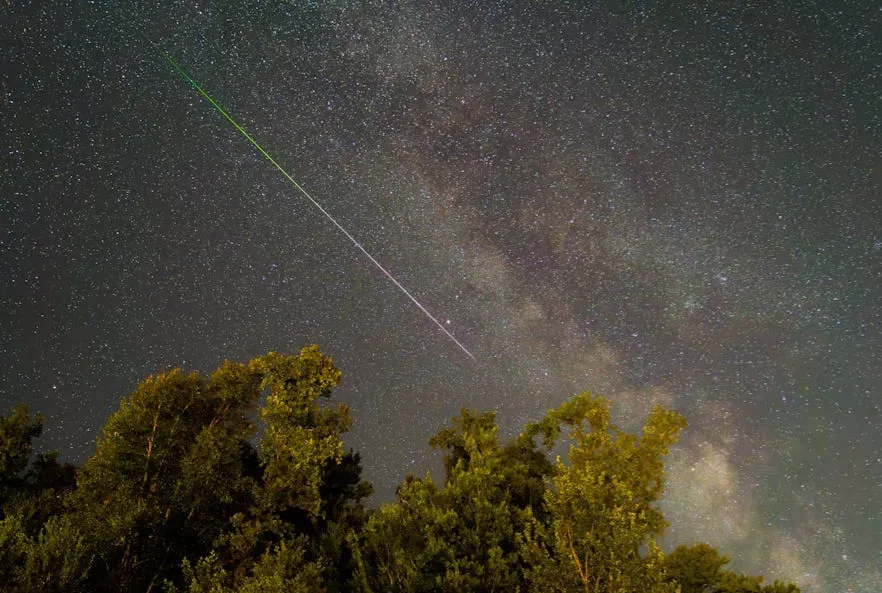
For a while, a particular group of communication satellites produced some of the most dazzling, brief sky flashes people had ever seen. Their reflective surfaces could catch sunlight and focus it toward an observer on the ground, creating bright flares that outshone almost everything else in the night sky for a few moments. Those original satellites have largely been retired or replaced, but similar glints can still occur from other spacecraft with large, reflective panels or antennas. To the unprepared observer, these flares can look like sudden, stationary explosions of light that fade within seconds.
Because satellite constellations are growing and changing, the specific patterns of such flares over the next few decades are hard to forecast in detail. However, that same growth means the odds of seeing some kind of unusual satellite reflection during your lifetime are increasing. Some observers love these artificial intrusions as curious, tech-made “shooting stars,” while others worry about the effect of bright satellites on astronomy and dark skies. Either way, catching an unexpected flare feels like seeing a wink from the machinery humanity has scattered into orbit – a reminder that not all rare sky lights are natural anymore.
Lunar Eclipse with Unusually Deep Color
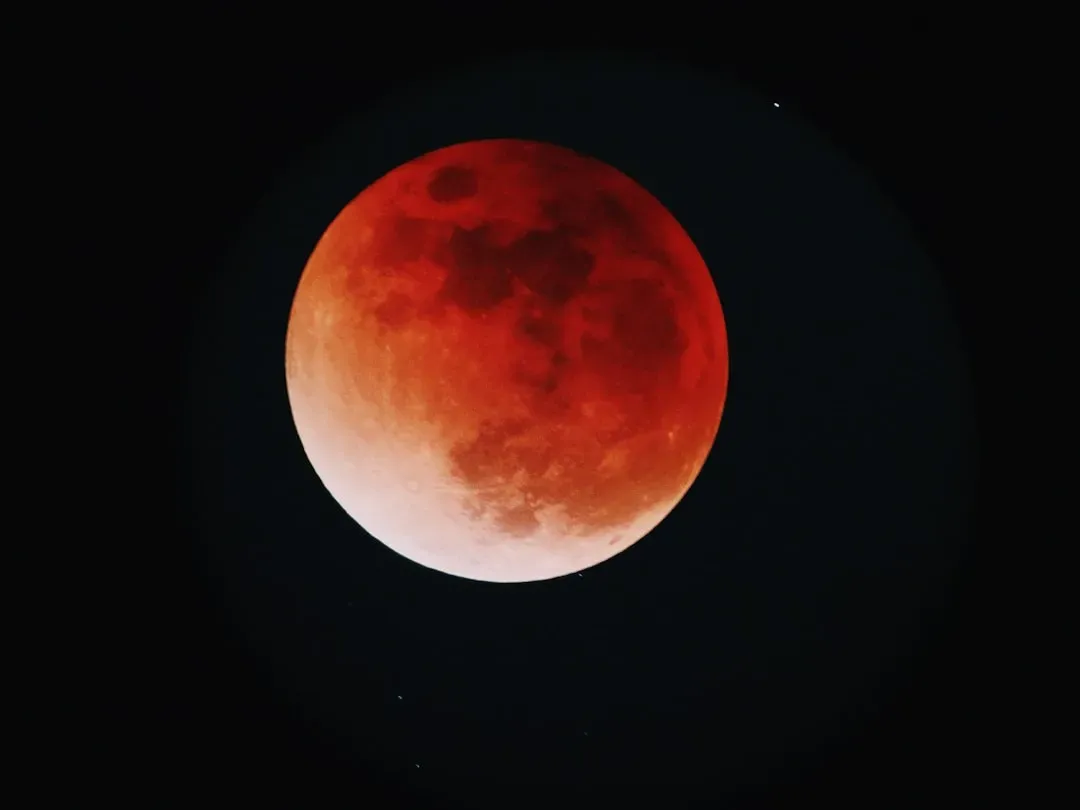
Lunar eclipses are more common than total solar eclipses, but some of them stand out in a big way. When Earth’s shadow covers the Moon, the light that does reach it has passed through our atmosphere, often turning the Moon a deep orange or red. Most total lunar eclipses are relatively subtle, but certain ones become strikingly dark or color-saturated, depending on atmospheric conditions like volcanic dust, pollution, or large-scale weather patterns. In extreme cases, the Moon can nearly disappear to the naked eye, glowing only faintly like a smoldering ember.
Because they are visible from an entire night side of Earth and do not require special equipment, total lunar eclipses are among the most accessible rare events. Over a human lifetime, you can see quite a few if you pay attention to predictions, but only a handful will have that shockingly intense color or unusual darkness. Those special ones are hard to forget. Standing outside while the familiar bright Moon slowly turns into a red, eerie sphere can feel almost theatrical, as if the universe is briefly switching to a different lighting designer.
Unusually Strong or Rare Meteor Outburst
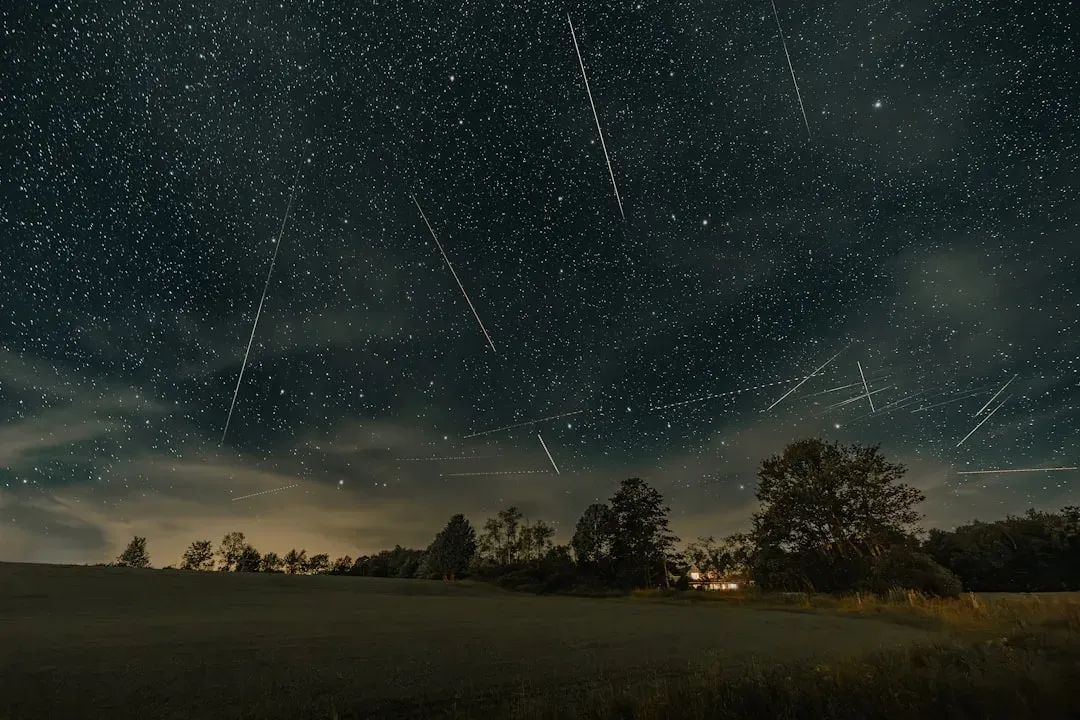
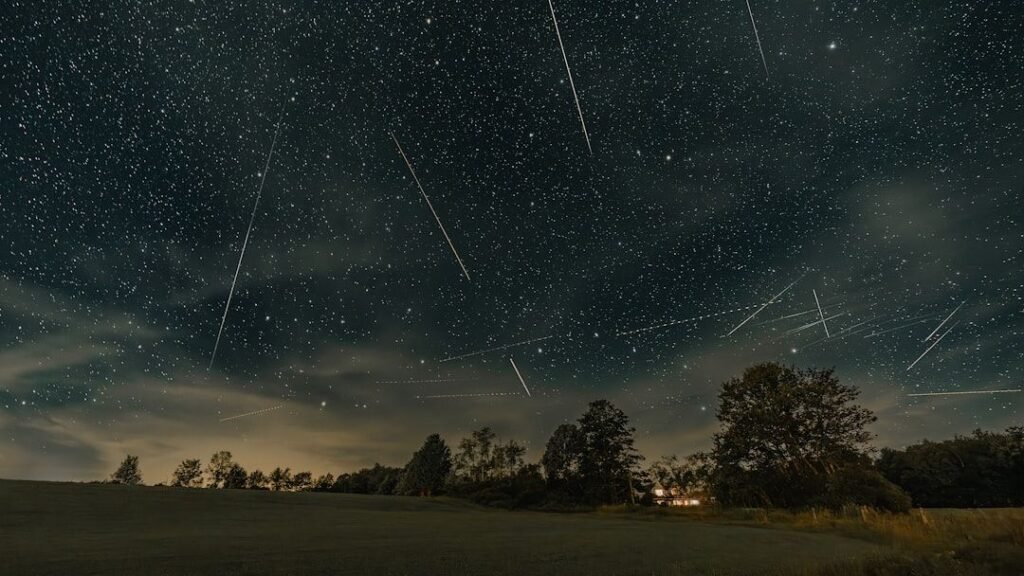
Regular meteor showers are charming: a few shooting stars every couple of minutes under good conditions. But once in a while, a meteor shower experiences an outburst or storm, with rates far higher than usual. During a true storm, observers might see meteors every few seconds, sometimes with bright trains and unusual colors. These events often happen when Earth passes through especially dense filaments of debris left behind by comets, and they can be deeply unpredictable or only well-forecast a few years in advance.
Some famous meteor storms in history produced truly mind-boggling rates, though many of those are unlikely to repeat at the same intensity soon. Still, modest outbursts that exceed normal shower activity several times over are expected now and then across decades, especially for showers like the Leonids or Draconids. To catch one, you need dark skies, patience, and a bit of luck with timing and weather. Lying on your back and watching the sky fill with streak after streak is one of those rare experiences that makes time feel stretchy, like the universe is briefly running on a different clock than the one on your phone.
Conclusion: Turning a Lifetime into a Sky-Watching Adventure
When you stack all these events together – eclipses, comets, auroras, fireballs, alignments, and storms of falling stars – a lifetime starts to look less like a flat timeline and more like a string of potential cosmic surprises. The truth is, you probably will not stumble into all of them by accident; a few will require intention, planning, and maybe even a trip or two. But that’s part of the magic: deciding that every now and then, you’re going to look up on purpose and give the sky a chance to astonish you.
I’ve missed more events than I’ve seen, sometimes because of clouds, sometimes because I just forgot to go outside – and that, weirdly, makes the ones I did catch feel even more precious. The universe does not schedule shows around our convenience, but it is generous over the span of a human life if we meet it halfway. Maybe your rare event will be a once-in-a-century comet, or a total eclipse, or just a single breathtaking fireball on a quiet night. Which one do you secretly hope the sky gifts you before your lifetime is over?