If you’ve ever stared up at the night sky and quietly wondered how on Earth you ended up here, you’re not alone. The origin of life is one of those questions that pokes at your brain in the middle of the night, refusing to give you a simple, tidy answer. Scientists have been wrestling with it for generations, and the more they learn, the stranger and more fascinating the story becomes.
In this article, you’re going to walk through ten of the most intriguing, sometimes controversial, and genuinely mind‑bending ideas about how life might have started on our planet. Some are grounded in chemistry you could almost recreate in a lab; others zoom out to the entire universe. You’ll notice something important: no single theory has all the answers. But together, they give you a richer, more awe‑inspiring sense of how fragile and unlikely – yet somehow inevitable – your existence might be.
1. Primordial Soup: Life From a Chemical Cauldron
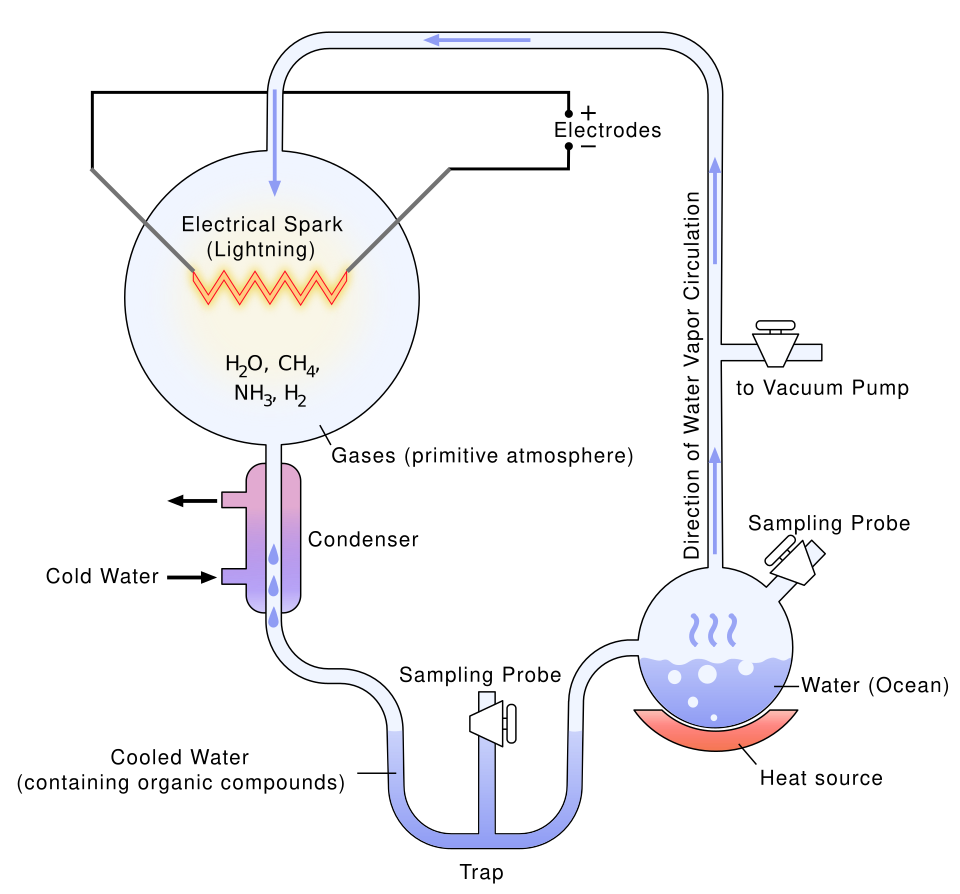
Imagine early Earth as a moody teenager: volcanic, stormy, and constantly changing. In this picture, you have a planet wrapped in a thick atmosphere, riddled with lightning, bombarded by ultraviolet radiation, and covered in oceans full of dissolved chemicals. The primordial soup idea says that in this chaotic mix of water, methane, ammonia, hydrogen, and other simple molecules, you had all the raw ingredients for life swirling around for millions of years. Under the right conditions, those ingredients could start reacting, forming more complex organic molecules like amino acids and nucleotides.
You can actually trace this back to real lab work you’d recognize from a high school science book, just turned up to eleven. In the mid‑twentieth century, researchers famously ran electric sparks through a mixture of gases meant to mimic early Earth’s atmosphere and ended up with organic molecules, including building blocks of proteins. If you follow this line of thinking, you see life not as a sudden miracle, but as a slow, stepwise chemical escalation: simple molecules first, then complex ones, then self‑copying systems. The big catch for you, as a curious observer, is that no one has yet shown the full jump from soup to living cell – but the basic chemistry tells you it’s at least plausible.
2. Deep-Sea Hydrothermal Vents: Life From the Dark Oceans
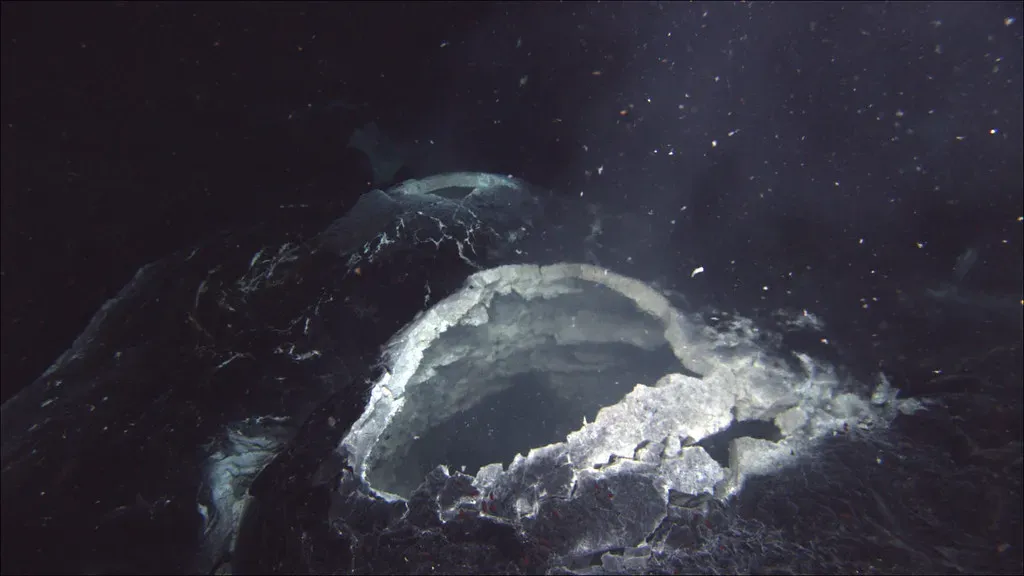
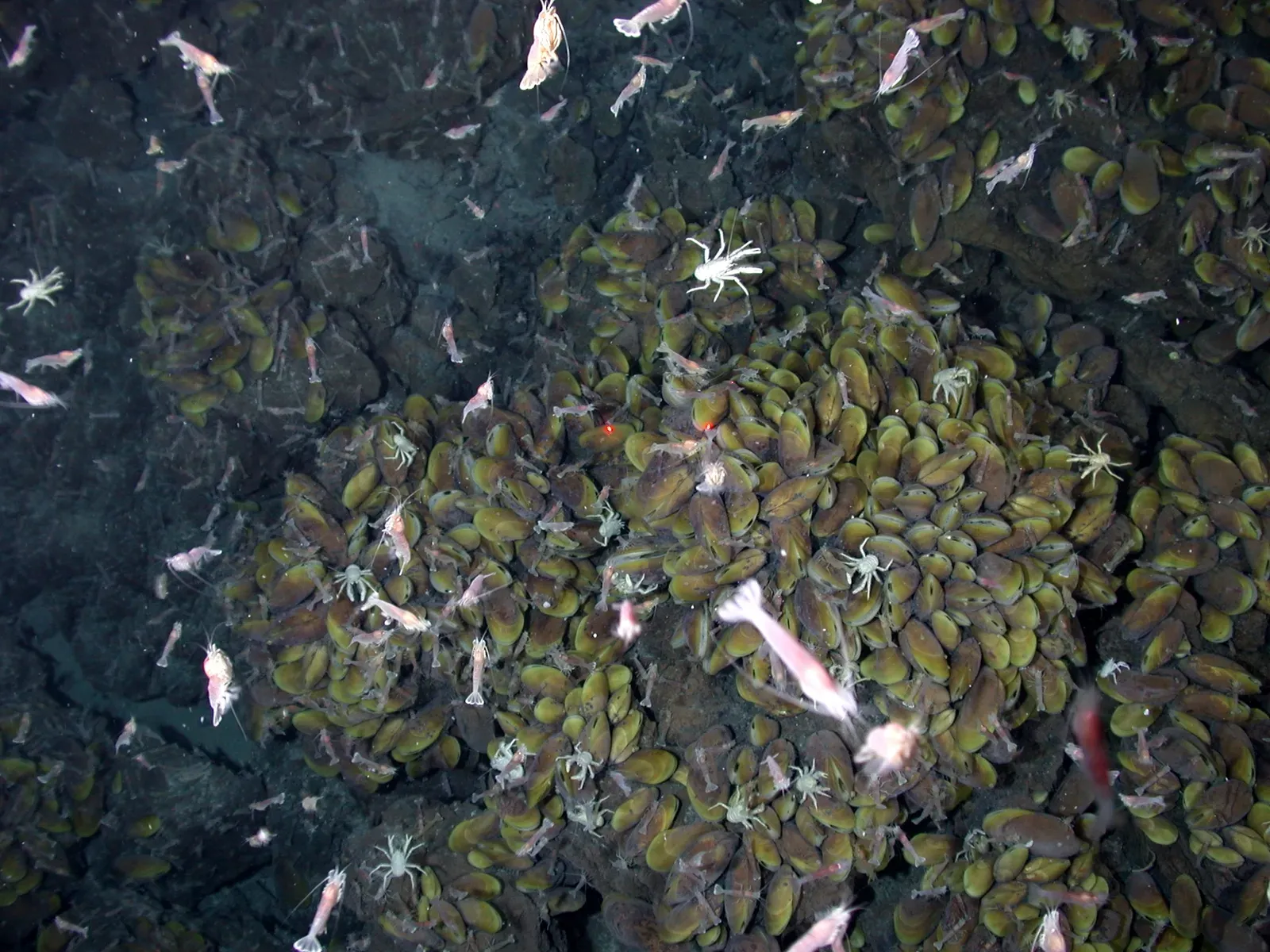
Now flip the scene completely: instead of a warm little pond under the sun, you dive into the pitch‑black depths of the ocean, where sunlight never reaches. Along mid‑ocean ridges, you find hydrothermal vents spewing superheated, mineral‑rich water into the sea. Around these vents today, you can see bizarre ecosystems thriving without sunlight, powered by chemistry alone. This theory suggests that you might trace your deepest biological roots to places like these, where hot fluids and cold seawater meet and create sharp chemical gradients.
If you zoom in on those vent structures, especially the chimney‑like formations made of iron and sulfur minerals, you can start to picture them as natural chemical reactors. Tiny pores in these rocks could have trapped simple molecules and encouraged them to react in an organized way, almost like a primitive metabolism before cells existed. For you, this approach is especially striking because it gives energy center stage: instead of life appearing in a random puddle, it emerges where there’s a constant power supply and natural compartments. It’s a reminder that you’re not just made of stuff; you’re also made of flows of energy, harnessed creatively by chemistry over mind‑boggling spans of time.
3. Panspermia: Life Delivered From Space
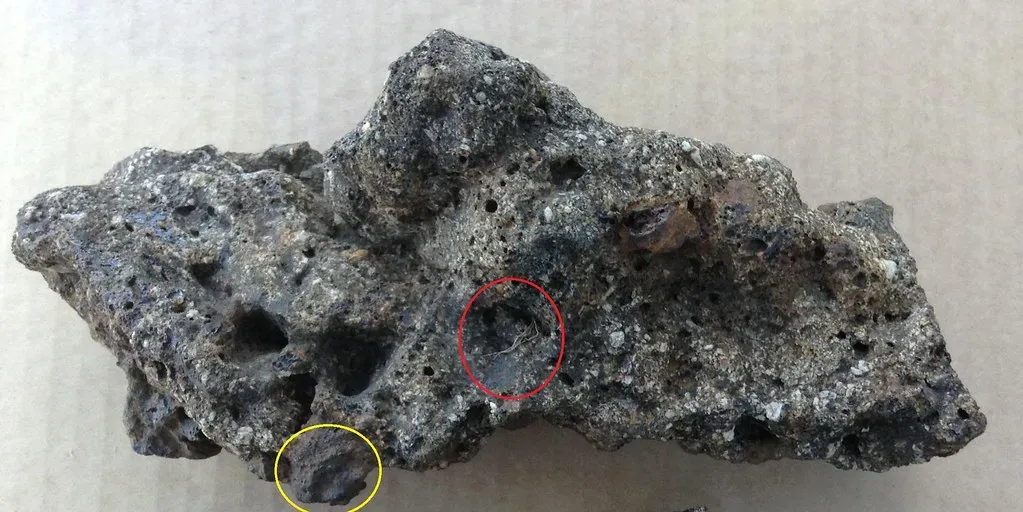
When you think about the origin of life, you probably start with Earth. But panspermia asks you to widen your view dramatically and consider that life might not have started here at all. In this scenario, microscopic life – or at least crucial organic material – forms somewhere else in the universe and catches a ride on rocks and dust drifting through space. Meteorites and comets slamming into early Earth could have delivered those tiny passengers, seeding the planet with the basic toolkit for biology, or perhaps even with already living microbes hardy enough to survive the journey.
You might be tempted to dismiss this as pure science fiction, but there are some eye‑opening details. Experiments have shown that certain hardy microorganisms can survive intense radiation, vacuum, and extreme temperatures for surprisingly long periods, especially if they are shielded inside rock or ice. Space missions and meteorite studies have also revealed complex organic molecules – even amino acids – in comets and interstellar material. For you, the unsettling twist is that panspermia shifts the real mystery one step back: it doesn’t fully explain how life began, only how it might have traveled. Still, it forces you to imagine that your most distant ancestors might be, in some sense, citizens of the cosmos rather than solely children of Earth.
4. RNA World: When Genes Came Before Cells
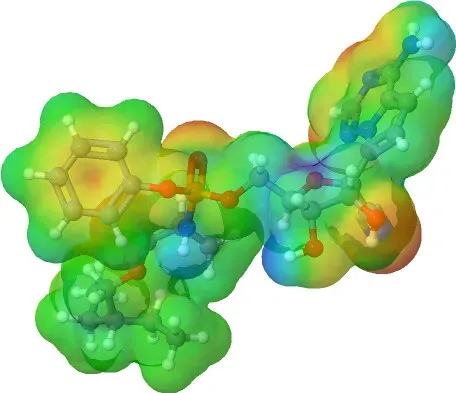
If you peel back life to its bare essentials, you end up with two big jobs: storing information and doing chemistry. Today, DNA mostly handles the information, and proteins handle the chemistry, with RNA acting as a kind of go‑between. The RNA world idea flips your usual view and suggests that, early on, RNA itself did both jobs. You can think of it as a kind of Swiss Army knife molecule: it can store genetic instructions and, in some forms, catalyze chemical reactions. That dual ability makes it a prime candidate for the earliest self‑replicating systems.
From your vantage point in 2026, you can see why this appeals to researchers: RNA still plays starring roles in modern biology, from carrying genetic messages to helping assemble proteins. Some RNA molecules, called ribozymes, actually act like enzymes, proving that RNA really can drive reactions on its own. If you imagine a world where short RNA strands form spontaneously, copy themselves with the help of simple chemistry, and occasionally mutate, you start to get the skeleton of Darwinian evolution even before true cells exist. The tough question for you, if you really push this theory, is how such complex molecules arose in the first place under realistic early‑Earth conditions – something scientists are still actively debating.
5. Metabolism-First: Life as Networks of Reactions Before Genes
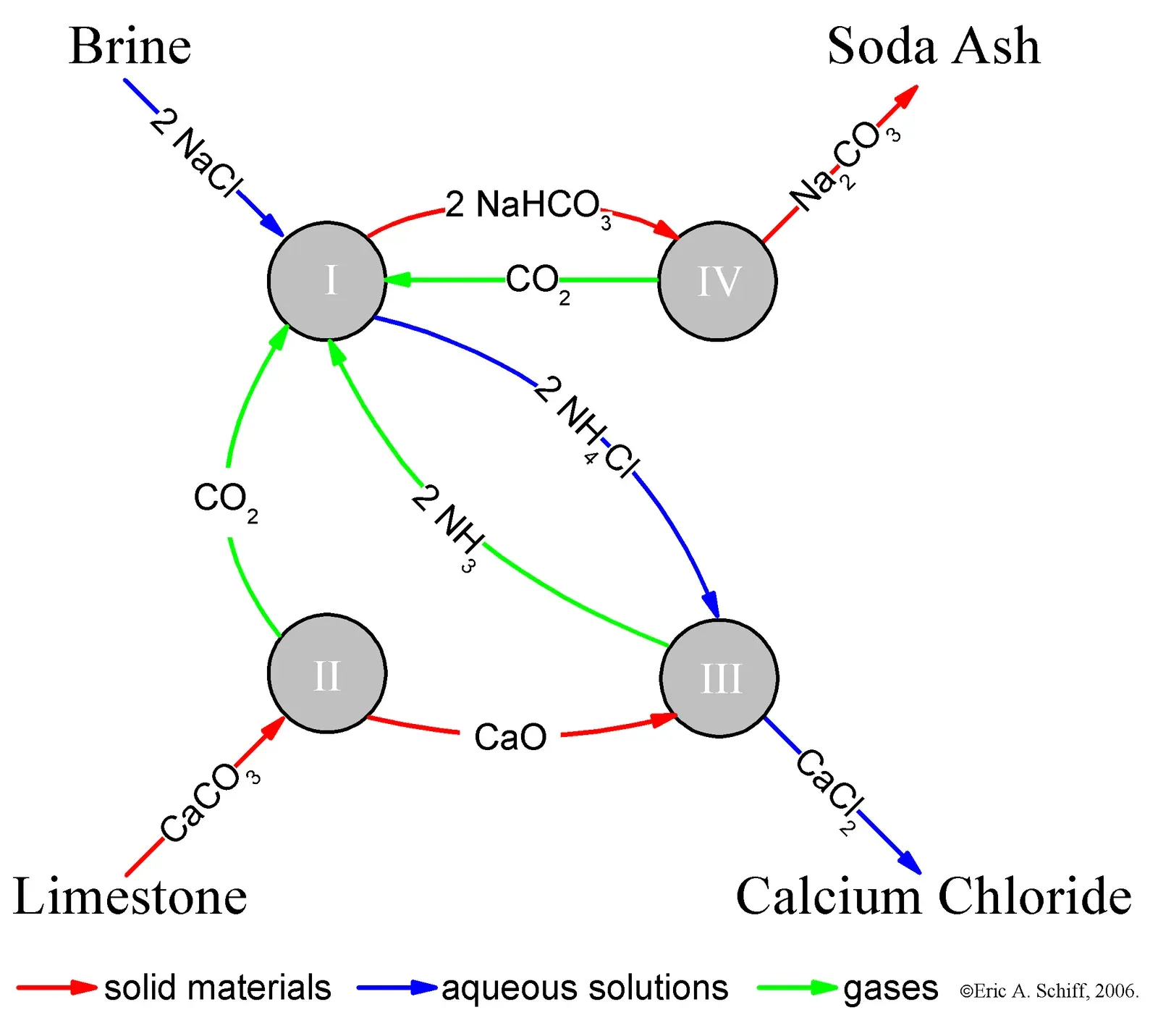
Instead of starting with genetic information, another school of thought nudges you to focus purely on chemistry. In metabolism‑first theories, life begins not with a molecule that copies itself, but with self‑sustaining reaction networks cycling away in some stable environment. You can picture a small pocket in a rock, a mineral surface, or a vent system where certain reactions feed into others, pulling in raw materials and spitting out products in loops. Over time, these chemical cycles might become more elaborate and more efficient, gradually crossing the fuzzy boundary into what you would recognize as metabolism.
For you, this way of thinking is both unsettling and refreshing, because it challenges the instinct to look for a single “first replicator.” Instead, you’re asked to see life emerging more like a city slowly coalescing out of trade routes, markets, and traffic patterns, long before anyone writes down a map. In this picture, genetic molecules like RNA or DNA might show up later as a powerful optimization trick, allowing those networks to store successful patterns and pass them on. The evidence is still patchy, and you cannot point to a fully worked‑out metabolism‑first pathway yet, but it resonates with the idea that life is, at heart, organized chemistry before it is anything else.
6. Clay and Mineral Templates: Life Written on Stone
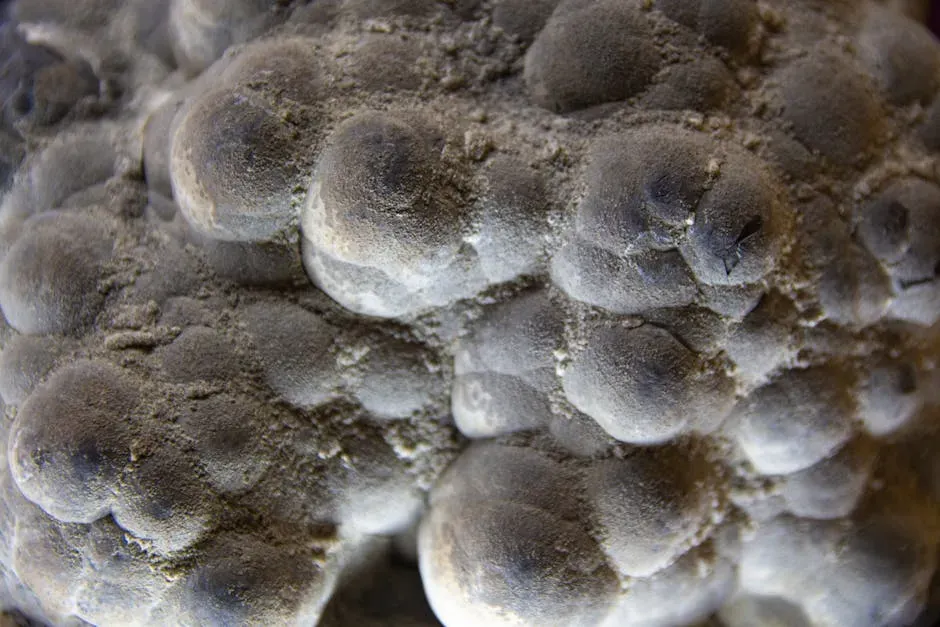
Now imagine early Earth as one giant laboratory bench covered in minerals. Certain clays and crystals have surfaces that can grab hold of molecules, line them up, and even sort them in subtle ways. Mineral template theories suggest that you might owe your existence, in part, to these humble rocks. When organic molecules stick to a clay surface, they can end up close together, oriented in specific directions, and more likely to react in consistent patterns than they would in open water.
You can think of these mineral surfaces as primitive printing plates, guiding the assembly of increasingly complex molecules long before cells or enzymes existed. Some minerals can even help select one molecular “handedness” over another, which matters because life today almost obsessively prefers one orientation for many key molecules. For you, this is eerie, because it means the rules of life might have been written, quite literally, on stone. You do have to remember that this is still an incomplete story: while experiments support parts of the idea, scientists are still trying to connect these steps into a continuous pathway that runs from simple molecules on rock to something you would dare to call alive.
7. Lipid World and Protocells: Bubbles Before Biology
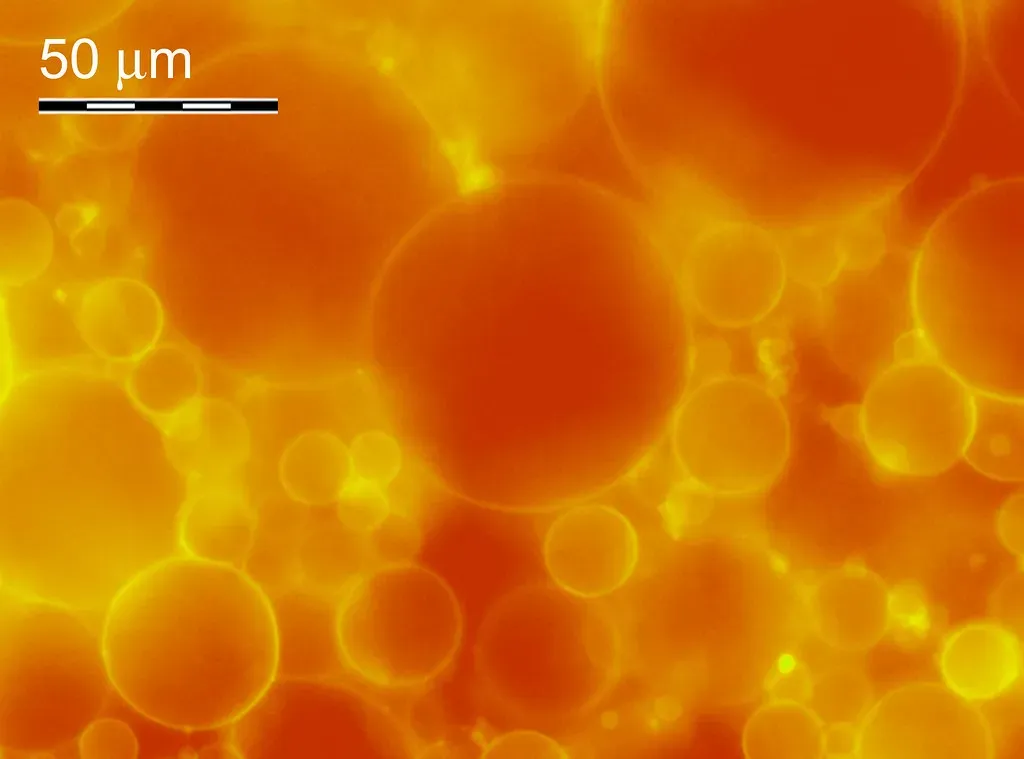
If you swirl a mixture of certain fatty molecules in water, they spontaneously form little bubbles, with a thin membrane separating inside from outside. This simple fact lies at the heart of the lipid world idea, which asks you to imagine countless microscopic bubbles forming in early Earth’s waters. These bubbles, or protocells, can trap other molecules inside, concentrate them, and even grow and divide under the right conditions. Suddenly you have a physical boundary that can keep useful combinations of molecules together while excluding random noise from the environment.
From your point of view, this is powerful because every living cell in your body still uses a lipid membrane to define itself. Protocell experiments have shown that membranes can arise spontaneously from relatively simple components and can adapt as conditions change. Once you have these primitive compartments, any useful chemistry happening inside them can be protected and refined by natural selection: protocells that happen to contain more efficient reaction networks or rudimentary genetic molecules would outcompete others. This theory leans into the idea that organization and separation came first, and that complex biochemistry moved in later to populate the empty “rooms” inside those microscopic bubbles.
8. Electric Sparks and Lightning: Powering the First Reactions
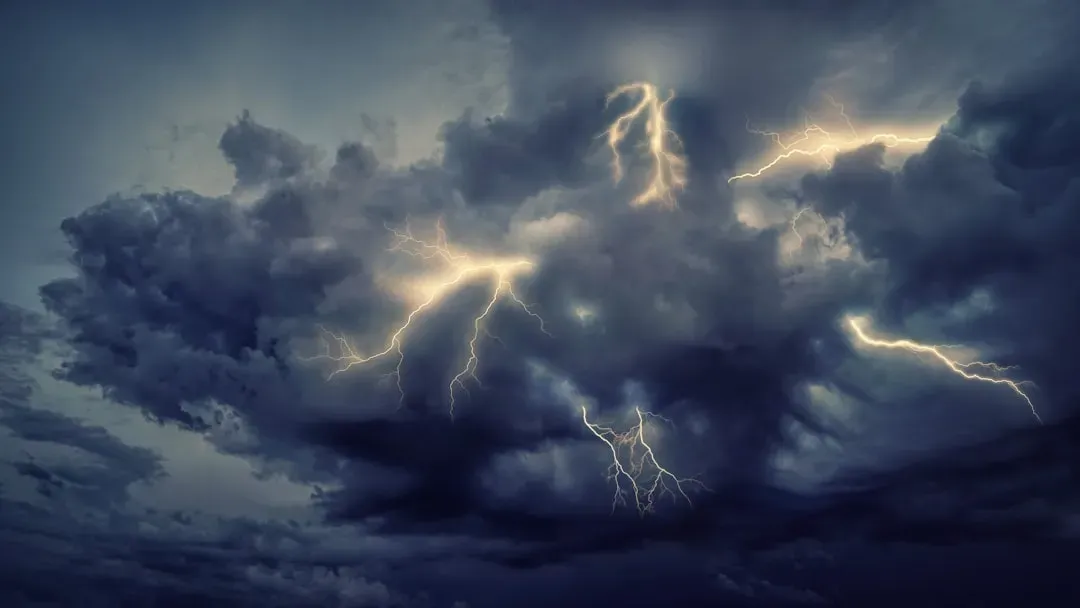
When you picture early Earth’s sky, it likely wasn’t calm and gentle. You had frequent storms, intense lightning, and constant energy slamming into the atmosphere and surface. The electric‑spark view emphasizes that this raw power might have been more than just dramatic scenery; it could have been a key driver in turning simple gases into complex organic compounds. Laboratory setups that mimic lightning strikes through gas mixtures have shown you that high‑energy discharges can synthesize amino acids and other crucial molecules from surprisingly basic starting materials.
For you, the appeal of this idea is that it ties life’s origins directly to the wild, chaotic behavior of your planet’s early climate. Every thunderstorm becomes, in hindsight, a potential micro‑factory for the ingredients of biology. Lightning is not the only possible energy source – ultraviolet light, volcanic heat, and radiation all join the list – but it is one of the most vivid. Even though you still need additional steps to go from those newly minted organic molecules to actual living systems, this theory reinforces a simple, powerful message: without sustained energy inputs to push reactions uphill, life as you know it would never have had a chance to get started.
9. Multiple Origins and Hybrid Scenarios: A Messier Beginning
You might instinctively hope for one clean, elegant solution to the origin‑of‑life puzzle, but reality often refuses to play along. A growing number of researchers now suspect that no single theory tells the whole story. Instead, you may be looking at a patchwork origin, where different processes in different environments all contributed pieces. Maybe some organic molecules were cooked up in the atmosphere by lightning, others built near hydrothermal vents, and still others delivered by comets and meteorites. Over time, these pieces could have come together, overlapping and interacting in ways that created more robust pre‑living systems.
When you embrace this hybrid view, the origin of life looks less like a single spark and more like a long, messy fusion of partial solutions. One environment might have been great at producing building blocks, another at assembling them into larger structures, and yet another at providing stable compartments and energy flows. Eventually, some combination crossed the threshold where evolution could kick in and start fine‑tuning everything. For you, this is both frustrating and liberating: there might never be a neat “smoking gun,” but the complexity itself matches what you see in the rest of biology. Life, from the very beginning, may have been a team effort across land, sea, rock, and sky.
10. Life as an Inevitable Cosmic Outcome: The Anthropic Angle
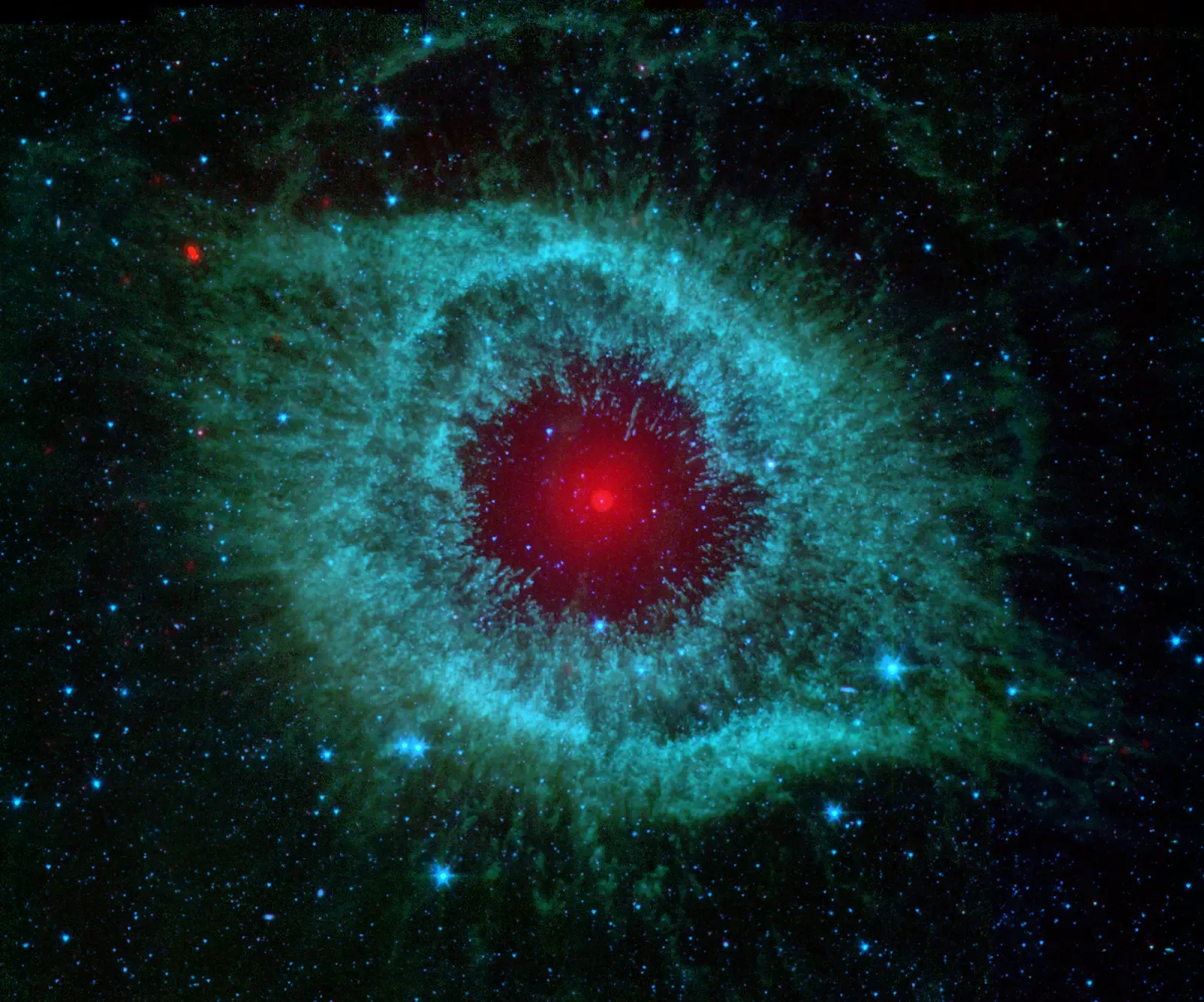
Finally, step back even farther and look at the laws of physics themselves. Some thinkers argue that once you have a universe with the right physical constants, chemistry like ours is not just possible but likely, and life might be an almost inevitable outcome given enough time and space. In this perspective, you are not asking why life appeared on Earth in particular, but why you find yourself in a universe where conditions allow observers like you to exist at all. This is sometimes framed in anthropic terms: you can only observe a universe compatible with your presence, so it’s no surprise you see one that supports life.
For you, this is less a step‑by‑step origin theory and more a philosophical frame that shapes how you interpret all the others. It encourages you to ask whether life is a rare fluke confined to one blue dot, or a natural side effect of cosmic rules playing out on countless worlds. While you lack direct evidence of life elsewhere so far, ongoing searches on Mars, icy moons, and exoplanets are quietly testing this bigger idea in the background. If you ever do detect even simple life beyond Earth, it will not only deepen your sense of wonder, it will also hint that the leap from chemistry to biology is woven more tightly into the fabric of the universe than you once dared to believe.
Conclusion: Living With the Mystery

When you stack these theories side by side, you can feel your everyday sense of normalcy start to wobble a bit. You realize that your existence might trace back to stormy skies, volcanic vents, mineral surfaces, space rocks, or some messy combination of all of them. None of the ideas is complete on its own, and honest scientists will tell you that major gaps remain. But instead of treating that uncertainty as a failure, you can see it as an open invitation: the story of how life began is still being written, and you’re alive at a time when new evidence can flip old assumptions almost overnight.
As you go about your day – making coffee, answering messages, getting stuck in traffic – it is oddly grounding to remember that every cell in your body is a living fossil of some ancient, unknown experiment that somehow worked. You do not yet know whether life began in a warm little pool, in the deep ocean, on a distant world, or in some hidden niche no one has imagined. But you do know this: whatever the path, it led from raw chemistry to consciousness capable of asking these questions in the first place. When you look at yourself through that lens, does your ordinary day still feel quite so ordinary?