If you have ever stared at the ceiling at night wondering whether there is another version of you making very different choices somewhere else, you are not alone. sit right at the edge of what science can test and what your imagination can barely handle, and that is exactly why they are so gripping. You are not just asking, “What is out there?” You are quietly asking, “What else could my life have been?”
In physics and cosmology, these ideas are not just sci‑fi throwaways; they appear in serious equations, respected theories, and heated debates. At the same time, a lot of what you hear online mixes careful science with wild speculation. Here, you will walk through ten major ideas in a grounded way, always separating what you can reasonably say from what is still just a fascinating maybe. By the end, you might not look at your own reality in quite the same way again.
1. The Many-Worlds Interpretation: Every Quantum Choice Spawns a New You
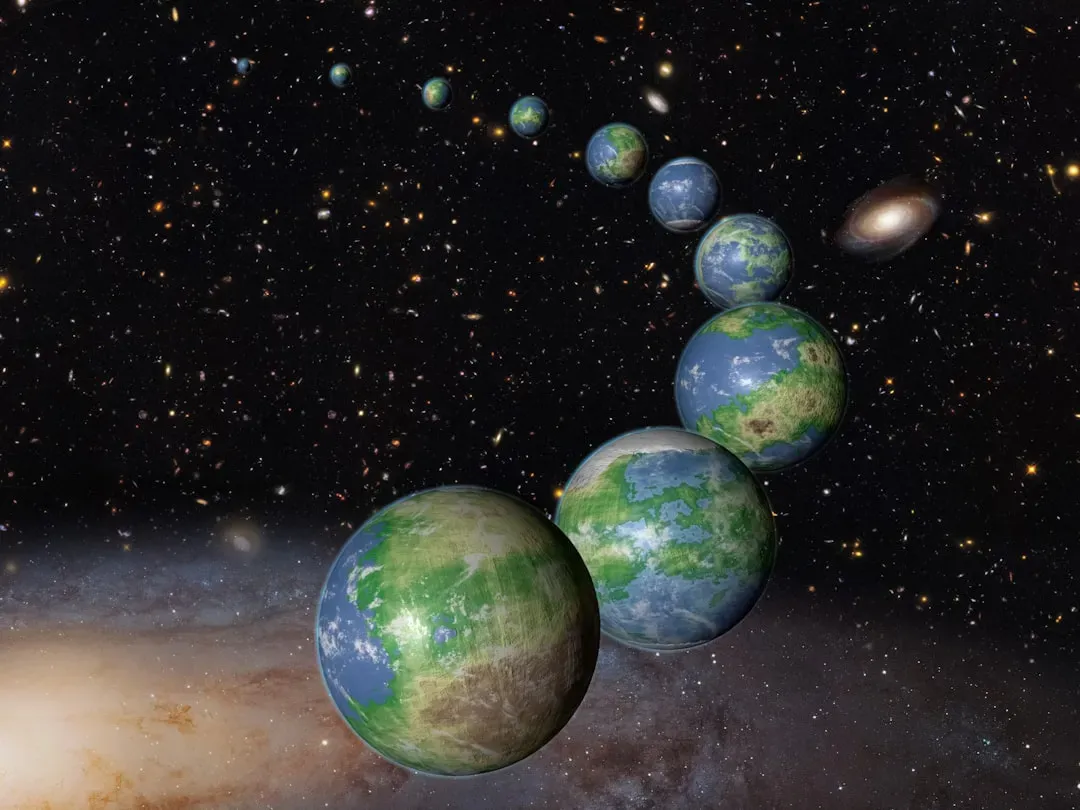
You can think of the Many-Worlds Interpretation like a cosmic “choose your own adventure” book where you do not just imagine the other endings – they actually play out in different branches of reality. According to this idea, whenever a quantum event has multiple possible outcomes, the universe does not pick just one. Instead, it splits into separate, non-communicating branches in which every possible outcome really happens, and in each branch there is a version of you experiencing one of them. You never feel the split, but in the math used in quantum physics, nothing forces the wave of possibilities to “collapse” to a single result, so this branching picture is a way of taking that math at face value.
In everyday terms, that would mean there is a universe where you took that job, another where you turned it down, one where you missed your flight, and another where you made it just in time. You are not supposed to treat this as proven fact; it is a serious interpretation of the same equations that other interpretations also try to explain. Still, when you follow it to its logical conclusion, you are led to an unimaginably large collection of parallel worlds, all containing different versions of events and different versions of you, with no obvious way to jump between them.
2. The Infinite Bubble Multiverse: Other Universes as Cosmic Soap Bubbles
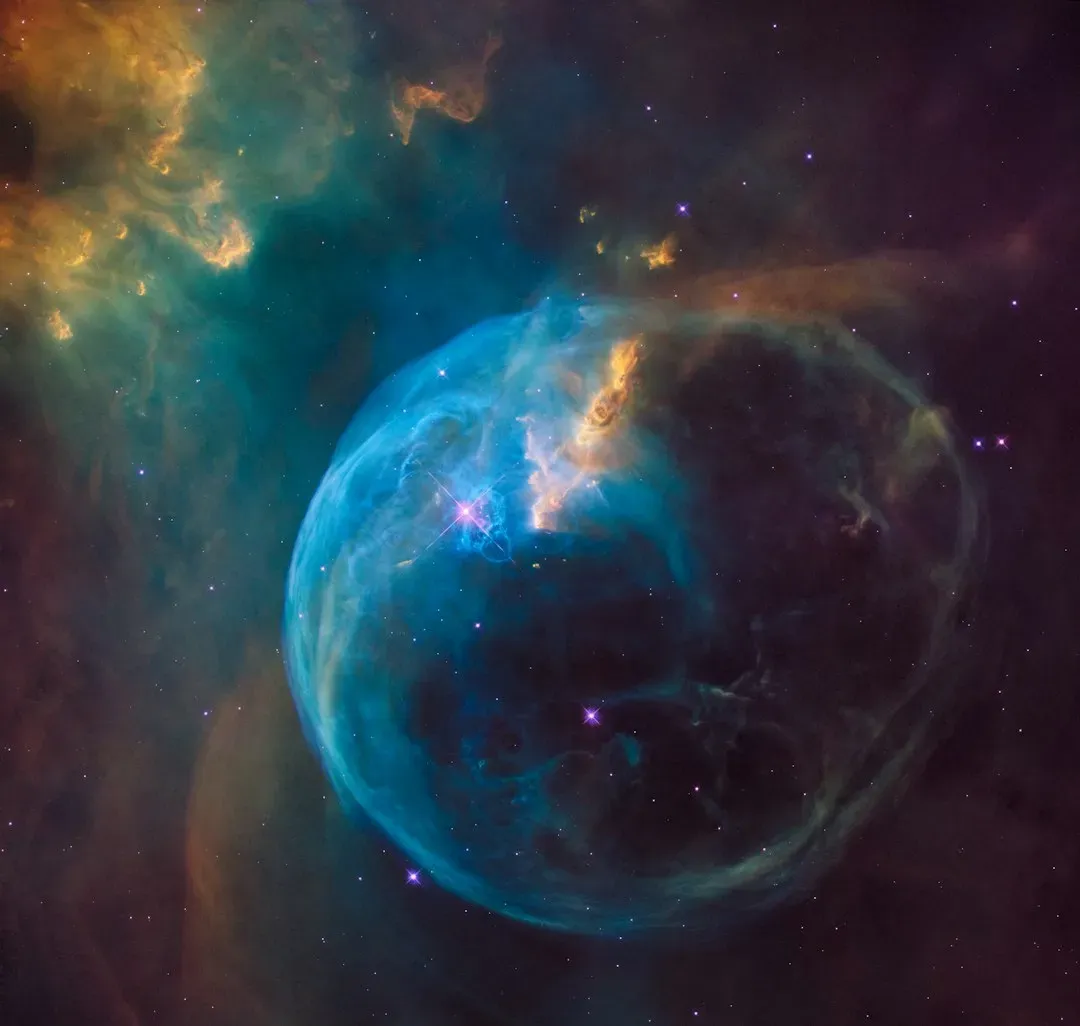
If you imagine the early universe undergoing an extremely rapid expansion called inflation, you can picture space stretching like a rising loaf of bread. In some versions of inflation theory, this process never completely stops; instead, pockets of space stop inflating and become individual “bubble universes,” while inflation continues elsewhere, creating more and more bubbles. You live inside one of those bubbles, and because light has not had infinite time to travel, you can only ever see a small part of it – the observable universe.
Each bubble universe could have its own physical conditions, and in some scenarios even slightly different laws of physics. You would never see the others, because the space between bubbles expands too fast for signals to cross. From your point of view, it just looks like you have one universe with a particular set of constants that allow stars, planets, and life. The bubble multiverse idea tries to explain why the universe you see happens to be so finely tuned for complexity, without claiming that your bubble is the only game in town.
3. The Brane World: Your Universe as a Floating 3D Sheet
In some advanced physical models, especially those inspired by string theory, you do not live in all the dimensions that exist – you are confined to a kind of three‑dimensional “sheet” called a brane (short for membrane) embedded in a higher‑dimensional space. You can picture your universe like a page in a book, while the book itself has many pages stacked together in a dimension you cannot directly move through. Other branes could exist parallel to yours, each with its own matter, forces, and possibly its own forms of life.
From your perspective, these parallel brane universes would be invisible most of the time, because light and most forces would be trapped within each brane. Only gravity might leak between them, which is one reason physicists sometimes look for tiny deviations in how gravity behaves at small scales. In some versions of this idea, dramatic events like collisions between branes have even been proposed as possible triggers for something as big as a new Big Bang, although that is very much a speculative frontier rather than solidly established fact.
4. The Level I Multiverse: Copies of You in a Vast but Uniform Cosmos
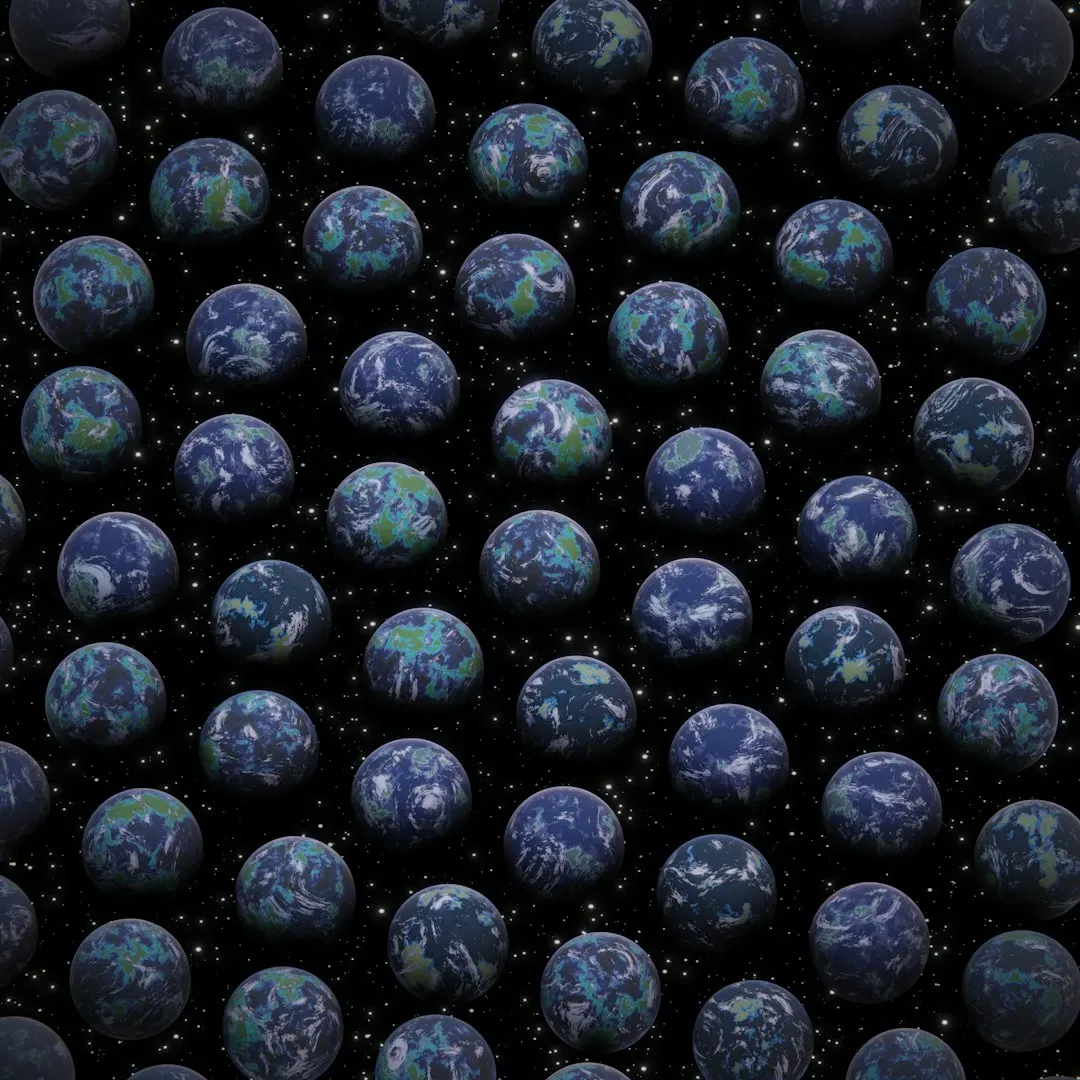
You do not even need exotic physics to get one form of “parallel universe.” If space is truly infinite and the laws of physics are the same everywhere, then matter can only arrange itself into different configurations in a finite number of ways, even though that number is mind‑bogglingly large. That means that, given enough distance, you would expect every possible configuration to repeat, including regions that are effectively exact copies of your observable universe. Somewhere unimaginably far away, there could be a patch of space where everything is almost identical to your current life, down to the device you are using to read this.
You will never meet those other yous, because the speed of light and the age of the universe limit how far information can travel. Your observable universe is like a spherical bubble of visibility, and beyond that horizon, other regions are forever out of reach. Still, if the premises hold – same laws, infinite space, random distribution of matter – then this kind of repetition is a logical consequence. It is not mystical; it is just what happens when you mix finiteness and infinity in the same cosmic recipe.
5. The Simulation Hypothesis: Your Reality as an Ultra-Advanced Program
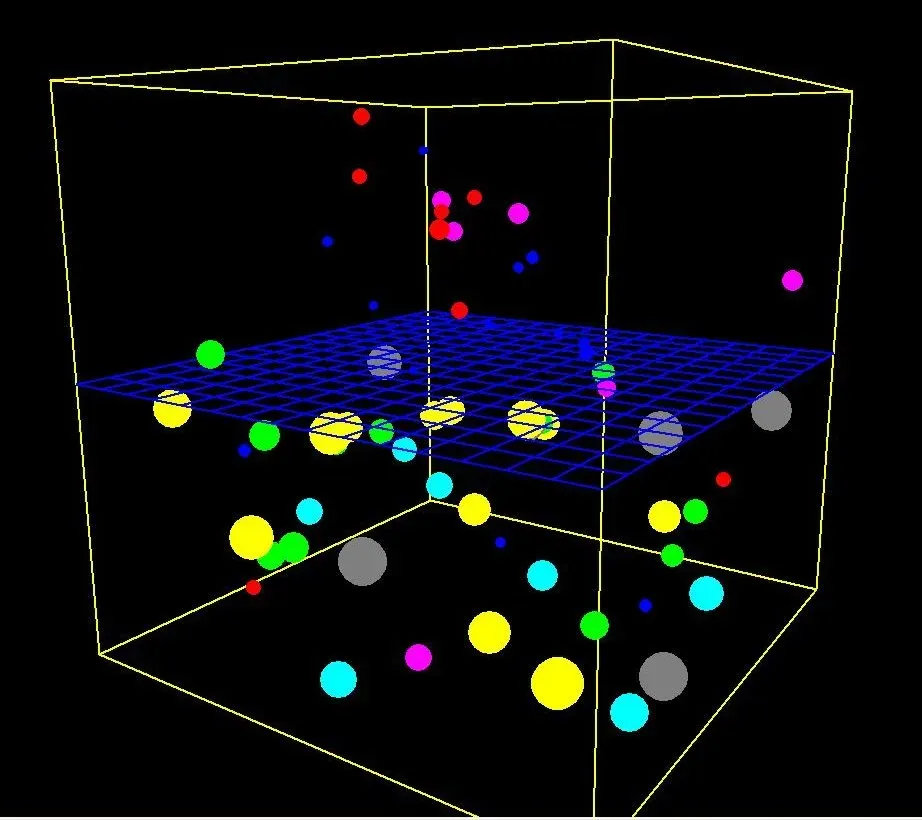
The simulation hypothesis asks you to entertain a wild but strangely simple question: if it ever becomes possible for advanced civilizations to run highly detailed simulations of universes or conscious beings, how do you know you are not already inside one of those simulations? As computing power grows and virtual environments become more realistic, it gets easier to imagine a far future where entire simulated histories run inside vast machines. If that happens, you could end up with many more simulated realities than “base” physical ones, which leads some thinkers to argue that, statistically, you might be in a simulated tier rather than the original.
From your point of view, a simulated universe feels real because it follows consistent rules, lets you form memories, and gives you experiences that matter deeply to you. There is no clear experiment you can run right now to prove or disprove the hypothesis, although people occasionally suggest looking for digital “artifacts” or limits in the structure of physical law that might hint at an underlying grid. Until something like that is found, the simulation idea sits in a strange spot: logically intriguing, very hard to test, and more of a philosophical lens on your reality than a standard scientific theory.
6. Quantum Decoherence and Branching: Why You Never Notice the Splits

When you hear that quantum processes might create multiple realities, you might wonder why you never see a blurry mix of outcomes or feel yourself splitting in two. This is where the concept of decoherence comes in. At tiny scales, quantum systems can exist in superpositions – combinations of multiple states – but as they interact with their environment, those delicate patterns of possibility spread out and effectively “lock in” particular outcomes for observers like you. In Many-Worlds style thinking, this process looks like a branching of the universe into separate, non-interacting histories, even though each branch still follows the familiar laws of physics.
From your vantage point, you only ever experience one continuous stream of events, because your memories and your brain are also part of the branch you are in. You never feel the splitting, in the same way you never feel individual neurons changing state in your head; you just notice the end result as a definite experience. Decoherence is a well‑supported physical process that explains why quantum strangeness fades away when you scale up to everyday objects. Whether you treat those lost alternatives as “other universes” or just as mathematical bookkeeping depends on which interpretation you favor, but the underlying mechanism is real and measurable.
7. The Anthropic Principle: You Live in a Universe Compatible with You
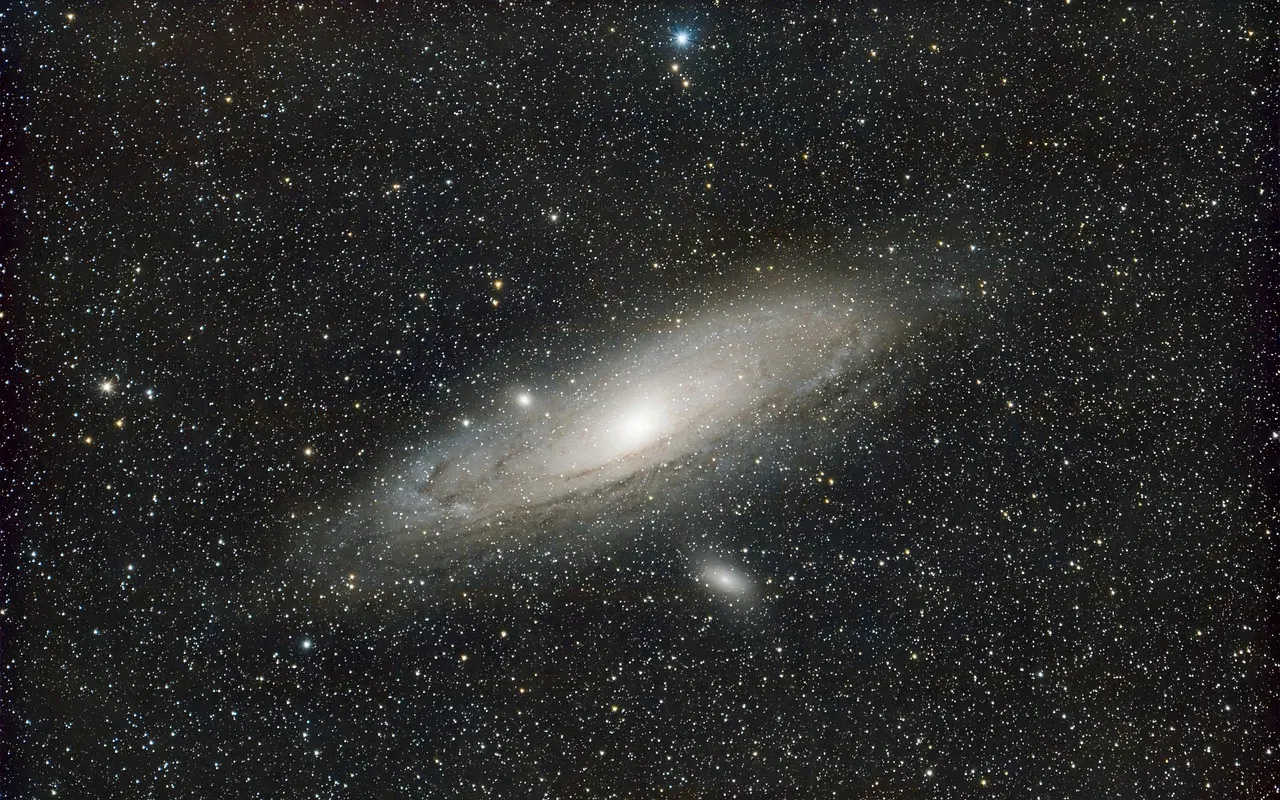
When you look around at the universe you inhabit, you see physical constants and laws that seem incredibly well tuned for stars to burn, planets to form, and chemistry to build complex molecules. If those numbers were even slightly different, you might not get stable atoms, long‑lived stars, or the heavy elements your body depends on. The anthropic principle steps in and reminds you that you can only ever observe a universe that happens to be compatible with your existence, so you should not be surprised to find yourself in one that allows life. In a multiverse with many different sets of constants, only a subset would ever contain observers like you.
This does not mean that the universe is designed for you, or that there are no deeper explanations for those values. It simply notes that your perspective is biased; you are sampling reality from a position that requires certain conditions to be met. In that sense, alternate realities with different constants might exist but remain forever empty or simple, with no one there to wonder about them. When you combine the anthropic principle with ideas like the bubble multiverse, you get a way to talk about why you see such a life‑friendly cosmos without claiming that your specific universe is uniquely special among all that could exist.
8. The Many-Minds Idea: Alternate Realities in Your Conscious Experience

Some thinkers have suggested twisting the many‑worlds idea in a more psychological direction, arguing that when quantum events have multiple outcomes, it might be your mind rather than the external world that branches. In this “many minds” style of thinking, your brain physically ends up in a mixture of possible states, but each version of your conscious experience follows one consistent storyline. You can think of it like a tree of possible experiences rooted in a shared physical process, where each “you” remembers a single chain of events and regards it as the only reality.
For you as a person, this does not change how life feels; you still wake up, make decisions, and remember a single history. The twist is that the theory tries to keep the external world more unified while letting mental states diverge in response to underlying quantum possibilities. This is not a mainstream or widely accepted solution, and it dives into very murky territory where physics and philosophy of mind overlap. Still, if you have ever wondered how consciousness fits into the story of parallel possibilities, this idea gives you one way, however speculative, to link alternate realities with different branches of experience.
9. Parallel Histories from Chaotic Systems: Tiny Changes, Huge Divergences
Even without quantum mechanics, you live in a universe where many systems are chaotic, meaning that tiny differences in starting conditions can lead to huge differences in outcomes. Weather, ecosystems, and even social dynamics work this way: a tiny nudge here or there, and years later you could be looking at a completely different situation. When you imagine parallel worlds that are identical up to a certain moment and then diverge because of a small change, you are really imagining separate histories in a chaotic system. Your life story has plenty of these sensitive points, whether you notice them or not.
In physical terms, chaos does not literally create new universes, but it shows you how remarkably fragile and path‑dependent reality can be. It makes it easier to picture alternate timelines where the same people and places exist but events unfold very differently after some key moment. When you combine this with any genuine multiverse theory – quantum branching, bubble universes, or infinite space – you get a richer picture of alternate realities: not only different basic conditions but also different histories emerging from minute variations. Every “what if” you ask yourself has a plausible place in that landscape, even if you will never step into those parallel paths.
10. Observable Clues and Hard Limits: How Far You Can Really Go
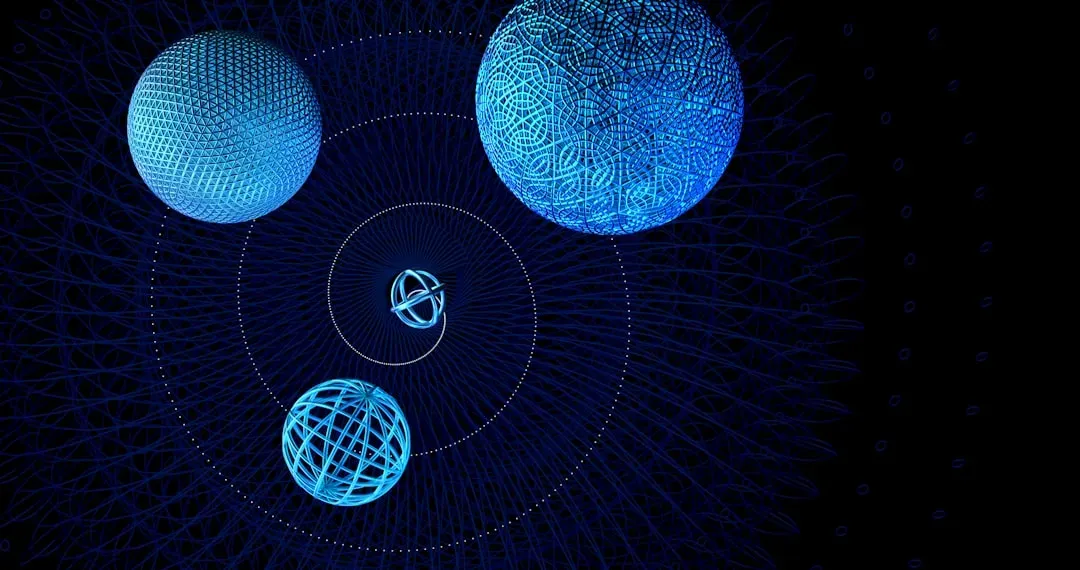
You might wonder whether you will ever get solid, undeniable evidence for any of these parallel universes or alternate realities. In some cases, there are genuine proposals: for example, people have looked for subtle patterns in the cosmic microwave background that might hint at collisions with other bubble universes, or for tiny deviations in gravity’s behavior that could point to extra dimensions. So far, you do not have clear, decisive signals that scream “other universes,” but you do have ongoing experiments and observations that could, in principle, rule out or constrain parts of these ideas.
At the same time, you face hard limits from the speed of light, the age of the universe, and the structure of physical law, which may permanently hide many alternate realities from direct reach. That means you have to separate what can be tested from what will likely remain philosophical or indirect. For you as a curious person, the healthy stance is to treat these theories as a spectrum: some rest on well‑tested physics but stretch it into new territory, while others are provocative thought experiments that remind you how little you might ultimately know. The key is to enjoy the wonder without losing track of the difference between measured facts and imaginative extensions.
Conclusion: Living One Life in a Sea of Possibilities

When you take a step back from all these theories, you are left with a strangely humbling picture: your everyday life unfolds inside one thin slice of an enormous space of possibilities. Whether alternate realities truly exist as separate universes, as different branches of quantum outcomes, or only as imagined what‑ifs in your mind, they highlight how contingent and delicate your particular story is. You are walking one narrow path through a forest of potential timelines that you will never fully map.
At the same time, that realization can make your choices feel heavier and more meaningful, not less. Even if there are universes where some other you did things differently, you only ever inhabit this version, with these relationships and this finite stretch of time. You get one lived thread through the tapestry, and that thread matters because you are the one experiencing it. As you go back to your normal day, it might be worth asking yourself: knowing how many other realities might exist in theory, what do you want to do with the only one you can actually touch?