
If you think you only have five senses and you more or less know how they work, you’re in for a surprise. Your body is quietly running an advanced sensory operating system that is far stranger, more powerful, and more easily fooled than you’ve probably ever been told.
As you read this, your brain is stitching together color, depth, balance, temperature, motion, and even your sense of self from a constant flood of signals. You feel like you’re just “seeing” or “hearing,” but behind the scenes, it’s more like a thousand dials being adjusted every second. Let’s pull back the curtain on that system and walk through ten weird, science-backed truths about your senses that will make you look at your own body very differently.
1. You Have Far More Than Just Five Senses
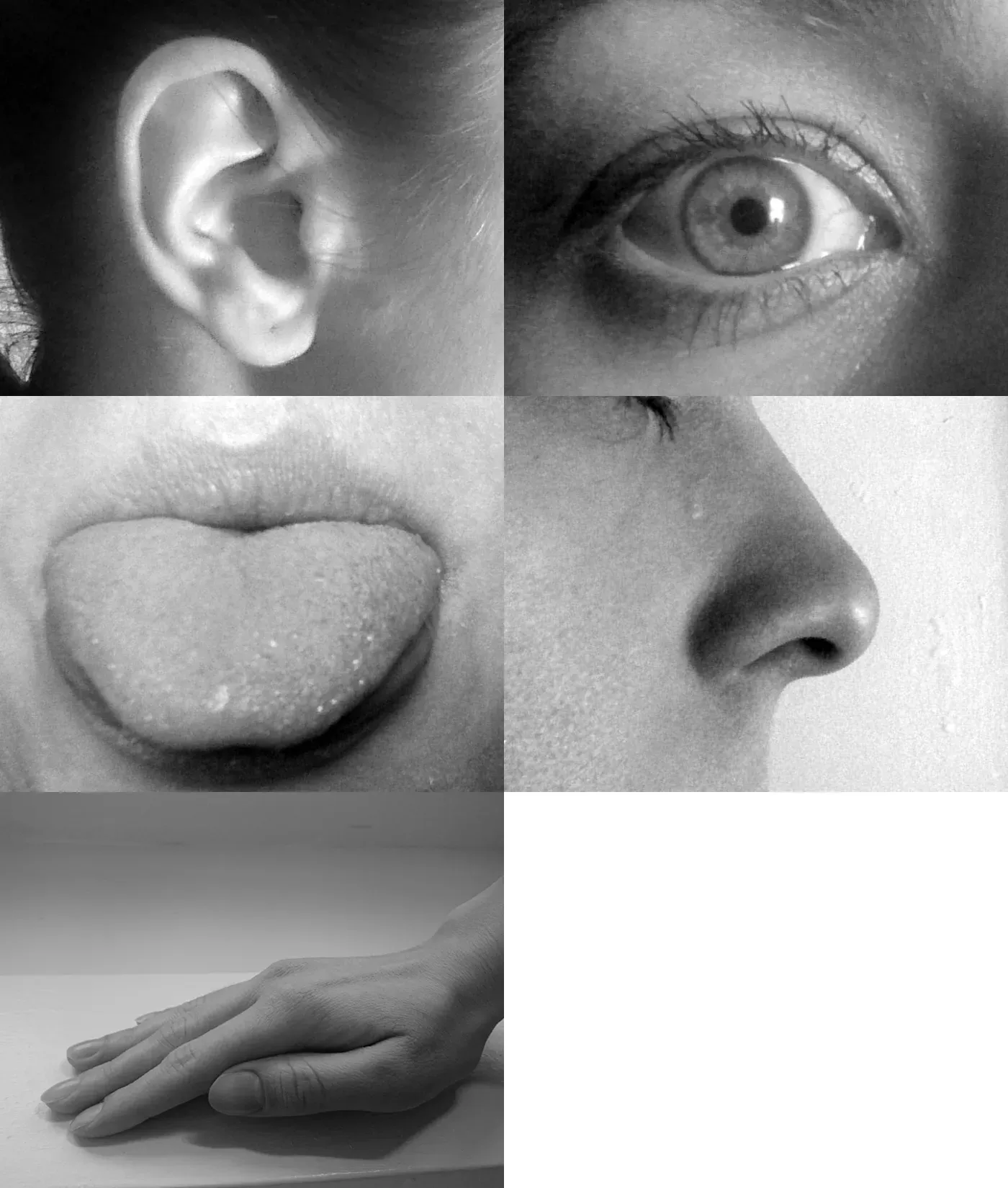
You grew up hearing about sight, hearing, taste, touch, and smell, but that classic list leaves a lot out. Your body also has an internal GPS for where your limbs are (proprioception), sensors that track balance and motion in your inner ear (the vestibular system), and receptors that monitor temperature, pain, itch, and internal states like hunger, thirst, and the need to breathe. When you think about it, you constantly rely on these “hidden” senses without ever naming them.
Try this: close your eyes and touch your nose with one finger. You can do it because your proprioceptive system tells you where your arm and face are in space, even without sight. The same goes for walking in the dark without collapsing in a heap. Once you start noticing these extra senses, you realize your body is not a basic five-channel machine; it’s more like a multi-sensor control room, with overlapping systems backing each other up whenever one is missing or unreliable.
2. Your Eyes See Very Little, Your Brain Fills In The Rest
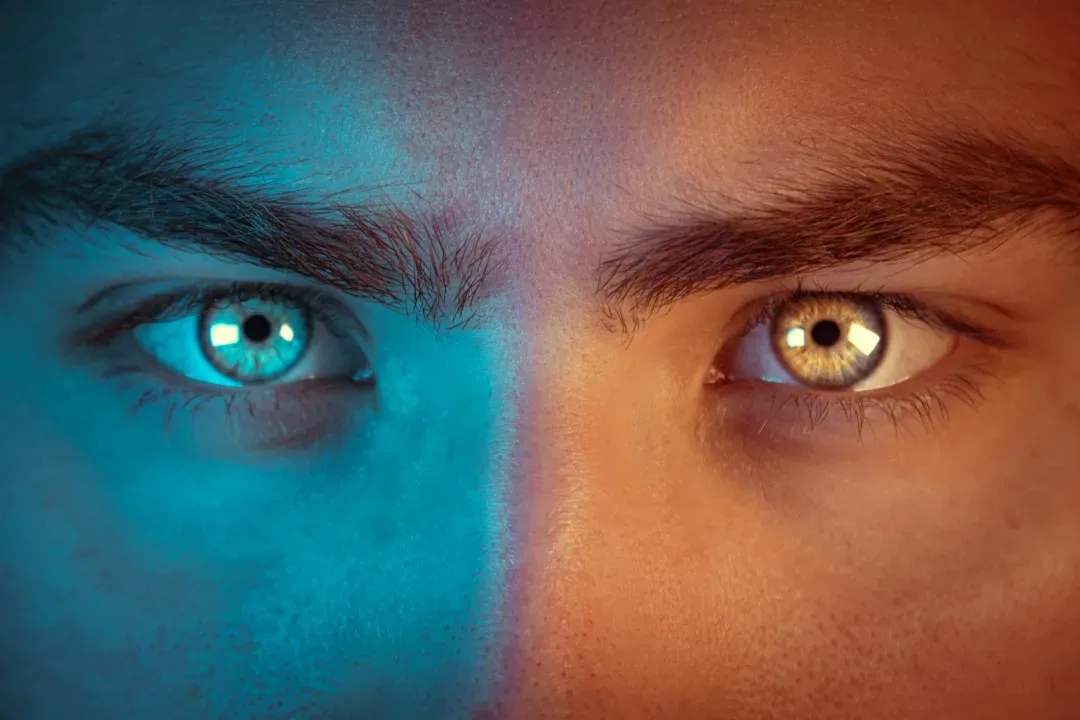
You might feel like your eyes are high-definition cameras, but they actually capture a surprisingly patchy and limited picture. Only a tiny central area of your vision is in sharp focus; the rest is blurrier than you realize, and there is even a physical blind spot in each eye where the optic nerve exits the retina. You never notice that gap because your brain quietly fills it in using surrounding detail and past experience.
If you’ve ever missed a glaring typo in a sentence you “knew” was correct, you’ve already experienced how your brain edits reality on the fly. You are not passively recording the world; you are actively guessing what’s there and then checking those guesses against a thin stream of sensory input. Once you accept that, magic tricks, optical illusions, and even some everyday misunderstandings suddenly make a lot more sense: your brain is doing its best, but it is always, always guessing.
3. Your Ears Never Truly Turn Off

You may feel like you “stop listening” when you fall asleep, but your hearing system keeps working around the clock. Your brain continues to monitor sound for things that might matter, like your name, a crying baby, or an unusual thump in the night. That is why certain noises can yank you out of deep sleep while others fade into the background as if they were never there.
Over time, your auditory system also adapts to the sounds you hear a lot, treating them as “normal” and tuning them down. That is how you can sit in a busy café, initially notice the chatter and clinking cups, and then, a few minutes later, barely register them. Your hearing is not just a microphone; it is a clever filter that tries to deliver only what might be important, even when you are not consciously paying attention.
4. Your Sense Of Smell Directly Talks To Emotion And Memory
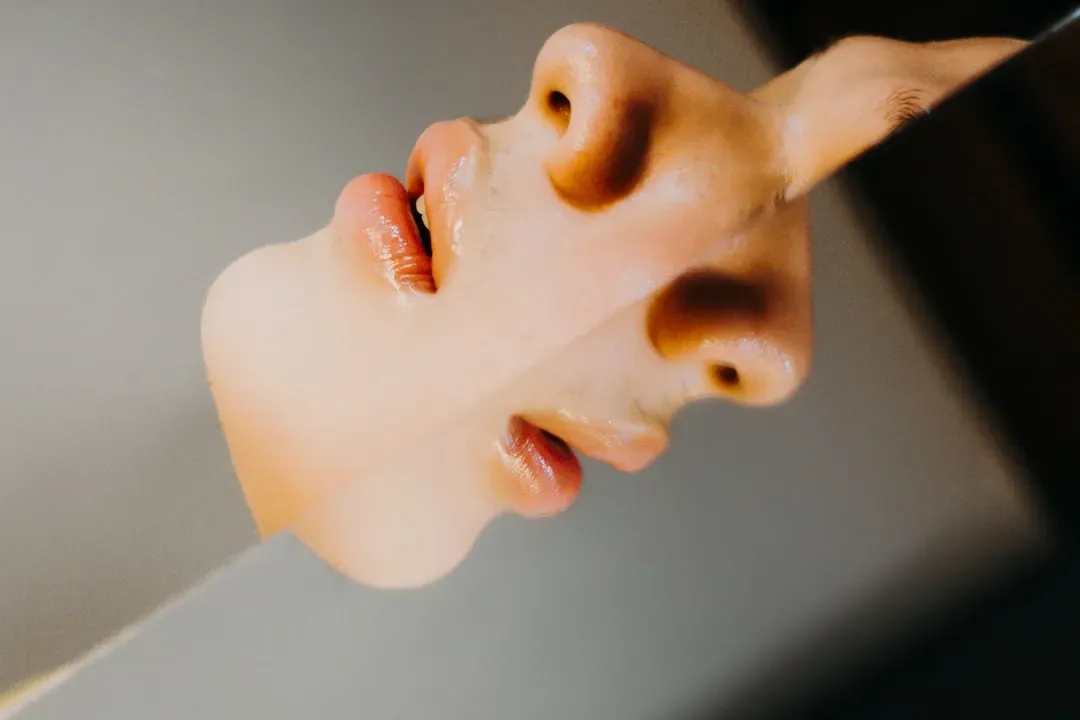
When a smell instantly throws you back to a childhood kitchen, a grandparent’s house, or an old relationship, that is not nostalgia being dramatic; it is your brain’s wiring. The pathways from your nose run unusually close to brain regions involved in emotion and memory. Because of that, a single whiff can rip open a time capsule of feelings and scenes in a way a picture or sound rarely can.
You might notice this most clearly with the smell of certain foods, perfumes, or seasons, like the first cold day of autumn or the sharp scent after rain. Smells can make you feel comforted, unsettled, or suddenly sad without you immediately knowing why. You are not imagining that power; your sense of smell really does have a direct fast-lane connection into the deeper, more emotional layers of your mind.
5. Taste Is Mostly Smell (And Your Nose Knows It)

You talk about taste as if it lives entirely on your tongue, but your tongue is doing far less than you think. It mainly detects a handful of basic categories like sweet, salty, sour, bitter, and savory. Almost everything you call “flavor” comes from smell molecules drifting up the back of your throat into your nose while you eat. When you have a bad cold and your nose is blocked, you get a boring, flat version of food because that critical smelling step is missing.
If you plug your nose and eat a flavored candy, you may only sense sweetness and texture at first. Then, when you unplug your nose, the specific flavor (like strawberry or orange) suddenly “arrives” in your awareness. Once you realize how much your nose contributes, you start to understand why chefs obsess over aroma and why a simple change in smell can make your favorite snack feel completely wrong or oddly disappointing.
6. Your Skin Can Detect Far More Than Just Pressure And Pain

You think of touch as something you feel with your hands, but your entire skin is a full-body sensor network. It picks up vibration, texture, stretching, light brushing, prickling, temperature shifts, and more, all through different types of receptors. Some of these nerve endings are tuned to quick changes, like a sudden tap, while others track steady pressure or slow, gentle strokes.
Certain nerve fibers in your skin respond especially to soft, slow touch, the kind you’d associate with a comforting hand on your shoulder or a soothing back rub. These signals feed into areas of your brain involved in emotion and social bonding, which is why you can feel genuinely calmer or safer from something as simple as being held. Your sense of touch is not just about not getting burned or cut; it is a major way your body regulates comfort, connection, and even trust.
7. You Have A Built-In Sense Of Balance You Rarely Notice

You do not usually think about your sense of balance until you step off a spinning carnival ride and the world tilts. Inside your inner ear are tiny fluid-filled canals and structures that detect rotation, tilt, and movement. When you turn your head, the fluid lags a bit, bending delicate hair cells that send signals to your brain about which way you are moving.
This vestibular system constantly works with your eyes and proprioception to keep you upright and coordinated. When something disrupts it, you might feel dizzy, nauseated, or weirdly disoriented, even if you are standing still. If you have ever tried to walk in a straight line with your eyes closed and found yourself veering off, you have felt how heavily you rely on this hidden balance sense, even when you think you are just “standing there.”
8. Your Brain Can Redraw Your Body Map In Strange Ways
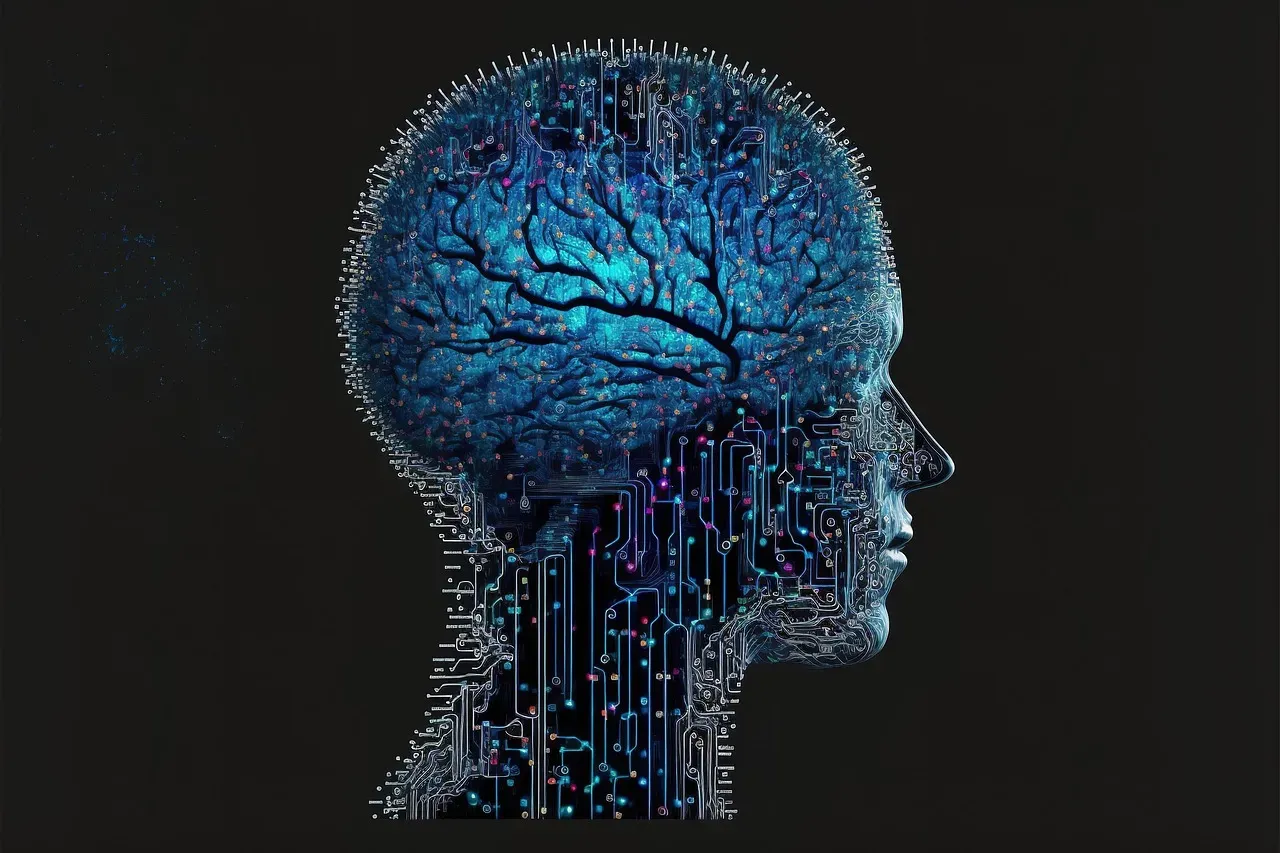
Your sense of your own body is not fixed; your brain constantly updates its internal “map” based on the signals coming in. In lab experiments, if you watch a fake rubber hand being stroked while your real hand (out of sight) is stroked in the exact same way, you can start to feel like the rubber hand is actually part of you. Your brain gets tricked into adopting it because the visual and touch signals line up perfectly.
On the flip side, when sensory signals are missing or scrambled, some people can feel like their own limb is not really theirs, or they might feel a “phantom” hand or foot even after it has been amputated. These experiences are dramatic examples of something that is happening quietly all the time: your brain is using sight, touch, and movement to maintain a sense of “this is my body.” You feel solid and continuous, but that feeling is an active construction, not a simple readout from your nerves.
9. Your Senses Constantly Influence Each Other

You like to think each sense reports its own separate version of reality, but they are deeply intertwined. Your brain regularly combines sight, sound, and touch to make a single best guess about what is happening. That is why a small change in what you see can alter what you think you hear, or a mismatch between vision and balance can make you motion sick in a car or virtual reality headset.
You can notice this crossover when you watch someone clap from far away and the sound and sight feel slightly out of sync, or when the color of a drink changes how you expect it to taste. Your senses are less like five isolated reporters and more like a noisy group chat where they argue, compromise, and settle on a story. Most of the time, that system works brilliantly; sometimes, it gets confused, and that confusion is exactly where the most striking illusions and odd sensations show up.
10. Your Brain Filters Reality Much More Than You Realize

There is far more information hitting your senses every second than your conscious mind could ever handle. To cope, your brain acts like a ruthless editor, throwing away most of the raw data and highlighting only what seems relevant. That is why you can be completely unaware of the feeling of your clothes on your skin or the hum of a refrigerator until someone points it out, and suddenly it becomes impossible to ignore.
This selective attention has a powerful downside: you can miss obvious things right in front of you if your brain does not label them as important. You might walk past a friend in a crowd and never see them, or fail to notice a new sign on a route you drive every day. Once you understand that your sensory world is heavily filtered, you become a bit more humble about what you “know” you saw or heard, and a bit more curious about what your brain quietly decided to throw away.
Conclusion: Your Senses Are Stranger Than They Feel

When you step back and look at the whole picture, you realize your senses are not simple windows onto the world; they are active, sometimes biased, always working systems that your brain uses to build a version of reality that is good enough to survive in. You are walking around inside a story your brain is constantly adjusting, based on a messy mix of sight, sound, touch, smell, taste, balance, and internal signals. That story feels stable and obvious, but underneath, it is full of approximations, shortcuts, and occasional glitches.
The upside is that you are far more capable and adaptable than the old five-sense model suggests. You can learn to notice more, question your first impressions, and even enjoy the mind-bending ways your senses can be tricked, knowing they are usually doing their best to keep you safe. Next time you catch the smell of rain, feel your phone buzz, or lose your balance for a split second, you might see it less as a random moment and more as a glimpse into the incredible sensory machine you are carrying around. Did you expect your own senses to be this weirdly fascinating?