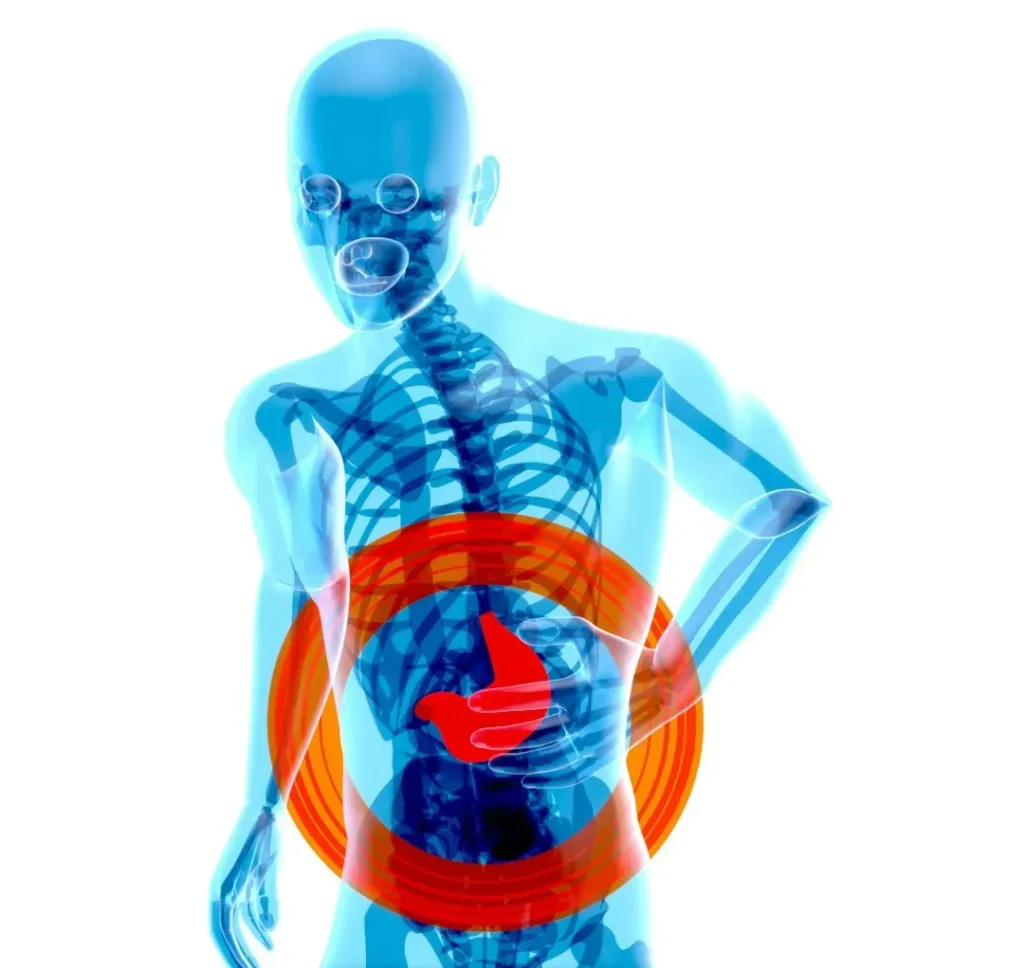
Have you ever had that weird feeling that something is coming on long before you actually get sick? Maybe your skin feels oddly sensitive, your energy dips for no clear reason, or every little thing suddenly irritates you. Then, two days later, bam – sore throat, fever, or a full-blown cold. It feels almost supernatural, like your body knew before you did. The truth is, that “knowing” is not magic at all. It’s chemistry.
Well before you’re officially sick, your immune system starts whispering in a language made of tiny chemical messengers called cytokines. One of the most important of these is a molecule called interleukin‑6, often shortened to IL‑6. Around 24 to 48 hours before symptoms hit, IL‑6 and a few of its friends quietly start rising in your body, triggering subtle changes in mood, energy, and sensations. You might not know the name, but you’ve almost certainly felt its effects.
The Chemical Messenger: What Interleukin‑6 Actually Is
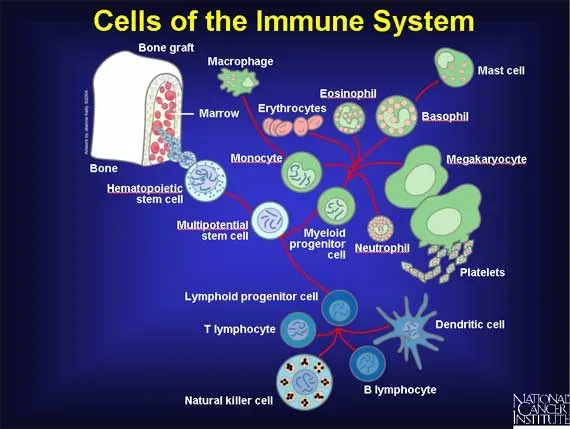
Interleukin‑6 is part of a family of signaling proteins called cytokines, which are basically your immune system’s text messages. When your body senses that something might be wrong – a virus sneaking in, a bacterial infection brewing, tissue getting damaged – cells involved in defense start releasing IL‑6. You can think of it as an early alarm that alerts your entire system that trouble may be coming. It doesn’t work alone, but it’s one of the big players when your body shifts from “normal day” to “we might need to fight something.”
What makes IL‑6 tricky is that it’s not purely bad or purely good. In moderate amounts and at the right time, it helps your body respond to infections, turn on defenses, and even support healing. But when it spikes too high or stays elevated for too long, it’s linked to chronic inflammation, fatigue, mood changes, and a long list of health problems. That double‑edged nature is why you sometimes feel “off” before you can label yourself as sick: IL‑6 is rising, trying to protect you, but the side effect is that you feel like you’ve run into an invisible wall.
Forty‑Eight Hours Before: The Invisible Immune Switch Flips
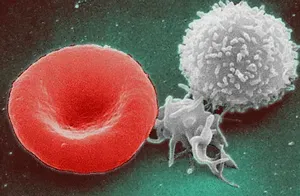
Long before you see a fever on a thermometer or notice a blocked nose in the mirror, your immune system is already at work. When a virus first gets into your body, it doesn’t instantly cause symptoms. There’s an incubation period where the virus quietly replicates while your immune cells recognize it and decide how to respond. During this time – roughly one to two days before you feel obviously unwell – IL‑6 levels often begin to nudge upward. You’re not “sick” yet in the everyday sense, but biologically, the battle has already started.
This early rise in IL‑6 acts like a signal to other immune cells to get ready, multiply, and move toward the affected areas. It is also part of what eventually leads to fever, body aches, and fatigue. That means a lot of the misery you blame on the infection itself is actually due to your own immune response, mediated in part by IL‑6. When people say they can “feel something coming on,” they’re often feeling the consequences of that early immune activation rather than the microbe itself.
How IL‑6 Makes You Feel: The Subtle Symptoms You Often Ignore

So what does IL‑6 actually feel like in real life? You might notice a vague heaviness in your body, as if gravity just got turned up slightly. Your muscles can start to feel tired or achy even if you haven’t done a hard workout. You may suddenly want to lie down, nap, or cancel plans for no obvious reason. Many people also notice they become more sensitive to cold, light, or noise, or that their usual coffee buzz feels weaker or strangely unsatisfying. These are soft signals, easy to brush off as “just a long day.”
On the mental side, rising IL‑6 has been associated with changes in mood, focus, and motivation. You might feel more irritable, unusually emotional, or generally down. Work that felt manageable yesterday suddenly feels overwhelming. The brain and immune system are tightly connected, and IL‑6 can influence brain regions that regulate mood, sleep, and pain perception. I’ve personally had days where I thought I was just in a bad mood or being “lazy,” only to wake up the next morning clearly sick – and looking back, those early feelings were my body’s chemical forecast.
The Science of “Feeling Off”: Cytokines, Sickness Behavior, and the Brain
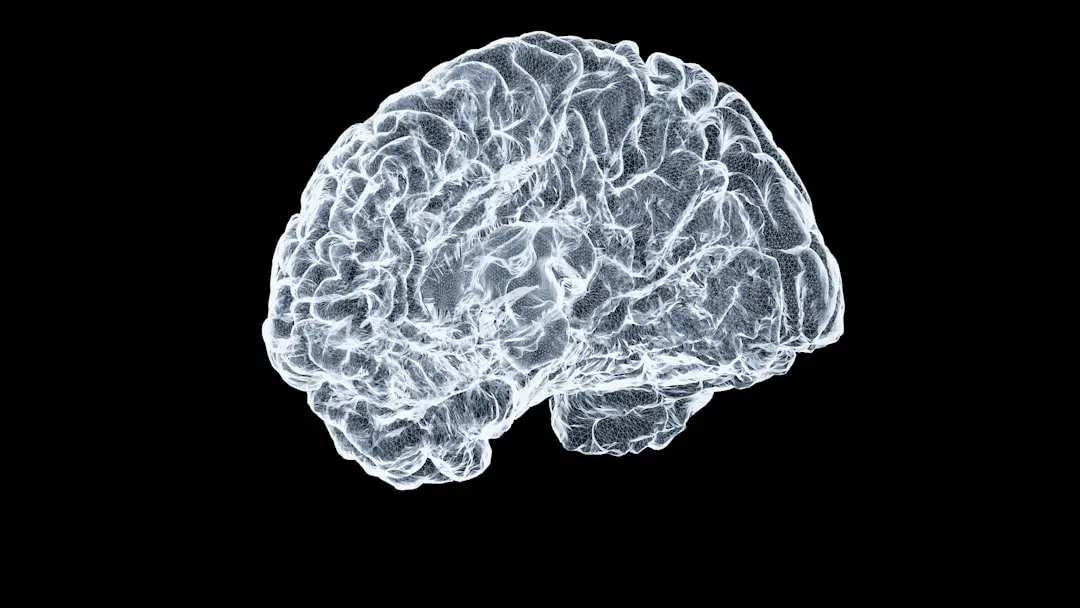
Scientists use the term “sickness behavior” to describe the package of symptoms that often shows up before and during illness: tiredness, withdrawal, lowered appetite, slower thinking, and a desire to rest. This is not you being weak or dramatic. It’s an ancient survival program shaped by evolution. When cytokines like IL‑6 rise, they send signals that reach your brain through blood, nerve pathways, and even the lining of your brain’s blood vessels. Your brain then shifts your behavior to conserve energy and prioritize healing instead of exploration, productivity, or socializing.
In other words, that urge to stay on the couch, skip social plans, or zone out is often your biology, not your personality. IL‑6 is one of the cytokines most studied in relation to mood changes, fatigue, and that foggy feeling people describe when they are coming down with something. Interestingly, similar immune signals are involved in some cases of depression and chronic fatigue conditions, which is why the line between mental and physical health is much blurrier than we once thought. Your brain is constantly listening to your immune system, and in those 24 to 48 hours before you get sick, the conversation gets noticeably louder.
Why Some People Feel It More Than Others

You’ve probably noticed that some people swear they can predict a cold two days before it hits, while others are genuinely shocked when they wake up with a sore throat. This difference is partly about how closely people pay attention to their bodies, but it also has to do with biology. Genetics, hormone levels, stress, sleep, and previous illnesses can all influence how strongly IL‑6 rises and how sensitive your body and brain are to it. Two people can have similar immune changes but totally different experiences of them.
There’s also the reality of modern life: if you’re constantly stressed, underslept, and overstimulated, feeling “off” might be your norm. In that case, the early warning signals of rising IL‑6 can get buried in the background noise. I’ve had periods where I was so used to being tired that I only realized I was getting sick when I basically crashed. By contrast, people who regularly check in with how they feel – noticing small shifts in energy, mood, and sensations – often catch that pre‑illness window more easily. It’s less about being paranoid and more about being present.
Can You Use This 48‑Hour Window to Your Advantage?
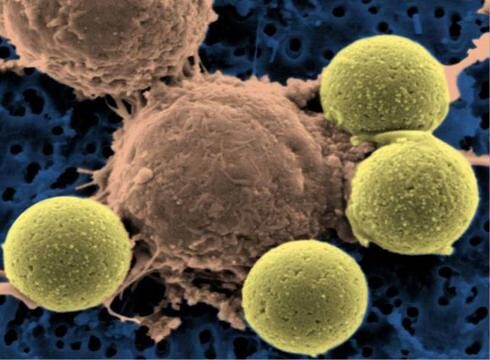
This is the part everyone wants to know: if IL‑6 rises roughly a day or two before you feel clearly sick, can you do anything useful with that information? The honest answer is yes, but within limits. You probably cannot completely shut down an infection once your immune system has already spotted it. However, what you do in that early window can influence how intense or drawn out your symptoms become. Think of it like seeing dark clouds on the horizon. You cannot stop the storm, but you can close the windows and bring the plants inside.
When you genuinely suspect that “something is coming on,” the most powerful tools are frustratingly simple: sleep more, hydrate aggressively, eat enough, reduce unnecessary stress, and temporarily ease up on intense workouts or late nights. These behaviors free up energy and resources for your immune system to fight. Some people also have personal routines they lean on in this window – warm showers, herbal teas, nasal rinses, or just going to bed an hour earlier than usual. The science is much stronger for rest and stress reduction than for any magic supplement, but respecting that early signal itself is a big step most of us skip.
Red Flags vs. Normal Signals: When “Feeling Off” Isn’t Just a Cold

Not every rise in IL‑6 is a regular cold or short‑lived infection. IL‑6 is also involved in chronic inflammatory conditions, autoimmune diseases, and more serious infections. That means there’s a difference between a familiar “here comes a cold” feeling and warning signs that something might be more serious. Sudden high fever, trouble breathing, chest pain, confusion, a stiff neck, or symptoms that worsen rapidly instead of easing after a few days are not just normal cytokine noise. Those are reasons to seek medical care rather than ride it out with tea and sleep.
It’s also worth noticing patterns over time. If you constantly feel unwell, sore, foggy, or exhausted for weeks or months, that is not just a never‑ending pre‑cold phase. It might reflect ongoing inflammation or another health issue that deserves attention. In those cases, IL‑6 and related markers are sometimes measured by doctors as part of the bigger picture, not as a stand‑alone answer but as one more piece of data. Listening to your body’s early warnings is helpful, but so is recognizing when the signals are louder or more persistent than a routine sniffle.
Conclusion: Learning to Trust the Quiet Warnings Your Body Sends
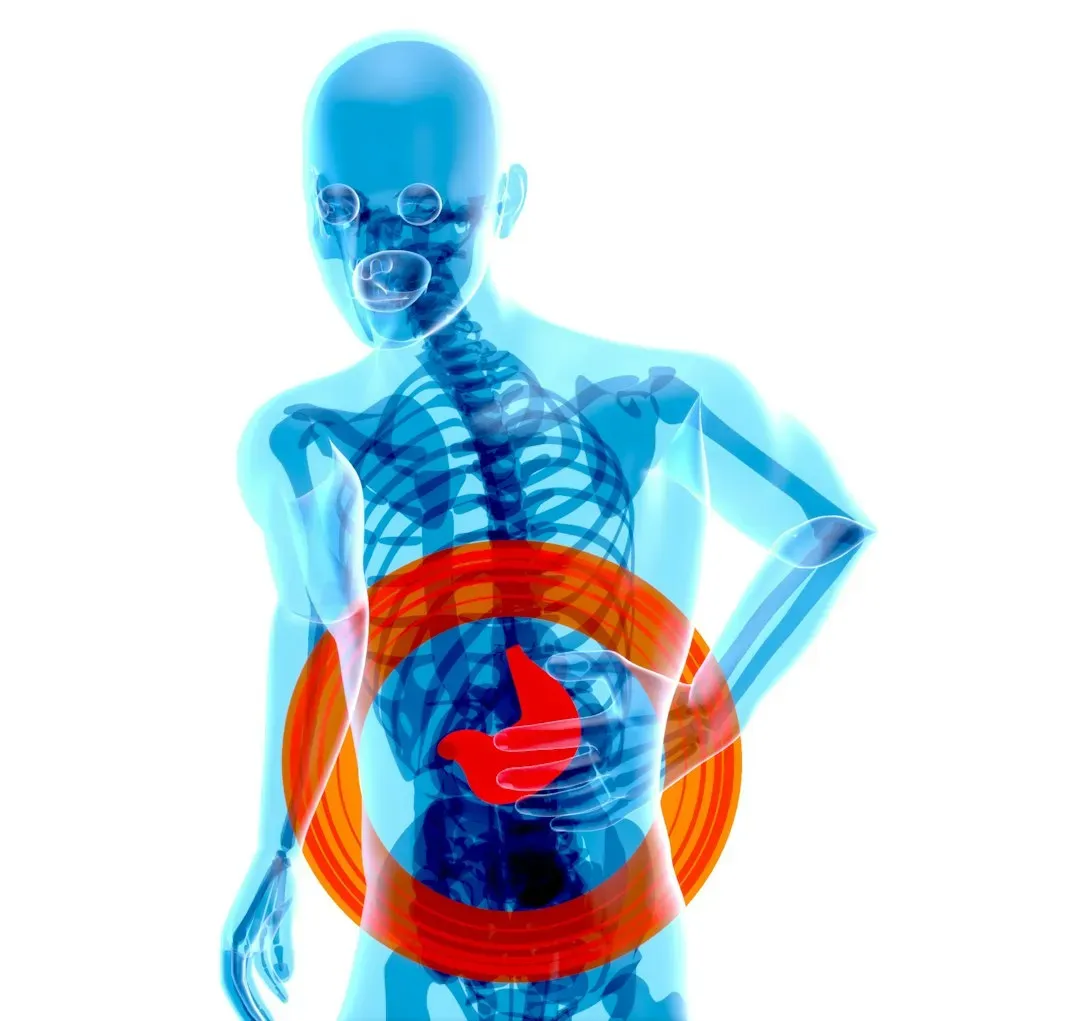
I’m convinced most of us are better at predicting our own health than we give ourselves credit for; we just talk ourselves out of believing it. That vague sense of heaviness, the random irritability, the strange ache in your skin when nothing is visibly wrong – those are often physical reflections of molecules like IL‑6 rising behind the scenes. Instead of dismissing them as “just stress” every single time, it’s worth pausing and asking what your body might be trying to tell you. You do not need a lab test to notice that your energy, mood, and comfort levels just shifted.
At the same time, we should be honest: your body releasing IL‑6 forty‑eight hours before you get sick is not a superpower you can fully control or hack. It’s a reminder that health is a two‑way conversation between your choices and your biology. You cannot opt out of immune responses, but you can choose whether to respect them or fight against them with caffeine and denial. The next time you catch yourself thinking, “I feel off, but I’ll just push through,” ask yourself a simple question: what if this is my forty‑eight‑hour warning and I listened instead of ignoring it?