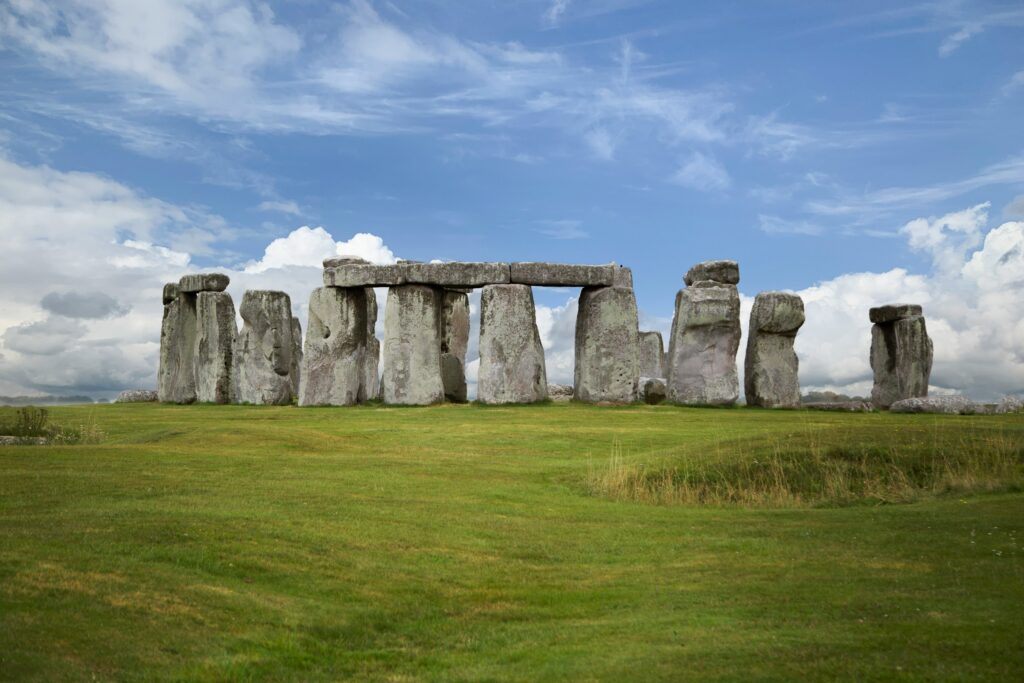

Stonehenge looks frozen in time, but the story the stones tell has been almost completely rewritten in just the last two decades. New science, new excavations, and new technologies have turned the site from a mystical one‑liner about “ancient druids” into something far stranger, more human, and more complex than anyone expected. I still remember standing at the fence on a grey morning and realizing how many of the old guidebook explanations were now quietly out of date. The more archaeologists dig into the earth and zoom into bone fragments and stone surfaces, the more every simple theory falls apart. What if Stonehenge wasn’t just a calendar, or a temple, or a cemetery, but a carefully engineered crossroads of sound, death, migration, and power?
1. Cremated Elites From Far Away: Stonehenge as a Magnet for the Dead
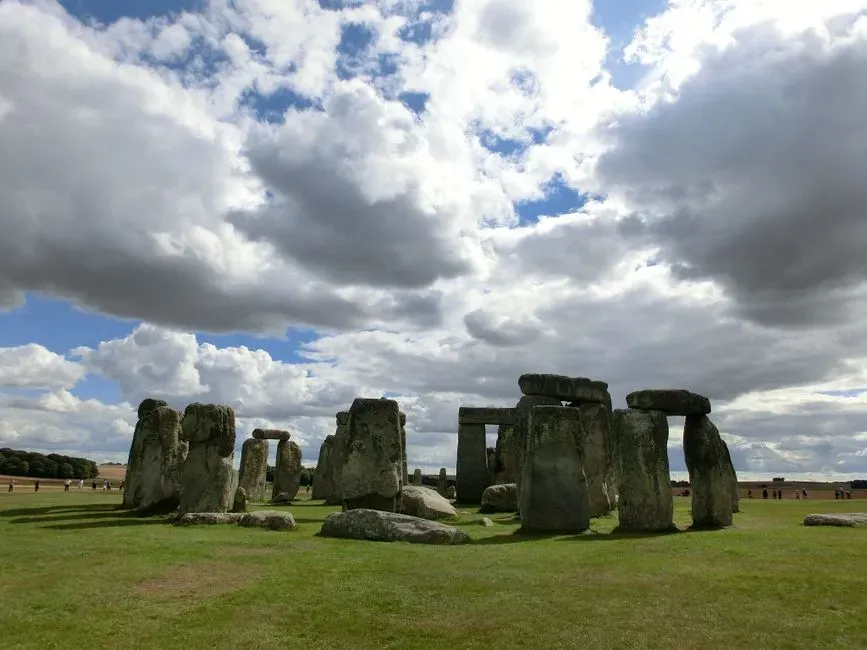
One of the most unsettling discoveries of the last 20 years is that many of the people buried at Stonehenge were not local at all. Using strontium isotope analysis on tiny fragments of cremated bone, researchers showed that several of the earliest individuals interred within the monument likely grew up in western Britain, probably in or near the same Welsh landscape where some of the bluestones originated. This means Stonehenge was not just a local shrine; it was part of a network that stretched hundreds of kilometres, drawing in people whose remains were deliberately brought back to the circle to rest among the stones.
That single finding blows apart the old picture of Stonehenge as a purely regional ritual site quietly serving the nearby farming communities. Instead, it now looks more like a prestigious ancestral hub whose burials involved long‑distance journeys, memory, and diplomacy. The dead arriving from Wales suggest that whoever controlled Stonehenge had influence or ties over a vast territory. In my view, this makes the monument feel less like a mystical relic and more like the physical headquarters of a prehistoric power structure, where death and politics were tightly woven together.
2. High‑Tech Burials and a Long‑Lived Necropolis, Not a One‑Off Temple
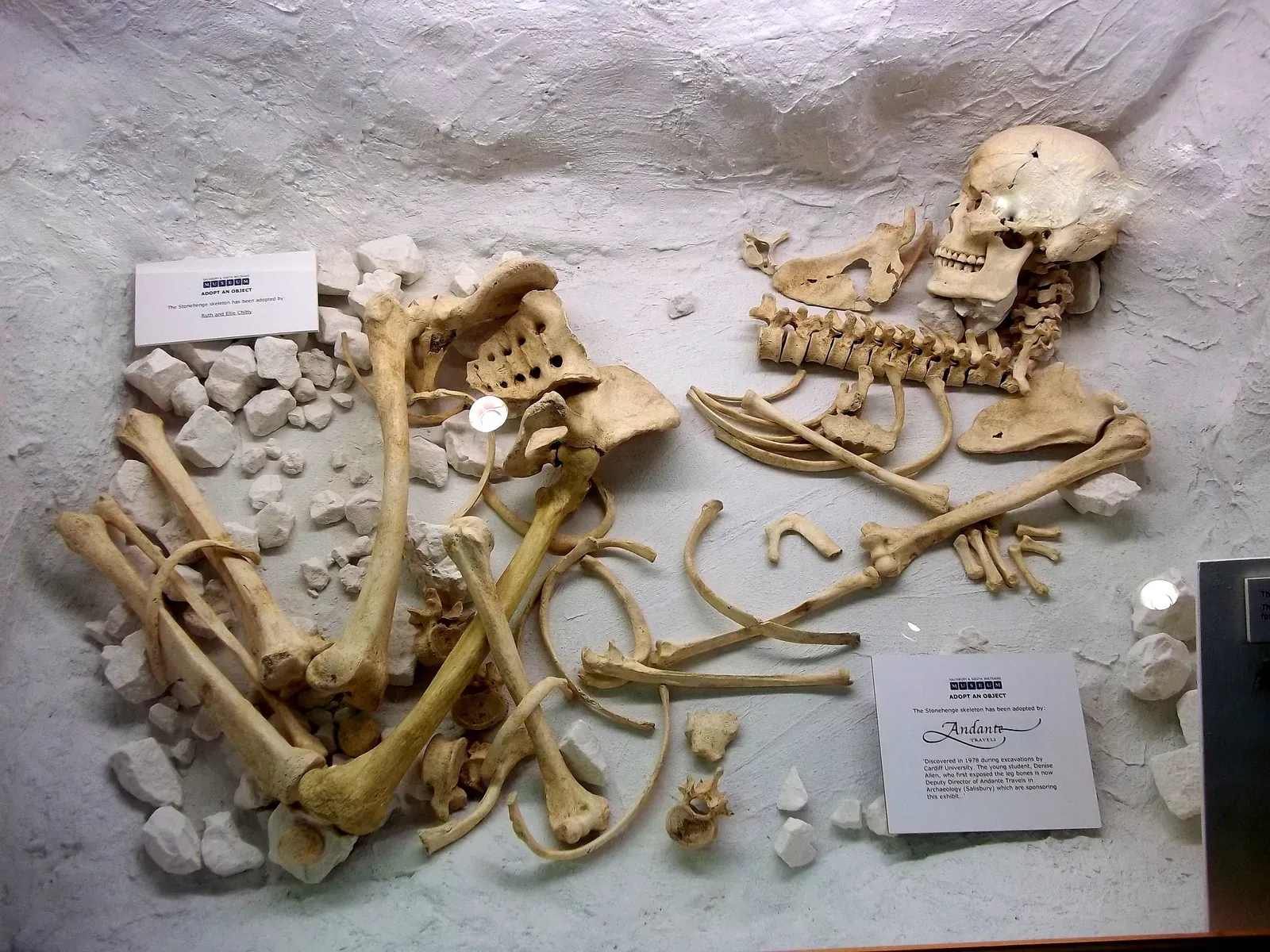
For a long time, public imagination treated Stonehenge as a kind of one‑shot “ritual engine” built for a single mysterious purpose, often framed around midsummer sunrise. Excavations and re‑analysis of old finds over the last couple of decades have instead reinforced a more unsettling role: Stonehenge was a cemetery for centuries, and not just for anyone. Multiple cremation deposits, many of them clustered within the ditch and around the stones, show that the site was used repeatedly to bury selected individuals over generations.
When you combine the isotope evidence with the density of burials, a sharper picture emerges: Stonehenge begins as an elite cemetery and stays deeply tied to the dead even as later building phases transform it. That continuity wrecks the old habit of giving each “phase” of Stonehenge a separate job description, as if the monument’s purpose keeps rebooting. Instead, it looks more like a long‑running ancestral complex whose meaning thickened over time. Personally, I find this more convincing than the classic “Stonehenge as pure observatory” idea; real human societies tend to reuse powerful places for layered, overlapping reasons, and Stonehenge finally fits that messy, human pattern.
3. Sonic Engineering: Stonehenge as a Designed Sound Chamber
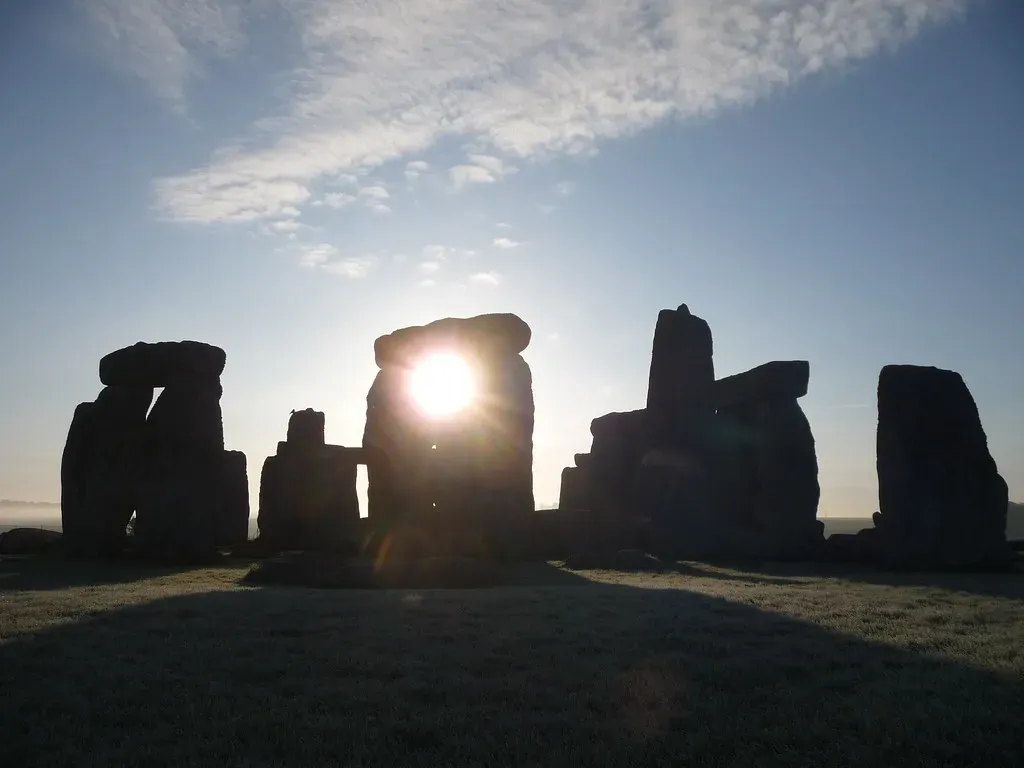
One of the most surprising scientific twists has come from archaeologists teaming up with acousticians to ask a deceptively simple question: what did Stonehenge sound like when it was complete? Using detailed scale models in anechoic chambers and digital reconstructions, researchers found that a fully built stone circle would have amplified speech and music inside the ring, while keeping much of that sound from leaking out. Reverberation within the circle made voices richer and more resonant, but someone standing outside would have heard far less than you might expect when looking at those massive stones.
That is a game‑changer for how we imagine Stonehenge in use. Instead of a wide‑open public stage, the monument behaves more like an exclusive sound box, where ceremonies could feel intimate and intense for the few inside while remaining half‑hidden from the many outside. To me, that acoustic privacy screams intentional design, not accident. It suggests that the builders understood, at least intuitively, how stone placement could control experience: who heard the words, who felt the music in their chest, who was left in the acoustic shadows. That is a far cry from the old image of clueless “primitive” builders randomly dropping stones on a field.
4. Bluestonehenge, Avenues, and Prototypes: A Whole Ritual Landscape Emerges
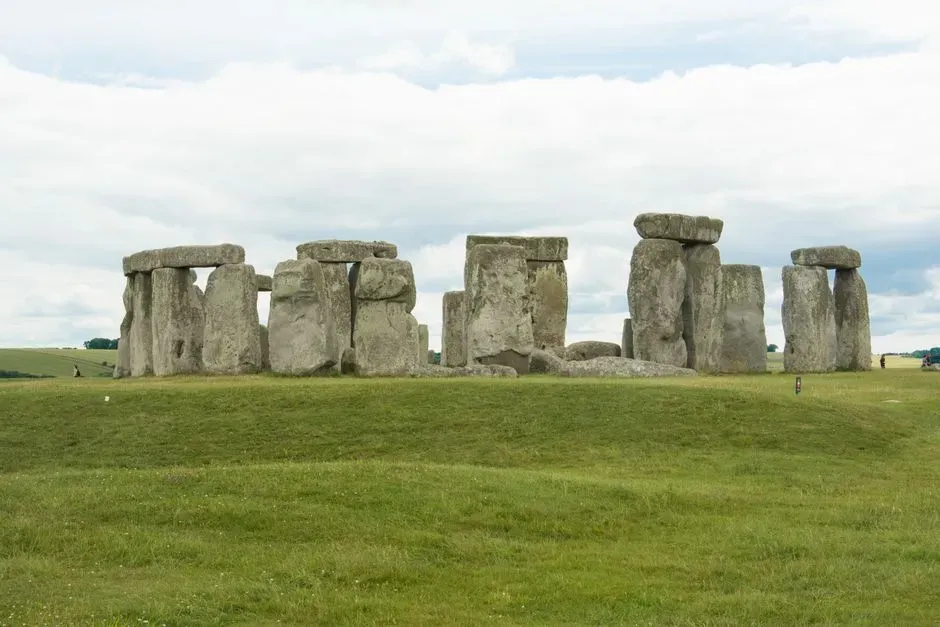
Twenty years ago, most popular accounts treated Stonehenge as if it stood alone, an isolated marvel on a plain. Excavations since then have exposed a far more intricate ritual landscape. The discovery of Bluestonehenge at the end of the Stonehenge Avenue – a ring of stone sockets by the River Avon, where smaller bluestones once stood – revealed that the main circle was likely connected to a riverside monument by a processional route. Many archaeologists now suspect this route symbolised a journey from the realm of the living, associated with timber structures and settlements, to the stone world of the dead at Stonehenge.
Recent work has gone even further, uncovering a wooden, solstice‑aligned structure near Stonehenge that predates the stone circle by centuries and may function as a kind of prototype or early experiment in monumental alignment. When you put all this together – riverside circles, avenues, timber precursors – Stonehenge stops being a single riddle and becomes the crown jewel in a whole choreography of movement, sightlines, and transitions. In my opinion, this landscape view finally kills off the comforting habit of explaining Stonehenge in isolation with one neat label; any explanation that ignores the river, the avenues, and the satellite monuments is simply out of date.
5. Human Haulage Confirmed: Stones, Not Glaciers, Tell a Story of Willpower
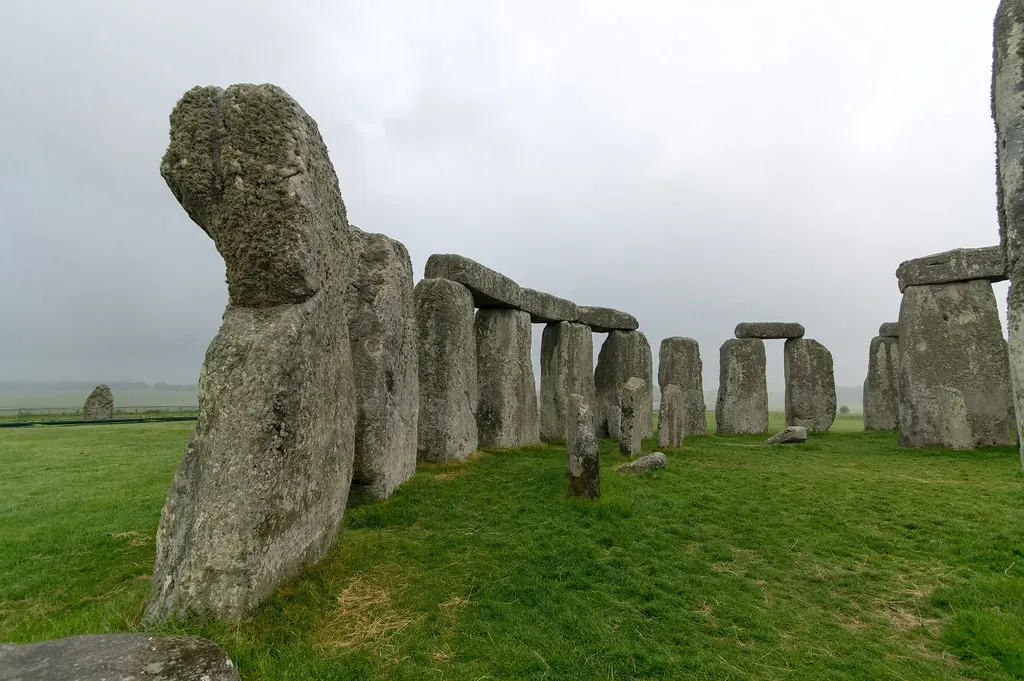
For years, there was a popular fallback theory that maybe nature did most of the heavy lifting at Stonehenge. If glaciers had already dragged some of the bluestones from Wales toward southern England during the last ice age, then Neolithic builders only needed to shift them a shorter distance, and human effort looked a bit less mind‑boggling. New geological work published in the last few years has now driven a serious stake through that idea. By analysing microscopic mineral grains from rivers around Stonehenge, researchers found no evidence that glacial ice ever carried those stones into the area, reinforcing the case that people moved them all the way.
This might sound like a technical quibble, but it fundamentally changes the emotional weight of Stonehenge. If every bluestone really did cross Britain because humans decided it should, then the monument is not just clever; it is an act of stubborn collective will on a national scale. To me, that makes the glacial shortcut idea look like a modern attempt to dodge how serious and organised these communities were. The stones now read less like a gift of nature and more like the physical proof of a society willing to bend its landscape – and its own labour – to a shared, probably sacred, obsession.
Conclusion: Stonehenge Is Stranger, Sharper, and More Human Than the Old Myths Allowed
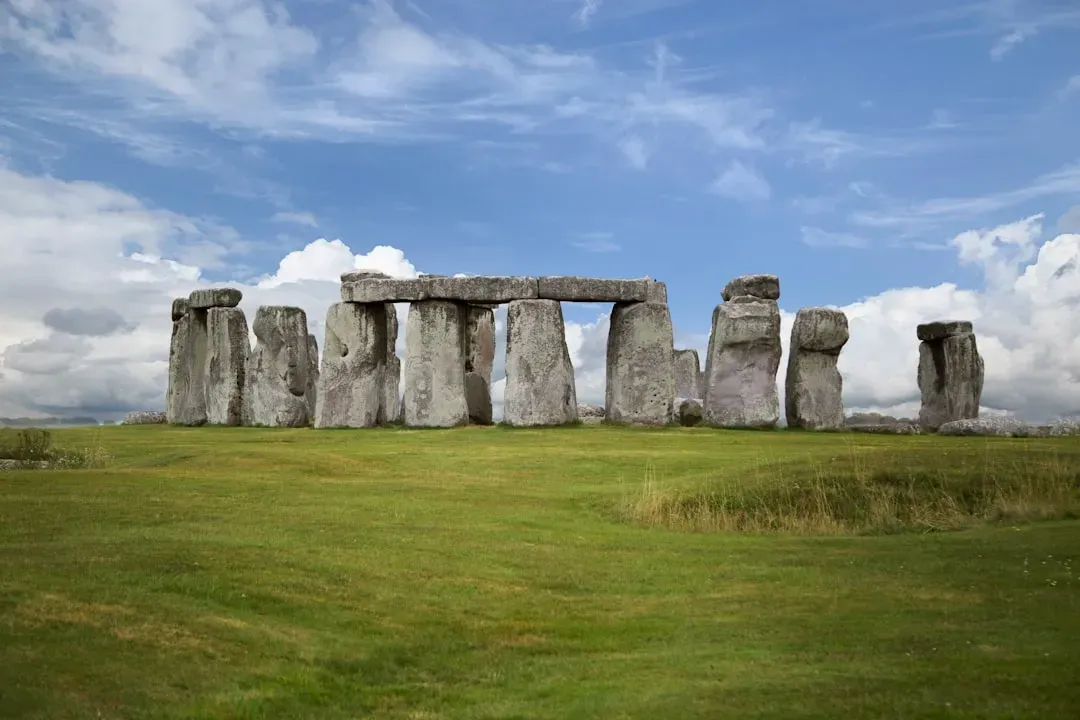
Put all these discoveries together and the comforting old explanations for Stonehenge start to look painfully thin. Instead of a lone “mystery monument” or a simple solar calendar, we see a cemetery drawing in distant dead, an acoustic chamber shaping private experience, a web of avenues and sister sites choreographing movement, and a stone supply chain that depended entirely on human determination. The last 20 years of work have not solved Stonehenge; they have made it weirder and more recognisably human, full of politics, grief, spectacle, and engineering.
If anything, I think the new evidence forces us to drop the lazy idea that prehistoric builders were fumbling in the dark. The people who raised Stonehenge seem to have known exactly what they were doing with stone, sound, landscape, and memory, even if we still cannot read every detail of their intentions. That uncertainty is frustrating, but it is also what keeps the site alive. When you picture Stonehenge now, do you still see a static postcard on a calendar page – or a humming, contested place where the living, the dead, and the distant all converged in ways we are only just beginning to understand?