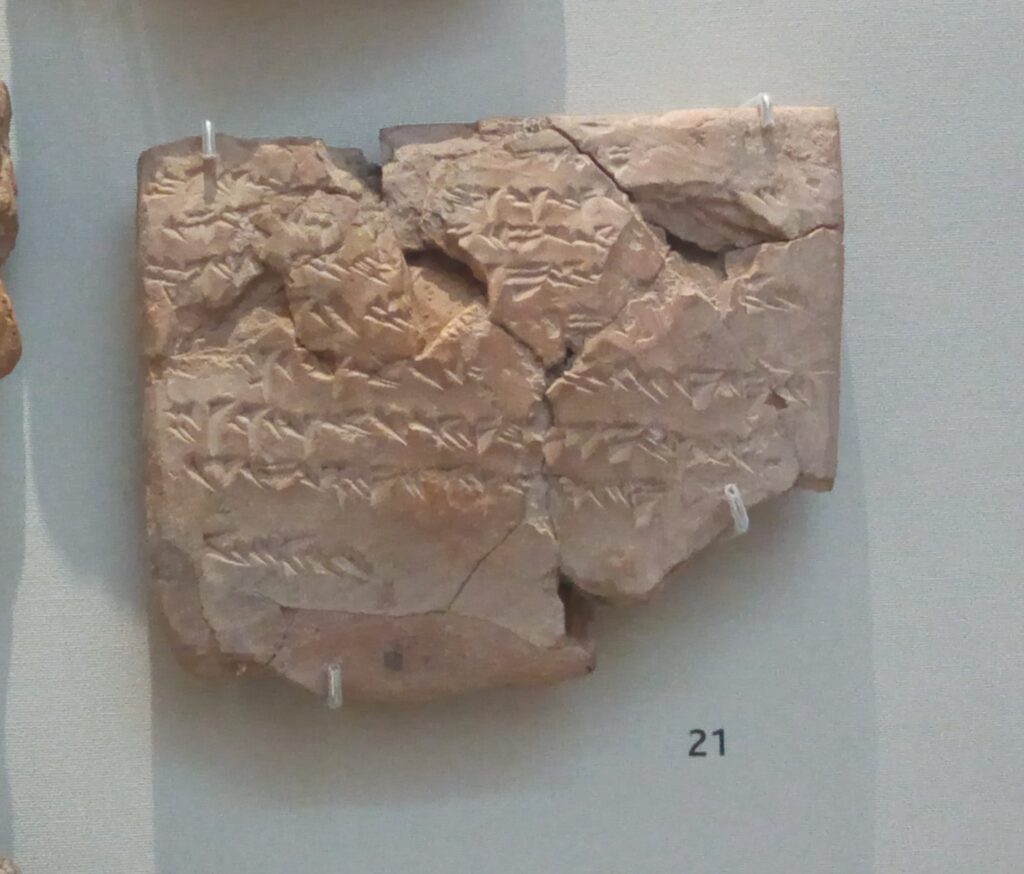

Think about this for a second: more than four thousand years ago, two powerful cultures rose on opposite sides of the Middle East, speaking different languages, worshipping different gods, and developing along different rivers. Officially, they had no direct contact for long stretches of their early history. And yet, when you look closely at what they built and the tools they used, you keep seeing the same design ideas staring back at you. It feels almost like walking into two separate workshops and finding that the workers have been secretly sharing blueprints.
Archaeologists are generally cautious about big, dramatic claims. Still, some artefacts from Sumerian and Egyptian sites are so similar in how they were made that they raise real questions about how knowledge travelled in the ancient world. Were these just parallel inventions, like two people independently coming up with the same joke? Or are we underestimating how far ideas could spread without leaving obvious traces in written records? Let’s walk through six of the most intriguing examples and see where the evidence actually points.
1. Cylinder Seals and Stamp Seals: Miniature Masterpieces With Shared Logic
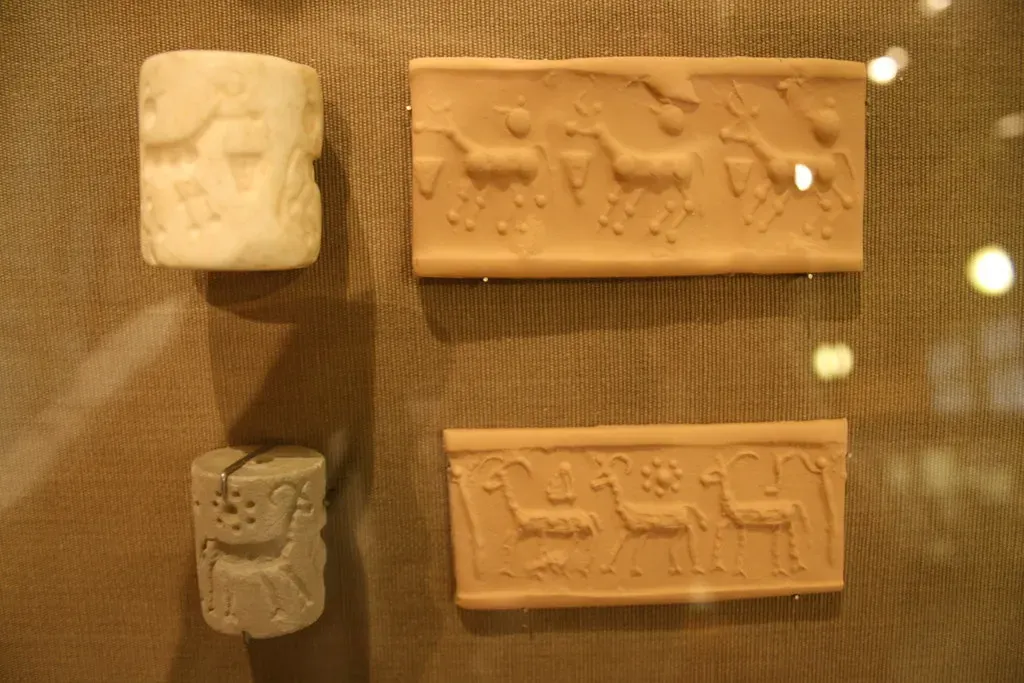
One of the most famous types of Sumerian artefacts is the cylinder seal: a tiny engraved cylinder rolled over wet clay to leave a repeating image and text. Egypt, on the other hand, is better known for flat stamp seals and scarab seals, but these are used in a closely related way: pressed into clay or wax to authenticate goods, mark ownership, or seal documents. In both cultures, these seals act like a combination of a signature, corporate logo, and security tag, centuries before anyone thought of paper contracts or barcodes.
What makes this overlap so striking is not just the concept, but the very similar carving techniques and use of extremely hard stones like carnelian, jasper, or hematite. Craftspeople in both regions learned to drill and engrave on a tiny scale with remarkable precision, building up complex scenes in miniature. The fact that two cultures without clear early contact converged on the same solution for identity and administration suggests that once societies hit a certain level of complexity, they almost need something like a seal system. It looks mysterious at first glance, but it might just be the ancient version of different countries all inventing passports once travel gets serious.
2. Mudbrick Architecture: The Shared Logic of Building With Earth
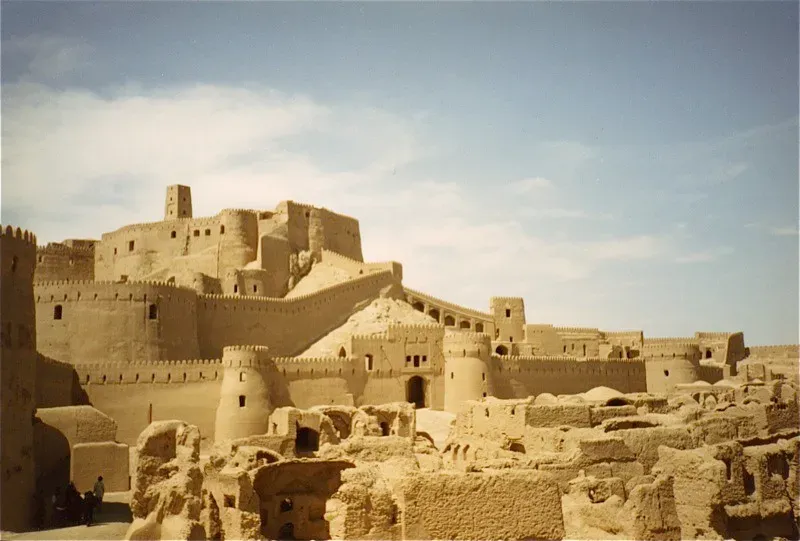
Walk through a reconstruction of an early Sumerian city or an Old Kingdom Egyptian town and you quickly notice the same basic building block: sun-dried mudbrick. Both civilizations mixed local clay with water and plant material such as straw or chaff, pressed it into molds, and left the bricks to dry in the sun. Then they stacked those bricks into walls, houses, temples, and even palace complexes, often facing them with plaster to protect against weather and erosion.
This is not just a lazy, obvious solution. The brick dimensions, layering patterns, and ways of reinforcing walls with buttresses and niches often look remarkably alike in Mesopotamian and Egyptian archaeology. The logic is simple but sophisticated: when you live along a river with plenty of silt but limited easy stone, mudbrick is the most efficient way to get large, durable surfaces up quickly. The shared construction method shows how strongly environment can push different societies toward almost identical engineering solutions, even when those societies are not consciously copying each other.
3. Reed and Wood Boats: River Civilisations Solving the Same Problem
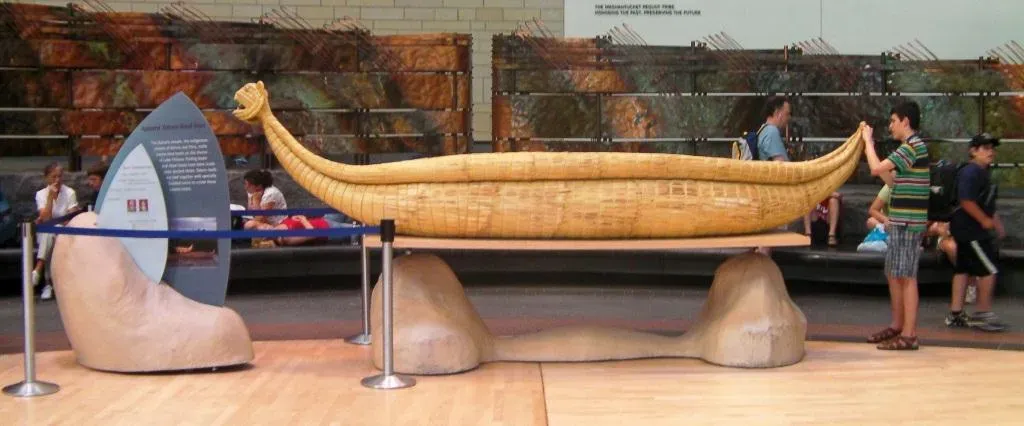
Both Sumer and Egypt grew up around rivers that ruled their lives: the Tigris and Euphrates in Mesopotamia, and the Nile in Egypt. To farm, trade, and move armies, you needed boats, and in both regions early boats show familiar techniques and shapes. Archaeological finds and ancient depictions from both areas show light, curved vessels made from bundles of reeds or wooden planks lashed together, sealed with bitumen or resin to keep them watertight.
What stands out is the way builders in both cultures shaped the hulls and reinforced them with internal framing, long before metal nails or complex shipwright tools were common. When you look at some early river craft, the family resemblance is hard to miss: graceful, upward-sweeping ends, repeating patterns of lashings, and clever use of tightly bound plant fibers to replace hardware. Rather than hinting at secret maritime communication between Sumerians and Egyptians, this probably says something deeper and more universal: give human beings a river, reeds, and a need to cross, and they will discover very similar ways to float.
4. Stone Beads and Jewelry: Shared Microscopic Craft Skills
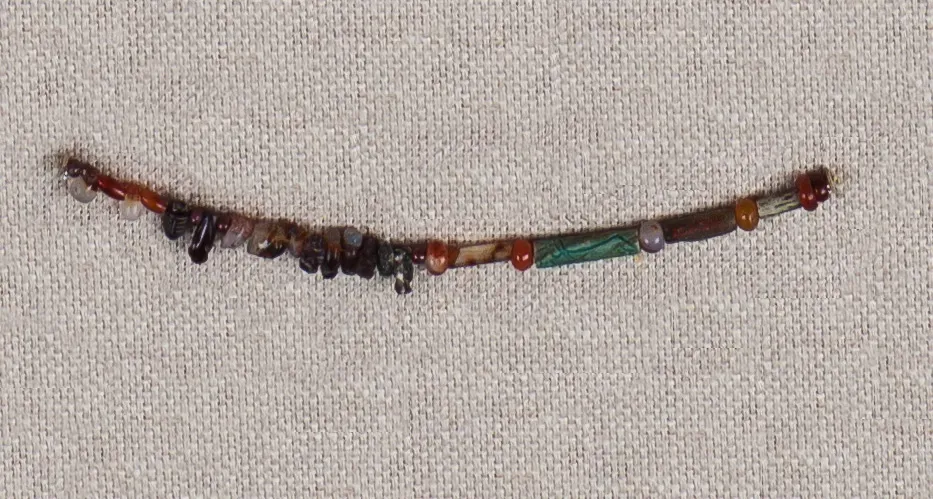
In museum cases from both Mesopotamia and Egypt, you often find strings of beads made from lapis lazuli, carnelian, shell, and gold, arranged in layered necklaces or intricate headdresses. These beads are not just randomly shaped; they are drilled so finely and uniformly that modern jewelers still marvel at the skill involved. Across both regions, the methods look surprisingly consistent: using tiny stone or copper drills, abrasives like sand, and a lot of patience to create perfect holes and smooth, polished surfaces.
What makes this particularly fascinating is that some of the raw materials, such as lapis lazuli from Afghanistan, turn up in both Sumerian and Egyptian contexts. That strongly suggests shared trade routes across enormous distances, even if no Sumerian emissary ever shook hands with an Egyptian official by the Nile. When traders carry the same stones along similar caravan paths, it is not surprising that artisans in different cities might experiment and end up converging on similar bead sizes, shapes, and drilling techniques. The shared construction method becomes less of a mystery and more of a quiet testimony to how connected the ancient world really was, even without open political alliances.
5. Clay Tablets, Ostraca, and the Art of Inscribing the Everyday
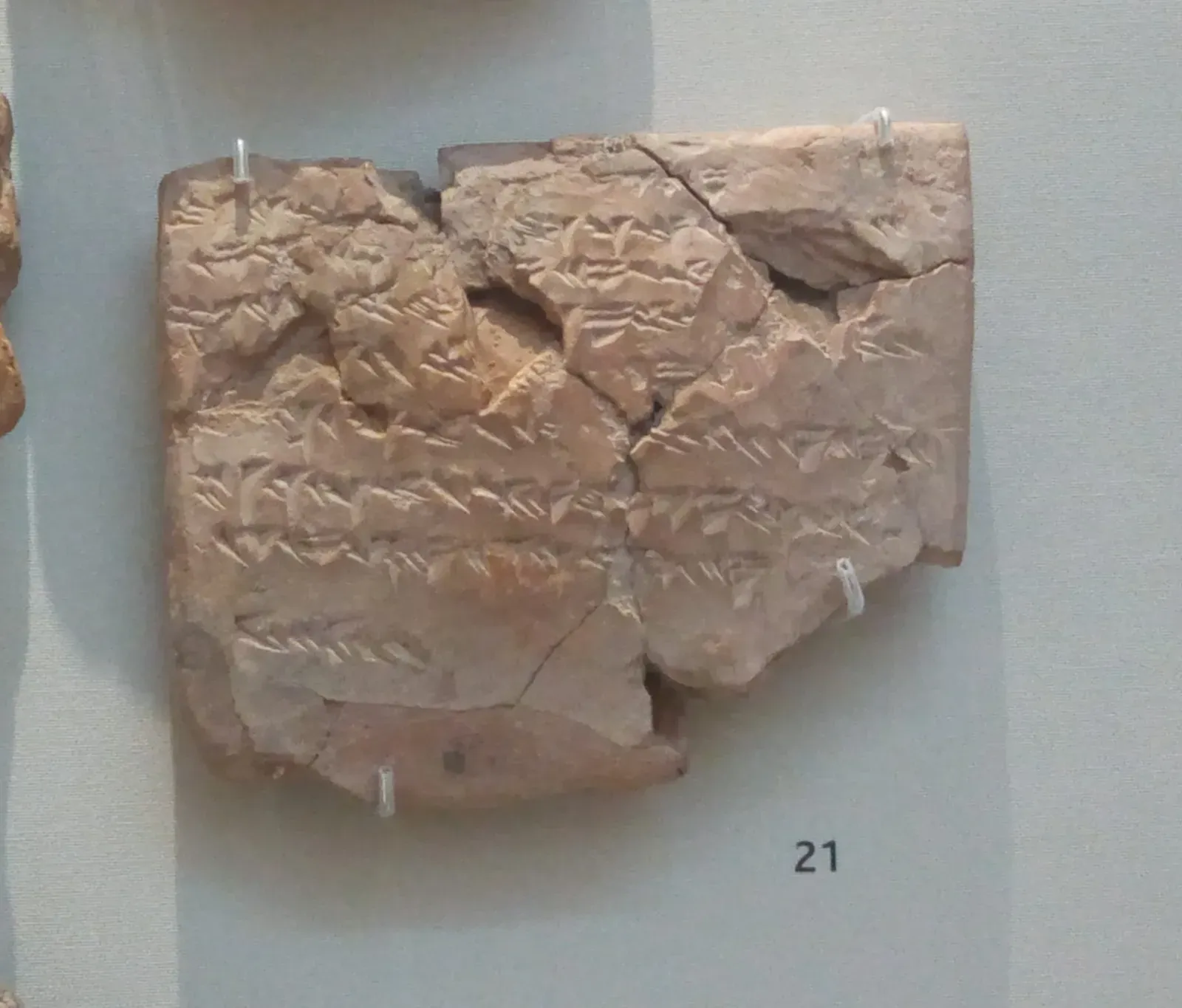
We normally contrast Sumerian cuneiform on clay tablets with Egyptian hieroglyphs carved in stone or written on papyrus, and that difference is very real. But if you zoom in on daily administration and low-level record-keeping, both cultures leaned heavily on cheap, reusable writing surfaces made from what they had under their feet. In Mesopotamia, scribes formed damp clay into tablets or tags and pressed wedge-shaped marks into them with a stylus. In Egypt, scribes often used broken pottery sherds or stone flakes, known as ostraca, to jot down notes, accounts, and drafts, carving or painting signs onto a throwaway surface.
The parallel is not about identical symbols but about the shared idea of turning the most common material in your environment into a portable, recordable medium. Both systems required standard shapes, smooth surfaces, and an understanding of how to dry or fire the material so it would last long enough to be useful. When you realize that both scribal traditions had students practicing signs on cheap scraps, you can almost picture the same scene in two different cities: a tired apprentice, a simple stylus or brush, and a teacher pushing them to get one more line right before the day ends.
6. Monumental Masonry: Precision Stonework Without Modern Tools
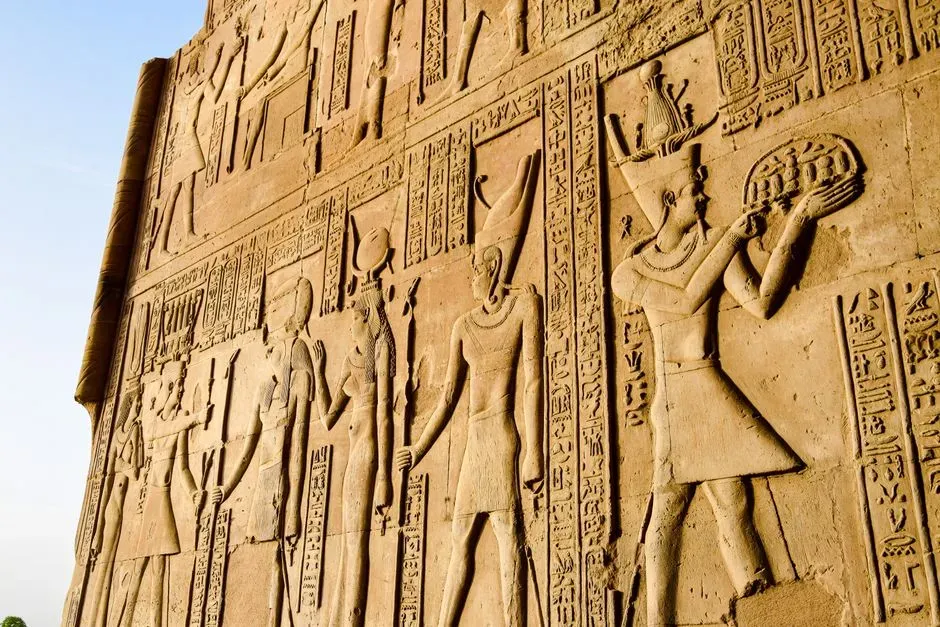
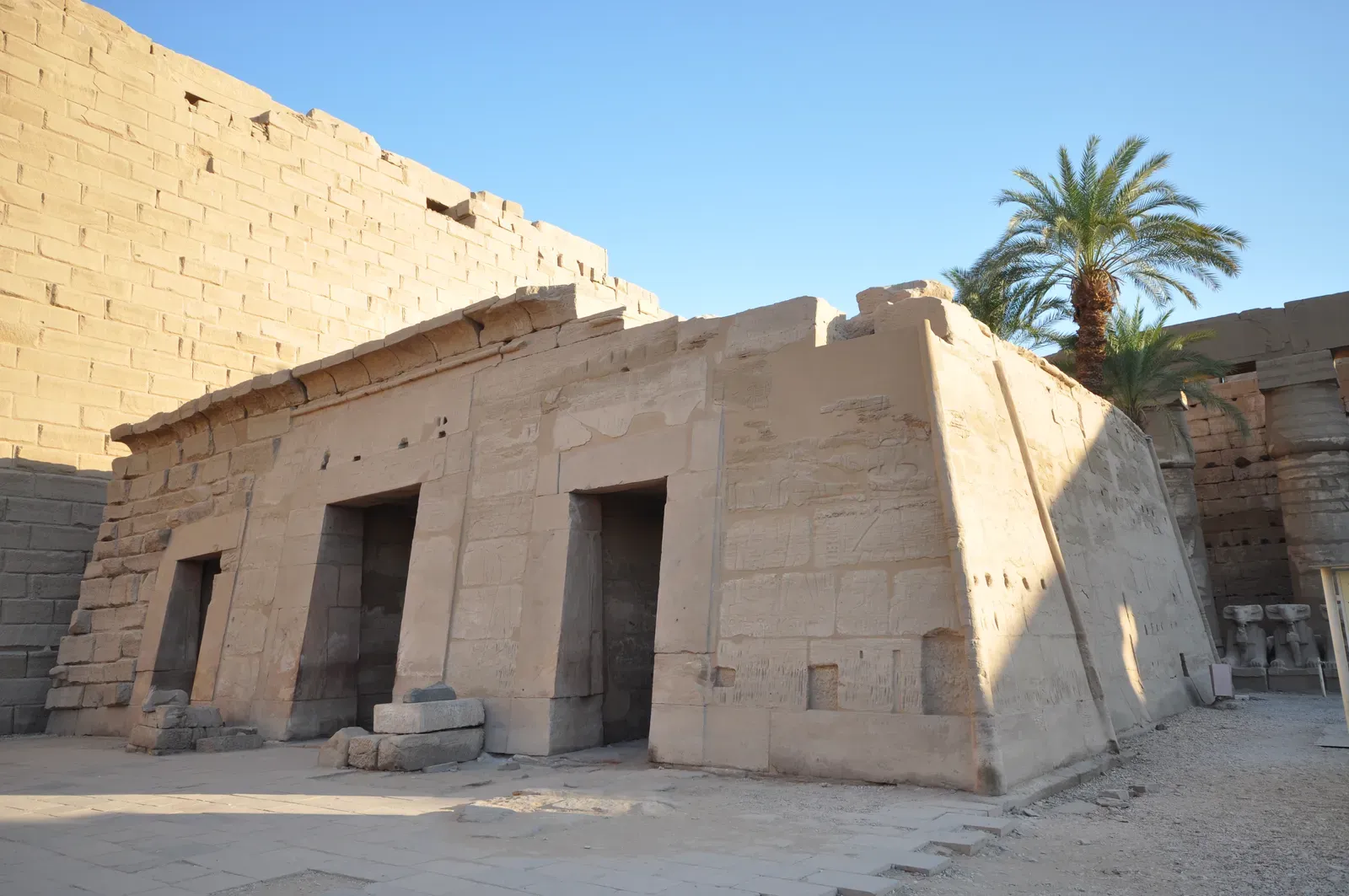
When people think of Egyptian stonework, they picture pyramids and giant temples; for Sumer, the image is more often mudbrick ziggurats. But that comparison can hide a quieter reality: both regions also developed very precise stone-cutting and fitting techniques at scales that are easy to overlook. In Egypt, this shows up not just in the big monuments, but in finely cut blocks, perfectly square corners, and polished surfaces achieved with copper tools, stone pounders, and abrasive sands. In Mesopotamia, certain temples and palatial buildings used carefully dressed stone foundations, thresholds, and decorative elements that required similarly patient work.
What they share is a kind of pragmatic genius: how to turn raw, uneven stone into repeatable building units that can be stacked securely, even without iron tools or modern measuring equipment. The methods – pecking, grinding, rubbing, and constant checking of angles – appear in both regions, because there are only so many ways to attack a block of rock when your tools are softer than what you are cutting. Rather than reading this as evidence of a lost global engineer, it is more convincing to see it as proof that careful observation and slow, iterative experimentation lead humans, again and again, to similar solutions when faced with the same physical problems.
Opinionated Conclusion: Shared Ideas Without Shared Streets
It is tempting to look at these parallels and leap straight to grand stories: hidden voyages, lost empires connecting Sumer and Egypt, or secret caches of knowledge passed in the night. The reality that emerges from the actual evidence is both less dramatic and, in a strange way, more impressive. Two river civilizations, working with mud, stone, reeds, and precious minerals, repeatedly bumped into the same practical answers simply because the world placed them in similar constraints. They did not need to talk to arrive at mudbricks, reed boats, or fine stone beads; physics, geography, and human problem-solving did most of the talking for them.
My own view is that the deeper mystery is not whether Sumerians and Egyptians had direct contact at every stage, but how often we underestimate the power of parallel invention and indirect influence through long, messy trade networks. The connections that did exist were probably slow, patchy, and undocumented, more like rumors passed from caravan to caravan than formal alliances. In the end, these shared construction methods remind us that humans, even when separated by distance and culture, are wired to notice patterns, experiment with materials, and refine what works. The question worth asking is not whether they copied each other, but how many of our own “unique” modern solutions would look just as familiar if someone, thousands of years from now, set our artefacts side by side.