
Imagine waking up in the dead of night to a thunderous crash, only to find your backyard swallowed by a wall of ice. For many in Wisconsin, this isn’t just a wild story—it’s a yearly reality. The phenomenon of ice shoves, sometimes called “ice tsunamis,” is a spectacle that’s as startling as it is funny, with massive sheets of ice creeping across lawns, crunching fences, and sometimes even knocking on your door. The sounds are so loud that neighbors often rush outside in their pajamas, unsure if the world is ending or if nature is just playing another one of its wild pranks. Let’s dive into the heart of this chilly chaos and discover why Wisconsin’s ice shoves capture both fear and laughter in equal measure.
The Wild Science Behind Ice Shoves
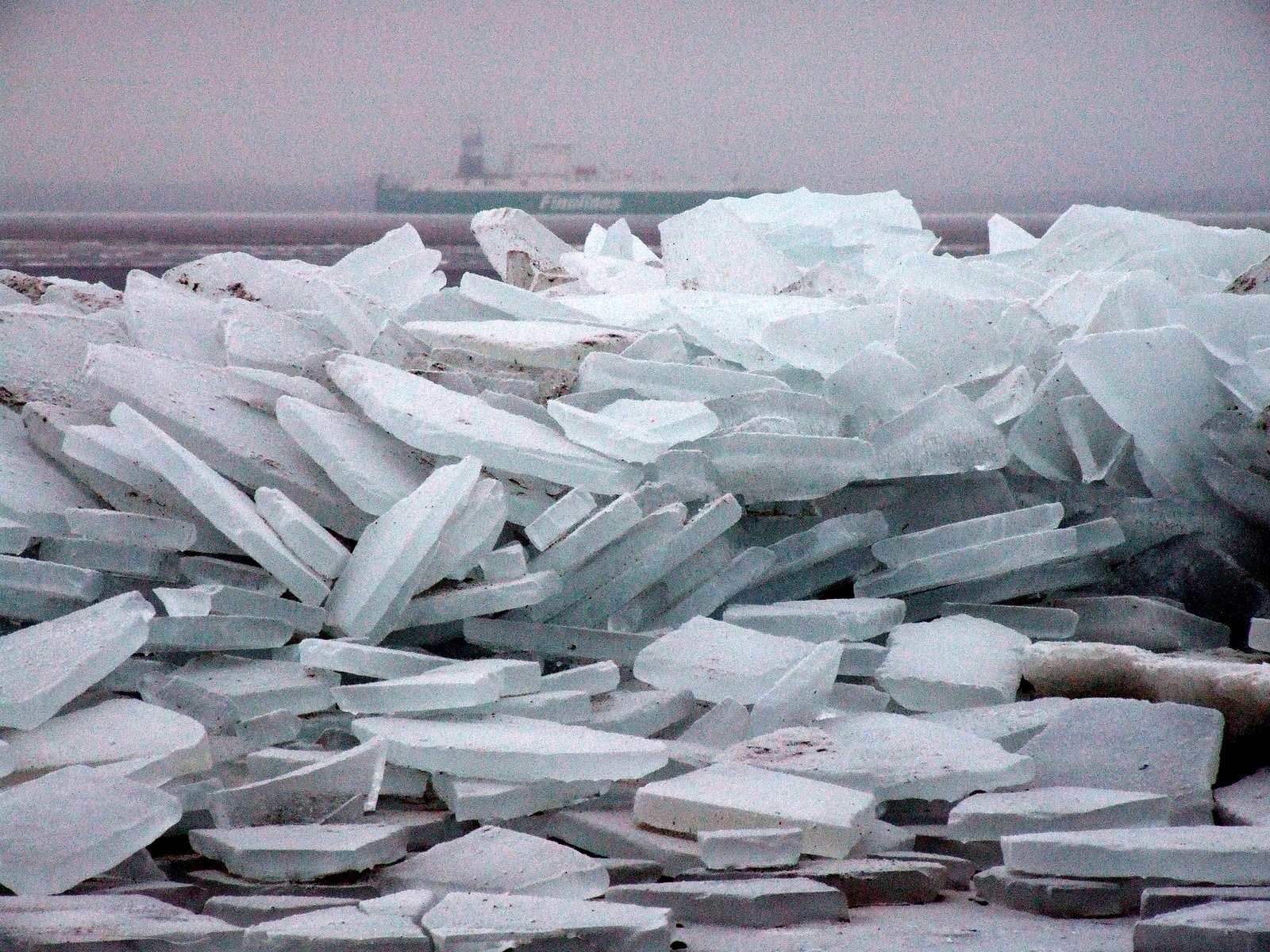
Ice shoves might look like scenes from a disaster movie, but they’re rooted in perfectly natural—if dramatic—physics. When winter turns to spring, thick sheets of lake ice loosen from the shore as temperatures rise. If strong winds suddenly whip across the water, they can drive this floating ice with surprising force toward land. The ice acts like a slow-motion bulldozer, pushing everything in its path. Scientists call this process “ice heave,” and it’s a fascinating example of how water, wind, and temperature can team up to create something truly spectacular. It’s not a rare event in Wisconsin, but it never fails to catch people off guard.
Why Wisconsin? Geography’s Chilly Gift

There’s a reason you don’t hear about ice shoves in Florida. Wisconsin’s geography makes it a prime target. With its many large, shallow lakes—like Lake Winnebago and Lake Michigan—the state offers perfect conditions. Shallow lakes freeze thick and fast, and their wide surfaces catch the wind like giant sails. When those spring winds roar across the ice, they have enough muscle to drive massive sheets ashore. This isn’t a gentle nudge—sometimes the ice piles up in jagged, sparkling mounds over ten feet high. It’s a wild reminder that location really does shape nature’s wildest spectacles.
How Ice Shoves Form: The Recipe for Chaos
It takes a special set of ingredients to whip up an ice shove. First, you need thick, solid ice covering a lake. Then, a sudden burst of warm spring sunshine loosens the ice, breaking its grip on the shoreline. Next, a strong wind—often blowing for hours or even days—pushes the ice toward the shore. As the ice moves, it cracks and groans, sometimes sounding like distant thunder. When the ice finally hits land, it can surge forward at surprising speed, piling up in heaps and sometimes even smashing through anything in its way. It’s like a glacier on fast-forward, and it’s as mesmerizing as it is destructive.
The Terrifying Soundtrack of an Ice Shove
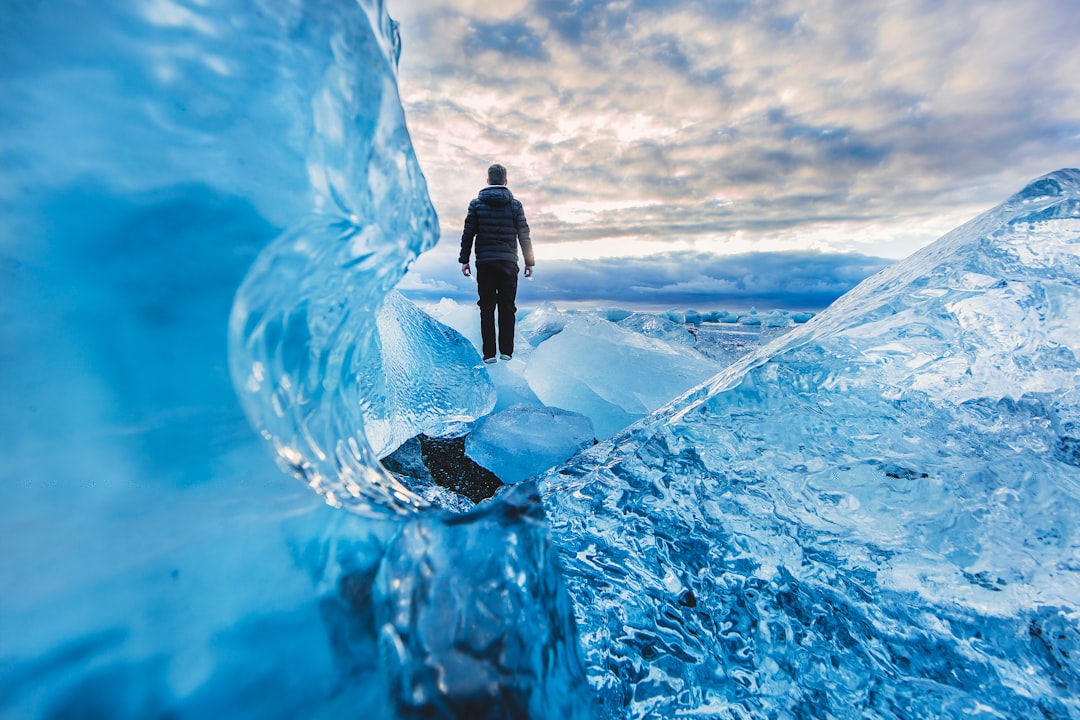
If you’ve never heard an ice shove, imagine a mix of screeching, booming, and crackling noises—like a hundred windows shattering at once. As the ice scrapes across rocks and docks, it produces an unearthly racket that can be heard for blocks. Some people describe it as the earth itself groaning. The suddenness and volume can be downright terrifying, jolting people awake in the middle of the night. It’s not just loud—it’s the unpredictability that makes it so alarming. One moment, all is quiet; the next, it sounds like a freight train is barreling through your neighborhood.
When Ice Shoves Go Viral: Social Media Reactions
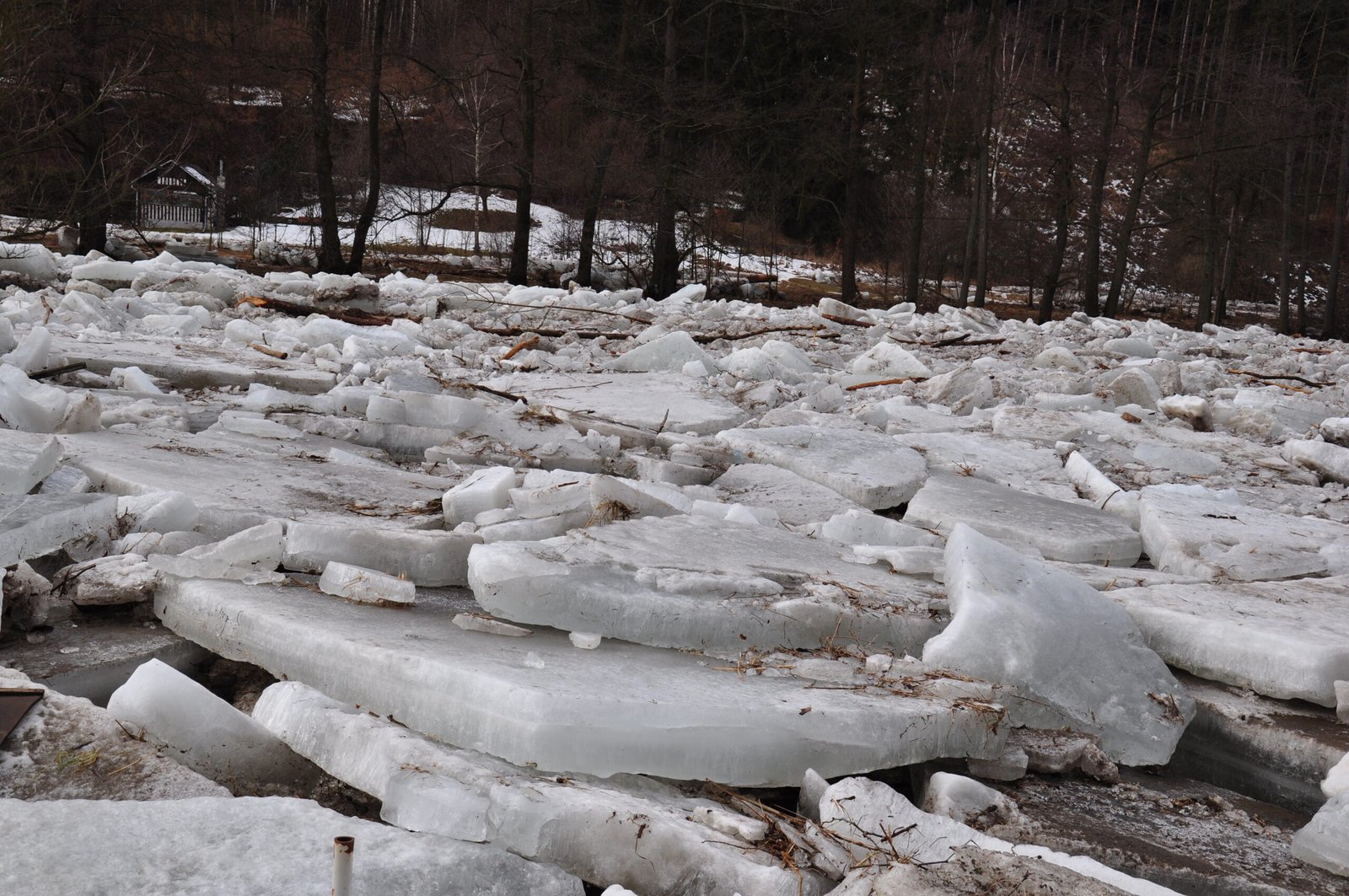
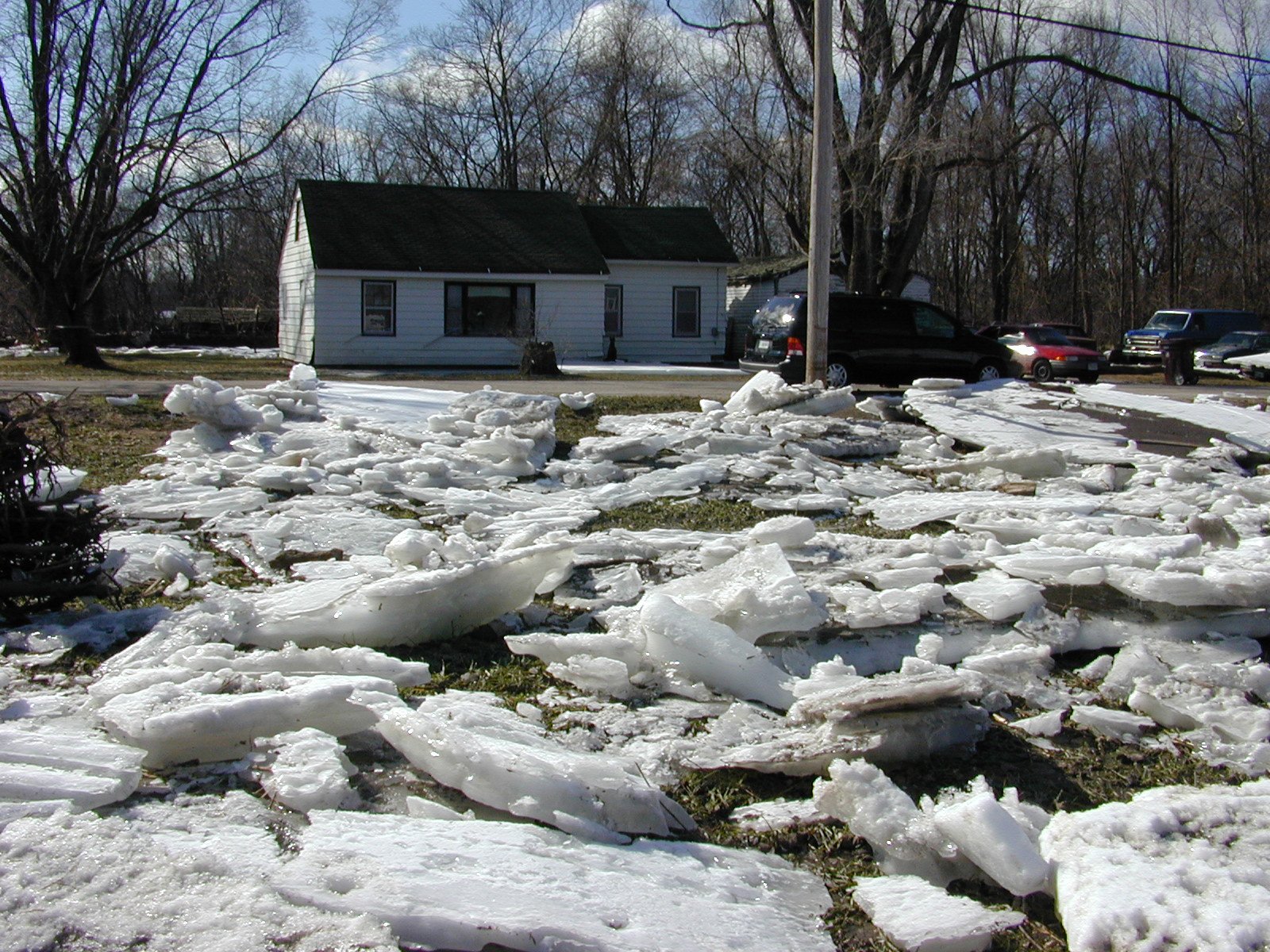
In today’s age, nothing this dramatic stays a secret. Videos of ice shoves have gone viral, with people capturing huge sheets of ice crashing into backyards, smashing patio furniture, or even gently tapping on back doors. The combination of awe and helpless laughter is hard to resist. One clip shows a family watching in disbelief as the ice slowly eats their garden gnome, while another features a group of neighbors cheering as the ice narrowly misses their shed. These moments are shared thousands of times, turning local chaos into global entertainment.
Hilarious Encounters: Nature’s Prank on Homeowners
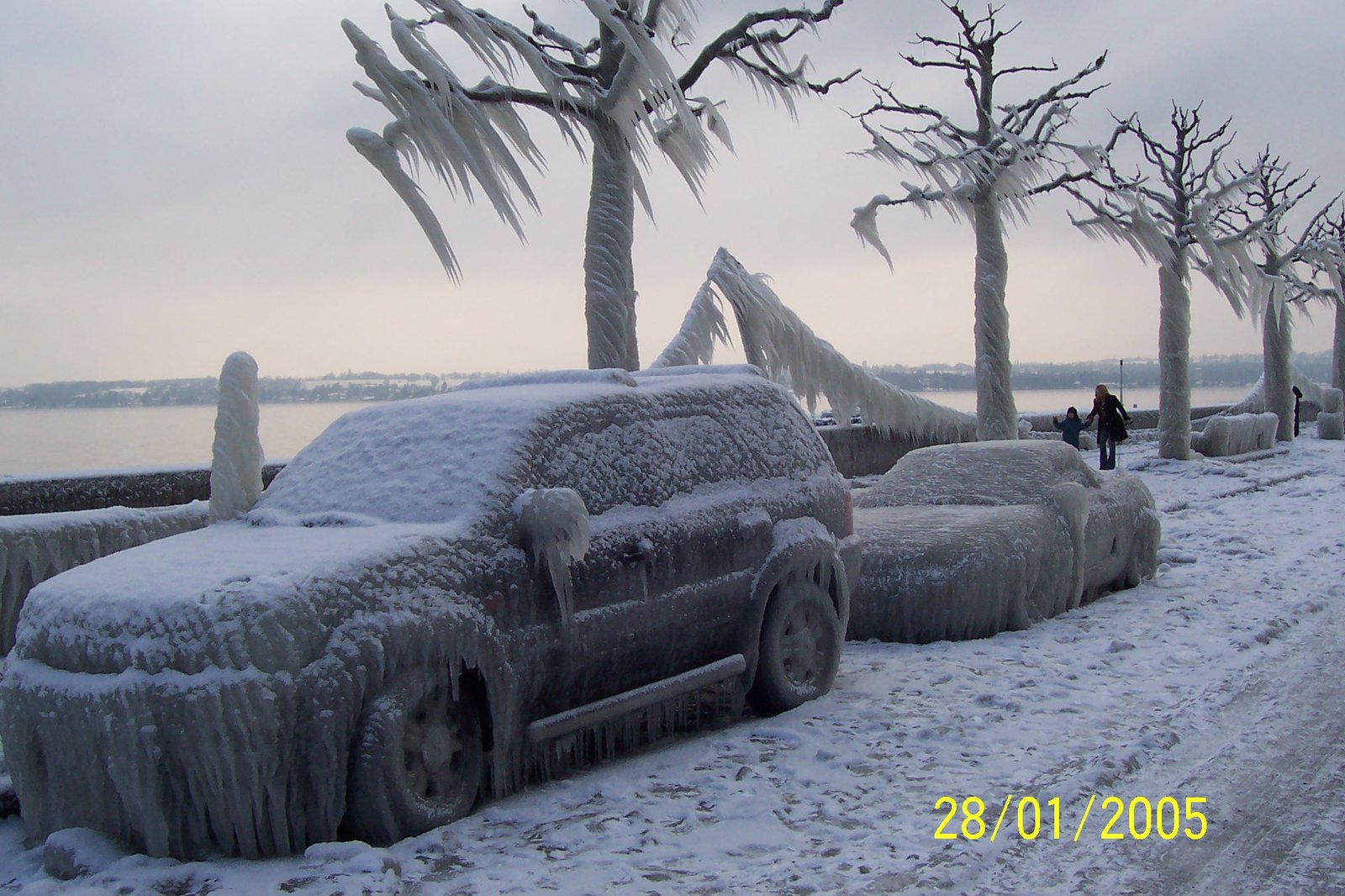
While ice shoves can be destructive, they’re also undeniably funny—at least in hindsight. Some Wisconsin residents have opened their doors to find their cars half-buried in ice or their barbecue grills encased in frozen walls. One homeowner joked, “I guess we’re having iced burgers tonight!” Pets, too, seem bewildered, with dogs barking at the advancing ice as if they can scare it away. These stories circulate every spring, becoming part of the neighborhood lore—a reminder that nature has a wicked sense of humor.
The Sheer Power of Moving Ice
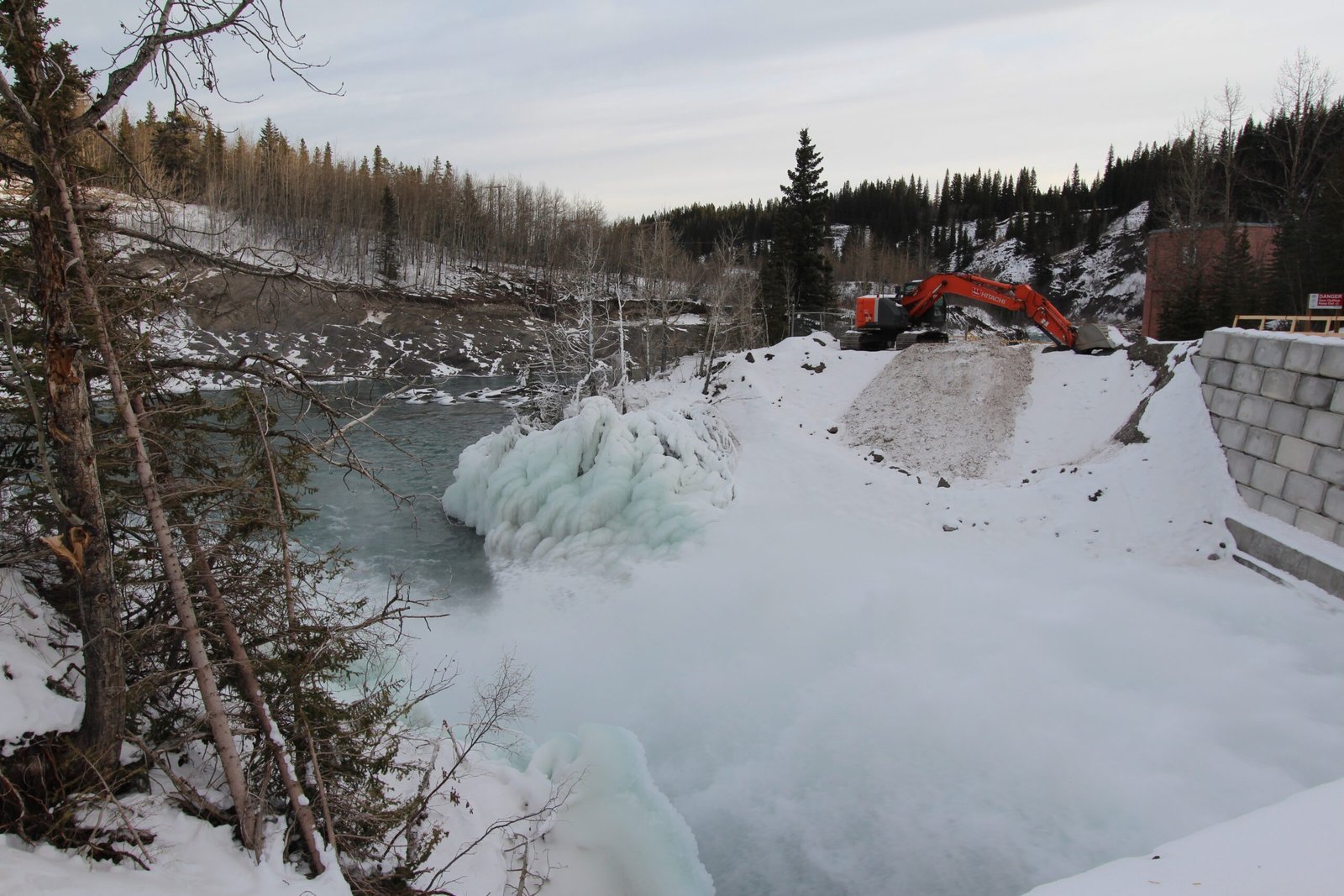
It might be hard to believe, but ice shoves can do real damage. We’re talking fences flattened, decks crushed, and even the occasional boathouse sent tumbling. Ice is heavy—just one cubic meter weighs nearly a ton. When a wind-driven slab hits land, it carries incredible momentum. Some shoves have pushed ice nearly 100 feet inland, leaving behind a jumbled field of broken wood and twisted metal. It’s like seeing a glacier rampage through suburbia, and it leaves a lasting impression on everyone who witnesses it.
Historical Ice Shove Events in Wisconsin
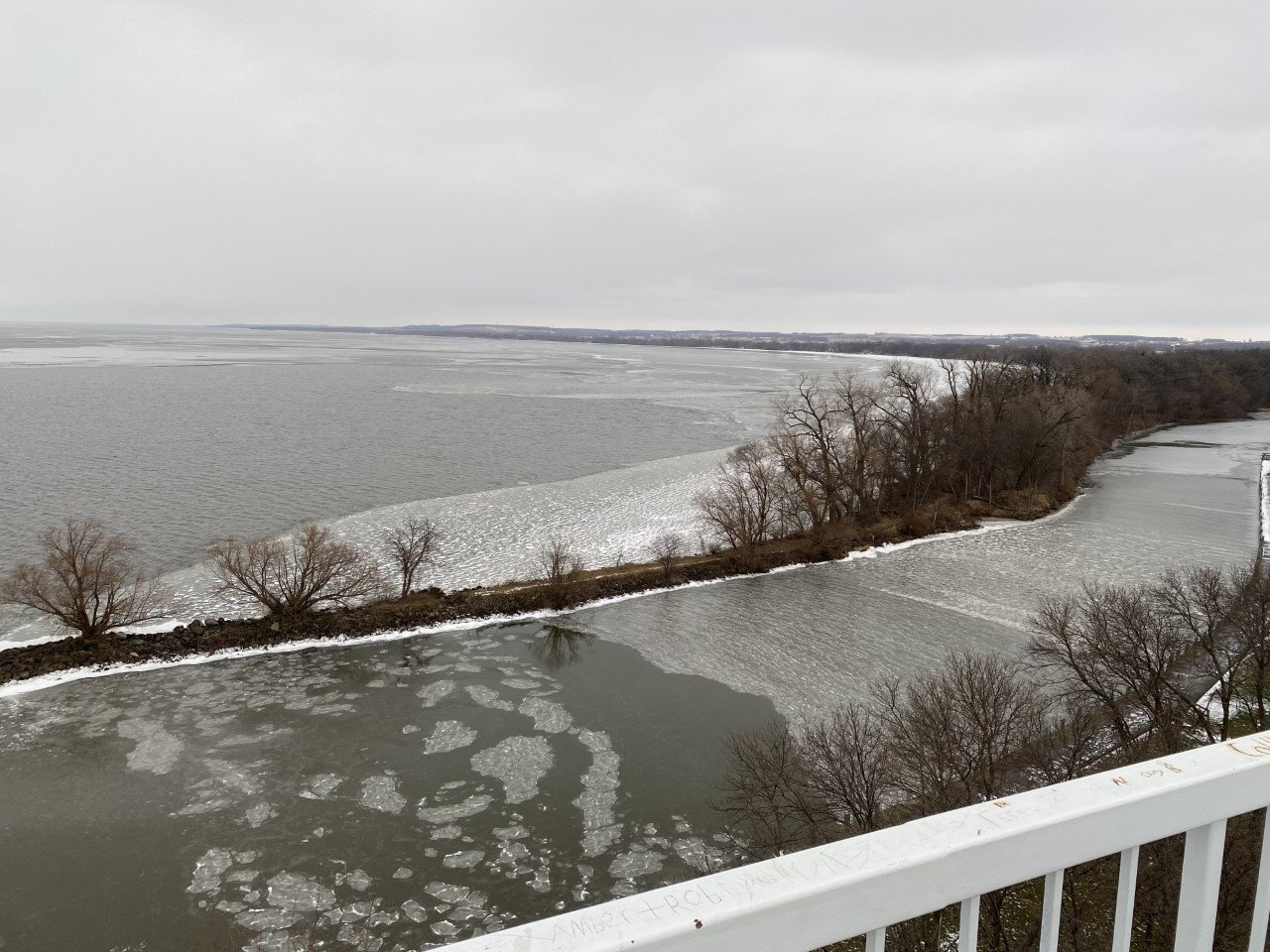
Some of the most memorable ice shoves in Wisconsin history have become legendary. In 2013, a massive shove on Lake Winnebago sent towering ice piles crashing into homes, even breaking through windows and doors. Residents described the relentless advance as “unstoppable,” comparing it to a scene from a monster movie. Other years, ice shoves have stranded cars, blocked roads, and even caused minor injuries. Each event adds a new chapter to the state’s icy folklore, reinforcing the need to respect nature’s power.
Not Just a Winter Problem: The Spring Surprise
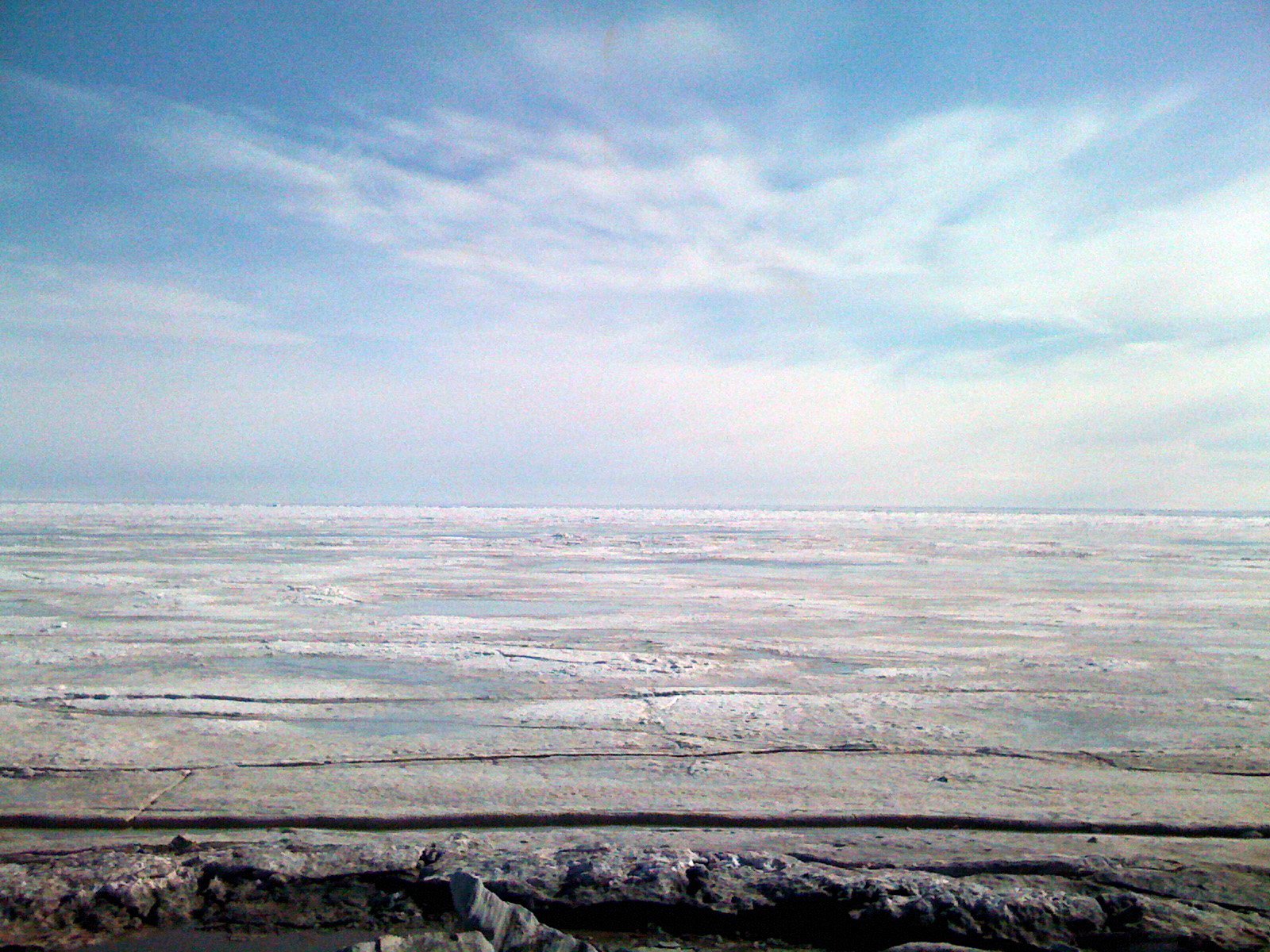
Most people assume ice problems end with winter, but ice shoves flip that logic on its head. The most dramatic shoves often happen in late spring, when temperatures fluctuate wildly. The combination of melting ice, warming winds, and unpredictable weather creates perfect storm conditions. Homeowners who have just put away their shovels might suddenly find themselves facing an avalanche of ice on their lawn. It’s a seasonal twist that keeps everyone guessing, year after year.
Ecological Impact: More Than Just a Mess
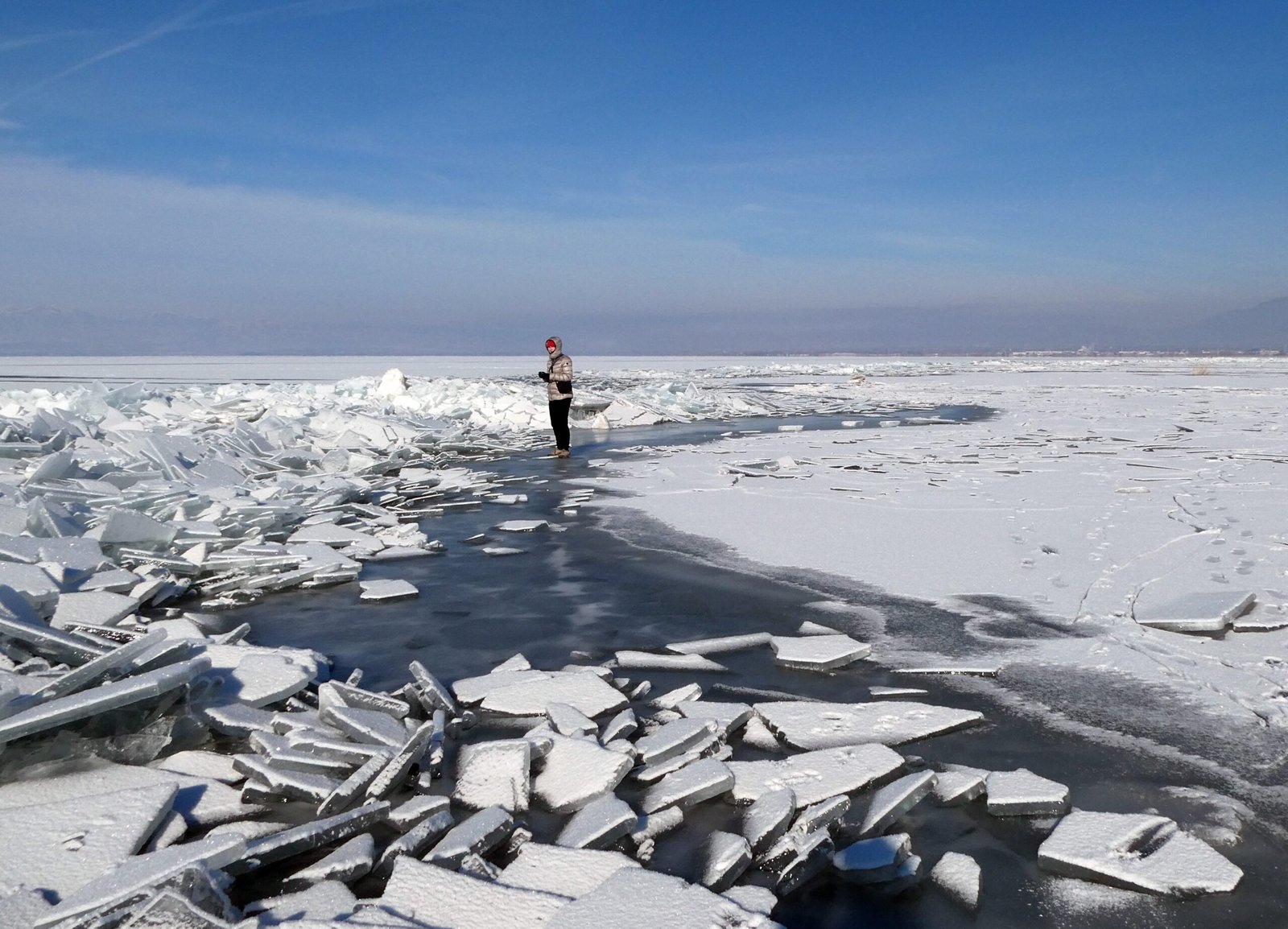
Beyond the chaos in backyards, ice shoves can shape the environment in surprising ways. When massive ice sheets plow onto shore, they uproot plants, erode soil, and reshape beaches. In some cases, this can create new habitats for birds and fish. But in other cases, it can damage delicate ecosystems, destroying nesting sites or exposing shorelines to future erosion. Scientists study these events closely, trying to understand both the risks and the unexpected benefits ice shoves bring.
How Residents Prepare for Ice Shove Season
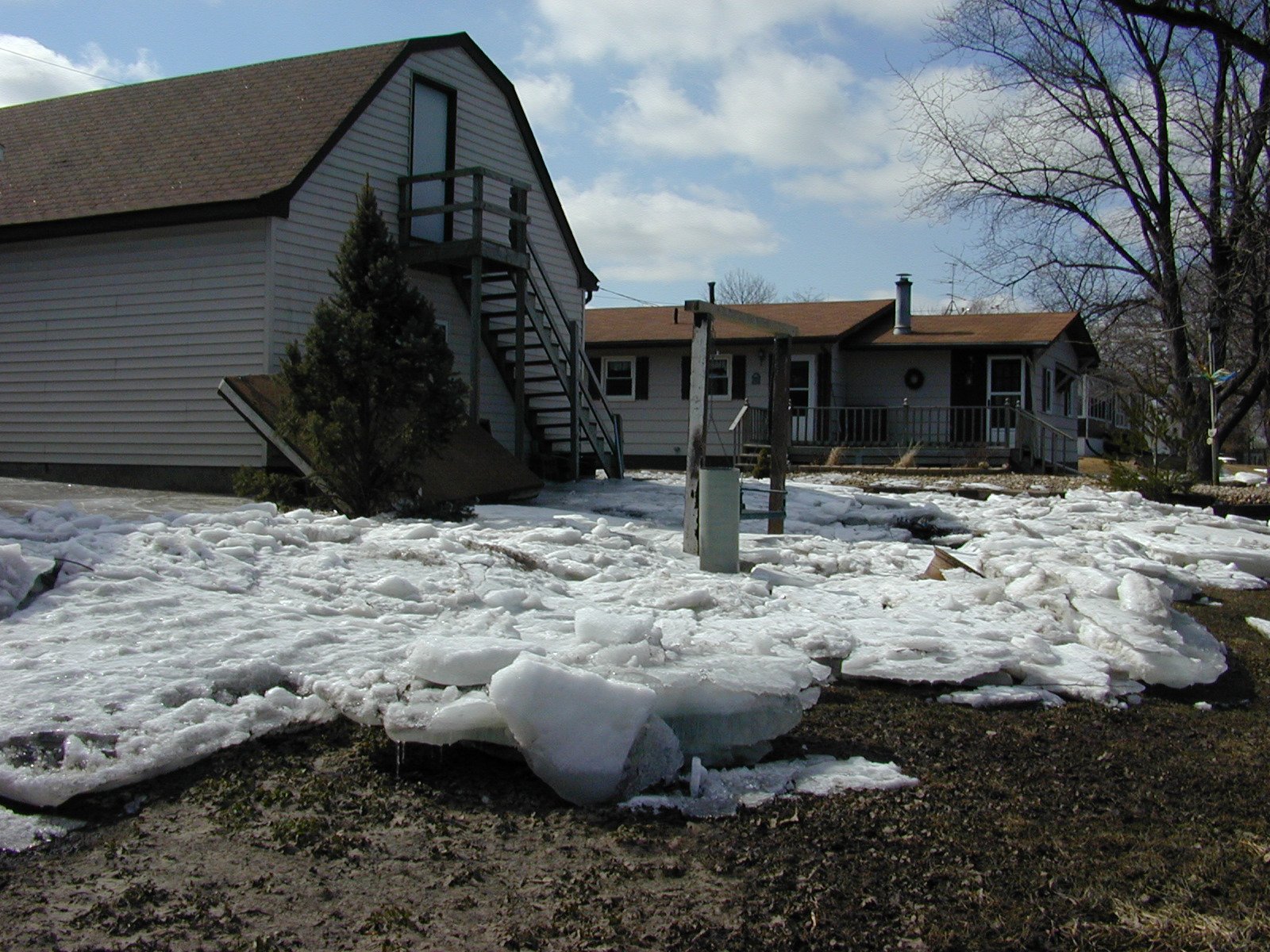
For Wisconsinites living near lakes, ice shove season is as much a part of life as mosquito season. Some residents put up temporary barriers or move their outdoor furniture well away from the shore. Others keep a close eye on weather forecasts, ready to sound the alarm if conditions look right for a shove. There’s even a kind of “ice shove etiquette”—neighbors warn each other, share updates, and sometimes gather to watch as the spectacle unfolds. Preparation is all about respect for nature’s unpredictability.
Insurance and the Cost of Ice Damage
The aftermath of an ice shove can be expensive. Repairing damaged docks, fences, and homes isn’t cheap, and insurance claims spike every spring. Some policies cover ice damage, but others don’t—leading to headaches and tough negotiations. Local governments sometimes step in to help with cleanup, but most of the burden falls on homeowners. Despite the cost, many residents take it in stride, joking that “if you live by the lake, you’re married to the ice.”
First-Hand Accounts: Stories from the Front Lines
Ask anyone who’s experienced an ice shove, and you’ll get stories you’ll never forget. One family described waking up to a wall of ice that “looked like a frozen tidal wave” outside their window. Another recalled hearing what sounded like a train, only to discover their shed had been pushed twenty feet by a creeping glacier. These personal accounts capture the shock, awe, and sometimes the hilarity of living in ice shove country. The stories get retold every year, growing a little taller with each retelling.
The Role of Climate Change: What the Future Holds
As winters warm and weather patterns shift, scientists are watching ice shoves with new eyes. Some researchers believe climate change could make these events more frequent, as unsteady freeze-thaw cycles create more opportunities for ice to break free. Others worry that shrinking ice cover could make shoves less common—but more unpredictable when they do happen. It’s a subject of intense study, and the only certainty is that the future holds plenty of surprises.
Unexpected Beauty: The Artistry of Ice Shoves
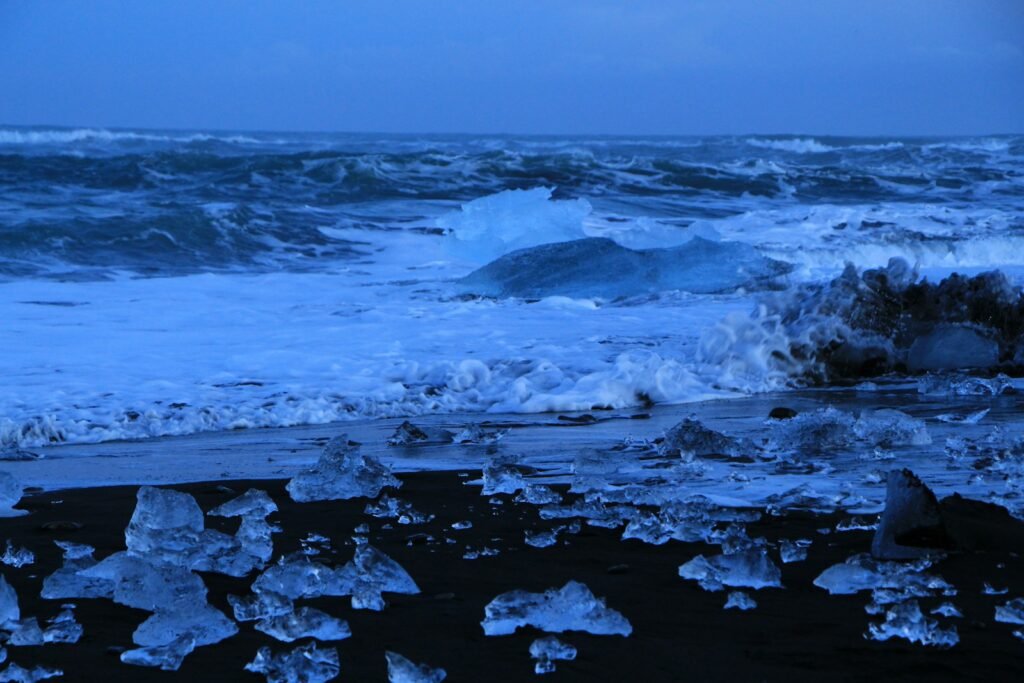
Lost in the noise and chaos, there’s a strange beauty to ice shoves. When sunlight hits a freshly piled wall of ice, it glitters like a field of diamonds. The jagged shards catch the light, creating breathtaking sculptures that last only a few days before melting away. Photographers flock to document these fleeting ice castles, and artists sometimes use the shards for impromptu installations. It’s proof that even nature’s most destructive moments can leave behind something stunning.
Community Response: Coming Together in Crisis

In true Midwestern fashion, ice shoves often bring communities closer. Neighbors join forces to clear driveways, rescue stranded pets, and swap stories about the wildest shove in memory. Local officials sometimes organize emergency crews to help clear ice from roads or fix downed power lines. The shared experience of facing down a wall of ice turns strangers into friends, and the tales of teamwork linger long after the ice is gone.
Safety Tips: What to Do When Ice Comes Knocking
If you live near a Wisconsin lake, there are a few things you can do to stay safe. First, never try to stop a moving ice sheet—it’s heavier and more powerful than it looks. Move valuable items away from the shoreline in early spring, and keep an eye on weather alerts. If you hear the unmistakable sound of cracking and grinding ice, stay indoors and watch from a safe distance. The spectacle is best enjoyed from behind sturdy walls!
Comparing Ice Shoves Around the World
Wisconsin isn’t alone in facing ice shoves—lakes in Minnesota, Canada, and Russia see similar events. But each region has its own twist. In Siberia, for example, ice shoves can engulf whole villages, while in Minnesota, they’re known for smashing boathouses. Wisconsin’s ice shoves are famous for their drama and the way they capture the community’s collective imagination. No matter where they happen, ice shoves are a reminder that water, wind, and cold can combine in truly spectacular ways.
Folklore and Legends: Ice Shoves in Local Lore
Over generations, ice shoves have inspired tall tales and local legends. Some stories claim that the ice “chooses” a different house each year, or that a certain whistle can “call” the shove. While these tales stretch the truth, they add a sense of magic to the annual event. Children grow up waiting for the first rumble, half-scared and half-excited to see where the ice will land. The stories become part of what it means to live near a Wisconsin lake.
Why Ice Shoves Are Here to Stay
Despite the shock and spectacle, ice shoves are a natural part of life in Wisconsin. As long as lakes freeze and winds blow, these icy bulldozers will keep making their dramatic appearances. For all the damage and noise, they also bring a sense of wonder—a yearly reminder that nature is full of surprises. Next spring, when you hear that distant rumble, you’ll know it’s just Wisconsin’s ice shoves, rolling in for another unforgettable show.