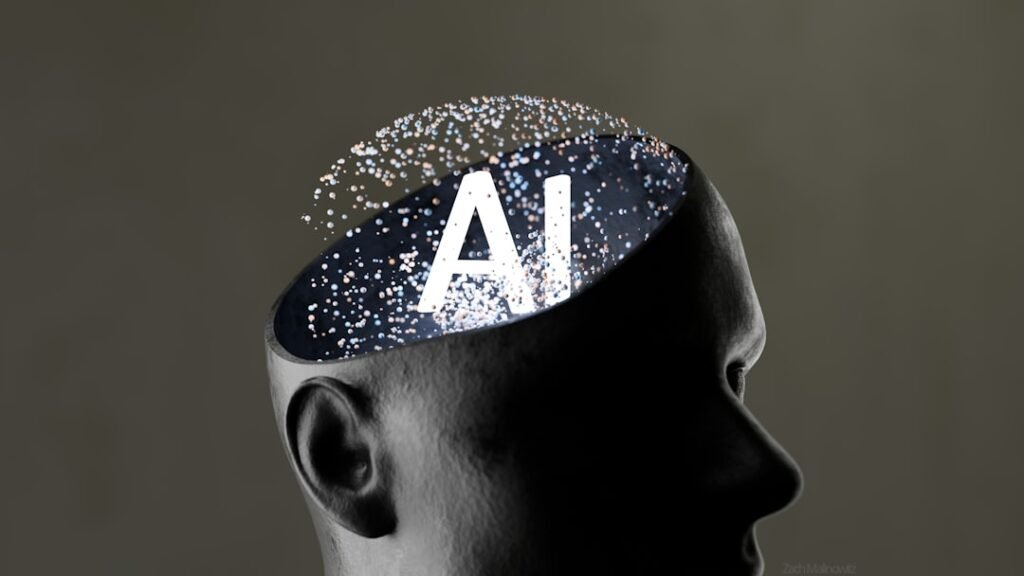
You live on a planet shared with more than eight million other species, yet you only truly understand the language of one: your own. That gap is starting to feel almost embarrassing, especially now that artificial intelligence can translate between dozens of human languages in seconds. The surprising twist is that some of the same AI ideas that let you chat across cultures are now being pointed at whales, birds, dolphins, and more, in what might become one of the most profound scientific shifts of your lifetime.
Behind the scenes, a new kind of global organization has quietly taken shape: loose networks of nonprofits, universities, and research groups pooling data, hardware, and algorithms to crack the code of animal communication. You are essentially watching an early version of “Google Translate for nature” being built in real time, with projects focusing on everything from sperm whales to songbirds. It is still early, still messy, and nowhere near full “conversation” yet – but the progress is real enough that you can start to imagine what it will feel like when you finally begin to understand what animals are saying to each other.
You Start With Whales: The First Large-Scale AI Language Project Beyond Humans
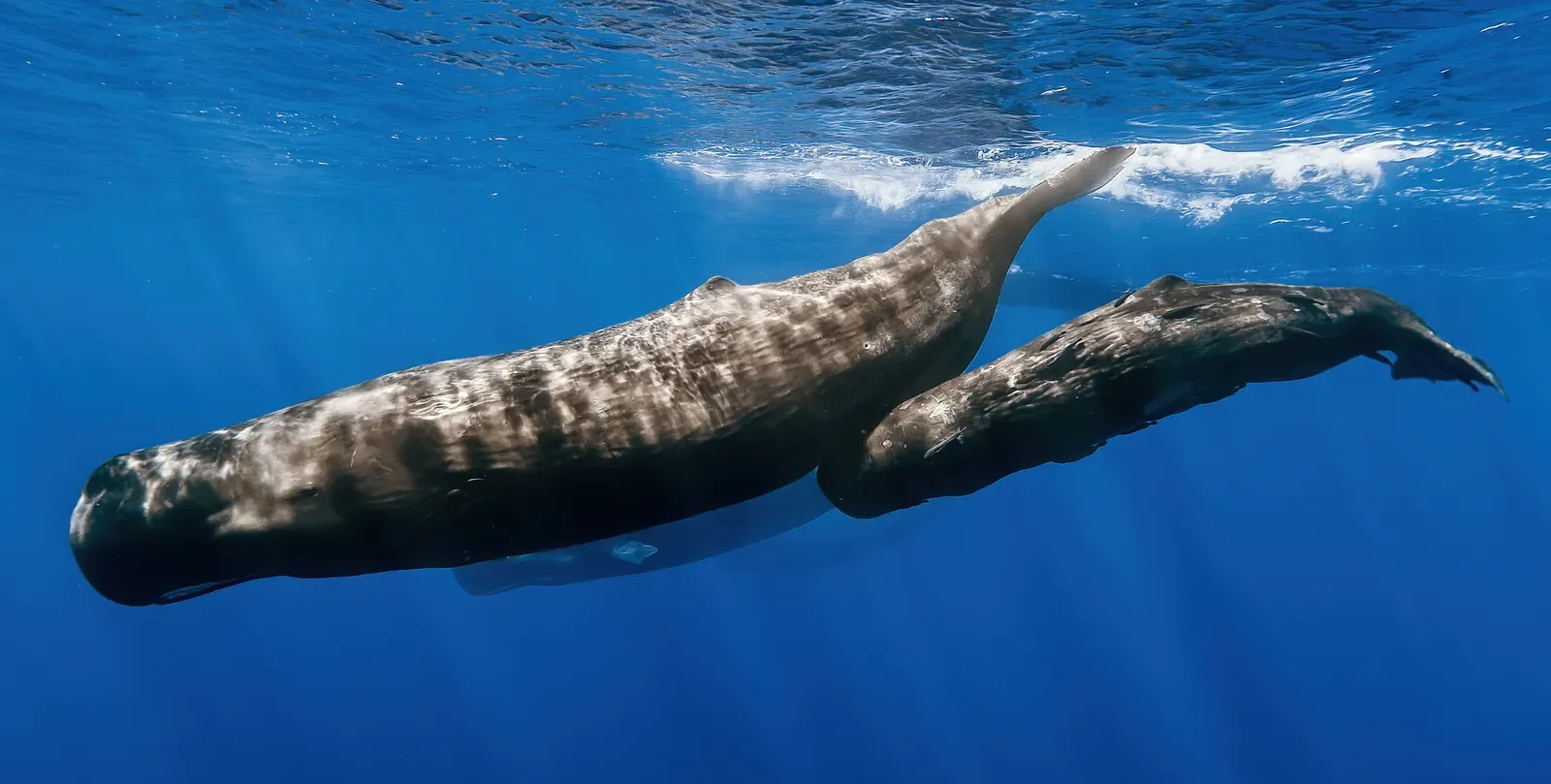
If you want a concrete picture of how this all works, sperm whales are your best starting point. You have a global initiative, often called Project CETI (Cetacean Translation Initiative), that brings together AI researchers, marine biologists, linguists, cryptographers, and engineers from institutions around the world to study the whales’ click-based vocalizations. These whales produce rapid-fire patterns of clicks, known as codas, that sound to your ear like an underwater typewriter or slowed-down Morse code, but when you stack enough recordings and add modern machine learning, patterns start emerging that your brain alone would never spot.
To feed these AI models, researchers deploy underwater microphones, drones, and even autonomous gliders that can follow whales for long periods without disturbing them. Field teams off Dominica and other Caribbean locations have built massive acoustic datasets, capturing codas in every imaginable social context: mothers and calves, hunting groups, social gatherings, even a documented birth event with careful audio and video. When you train advanced pattern-recognition systems on this scale of data, you begin to see structures that look strikingly language-like – things like recurring “alphabet”-style building blocks and consistent changes in rhythm and tempo that correlate with different situations.
You Use AI to Find an “Alphabet” in the Noise
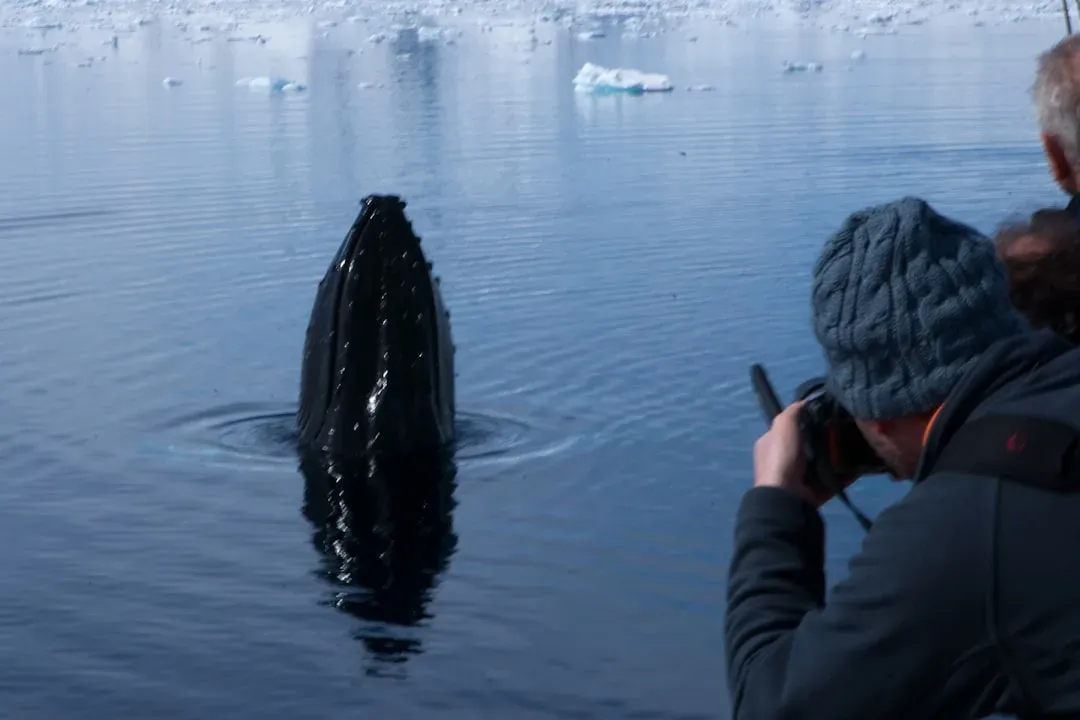
If you listen to whale clicks or bird calls raw, they often sound like an undifferentiated blur, but AI does not get bored or overwhelmed the way you do. By running sophisticated clustering and sequence models on whale codas, researchers have identified a surprisingly rich combinatorial system – essentially a phonetic inventory of repeated patterns that can be combined and modified. You can think of it as discovering that those clicks are not random beats but more like letters and syllables that form a structured repertoire, with rules about how they can be sequenced.
Once you treat those units as something like a basic alphabet, you can apply many of the same tools used in human natural language processing: language models, information-theoretic measures, and sequence prediction. Early studies suggest that sperm whale codas have meaningful variations in timing, rhythm, and spectral features that could function like human vowels or accents. You are not at a point where you can read “sentences,” but you are firmly past the stage of just labeling sounds “social” or “foraging.” Instead, AI lets you ask: How many distinct units are there? How often do they appear together? Are there grammatical rules? You are, for the first time, treating animal communication not as primitive noise but as a system that might have its own internal logic.
You Build Giant Datasets That Link Sound to Context
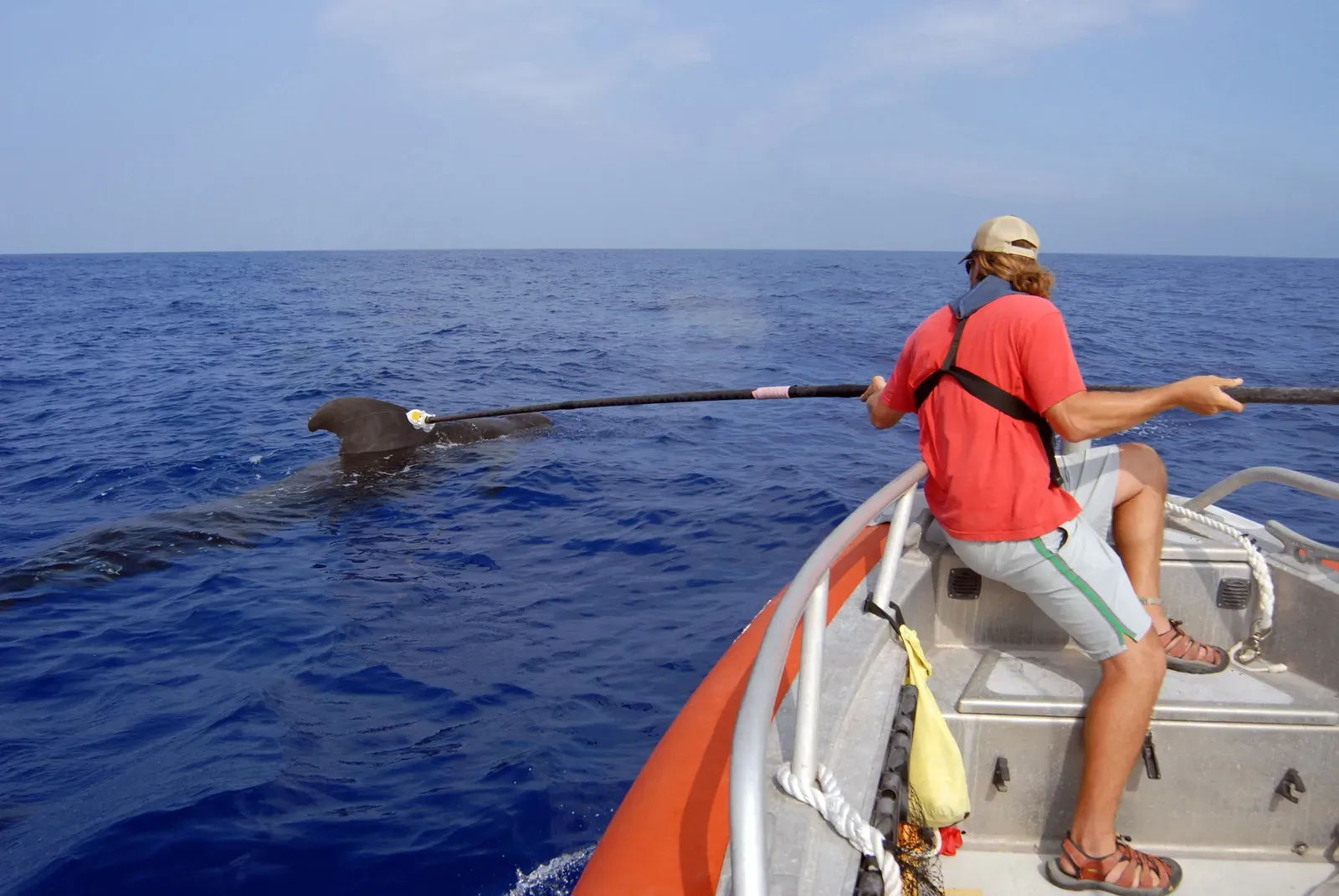
AI is only as good as the data you feed it, and that is where the global nature of this work really shows. For whales alone, teams are building multi-year datasets that combine synchronized audio, video, GPS, and behavioral notes. Imagine logging not just what you hear, but who is present, what they are doing, how deep they are, and even which individual is clicking or calling. This turns each recording into a rich puzzle piece where acoustic structure can be directly tied to specific moments – like a calf nursing, a group coordinating a dive, or whales forming protective circles around a newborn.
With that kind of dataset, you are no longer limited to asking “What does this sound like?” You can instead ask “What tends to happen right after this pattern?” Machine learning thrives on those correlations over millions of examples. When certain codas consistently appear right before a group dives or right after a calf surfaces, models can start predicting behavior from sound alone. Over time, this gives you hypotheses about what different signal types might mean in terms you instinctively understand: greeting, coordination, reassurance, alert. You still have to be cautious about leaping to translations, but you now have a data-driven way to test whether a sound really carries a specific kind of information.
You Adapt Large Language Models to Non-Human Voices
One of the wildest parts of this story is that you are repurposing tools originally built for human conversation to listen to animals. Some non-profit labs focused on interspecies communication are developing their own “bioacoustic language models” trained across human speech, music, and animal sounds. The idea is that AI can learn general patterns of structure in time-based signals – like rhythm, repeated motifs, and hierarchical organization – and then transfer that understanding from human languages to completely different species.
In practice, that means you can feed enormous libraries of recordings from whales, birds, or primates into transformer-style models and let them learn which sequences are likely, what comes next, and how similar or different two signals are in a latent space. You are not anthropomorphizing animals by forcing them into human grammar; instead, you are using flexible models to discover whatever structure is genuinely there. In some cases, models trained on human music or speech turn out to be surprisingly good at parsing animal acoustics, hinting that there may be shared statistical fingerprints of communication across species. For you, this is a shift from “Can they talk?” to “What kind of complex structure do they already use that you simply failed to notice before?”
You Go Beyond Whales: Birds, Dolphins, and the Wider Animal Choir
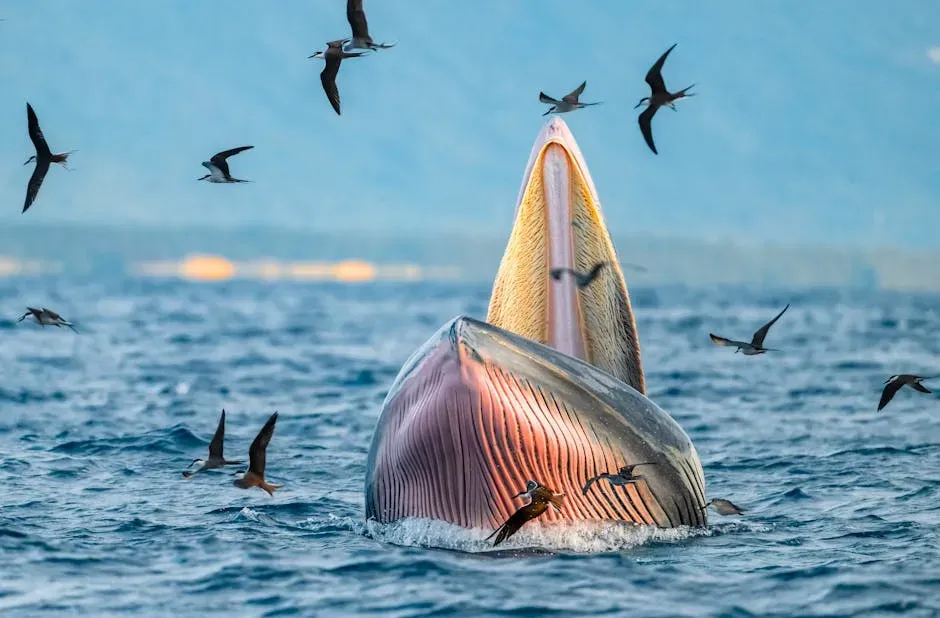
While whales grab headlines, you are seeing similar AI ideas applied across the animal kingdom. In birds, machine learning is being used to classify songs from hundreds of species and to detect subtle variations in syllables that would be almost impossible for you to track by ear. These models can automatically scan massive audio archives and sort out which species is singing, when, and how their repertoire changes over time or between regions, like mapping out dialects in different bird neighborhoods. That does not translate to full “sentences,” but it gives you a powerful handle on the structure and function of bird communication.
Dolphin researchers are also leaning on deep learning to analyze whistles and clicks, building models that can encode and decode vocalizations into compressed representations and then reconstruct them. That autoencoding approach lets you cluster similar calls and look for patterns tied to specific social interactions or individuals. When you combine that with years of observational data, AI can help you test long-standing ideas – that dolphins use signature whistles like names, for example, or vary their vocalizations systematically in different social roles. Instead of arguing from a handful of recordings, you can now let algorithms comb through thousands of hours of underwater sound, revealing structures that would otherwise stay hidden.
You Treat Communication as a Window Into Animal Minds
What makes this work emotionally powerful is that it is not just about decoding noise; it is about getting a glimpse into non-human intelligence. When you find that whale codas or bird songs have complex, rule-governed structure, you are forced to update your picture of those animals’ mental lives. Communication is how social relationships, coordination, and culture get expressed and transmitted. If AI shows you that a species has a rich system of signals that change in meaningful ways with context, you are really learning about their capacity for memory, learning, and maybe even something like shared traditions.
At the same time, a careful global organization will remind you not to overhype what AI can do today. You do not yet have full translations, and you certainly cannot claim to understand what it “feels like” to be a whale or a dolphin. What you can do is map out complexity, track information content, and test whether signals carry specific types of information in repeatable ways. That may sound dry, but it is the scientific backbone of something much more intuitive: realizing that other creatures have their own rich narratives playing out beneath the surface, and that your species has been deaf to those narratives for as long as you have been here.
You Plan for the Ethical Shockwave Before It Hits
If you do manage to understand animal communication at a deep level, it will not just be a neat tech trick; it will be an ethical earthquake. Many of the organizations pushing this work are already partnering with legal scholars and conservation groups to think through what it means if you can show, with hard data, that a species has highly structured, possibly symbolic communication. That could reshape debates about animal welfare, habitat protection, and even legal rights for non-human beings. You would suddenly have more than intuition and anecdotes – you would have recordings and AI-backed analyses showing how trauma, separation, or environmental noise affect real conversations.
There is also a risk side you have to confront honestly. If you can learn to interpret animal communication, you could in principle learn to manipulate it as well, using playback to influence behavior in ways that are not in the animals’ best interest. That is why some groups emphasize “more-than-human rights” and responsible governance frameworks alongside the science. You are being asked to treat animal communication not as a free resource to exploit, but as something closer to private correspondence within another society. In other words, you are not just building new tools; you are deciding what kind of relationship you want with the rest of life once you finally start to hear it.
Conclusion: You Are Standing at the Edge of a New Conversation
When you step back, the picture is both humbling and electrifying. You have AI models adapted from human language, global networks of researchers, and unprecedented acoustic datasets all converging on one audacious question: can you really understand what animals are “saying” to each other? The evidence so far tells you that many species have communication systems that are far more structured and information-rich than you once assumed, even if you are still a long way from fluent translation. What used to be dismissed as background noise is starting to look more like the soundtrack of parallel civilizations sharing your planet.
If this work continues on its current trajectory, you may live to see a moment when humanity can listen to whales, birds, or dolphins with something approaching comprehension, and respond in ways that are guided by respect rather than guesswork. That possibility forces you to rethink where the boundary of “us” really ends and how you measure intelligence and personhood. The next time you hear a bird outside your window or imagine whales singing in the deep, you might wonder: are you overhearing a conversation that your species is finally learning how to join, and if so, what kind of listener do you want to be?