You probably used at least half of these inventions before breakfast today without even thinking about them. A quick tap on your phone, a sip from a mug, a flick of a light switch – all so ordinary that they feel like they’ve always been there. But behind these tiny conveniences are some wild backstories that involve accidents, stubborn skeptics, failed experiments, and a few people who honestly had no idea what they’d just created.
Once you start digging into where everyday objects actually came from, you see them differently. A snack becomes the result of a kitchen disaster, a sticky note starts out as a failed glue, a household cleaner is born on a World War II battlefield. As you read through these nine inventions, notice how often luck, curiosity, and persistence collide. You might even start to look at your own half-finished ideas in a new light – maybe they’re just one twist away from changing someone’s life.
1. The Microwave Oven That Started With a Melted Candy Bar
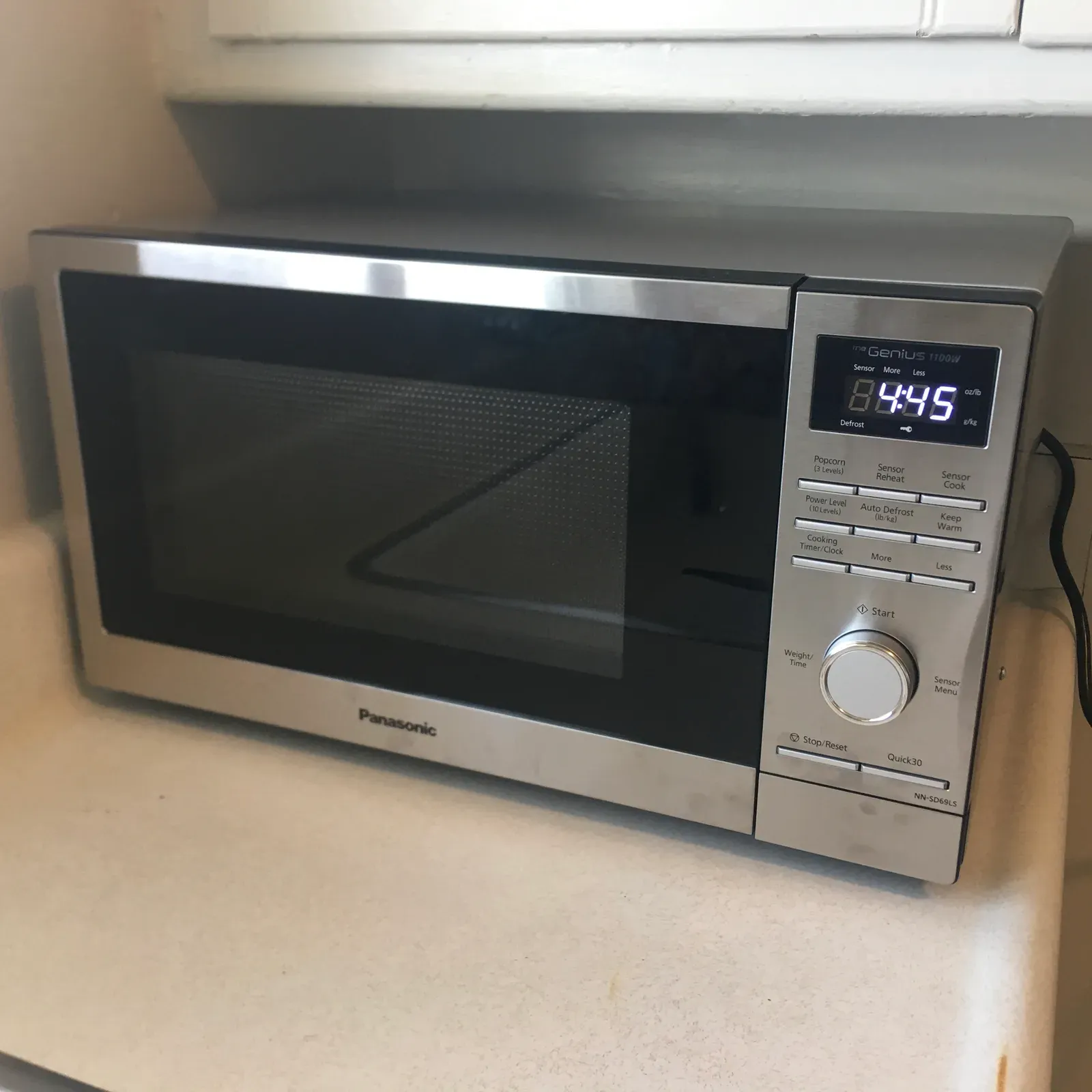
Imagine you’re standing near a huge radar machine at work and suddenly notice the chocolate bar in your pocket has turned into a gooey mess. If you were like most people, you’d probably just be annoyed. But the engineer who experienced this in the mid‑1940s treated it as a clue instead of a nuisance, and that small moment ended up reshaping how you heat food in your kitchen.
From that accidental discovery, you eventually got the microwave oven sitting on your counter. Early versions were massive, heavy, and far too expensive for a normal home, closer to industrial equipment than a quick popcorn maker. Over time, engineers shrank the size, improved the safety, and dropped the price until it became one of the most common appliances you own. The next time you reheat leftovers in a minute, you’re basically benefiting from someone who paid attention to a melted snack instead of just throwing it away.
2. Penicillin: The Life-Saving Mold You Were Taught To Avoid

You’ve probably been told your whole life to avoid moldy food, so it’s kind of wild that one of the most important medical breakthroughs began with exactly that. In 1928, a scientist noticed that a petri dish he’d accidentally left out had grown mold that killed the surrounding bacteria. Instead of discarding it as a ruined experiment, he paid attention to the odd pattern and realized he’d stumbled onto something powerful.
Out of that messy-looking dish came penicillin, the first widely used antibiotic, and it completely changed how doctors treat infections. Before that, something as simple as a cut could lead to deadly complications, and common infections routinely killed healthy people. You live in a world where that discovery feels normal, but it took years of refining, growing, and testing before it could reach patients. It’s a reminder that sometimes the thing everyone else sees as waste or failure might be hiding the solution you desperately need.
3. Post-it Notes: The “Failed” Glue That Was Too Weak
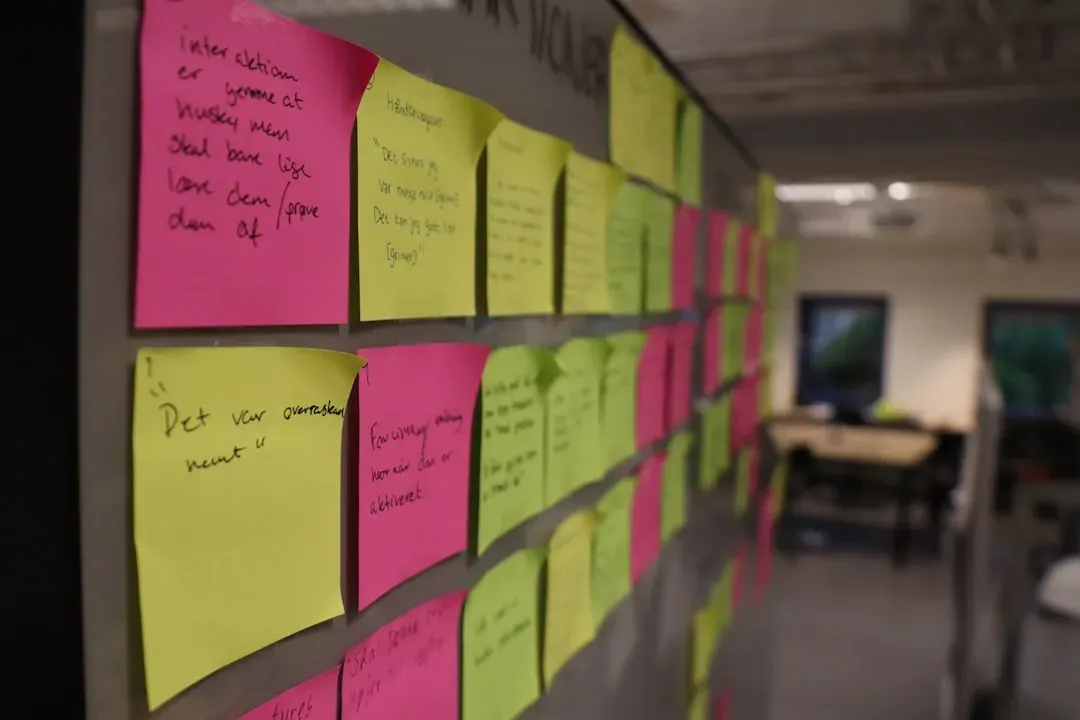
If you had created a glue that did not stick very well, you would probably call it a flop and move on. That is exactly what happened at a large science-driven company in the 1960s, where a researcher developed an adhesive that was oddly weak. It would cling to surfaces but could be peeled off without leaving residue, which made it seem useless for any normal industrial purpose.
Years later, another employee who sang in a church choir got frustrated when paper bookmarks kept sliding out of his hymnal. He remembered the “failed” adhesive and tried it on small pieces of paper so they would stay put but still lift off cleanly. What came out of that personal annoyance is the sticky note you now use for to-do lists, reminders on your screen, and quick notes on the fridge. Every time you peel one off, you are literally using a mistake that someone refused to throw away.
4. Corn Flakes: Born From A Kitchen Mistake In A Sanitarium
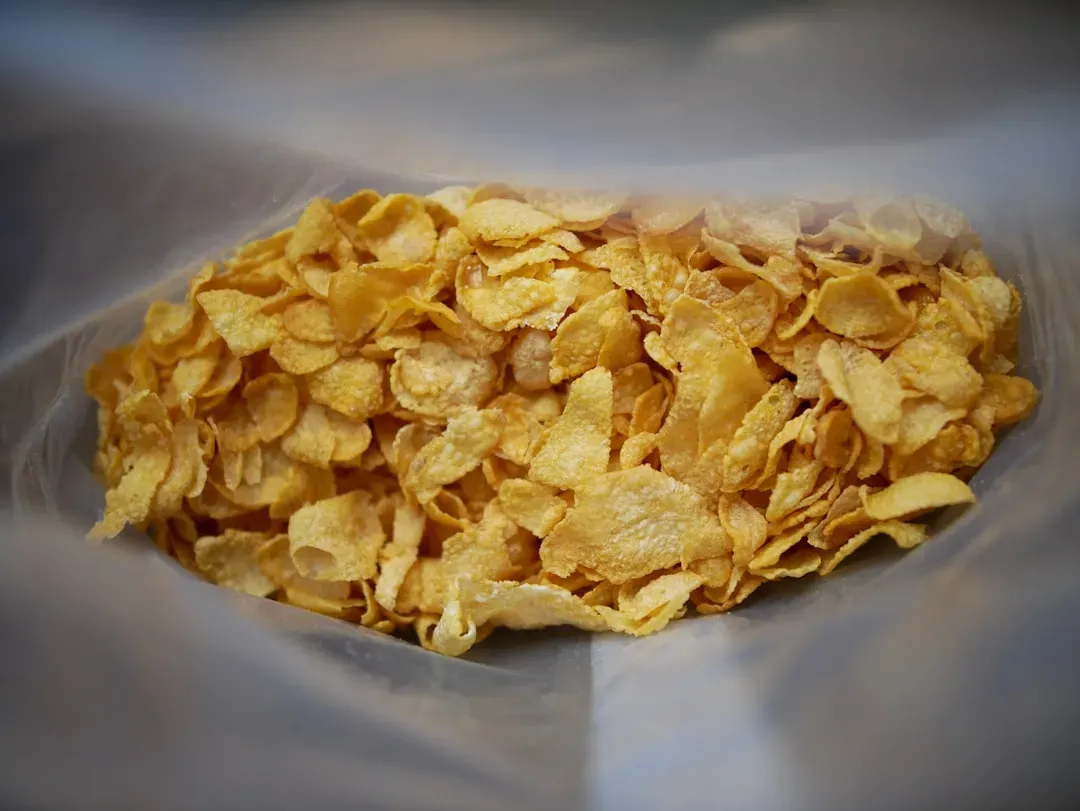
When you pour a bowl of corn flakes, it feels like the most boring, predictable breakfast on earth. But their origin story is anything but bland. In the late nineteenth century, two brothers running a health-focused sanitarium were trying to create simple, wholesome foods for patients and accidentally left cooked wheat sitting out too long. When they rolled it, the wheat turned into flakes instead of sheets, leading them to bake and taste this strange new texture.
That moment of curiosity eventually led them to experiment with corn instead of wheat, and the crisp, light flakes were an instant hit. Over time, what started as a fairly strict health food morphed into a mainstream breakfast staple, especially once sugar and bright packaging entered the picture. You might see it as just another cereal box on the shelf, but it actually came from a mix of medical beliefs, strict diets, and a simple kitchen error. It’s a neat reminder that even your most routine morning habits might trace back to someone else’s accidental discovery.
5. Safety Glass: A Dropped Flask And A Lucky Coating

When you sit behind a car windshield or look through a glass door, you probably do not think about how dangerous ordinary glass used to be. Traditional glass shatters into sharp, deadly shards, which made early transportation and industrial work risky. In the early twentieth century, a chemist dropped a glass flask coated with a type of plastic and was surprised to see it crack but not fall apart.
That unexpected result led to the development of laminated safety glass: layers of glass bonded with a plastic inner layer that holds everything together when it breaks. You now rely on this clever structure in your car windows, some building facades, and many safety goggles, often without realizing it. The key was not just the material but the decision to explore why the flask behaved differently. So every time a windshield cracks instead of exploding in your face, you are protected by someone who was curious enough to investigate a lucky accident.
6. The Slinky: A Serious Engineering Tool Turned Plaything
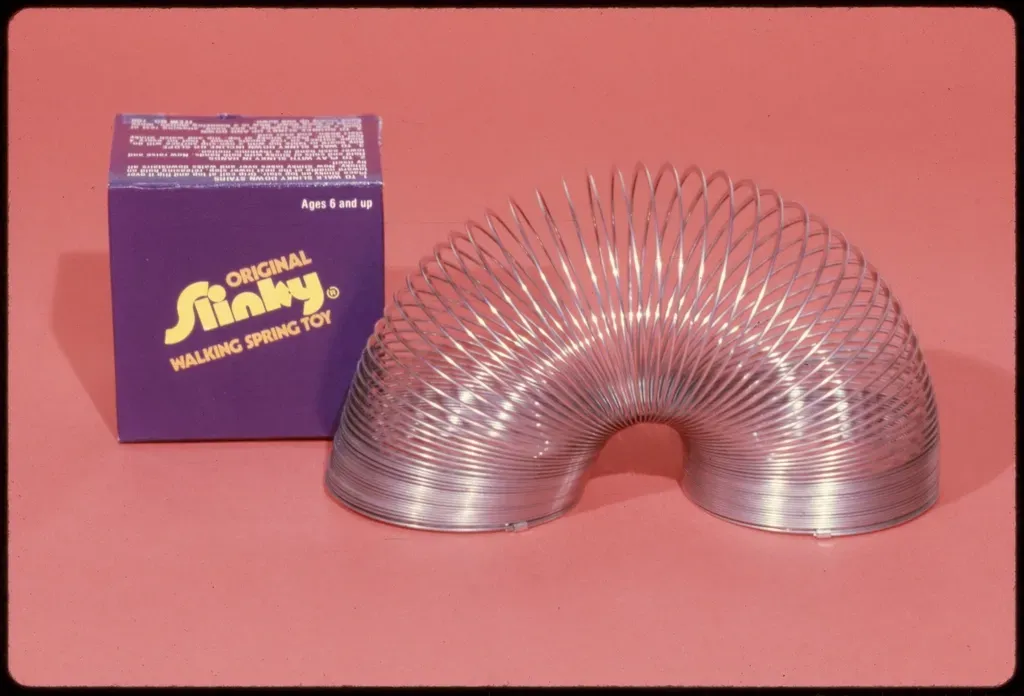
If you ever watched a Slinky walk down the stairs, you probably thought of it as pure childhood fun. Its origins, though, are rooted in a shipyard and a very serious engineering problem. In the early 1940s, an engineer was working with springs designed to stabilize sensitive instruments on naval vessels when one of them fell off a shelf and did something unexpected: it gracefully “walked” instead of just bouncing or rolling.
Rather than treating it as a trivial distraction, he realized people might enjoy that odd movement as a toy. From there, he refined the design, tested materials, and packaged it as something you could buy for your kids. That shift from technical component to plaything turned a purely functional object into a cultural icon. Whenever you see a Slinky tumbling in that hypnotic way, you’re watching a piece of engineering that accidentally crossed over into the world of imagination and fun.
7. Velcro: Inspired By Burrs Stuck To A Dog’s Fur
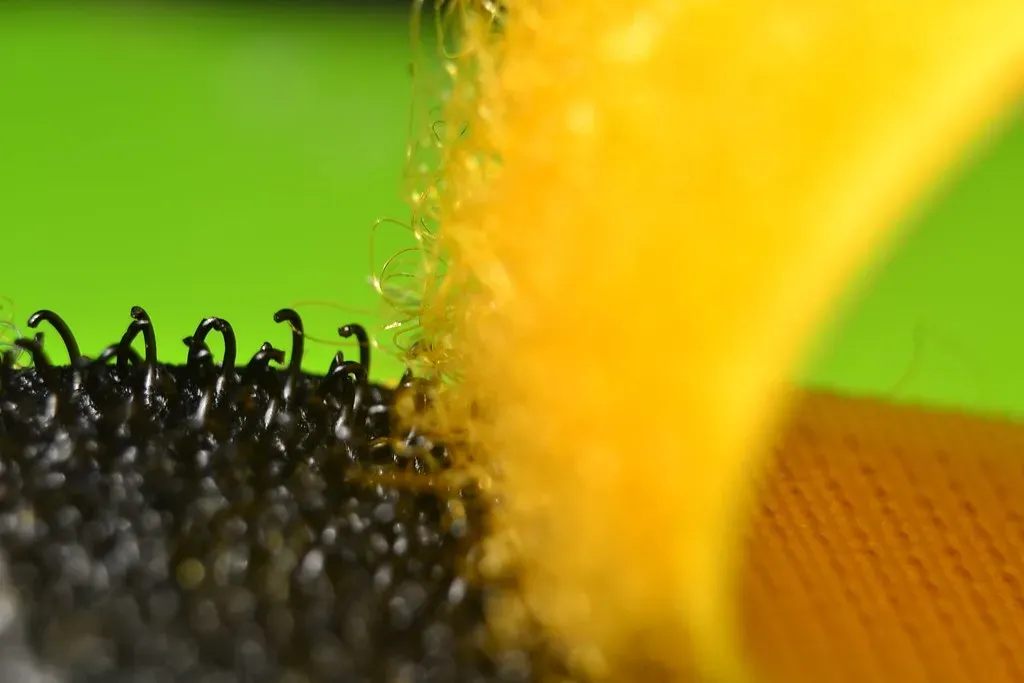
You have probably wrestled with those annoying burrs that cling to your clothes or your pet after a walk through tall grass. One mid‑twentieth‑century engineer decided to look at them more closely instead of just picking them off in frustration. Under a microscope, he saw tiny hooks that grabbed onto loops of fabric and fur, a natural fastening system that worked brilliantly without knots or buttons.
He spent years translating that biological structure into a man‑made fastening material using two strips: one covered in tiny hooks and the other in small loops. You now know that system as Velcro, and you find it on shoes, jackets, bags, sports gear, and even in aerospace applications. The magic is that it is strong when pressed together yet easy to pull apart, something you rely on whenever you quickly strap or unstrap something. All of that convenience started because someone turned irritation with clingy plants into careful observation and clever copying of nature.
8. Super Glue: A Sticky Nuisance That Wouldn’t Wash Off
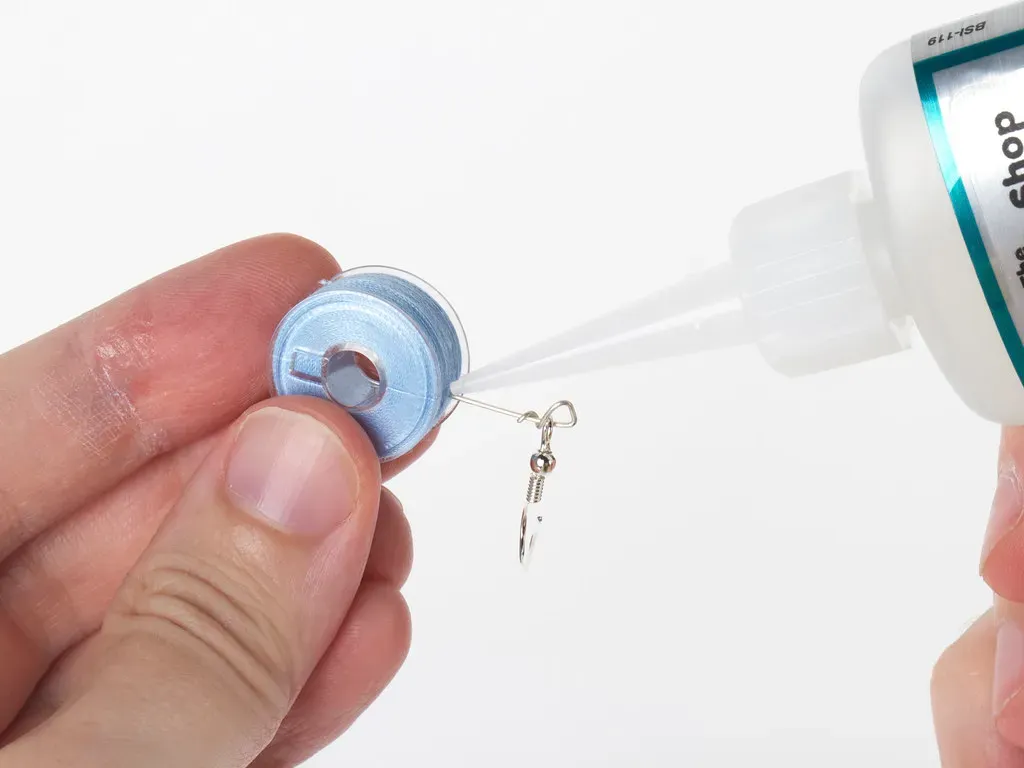
Imagine working with new chemicals during wartime and constantly getting annoyed because one of them sticks to everything and refuses to let go. During the 1940s, researchers testing materials for gun sights ran into exactly that problem. The substance they were studying bonded so firmly to surfaces that it ruined their equipment instead of improving it, so they set it aside as more trouble than it was worth.
Years later, someone revisited the compound and realized that its strongest feature – instant, stubborn adhesion – could be useful on its own. That is how you eventually got the super glue tube in your toolbox or junk drawer. From fixing broken ceramics to quick household repairs, you trust it for jobs where tape or ordinary glue fails. The only catch is also its power: you have to be careful not to glue your own fingers together, a modern echo of how frustratingly sticky it first seemed in the lab.
9. Teflon: A Gas Experiment That Turned Into Nonstick Magic
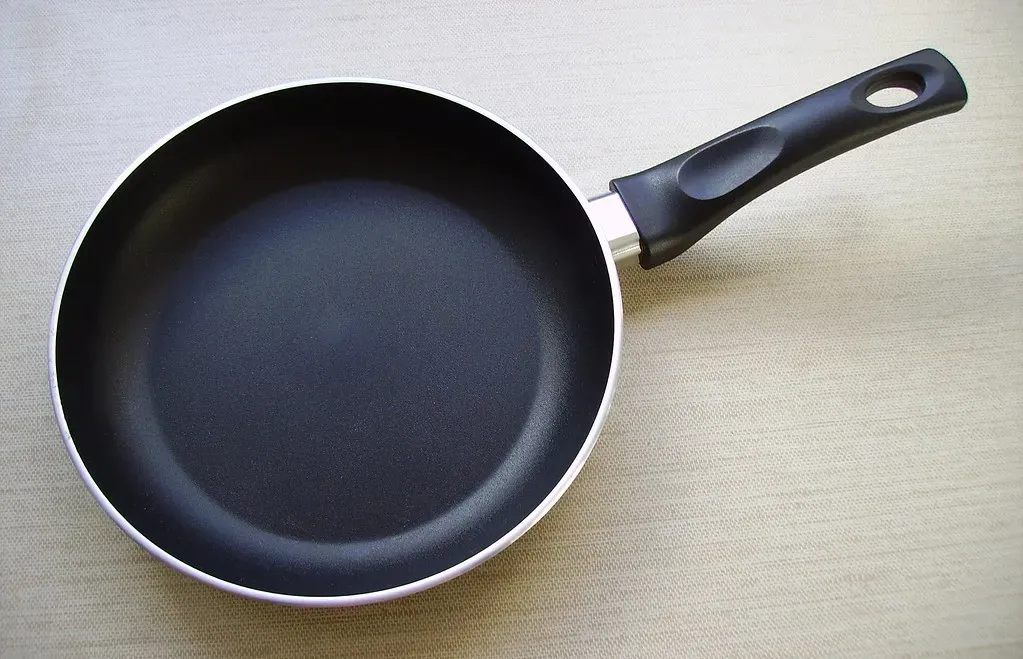
When you slide an egg out of a pan without scraping, you are seeing the quiet power of a substance that was never meant for your kitchen. In the late 1930s, a chemist was experimenting with gases used in refrigeration and found that one cylinder that should have contained gas seemed oddly empty. Cutting it open revealed a slippery, white solid coating the inside, which behaved in strange ways: it resisted heat, chemicals, and almost everything else that touched it.
That material eventually became known as Teflon, first used in industrial and military settings before finding its way into cookware decades later. By bonding it to metal pans, manufacturers gave you a surface that food struggles to cling to, making cooking and cleanup much easier. You also find versions of this slick coating in cables, machinery, and even some outdoor gear. So when you flip a pancake without a fight, you are benefiting from a gas experiment that went in a completely different direction than its inventor planned.
When you step back, these stories show you that your everyday world is quietly shaped by accidents, annoyances, and so‑called failures. A melted candy bar, a moldy dish, a weak glue, and a misbehaving gas all ended up changing how you live, work, eat, and play. You do not need a perfectly planned path to create something meaningful; you often just need to stay curious when something weird happens and follow it a little further than most people would.
So the next time something goes “wrong” – a recipe collapses, a project misfires, or a tool behaves in a surprising way – you might want to pause before you toss it out. Hidden inside that frustration could be the start of your own everyday invention, the kind people will one day take completely for granted. After reading these origins, do you see your so‑called mistakes a little differently now?