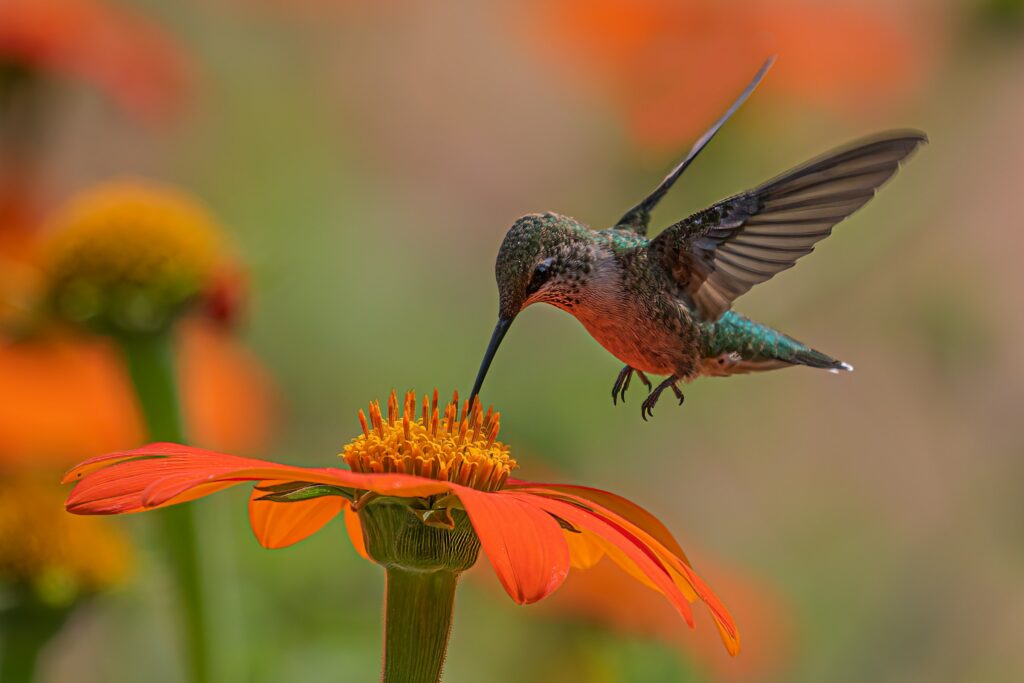

If you’ve ever planted bright red flowers thinking they’d automatically pull in hummingbirds like tiny feathered magnets, you might be in for a surprise. Wildlife biologists are finding that these little powerhouses are a lot more like picky coffee snobs than color-obsessed magpies: what is in the cup (or flower) matters more than how it looks.
That simple shift in understanding changes how we garden, how we restore wild habitats, and even how we think about evolution. When you realize a gram‑sized bird, heart hammering hundreds of times a minute, is making split‑second decisions based on sugar concentration and energy payoff, the whole hummingbird show becomes even more intense. Let’s unpack what the science actually says, without the myths and wishful thinking.
Why Nectar Quality Beats Color: Energy Economics On The Wing
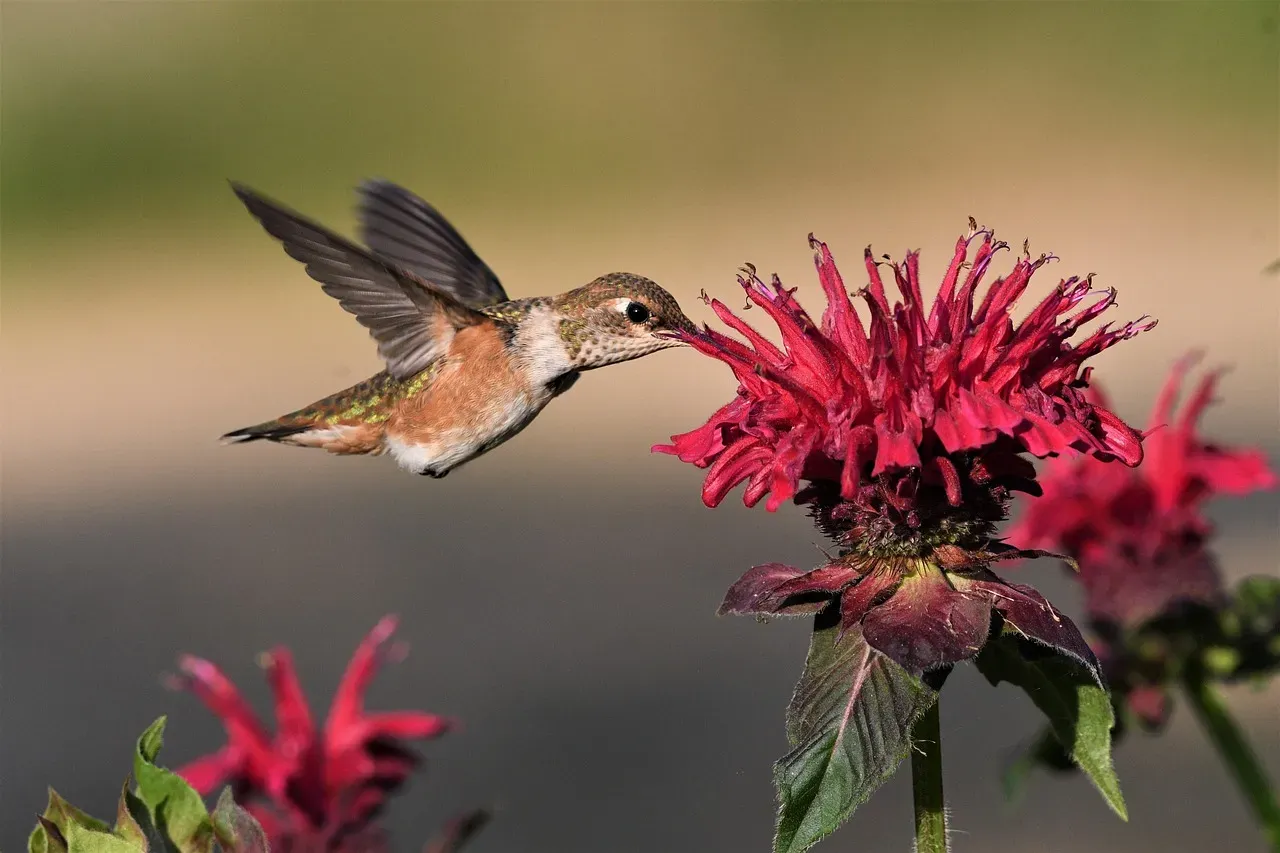
At its core, a hummingbird’s life is a brutal math problem: calories in must at least match calories burned, or the bird crashes. Hovering flight and rapid wingbeats demand staggering amounts of energy, so sipping from a flower with watery nectar is like trying to run a marathon on flavored air. Biologists repeatedly see that when birds can choose, they go for flowers offering richer nectar, even if those flowers are less visually flashy.
That preference makes sense once you think about it like choosing between two cafés: one stylish but serving weak coffee, the other plain but pouring rich espresso. Over time, hummingbirds that prioritized nectar quality instead of being distracted by color alone would stay stronger, survive bad weather, and successfully migrate and breed. Natural selection quietly rewards the birds that let their taste buds (and metabolism) lead, not just their eyes.
The Myth Of “Red = Hummingbird Magnet”
The idea that hummingbirds are obsessed with red flowers is everywhere: garden center labels, feeder packaging, even kids’ books. There is a grain of truth: hummingbirds do notice red, and many classic hummingbird-pollinated flowers happen to be reddish or orange. But careful experiments show that when you control for nectar sweetness and volume, color by itself is not the main driver of their choices.
In side‑by‑side tests where flowers of different colors offer the same nectar, hummingbirds may show slight preferences, but the moment one color hides better nectar, the birds switch allegiance fast. That’s like you ignoring your favorite mug if it suddenly came with diluted coffee while the ugly mug held the good stuff. Color gets their attention; nectar quality keeps their loyalty.
How Hummingbirds Actually Sample And Learn
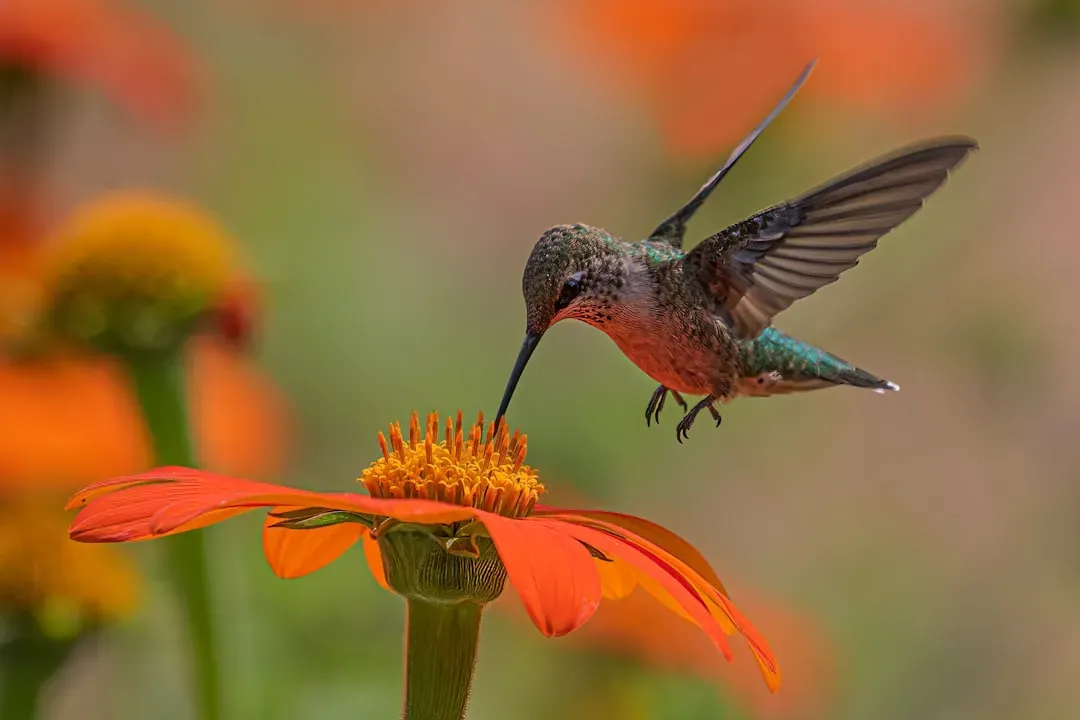
Hummingbirds are not just reacting on instinct; they are constantly sampling and updating a mental map of their food sources. A bird prospecting around a garden will test different flowers, get a quick “read” on nectar concentration, and remember which patches paid off. This learning process can happen shockingly fast, sometimes in only a few visits, which is crucial when every extra hover burns fuel.
Over hours and days, individuals refine those choices, revisiting high‑quality nectar sources while dropping low‑quality ones from their rotation. It is a bit like how you gradually build a mental map of the best bakeries, coffee spots, and cheap lunches in your neighborhood. Hummingbirds are doing the same thing, just at high speed and with life‑or‑death urgency.
The Science Of Nectar: Sugar, Water, And Trade‑Offs
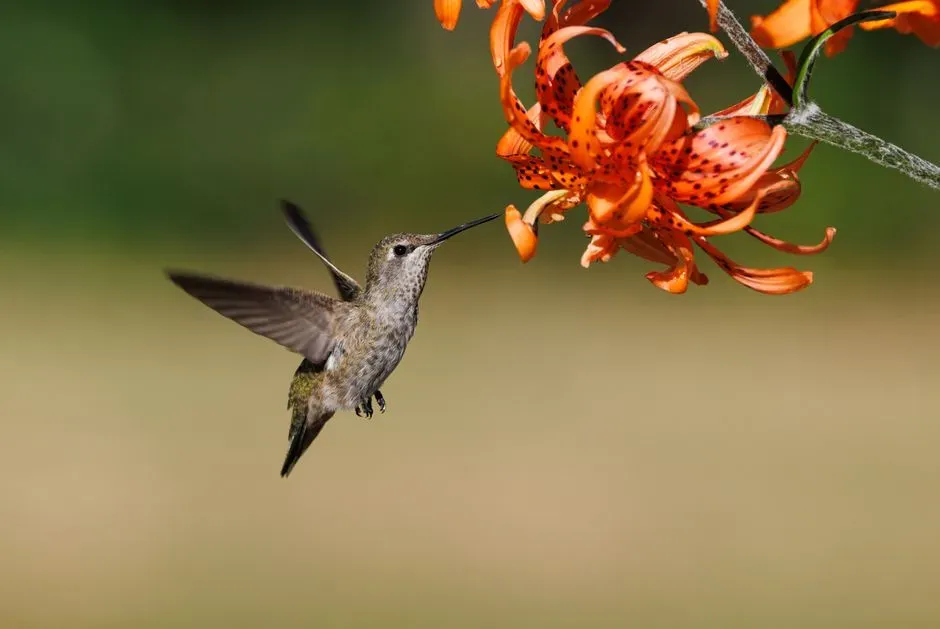
Nectar is not just generic “sweet liquid”; its sugar concentration and composition can vary a lot between plant species and even between individual flowers. For hummingbirds, higher sugar nectar generally means more energy per sip, up to a point. If it gets too thick, it becomes harder to drink and process, so there is a sweet spot where it is dense enough to be worth the effort but still easily consumed.
Most hummingbird‑adapted flowers fall into that optimal range, and birds quickly learn to favor plants that hit it. These nectar traits did not appear out of nowhere; plants and hummingbirds have been in a long, subtle negotiation over time. Plants “offer” nectar as a pollination bribe, and hummingbirds “respond” by visiting the flowers that make their fuel intake most efficient, shaping which plant traits succeed over generations.
Why Color Still Matters (Just Not The Way You Think)
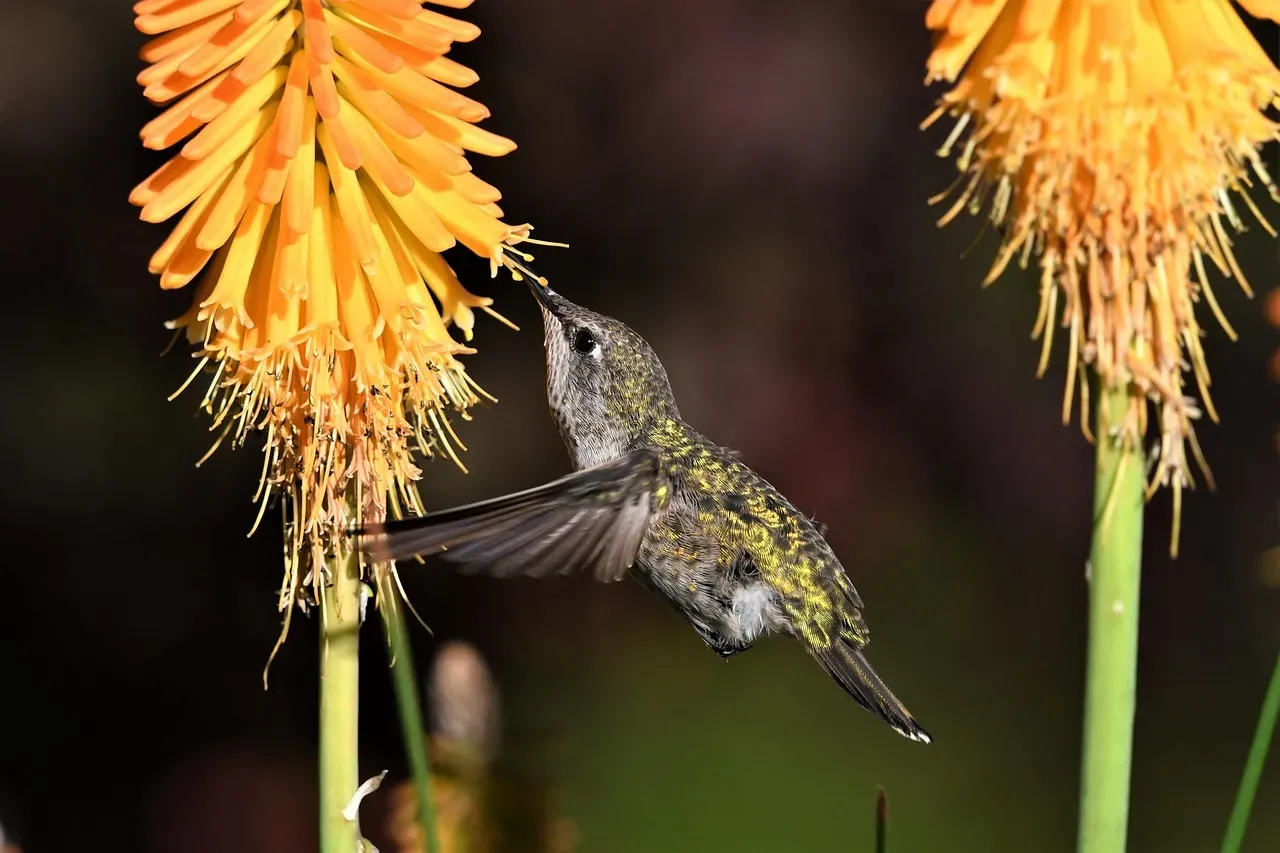
None of this means color is irrelevant; it just plays a different role than garden lore suggests. Bright, contrasting colors can help hummingbirds spot flowers at a distance, especially against a green background where red, orange, or hot pink stand out. Color acts like a sign or logo, hinting: this patch might be worth checking out.
Once the bird gets closer, though, it is not making its final decision based only on that sign. The bird uses taste, handling time, and possibly even subtle scent cues to judge nectar quality. So while colorful flowers can be useful for attracting that first investigation, they cannot compensate for consistently low‑quality nectar. Flashy branding might get a customer through the door, but the product has to deliver.
Wildlife Biology Methods: How We Know What Hummingbirds Prefer
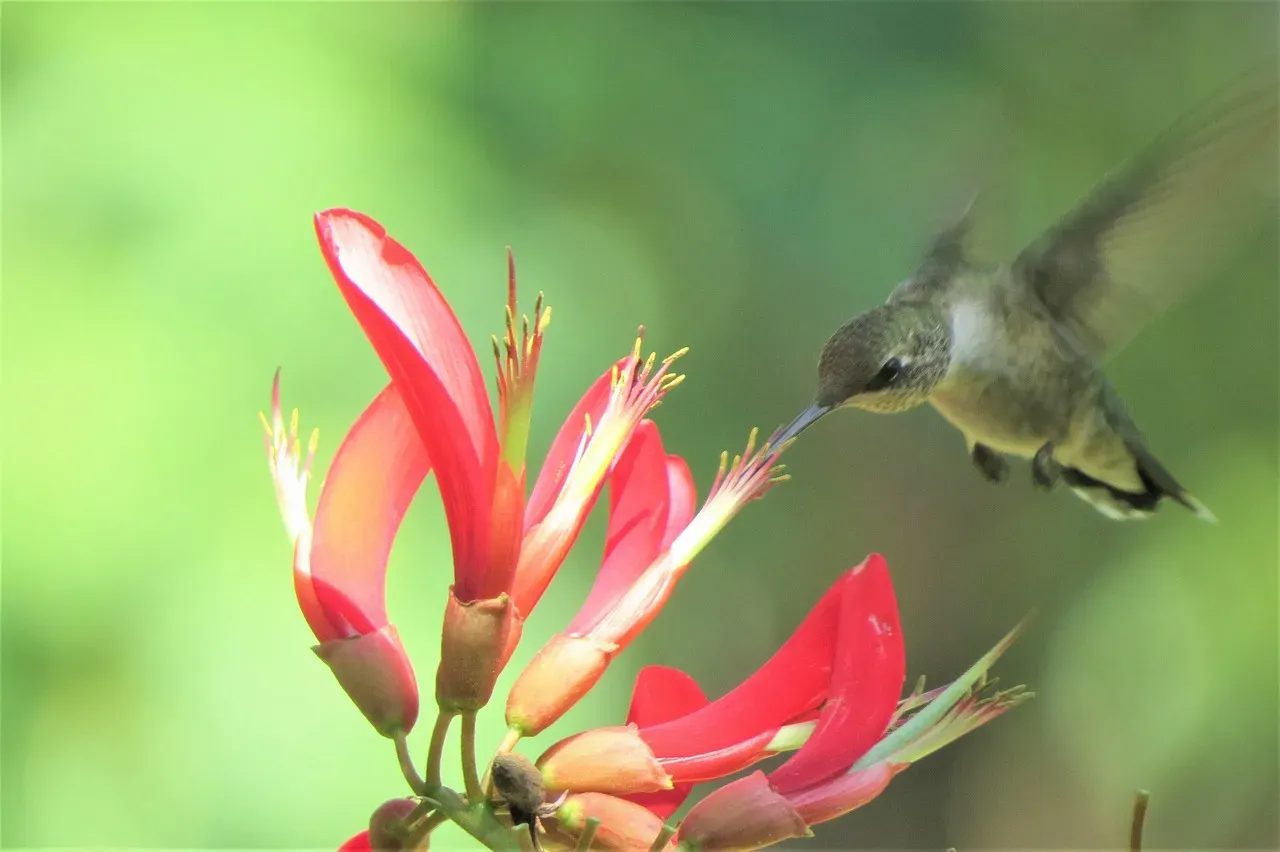
Figuring out what a tiny, fast‑moving bird truly prefers is not as simple as watching where it flies. Wildlife biologists use controlled experiments with artificial flowers, each offering known nectar concentrations and colors, to strip away confounding factors. By randomizing flower positions and tracking visit rates over time, researchers can see clear patterns in what birds actually choose when given a fair comparison.
Scientists also measure how long hummingbirds feed at each flower, how often they come back, and how they adjust their routes when nectar quality changes. In some studies, researchers gradually dilute the nectar in one “patch” while strengthening it in another, mimicking natural variation. Watching how quickly the birds switch behavior gives strong evidence that nectar quality, not color alone, drives their decisions.
I still remember reading one of these studies and laughing at how similar the behavior felt to my own coffee habit. Give me a fancy café with terrible coffee and I might visit once. But if the unassuming place on the corner nails the brew every time, that is where I end up almost daily, whether the sign is neon‑bright or barely hanging on the wall.
Real‑World Habitats: Beyond The Backyard Feeder
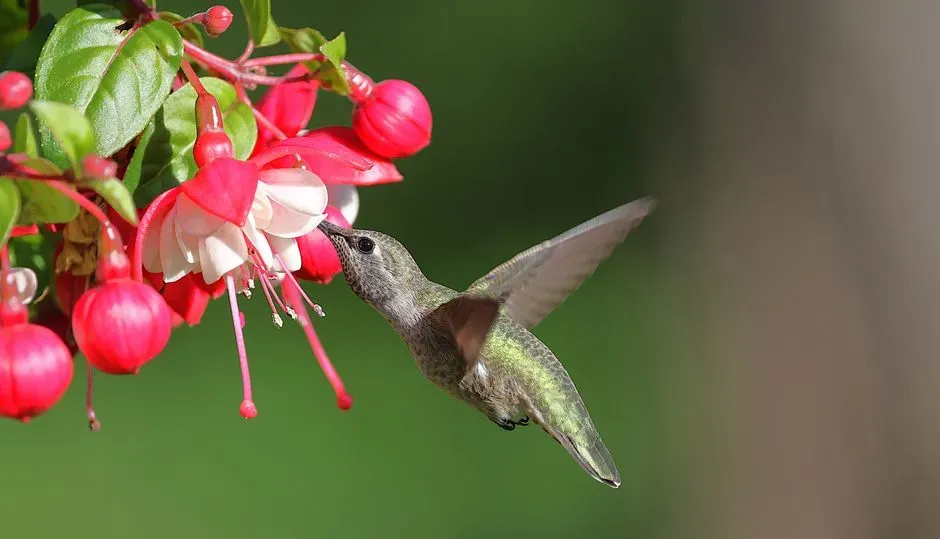
In the wild, hummingbirds are not just bouncing between a red feeder and a blue one. They are moving through forests, meadows, and mountain slopes filled with dozens of flower species, all competing for their attention. In these complex environments, nectar quality can shift with time of day, weather, and plant health, so birds have to stay flexible and constantly reassess their options.
Wildlife biologists watching free‑living populations notice that hummingbirds often defend territories around the richest nectar resources rather than around the brightest flowers. A drab‑looking shrub with consistently high‑quality nectar can become the center of intense aerial battles. The drama may look like random aggression, but underneath it is a sharp, energy‑driven strategy focused on guarding the best fuel stations.
Implications For Gardeners And Urban Wildlife Lovers
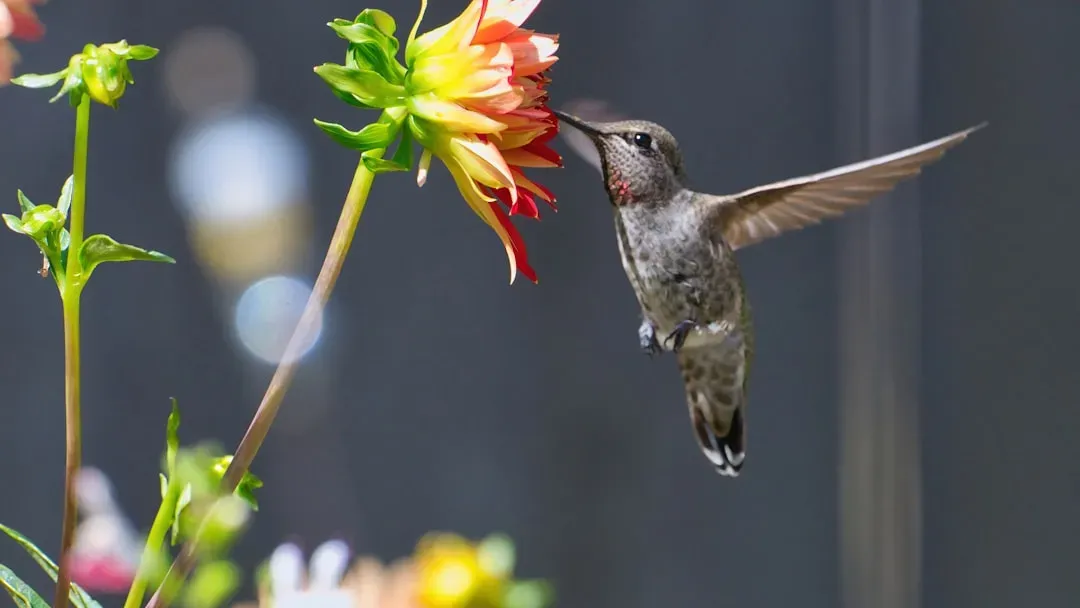
For anyone trying to support hummingbirds at home, the research gently corrects a common mistake: choosing plants only because they are red or labeled as “hummingbird favorites” without checking what kind of nectar they actually offer. Native plants that evolved with local hummingbird species tend to be better suited in both nectar quality and bloom timing. That means your best hummingbird garden might look a bit more varied and subtle than a simple blaze of red.
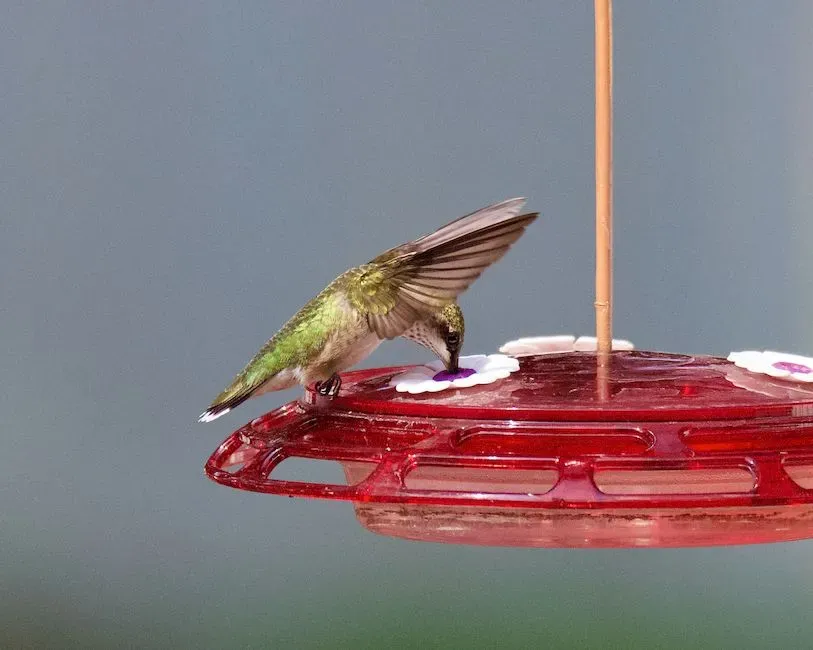
Feeders fit into this picture as controlled nectar sources when used responsibly. A standard homemade mix with the right sugar‑to‑water ratio mimics the nectar concentrations birds prefer, while unnecessary dyes or overly strong mixes can cause problems. From my point of view, a great setup combines thoughtfully chosen native flowers with a couple of clean, well‑maintained feeders, giving hummingbirds both natural foraging options and a reliable backup.
Evolutionary Consequences: How Hummingbird Choices Shape Flowers
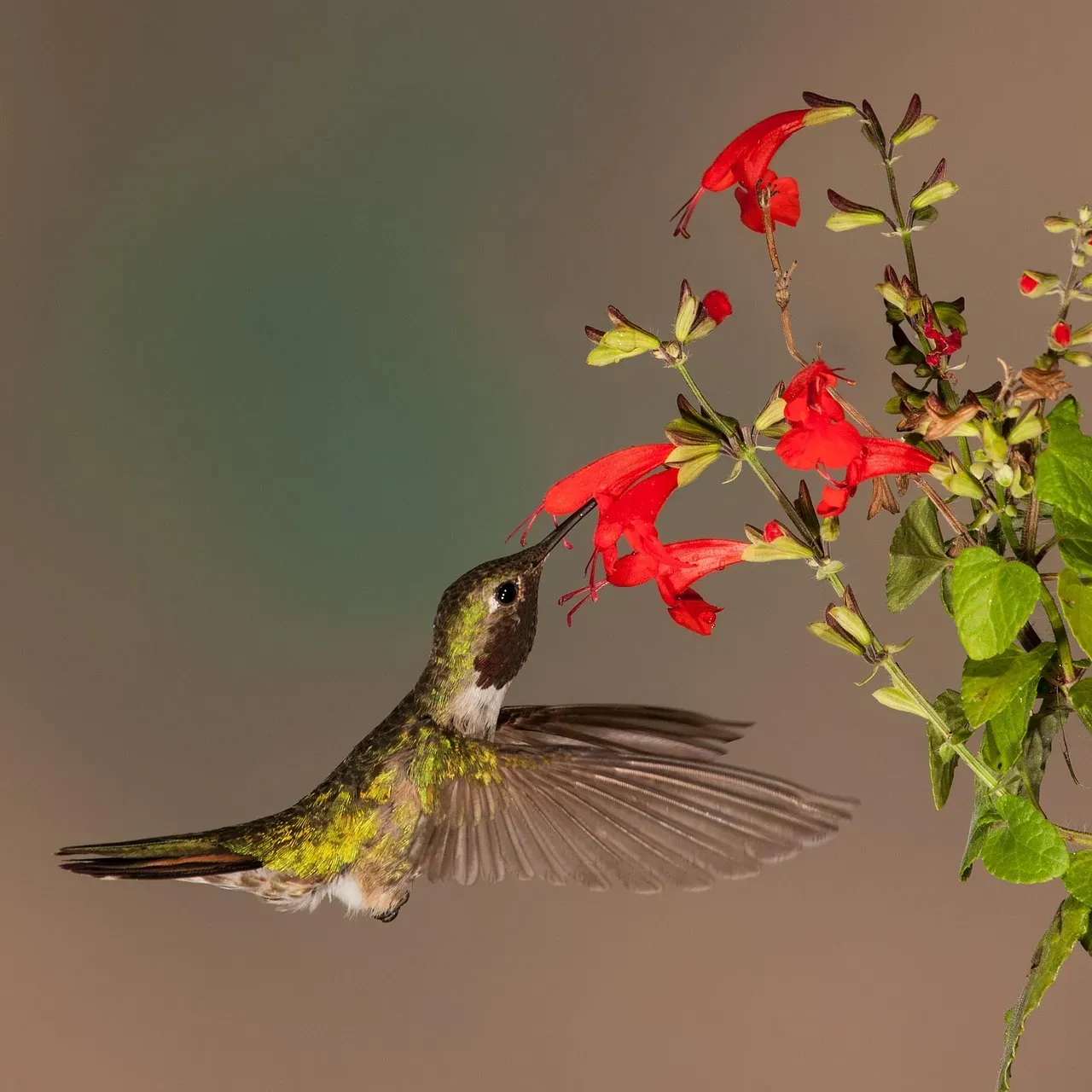
When hummingbirds consistently favor high‑quality nectar, plants that invest in richer nectar gain a pollination edge. Over long timescales, that pressure can influence which flower traits become common. Species that skimp on nectar may get visited less, produce fewer seeds, and slowly lose ground to better “hosts,” especially in regions where hummingbirds are major pollinators.
Interestingly, this evolutionary tug‑of‑war does not always produce the brightest or showiest flowers. Sometimes, modest‑looking plants quietly thrive because they deliver excellent nectar at the right times, attracting loyal hummingbird visitors. To me, that is one of the most satisfying parts of this story: nature often rewards substance over style, even when our human eyes are drawn first to color.
Migration, Climate, And The Rising Importance Of Nectar Quality
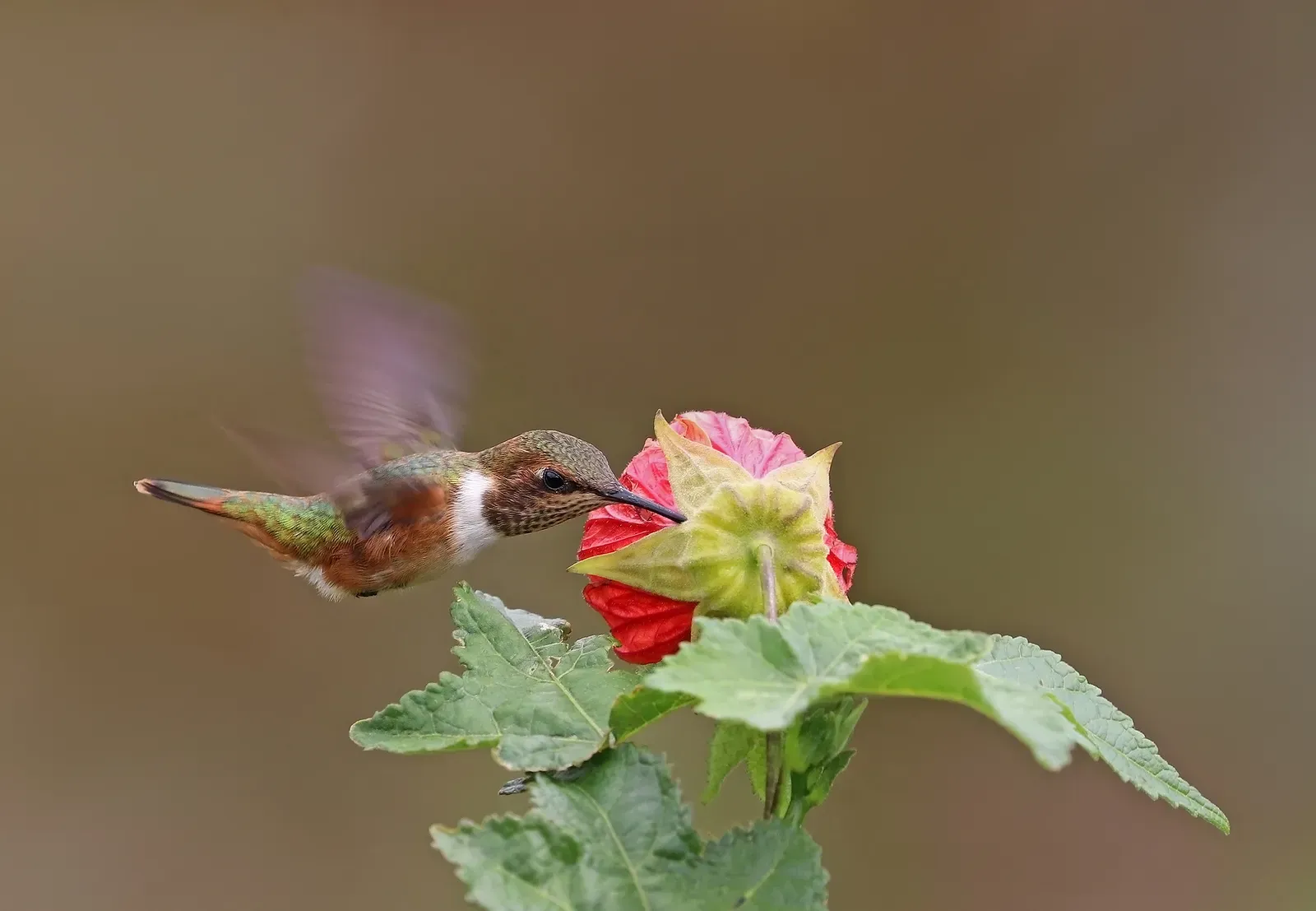
As climate patterns shift, timing mismatches between hummingbirds and flowering plants are becoming a real concern. If birds arrive on migration routes before peak blooms or after them, they will be forced to rely on whatever nectar sources are available. In that stressed context, the quality of each nectar source matters even more, because there may be fewer total flowers to choose from.
High‑quality nectar sites can act as critical refueling stations, especially along long migratory corridors. That makes habitat restoration work focusing on nectar‑rich native plants far more than an aesthetic project; it becomes a practical lifeline. When I think about future hummingbird populations, I am convinced that protecting and planting for nectar quality is one of the quiet but powerful tools we actually have.
Conclusion: Substance Over Sparkle In The Hummingbird World
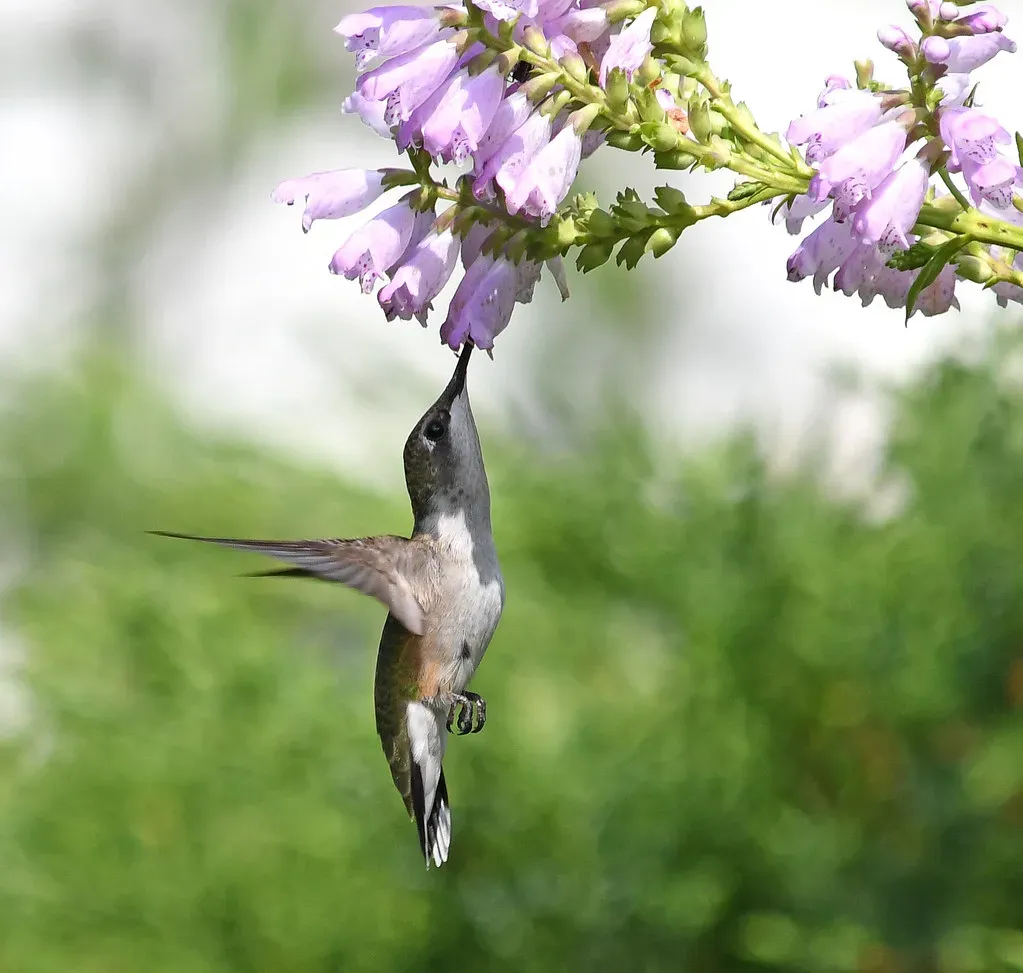
All of this evidence points in a direction that feels almost refreshingly simple: for hummingbirds, the quality of what they drink outweighs the flashiness of where they find it. Color still matters as a search tool and visual cue, but it is the nectar’s richness that drives real loyalty and shapes both bird behavior and plant evolution. I think we have romanticized red flowers to the point of missing the deeper, more interesting story about energy, survival, and subtle cooperation between species.
My own view is that we should stop treating hummingbirds as decorations to be lured with bright ornaments, and start treating them as demanding athletes who need serious fuel. That means planting for nectar quality, favoring native species, and seeing color as an invitation rather than the main event. The next time you see a hummingbird pause at a flower, you are watching a split‑second decision about energy economics, not a simple attraction to something shiny. In a world that often mistakes appearance for value, it is oddly comforting that these tiny birds are better at prioritizing the good stuff than we are – does that surprise you as much as it did me?