

You step off the lit path and into the trees, and suddenly the world shrinks. Every sound feels sharpened, every shadow seems to move, and your heart beats faster even though you know, logically, there’s probably nothing there. In that moment, you’re not just you in the twenty‑first century – you’re also carrying the instincts of countless generations who survived by treating dark, wild places with extreme caution.
This is why walking through a dark forest can feel so strangely powerful. It tugs on layers of your brain that don’t care about streetlights, GPS, or crime statistics. Instead, they react to rustling branches as if they were predators and gaps in the undergrowth as if something might be waiting there. When you feel that familiar chill in the woods at night, you’re brushing up against fears that are far older than anything we’d call “modern.”
The Ancient Brain That Still Lives Inside You

When you walk into a dark forest, you’re not just bringing your conscious mind – you’re bringing a nervous system shaped by hundreds of thousands of years of survival. Deep in your brain, structures like the amygdala are tuned to detect threat quickly and crudely, long before your rational mind can say, “Calm down, it’s probably just a squirrel.” That quick jolt of fear you feel at a sudden crack of a branch is your ancient wiring doing exactly what it evolved to do: assume danger first, analyze later.
Long before cities, your ancestors faced real predators, unstable environments, and the risk of getting lost or injured far from safety. In that world, being jumpy in dark, enclosed, or unfamiliar places helped keep you alive. You’ve inherited those reflexes, even though your everyday life rarely calls on them. A forest at night strips away a lot of modern cues of safety – lights, people, noise – and leaves your older brain circuits to run the show, often louder than your logical thoughts.
Why Darkness Makes Everything Feel More Dangerous
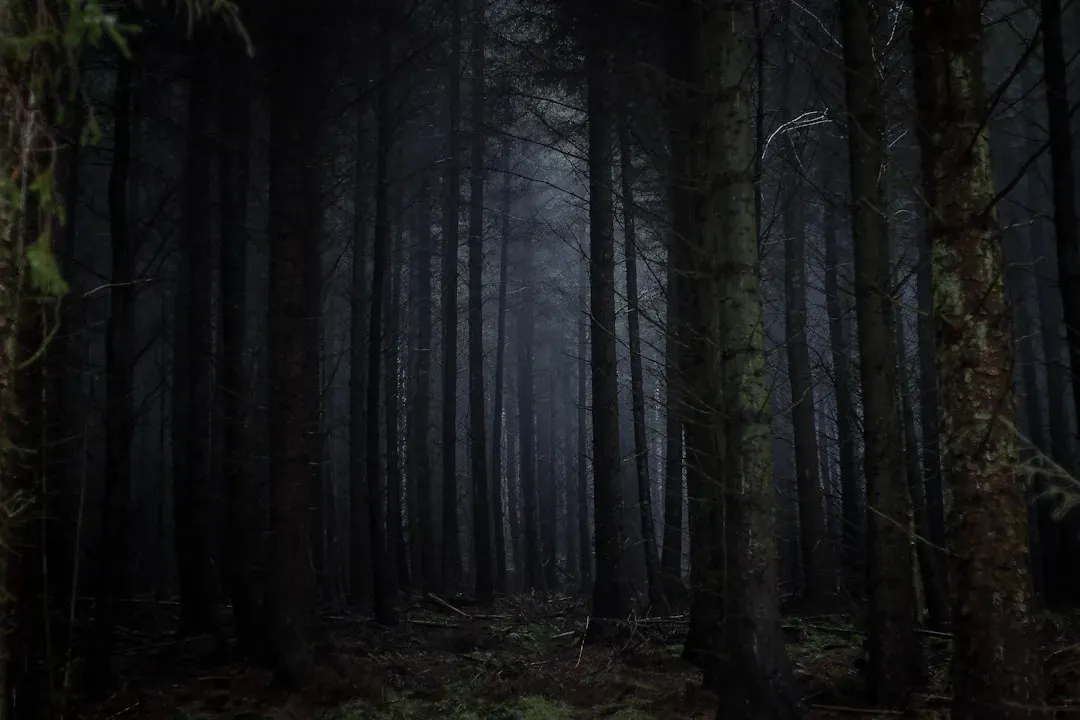
Darkness alone is enough to tilt your mind toward fear, and you can feel that shift the moment the sun dips below the trees. Your eyes rely heavily on contrast and detail, and once those vanish, you start filling in the gaps with guesses. In a dark forest, you see vague shapes, flickers of movement, and patches of shadow, and your brain quickly turns them into possible threats because, from an evolutionary standpoint, it was safer to “overreact” than to miss a real danger.
When you can’t see clearly, you also lose the ability to predict what’s just ahead. This uncertainty has always been risky for humans, especially in environments where cliffs, holes, animals, or hostile groups might be nearby. That’s why darkness doesn’t just reduce your vision; it makes every unknown feel charged. Your pulse speeds up, your hearing sharpens, and your imagination starts racing to fill in what your eyes can’t confirm, often with the worst‑case scenarios.
The Hidden Dangers Wild Environments Once Held
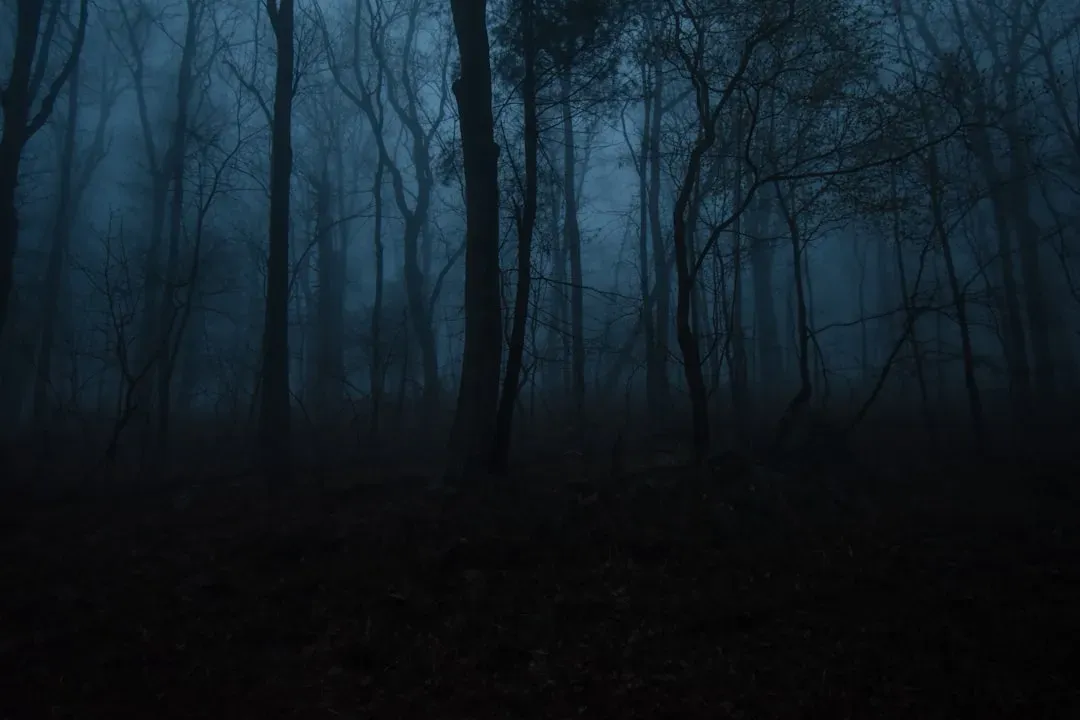
Forests used to be places where real, immediate threats were common: predators, poisonous plants, unstable ground, sudden changes in weather. Even now, if you’ve ever tripped on a root, heard the snap of a branch behind you, or realized how quickly you could lose the trail, you get a tiny glimpse of how unforgiving wild environments can be. Your fear in a dark forest is partly your body remembering that, in this setting, mistakes used to be costly.
Over many generations, the humans who treated wild, dark places with caution were more likely to survive and have children. That cautious approach included heightened alertness, quick startle responses, and a sense of unease when alone far from the group. When you feel uneasy in a night forest, you’re tapping into those long‑running survival habits, even if you’re technically walking on a marked trail in a park with your phone in your pocket.
How Your Senses Turn Up the Volume in the Woods
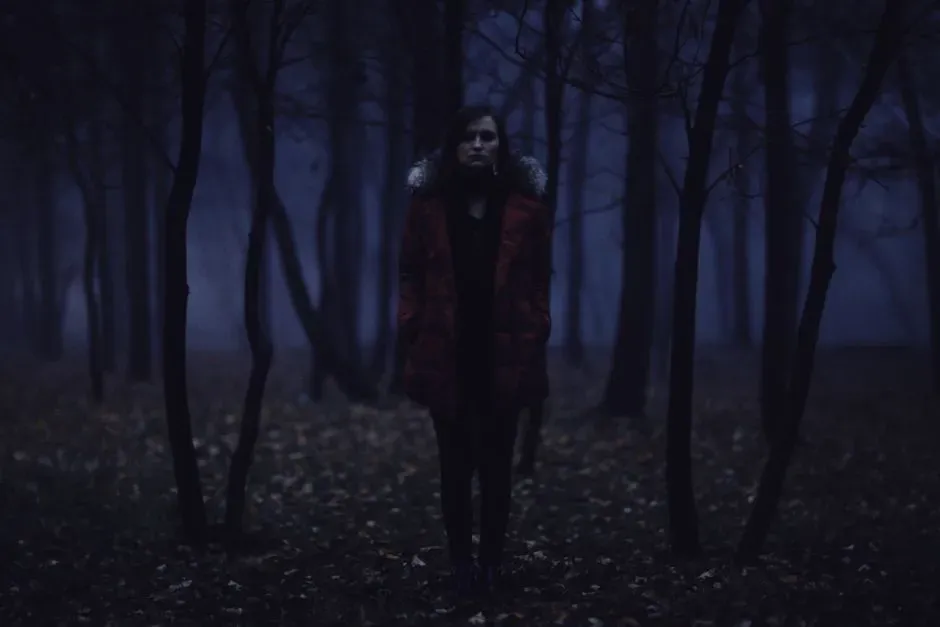
In a dark forest, your senses don’t shut down – they recalibrate. Your hearing grows more sensitive because you’re no longer relying on sight as your main guide, so every rustle, hoot, or snap suddenly feels louder and closer than it really is. Your brain is wired to notice changes in sound and movement in these settings, because in your evolutionary past, such changes could mean an approaching animal or another person.
Your sense of touch and body awareness also become more important. You feel the uneven ground, the brush of leaves, the closeness of branches, and even your own heartbeat and breathing with more intensity. This sensory overload makes it easier for your mind to misinterpret sensations – what might be just wind through leaves can feel like something moving toward you. The forest is not doing anything different; it is your perception system that has quietly shifted into a higher gear.
The Stories and Myths You Carry Into the Trees
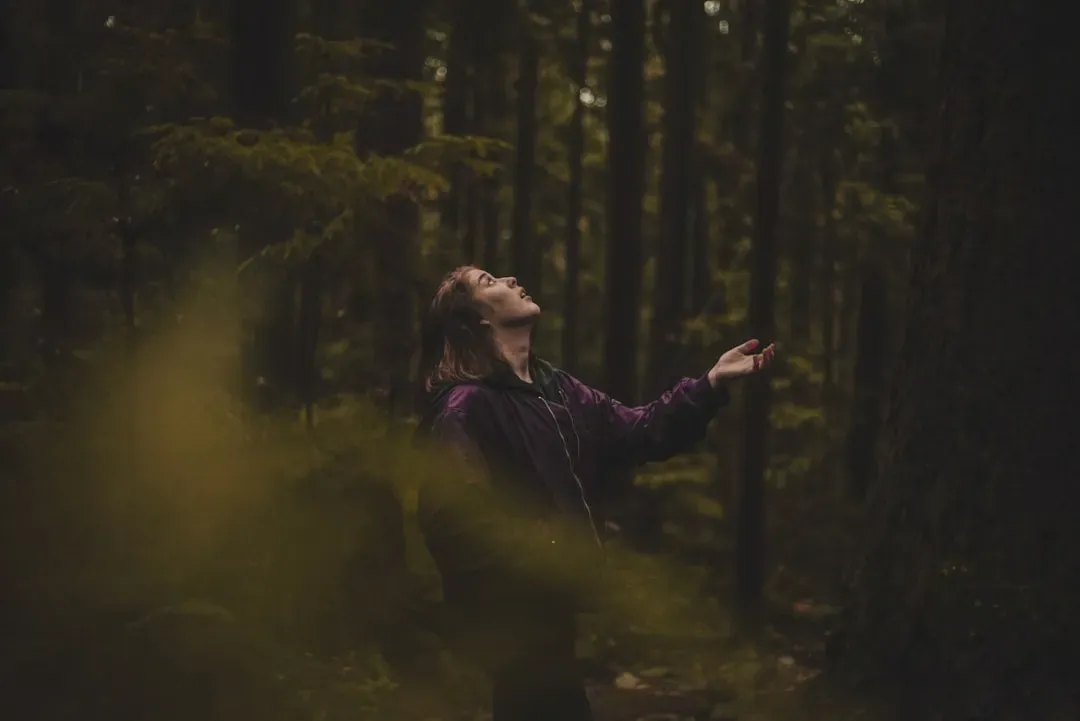
Even if you’ve never lived in a village near a deep forest, you still grew up surrounded by stories about dark woods. From childhood tales to horror movies, the forest at night is often portrayed as a place where rules break down and strange, frightening things happen. When you walk into the real thing, you bring those images and narratives with you, and they color how you interpret every sound and shadow.
Across many cultures and over long stretches of time, people have used the forest as a backdrop for cautionary stories, mysteries, and supernatural beliefs. That didn’t happen by accident; the forest already felt unpredictable and powerful, so it was an easy place to project fears and moral lessons. When your imagination runs wild in the dark trees, it’s not just your own mind at work – you’re tapping into a shared cultural imagination that has treated forests as eerie, enchanted, or dangerous for a very long time.
Why Being Alone Out There Feels So Unsettling
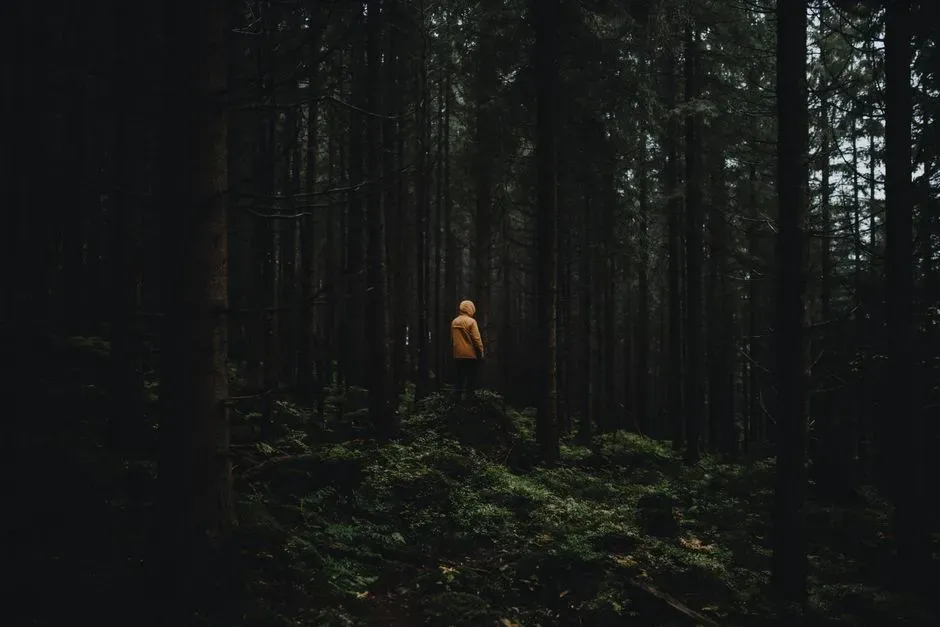
Humans are deeply social, and for most of your species’ history, being separated from your group in a wild environment meant higher risk. Alone, you had fewer eyes and ears to detect threats, no one to help if you were injured, and less chance of scaring off predators. Even today, when you find yourself walking alone in a dark forest, your body and brain react as if that old danger still applies, turning up your sense of vulnerability.
In a city, you might enjoy solitude in a café or your living room, but in a night forest solitude feels very different. You become acutely aware that you’re the only human presence that you can see or hear, and this can make the forest feel watchful, even if you intellectually know it is just trees and animals. That unnerving sensation of being both very small and very exposed is part of what wakes up ancient fears about separation from the safety of the group.
The Fear of the Unknown and the Edges of the Map
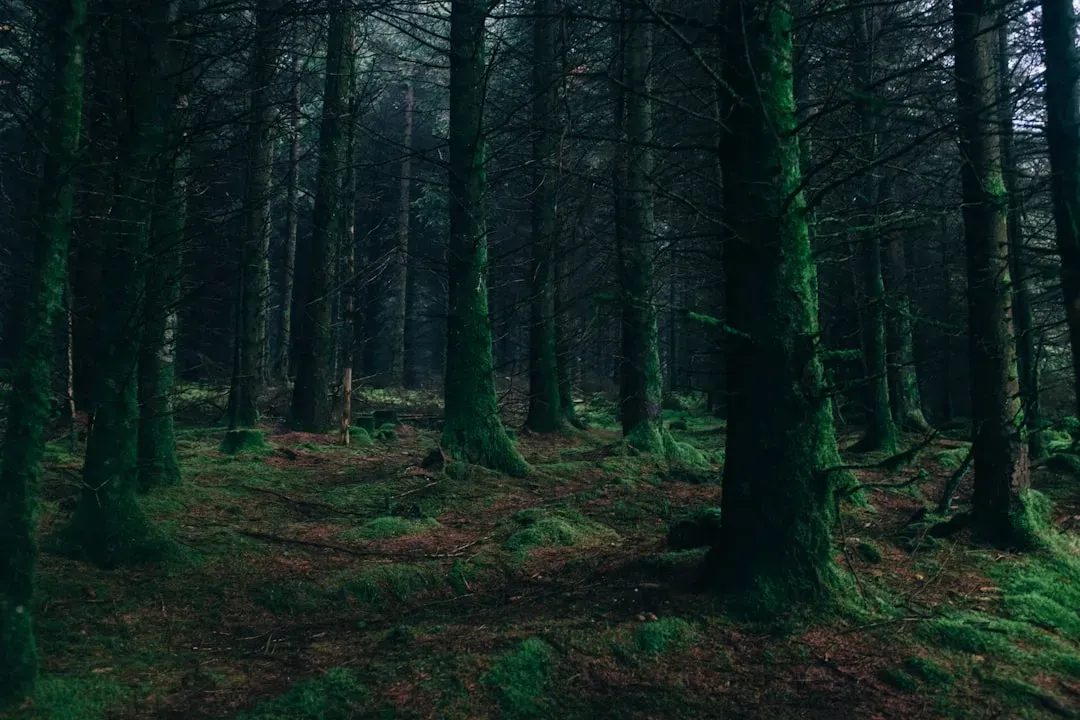
As a species, you have always been cautious about the places you do not understand. In early human history, the landscape beyond familiar paths was often marked in stories as dangerous, haunted, or cursed, which was another way of saying: “We don’t know what’s there, so be careful.” A dark forest is a living symbol of that unknown – you can’t see far, you can’t map everything in your mind, and you don’t fully control the environment.
That uncertainty triggers a deep discomfort because your brain loves predictability and clear patterns. When you cannot predict what might appear in the next few meters, your imagination fills the darkness with possibilities, many of them frightening. You might not literally believe in monsters, but your body still responds as if something unpredictable could emerge at any moment, and that feeling reaches back to a time when the unknown edges of the world were real sources of danger.
How Modern Safety Tools Don’t Fully Calm Old Instincts
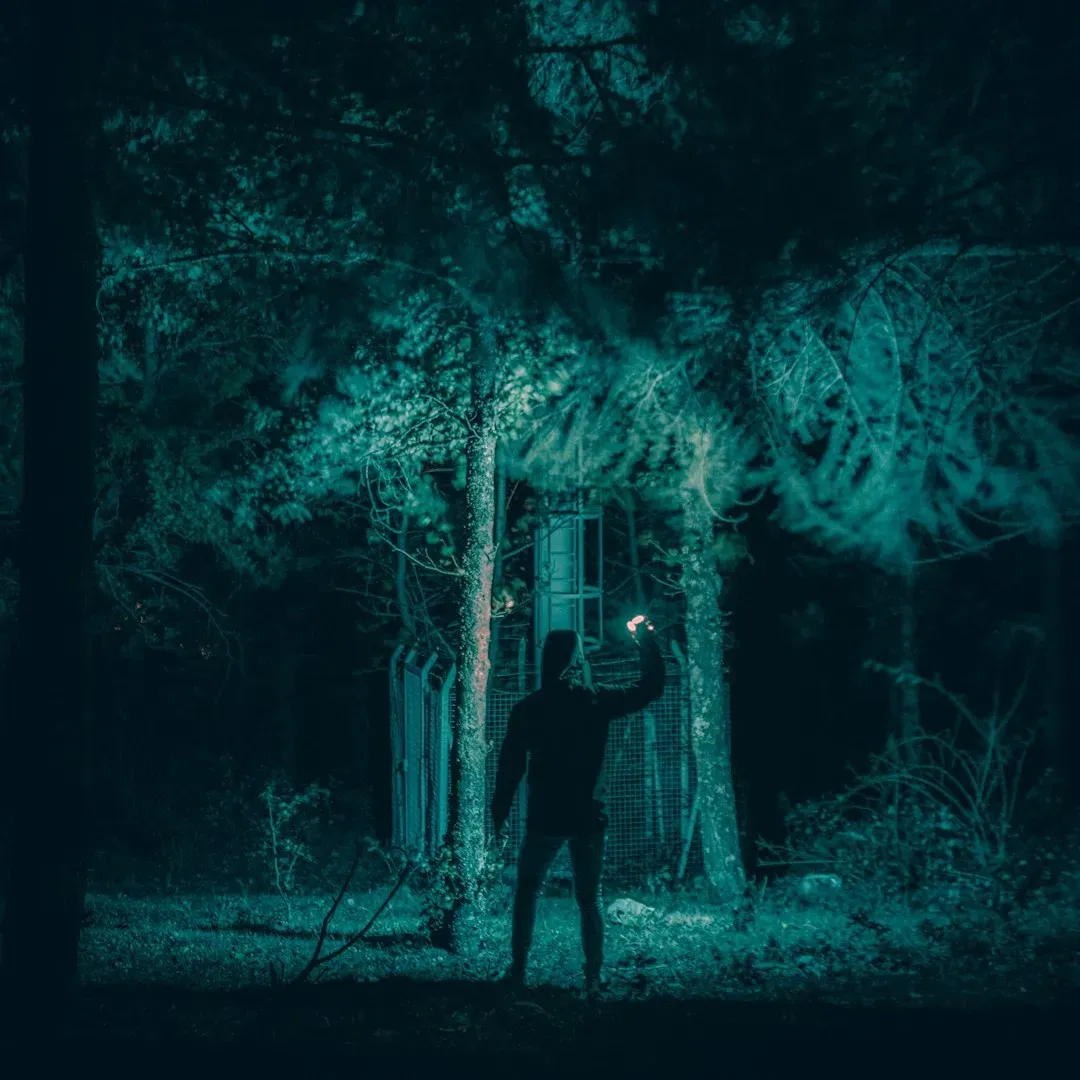
You can walk into a dark forest with a powerful flashlight, a fully charged phone, and accurate maps, and yet your heart may still pound the same way it would have for someone carrying only a torch. Technological tools help you navigate and call for help, but they don’t instantly override the way your nervous system has been tuned by evolution. When your instincts interpret the environment as risky, logic and gadgets can only soften that feeling, not erase it completely.
In some cases, having modern tools can even create a strange contrast that makes your fear more obvious. You might catch yourself thinking, “This is silly, I’m safe,” while your body stubbornly disagrees. That inner tug‑of‑war reminds you that your mind exists on different layers at once – an ancient one that responds to darkness and wild places as potential threats, and a newer one that recognizes you’re only a short drive from a parking lot.
Turning Old Fears into Respect, Awe, and Connection
When you understand that your fear in a dark forest is part ancient instinct, part cultural story, and part sensory overload, you can relate to it differently. Instead of treating it as weakness, you can see it as an echo of the survival skills that brought your ancestors through countless nights. That shift in mindset can turn raw fear into a kind of respectful alertness, where you stay aware and cautious without feeling completely overwhelmed.
In that state, a night walk in the woods can become strangely profound. You feel your own smallness, your dependence on your senses, and your connection to humans who walked through similar darkness long before electricity or paved roads existed. The same forest that scares you can also ground you, reminding you that beneath the busy surface of modern life, you’re still an animal navigating an unpredictable world – and somehow, that realization can be both humbling and comforting at the same time.
Conclusion: When the Dark Forest Shows You Who You Really Are
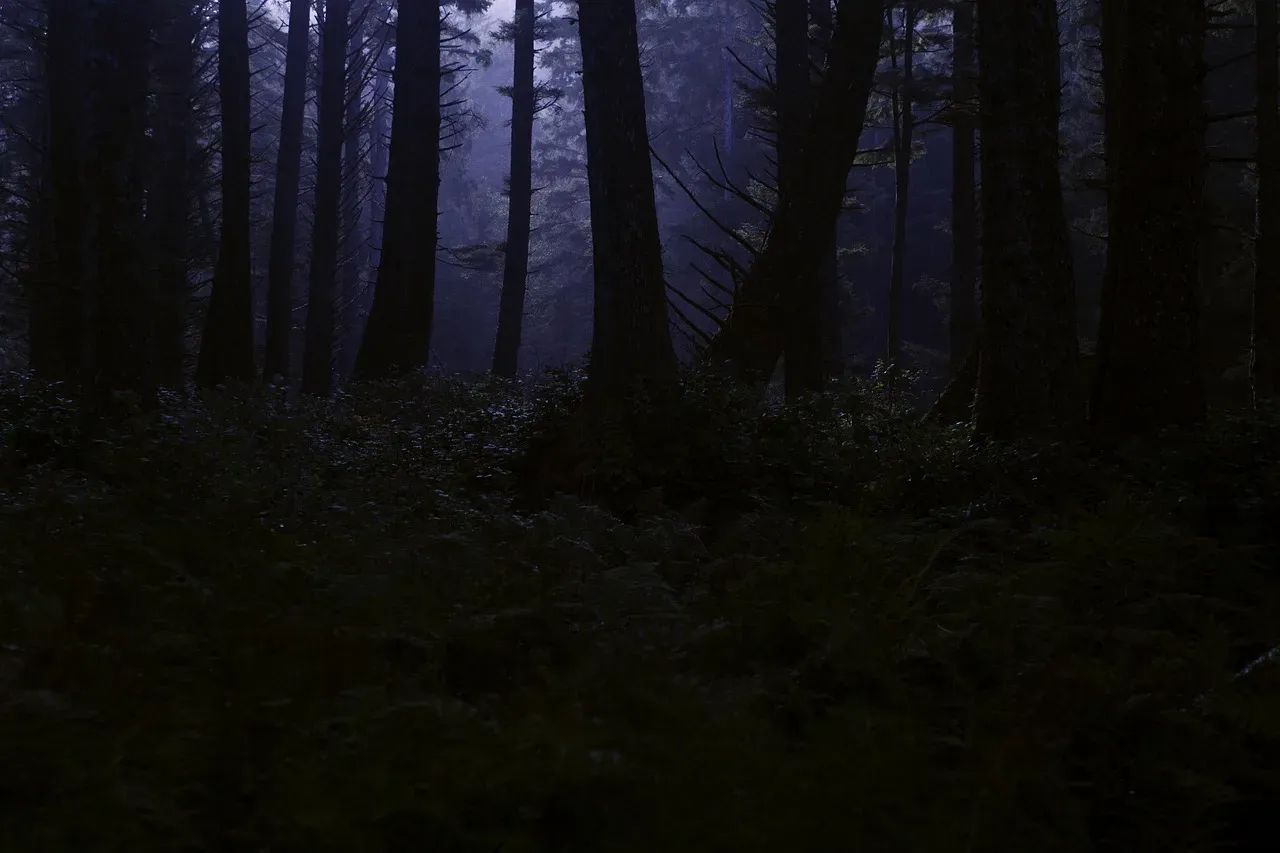
Walking through a dark forest puts you face to face with parts of yourself that daily life rarely touches. Your pulse, your imagination, your jumpiness at small sounds – these are not random quirks, but the living traces of an ancient survival machine that helped your species make it this far. The forest simply strips away some of your modern insulation and lets those older layers of your mind speak louder.
If you let it, that experience can shift from being just scary to being deeply revealing. You realize that you’re not as far removed from your distant ancestors as you might have thought, and that your fears, while uncomfortable, are rooted in a long history of staying alive in a dangerous world. The next time you feel that chill in the trees at night, you might pause, take a breath, and ask yourself: are you just afraid of the forest, or are you finally noticing how ancient your own instincts really are?