

Imagine waking up one morning and realizing that your mind is less like a clear window onto the world and more like a ruthless film editor, chopping, trimming, and rearranging scenes so the story makes enough sense to keep you moving. That sounds dramatic, but it is very close to what a growing number of neuroscientists and philosophers think consciousness actually does. It is not a perfect mirror of reality; it is more like a running highlight reel, optimized for survival, not for accuracy.
That sounds unsettling, but it is also oddly liberating. If your experience is a carefully edited fiction, then all the things that feel so solid and unquestionable – your sense of self, your perception of time, even what you think you see right in front of you – might be shortcuts, summaries, and best guesses. Once you see consciousness as a survival tool rather than a truth detector, a lot of human weirdness starts to make sense: bias, memory errors, illusions, anxiety, even spiritual experiences. The question is not just “Is this real?” but “Why did my brain choose to show me this version of reality?”
The Brain as a Storytelling Machine, Not a Camera
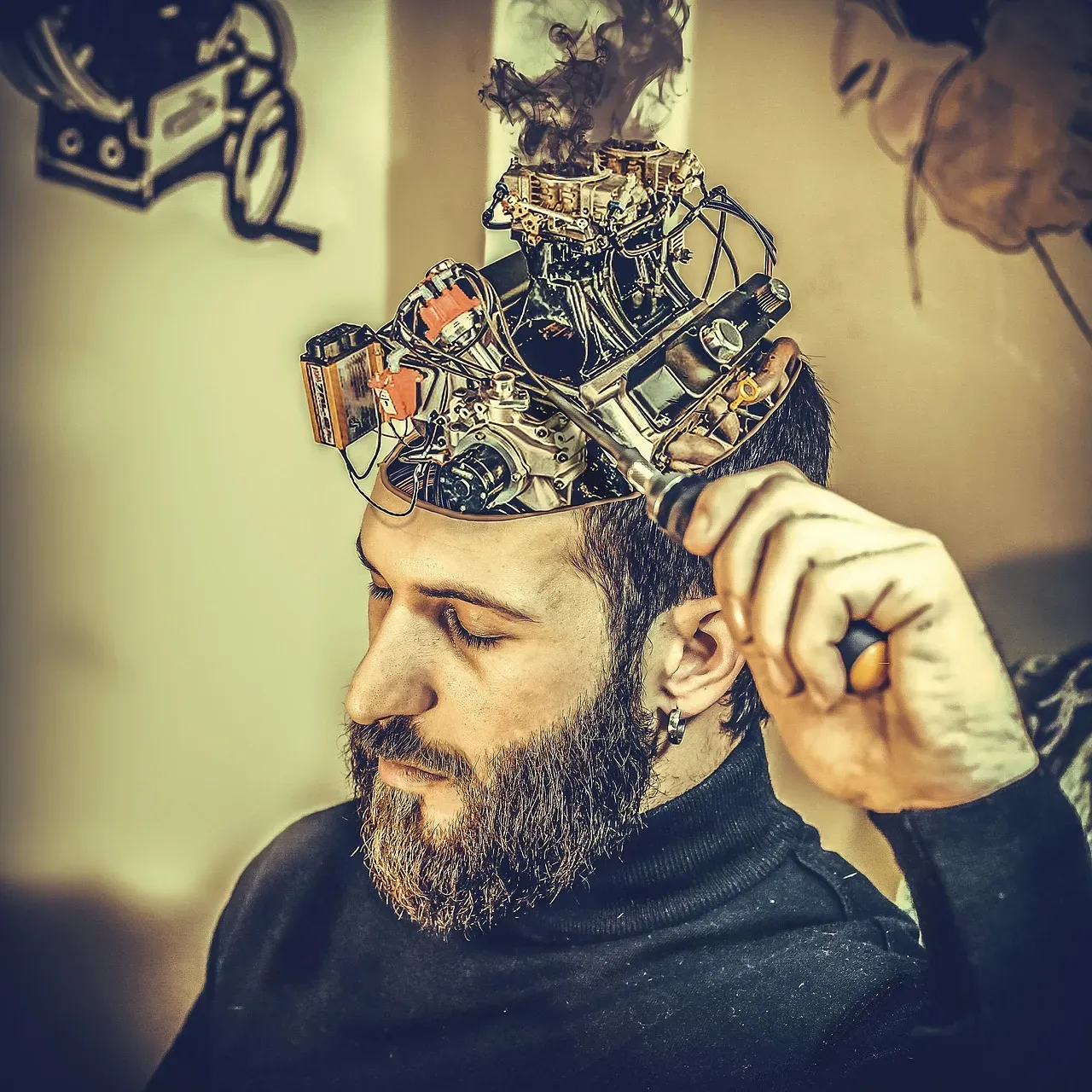
One of the biggest misconceptions about consciousness is that it works like a high-resolution camera, passively recording whatever is out there. In reality, your brain behaves much more like a screenwriter, turning a chaotic flood of signals into a coherent, fast-paced plot you can follow. There is simply too much information hitting your senses every second for your mind to process it all in detail, so evolution pushed the brain to prioritize meaning and action over literal accuracy.
This is why you do not notice every flicker of the lights, every change in background noise, or every tiny shift in someone’s expression. Your brain fills in gaps automatically, smoothing over inconsistencies the way a movie jumps from scene to scene without showing every single step a character takes. That smoothness feels like reality, but it is more like a well-edited montage. What you consciously experience is the surface story your brain has decided is “good enough” to keep you functional and alive.
Why Evolution Favors Usefulness Over Truth
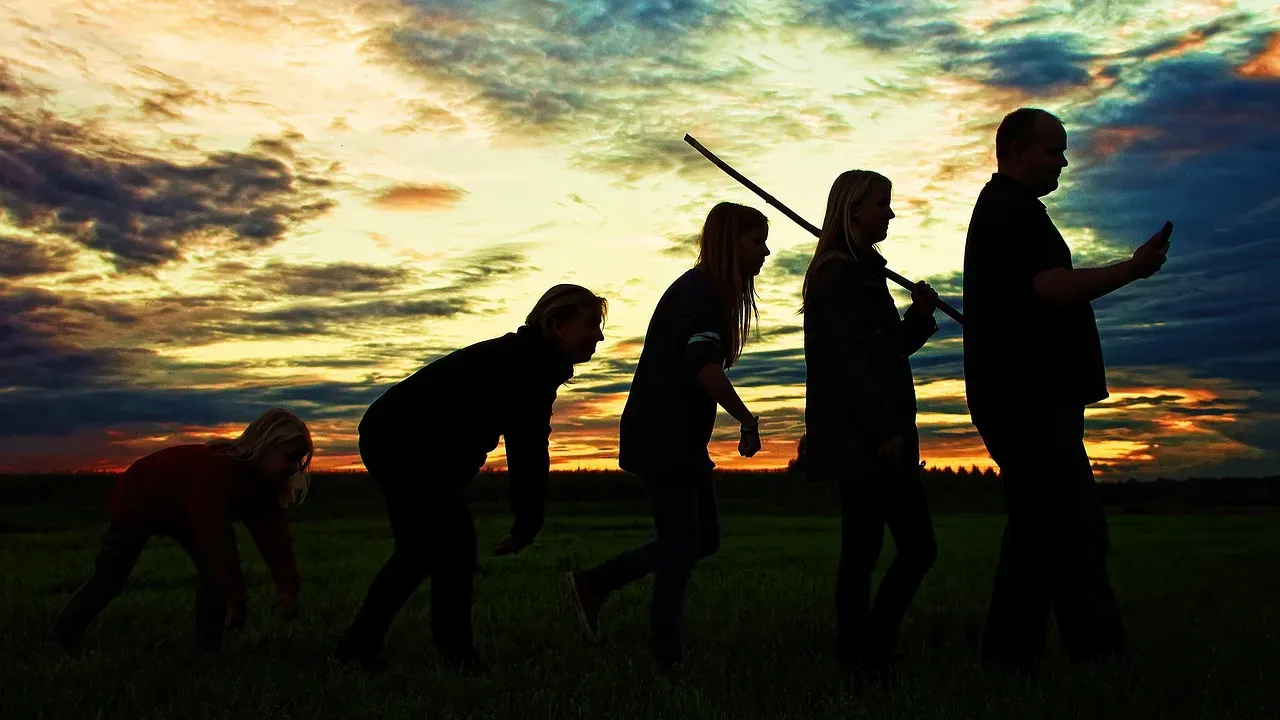
From an evolutionary perspective, being precisely accurate about reality is not necessarily the winning strategy. What matters more is behaving in ways that help you survive long enough to reproduce and protect your group. A creature that spots danger early, reacts quickly to social cues, and makes fast decisions stands a better chance than one that pauses to build a complete and correct model of the world before acting. Reality is expensive to calculate in full detail; shortcuts are cheaper and faster.
Think about how you cross a busy street. You do not consciously calculate exact velocities, distances, and angles like a physics simulation. Your mind gives you a rough, intuitive sense of when it feels safe to move, built from pattern recognition and quick heuristics. That impression can sometimes be wrong, but most of the time it is good enough. Consciousness is full of these “good enough” representations: simplified maps that trade precision for speed, which is exactly what evolution tends to reward.
Perception as a Controlled Hallucination
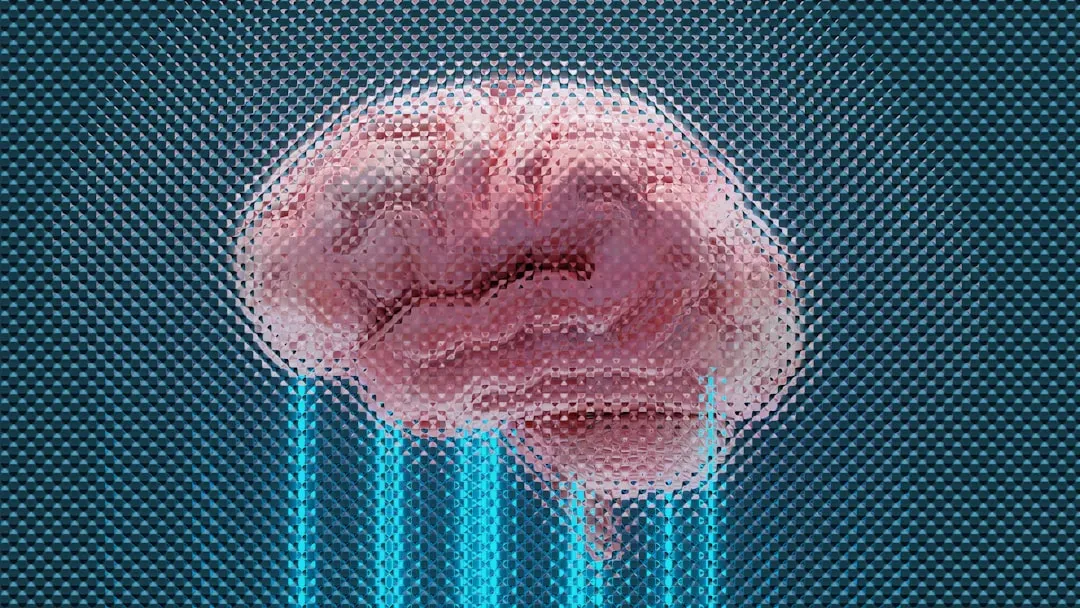
Modern neuroscience increasingly suggests that what you see, hear, and feel is not a raw feed from the outside world but a prediction your brain constantly updates. The brain is always guessing what is out there, then checking those guesses against incoming signals and correcting when they are obviously off. Your conscious experience is that prediction, not the underlying data itself. In this sense, perception is like a hallucination that happens to be largely constrained by the world.
You can see this in optical illusions, where your mind stubbornly insists on seeing something that is not really there, even when you know it is an illusion. The illusion reveals the prediction rules your brain uses behind the scenes. But this predictive style is not a bug; it is a feature. By predicting first and checking later, your brain can stay several steps ahead, which is incredibly useful in a dangerous and fast-moving environment. Again, the priority is not perfect truth; it is a believable and actionable story the brain can run with.
The Self as a Convenient Fiction
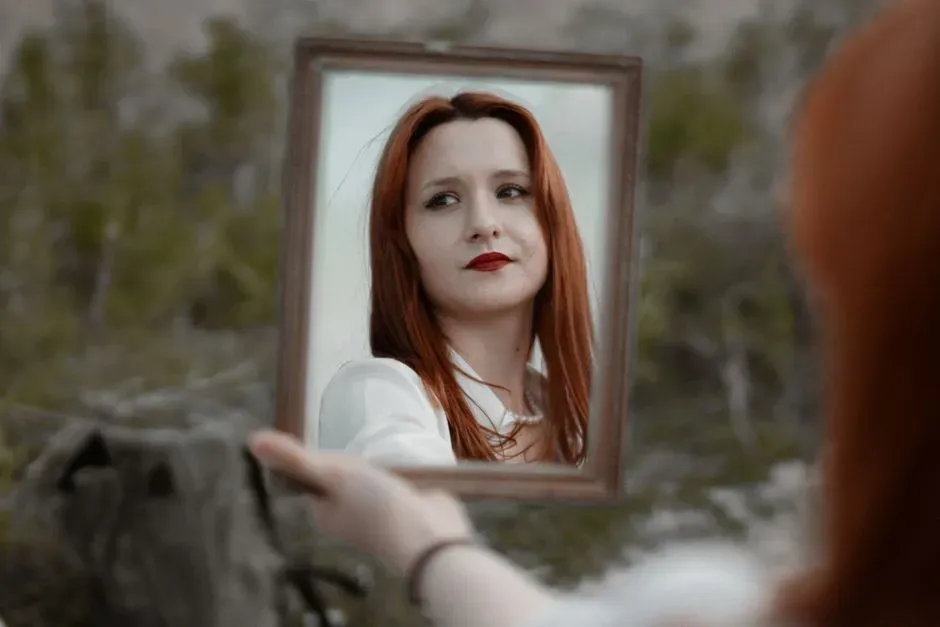
Perhaps the most powerful narrative your brain constructs is the story of “you.” Your sense of being a unified, stable self – a single agent inside your head steering the ship – feels obvious and continuous. But when neuroscientists look into the brain, they do not find one central “you” region in charge. Instead, they see many different systems for memory, emotion, decision-making, attention, and body awareness, all interacting and sometimes even conflicting with each other.
Consciousness stitches together the outputs of these different systems into one neat character: the narrative self. It edits out contradictions and gaps so you feel like the same person who went to school as a child, even though your memories are partial and your personality has changed over time. This narrative self is handy for making plans, taking responsibility, and cooperating with others, but it may be more like a constantly updated autobiography than a fixed, underlying entity. It feels real, but it is still a story.
Memory: Less Like a Hard Drive, More Like a Screenwriter
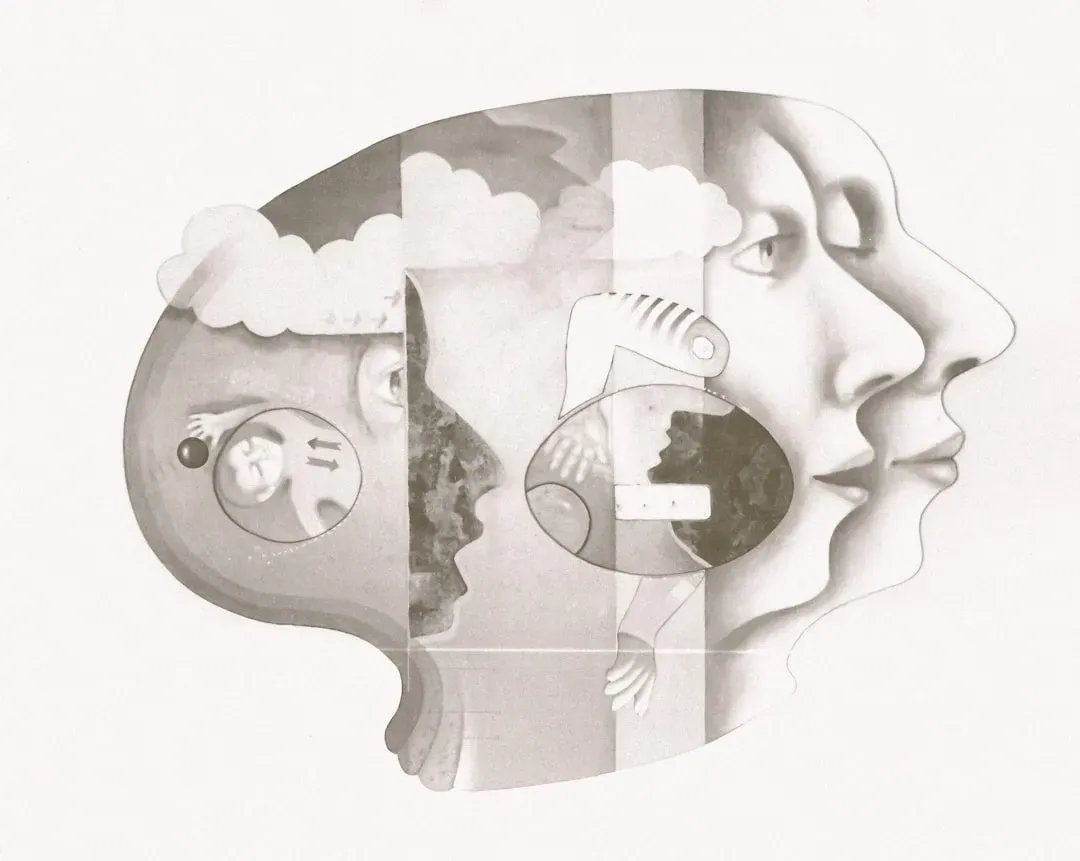
We like to think of memory as a faithful recording of the past, but that is not how the brain works. Each time you recall an event, you reconstruct it from fragments, influenced by your current emotions, beliefs, and expectations. In the process, details can be added, altered, or lost, and then the updated version is saved over the old one. It is a bit like editing a document and hitting save repeatedly, until the original version is gone and only the new story remains.
This is why people can be absolutely convinced of memories that never happened the way they remember, or sometimes did not happen at all. The point of memory, from an evolutionary angle, is not to preserve perfect historical truth but to help you navigate the present and future. If a slightly distorted memory makes you more cautious of danger, more trusting of allies, or more confident in yourself, it might be favored, even if it is technically inaccurate. Your remembered life is therefore partly an adaptive fiction, shaped to keep your current story coherent and motivating.
Emotions as Narrative Highlighters

Emotions can feel like raw, undeniable facts about the world: fear means something is dangerous, anger means something is unfair, joy means something is good. But emotions are more like built-in commentary tracks layered onto your experience, flagging what your brain thinks you should care about. They are not pure descriptions of reality; they are colored interpretations designed to influence your behavior quickly and strongly.
When you feel anxious about a social situation, for example, your mind may spin a story about everyone judging you or waiting for you to fail. That story can feel absolutely convincing in the moment, even if you logically know it is exaggerated or false. In this sense, emotions help edit the narrative of consciousness, highlighting certain characters, threats, or opportunities while pushing others into the background. The emotional storyline is not neutral; it is tuned by evolution to nudge you toward caution, connection, status, or safety.
Social Reality and Shared Fictions

It is not just your internal world that is shaped by useful fictions; your social world runs on them too. Money, laws, brands, nations, and even reputations exist because enough people agree to treat them as real. They are powerful shared stories that coordinate behavior on a massive scale. Your consciousness is wired to absorb, believe, and navigate these shared narratives, because being in sync with your group has been a survival advantage for a very long time.
This is part of why people will fight, sacrifice, or even die for abstract ideas. The stories we share become more real to us than distant facts. Your mind evolved in tight-knit groups where fitting into the tribe and aligning with its story could mean the difference between life and death. So your consciousness is particularly sensitive to group norms, identities, and myths, often bending private perception to stay loyal to the collective narrative. Once again, survival comes first; objective reality comes second, if at all.
Can We Ever See Beyond the Edited Story?
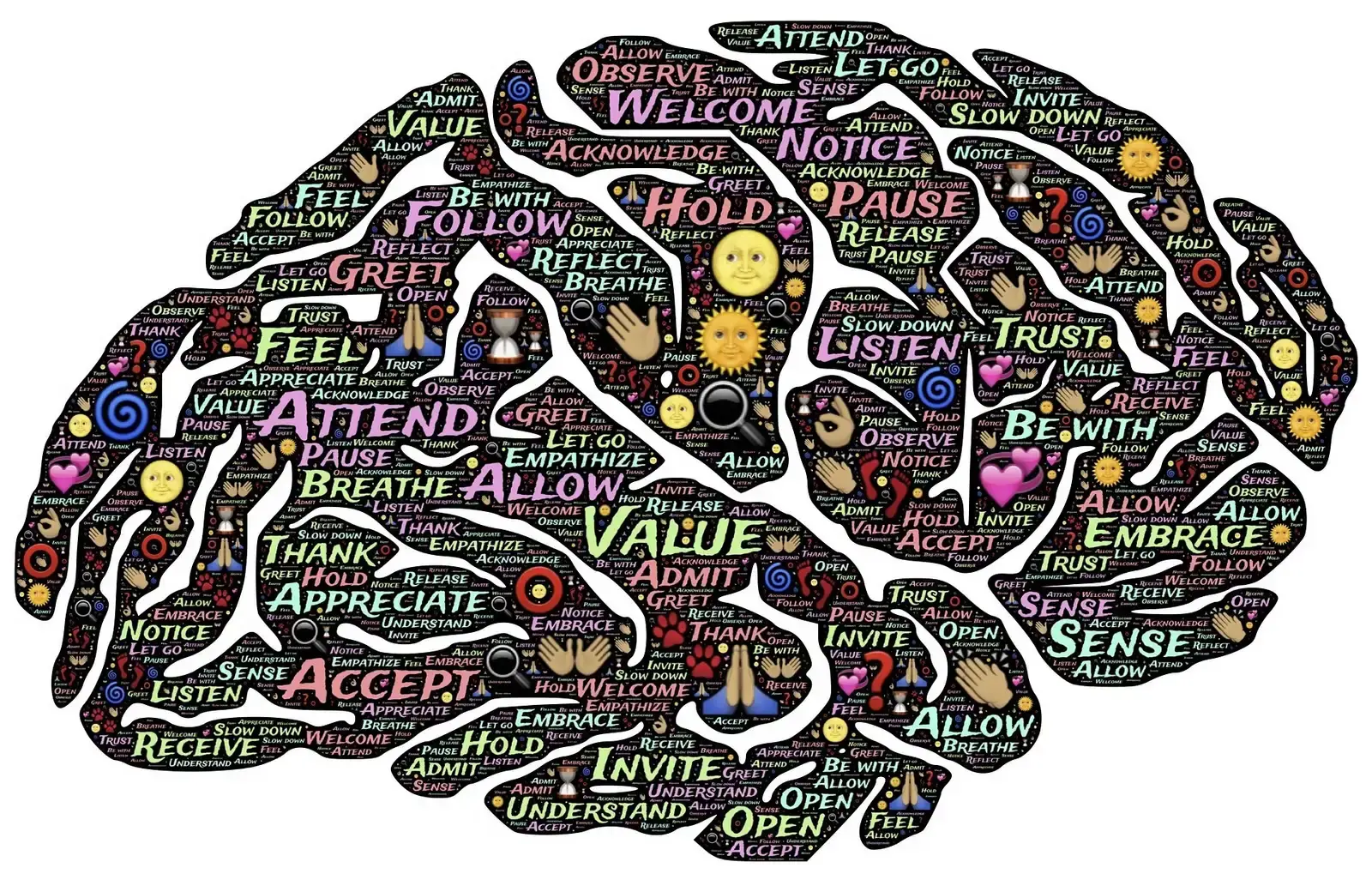
Knowing that consciousness may be a simplified, survival-focused narrative raises a huge question: are we stuck inside the story forever, or can we widen the lens? In practice, we can never escape having some kind of filtered experience. We are biological creatures with limited brains, not all-seeing machines. But we can learn to notice how our mental editor works and gently push back against the most misleading cuts and distortions. That is where tools like science, mindfulness, and critical thinking come in.
Science tries to correct for our narrative biases by using measurements, experiments, and peer critique instead of personal impressions alone. Mindfulness teaches you to watch thoughts and feelings as events in the mind rather than absolute truths. Conversations with people who see the world differently can reveal the edges of your own story. None of these erase the fact that our experience is edited, but they can help us make the story more flexible, more honest, and sometimes a little closer to what is actually out there.
Conclusion: Living Wisely Inside a Beautiful Lie

If consciousness really did evolve not to show us reality as it is, but to give us a compressed, emotionally loaded story that keeps us alive, then much of what we cling to as unquestionable truth is probably negotiable. That sounds dark at first, like discovering your favorite movie is full of continuity errors, but there is a hopeful side. Once you realize your mind is an editor, not a camera, you gain a bit more freedom to question the script, tweak your role, and experiment with different interpretations instead of being a passive character.
My own opinion is that we will never get to a pure, unfiltered reality, and that is fine; the edited version is what makes life human, messy, and meaningful. The real skill is learning which fictions help us grow and connect, and which ones trap us in fear, division, or self-deception. You are living inside a story that evolution started writing long before you were born, but you are not helpless in the hands of that script. The real question is: now that you know your reality is partly a carefully crafted fiction, what kind of story do you want to help write next?