
You know that uncomfortable moment: you lock eyes with someone, feel a jolt of instant familiarity, and then… nothing. Your brain is yelling that you know this face, but their name, context, even how you know them has completely vanished. It feels a bit like your mind is buffering, loading the details in the background while you pretend you definitely remember who they are.
That strange delay is not a glitch in your brain; it is a feature. Face recognition and memory for identity are handled by partly separate systems that do not always run in perfect sync. Once you understand how those systems work – and why they sometimes fall out of step – that awkward moment starts to feel less like a personal failure and more like a clever but imperfect trick of your biology.
That Instant “I Know You” Feeling Is Its Own Brain Process
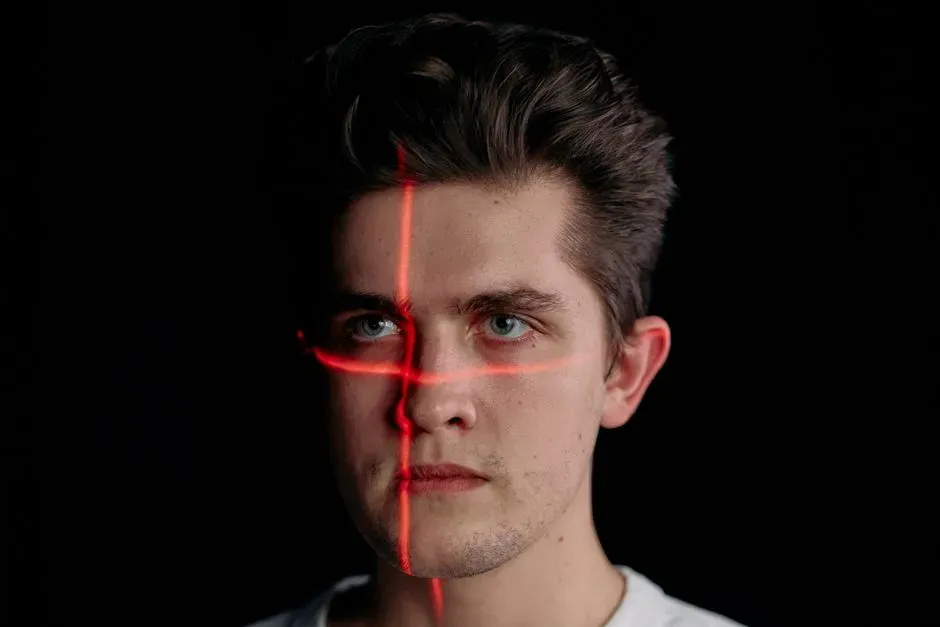
Here is the surprising part: the feeling that a face is familiar is not the same thing as remembering who the person is. Your brain has special regions that respond just to faces, even when you cannot put a name to them. These regions can light up incredibly fast, giving you that split-second flash of recognition long before your slower, more deliberate memory systems have caught up.
Think of it like walking into a party and hearing a song you know you have heard before, but you cannot remember the title or the artist. The familiarity comes first, the details second. The face is the “song,” and your conscious memory is scrambling to pull up the rest of the file. That small lag is the exact moment when you find yourself smiling politely while frantically searching your brain for clues.
Your Brain Has a Dedicated “Face Circuit” That Works at Lightning Speed
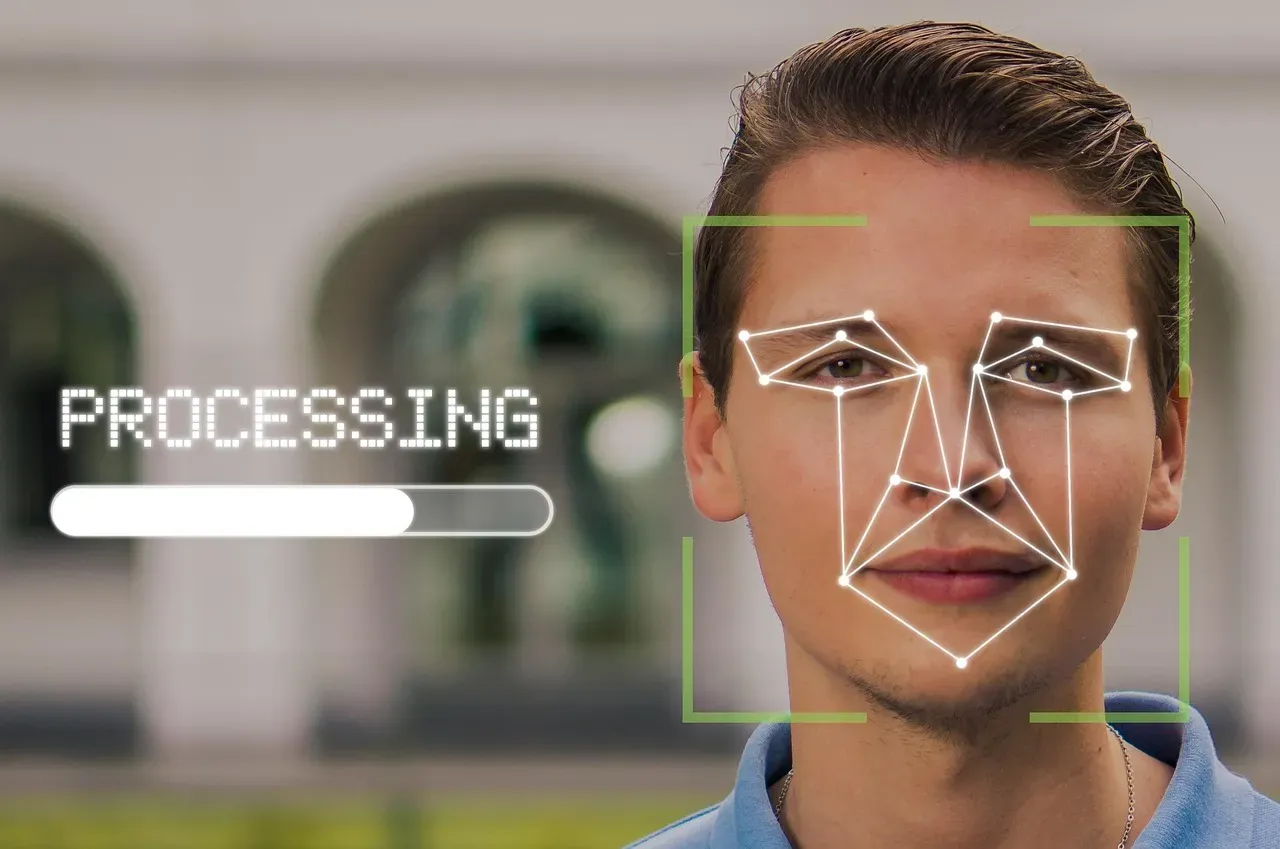
The human brain is oddly obsessed with faces. It has dedicated patches of tissue, especially in the temporal and occipital lobes, that are tuned just for processing faces – more than for any other type of object. These circuits are so specialized that they can pick out a face in a crowd almost effortlessly, even when you are not really trying.
Because this face circuit is so efficient, it can fire rapidly, producing a sense of familiarity in a fraction of a second. Meanwhile, the parts of your brain responsible for attaching names, stories, and emotions to that face take a bit longer to spin up. By the time those slower systems kick in, you have already felt that brief, almost eerie certainty that you know this person from somewhere.
Recognition and Recall Are Two Different Jobs, Done by Different Systems

One key reason your brain can recognize a face without remembering who it is: recognition and recall are not the same cognitive task. Recognizing a face mostly relies on pattern matching – your brain compares what you are seeing now to stored templates of faces you have seen before. It is like seeing a logo and knowing you have seen it somewhere, even if you cannot recall the brand immediately.
Recall, on the other hand, is about actively pulling specific information out of memory: the person’s name, where you met, what they do, how you feel about them. That job heavily involves networks in the hippocampus and frontal lobes, which are slower and more vulnerable to stress, fatigue, and age. So the brain can easily say “familiar!” while still drawing a blank on everything else that makes that person who they are to you.
Repetition Makes a Face Stick Faster Than a Name or Story

Faces often get far more “reps” in your brain than the biographies attached to them. Maybe you see the same barista several times a week, or pass the same neighbor in the hallway every few days. Your visual system gets repeated exposure to their face, but you might only hear their name once, or not at all. The result is a very strong visual memory and a very weak verbal or contextual one.
This imbalance means your brain stores that face in a robust, quickly accessible way, while the associated facts are spotty or never encoded well in the first place. So when you bump into that person at a grocery store or gym, your face-recognition system goes off like an alarm, but the identity part is missing half the file. You are left with the unnerving sense that you absolutely know them – but no idea why.
Context Changes Can Scramble Your Ability to Place Someone

Ever run into a coworker at the beach and feel like your brain temporarily bluescreened? That happens because your memory heavily relies on context. You do not just store “this is Alex”; you store “this is Alex from the office, who usually wears business clothes, seen under fluorescent lights at 10 a.m.” When Alex appears in shorts on the sand, your brain’s pattern for the face still fires, but the usual cues that help you place them are missing.
In that moment, your face-recognition system reports familiarity, but your context and narrative systems are confused. It is like seeing your teacher in the supermarket as a kid – it feels almost wrong, as if they have escaped from the classroom universe. This mismatch between a familiar face and an unfamiliar setting is exactly when you get that awkward pause where you recognize the face but cannot quite remember who the person is supposed to be in your life.
Stress, Fatigue, and Aging Hit Names Harder Than Faces
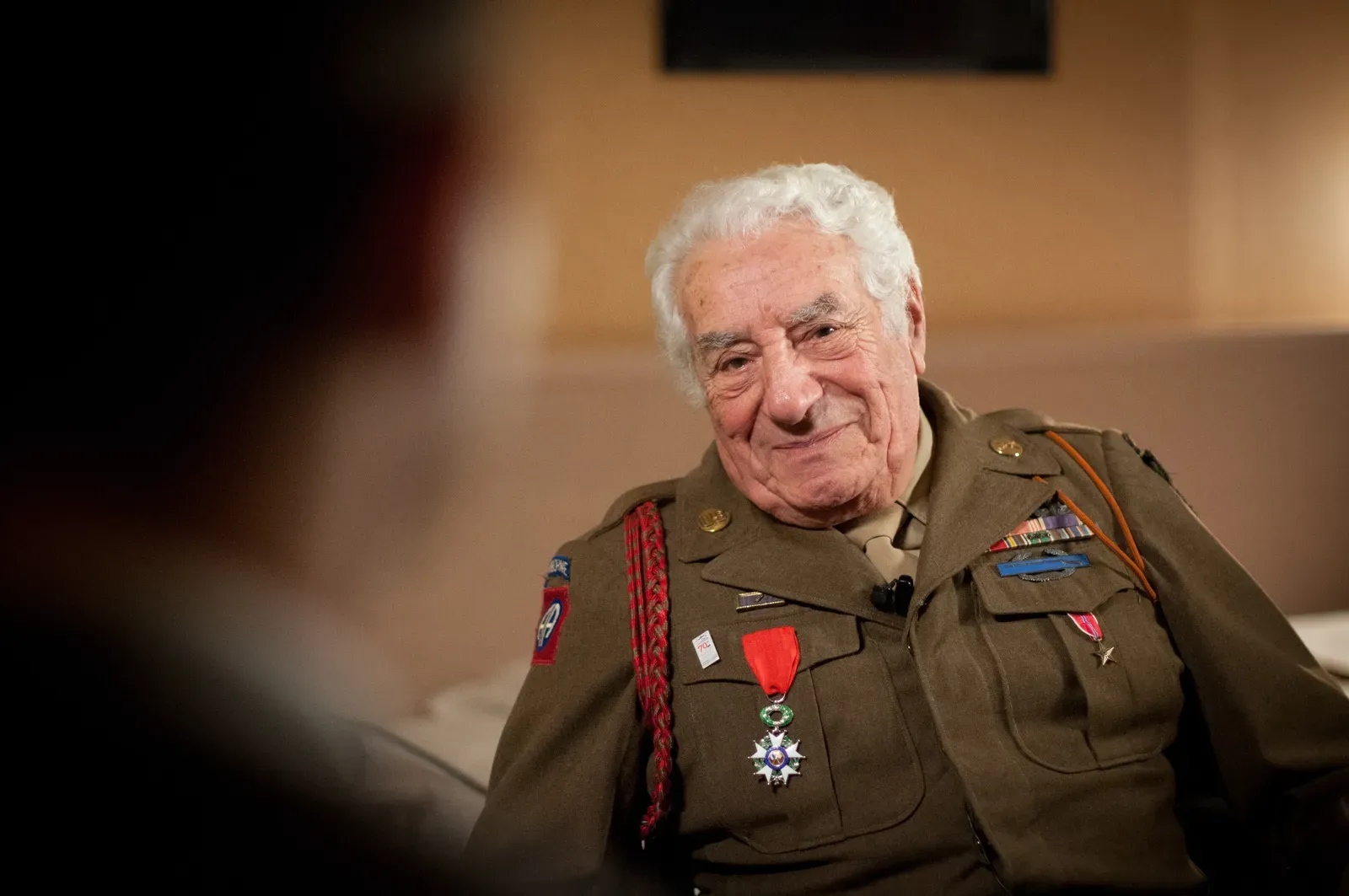
There is a reason people complain more about forgetting names than forgetting faces, especially as they get older. Names are fragile pieces of information that depend on precise retrieval, and they are easily disrupted by tiredness, distraction, or anxiety. Faces, by contrast, are supported by highly practiced, deeply ingrained visual pathways that stay relatively strong even when you are not at your mental best.
So on days when you are exhausted or stressed, your brain might still fire reliably for familiar faces, but the name attached to them is buried under noise. I have had that experience in the worst possible situations – bumping into someone important, feeling a wave of familiarity, and still coming up empty on their name. In those moments, it is not that your brain is failing entirely; it is that the more delicate memory for the label cannot keep up with the more robust memory of the face.
When Things Go Wrong, Disorders Reveal How Separate These Skills Are

Certain neurological conditions show just how independent face familiarity and identity memory can be. Some people with specific types of brain damage or developmental differences struggle to recognize faces at all, even close family members, yet can still recall facts and names once someone is identified for them. This condition highlights that the machinery for detecting “this is a face I know” is distinct from the machinery for holding biographical details.
On the flip side, there are people who can tell a face is familiar but cannot retrieve the right identity or context attached to it, especially after brain injury or in some forms of dementia. They may feel that same nagging sense you feel when you meet someone you definitely know but cannot place, only it happens far more often and more intensely. These edge cases make clear that what feels like one smooth experience – seeing a person and knowing who they are – is actually multiple fragile processes stitched together.
Why That Awkward Delay Is Actually a Useful Survival Feature

As uncomfortable as it feels, there is an evolutionary logic behind recognizing . In ancestral environments, quickly flagging someone as familiar or unfamiliar could have been critical: friend or threat, part of your group or an outsider. Your brain might have prioritized rapid familiarity detection because it gave you a split-second advantage, even if the details arrived later.
From that point of view, the brain’s willingness to shout “this person matters!” before providing the backstory is a reasonable compromise. It leans toward caution and social safety: better to feel that someone is important and need a moment to recall why than to miss the cue completely. The price we pay today is a few seconds of social awkwardness at networking events, parties, and grocery-store run-ins.
So Is Forgetting Who Someone Is a Flaw – or Just Human?

The next time you recognize a face and your mind goes totally blank on the details, it might be worth cutting yourself some slack. What feels like a personal weakness is, in reality, your brain doing its best with a complex, layered job: fast pattern recognition, slower memory retrieval, constant context checking, and name recall that is notoriously fragile. It is impressive that it works as well as it does, as often as it does.
Personally, I think we treat these moments too harshly, as if being briefly out of sync with our own memory makes us careless or rude. In truth, that tiny delay between “I know you” and “I remember you” is one of the most human things about us. It is a reminder that our brains evolved for speed and survival, not flawless social performance. And really, would you rather be a little awkward sometimes, or lose that uncanny superpower of spotting a familiar face in a crowded room from across the street?