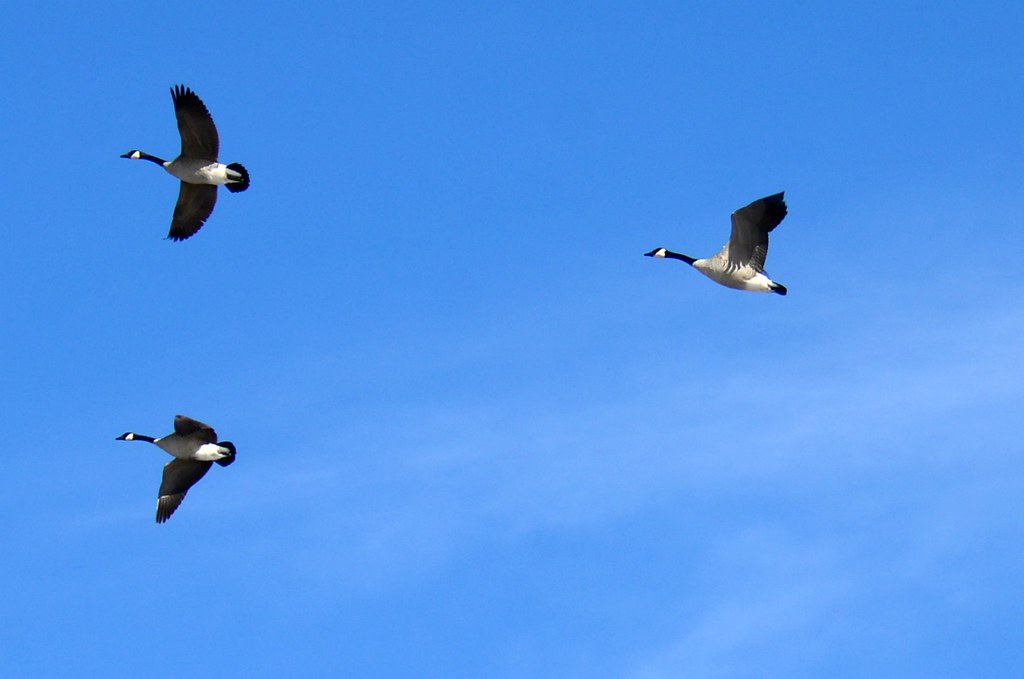
You know that eerie feeling when a flock of geese does slow, deliberate circles over a field… and then just never lands? They honk, they wheel around like a feathered traffic jam in the sky, and then, suddenly, they peel off and disappear. It feels like they know something we don’t.
That moment is more than just a random bird quirk. , they’re making a decision based on weather, safety, food, and social signals, all in a matter of seconds. Understanding what is going on up there turns an odd sight into a surprisingly rich story about wild instincts, changing landscapes, and how animals quietly judge the world we’ve built.
Reading the Sky: Geese Are Constantly Risk‑Checking
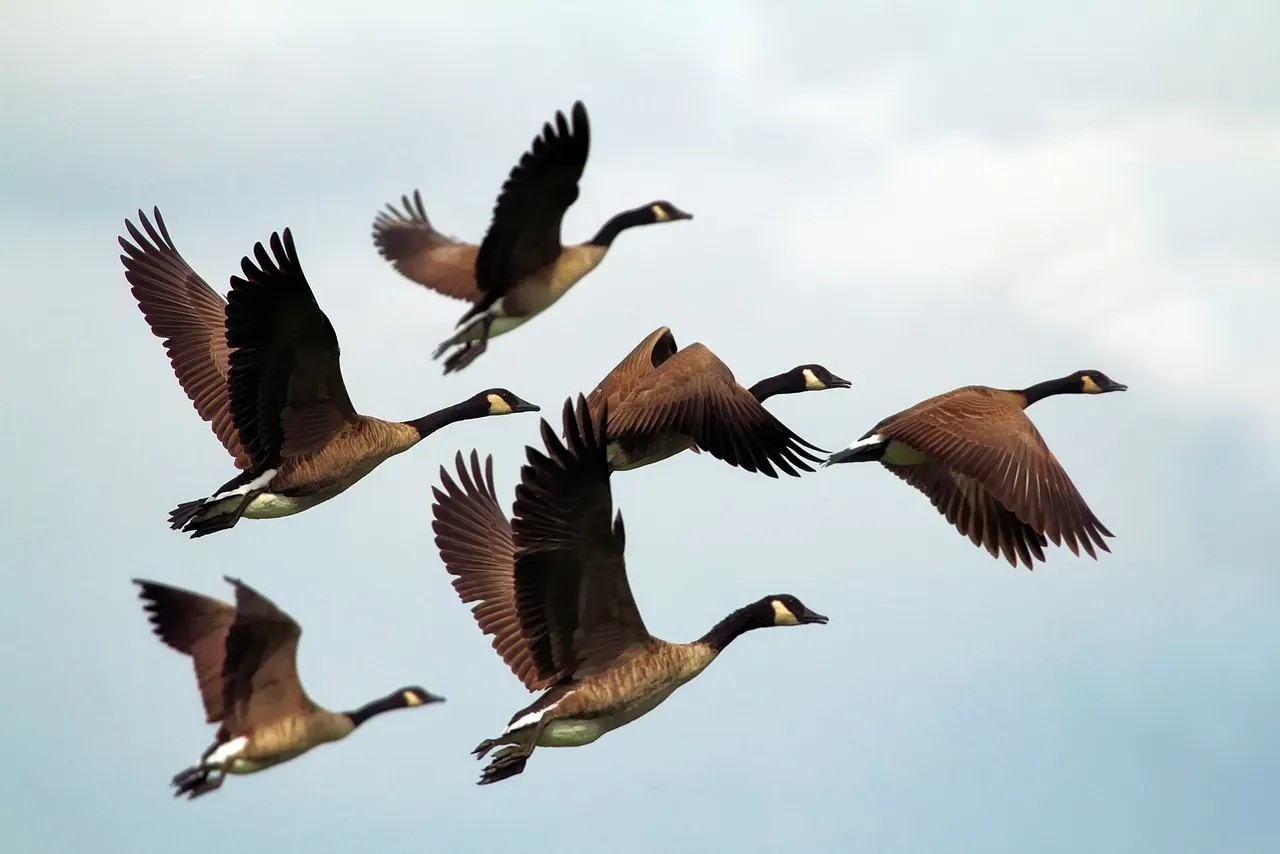
Here’s the first thing to remember: geese almost never do anything by accident. When they circle instead of landing, they’re essentially running a live safety check on the field, the wind, and even what might be hiding along the edges. In that moment, they’re weighing, in bird terms, whether this place is worth the risk.
From the ground it can look indecisive, but in the air it’s a high‑stakes calculation. A bad landing spot can mean predators, hunters, or not enough food to make the stop worthwhile. So if they keep circling and then move on, what you are really watching is a collective vote: the flock has decided that something is off, even if your eyes and ears say everything looks calm.
Wind, Turbulence, and the Geometry of Landing
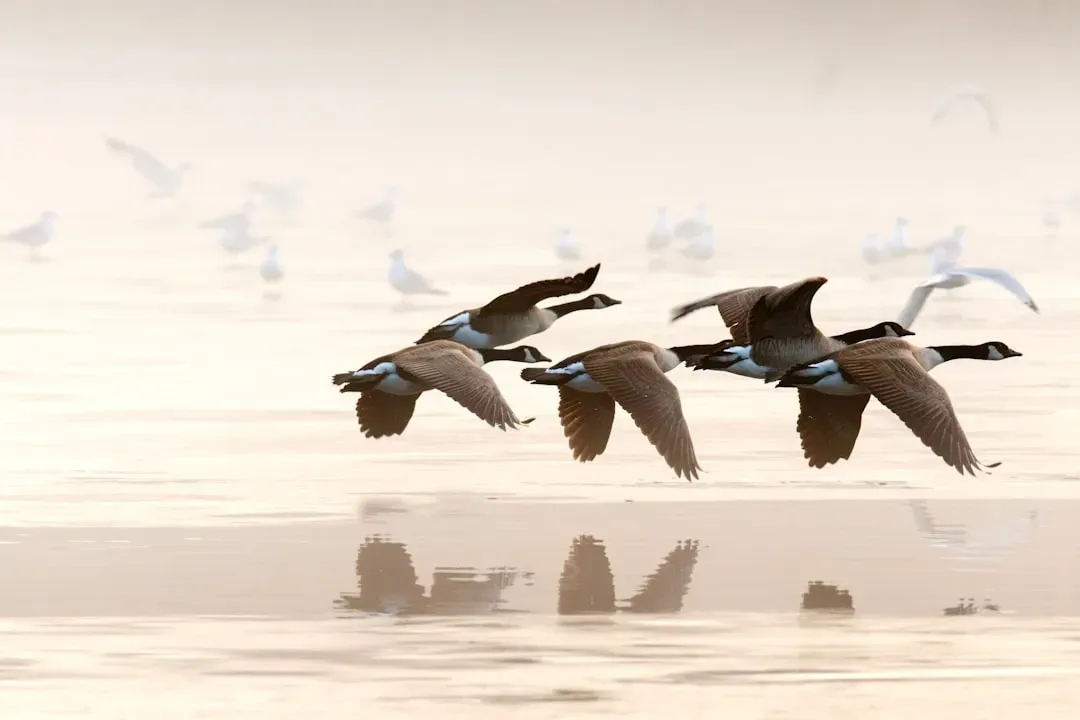
Geese are big, heavy birds, and landing is not a casual move for them. They prefer to land into the wind because it gives them more lift and control, almost like a built‑in brake. If the wind direction keeps shifting, or gusts create turbulence over a field, they may circle repeatedly while they try to line up a safe approach.
Sometimes those circles are the aerial version of a plane’s go‑around: they start a descent, feel the conditions are wrong, and pull back up. If the air over that field is unstable for too long, they may simply abandon the landing and search for somewhere with smoother air. To us it just looks like they changed their minds, but in reality they rejected an unsafe runway.
Predators, People, and Subtle Signs of Danger
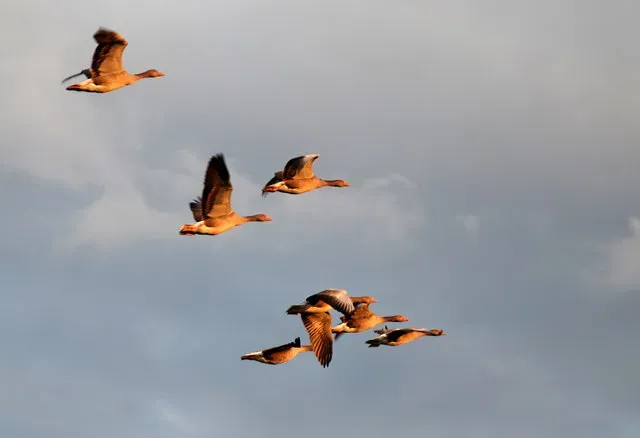
Geese have a serious predator radar. They’re scanning not only for obvious threats like coyotes or foxes, but also for motion in hedgerows, glints from vehicles, silhouettes of dogs, or even human figures near the field. While circling from above, they get a wide, top‑down view that reveals movement you might not even notice from the ground.
If even a few birds pick up on something sketchy, the whole flock can choose not to commit. That could be a hidden predator, an active hunting area, a lurking dog, or just too much human traffic near the edges. When they refuse to land, it’s their way of saying the risk is not worth the meal – no matter how inviting that green patch looks to us.
Noise, Disturbance, and the Invisible Stress Line
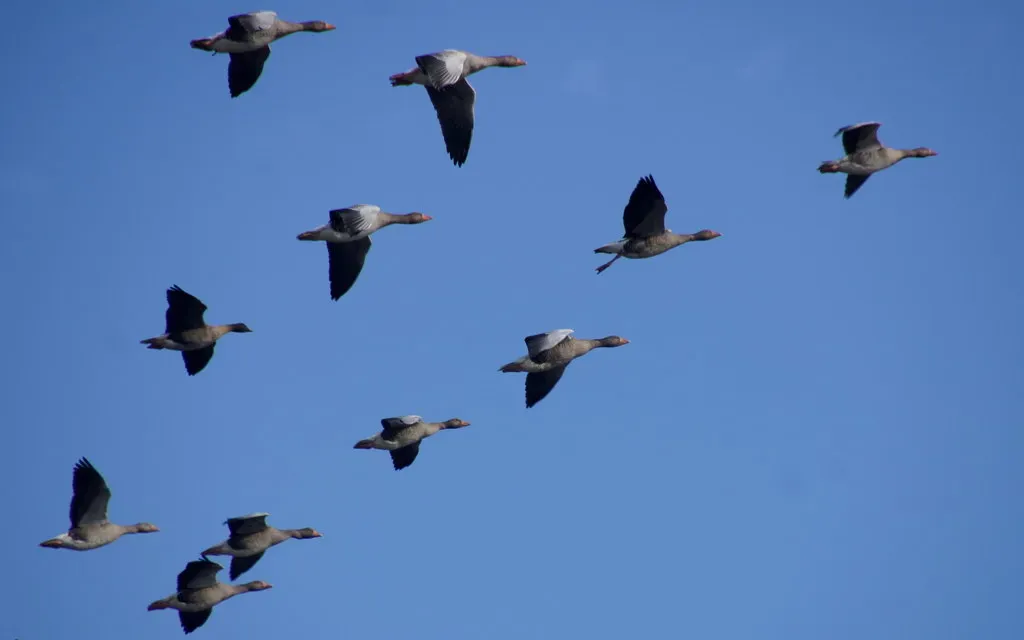
Fields near roads, farmyards, construction, or popular walking paths often fail what you could call the “peace test” for geese. Loud machinery, constant traffic noise, gunshots in the distance, or even repeated shouting can make a field feel unstable. The birds may circle to double‑check, but if the noise never really dies down, they will usually move on.
Geese are particularly sensitive to sudden, sharp sounds: a slamming truck door, a barking dog, or the crack of a rifle. Even if nothing directly threatens them, a steady pattern of disturbances adds up. To a flock that burns a lot of energy flying and needs calm windows to rest and feed, that invisible line of stress can be enough to turn a promising field into a no‑land zone.
Food Quality: A Field That Looks Good but Feels Wrong
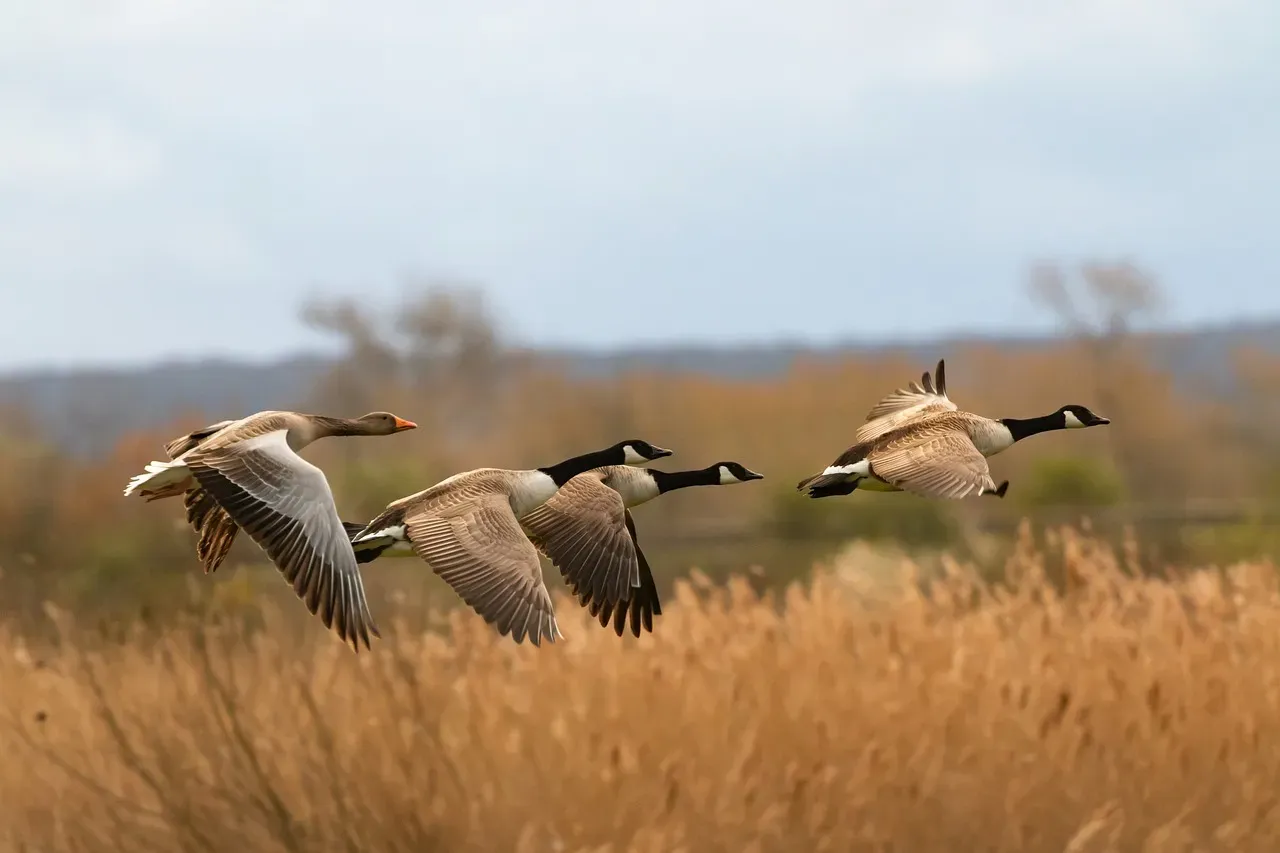
From a distance, almost any open, greenish area can look like a buffet. But once geese are directly overhead, they can see details: crop type, stubble height, waterlogged patches, snow cover, or areas already stripped of grain. Those circles might be them trying to figure out whether there is actually enough edible material to justify landing.
If they detect bare soil, poor crop residue, thick ice, or vegetation that is too tall and dense, they may decide it is not worth spending energy to settle there. I have watched flocks circle over fields that looked lush to my eyes but were planted with crops geese rarely eat; they inspected, took a vote in mid‑air, and left. Their refusal is often just a blunt verdict: the menu does not match their needs today.
Water, Escape Routes, and the Need for a Quick Getaway
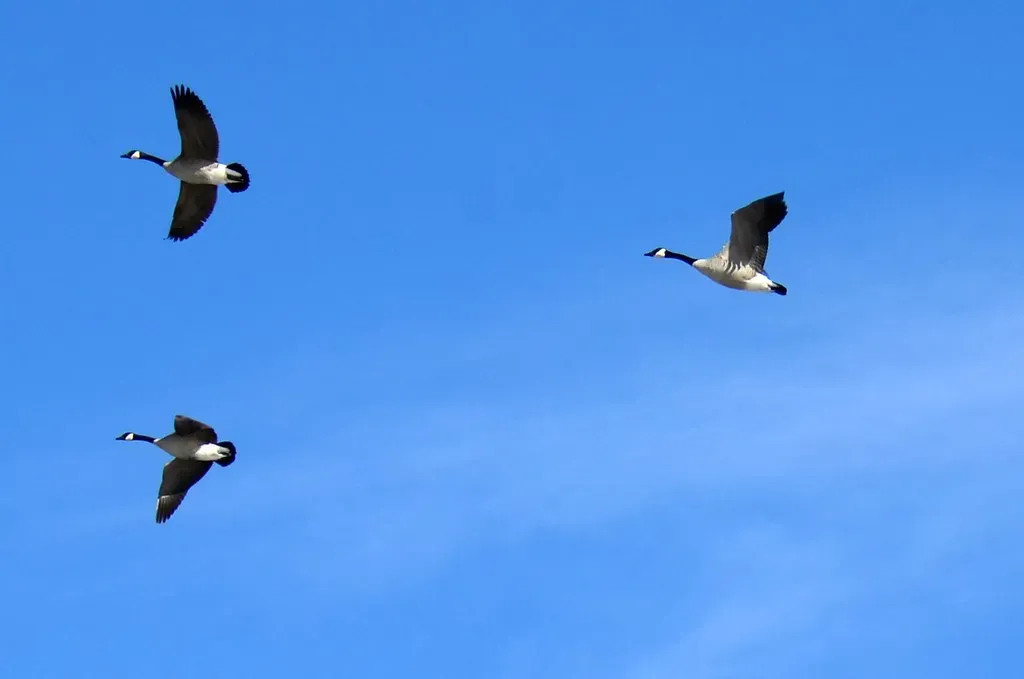
Geese like fields, but they love having an escape plan even more. Ideally, they want a field near open water where they can roost and retreat if threatened. When they circle and hesitate, they may be noticing that there is no pond, lake, river, or large wetland close enough to serve as a safe overnight spot.
They also prefer fields with good visibility in all directions and few obstacles. Long tree lines, tall buildings, power lines, or steep terrain can make takeoff and escape more complicated. If a field offers food but no clear exit route, a cautious flock will often pass it up. In a way, they are choosing not just a meal, but an entire safety system around that meal.
Social Signals: When a Few Nervous Birds Change the Plan
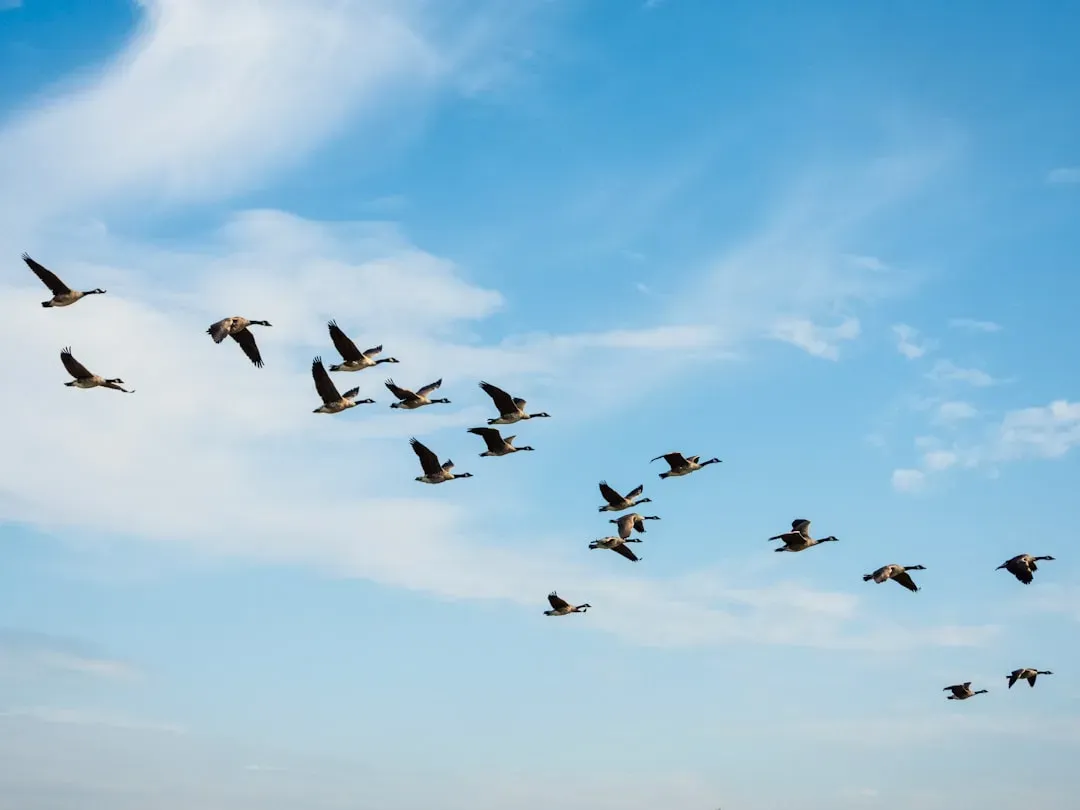
Geese are highly social decision‑makers. In a circling flock, you can often see small clusters starting to angle down, then suddenly correcting back up to rejoin the group. That is a sign that a handful of leaders – or simply more anxious individuals – have signaled discomfort, and the rest are reading that body language in real time.
Hesitation spreads fast. One bird flares its wings, another breaks off the approach, and soon the entire group abandons the landing. It is a reminder that what you are seeing is not just each goose reacting alone, but a moving conversation across the entire flock. Sometimes the loudest message is essentially: not today, not here.
Migration Timing, Fatigue, and Energy Economics
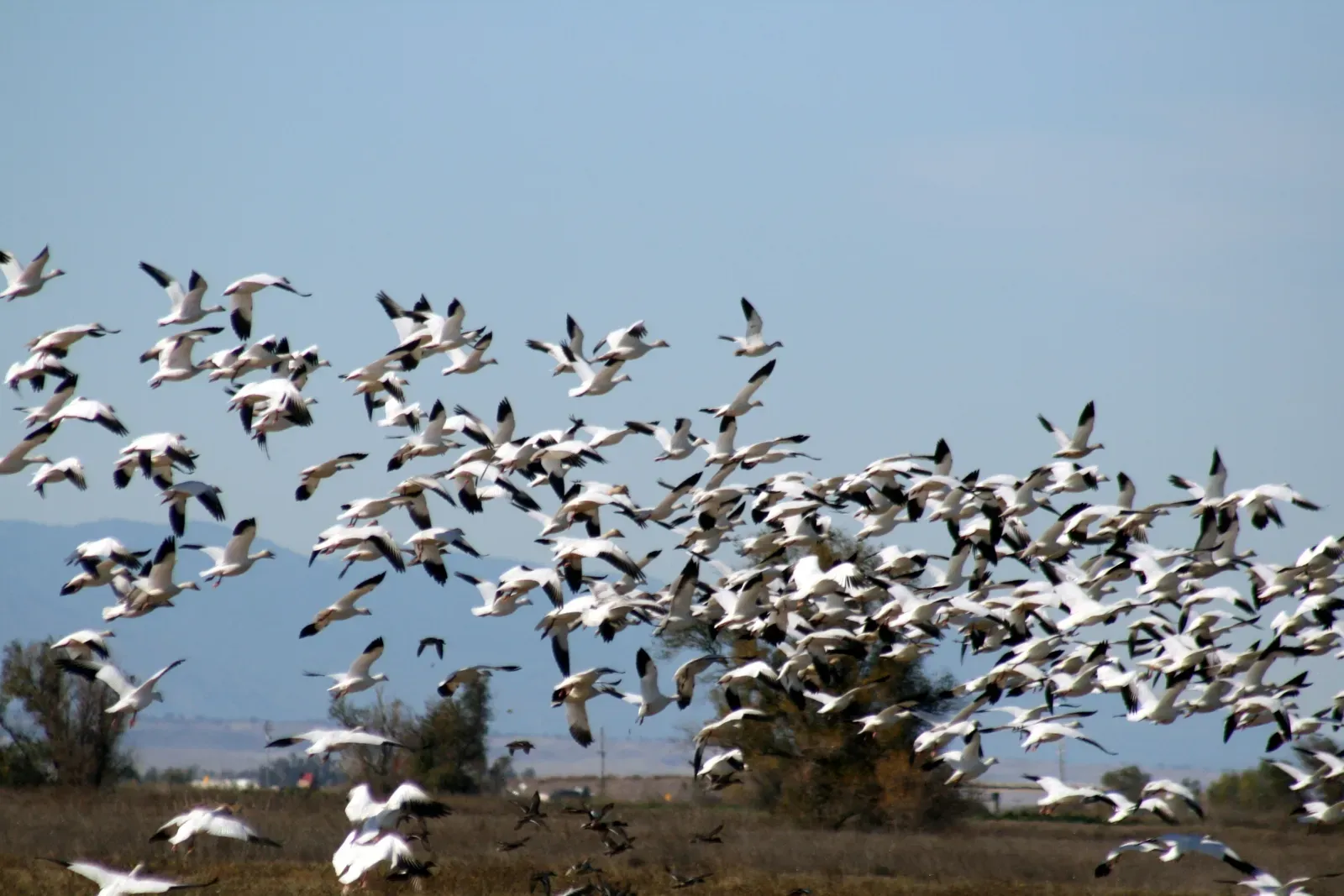
During migration, every landing choice is an energy decision. Geese are balancing how tired they are, how far they still need to go, and how much fuel – their body fat – they can afford to burn by detouring or circling too long. If a field is slightly off their main route or only marginally good, they might inspect it and still decide to push on to a known resting area.
When you see them circle and reject a field during peak migration seasons, it often means they are playing a long game. A mediocre stop might cost them more in wasted time and energy than it gives back in calories. It is a bit like a road trip: sometimes you skip the sketchy gas station because you know there is a better one a little further down the highway, even if it means driving past what looks like an okay option.
Human Changes: Fertilizer, Chemicals, and Subtle Habitat Shifts
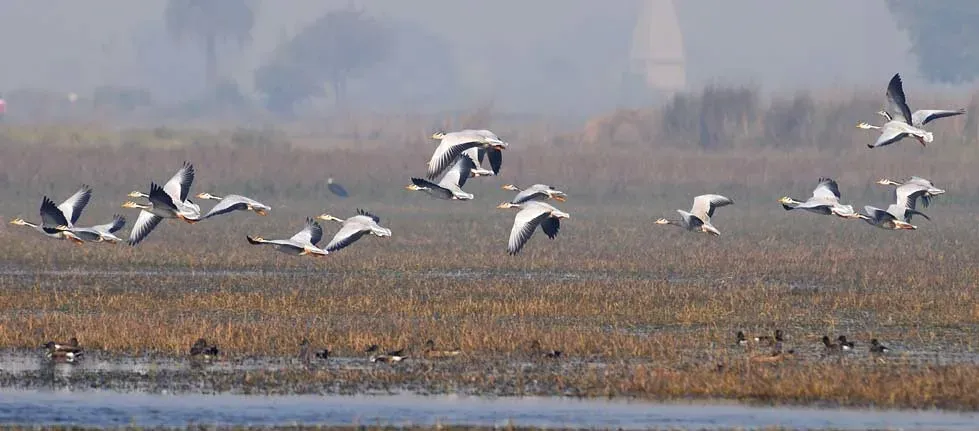
Modern agriculture and land management have quietly changed how wild birds use fields. Fertilizer patterns, pesticide use, soil treatments, and crop choices can alter how safe or appetizing a field is to geese, even if it looks unchanged to us. They may smell, taste, or sense residues or soil conditions that make them wary.
On top of that, more fenced areas, solar panels, drainage changes, and busy recreational spots have reshaped open landscapes. A field that used to be a regular stop for geese can quickly become less attractive after a few small human tweaks. When geese circle a once‑familiar field and refuse to land, it can be a subtle sign that the place has shifted, even if the difference feels invisible to human eyes.
What It Really Means – and Why We Should Pay Attention
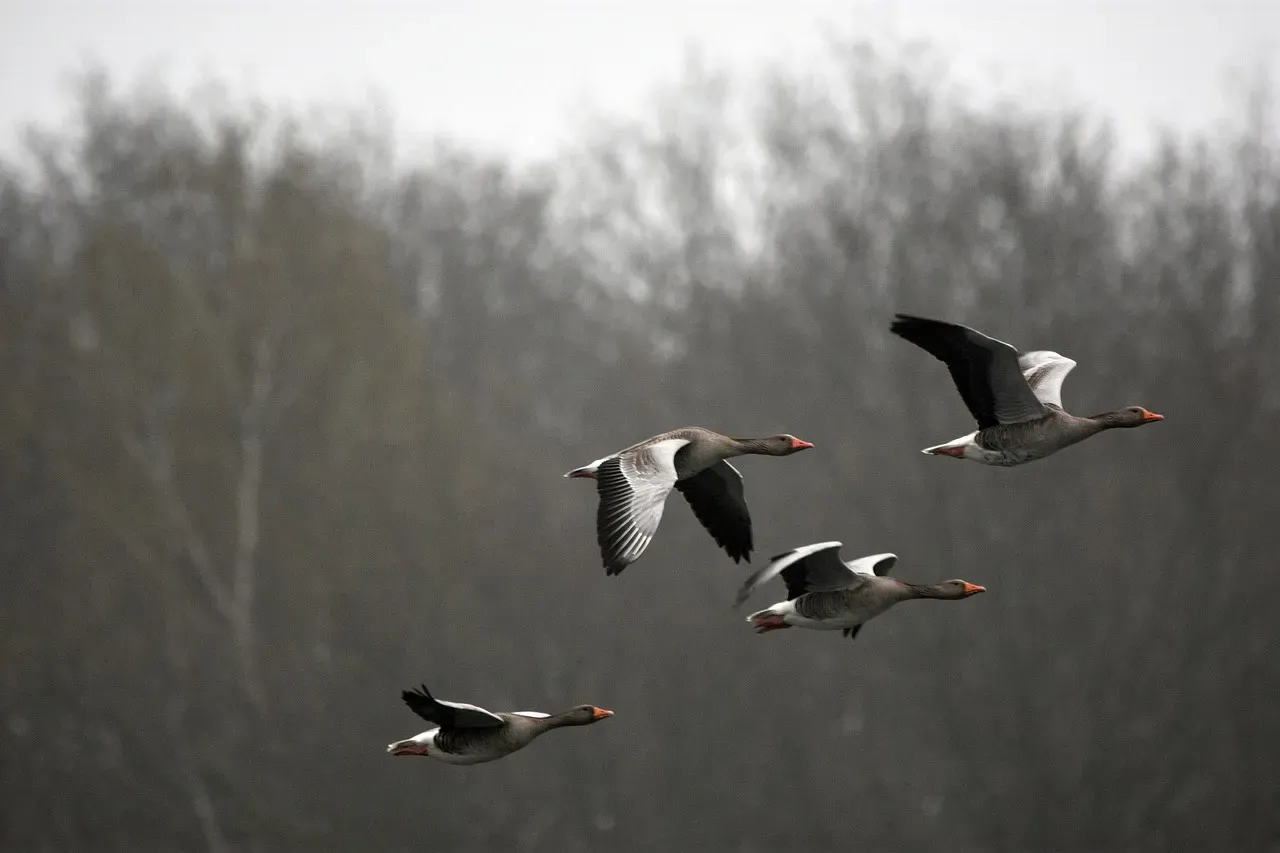
, it is not random, and it is not meaningless. It is the visible tip of an invisible process: a blend of instinct, memory, weather sense, and social communication that tells them this patch of Earth is not quite right today. To me, it is one of those small natural signals that we tend to ignore but probably should not.
In a world where habitats are changing fast, those circling geese are like flying field inspectors, quietly grading our landscapes as usable, marginal, or unsafe. If they are turning away more often, that says something about noise, pressure, food, and security on the ground. Next time you see them wheel overhead and leave, it might be worth asking yourself: if the geese do not feel comfortable stopping here, what does that say about what we have done to the place beneath their wings?